Civil War Soldier

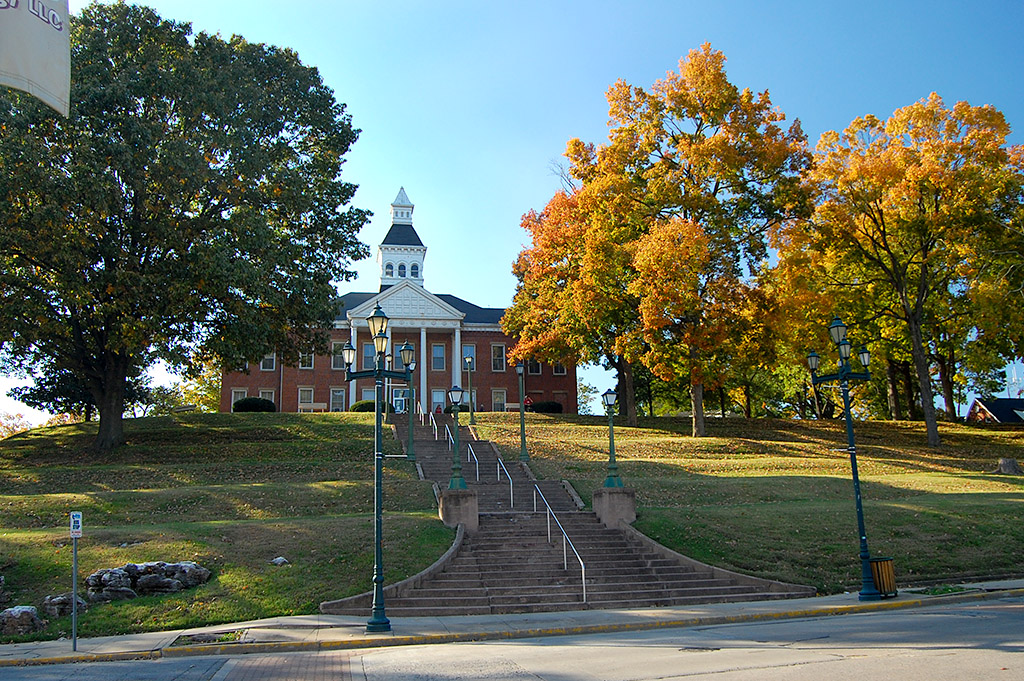
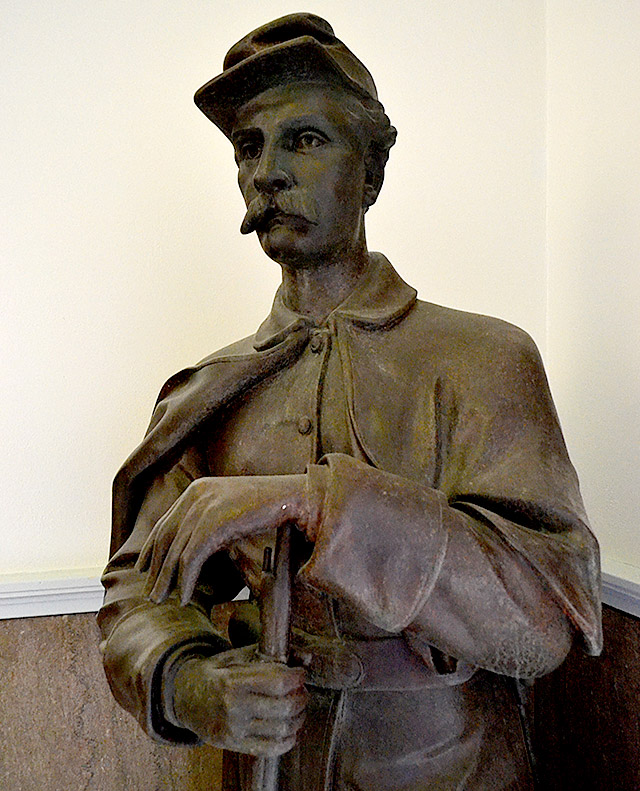
When IT director Eric McGowen, Friend Shari and I were on our way up to the Jackson County Courthouse’s bell tower, public works director Don McQuay mentioned something about a figure standing in a dark corner. To be honest, I was more interested in getting up to the dome where the neat stuff was before it got too hot, so I didn’t stop to look at it. (I’ll show you the neat stuff later.)

On the way back down, Don pointed him out again, prompting me to take a closer look. “Know who he is?” Don asked.

Sounded like a trick question to me, so I said, “Not a clue.”

“He’s the Union soldier who used to on the fountain at the Common Pleas Courthouse.” Don said.

A tree limb hit the statue May 12,2003, and broke it into more than 200 pieces. “I picked up most of them in a five-gallon bucket, he said.” At first it looked like the old soldier, erected by the Women’s Relief Corps, and dedicated on Memorial Day 1911, was a goner.

Alan Gibson to the rescue
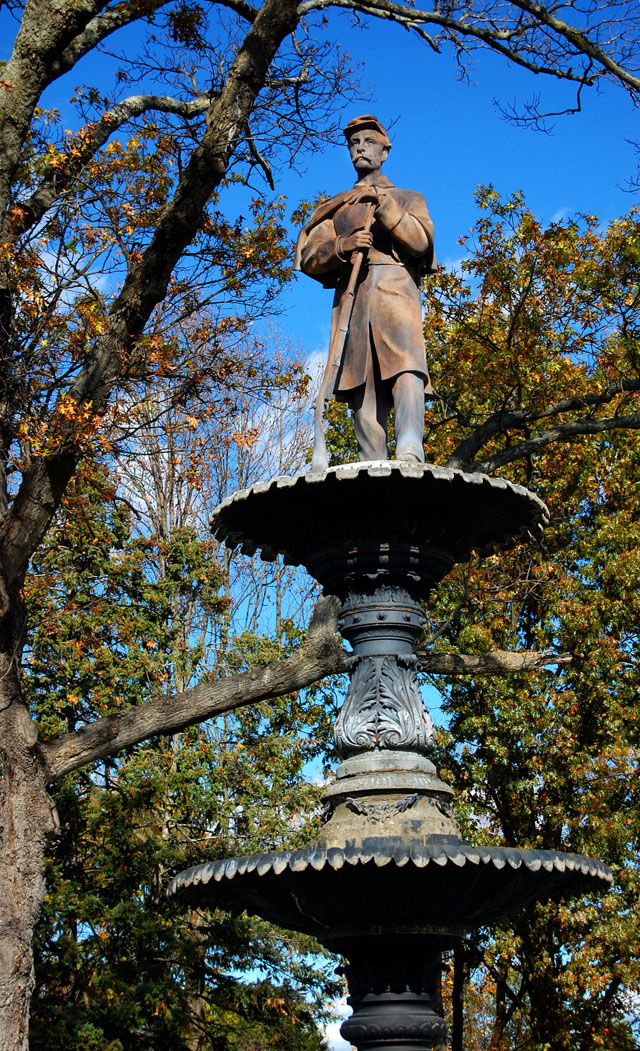
Alan Gibson, a Dexter sculptor, said he’d try to put the martial Humpty Dumpty back together. Once he did that, he made a mold of the original and recast it with polyester resin and bronze.

Here is a Fred Lynch gallery of photos of the soldier being lifted back up on the fountain.

Shari and I were amazed at the job Gibson did. We couldn’t feel a single joint or seam where the pieces had been put back together.

Tree shadowed statue
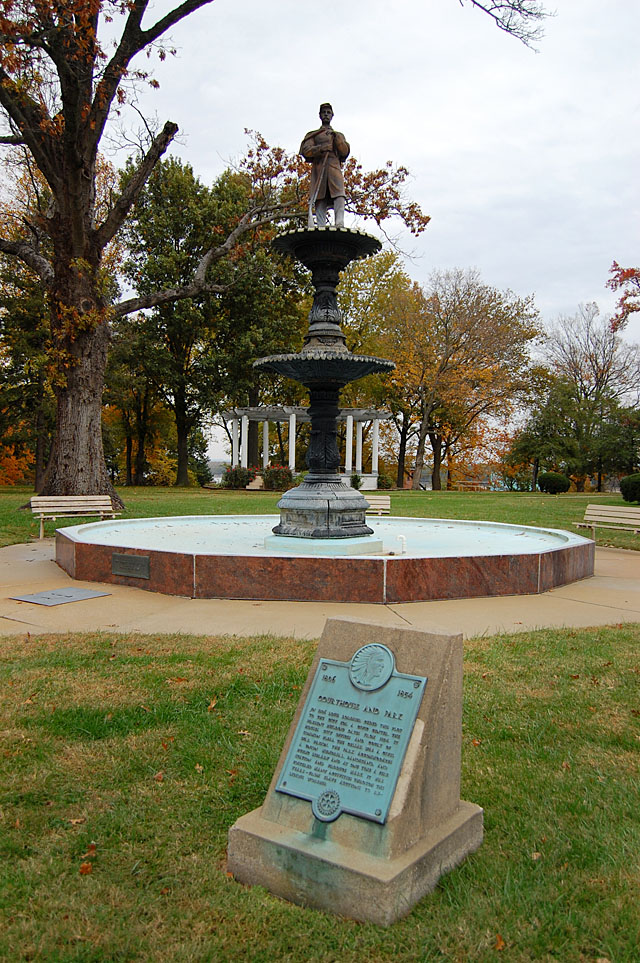
When I shot the statue as part of a story on Common Pleas memorials in October 2011, there was a large tree behind the statue. It might have even been the Killer Tree itself (not to be confused with Jackson’s Hanging Tree).

Grounds look naked
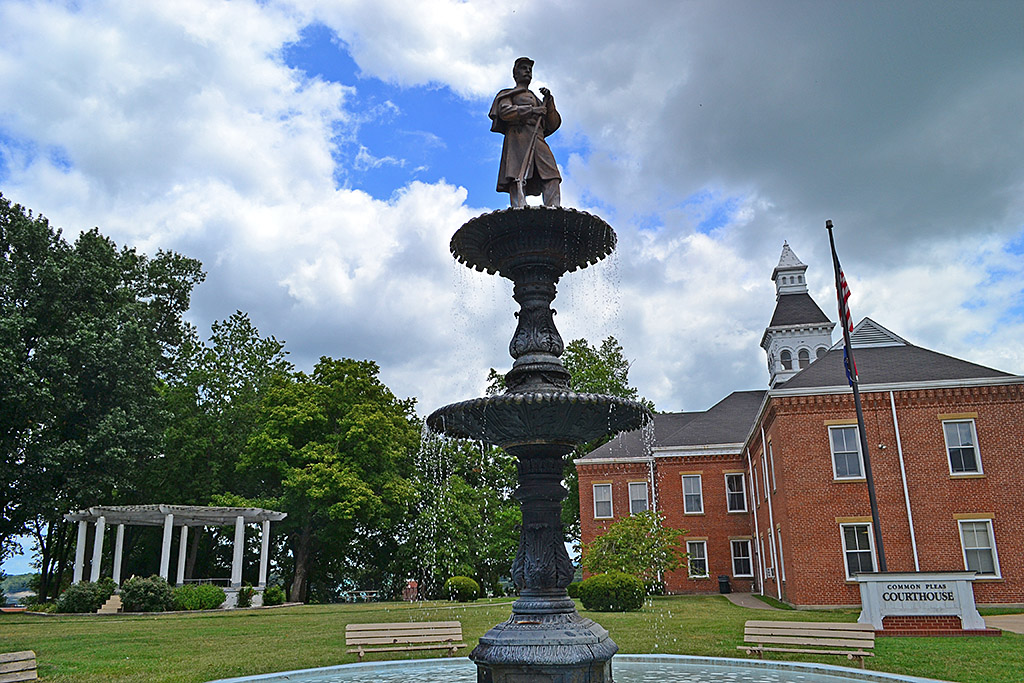
When I shot this photo July 13, 2012, the tree was gone, leaving a gap like a missing tooth. You wouldn’t think a missing tree would cause the grounds to feel out of balance, but it did. I guess I just got used to seeing it there even if I never really noticed it until it was gone.
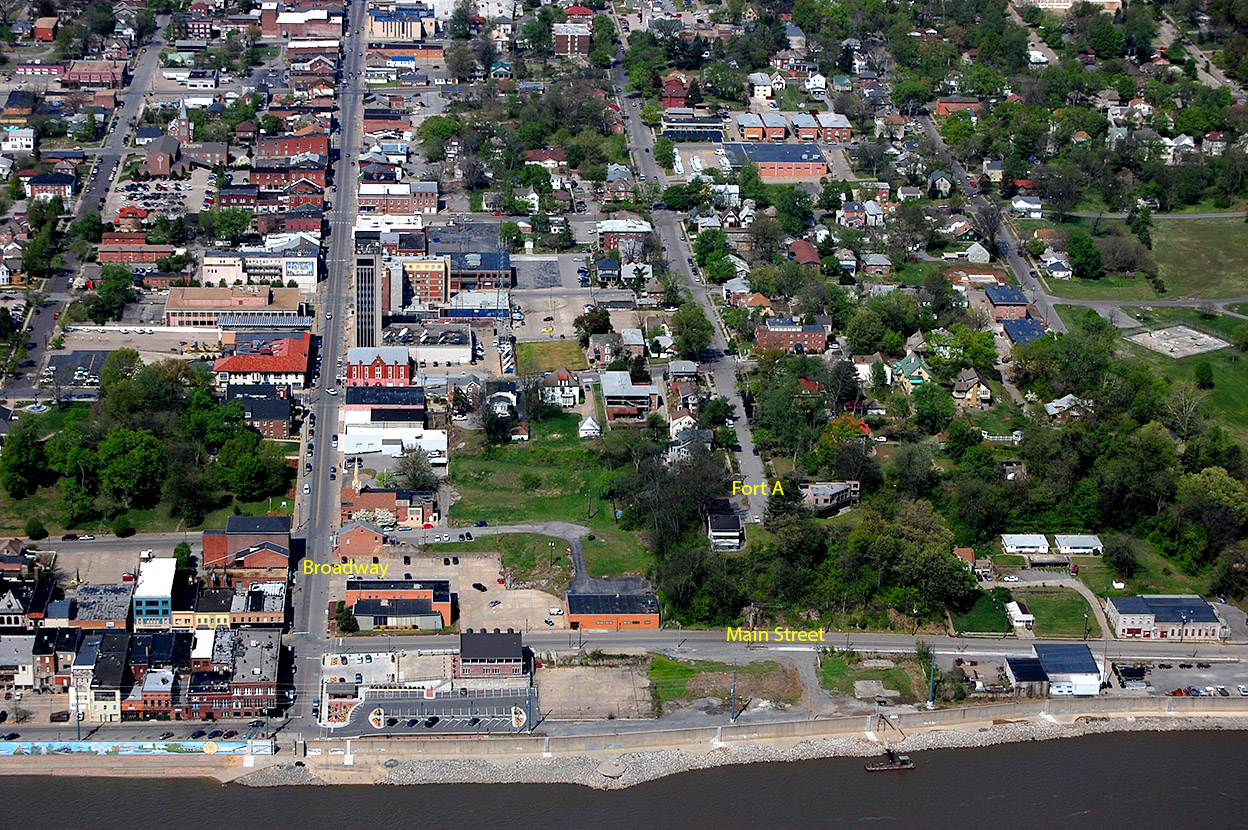
 

Civil War Fort A

Everybody who grew up in Cape learned about Fort D. Maybe you even went on a field trip there.

If that was D, were there Forts A, B, C and E? Well, there wasn’t a Fort E, but A, B and C existed.

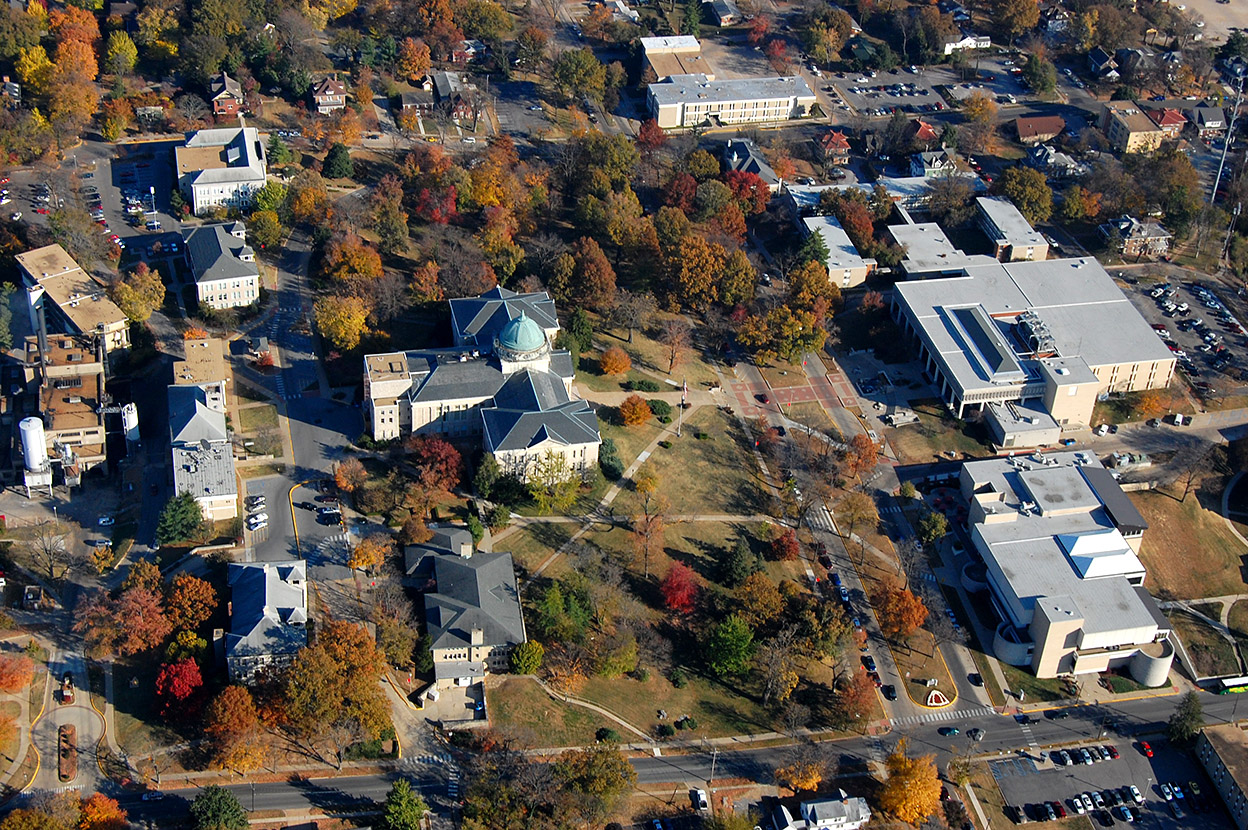
Missourian librarian Sharon Sanders wrote about efforts to preserve Fort A, which was atop the bluff at the end of what is now Bellvue Street. Her research, as always, is worth reading. (Click on the photos to make them larger.)

She’s not a dry historian, either. she likes to toss in tidbits like, “A 1922 story reports 12-year old Wilson Gibbs chased a rabbit into a a cave at the site. While the rabbit made its escape, Gibbs did stumble upon two jugs of moonshine. A law-abiding youth, Gibbs turned the illegal liquor in to Justice of the Peace C.M. Gilbert. There’s no mention of whether anyone claimed the whiskey.

Scenic lookout proposed

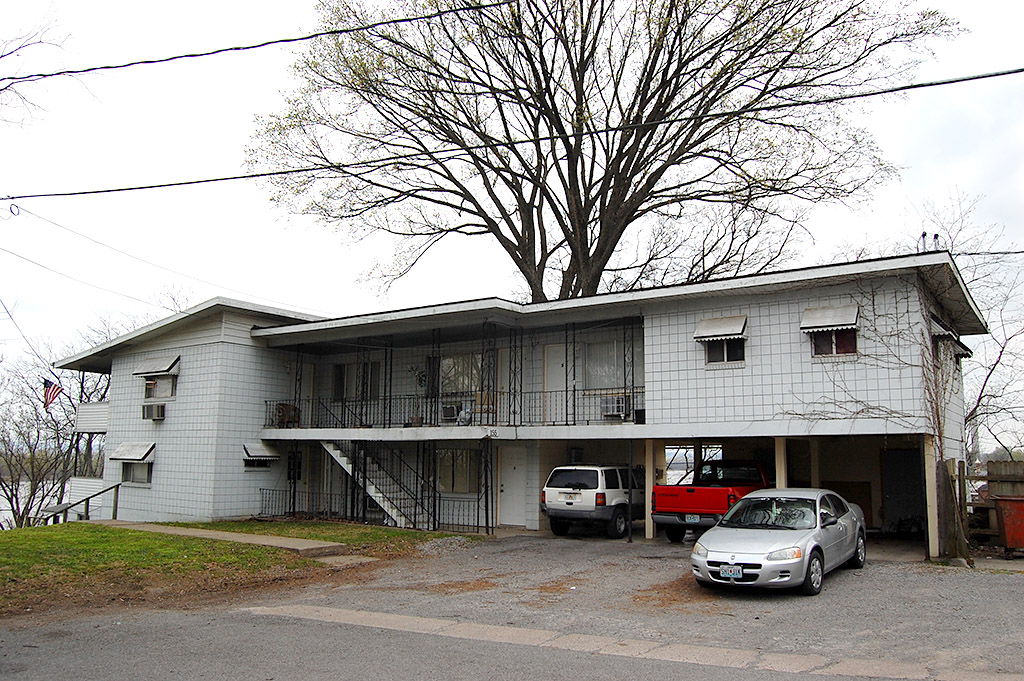
In 1960, Sharon reports, there was talk about creating a scenic overlook/turnaround at the end of Bellvue. The project never got anywhere.

Here’s what’s on the right side of the street today. That apartment building has been there since at least the mid-60s, because Missourian reporter Arlene Southern lived in one of the first floor apartments.

Fort B became SEMO

If you have good eyesight, you MIGHT be able to spot a gray marker in the median of Normal Avenue just east of the red brick crosswalk between Kent Library and Academic Hall. That marker notes the location of Fort B, which was to guard the Perryville and Jackson Road approaches to Cape Girardeau.

St. Francis Hospital site was Fort C

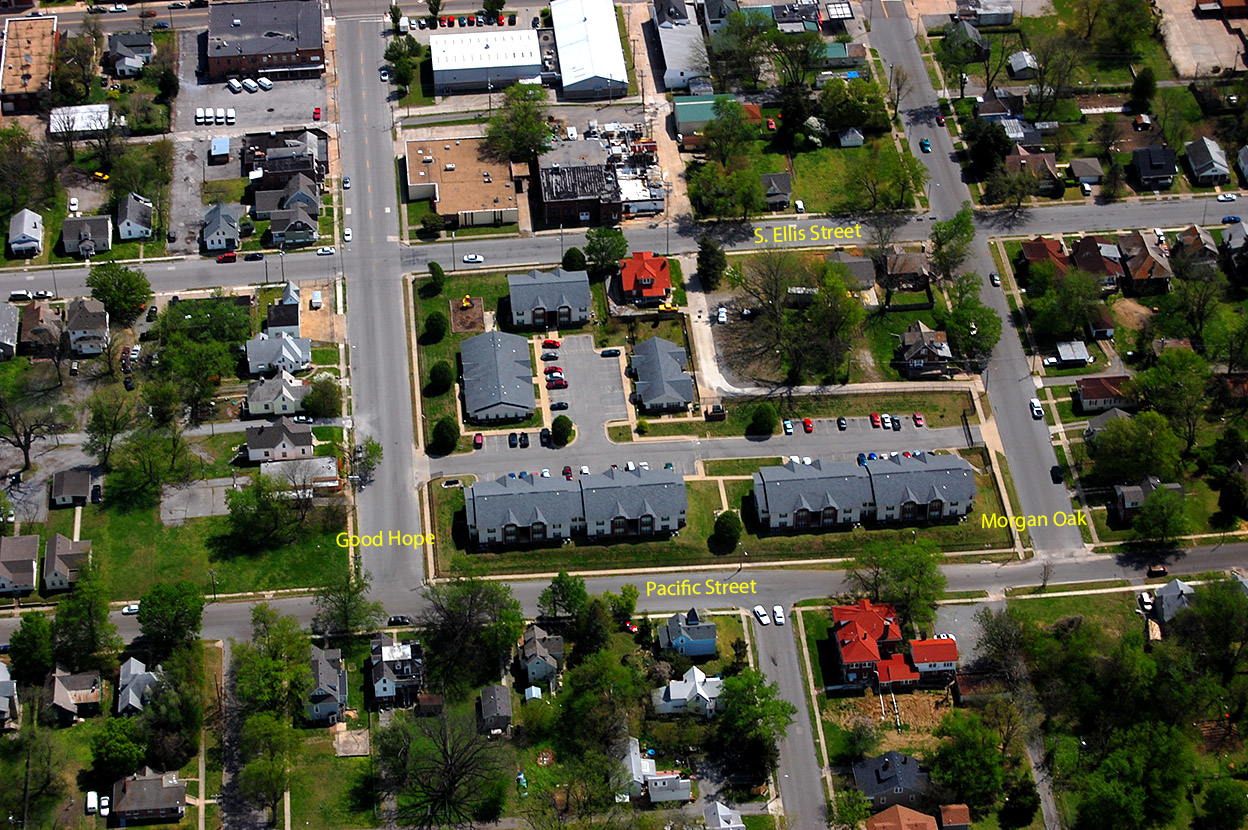
The old St. Francis Hospital site in the middle of the marked streets was the location of Fort C. It’s occupied by the Fort Hope housing development today.

I’ve written about some of the landmarks in this photo.

Mother Nature’s a Tease

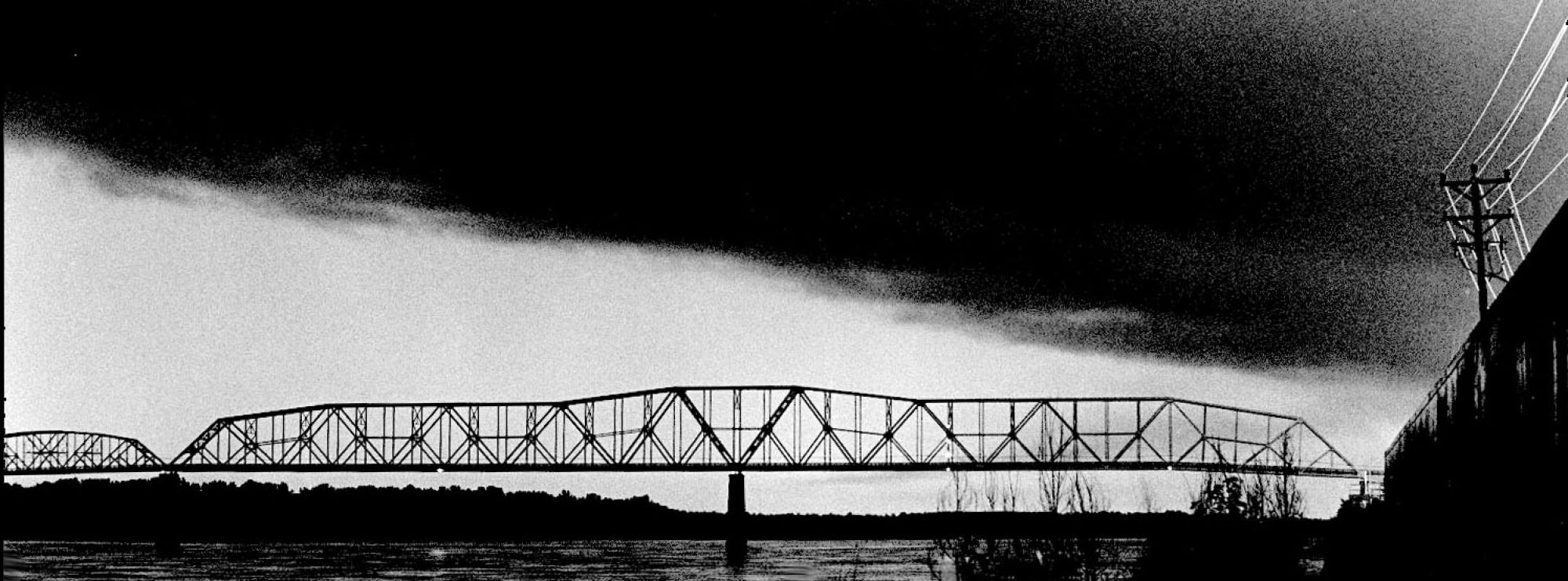
Mother and I took a swing over to Jackson so I could get my Wib’s BBQ fix. The sky to the west looked dark blue and the radar was painting lots of reds and yellows. As soon as the server had taken our order, there was a brilliant flash outside the window. To be on the safe side, I went out to the car to get the umbrella.

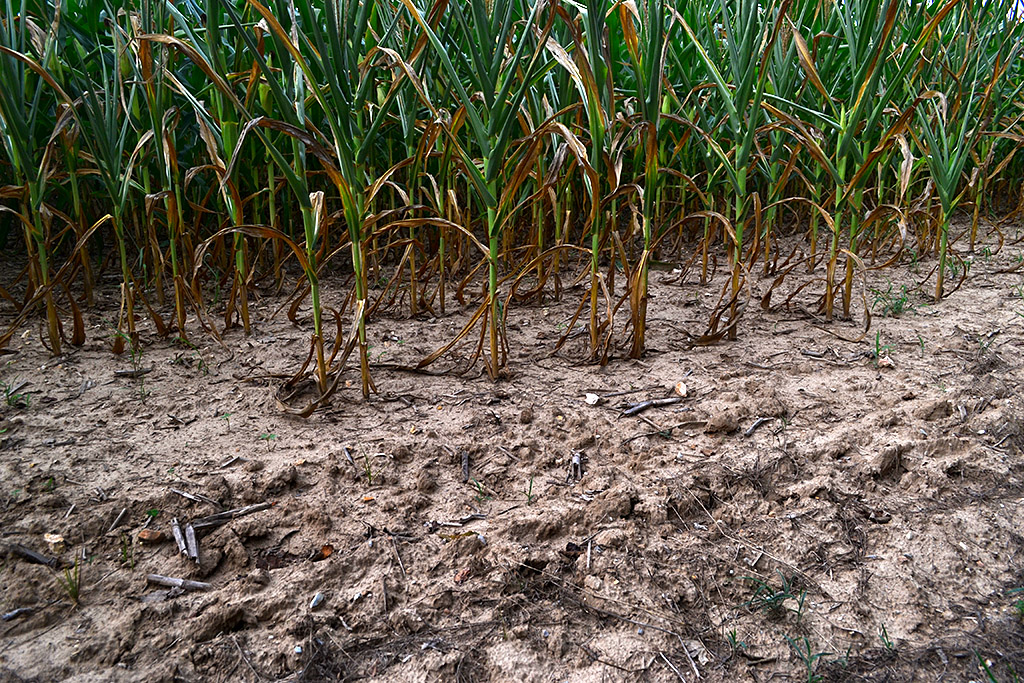
That probably doomed Mother’s corn crop down at Dutchtown. It didn’t rain at Wib’s. This guy’s field doesn’t look all that great, either.

I stood on a high piece of ground in Fruitland trying to get a look at a controversial quarry there. I missed a couple of good lightning bolts (they missed me, too. Otherwise you wouldn’t be reading this). No rain.

Egypt Mills Trinity Lutheran Church

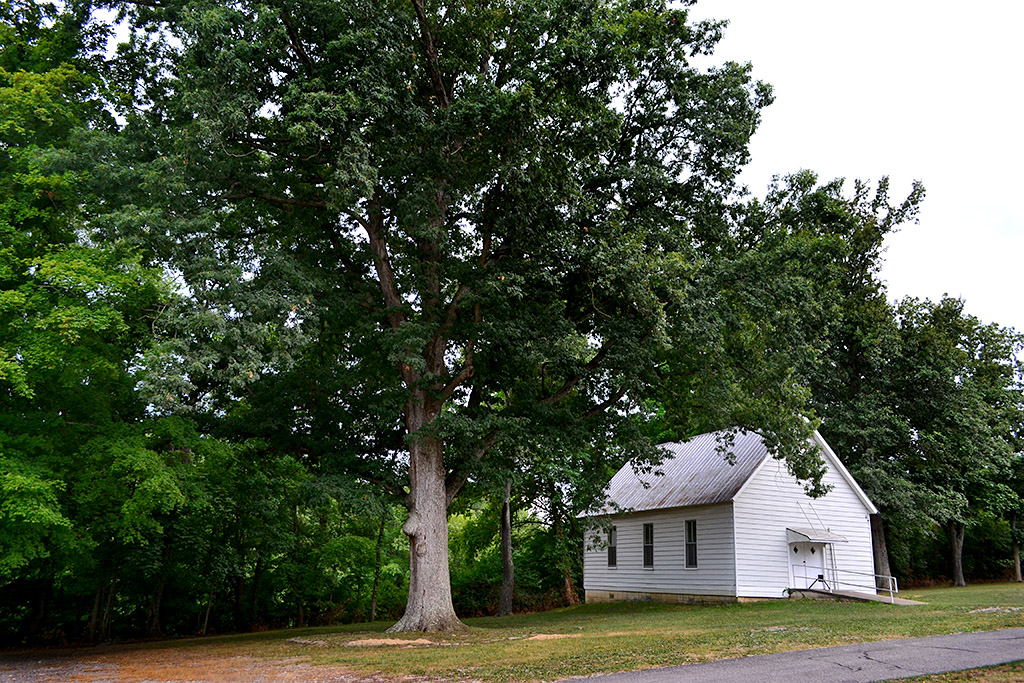
After my presentation at the Altenburg Museum Tuesday night, Tom Neumeyer mentioned that he had seen a large Steinhoff headstone at the Trinity Lutheran Church at Egypt Mills.

So, we went out past the KFVS TV tower (once the world’s tallest structure), to check it out. We found several stones and recognized some of the names, but they weren’t part of our immediate clan.

I liked the look of this small outbuilding and took a couple of frames while being teased by rumbles and flashes. (You can click on the photos to make them larger.)

Heat records shattered

Heat records are being shattered as are records for the number of days in a row the temperature has hit 100 or higher.  The last time St. Louis was this hot for this long was in 1936, said Jim Keeney, a meteorologist with the National Weather Service Central Region Headquarters in Kansas City, Mo. Then, the city recorded 13 days in a row of temperatures 100 degrees Fahrenheit or over. That devastating heat wave of the mid-’30s killed thousands of people and destroyed many crops.

We see clouds build up, hear thunder, see impressive radar returns, then the storms dissipate or split, going around Cape.

Hoping to walk to Tower Rock

The Southeast Missouri Geocaching folks are keeping a close eye on the Mississippi River gauges at Chester and Cape Girardeau. When the Chester gauge reads 0 and / or the Cape gauge reads 7, the water is low enough to walk across to Tower Rock, just south of Wittenberg. The gauges are at 5.39 and 11.23, with a gentle rise predicted.

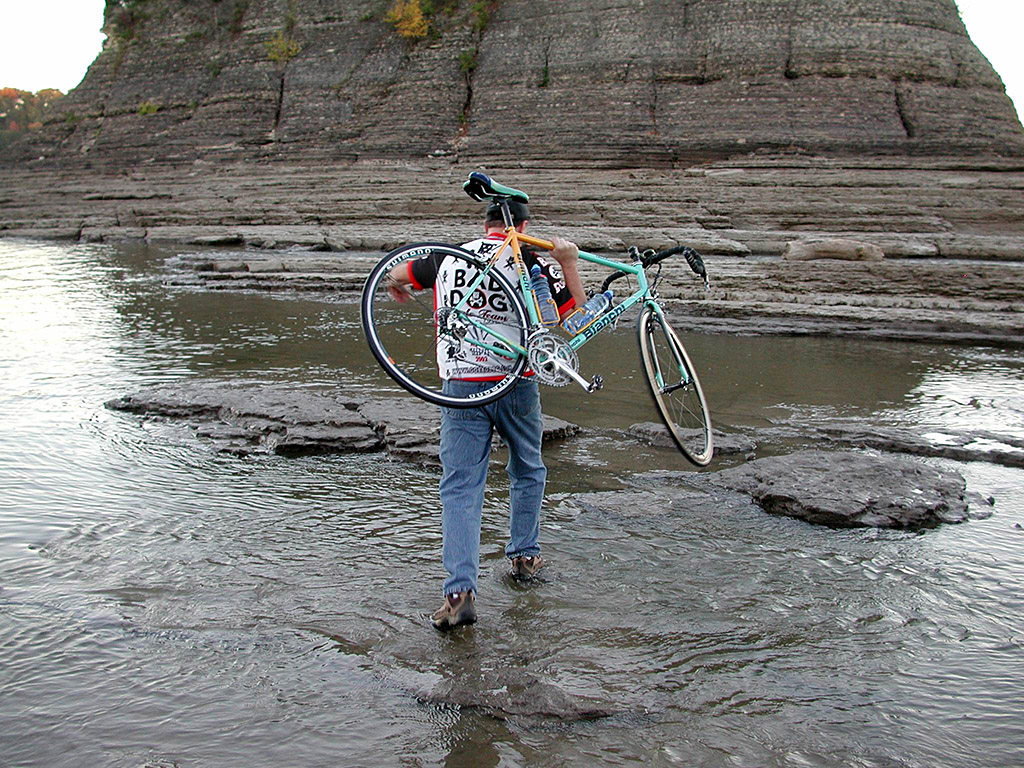
Brother Mark and I picked our way to it October 12, 2003. He climbed to the top of the rock with his bicycle for reasons only he could explain.

High in the Common Pleas Courthouse

When you look at the Common Pleas Courthouse from Spanish Street, you hardly notice the windows in the dome. (You can click the photos to make them larger.)

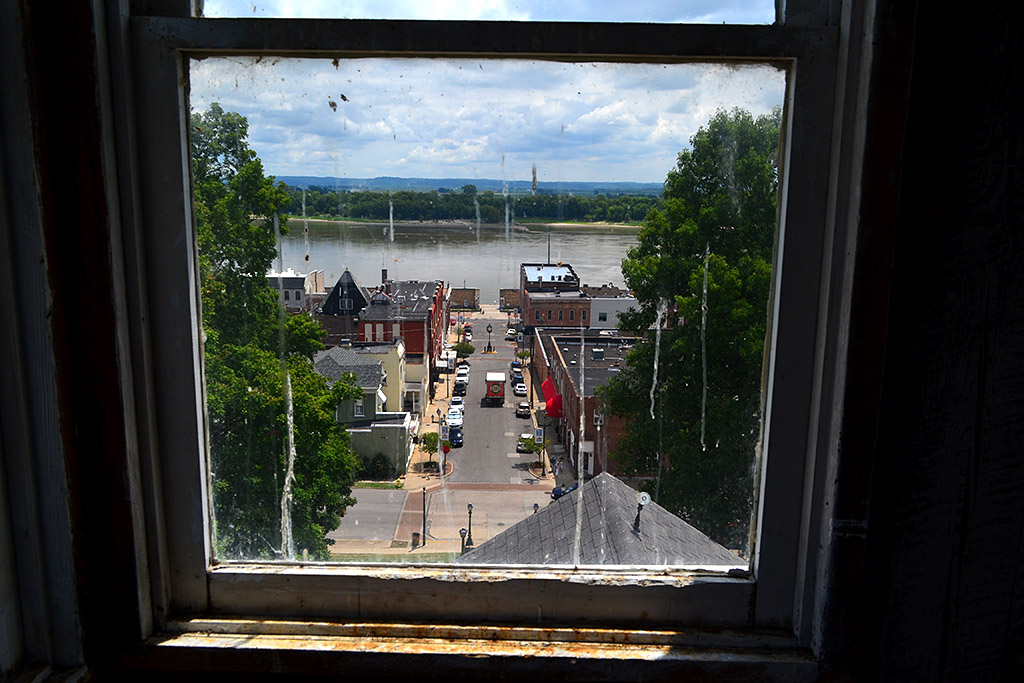
Looking east from the courthouse

If you’re lucky enough to hook up with guys like IT director Eric McGowen and public works director Don McQuay, folks who have the right keys and know where the hidden passageways are, you can see some impressive sights. I’m glad Friend Shari and I picked a day when it wasn’t 107 outside for our tour. Even on a relatively cool (sub-100) day, it was hot and dusty. The tiny and winding staircases were made for smaller people than me.

Here’s a view down Themis Street. The greenish building on the left side of Spanish and Themis was Doyle’s Hat Shop. One of the Teen Age Clubs was in the building across the street from it. The tall, red brick building that was the Sturdivant Bank may not be with us for long. It’s on the Endangered Building List. A steel cable is keeping bricks from the top floor from raining down on Main Street.

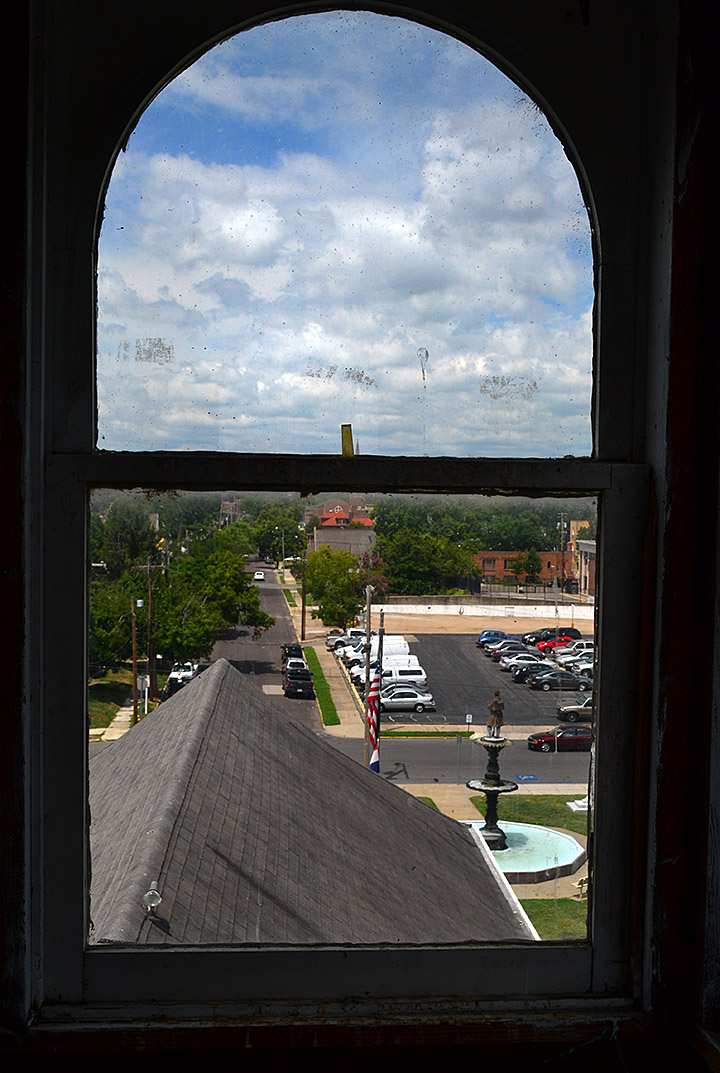
View to the west

This is the view in the opposite direction. The Civil War fountain and statue is to the right of the roof. Don shared an interesting story about it when we were at the Jackson Courthouse. We’ll save it for another day.

DR. C.E. Schuchert’s bandstand

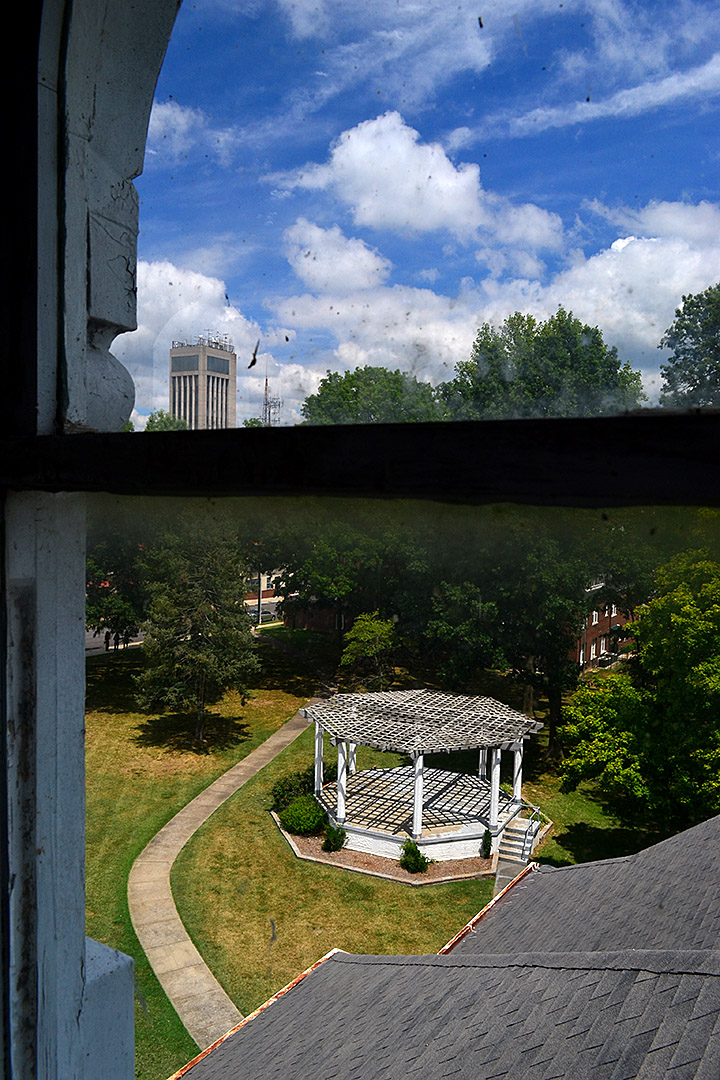
The bandstand dedicated to Dr. C.E. Schuchert and the KFVS tower can be seen to the northwest. The view from the 11th floor of the KFVS building is pretty spectacular, too. There’s a photo looking back toward the courthouse that provides an interesting counterpoint to this one.