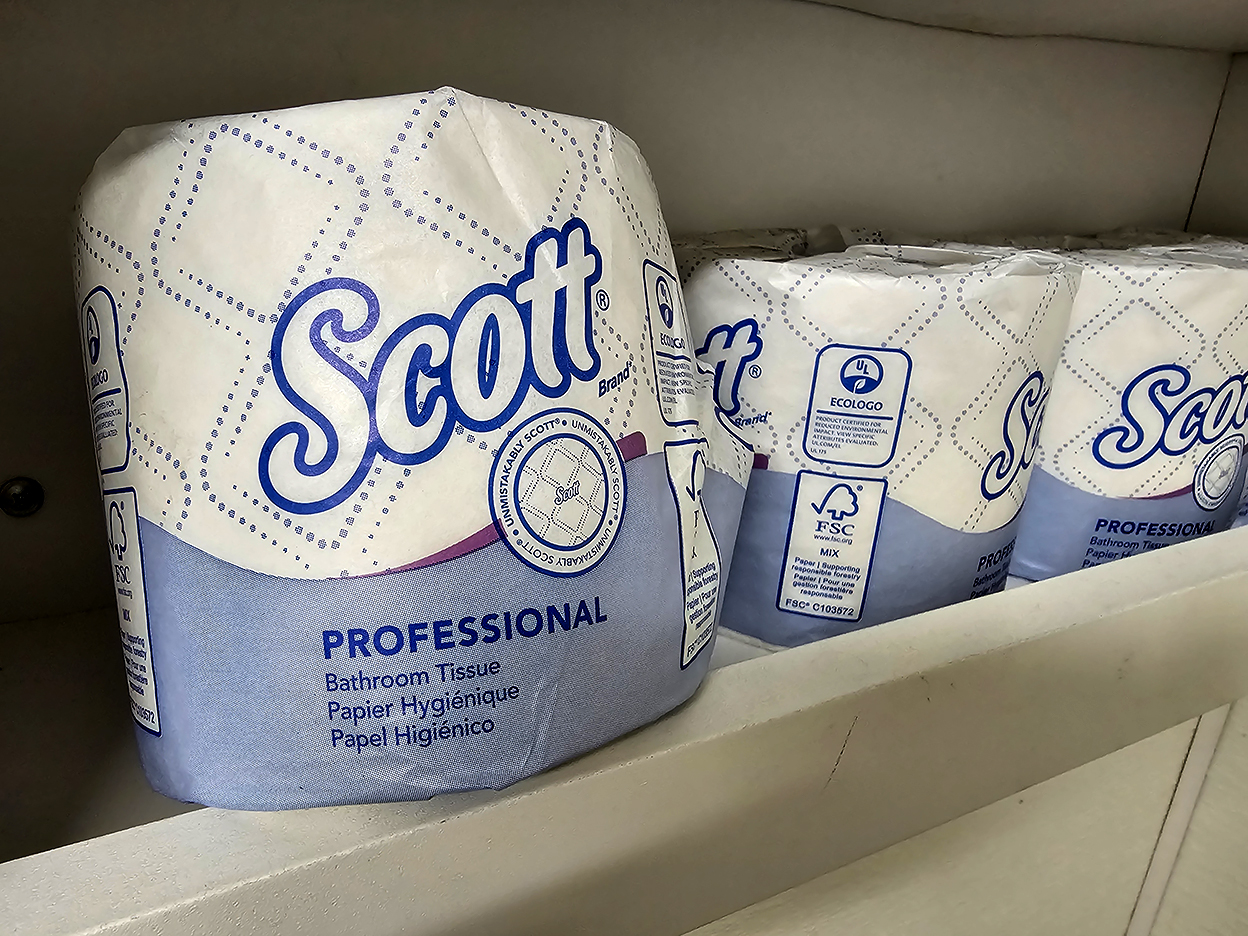
When I stopped in for a natural break at a Cape Girardeau facility, I thought it was nice of them to have a ready supply of extra toilet paper ready to go (so to speak).
What caught my eye was the “PROFESSIONAL Bathroom Tissue” label.
I had to wonder how I elevate myself from an amateur bathroom tissue user to a professional one? Do I have to get a degree? Take a test? Demonstrate unusual ability?
I think I’ll hang onto my amateur status despite knowing the outhouse corncob rule – two brown cobs, followed by a white one for quality control.
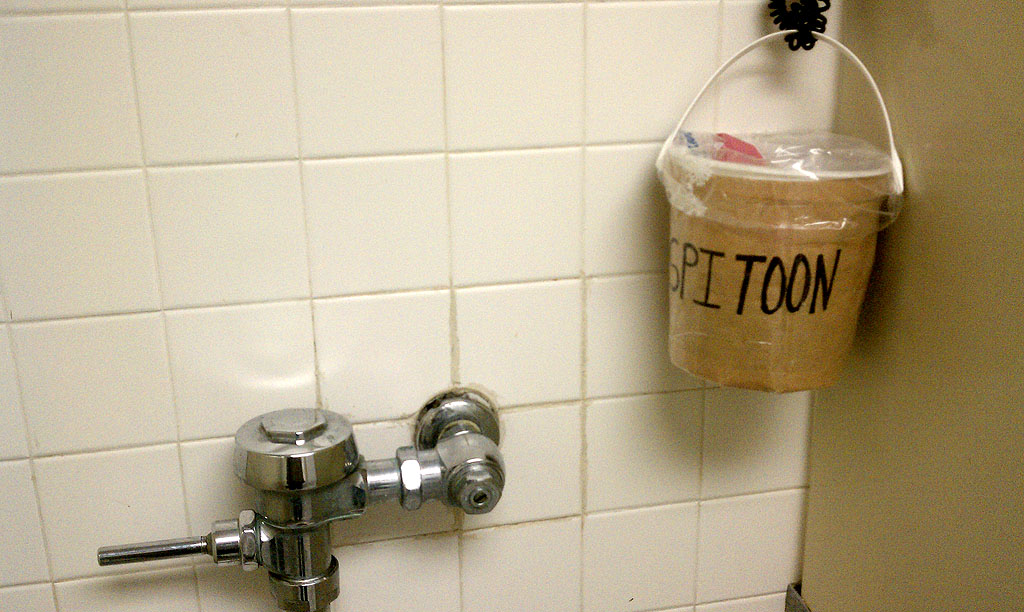
Back in 2011, I had to fly into Lambert from Florida. You should read the whole saga here, including comments. There’s an explanation about what greeted me when I made a short sojourn before boarding my flight.
The account includes running low on fuel getting out of Florida, and the danger of my Cape Air pilot’s potential possum poisoning.
I thought I was getting a real Missouri welcome home.
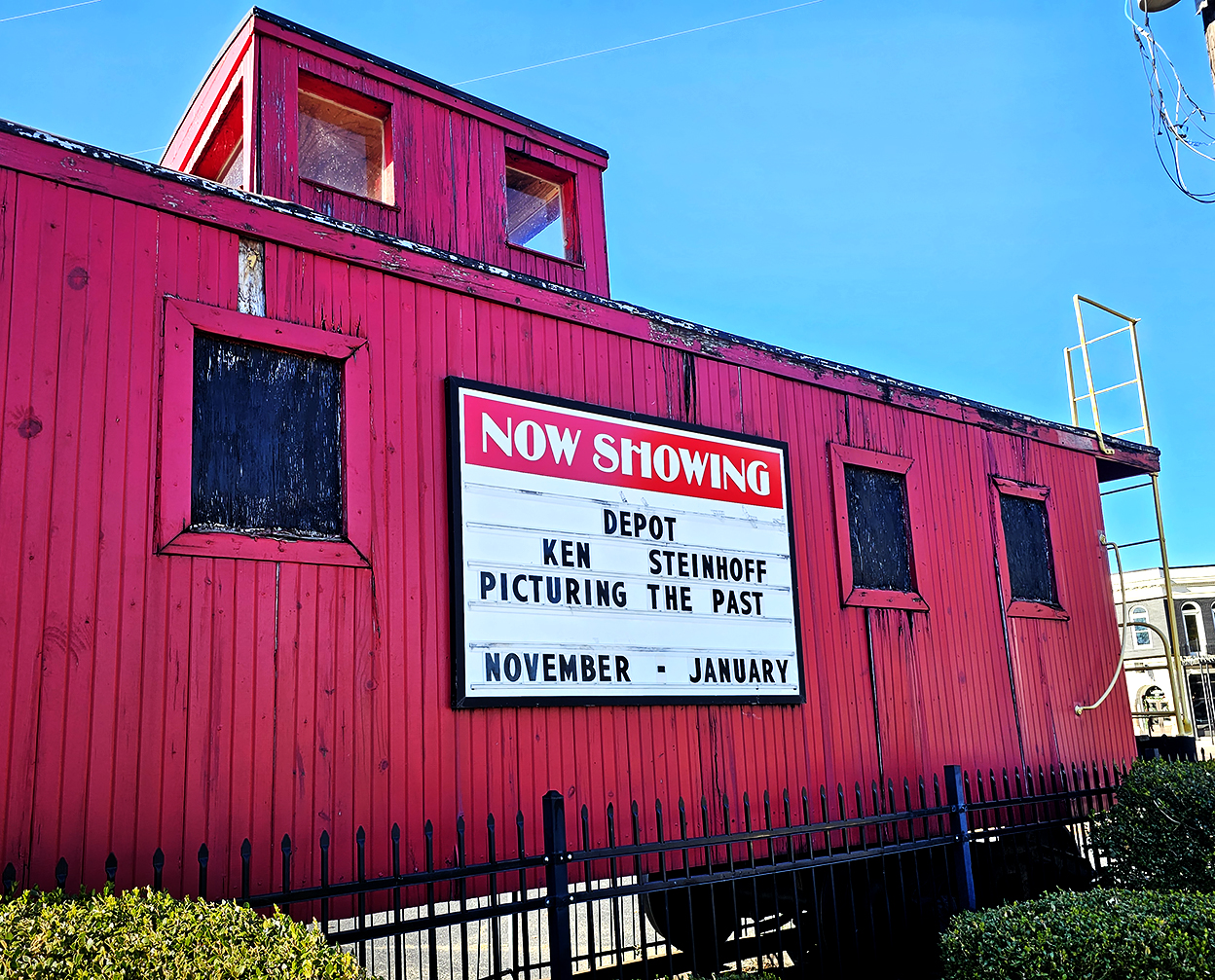
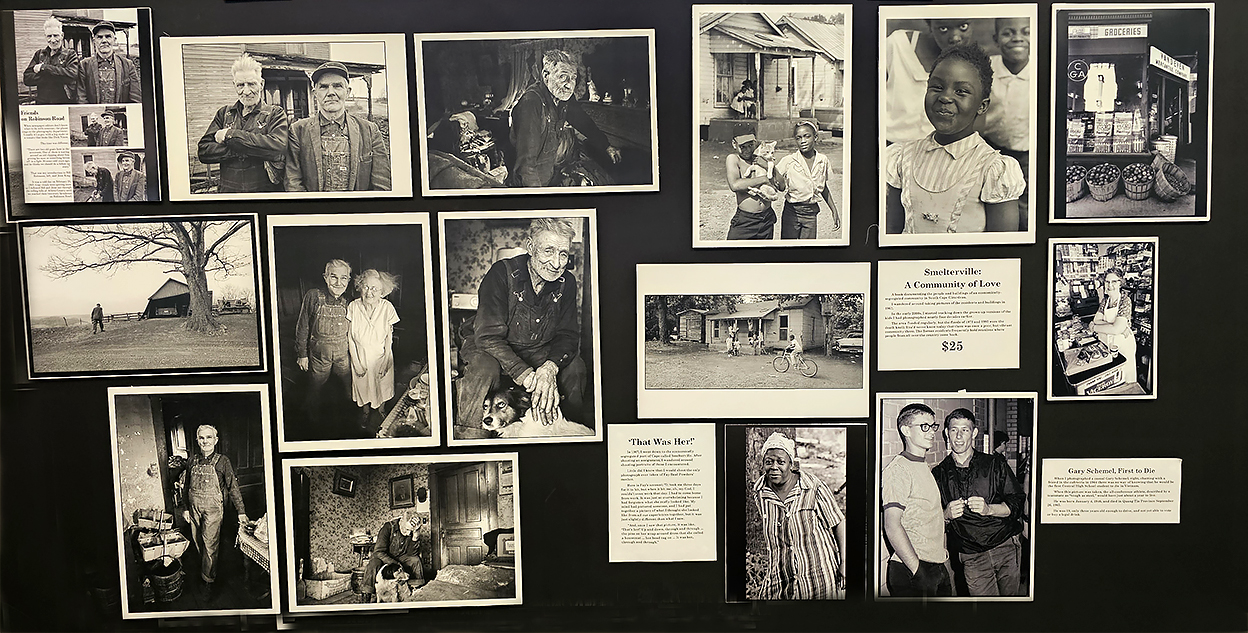
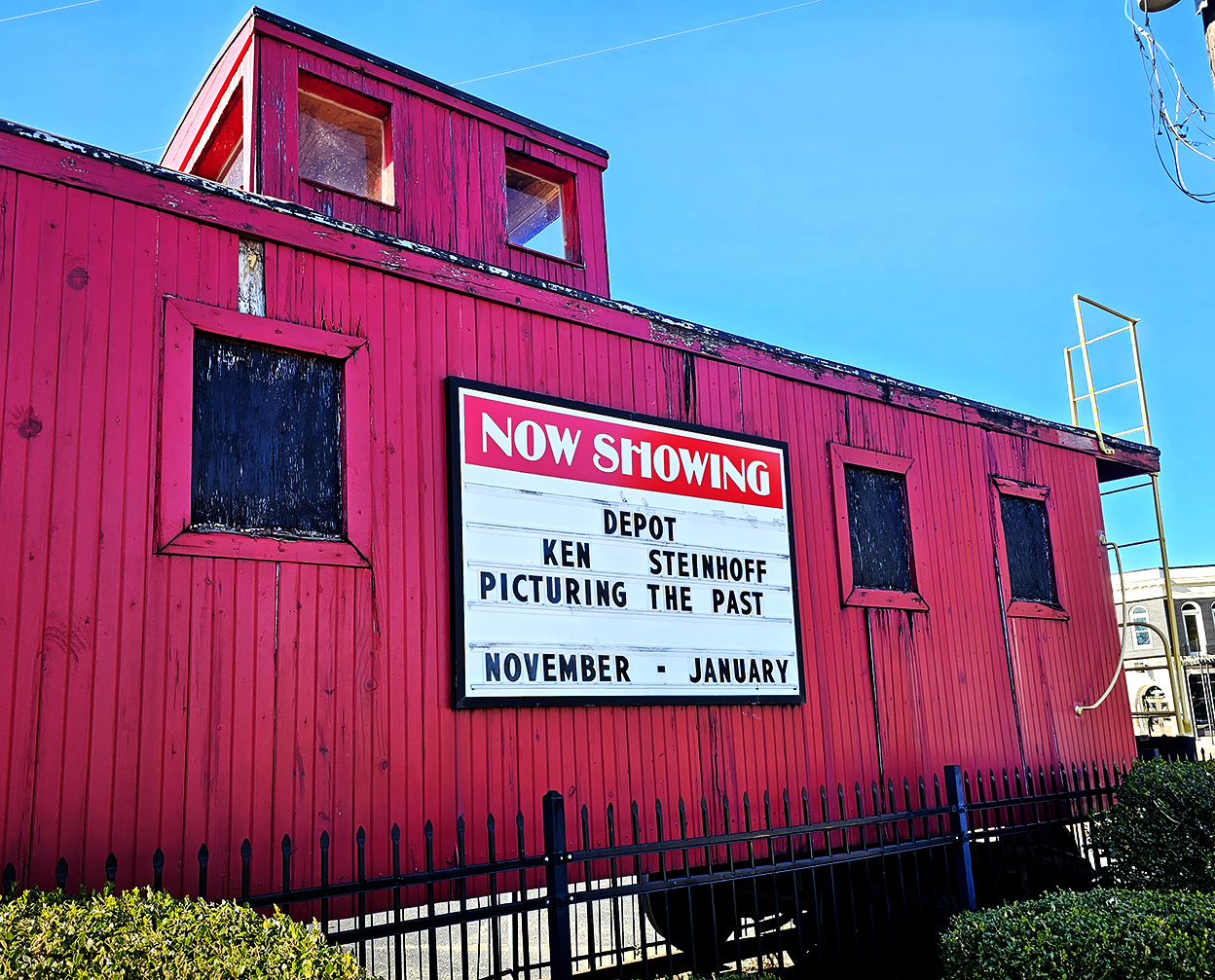
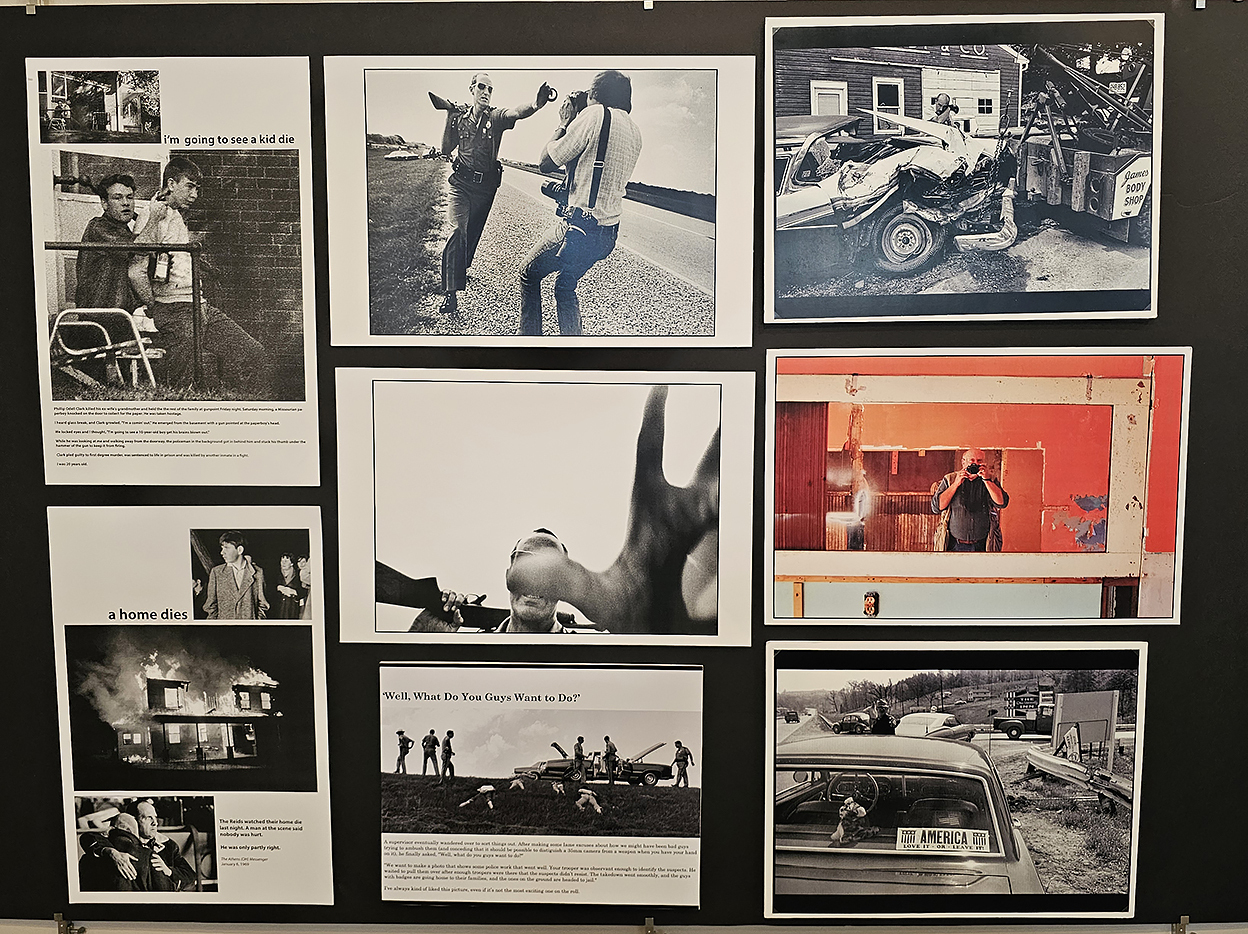
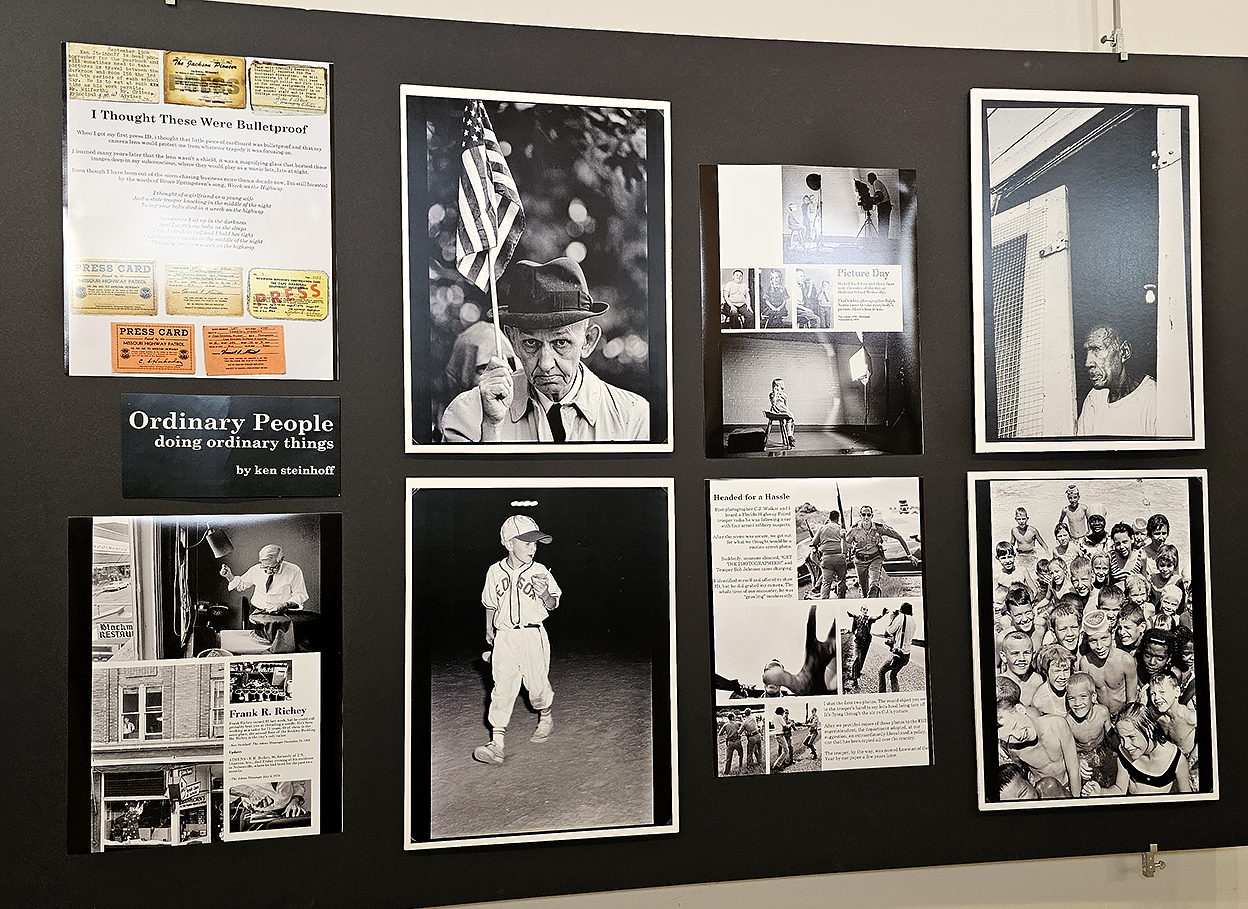
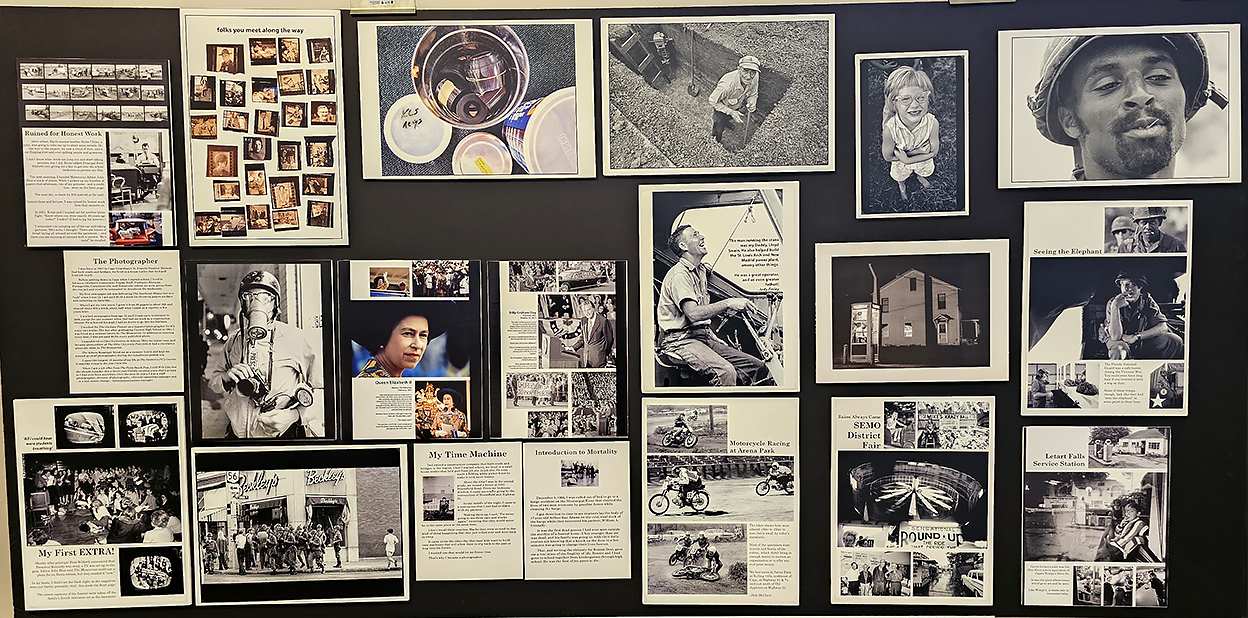
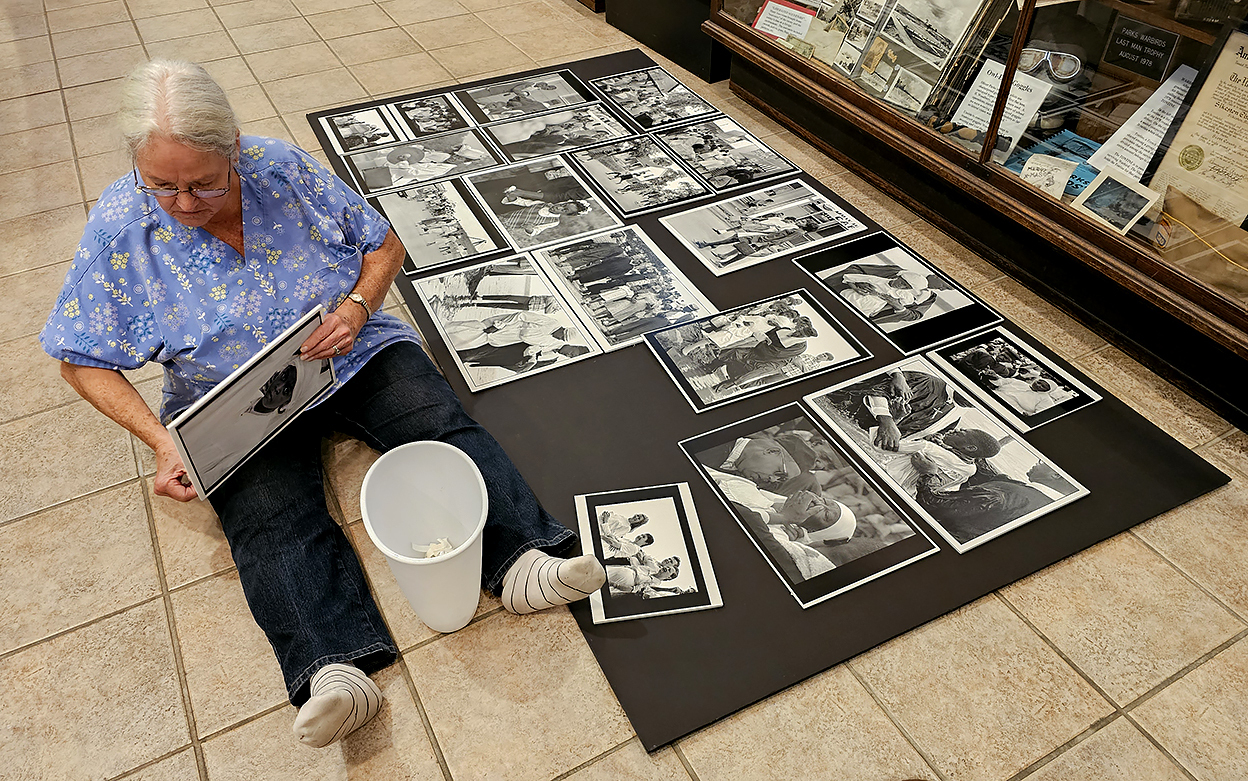
The Sikeston Depot Museum and Cultural Center is hosting an exhibit of my work from the early 1960s through today. It’s at 116 West Malone Ave.
There are at least 103 images in the show, not counting layouts that would add about another two dozen shots to the mix. I’ll add links to some of the blog posts I’ve done about the pictures.
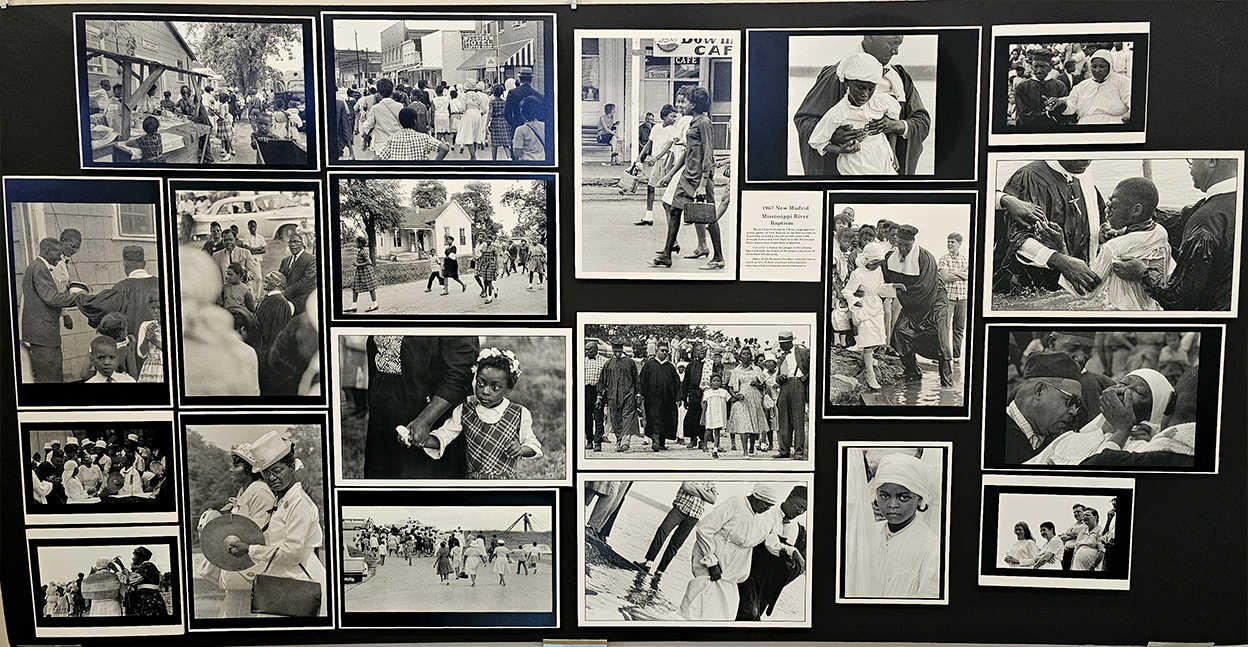
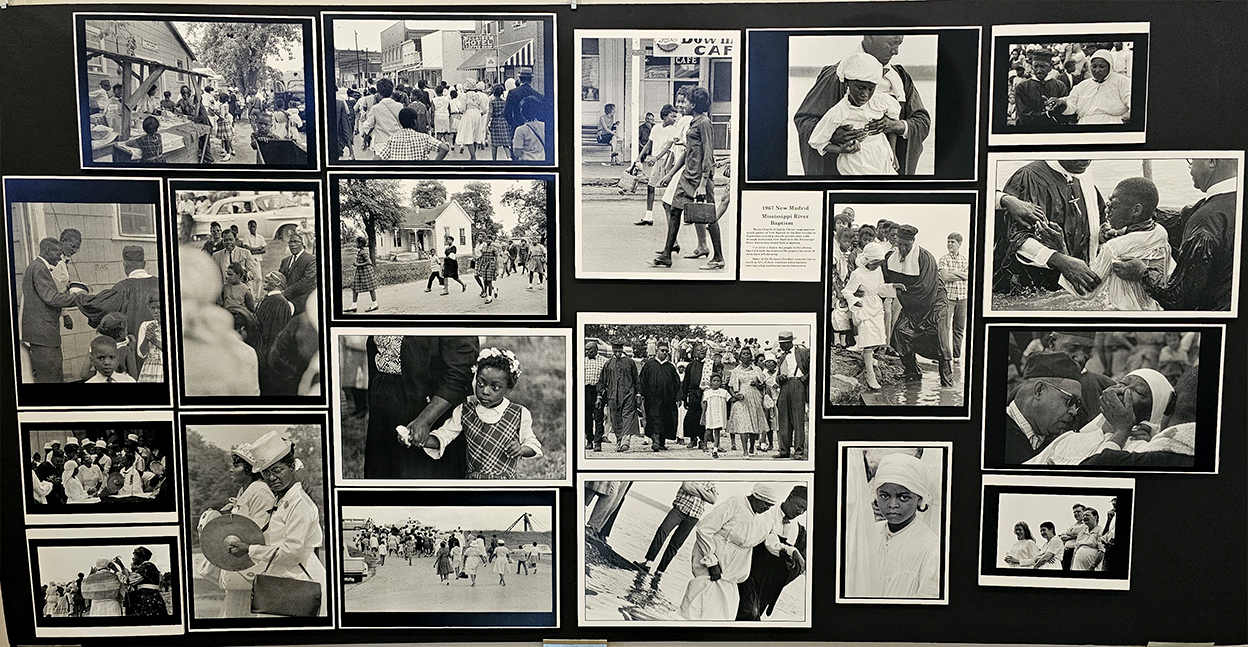
New Madrid Mississippi River Baptism
Ken Steinhoff photo exhibit Sikeston Depot Museum
On a whim, I went down to New Madrid in 1967, just before heading to Ohio University in Athens, Ohio. I consider this series – and pictures in Smelterville – as sort of my Cape Girardeau photography final exam.
Those two events showed the beginning of my style. Click on the images to make them larger.
Here’s some background on the baptism and my attempt to track down the participants 50-plus years later.
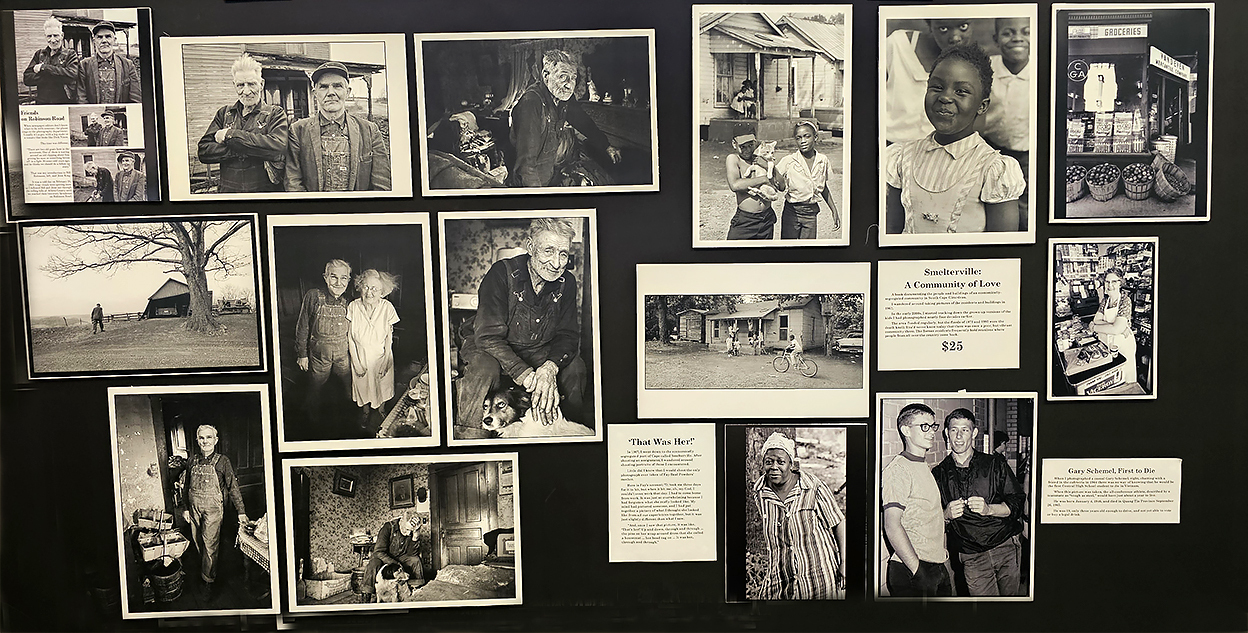
Robinson Road, Smelterville etc.
Ken Steinhoff photo exhibit Sikeston Depot Museum
You can read more about the old geezers I met in Ohio here. It was a unique experience.
I published a book of photos of the people I photographed in Smelterville 1967 and updated it with pictures and stories of them as adults. It’s available at the museum. Smelterville: A Community of Love.
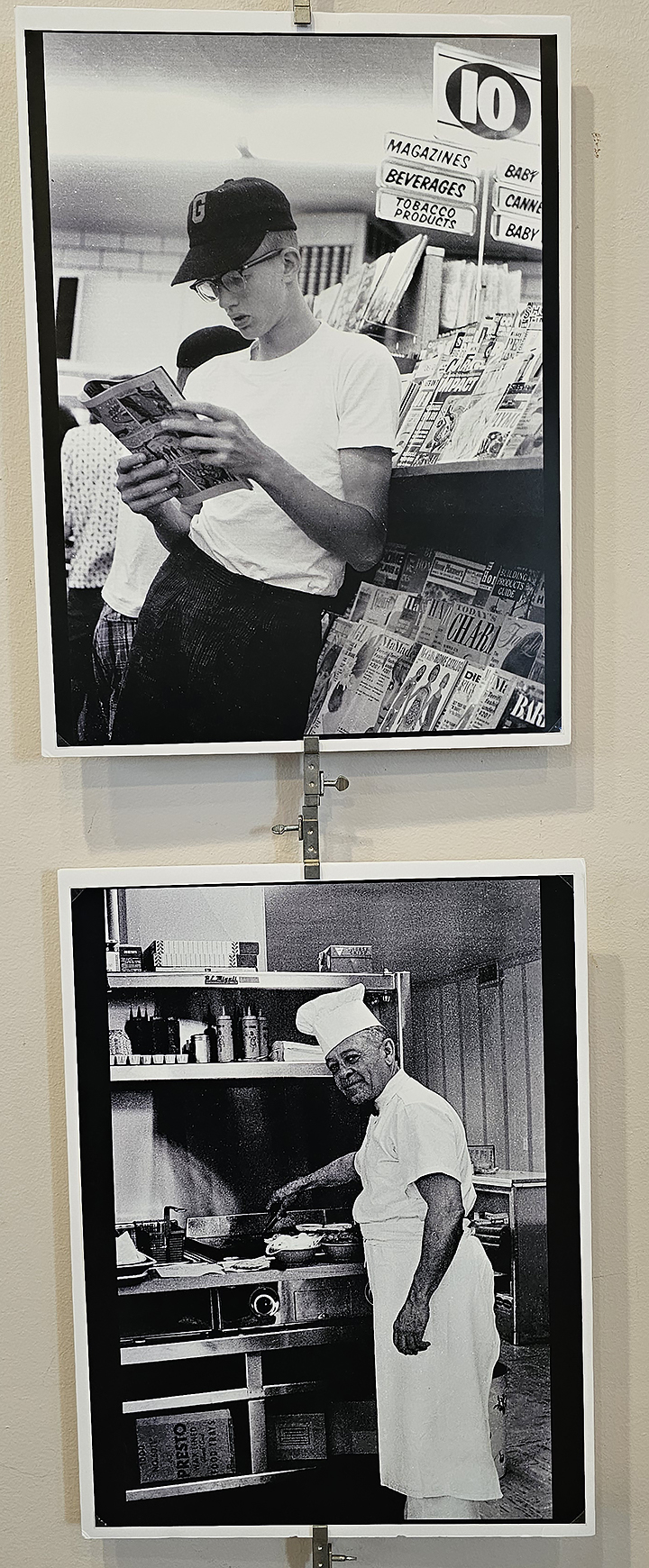
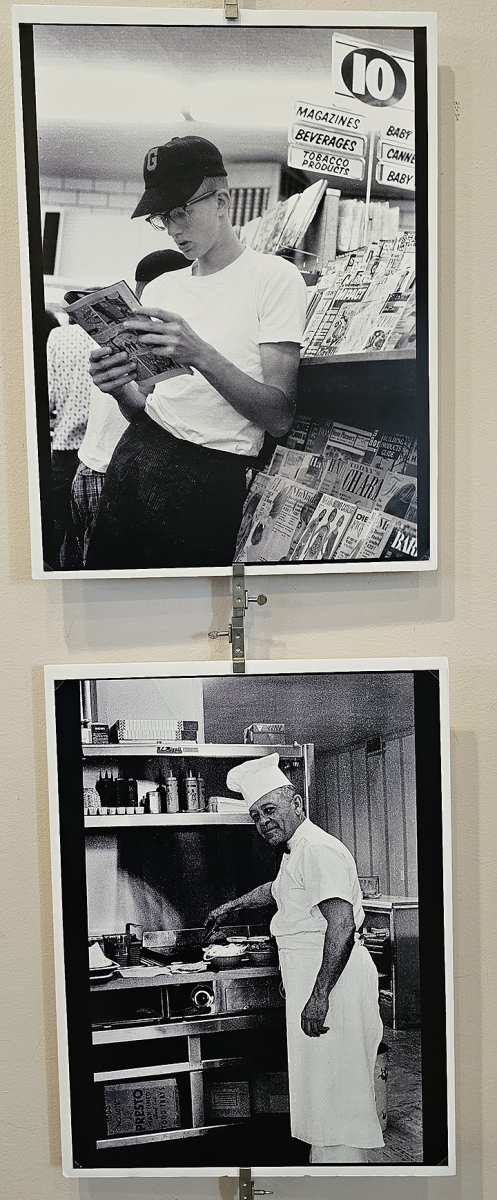
Vandeven Mercantile, at the corner of Broadway and Pacific, was a great general store. I stopped there almost every lunch hour from Trinity Lutheran School.
I would frequently shoot random photos to fill out the roll of film. When I shot a casual Gary Schemel in the Central High School cafeteria in 1964, we didn’t know that he had about a year to live. He was the first CHS student to die in Vietnam.
Blue Hole BBQ moved from down by the cement plant on S. Sprigg to near Central. I don’t remember the cook’s name, but I ate there several days a week in my high school days.
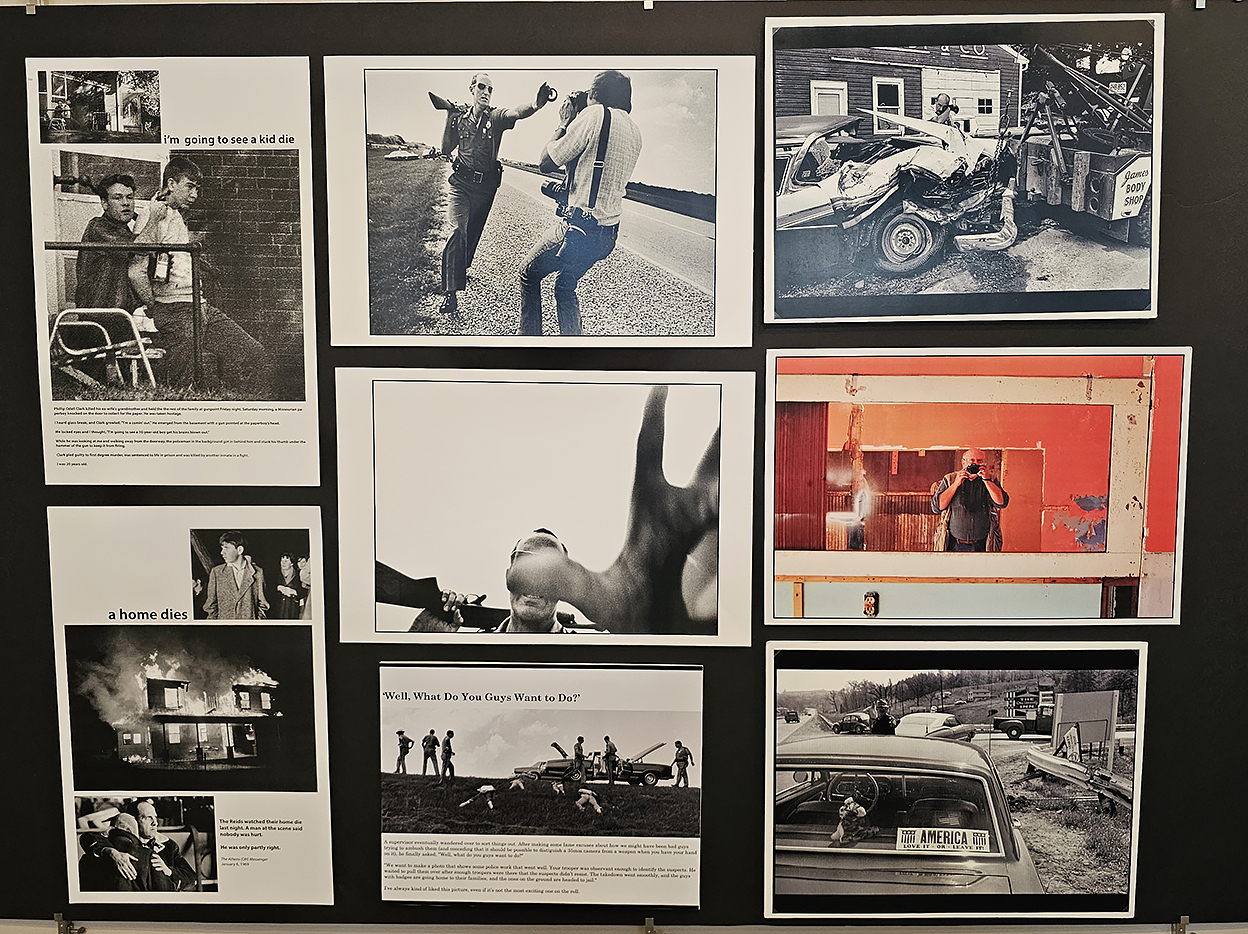
Spot news
Ken Steinhoff photo exhibit Sikeston Depot Museum
I cut my teeth shooting spot news and sports for five bucks a shot. I was a pretty successful high school debater, so I thought I might go to law school, then into politics. I calculated that 1984 was the first year I was constitutionally eligible to run for president. Coming in third in a race for student body president quashed that plan.
After I sold two photos of a wreck to The Missourian, got a front page byline and ten bucks in the mail, though, I was ruined for real work for the rest of my life.
Who wants to spend years studying for the law when I could get paid for meeting interesting people and going to interesting places without having to crack a book?
I happened onto the Delta Queen docking in Cairo when I stopped to see Ft. Defiance.
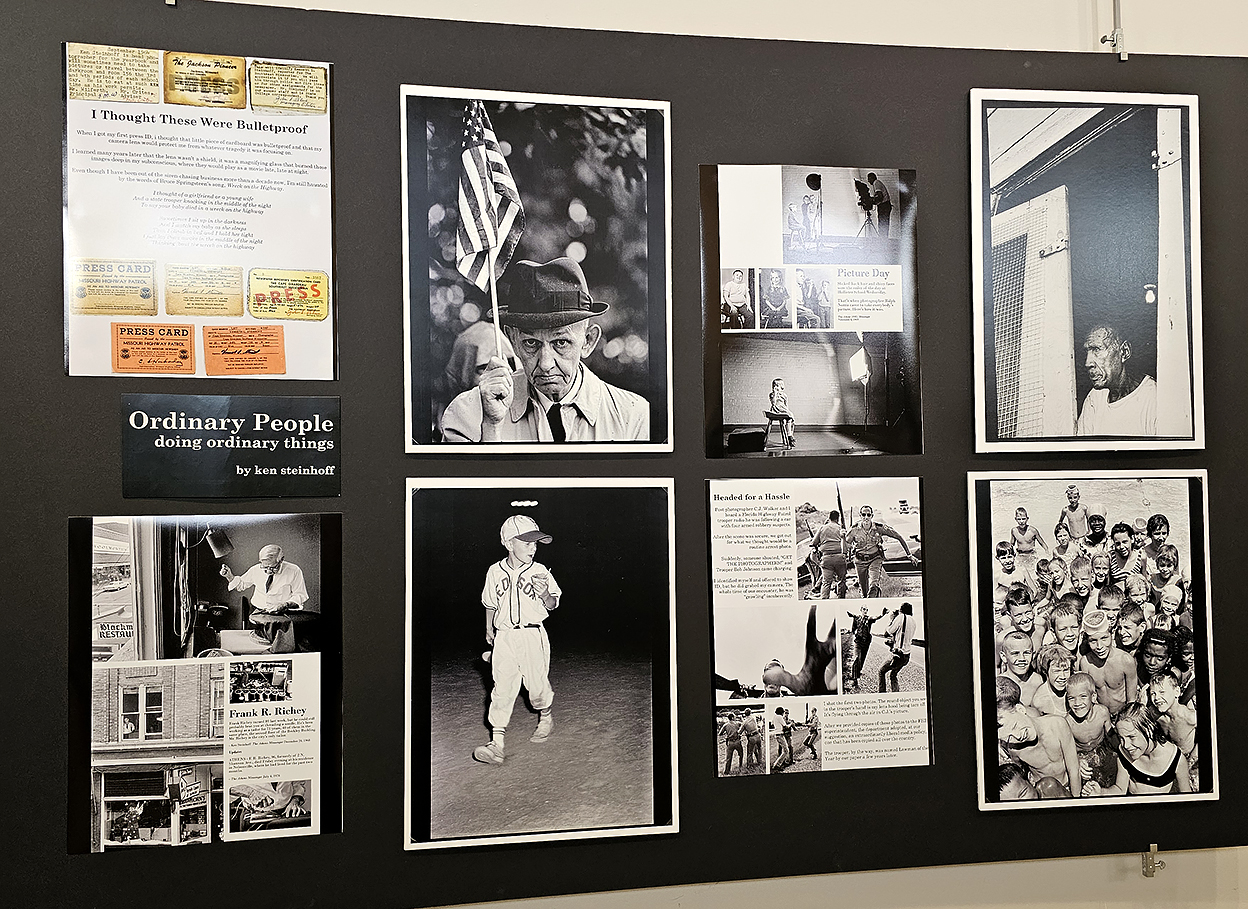
Ordinary people doing ordinary things
Ken Steinhoff photo exhibit Sikeston Depot Museum
I often say that my goal was to take photographs of ordinary people doing ordinary things – to focus on people whose names appear only when they are born, get married (or divorced), die, or get a speeding ticket.
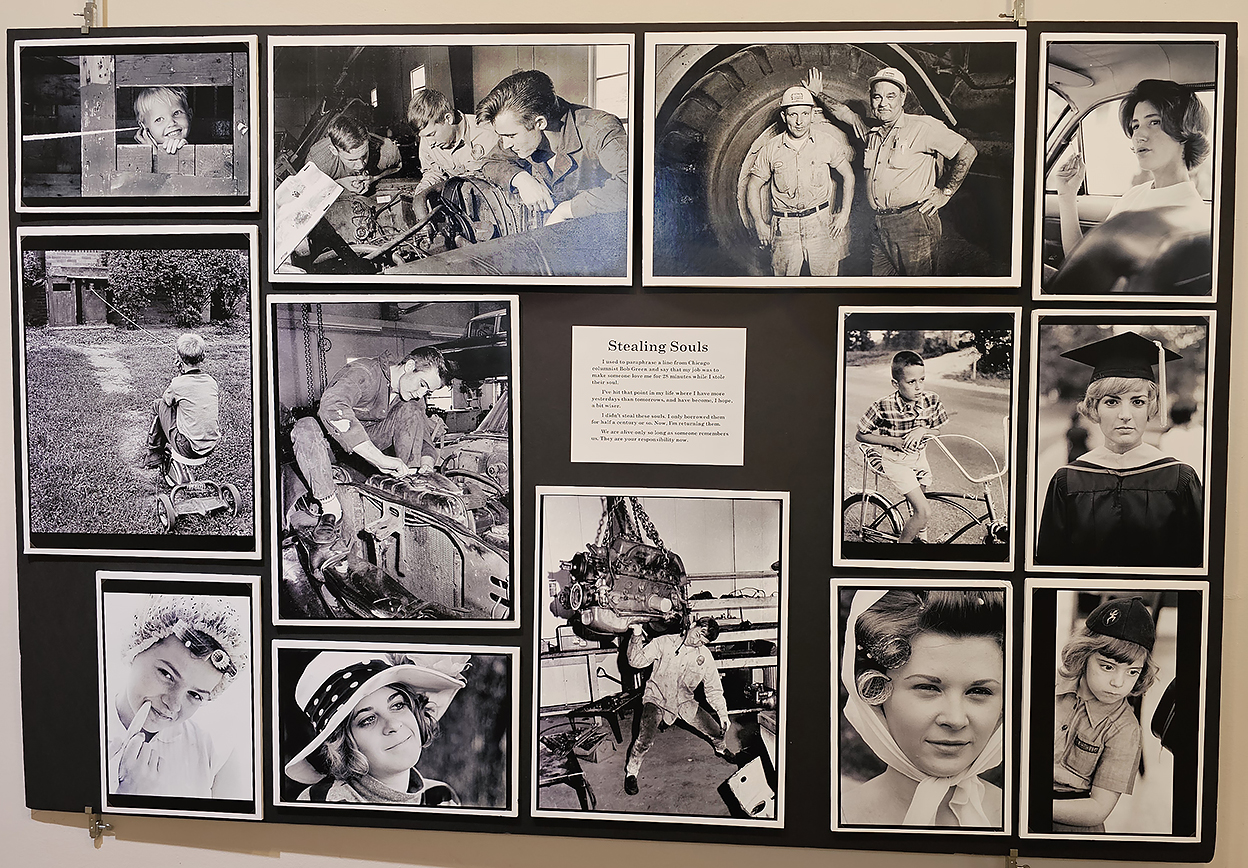
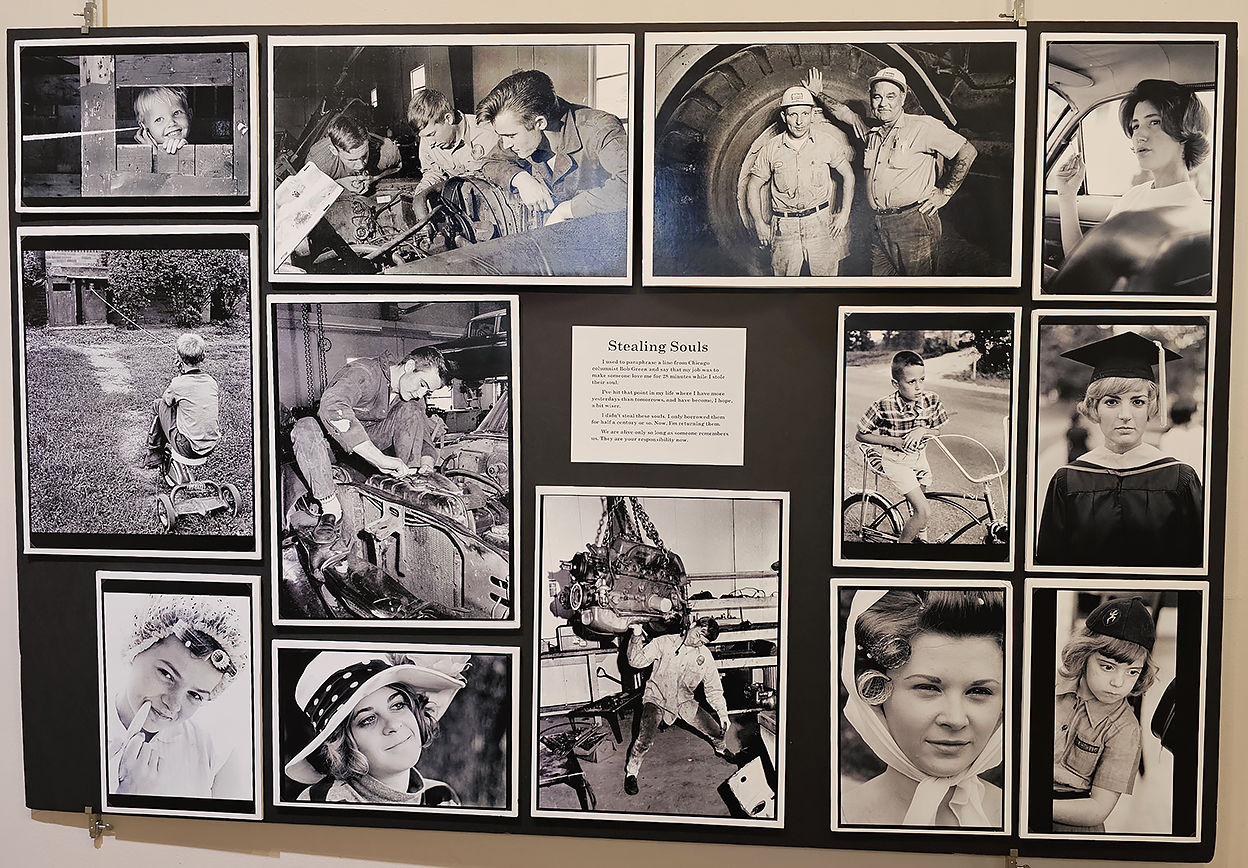
I used to echo a sentiment by Chicago columnist Bob Greene that my job was to make a subject love me for 28 minutes while I stole their soul.
I’m older and – I hope wiser – to realize that I didn’t steal these souls. I merely borrowed them and am now returning them because we are alive only so long as someone remembers us.
This pictures range from Girlfriend Lila in curlers (when she didn’t kill me for taking the photo, I thought we might have a future); boys with tin can telephones in Ohio; Brother Mark on his bike; Central’s auto shop class; construction workers transforming the face of SE Ohio, and an assortment of young women.
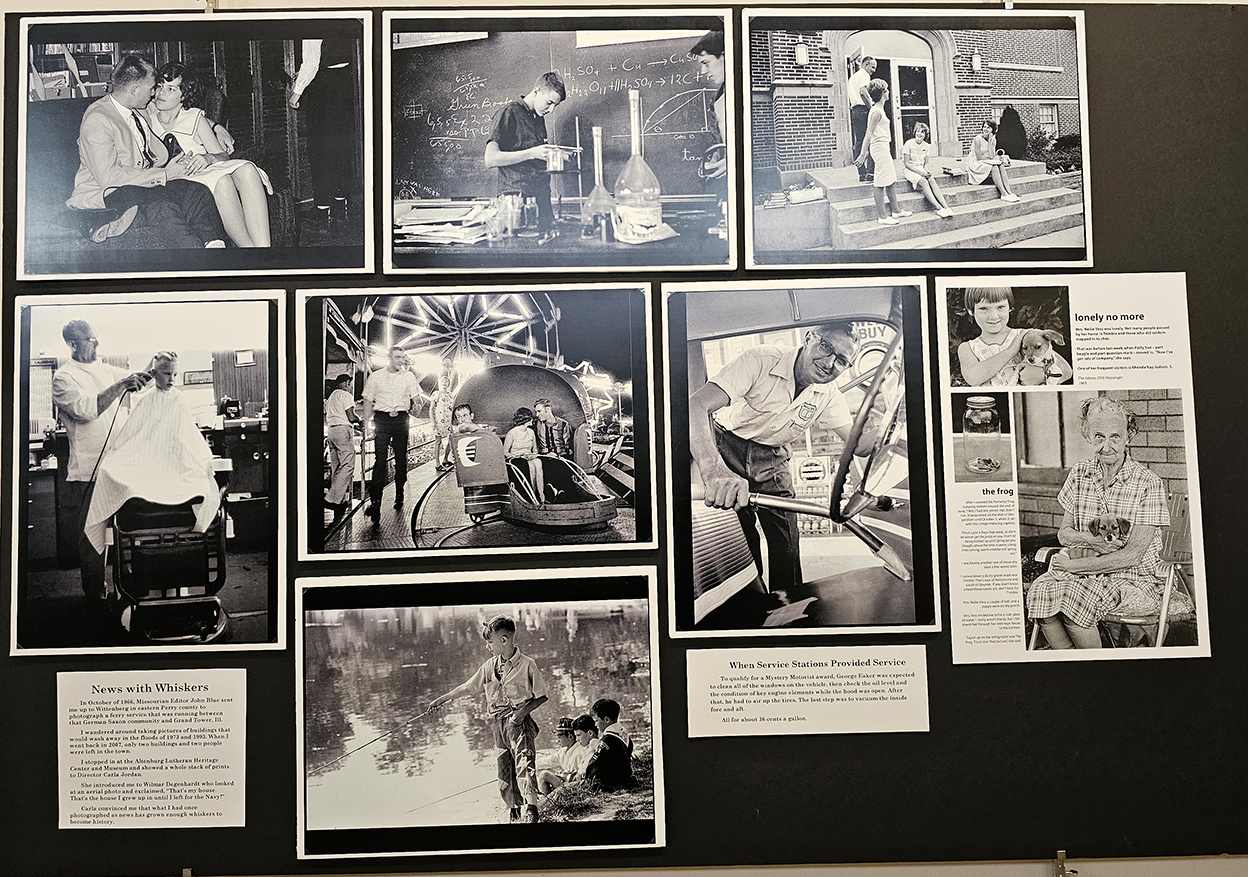
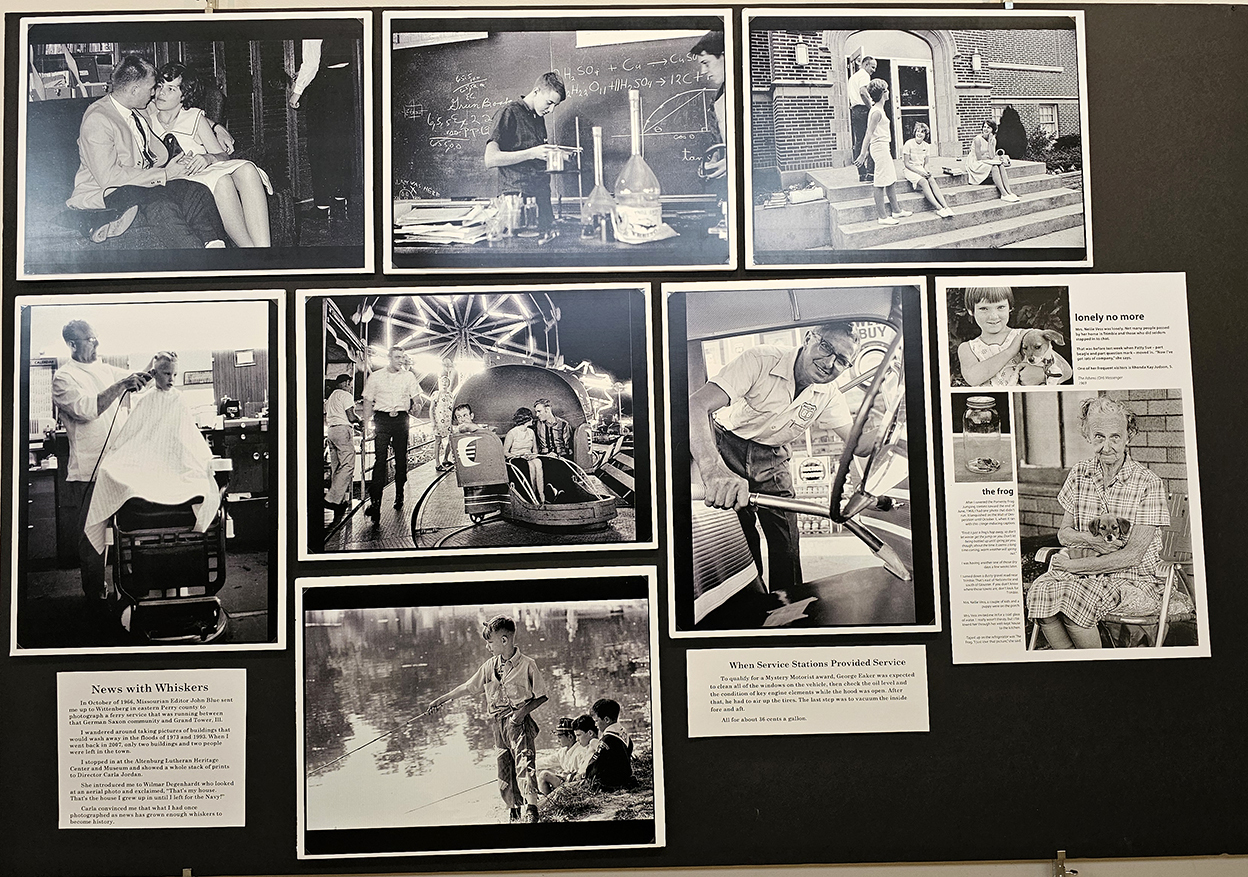
News with whiskers turned into history
Ken Steinhoff photo exhibit Sikeston Depot Museum
I often say that museum director Carla Jordan led me to understand that what I had once shot as news had grown enough whiskers that it could now be considered history.
At the end of a 2010 class reunion in the Arena Building, I stood on the stage watching a handful of classmates dancing. It dawned on me then that I hadn’t changed since high school days – I was always an observer, seldom a participant.
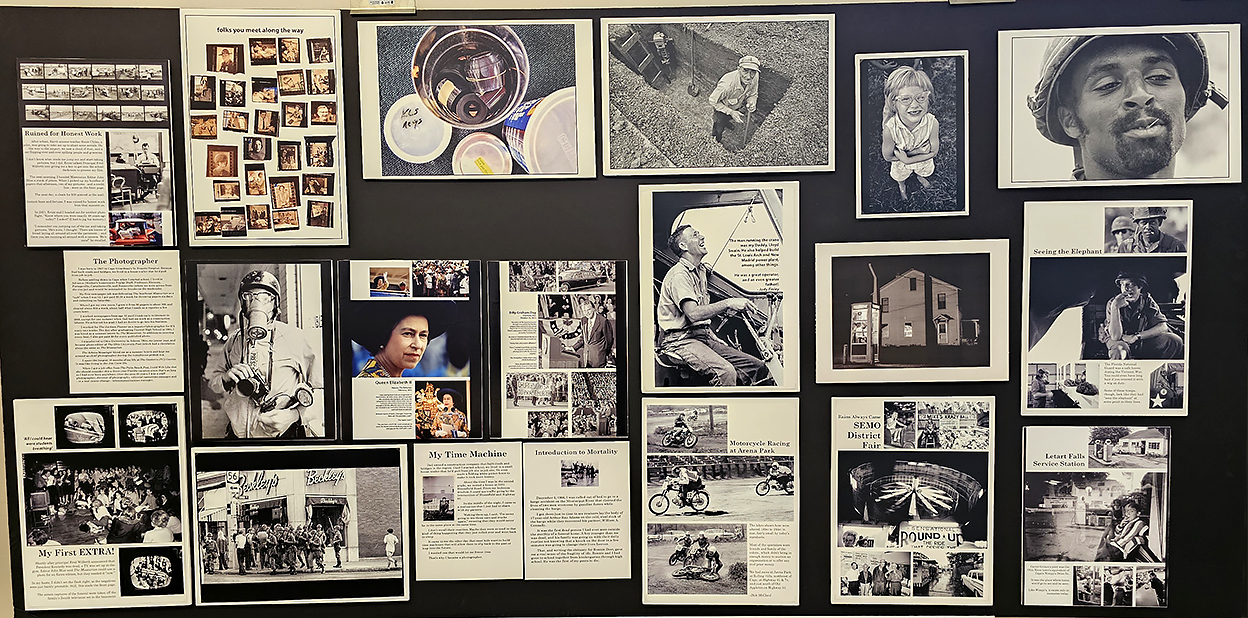
Coffee can film
Ken Steinhoff photo exhibit Sikeston Depot Museum
When I was working for The Jackson Pioneer and The Missourian, my darkroom was in the basement. I filed my money shots in glassine envelopes, but random photos that didn’t have immediate use were pitched in a trash can under my worktable.
When I came back to Cape after about a decade, I discovered all those scraps of film were still there, so I rolled them up and stuck them in coffee cans until after I retired in 2008.
Much to my surprise, many of those pictures are more precious than the images I got paid five bucks for. I call those my Coffee Can Films.
I wanted a magic box to freeze time
When I started school, Dad and Mother decided to settle down in Cape again, and we rented a house on a hill at 2531 Bloomfield Rd. One night, I looked out my bedroom window at the traffic going by on Highway 61.
I wandered into my parents’ room – it must have been around 2 a.m. – and announced that “I’m never going to see those cars and trucks again.”
They may have gotten used to that kind of thing, because they didn’t seem surprised at my revelation.
Most kids wanted to build time machines that would allow them to skip forward or backward in time. Me? I wanted a machine that would freeze time. I didn’t know it then, but that was why I became a photographer with a magic box that would grab literal snapshots of time to be resurrected later.
Shouldn’t you dress up?
When I was supposed to do a presentation, Wife Lila said, “Shouldn’t you dress up a little for it?”
I said, “I’ve photographed presidents, the Pope and the Queen of England while I was wearing blue jeans. I don’t think these folks are any more special.”
We had Wimpy’s. Letart Falls in Ohio had a gas station with a counter for the kids to hang out. I searched for it a few years ago, but it, like so many things it is long gone.
The SEMO Fair was almost as big a deal as Christmas and your birthday.
Royalty and a Flying Saucer Convention
Ken Steinhoff photo exhibit Sikeston Depot Museum
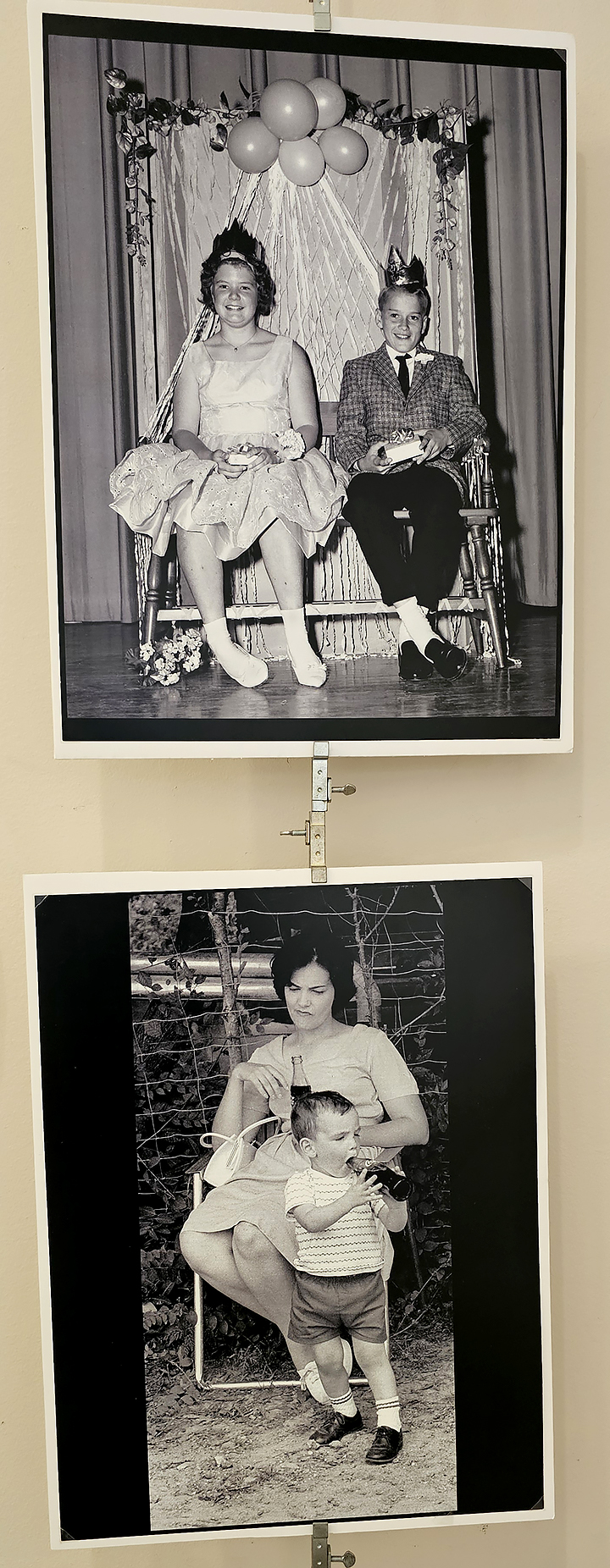
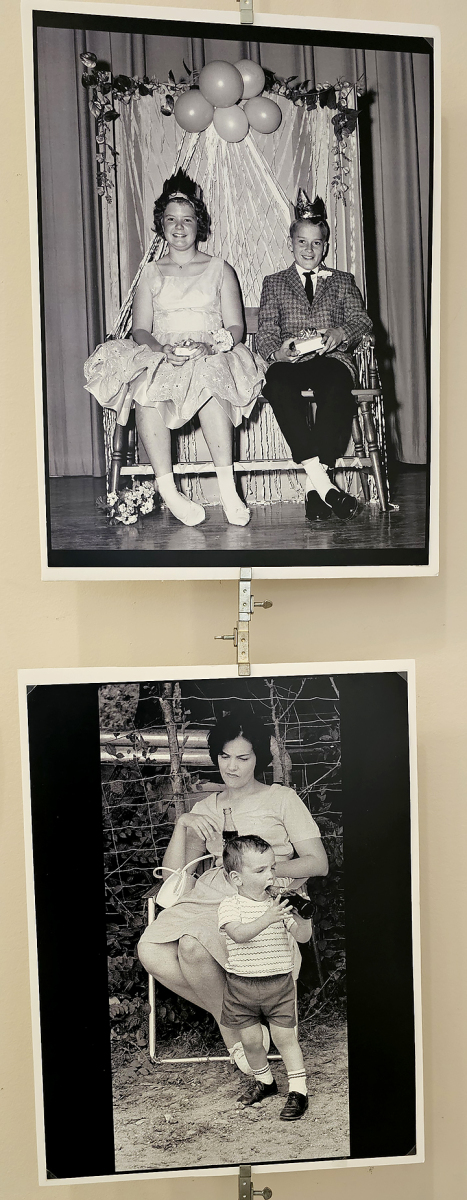
In addition to the Queen of England, I photographed many example of grade school, high school and college kings and queens. This pair was at Washington School.
The woman and the kid trying to swallow a Coke bottle were at the Buck Nelson Space Craft Convention, one of the strangest events I ever covered. I’m pretty sure this was the only time I asked someone, “And, what kind of clothes do the people on Mars and Venus wear?”
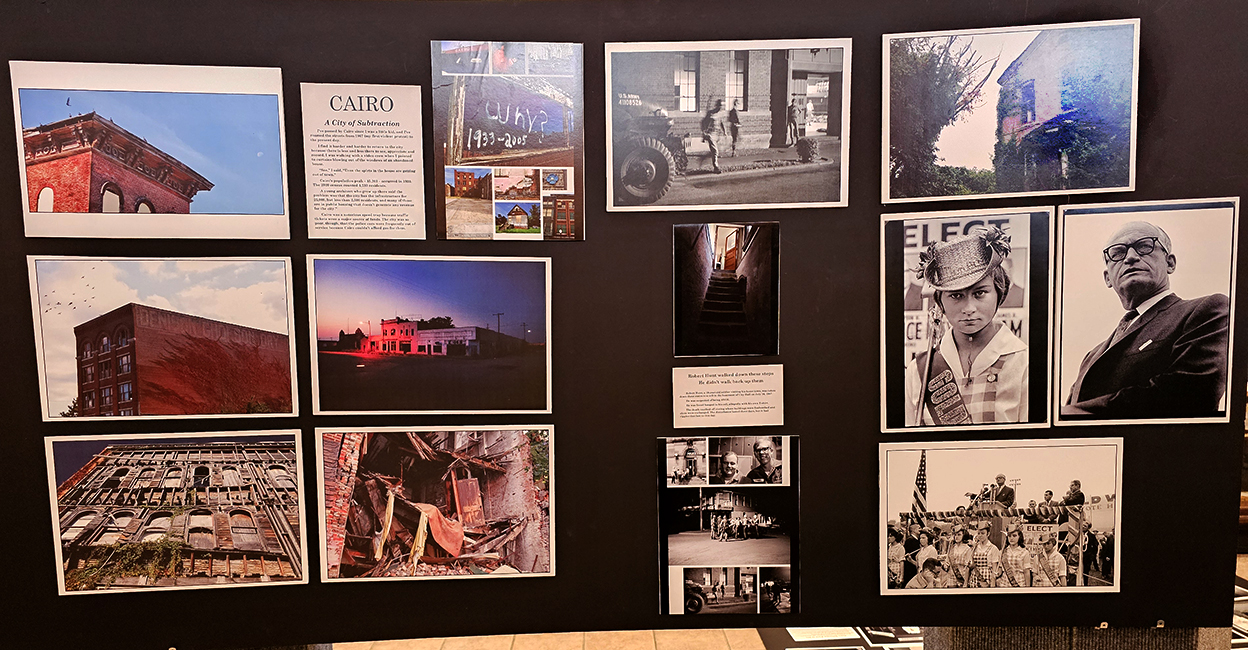
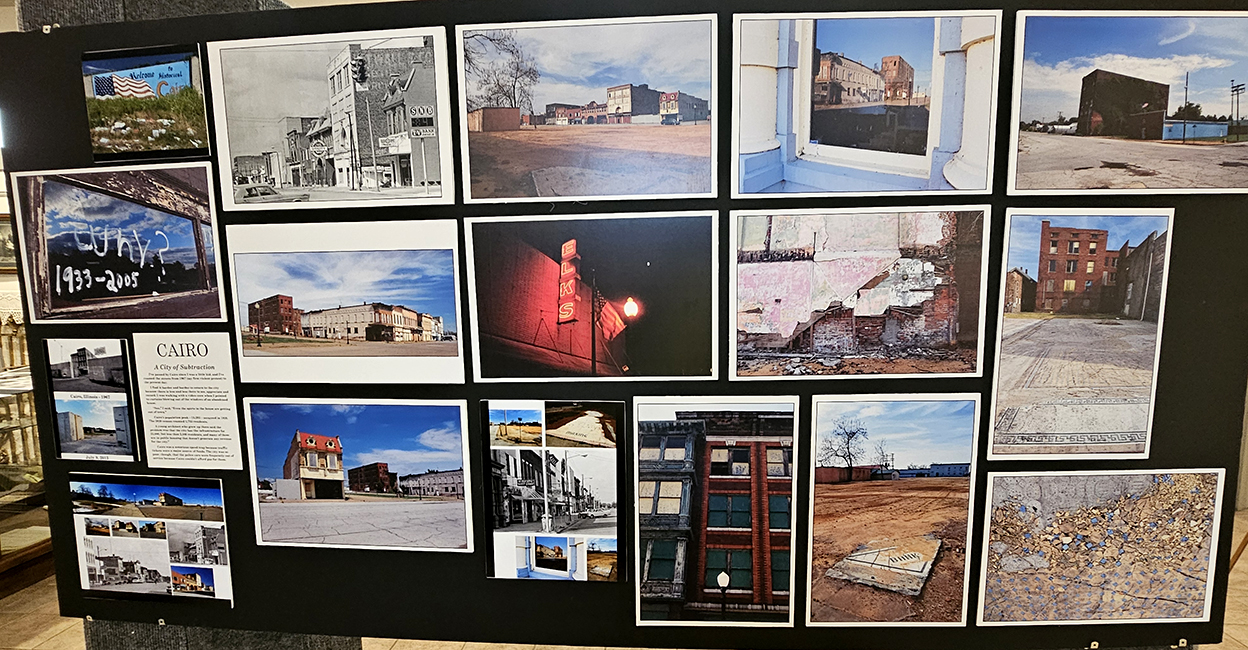
Cairo – a city of subtraction
Ken Steinhoff photo exhibit Sikeston Depot Museum
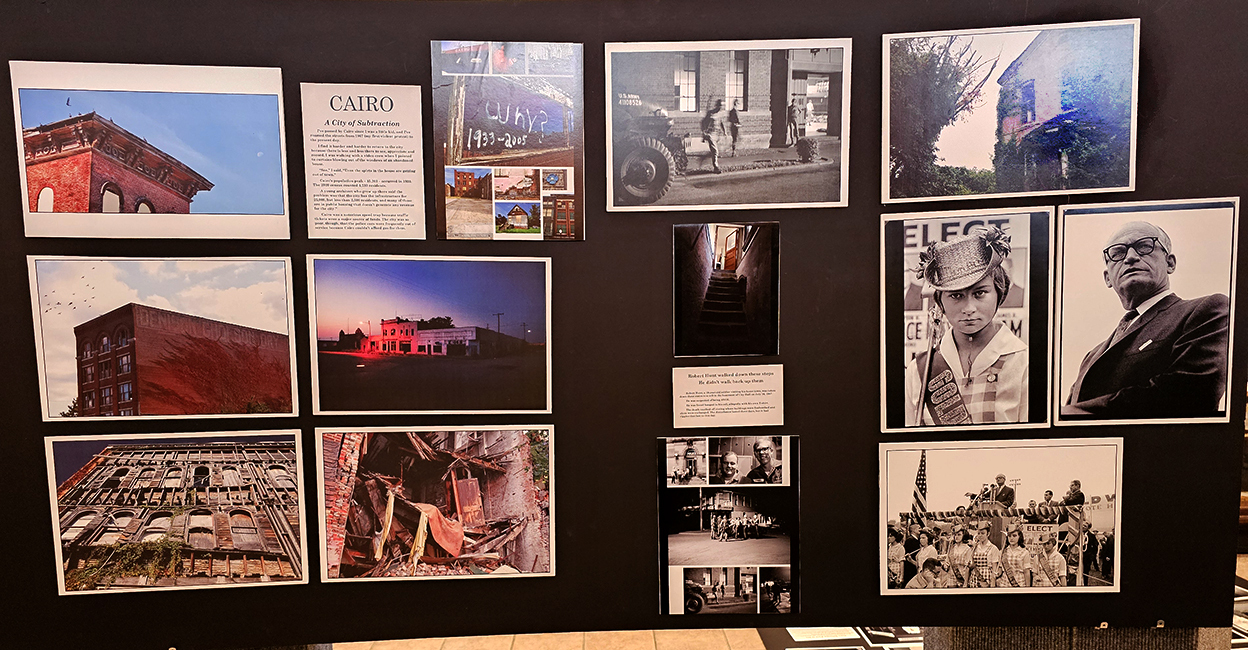
I’ve been photographing Cairo since 1967 when the city erupted in three days of protests, firebombing and civil unrest. It my first encounter with that kind of thing.
When Mother, Curator Jessica and I visited the Cairo Custom House Museum in 2015, I let them distract the museum worker who said the basement where the jail cells used to be wasn’t open to the public. When I got down there, there was no sign of the cells, but on my way back, I saw something that haunted me.
Robert Hunt, a 19-year-old soldier visiting in his hometown, was taken down those stairs to the basement after he was accused of being AWOL.
He was found hanged in his cell, allegedly with his own T-shirt. Hunt walked down those well-worn stairs, but he didn’t walk back up them. That prompted the demonstrations.
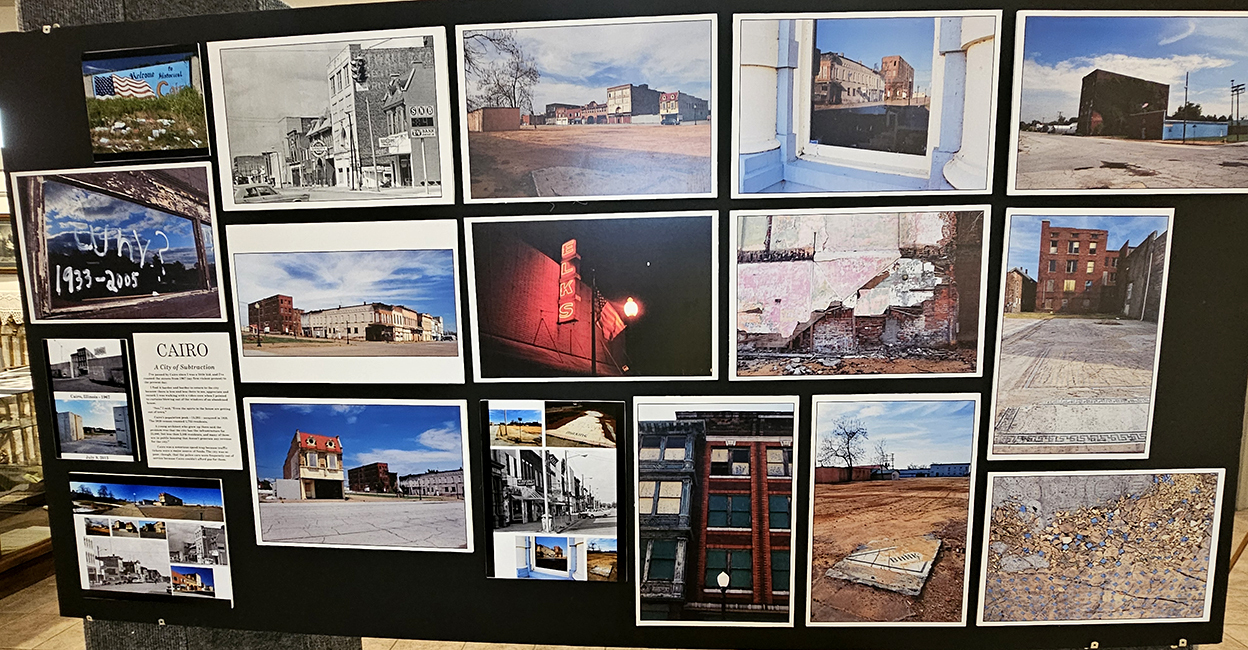
Since I started revisiting the town that’s nestled between the Mississippi and Ohio Rivers in the early 2000s, it’s harder and harder to find things to shoot because almost all of the buildings in the commercial district have been torn down.
When I took a two friends down there a couple of weeks ago, even more buildings had fallen in. The Elks Club was nothing but rubble.
I still chip away small squares of blue tile in the bottom right picture to give visitors a souvenir to take home.
I’ve done lots of blog posts about the town. Here’s an early one with a good representative selection of buildings.
Back when every family had a shelf of yellow National Geographic magazines, I was often asked if I aspired to work for the publication.
‘No, National Geo photographers stand on trash cans to shoot roses. I trample roses to shoot trash cans,” was my standard response. I spent most of my career shooting the darker side of life – migrant farm workers, refugees, and poor folks.
Couldn’t have done it without Marty
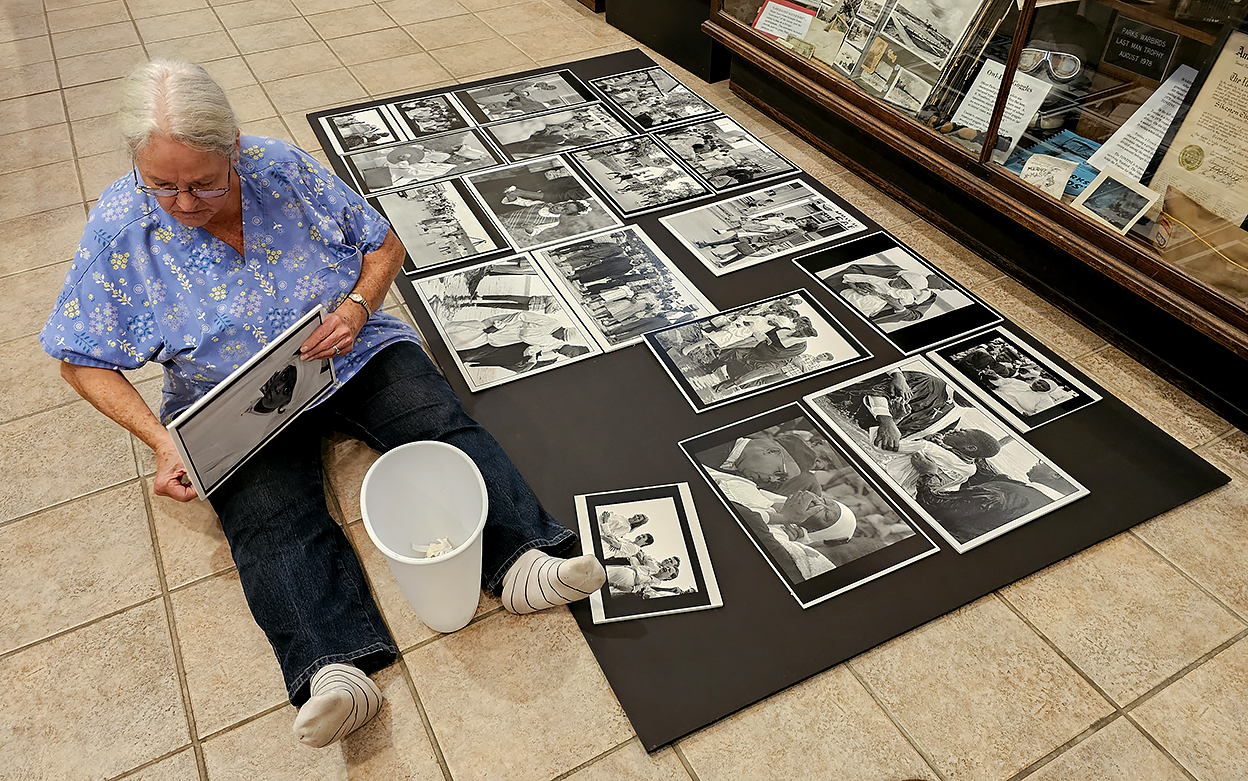
Sis-in-Law Marty Riley was the one that did all the grunt work of putting the photos on the display boards. I couldn’t have done it without her.
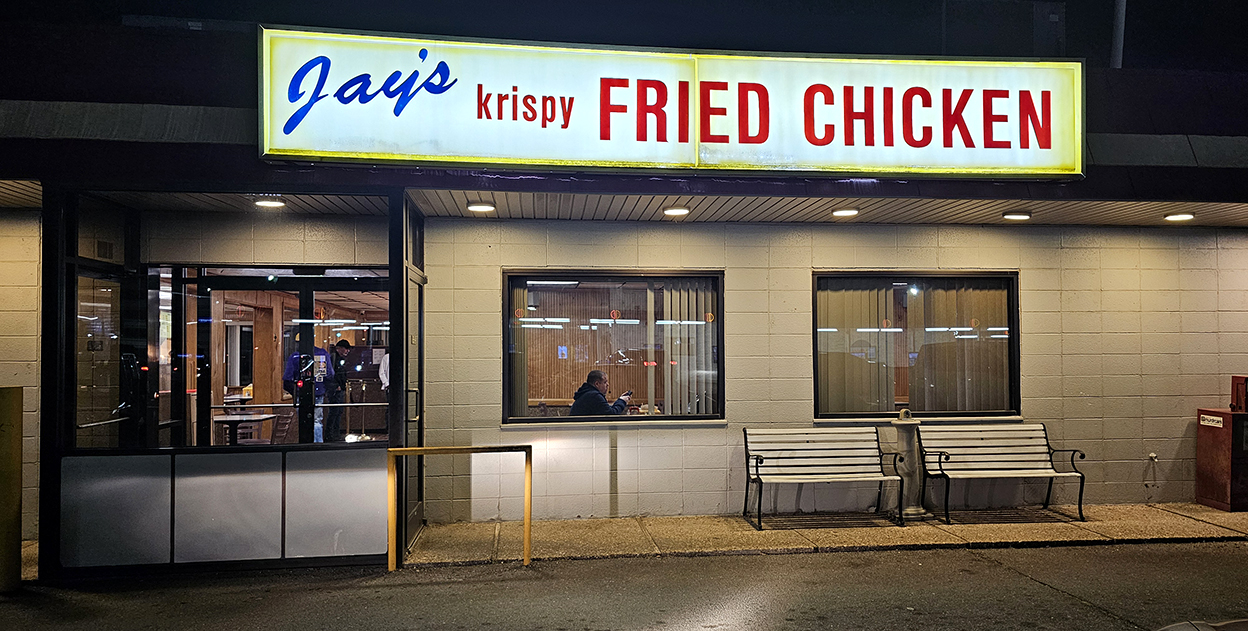
Chicken livers and gizzards
Jay’s Krispy Fried Chicken 11-02-2024
I get a craving for chicken livers about twice a year. Gizzards, hardly ever, because they are usually too chewy.
One of museum workers turned me on to Jay’s Krispy Fried Chicken. Their gizzards are as tender as the liver, and the liver is out of this world. The okra is good, too.
If you make it down for the exhibit, give this place a shot. It’s worth it, and it’s not far from the museum. Who knows, I might even meet you there.
Gallery of exhibit photos
To make it easy to scroll through the exhibit photos, I’ve placed them in a gallery. Click on any image, the use the arrow keys to move around.
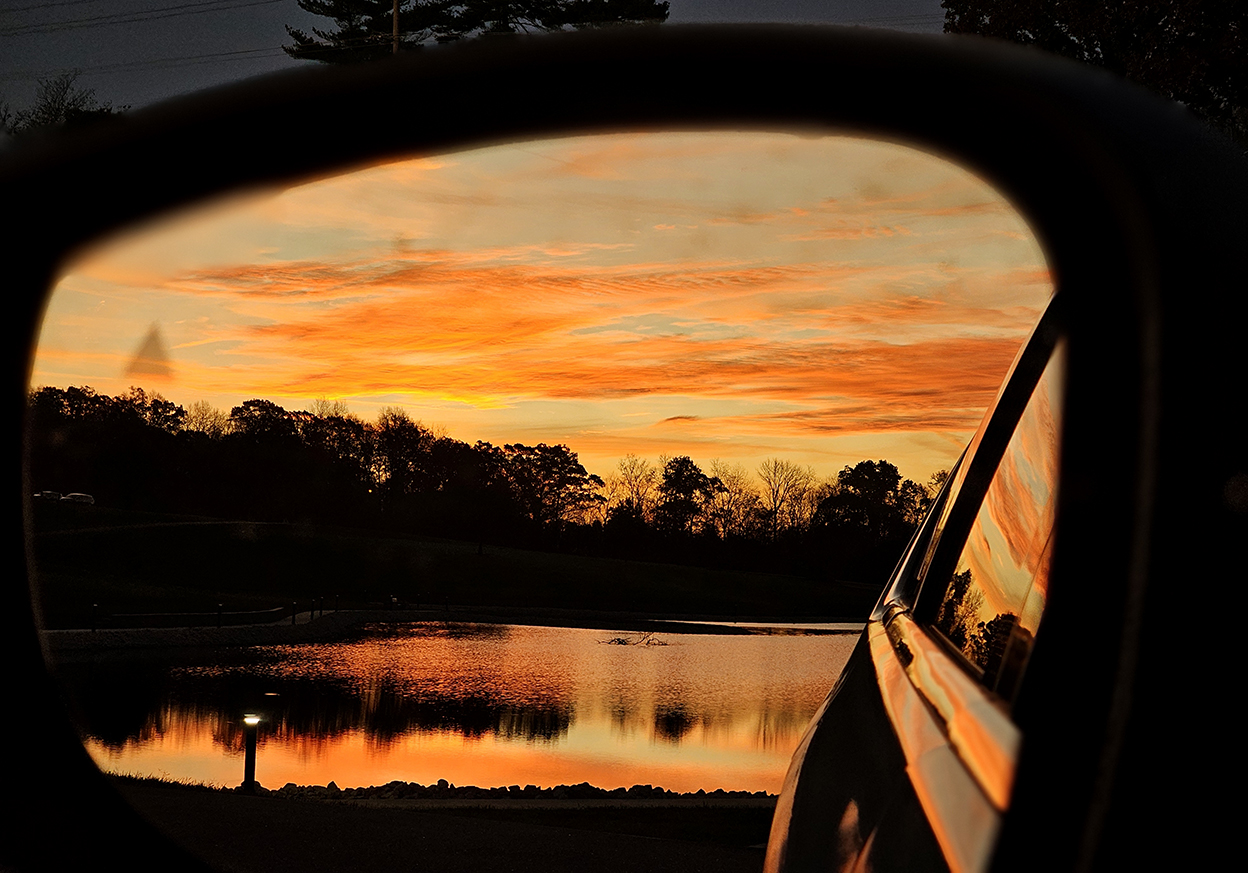
South County Park sunset 11-12-2024I was headed back to Cape from Jackson when I saw the sky had lots of color. I pulled into South County Park and saw the reflection of the sunset on the lake.
I had someone behind me, so I couldn’t stop where I wanted to, so I made the circuit of the lake and hoped I’d get back in position before the magic leaked out.
It wasn’t quite as nice as my first sighting, but it wasn’t bad.
Click on the photos to make them larger.
Check out the rearview mirror
South County Park sunset 11-12-2024
When I started to back out of the parking lot, this is what I saw in my rearview mirror.
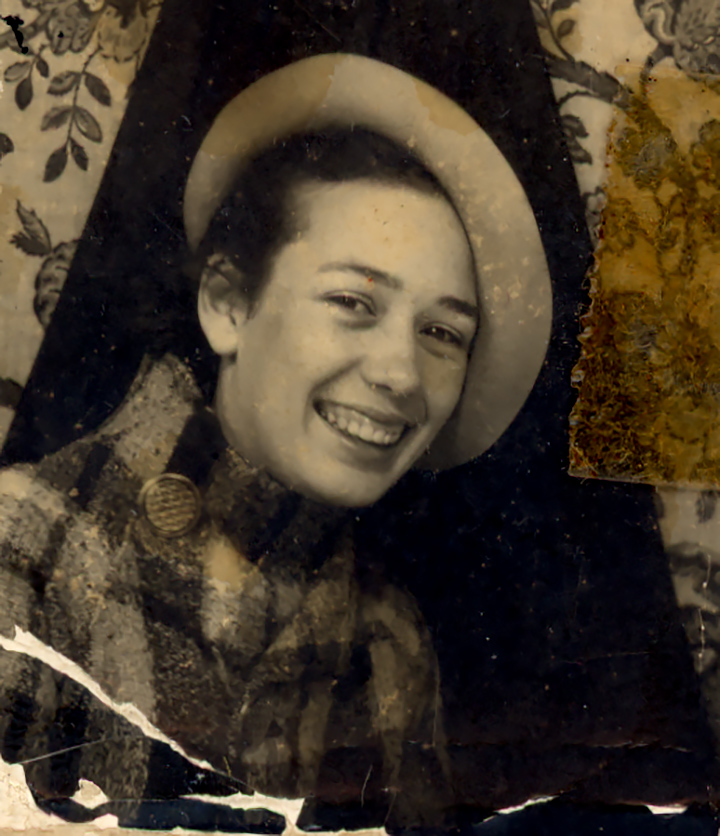
Mother was born Oct. 17, 1921, which means she would be 103 had she not died in 2015. While rooting around in some old boxes, I discovered some photos of her that I had never seen before.
I love this shot of her wearing a jaunty hat and a saucy smile. It was a tiny print that still had tape around the edges, so it must have been pasted in something.
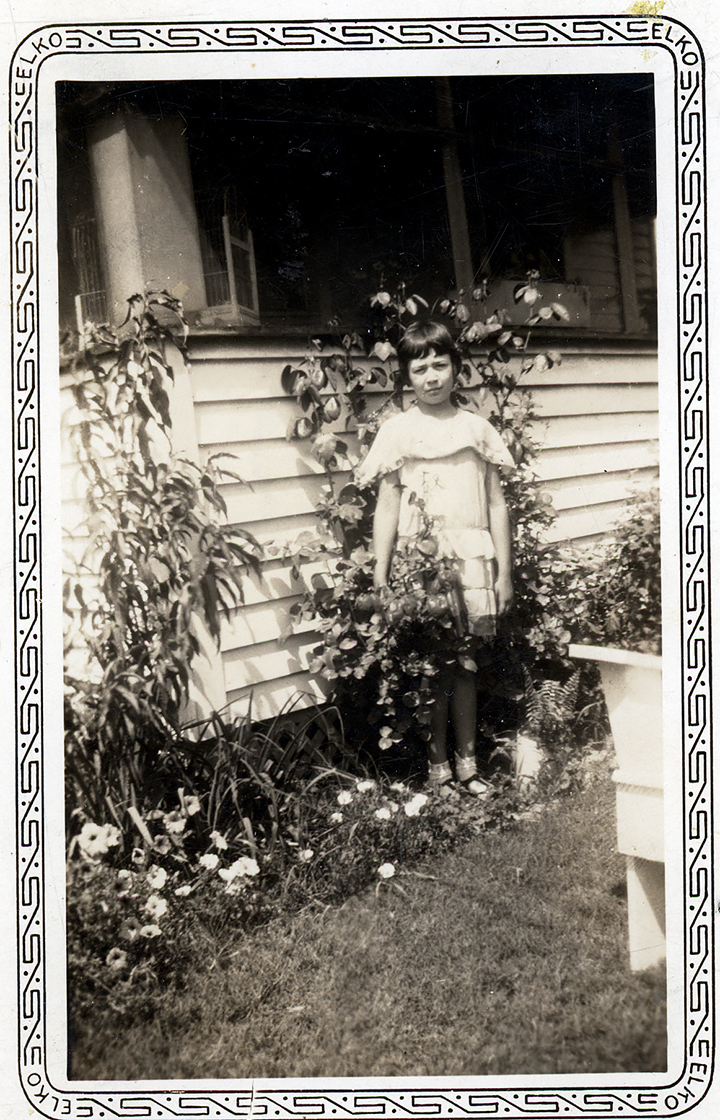
8 or 9 at house that burned
A note on the back said she was 8 or 9 in this picture in front of her family’s house in Advance that burned. I don’t know any details.
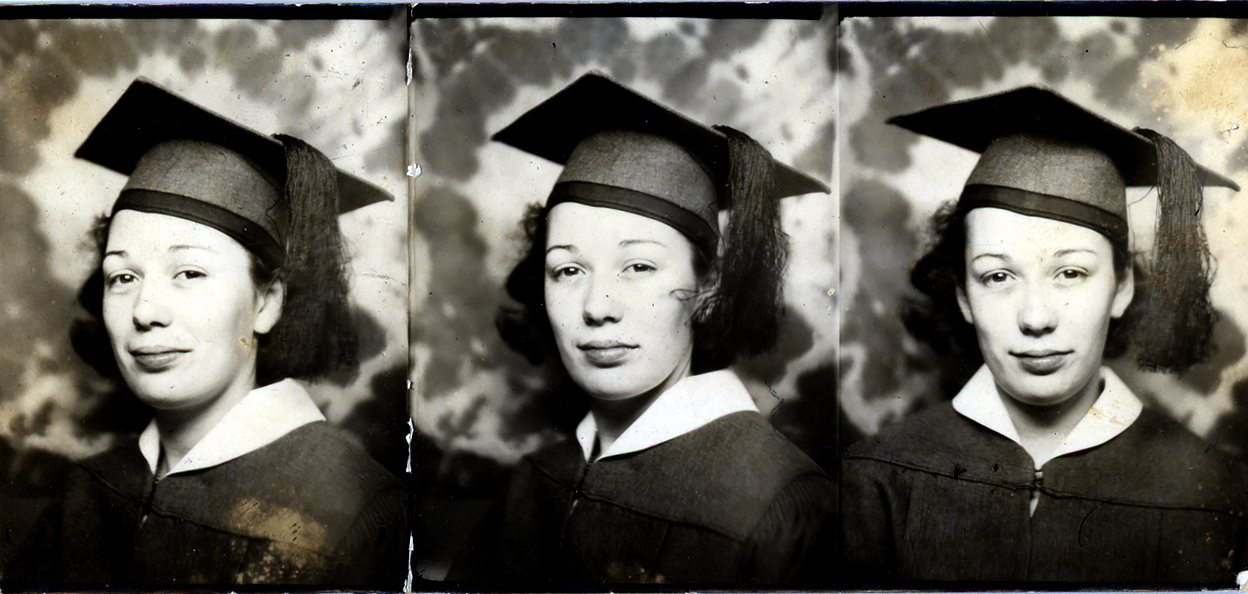
1938 graduation pictures
This sequence was slugged “1938,” so I have to assume this was when she graduated from high school.
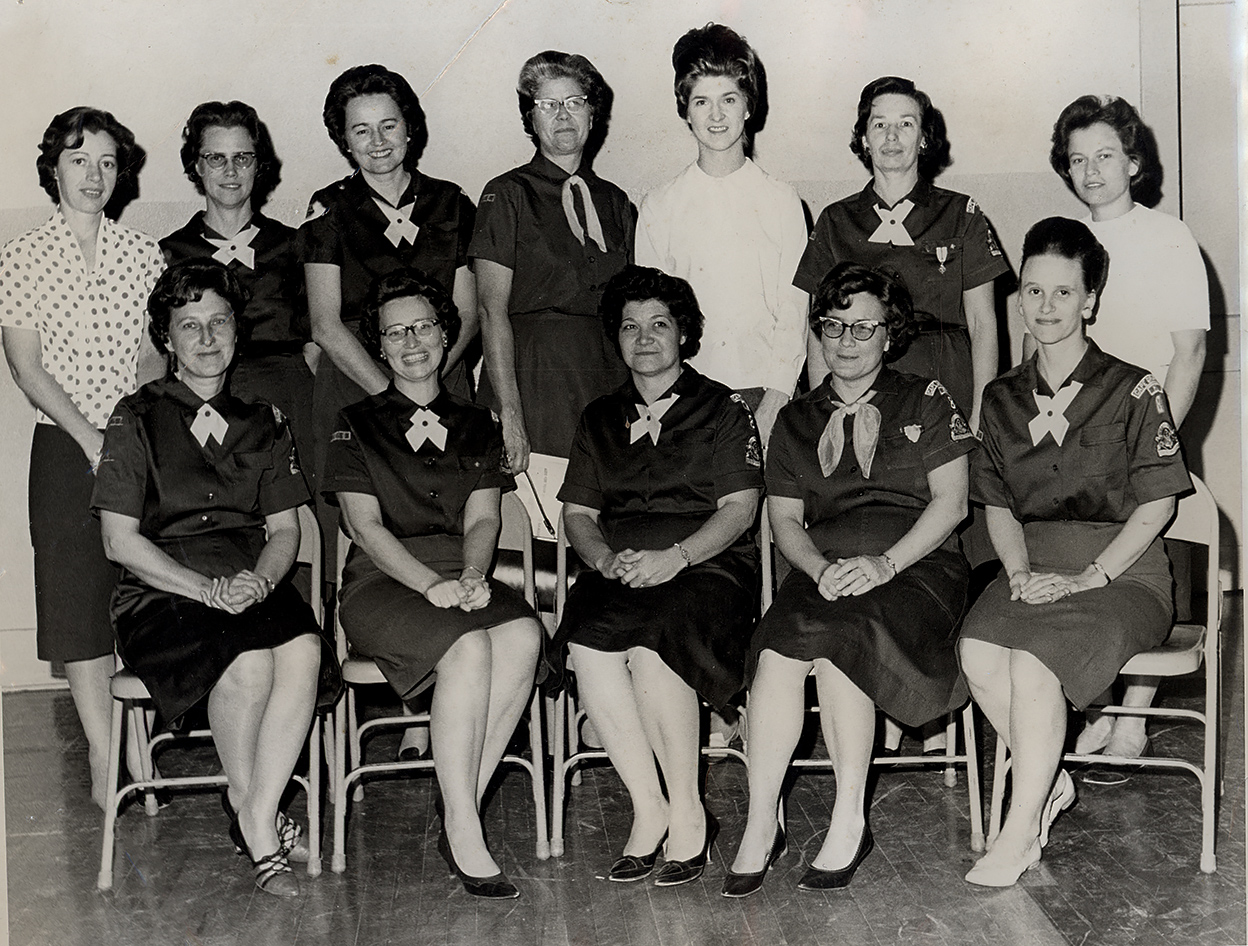
A pack of den mothers
Mother was a Pack 8 den mother. She’s in the back row, second from the right.
She the only one with a medal pinned on her. It might have been a Purple Heart for injuries sustained while herding a bunch of Cub Scouts around.
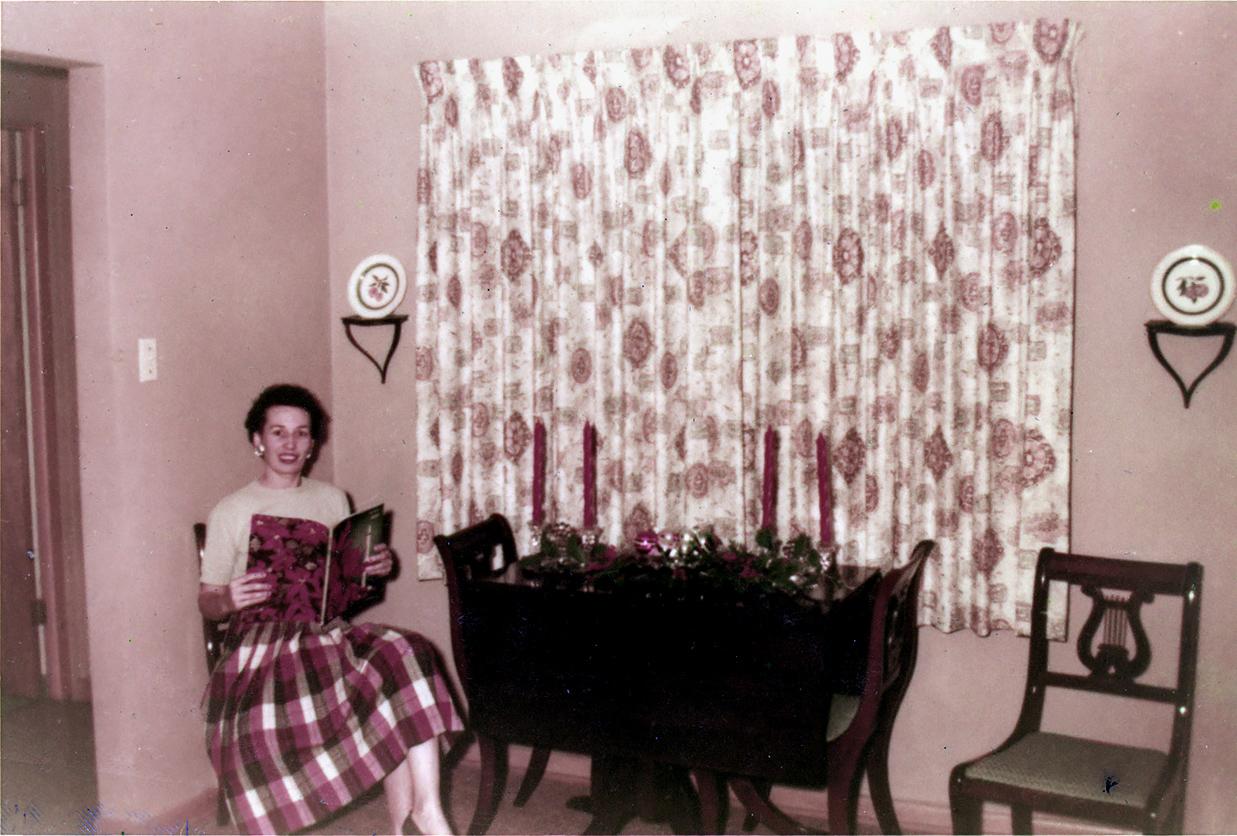
Christmas in the dining room
Mary Steinhoff Xmas
We called this side of the living room the dining room, even though I pretty much sure we never dined there. In fact, we hardly ever lived in the living room except for special occasions.
We were kitchen, basement and porch folks.
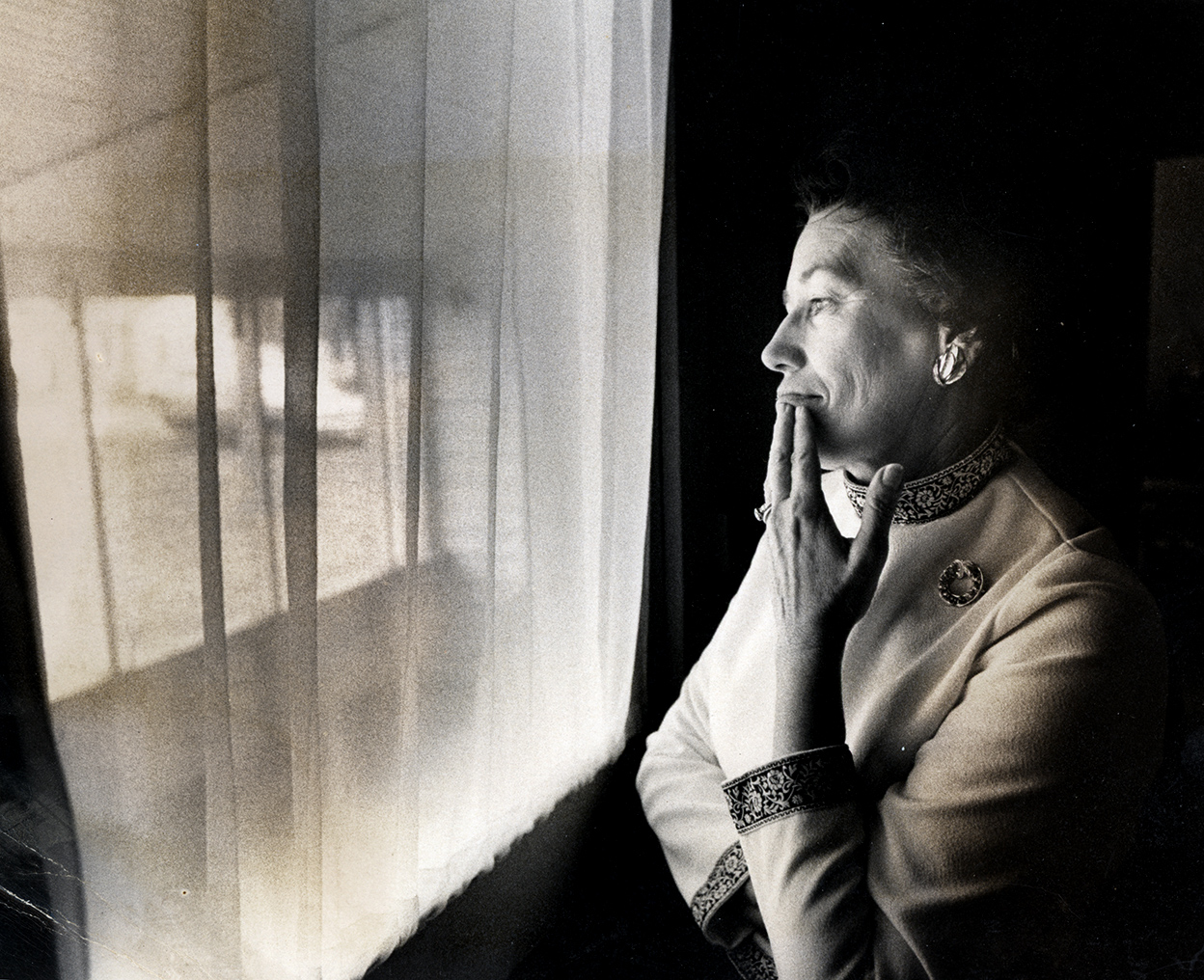
A pensive moment
She’s all dressed up, but I don’t know where she was going.
Slipping in a Dad and Mark moment
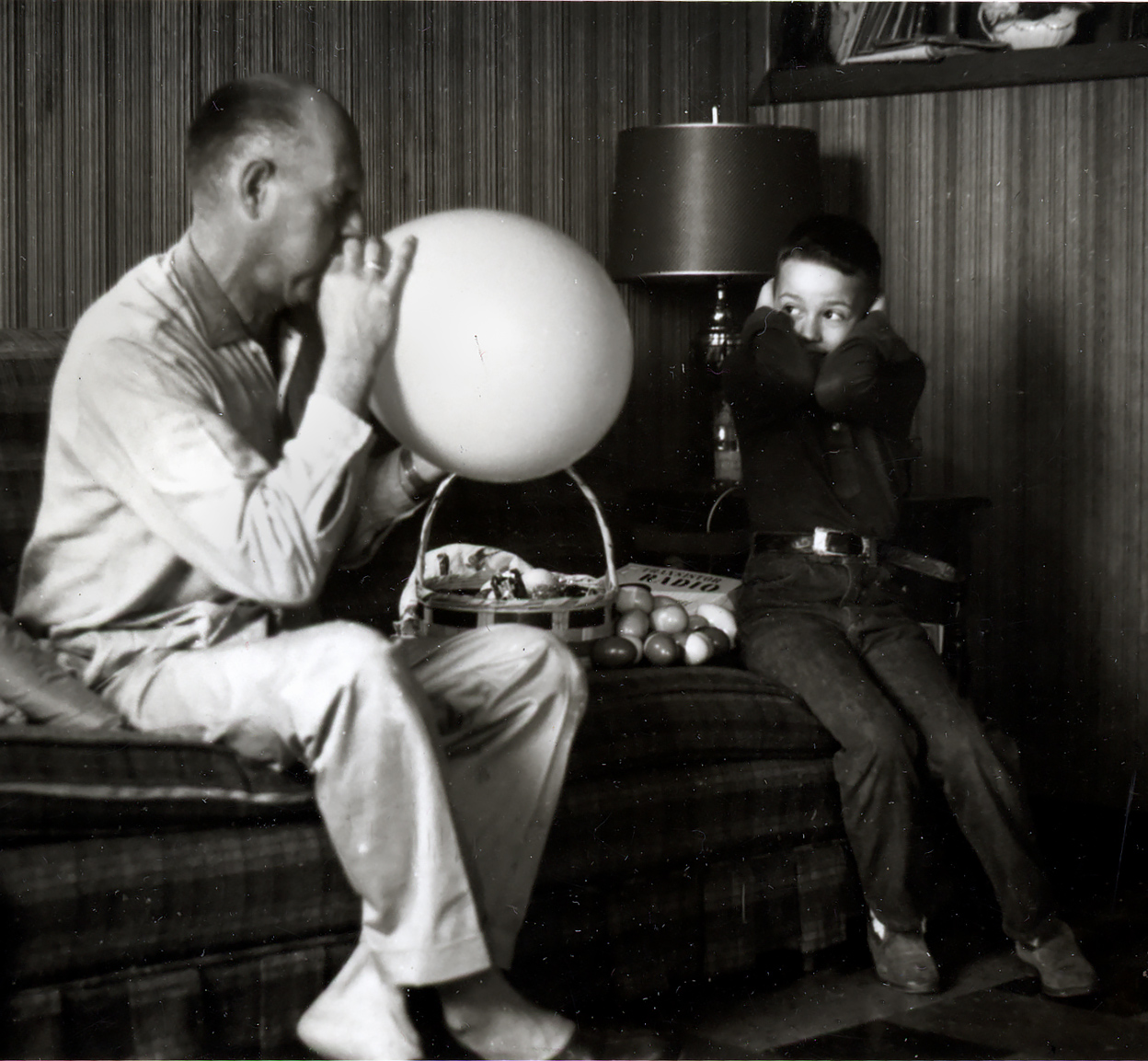
LV and Mark Steinhoff at Easter
I don’t want to steal Mother’s thunder, but this never-before-remembered shot of Dad and Mark at Easter is going to become one of my favorites.
Lots of Mother links
Mother was the subject of many blog posts.
Here are some links I pulled together for her obituary.