Taming Swampeast Missouri

Keith Lewis had a story in The Missourian October 4 noting that work on the Little River Drainage District started 100 years ago. There was a good reason why old-timers refer to this area as Swampeast Missouri: a large portion of Southeast Missouri was nothing but nearly impenetrable swamps with names like the Dark Cypress, Old Field and Big Field.

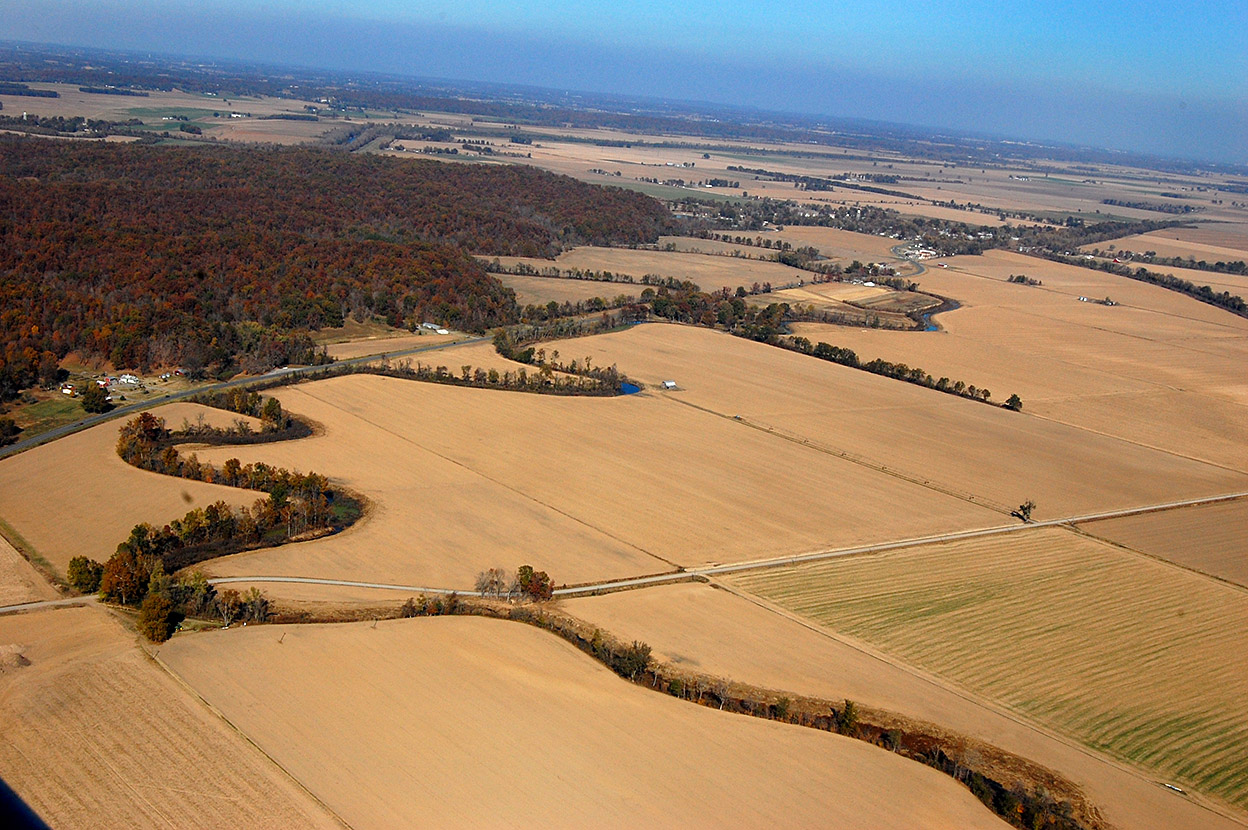
This aerial photo was taken south and west of Delta and shows the old Whitewater River meandering through what once would have been swamp. Dad had a job to divert the river, essentially cutting off this channel years and years ago.

Miles and miles of farmland
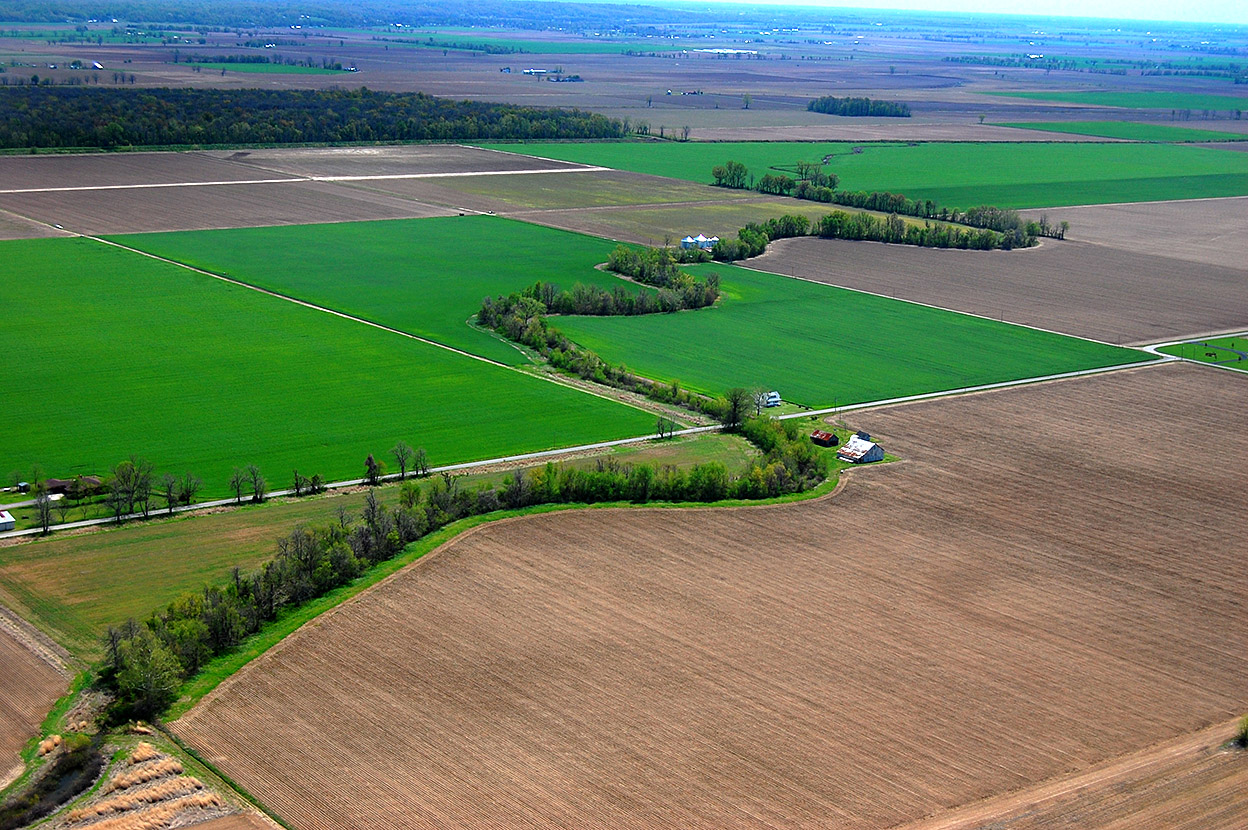
Once the timber was logged off and the land cleared, it turned out to be incredibly rich for farming.

Cut trees when swamp froze over
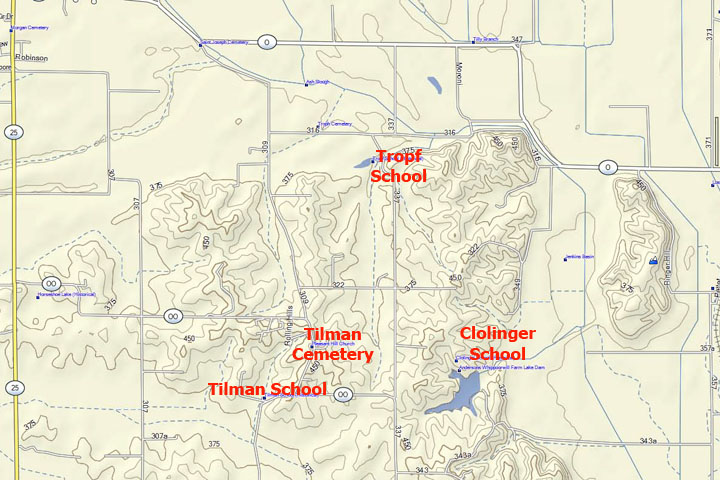
I interviewed Wife Lila’s Uncle Ray Seyer a couple of years ago when he was 89. Ray remembers growing up in the Tillman community area and hearing stories from his dad about the old days. “Pop would ride a horse – no cars in those days – from Kelso down through Delta and most of the time the water was up to the horse’s belly.”

“When they started clearing that ground there – it was all wooded area – they couldn’t cut when that water was in there.. they’d wait until it froze over, then cut it above the ice and let it float out later.”

Soft ground could swallow a tractor

Ray told some stories I had heard from old-timers back when I was a kid. I’m hoping I can run across a tape recording I made of one of Mother’s friends describing putting 12″ x 12″ “mudshoes” on horses to keep them from sinking into the “sinky” muck.

Ray and Dad both said you’d better not stop once you started across the old swamp. Ray talked about a couple of guys who used to haul limestone out of there. Their Caterpillar-type tractor stalled out at the end of the workday and wouldn’t start. They decided to leave it until the morning. The next day, only two smokestacks were visible above the muck, he said.

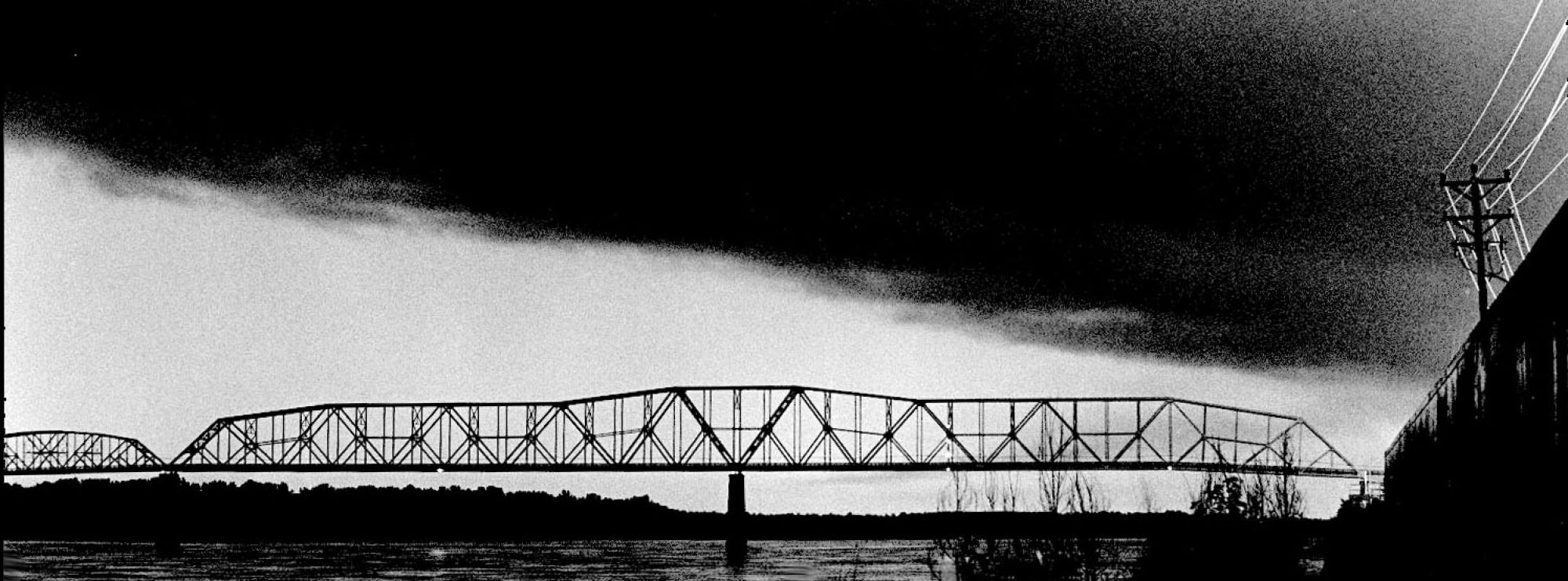
Diversion Channel
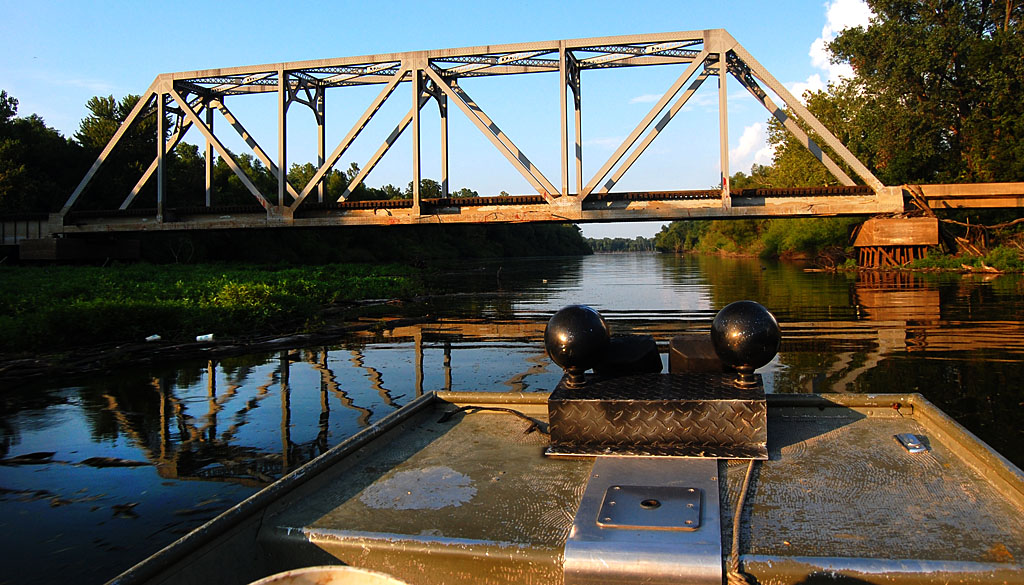
The Big Ditch is one of the main ways to move water out of the basin into the Mississippi River. Here are some of the stories I’ve done about the Diversion Channel.

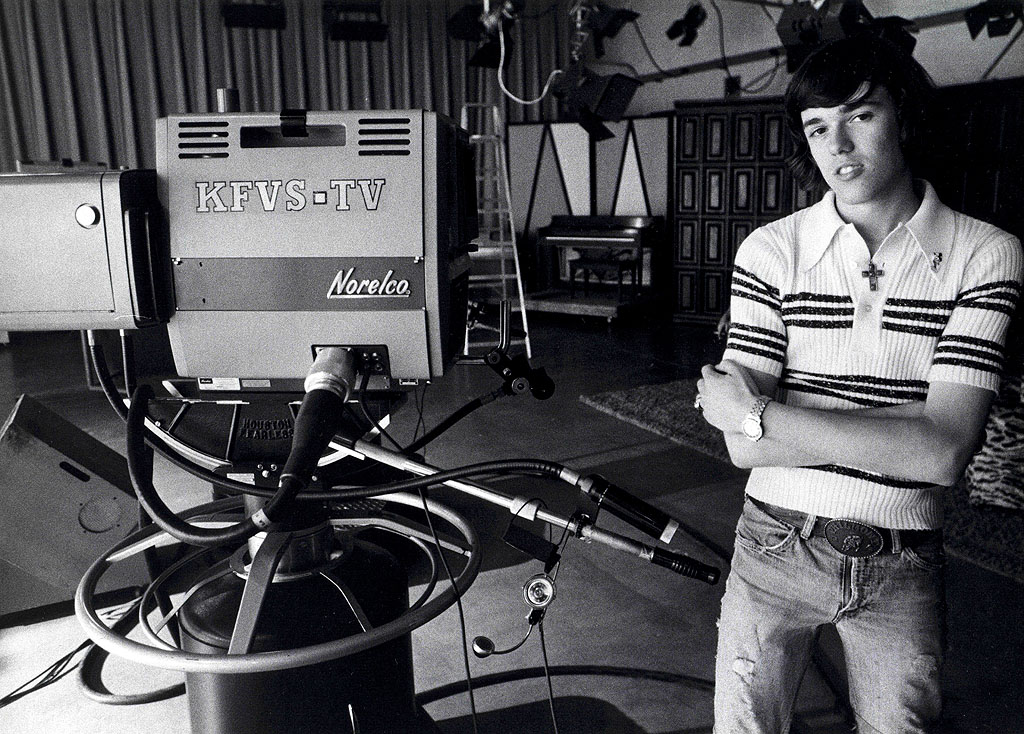
KFVS-TV Turns 58

I saw a posting on the KFVS-TV fan page that the television station went on the air Oct. 3, 1954. Actually, according to a letters received by the station, people were watching the test pattern days before the station went live with programming.

Brother Mark wasn’t there for the very first broadcast, but he worked a number of jobs there, including cameraman, in the mid-to-late 1960s.

KFVS-TV video about 58th birthday

Here’s is a video KFVS produced to mark the October 3 celebration.
KFVS12 News

Other stories about KFVS


School Under Construction

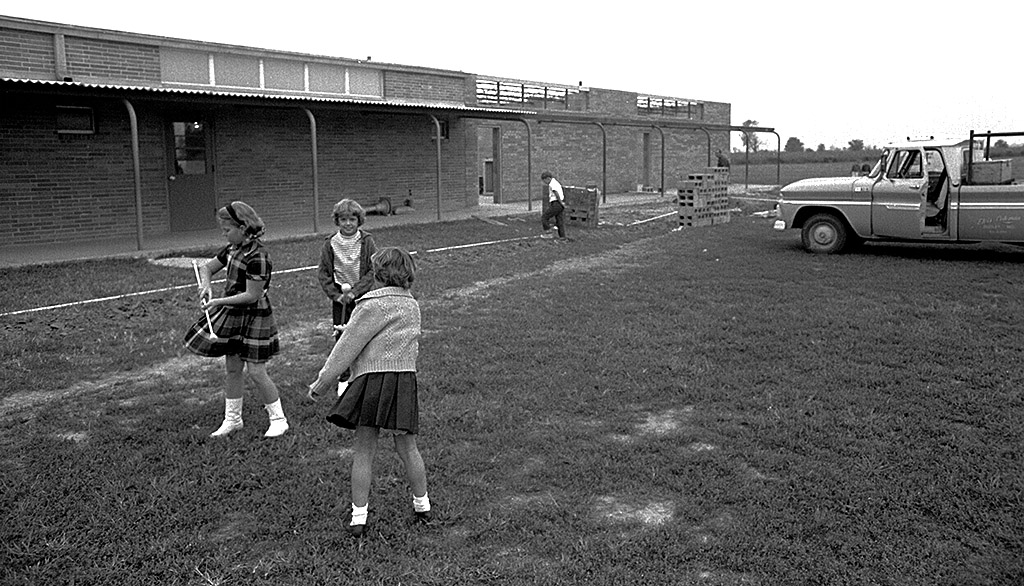
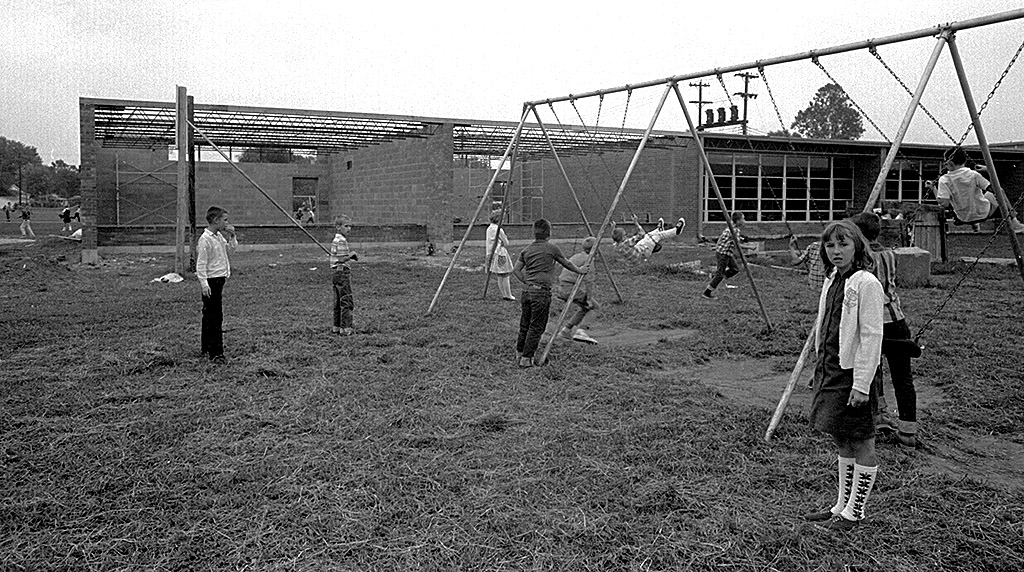
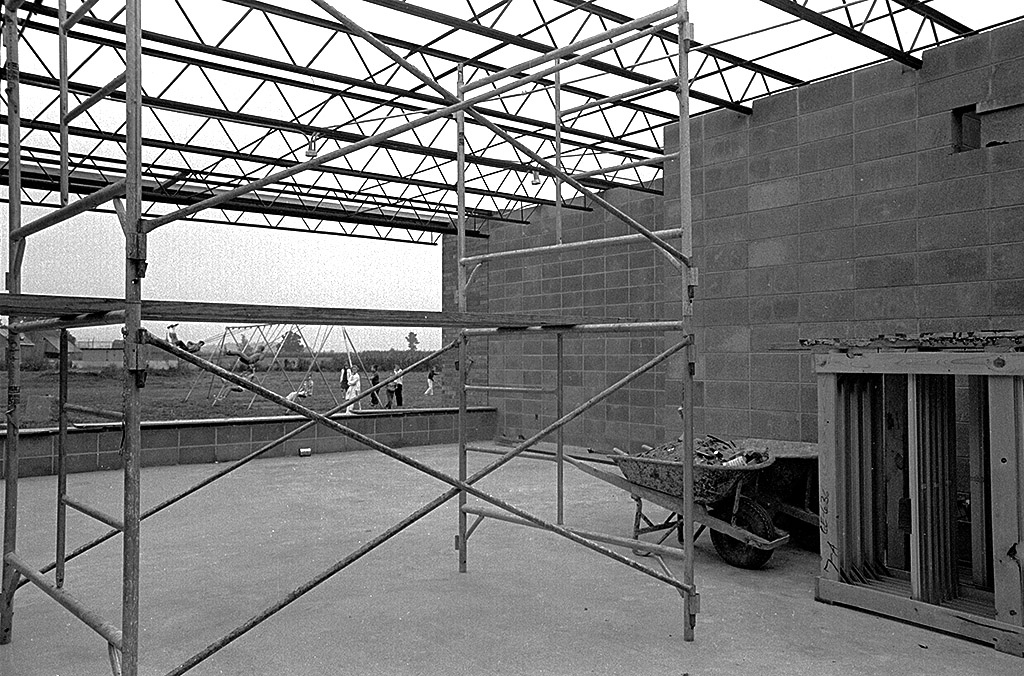
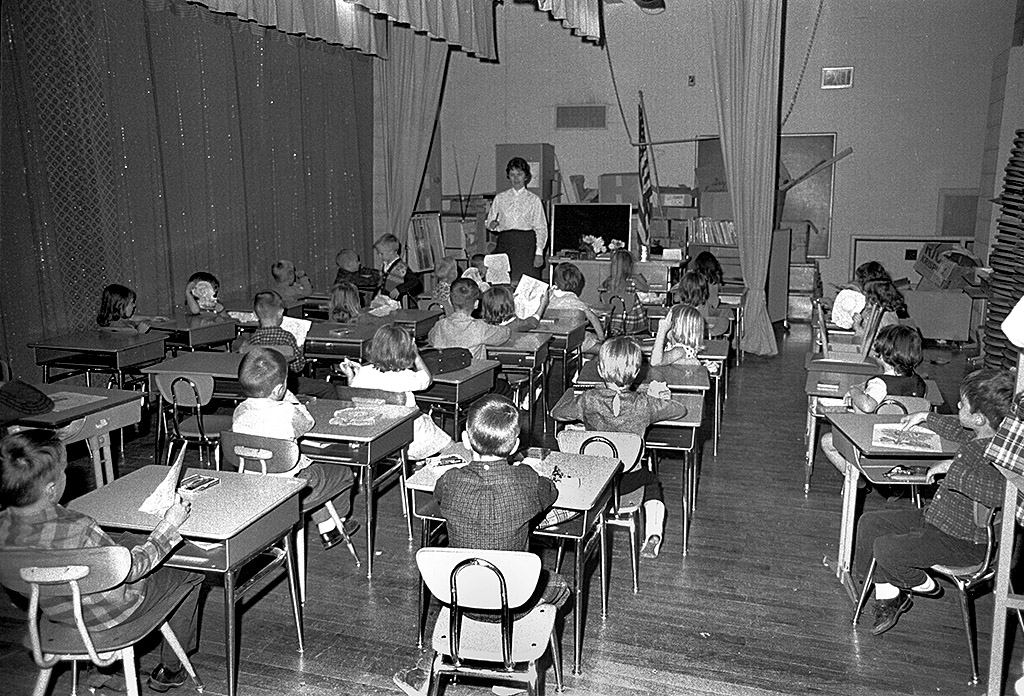
These photos of what appears to be an elementary school under construction were shot June 24, 1966, if I can believe the negative sleeve. Unfortunately, that’s all I know about them. I looked at the Google Archives around that date and didn’t see anything that looked like these pictures.

There’s some printing on the pickup truck on the right, but I couldn’t get it clear enough to read. It looks like a gym or stage has been pressed into classroom use in one of the photos. For some reason, the location has the feel of Advance to it, but I can’t tell you why I think that.

UPDATE – School Identified

I ran across a September 23, 1966, Missourian clip that clears up the mystery. It WAS the Advance Elementary School. The photo caption read, “Pupils at the Advance Elementary School are anxiously awaiting the completion of a two-room addition to the present building. Particularly interested are the kindergarten children who are now holding classes on the school stage. Only a curtain separates the make-shift kindergarten room from the multi-purpose room which is used as a cafeteria, band and music room. Mrs. Grace Williams, kindergarten teacher, has 30 children in her morning class and 26 in the afternoon. Mitchell Wills, principal, said no tax was needed to build the addition.”

Mystery school photo gallery

Click on any photo to make it larger, then click on the left or right side of the image to move through the gallery.

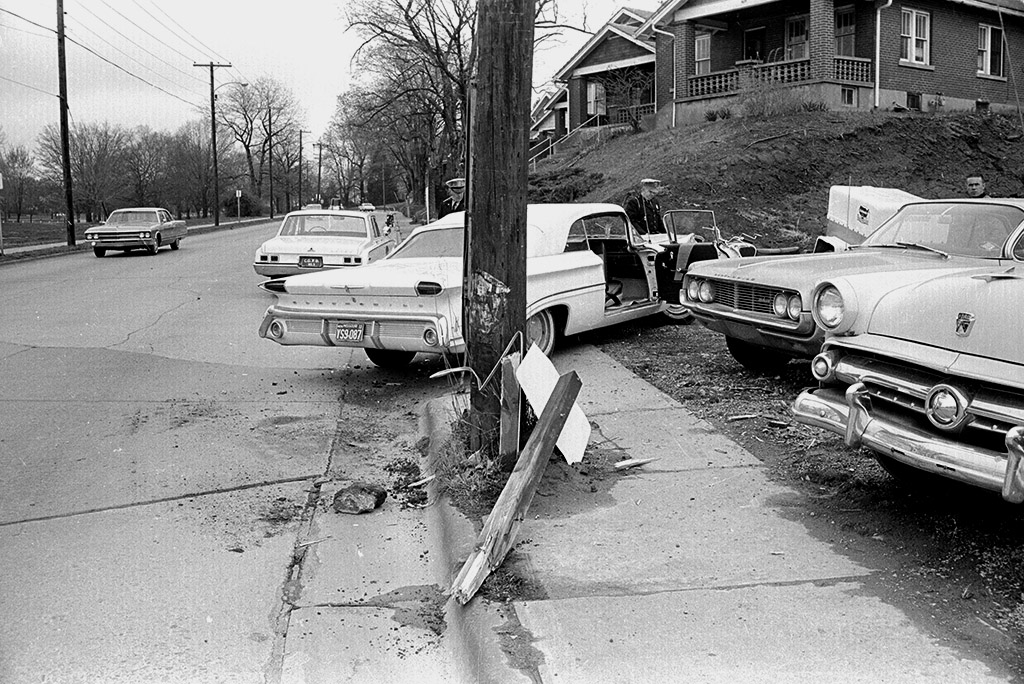
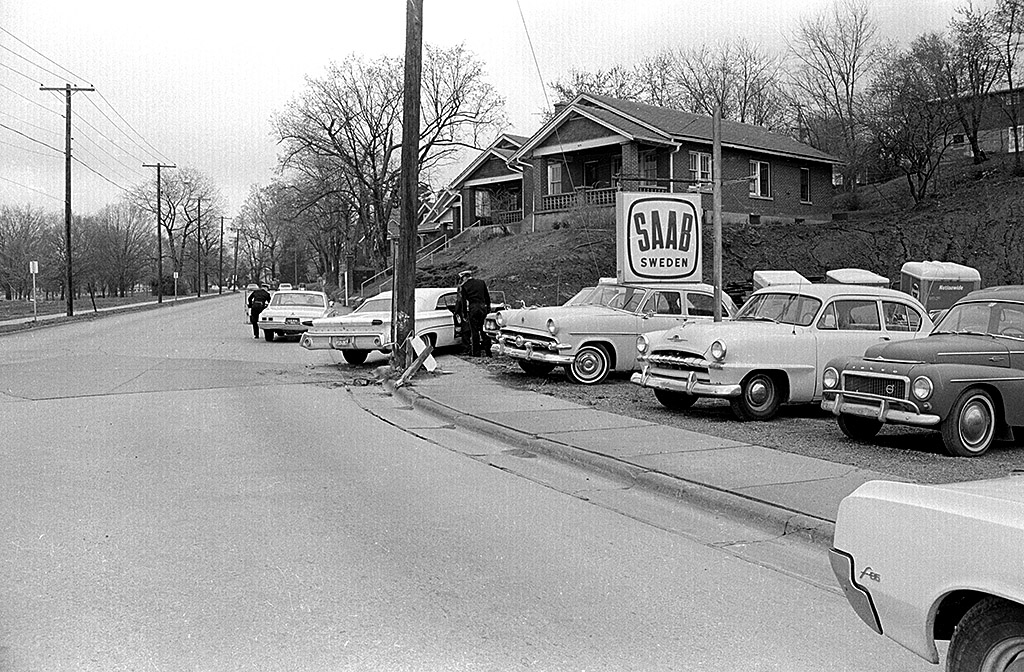
Wreck at Broadway – Perry

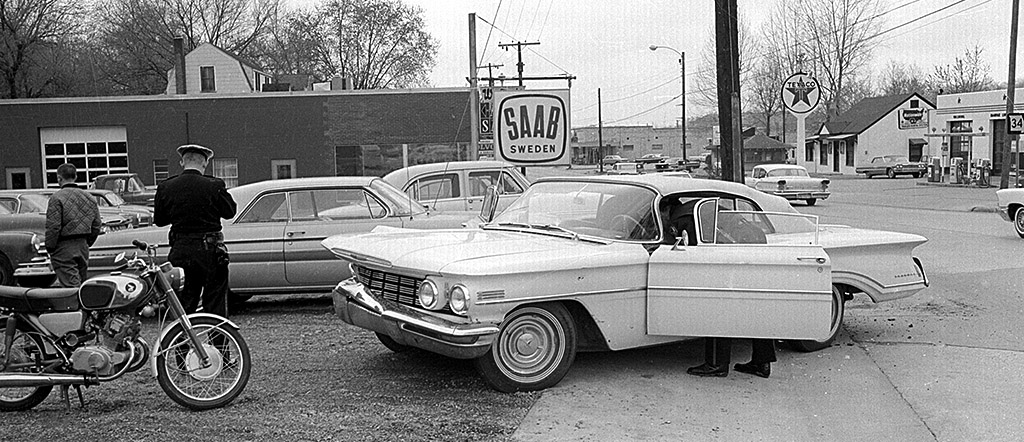
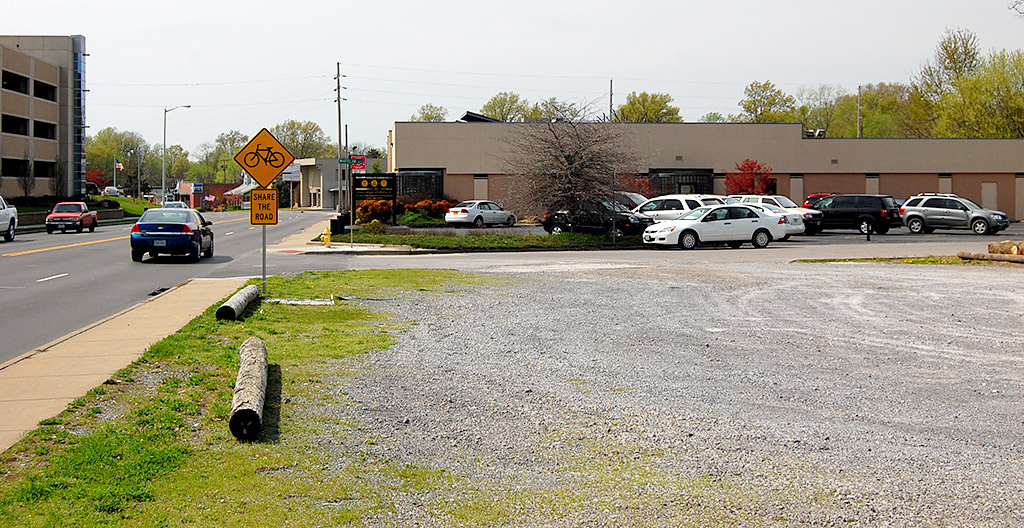
The thing that caught my eye about these photos wasn’t the wreck – it looks pretty minor. It was the neighborhood in the vicinity of Broadway and Perry Ave. and how it has changed since these photos were taken in the mid-1960s. Almost everything on the south side of Broadway has been gobbled up by Southeast Hospital. Click on the photos to make them larger.

Stubb’s Beer Garden gone

The 1968 City Directory lists the following businesses in this block of Broadway

  • 1700 – Lacy’s Texaco Service
  • 1703 – Bill Wescoat’s Trailer Rental Service & Wescoat Motor Company
  • 1704 – Cape Drive-in Cleaners
  • 1720 – Stubb’s Beer Palace
  • 1736 – Child’s IGA Foodliner

The city directory might list it as Stubb’s Beer Palace, but we always referred to it as the Beer Garden. It’s a parking lot now. Child’s Foodliner is occupied by an orthodontics practice.

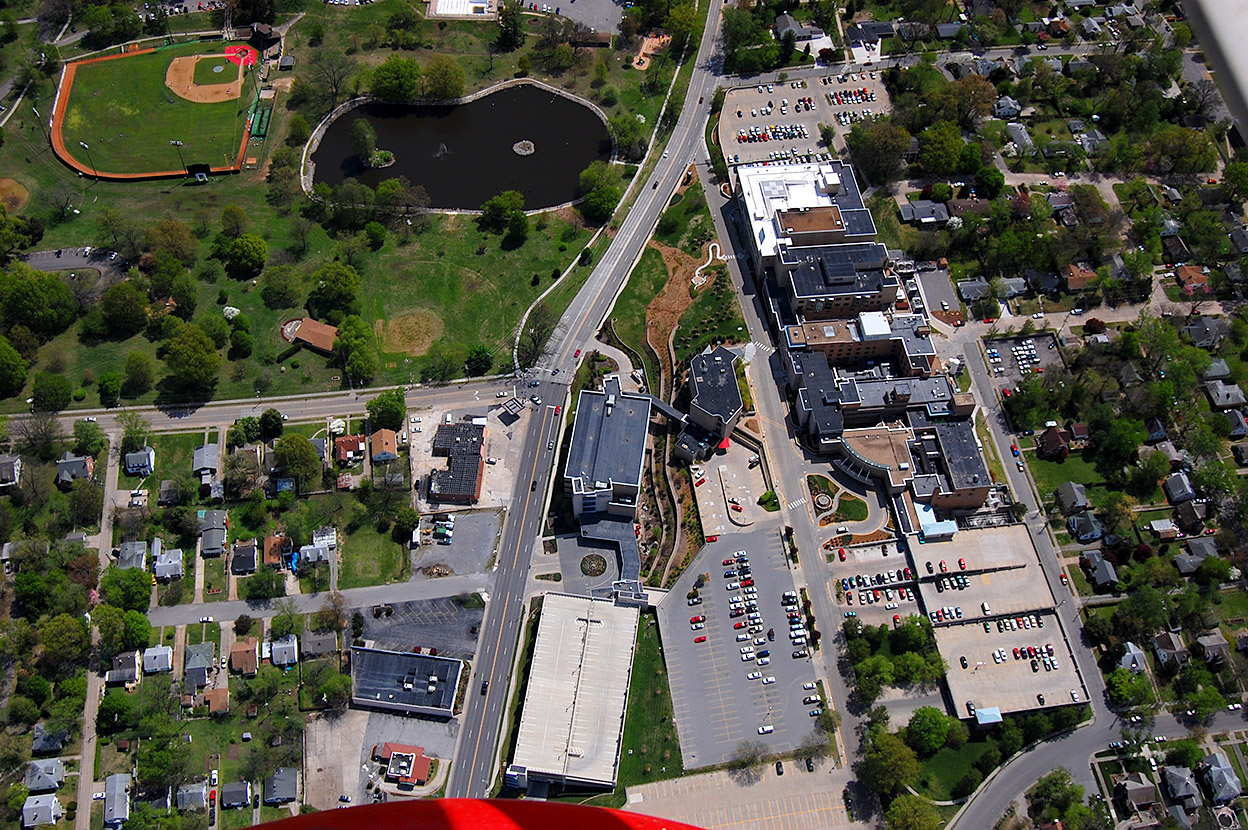
2011 Aerial of SE Hospital -1700 Block

Here is a 2011 aerial of the area. Perry Avenue comes in the from the left. Capaha Park is at top left, and Southeast Hospital takes up most of the right side of the photo. You can go here to see aerial photos of the area in 1964.

Wreck doesn’t look serious

Looks like car vs. pole and sign. I learned a long time ago not to play crash investigator and speculate about the cause of a wreck.

I may have told this story before. I had to testify in a civil suit involving a car crash. I showed up with more prints than Arlo Guthrie in Alice’s Restaurant. I was barely old enough to have a driver’s license of my own, so one of the attorneys tried to get me to speculate about the cause of the accident and to lead me into making a statement he could pounce on. I kept saying, “The photo shows x, y and z. That’s all I can tell you.”

“You testified that the skid marks were 37 feel long. Could they have been 34 or 38 feet long and not 37 feet long? What makes you so sure they were 37 feet long.”

“I took a tape measure and measured them because I figured some lawyer would ask me that.”

“No further questions.”

Houses are all gone

It’s hard to believe that the Broadway facing Capaha Park was once filled with family homes. John Hilpert, one of my best buddies in grade school lived in an old two-story house on the other side of Louisiana Avenue.