Potter and Prairie Du Rocher

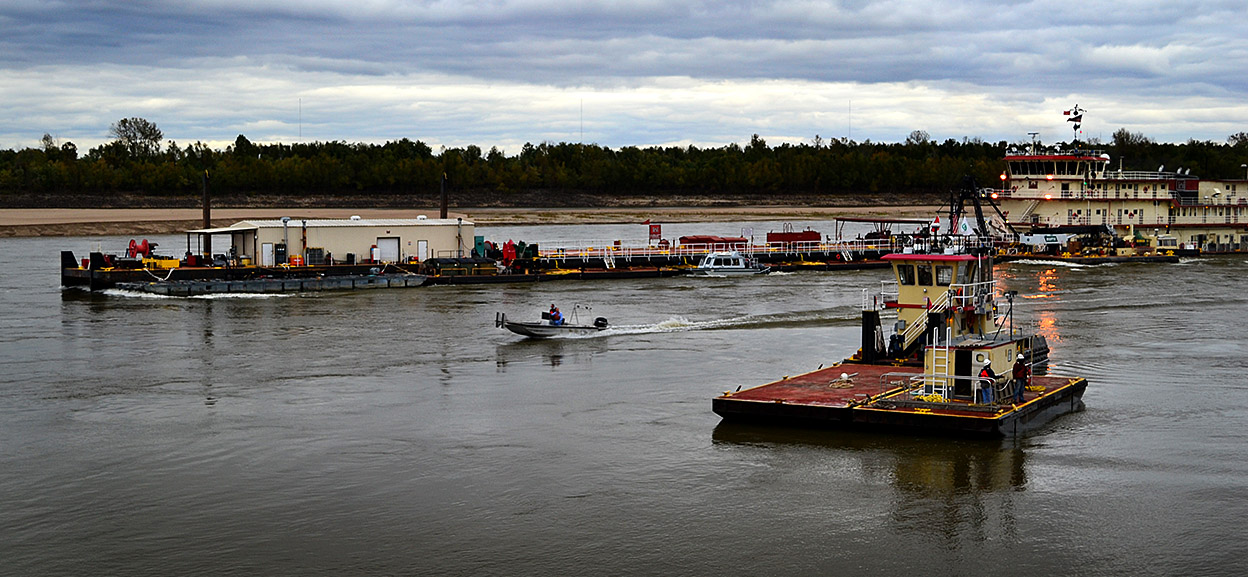
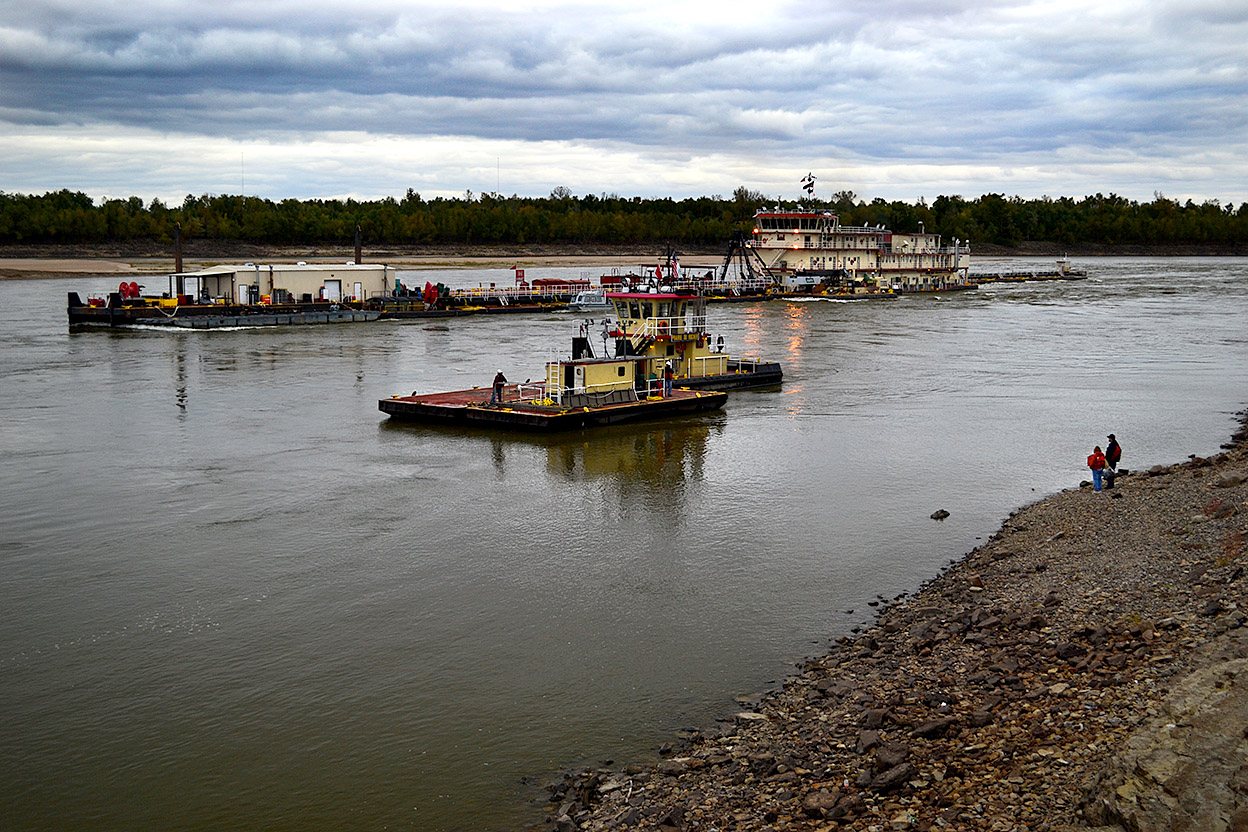
While I was shooting the sunken barges (and trapped by a freight train – more about that later), the Army Corps of Engineers’ oldest dredge and one of its pushboats came by.

The Potter was built in 1931 or 1932, depending on which source you check, by Dravo Construction of Pittsburgh, Pa. She was originally a steam-powered paddlewheel, much like the Ste. Genevieve I photographed visiting Cape in the mid-1960s.

Potter’s job is to maintain a 300-foot-wide, nine-foot-deep channel on 300 miles of the Mississippi River between Saverton, Mo., to Cairo, Ill.

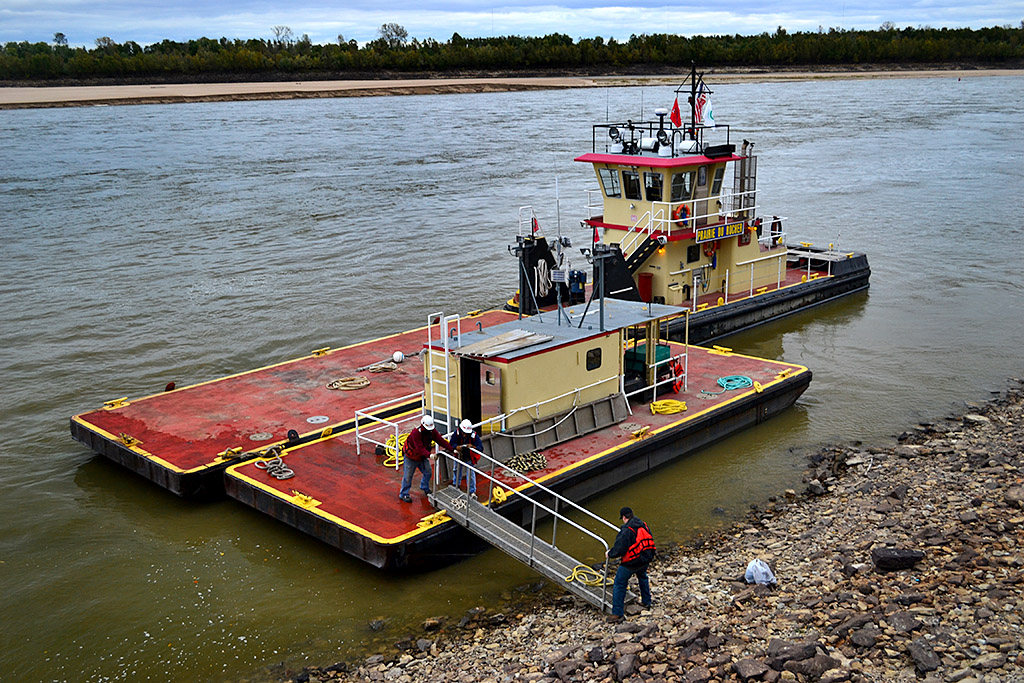
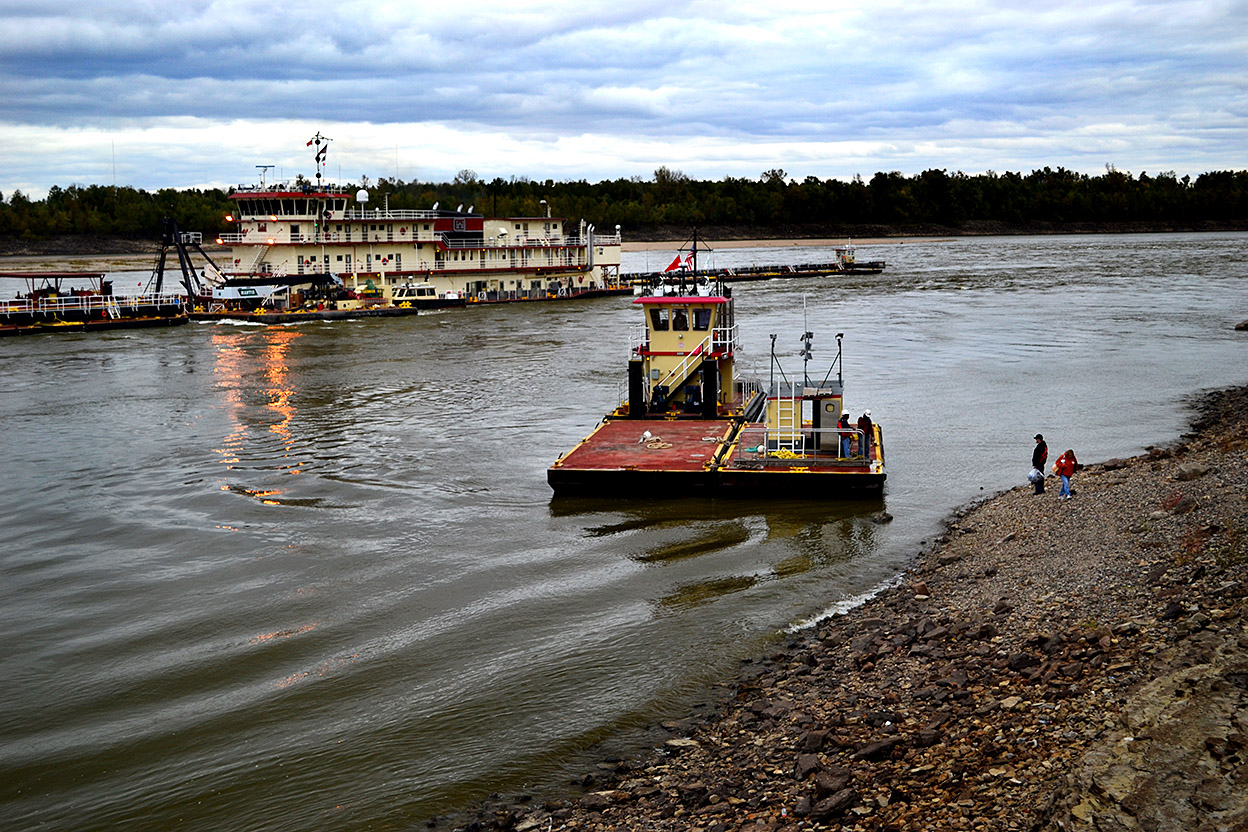
Prairie Du Rocher taking on crew
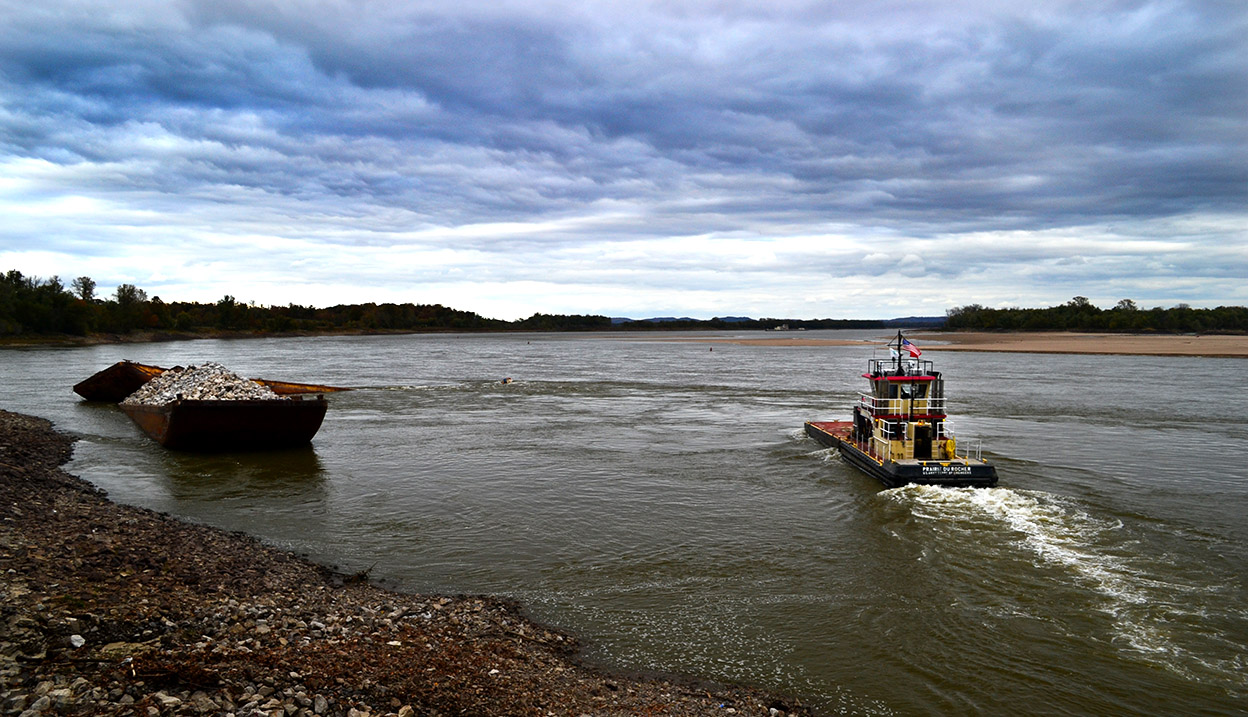
The Prairie Du Rocher headed to shore to drop its barge and to pick up two crew members before scurrying up the river to catch The Potter.

The small towboat or pushboat was built in 2002 by Main Builders of Utica Ind. It replaces an earlier Prairie Du Rocher built in 1970 and sold in 2005 under the name Lady Potasa.

Dredge Potter photo gallery

Here are more photos of The Potter and The Prairie Du Rocher. Click on any photo to make it larger, then click on the left or right side of the image to move through the gallery.
 

Barges Sink Off Cape Rock

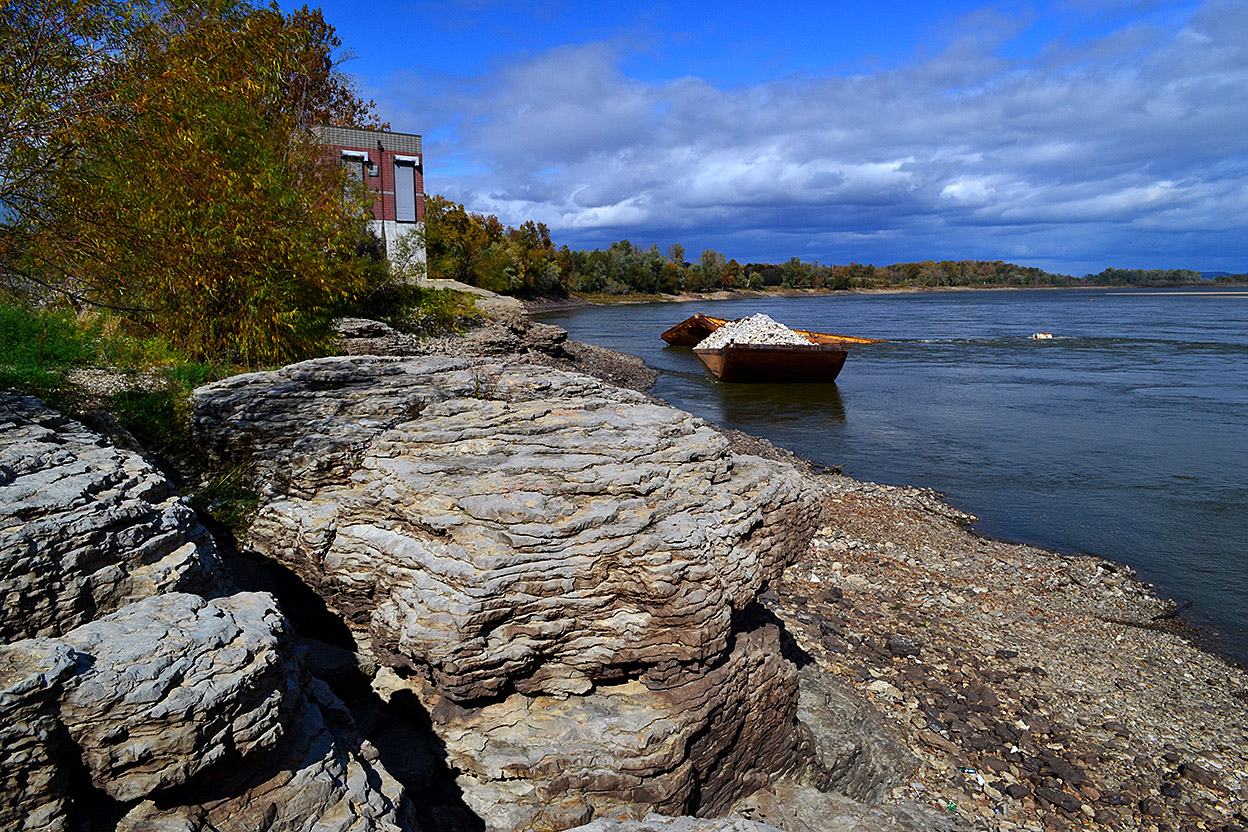
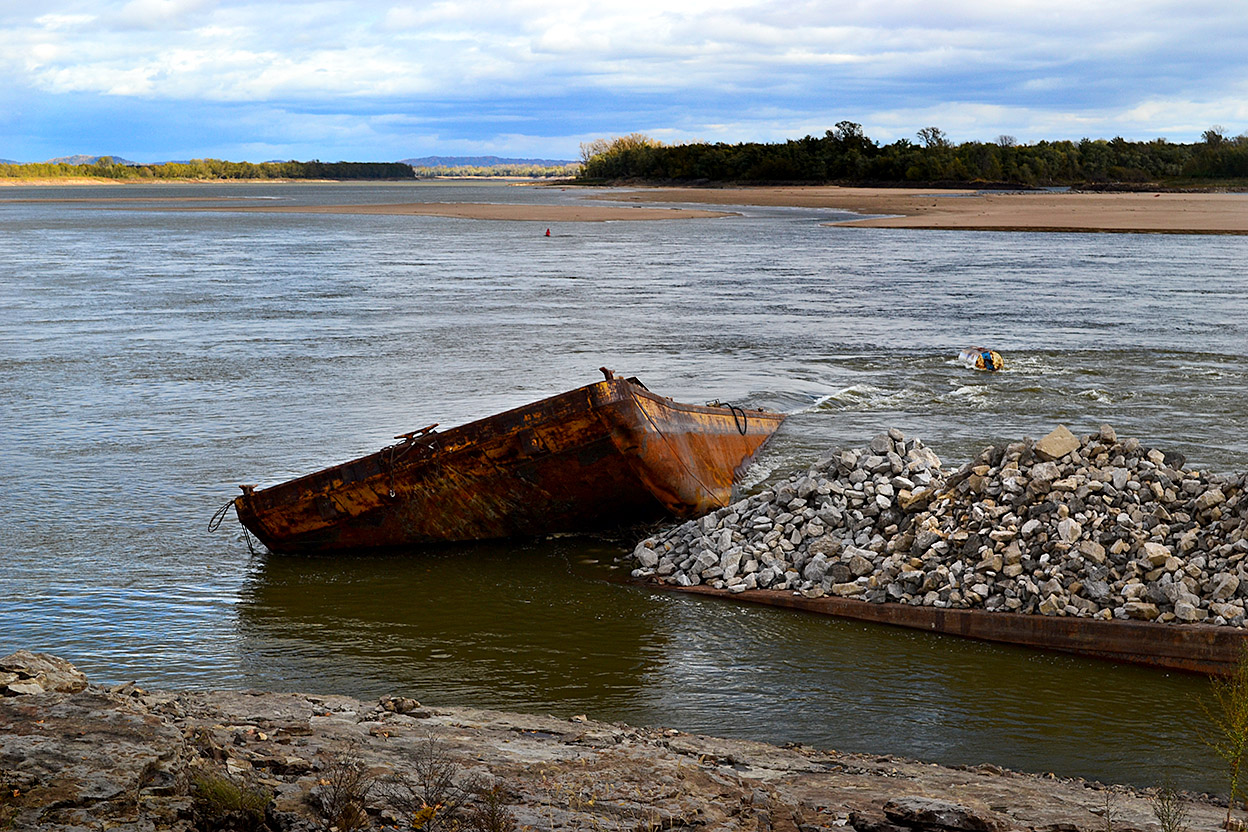
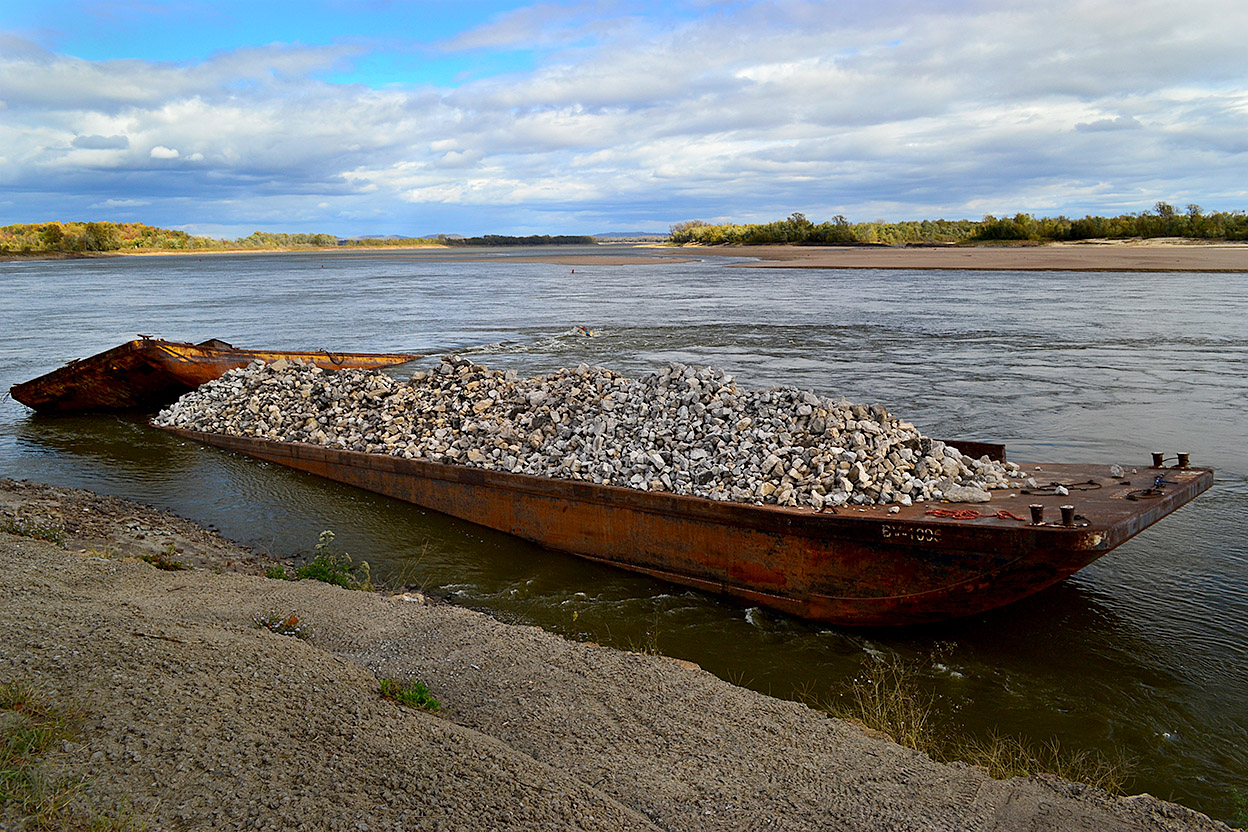
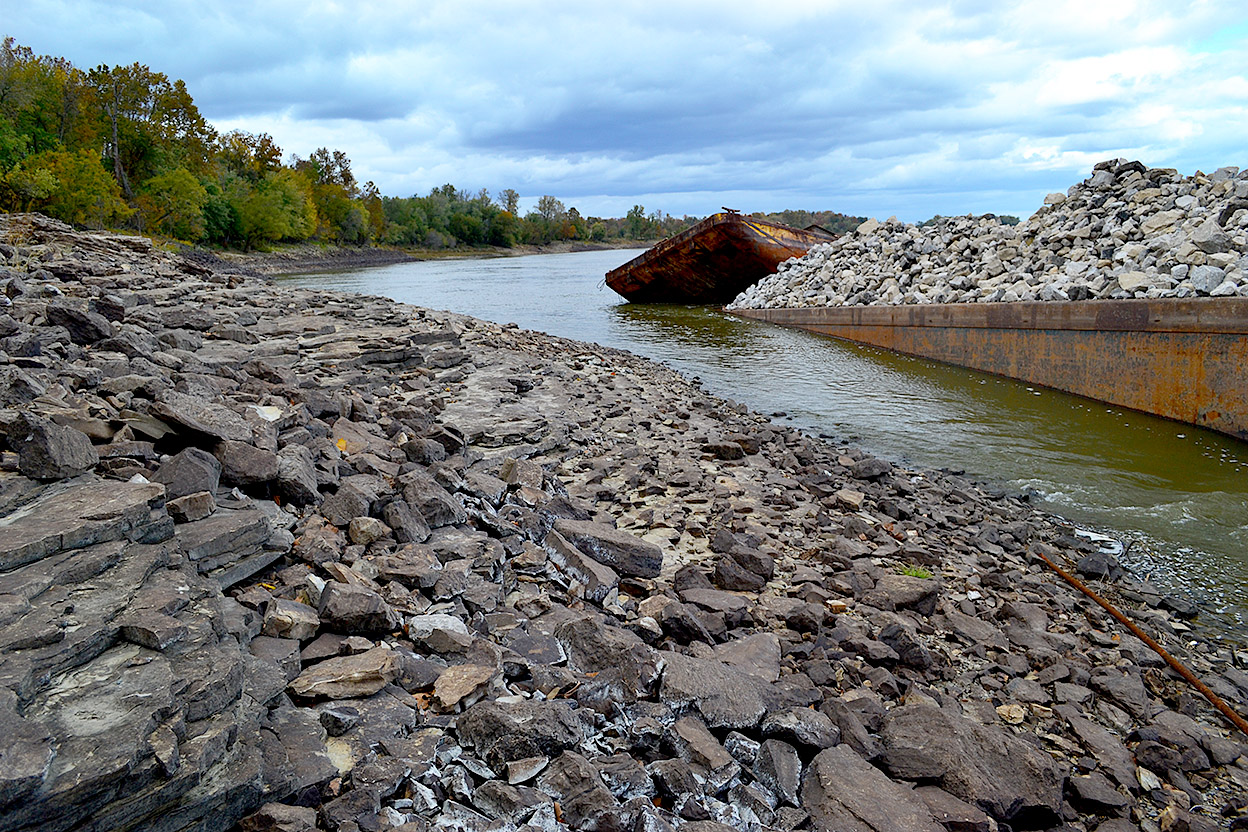
The parking lot at the foot of Cape Rock had more cars than usual. They were checking out two barges that had run aground and sunk right in front of the water intake structure north of Cape Rock. One, loaded with rock, grounded parallel to the bank. One that was either empty or had dumped its load was sticking out in the river with a floating drum marking its stern.

Low water causing problems

I searched the paper and TV station websites for information about the barges, but came up dry. Someone at the scene said a southbound tow with 25 barges didn’t get set up right for the turn and ran aground, dropping these two and sending others drifting downstream where they had to be caught.

I was also told that 20 was the maximum string under these conditions, but I couldn’t confirm that. I thought doing a search for Coast Guard Upper Mississippi notice to mariners would give me everything I needed to know, but navigating the river on a dark, stormy night would be easier than trying to find that information.

My barge quest put me onto another adventure that you’ll hear about later.

Sunken barge photo gallery

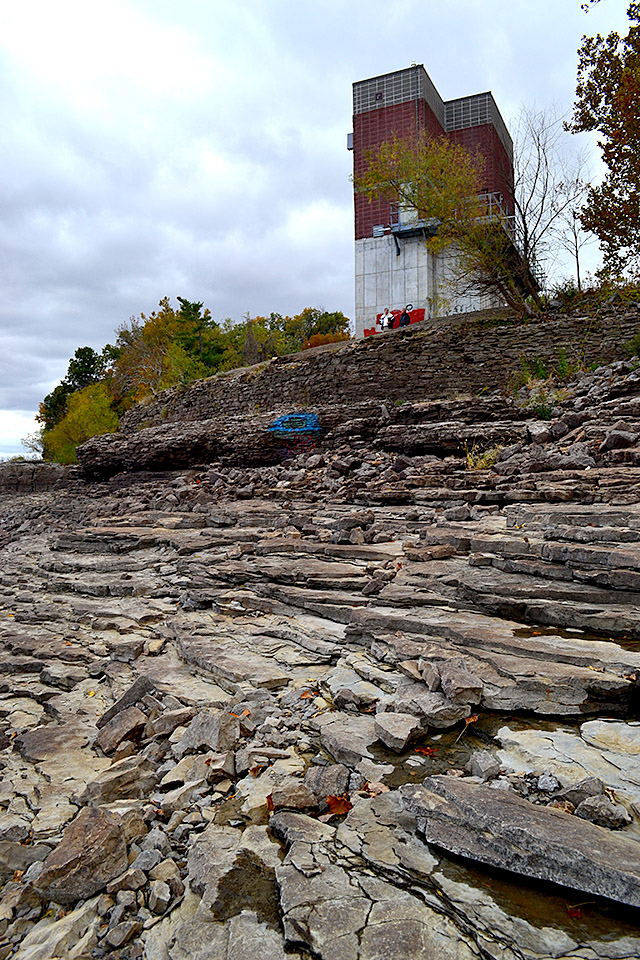
Here are some other photos of the scene, including some rocks that are normally under water. Click on any photo to make it larger, then click on the left or right side of the image to move through the gallery.
The Leaves Turned

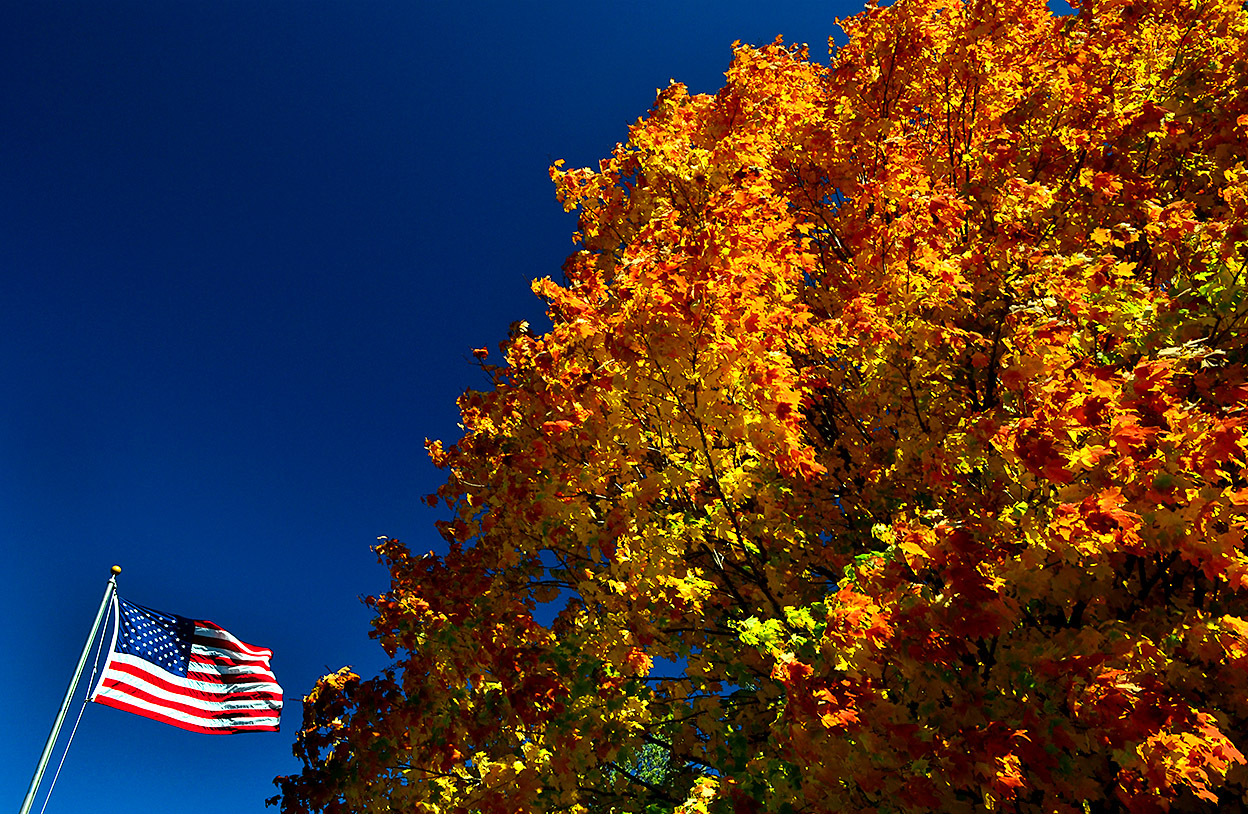
A friend up in Perry County called Monday to say I should get right up there before the leaves turned. When I got there on Tuesday, I said, “They look pretty good to me.”

“They’ve started falling today,” he said.

Wednesday was errand-running day, and Wednesday evening brought a cold front with gusty winds and frog-strangling rainfall. Somebody nearby said their rain gauge recorded 2-1/2 inches of the wet stuff. Mother’s yard was covered with fallen walnuts

The Jackson City Park leaves were still pretty, but the colors weren’t as vibrant as they were the day before.

Broke my rule

I broke my rule of “shoot it when you see it, otherwise the magic is liable to leak out.”

The temperatures were in the high 60s and felt great, but the color wasn’t as nice as two days ago. Click on the photos to make them larger.

Road to Tower Rock

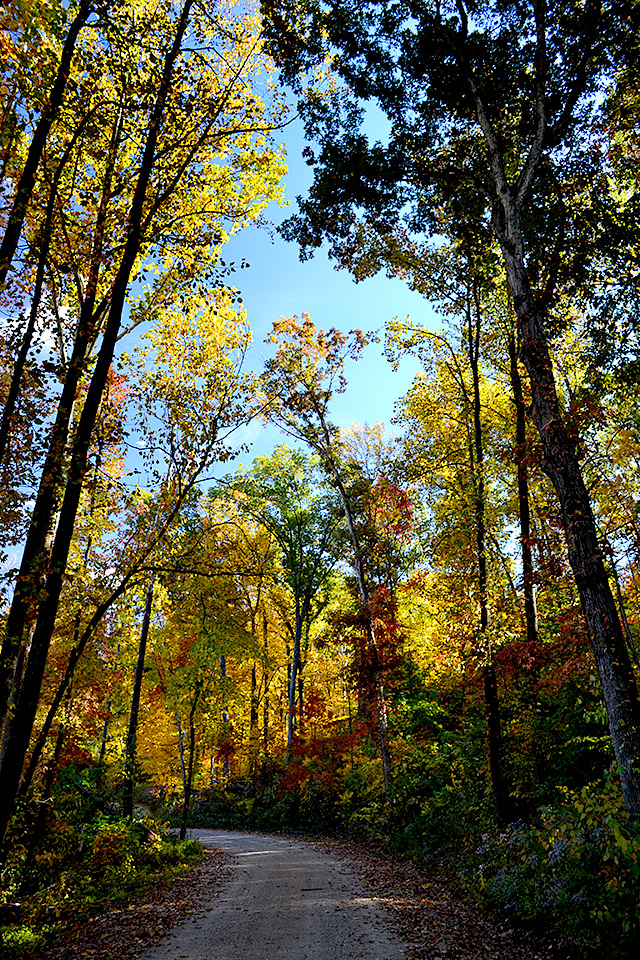
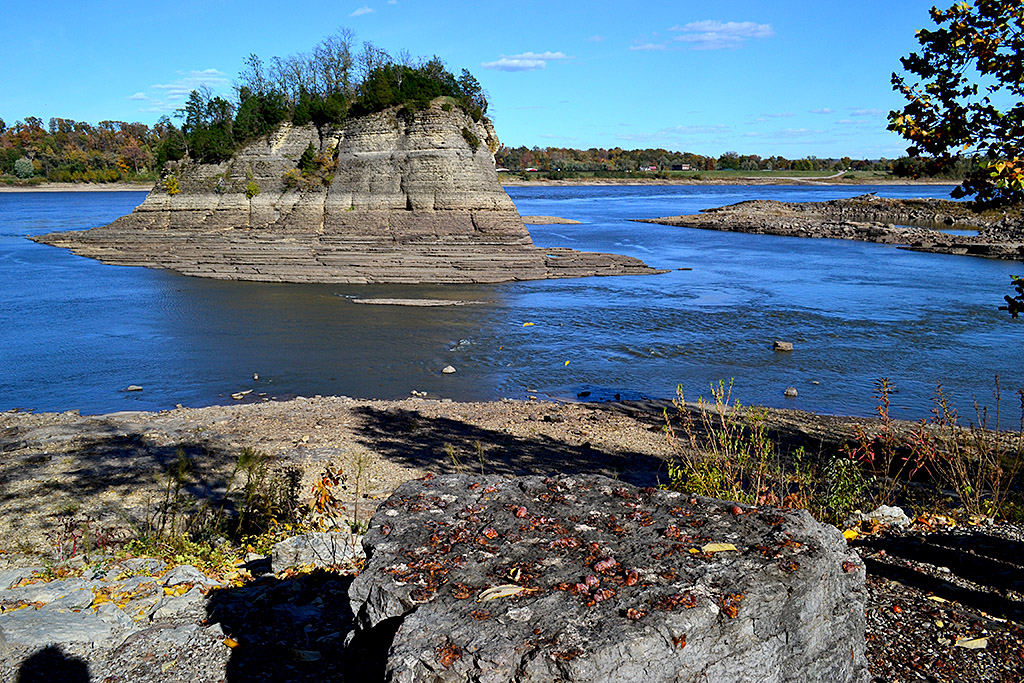
The drive to Altenburg Tuesday was spectacular. Thursday, it was merely “nice.” The trees on the tiny road leading to Tower Rock were still pretty when the light was behind them.

Orange with persimmons

Perhaps the greatest victims of the high winds and rain were the super-sweet persimmons at the Tower Rock parking area. The ground and rocks were orange with squished persimmons and buzzing with bees. Persimmons from two trees on the south end of the picnic area have smaller, tougher fruit. I picked up about a pint of ripe, but not splattered pieces to take home to Mother as part of her extended Birthday Season.

Adding to my disappointment was a rise in the river levels. The river is at 9 feet and going up, two feet higher than the 7 feet it needs to be in order to walk out to The Rock.

Taming Swampeast Missouri

Keith Lewis had a story in The Missourian October 4 noting that work on the Little River Drainage District started 100 years ago. There was a good reason why old-timers refer to this area as Swampeast Missouri: a large portion of Southeast Missouri was nothing but nearly impenetrable swamps with names like the Dark Cypress, Old Field and Big Field.

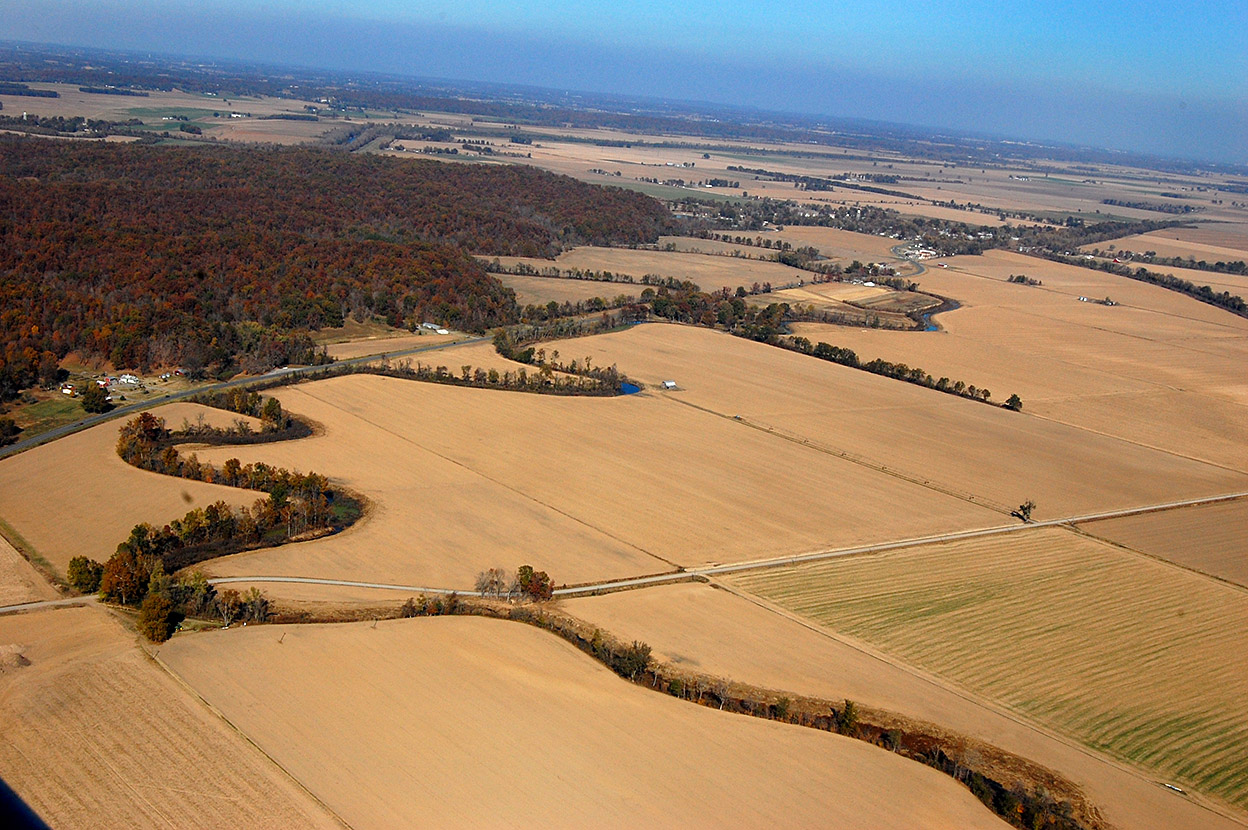
This aerial photo was taken south and west of Delta and shows the old Whitewater River meandering through what once would have been swamp. Dad had a job to divert the river, essentially cutting off this channel years and years ago.

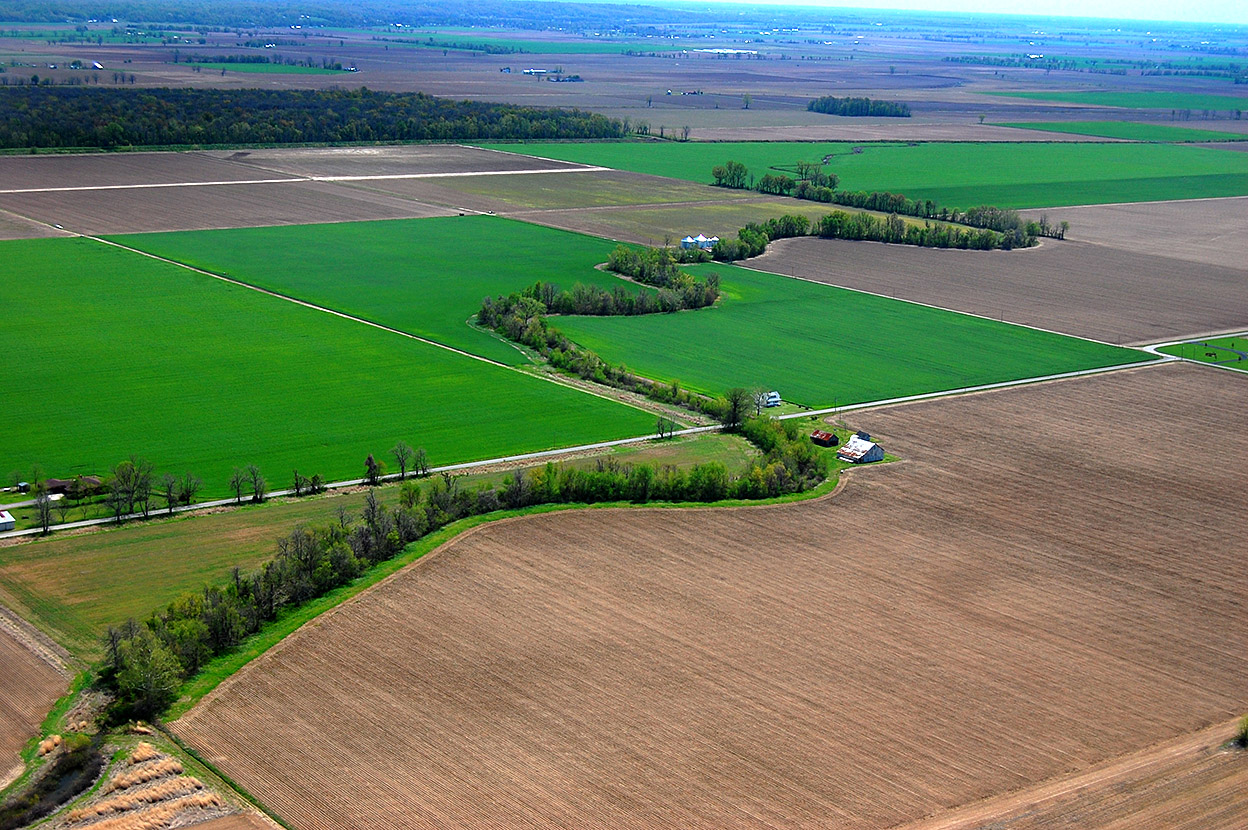
Miles and miles of farmland

Once the timber was logged off and the land cleared, it turned out to be incredibly rich for farming.

Cut trees when swamp froze over

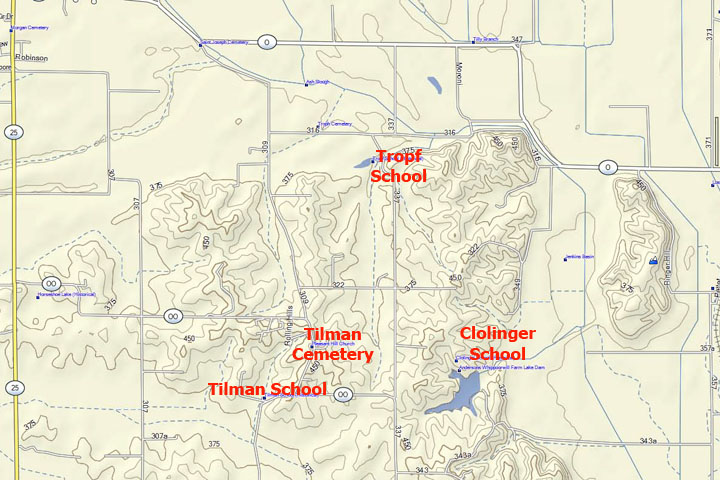
I interviewed Wife Lila’s Uncle Ray Seyer a couple of years ago when he was 89. Ray remembers growing up in the Tillman community area and hearing stories from his dad about the old days. “Pop would ride a horse – no cars in those days – from Kelso down through Delta and most of the time the water was up to the horse’s belly.”

“When they started clearing that ground there – it was all wooded area – they couldn’t cut when that water was in there.. they’d wait until it froze over, then cut it above the ice and let it float out later.”

Soft ground could swallow a tractor

Ray told some stories I had heard from old-timers back when I was a kid. I’m hoping I can run across a tape recording I made of one of Mother’s friends describing putting 12″ x 12″ “mudshoes” on horses to keep them from sinking into the “sinky” muck.

Ray and Dad both said you’d better not stop once you started across the old swamp. Ray talked about a couple of guys who used to haul limestone out of there. Their Caterpillar-type tractor stalled out at the end of the workday and wouldn’t start. They decided to leave it until the morning. The next day, only two smokestacks were visible above the muck, he said.

Diversion Channel

The Big Ditch is one of the main ways to move water out of the basin into the Mississippi River. Here are some of the stories I’ve done about the Diversion Channel.