New Hamburg’s Catholic Church

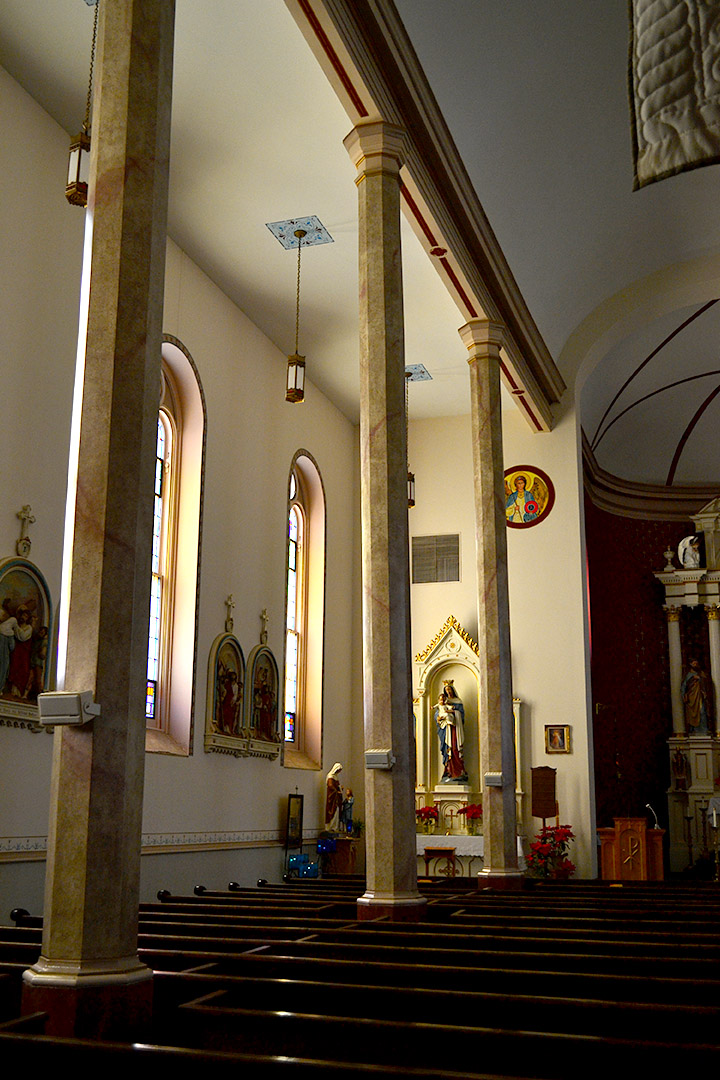
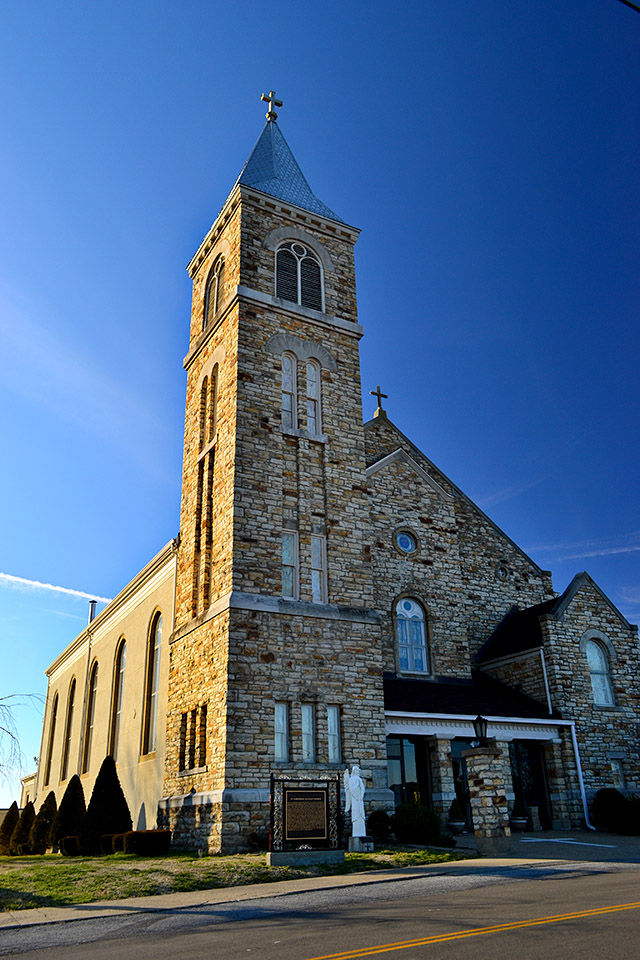
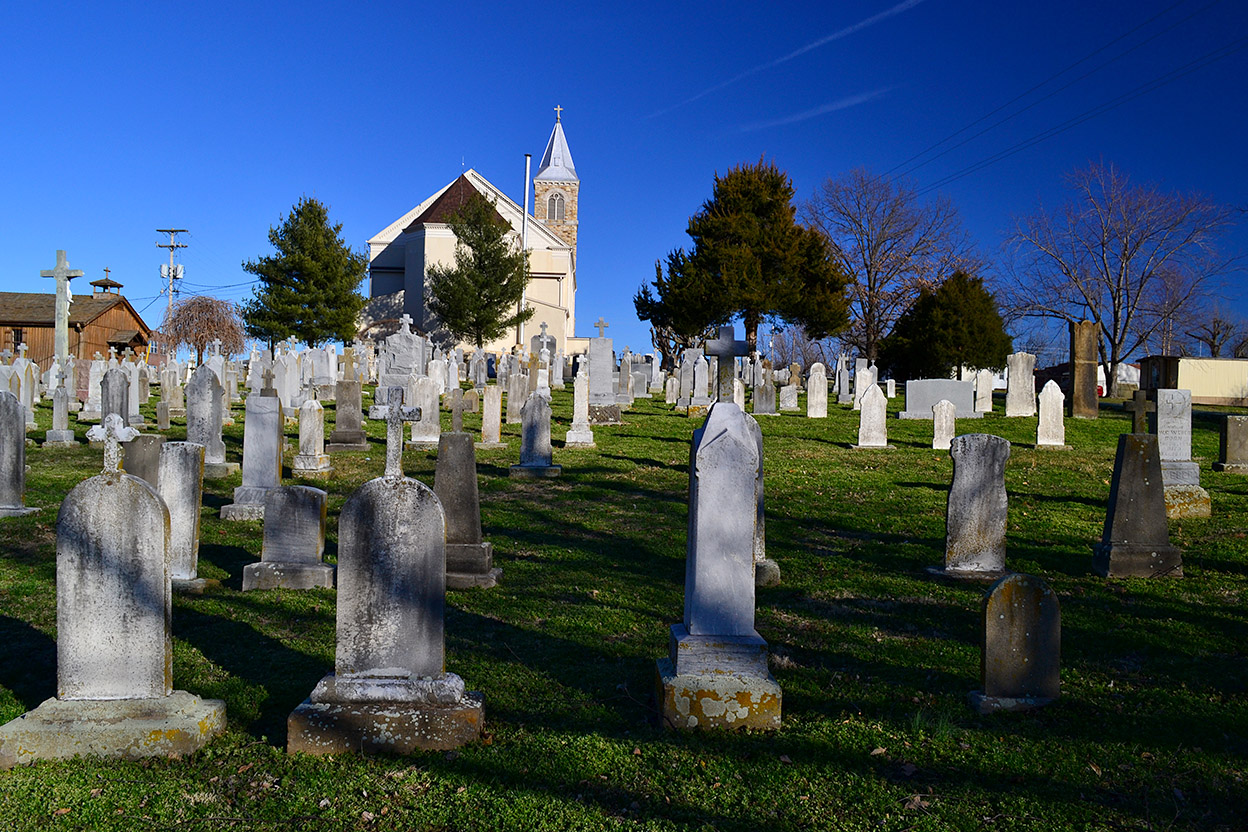
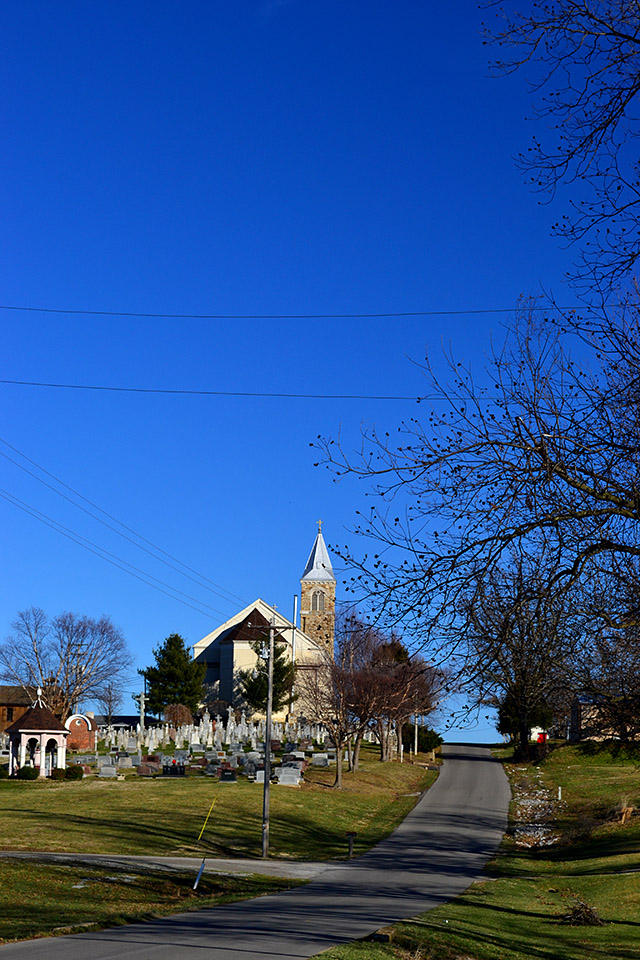
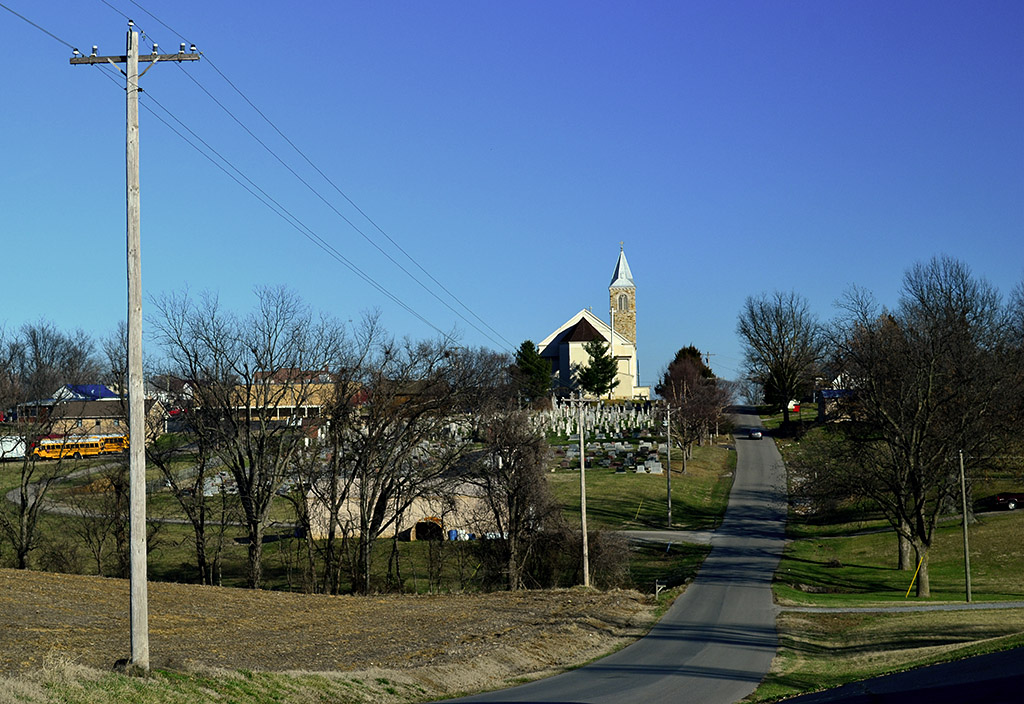
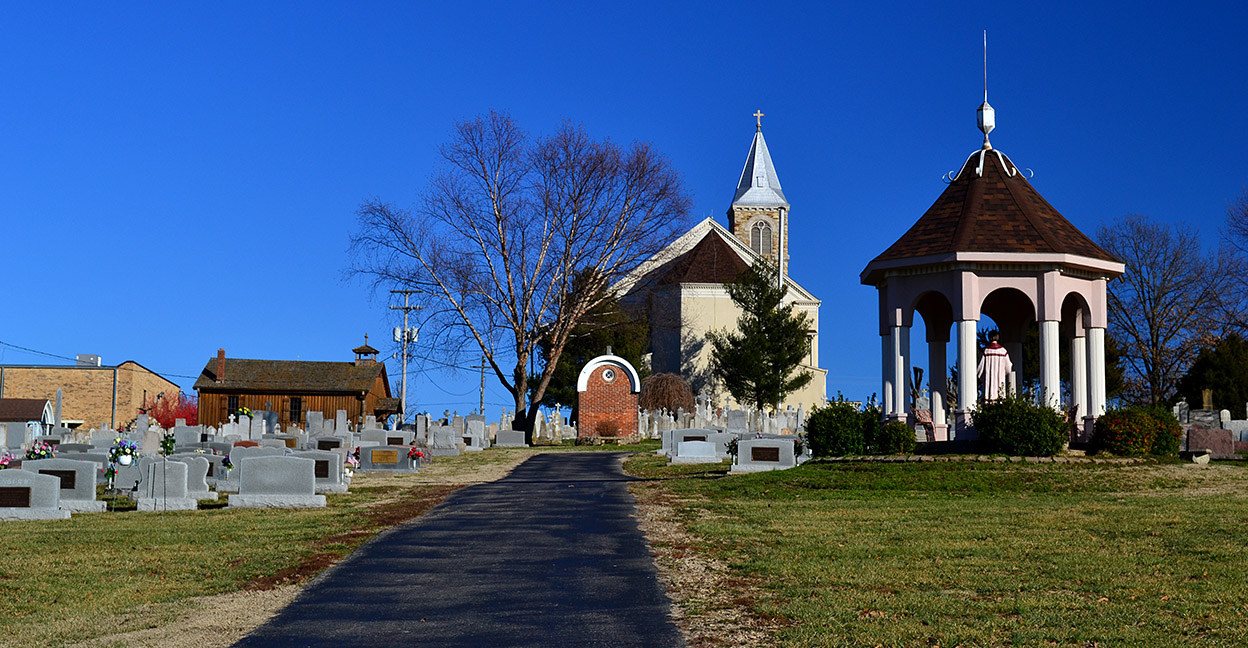
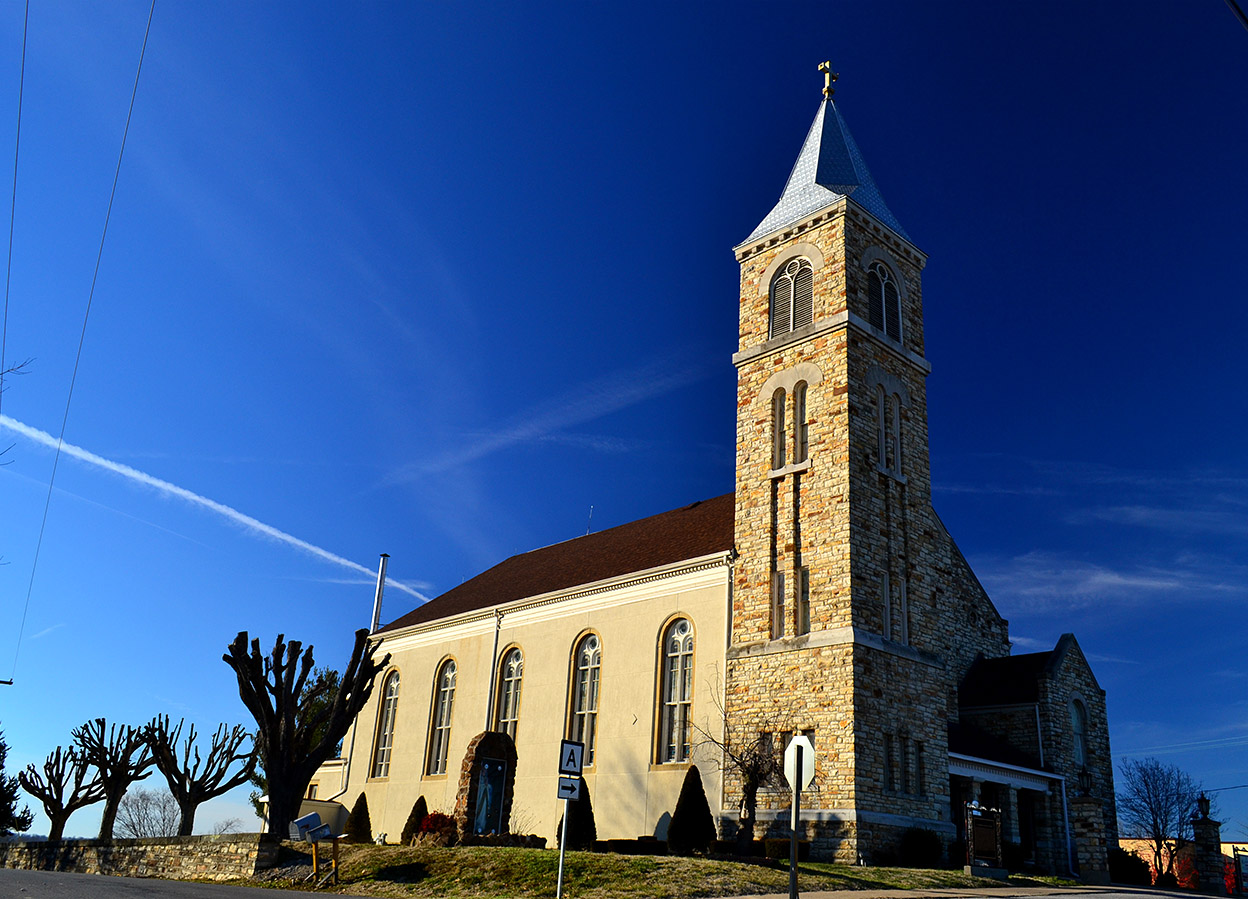
St. Lawrence Catholic Church 02-03-2013The first thing you see when you come into New Hamburg from the east, west or south (and, maybe the north, too) is the St. Lawrence Catholic Church.

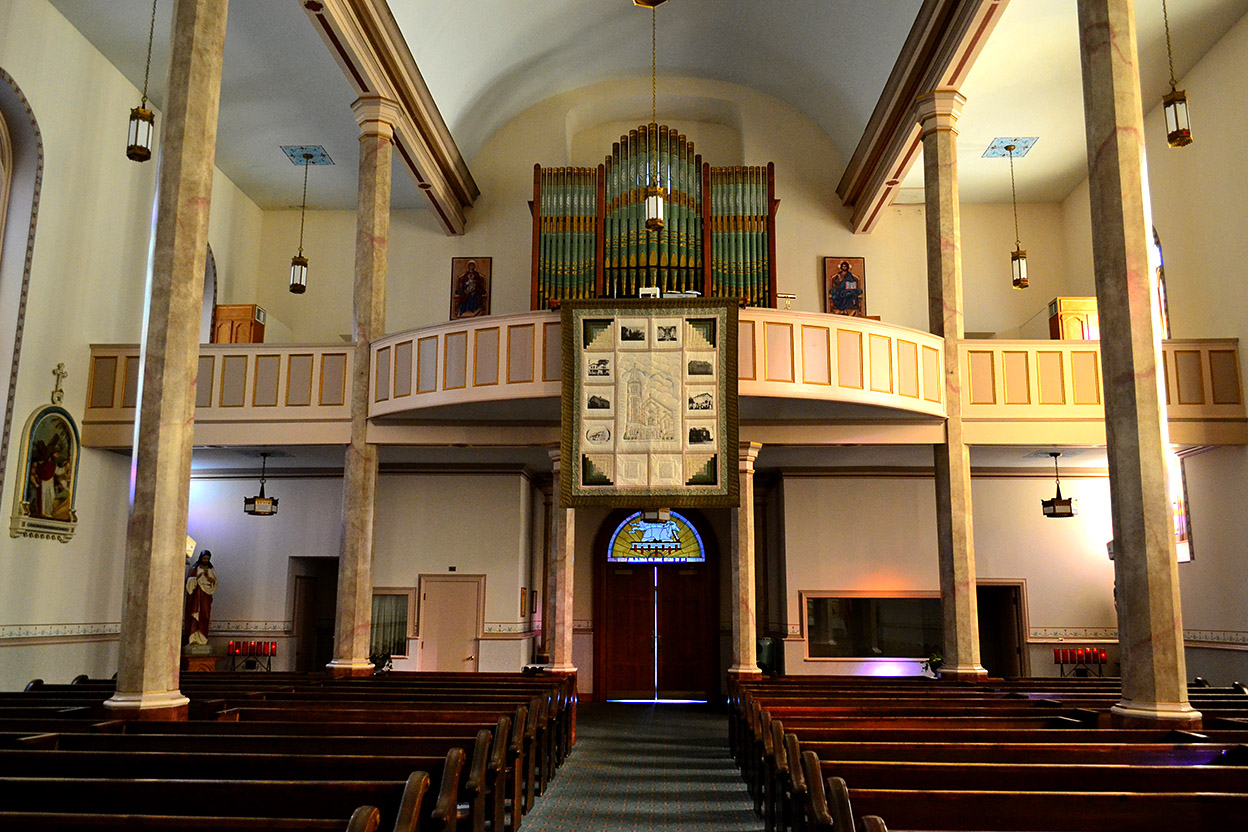
It, like the Guardian Angel Catholic Church in Oran, is an impressive structure, both inside and out.

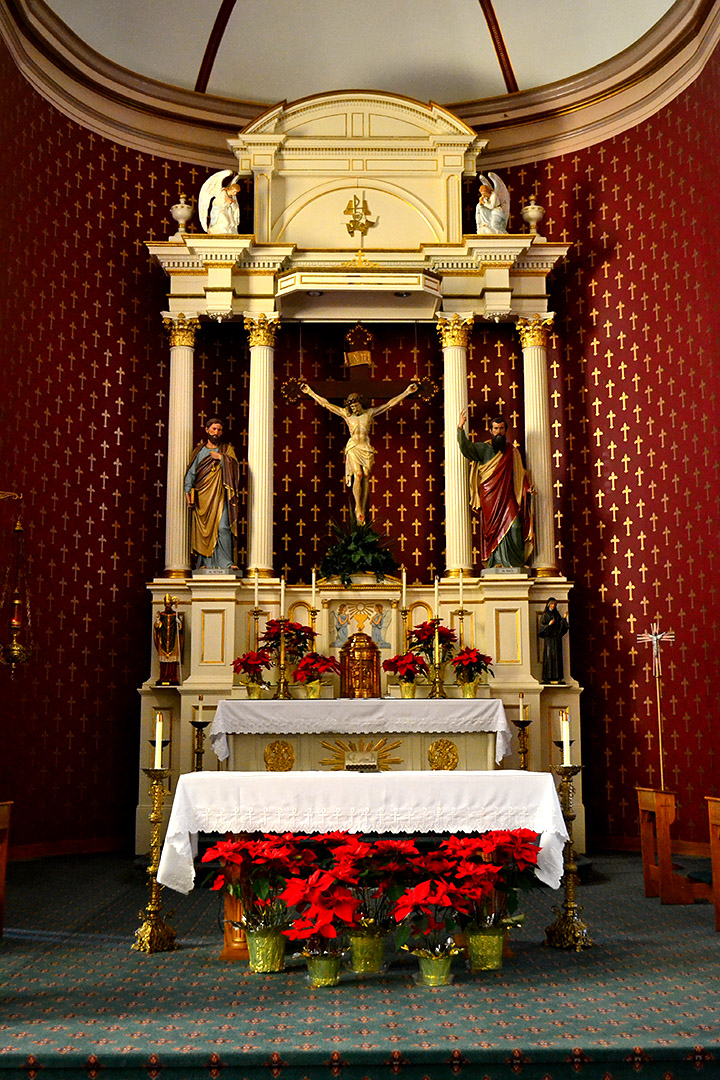
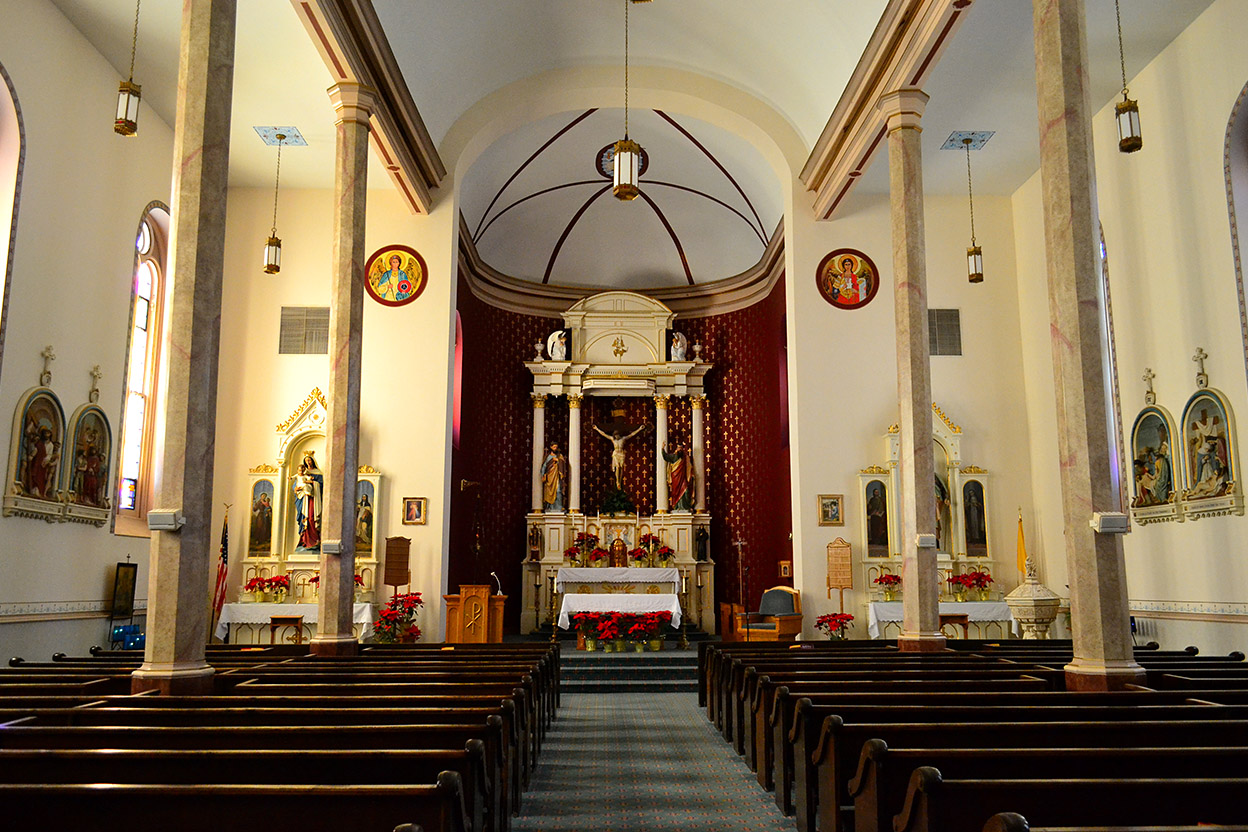
Ornate inside, with a story
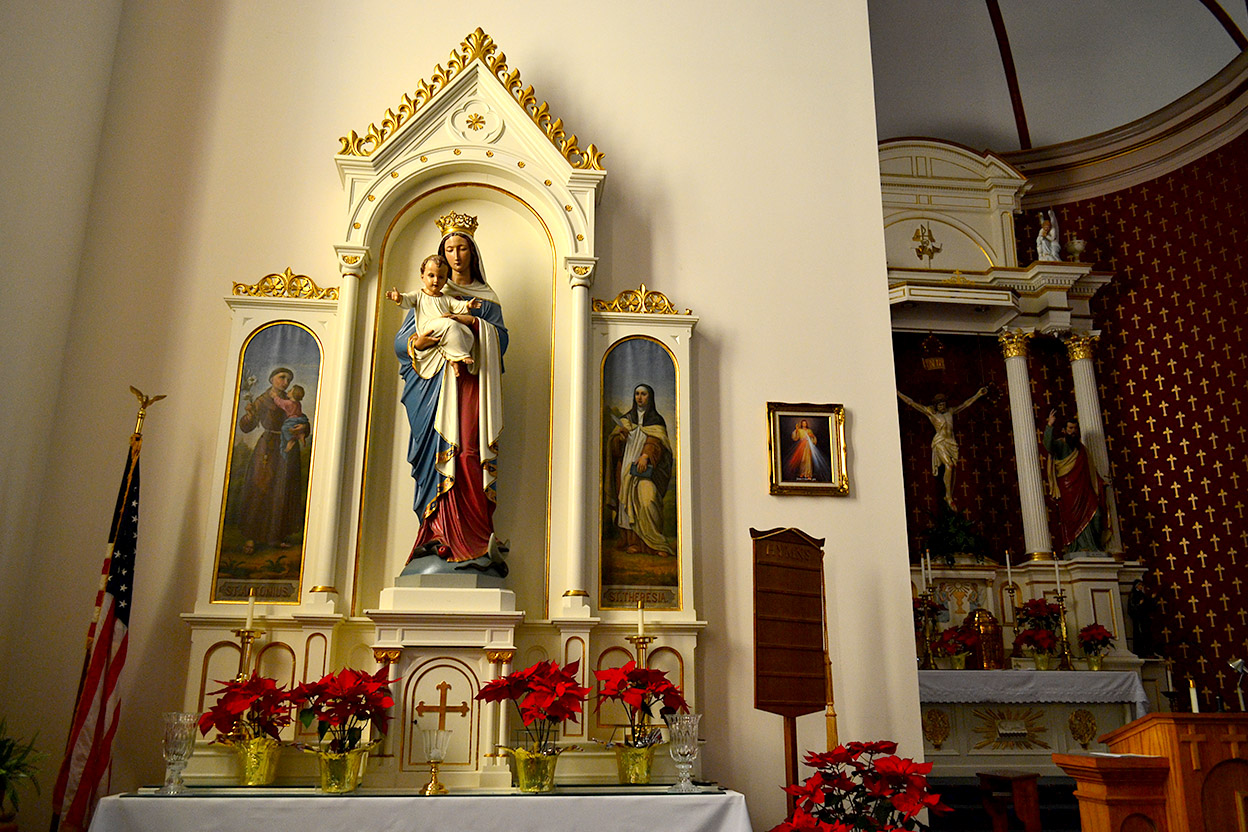
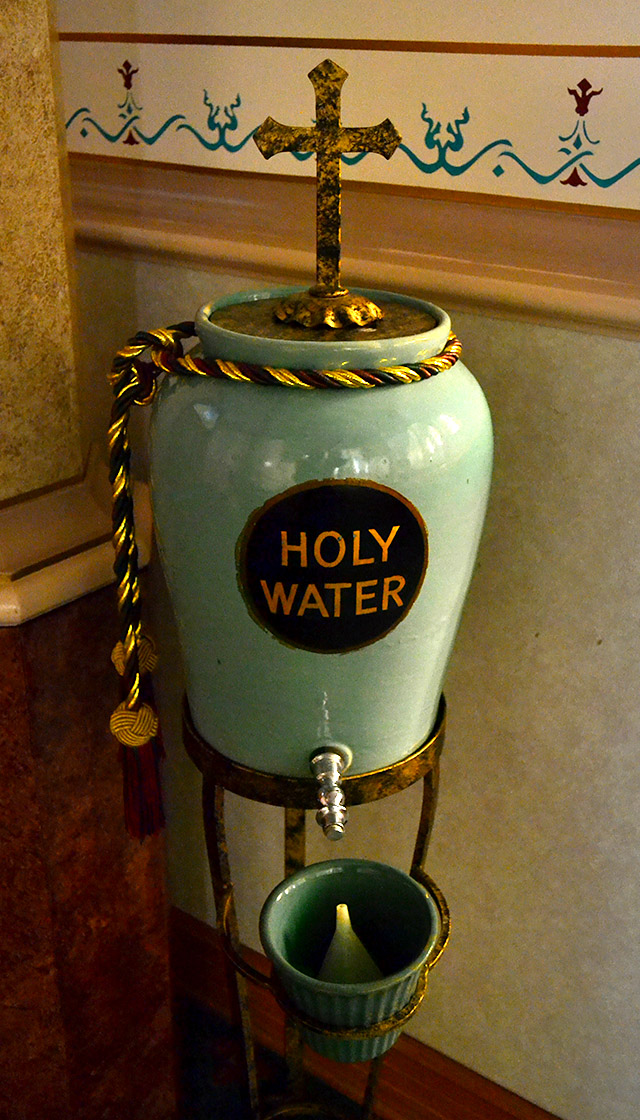
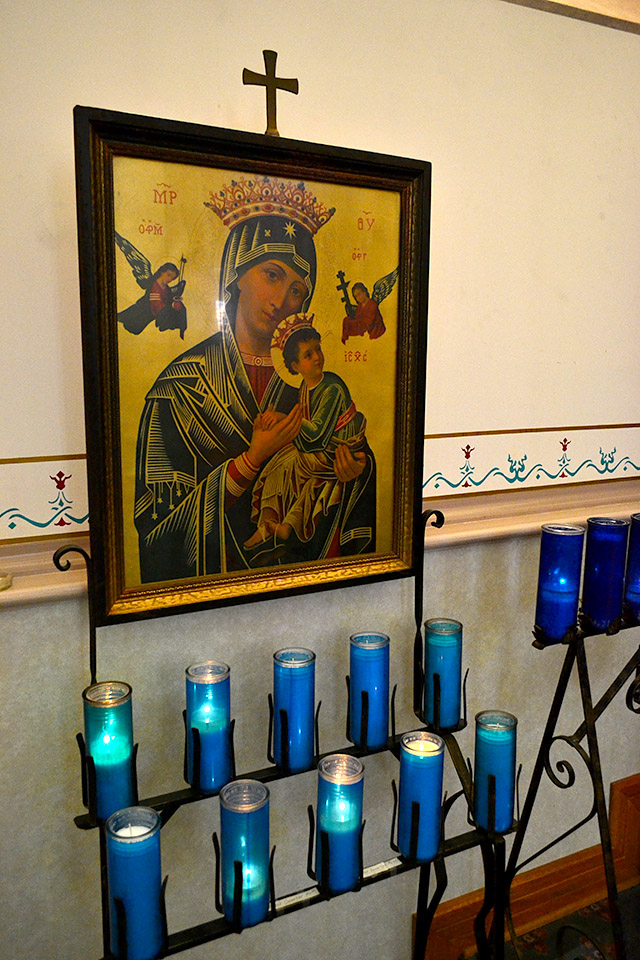
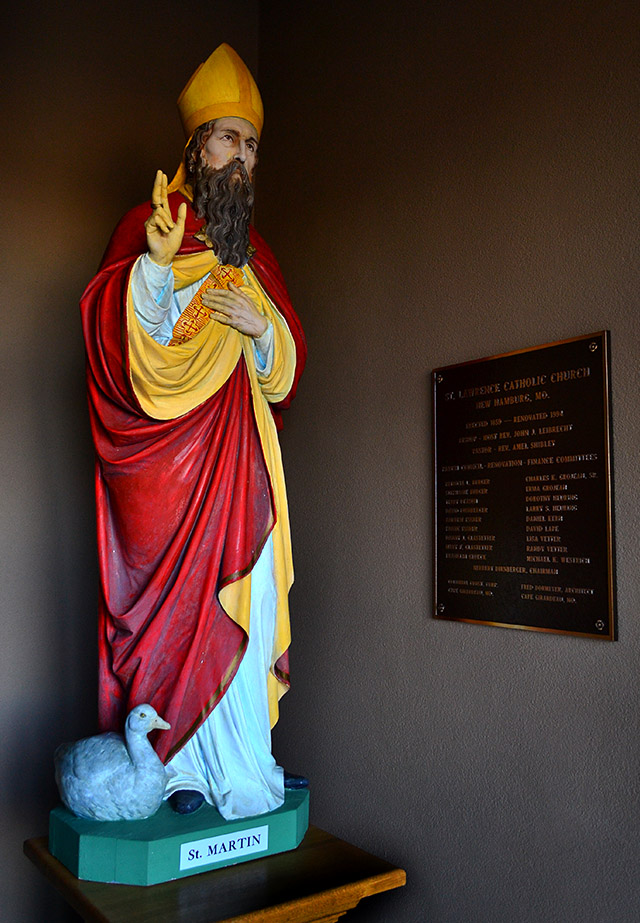
St. Lawrence Catholic Church 02-03-2013Shy Reader, who says she visited there practically every other weekend when she was growing up, shared an interesting tidbit: “The story I heard was that at the time the Catholic church was stripping its churches of statues, altars, etc., the folks at Hamburg took down the statues and hid them in barns, etc. Then, when the parish decided to restore the church, these idolic “geegaws” made their way back. Nice story, but not sure it’s true.”

Sign outlines history
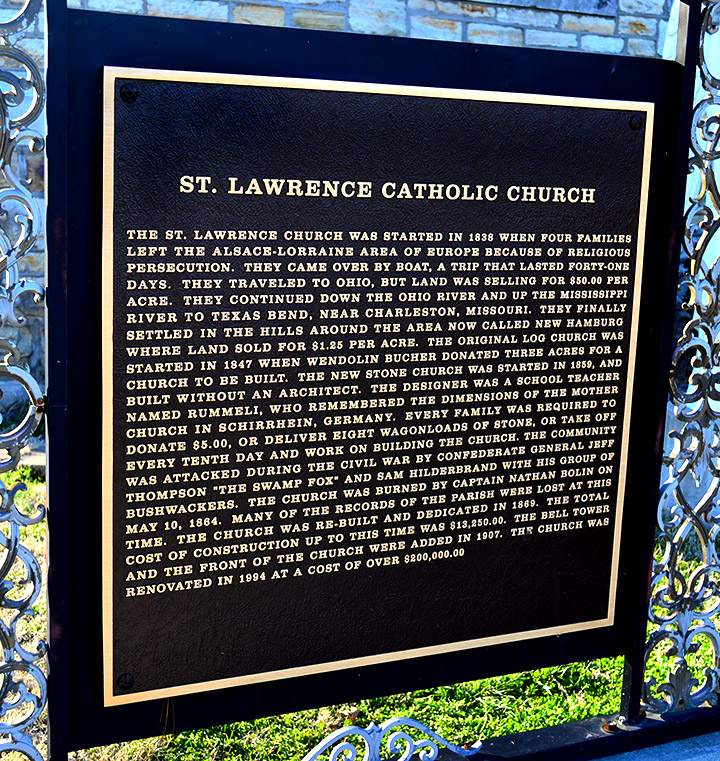
St. Lawrence Catholic Church 02-03-2013I like the part where it says the congregants were required to donate $5, or deliver eight wagonloads of stone, or take off every tenth day to work on building the church.

How it got its name
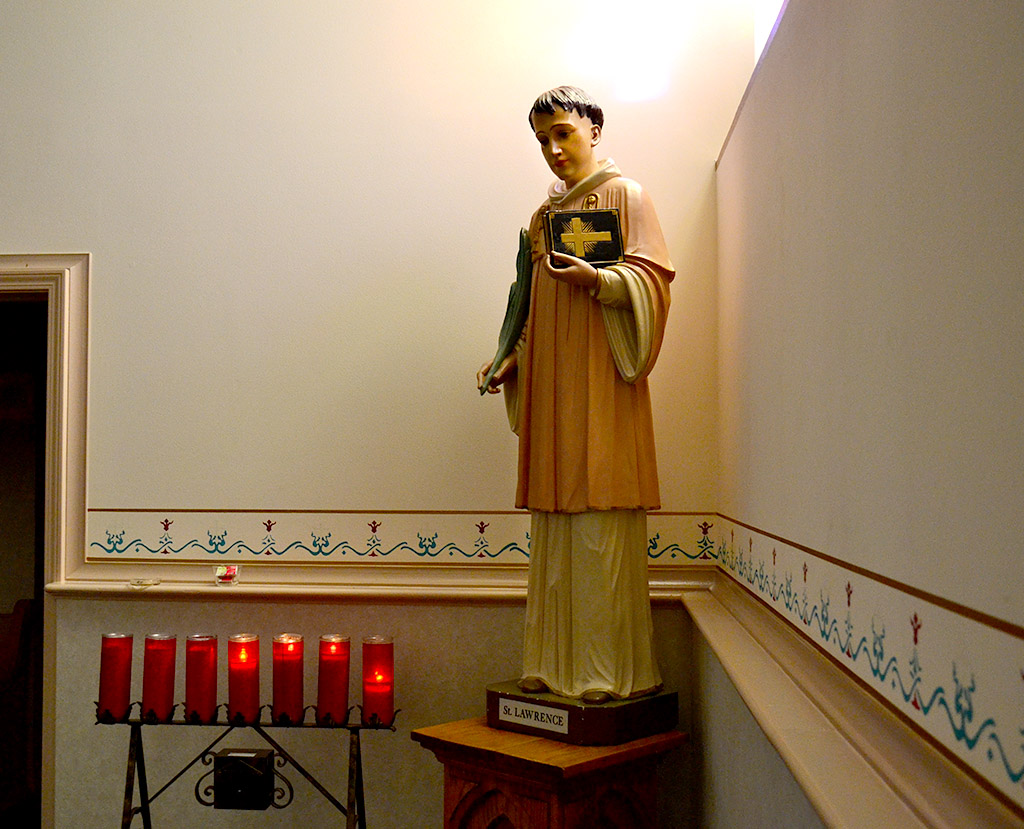
St. Lawrence Catholic Church 02-03-2013Edison Shrum, who wrote The History of Scott County, describes how the church was named:

In 1847, church activities were transferred from Benton to the present site of New Hamburg. Here, services were held in a renovated poultry house on the Wendolin Bucher farm until a new log church was built in 1848 on 3 acres donated by Mr. Bucher. In 1849, more land was obtained adjacent to the new church property and soon a school was functioning as part of the yet unnamed church.

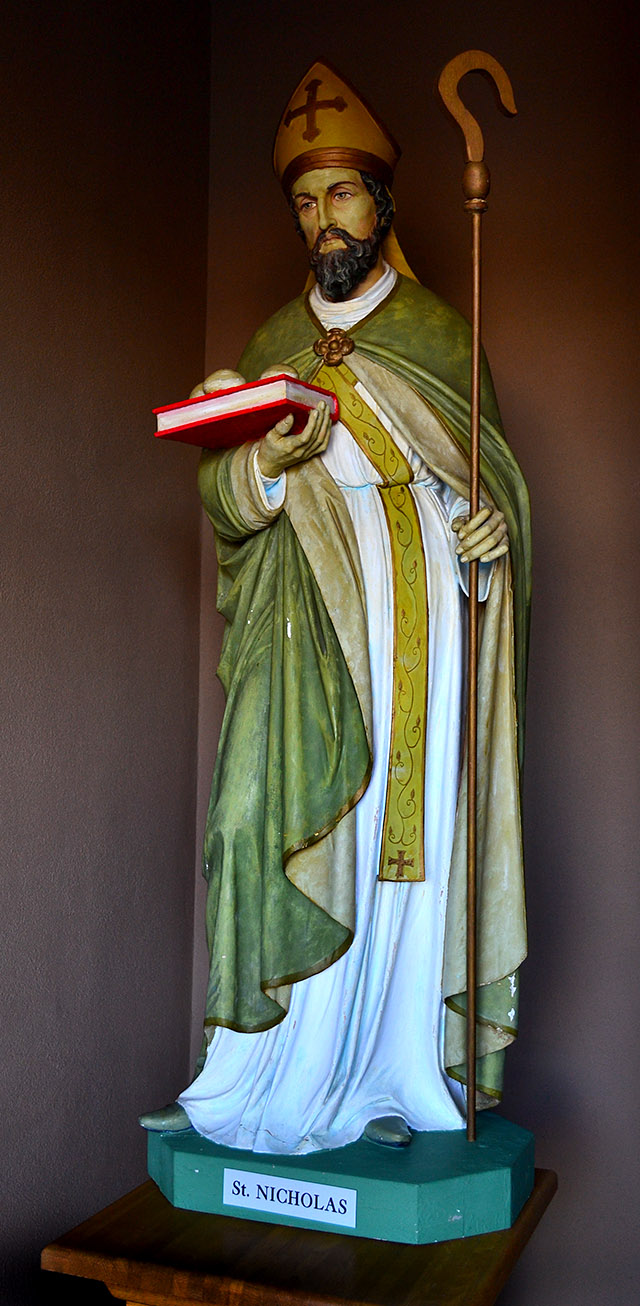
As more new immigrants arrived, the church became too small and in 1857, plans were drawn for a larger and better church which was to be built of stone, 80 feet long ,”excluding the choir” , and 50 feet wide. The new church, modeled after St. Nicolas Church in Schirrhein was completed in September, 1858, and it was time to name the church. The parishioners had many different ideas for a name which resulted in violent arguments.

Finally, Mr. Bucher settled the arguing by stating “…enough of this quarreling! Are you not ashamed of yourselves? Now I will put a stop to this. I gave the land, and I shall name the church in honor of the patron saint of my son, St. Lawrence.” So, the church was named St. Lawrence.

Graveyard
St. Lawrence Catholic Church 02-03-2013

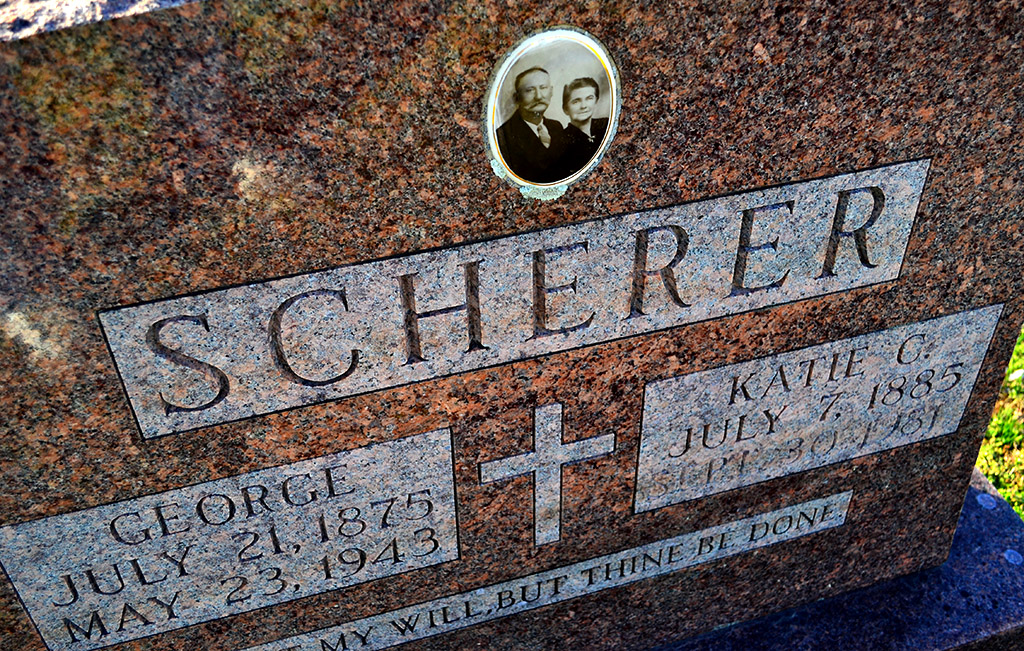
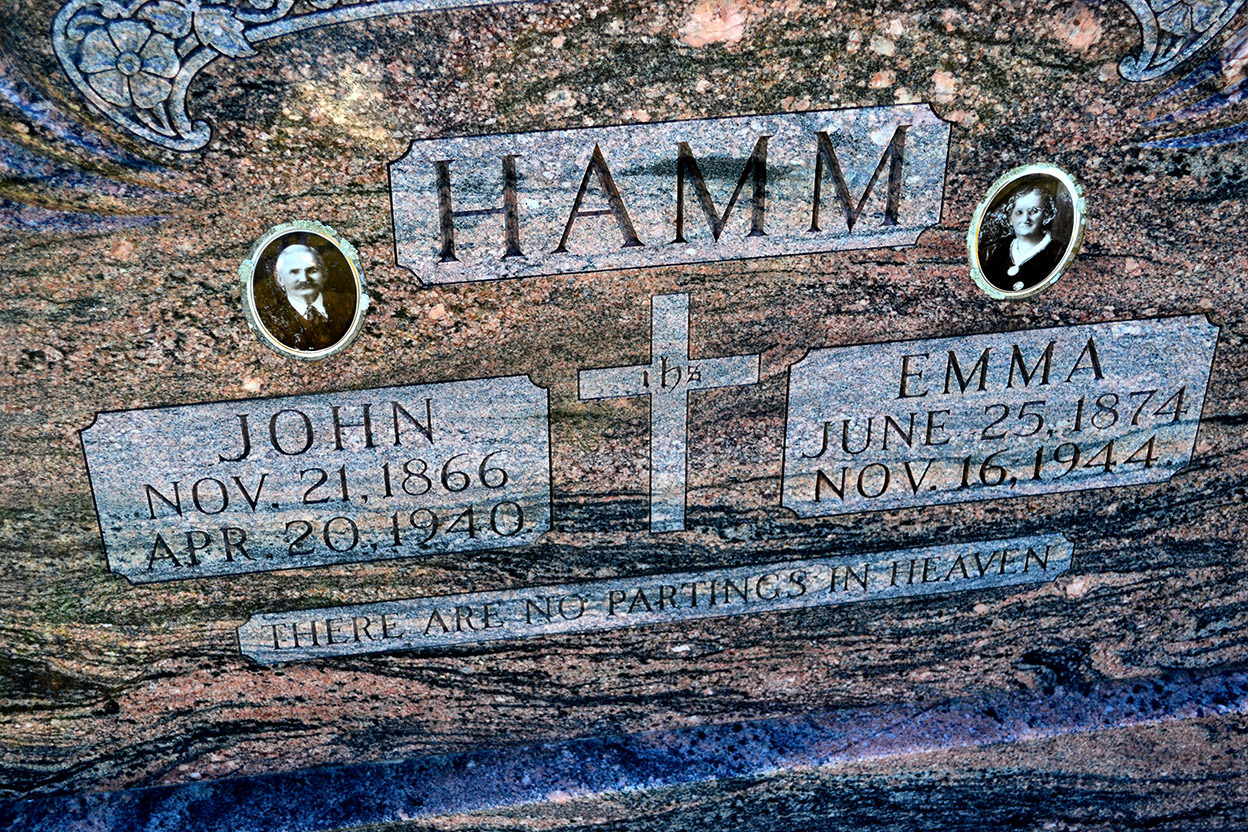
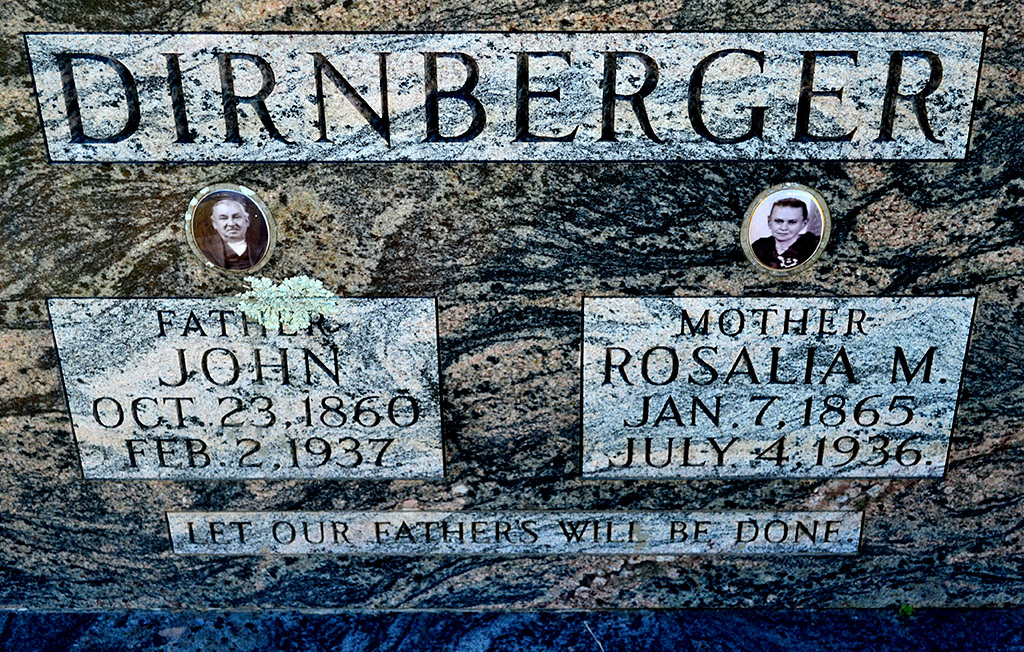
The graveyard behind the church contains many old and impressive stones. I’ve always had a weakness for ones that contain photographs of the deceased.

The FindAGrave website lists 675 interments in the cemetery.

Photo gallery of St. Lawrence Catholic Church

Click on any photo to make it larger, then click on the left or right side of the image to mover through the gallery.
Marcescence or Not?

Allenville railroad bridge over Diversion Channel 02-12-2013I stumbled across an interesting leaf thing, then I stumbled across what might or might not explain it. I don’t dabble in plants. I have a very simplistic view of nature. I divide animals into two camps: ones that I can eat and ones that can eat me.

Even though Wife Lila has a fascinating gardening blog (worth checking out, I have to say), I divide the plant world into two camps, too: weeds and not weeds. How do you tell the difference? You chop ’em all down. The ones that grow back are weeds.

Leaves were stark white

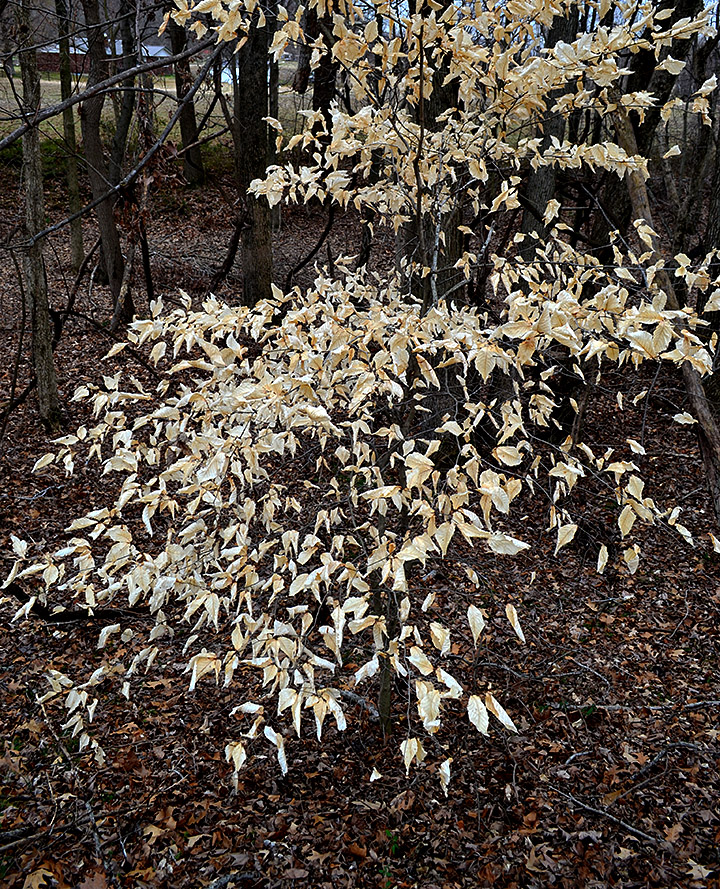
Having said that, I stopped to take a picture of this bush / tree / weed along the St. Louis & Iron Mountain Railroad tracks south of the Allenville Diversion Channel bridge. It was the only thing around that held onto its leaves and they were a stark white.

It just so happens that I saw a story that explained what might be going on here. It’s a long piece, so I’m going to send you directly to the Northern Woodlands site for the whole drink of water. Bottom line is that different trees shed their leaves differently.

First trees were evergreens

The first trees on the planet were evergreens, Northern Woodlands points out. They appear to be green all the time, but entire age classes of needles die, turn brown and drop off every year. “On the other end of the spectrum are deciduous trees [like the birch, maple, cherry and aspen], which seem to drop their leaves all at once after a pigment party every fall.” I like that phrase. I’m probably going to steal it one of these days.

The story continues, “But then we have a third class of tree in beech and oak that seems to represent a middle ground of sorts between evergreen and deciduous. Their leaves die, but many don’t fall when they die. Botanists call this retention of dead plant matter marcescence.”

It goes on to explain why there might be an ecological advantage to being the last guy on the block to go naked, but I started tuning out. If anybody knows what the white-leaved thing is, let me know.

Jefferson School = Gone

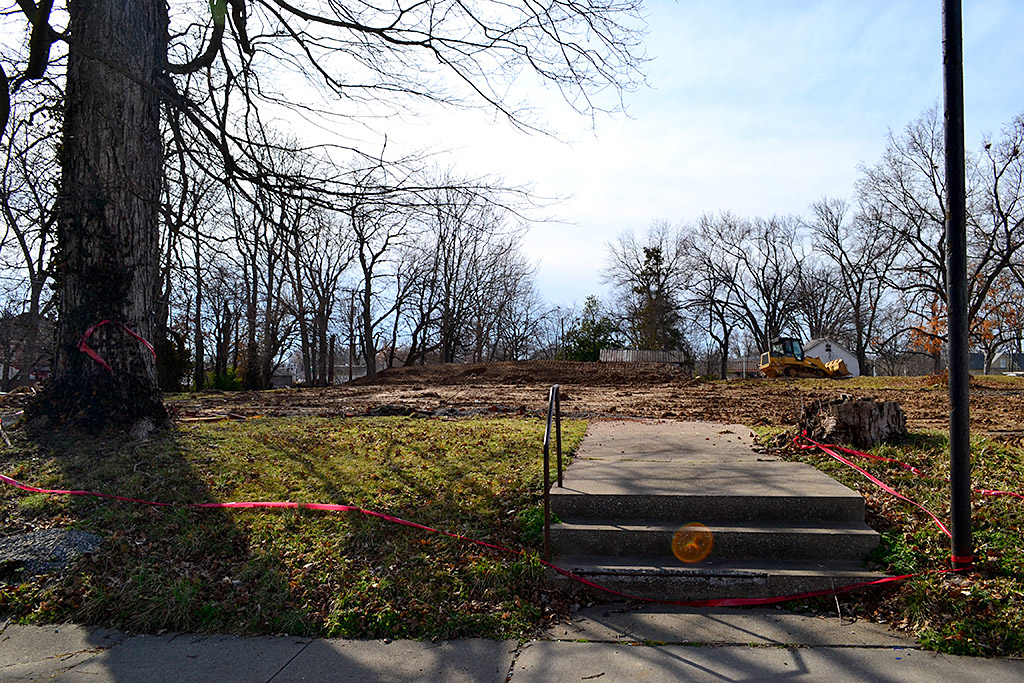
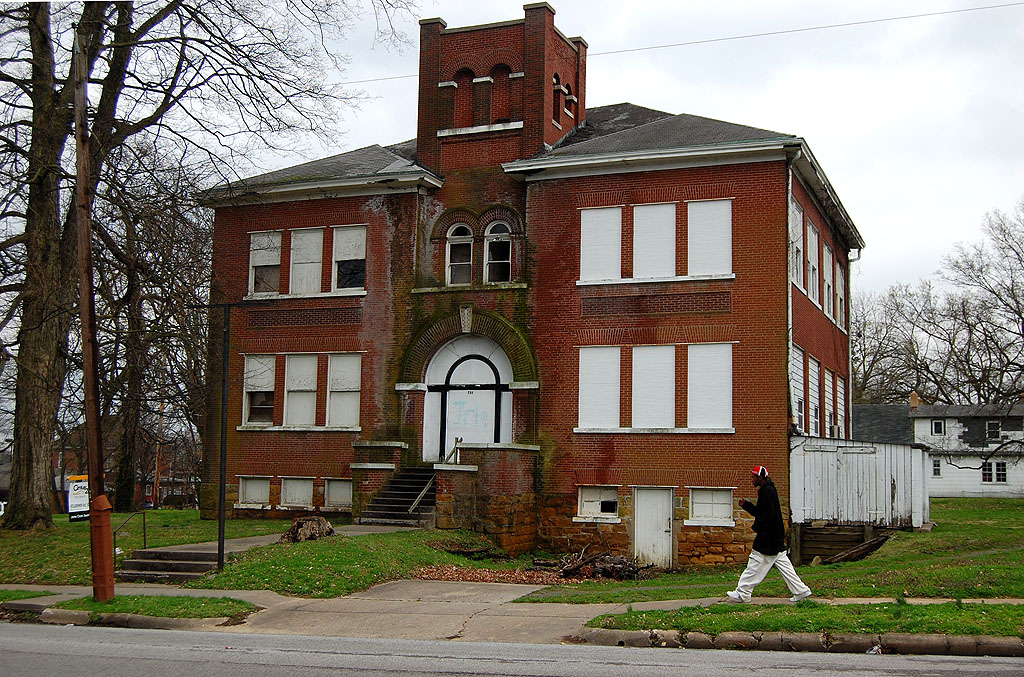
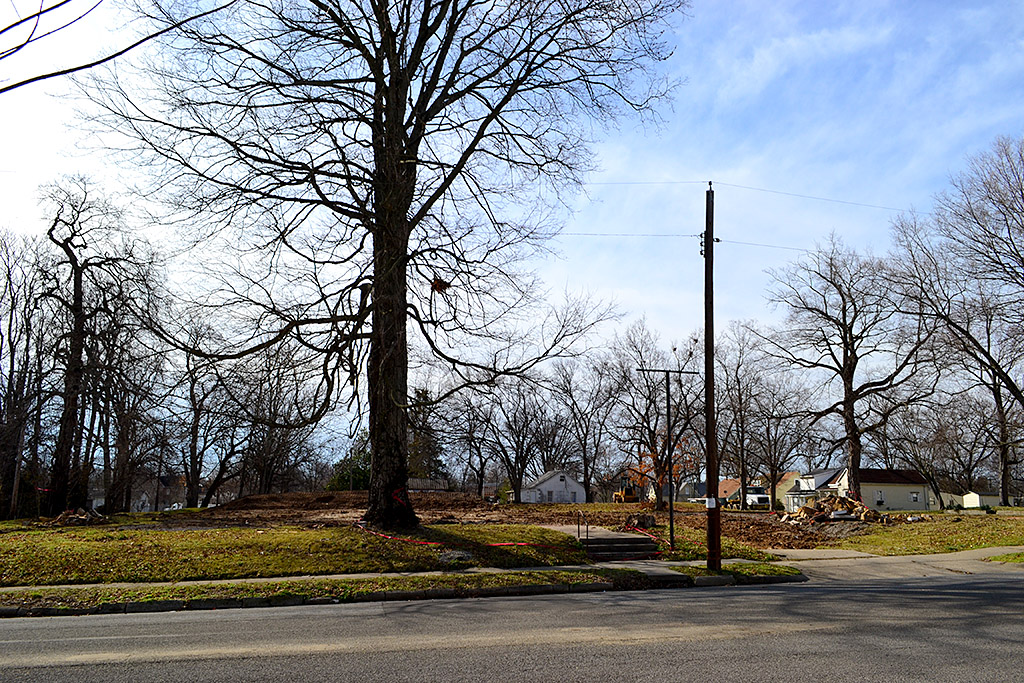
Site of Jefferson School after demolitionYou’d never know that Jefferson School, built in 1904, ever existed if you drive by Jefferson and Ellis Streets today. The building was razed at the end of 2012 after it was determined that it was structurally unsound.

Tree, stump and stairs remain

Jefferson School North side 03-28-2010The tree on the left of the sidewalk, the stump on the right and the sidewalk are about all that remain of the school, pictured here March 28, 2010.

Overall view looking south

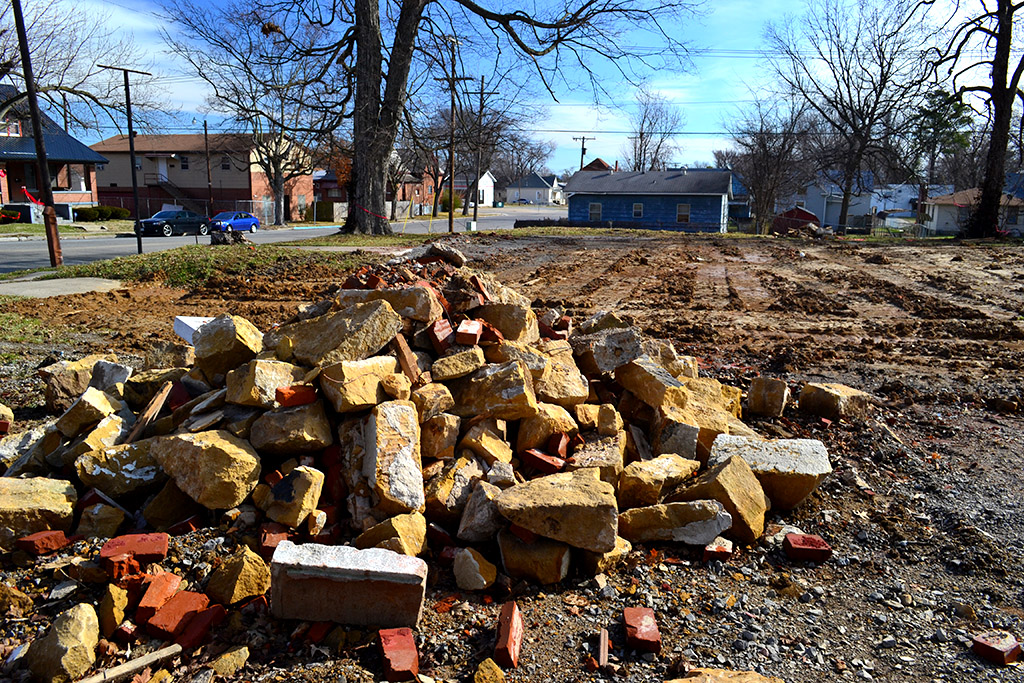
Site of Jefferson School after demolitionThe piles of dirt in the background were hauled in to fill in the building’s basement. A worker at the site said they brought in more than was needed, so it will be removed. The area will be seeded soon.

Looking west toward Ellis Street

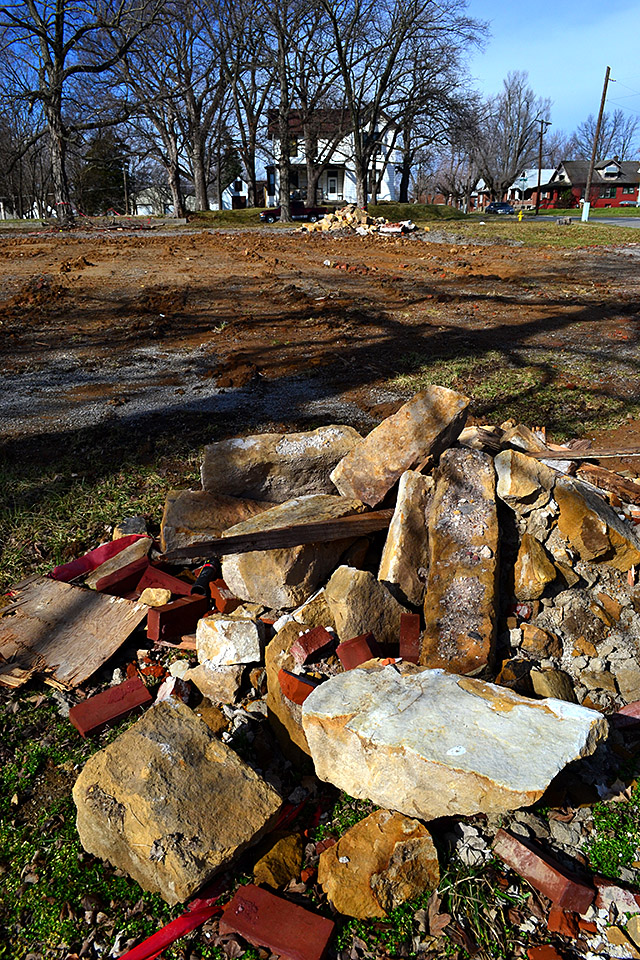
Site of Jefferson School after demolitionThis is looking west toward Ellis Street. An Erin Ragan story in The Missourian Dec. 28, 2012, reported that some of the brick and limestone from the school will be incorporated into a building for Prodigy Leadership Academy.

Earlier Jefferson School stories

Site of Jefferson School after demolitionThis photo was taken looking east down Jefferson Street. Here are earlier stories about the school and its prospects for survival:


Anyone Collect Milk Cartons?

Vintage Cape Girardeau area milk cartons c 1970I still don’t feel like talking about our plumbing project. We now have two functioning bathrooms, but the upstairs one is going to need to have new floor covering put down. We couldn’t match the 57-year-old tiles we had to pull up, so we’re going to punt and go with all new. I don’t do paint chips, so Mother is going to have to make the decorating decision on her own. The room has gray tile with pink trim (which actually looks better than it sounds.).

But we’re going to talk about something else that came up during the project. I mentioned yesterday finding an old canteen that belonged to K Robinson of Troop 8. Keith Robinson claims he loaned it to his younger brother and that was the last that was seen of it.

I know how that works. I have TWO younger brothers. Had they taken care of the mint condition comic books I left behind when I went to college, I’d be able to afford a better grade of cat food in my retirement.

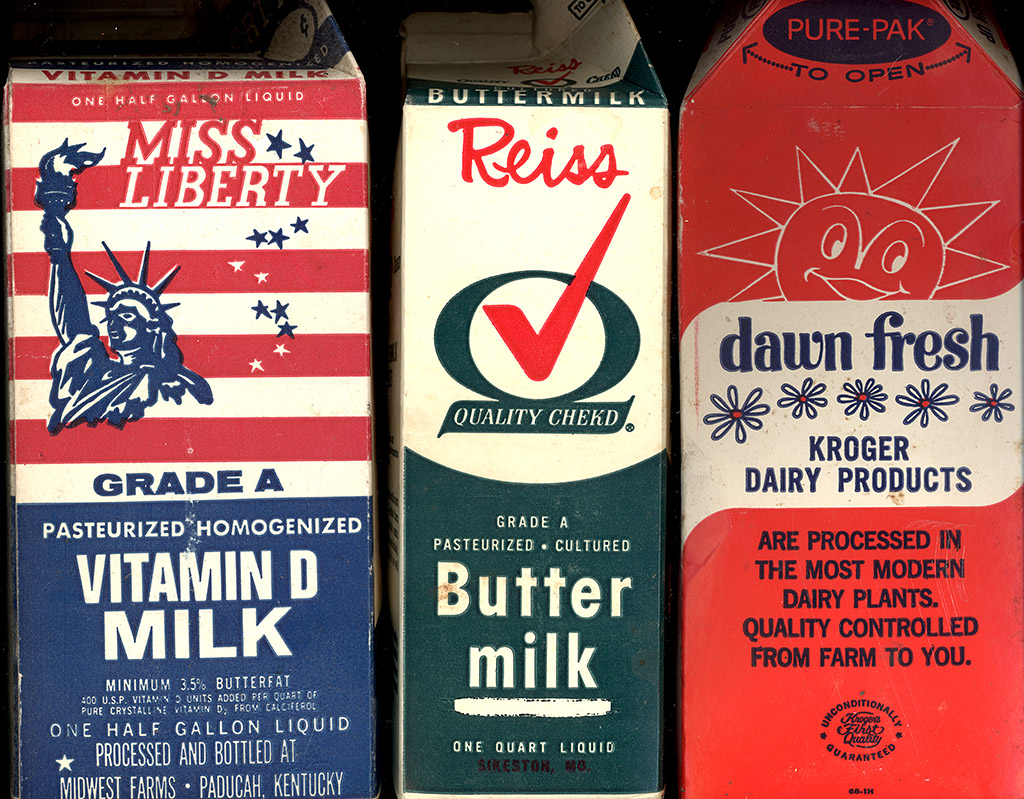
The space between the floor joists and the upstairs flooring was filled with cardboard milk cartons from Sunny Hill, Reiss from Sikeston and Kroger’s Dawn Fresh.

No missing children

Vintage Cape Girardeau area milk cartons c 1970None of the cartons has photos of missing children on them. That didn’t start until December 1984 after Etan Patz went missing in New York. Eventually 700 out of 1,800 dairies around the country participated in the program.

It’s hard for me to pinpoint how old the cartons are. Brother Mark thought he saw something that indicated the year to be 1970 or ’71, but I can’t find that stamp now. One Kroger half-gallon has an imprint 7/5 or 7/15. I guess they figured there was no need to put a year on it. Kroger was selling for 61 cents a carton;

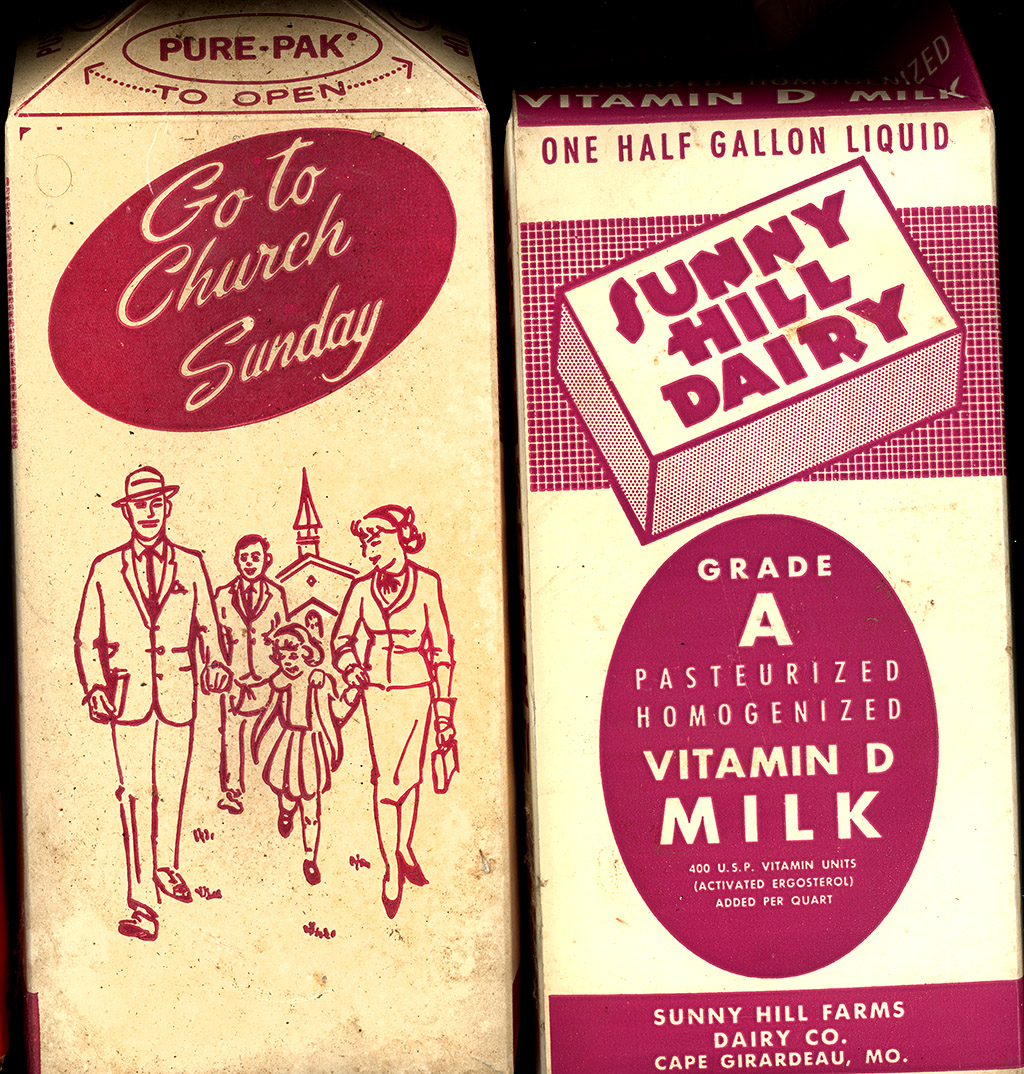
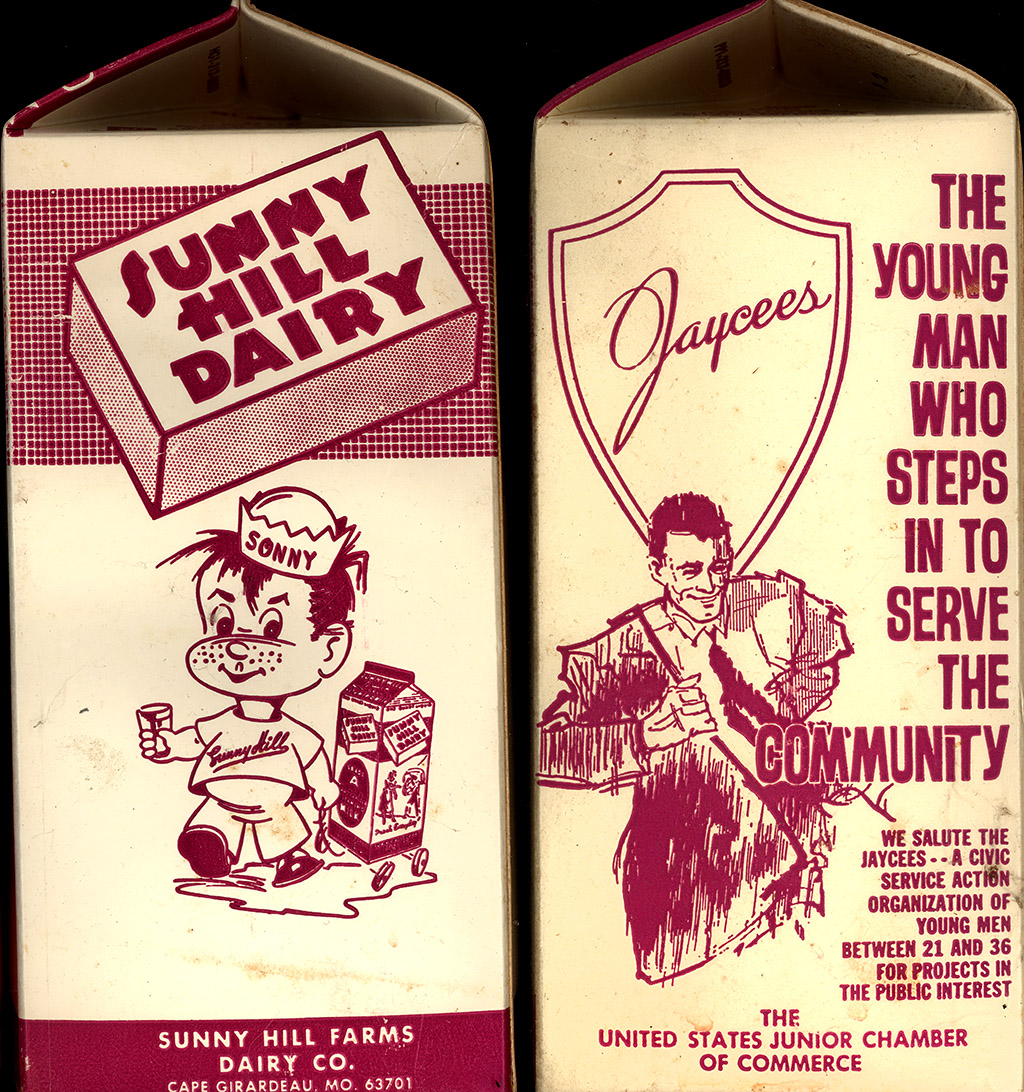
One of Sunny Hill’s Grade A Pasteurized Homogenized Vitamin D milk was dated 7/28.It had Sonny pulling a carton on wheels. Another side pictured a family of four: Mom, Dad, Big Brother and Little Sister with the admonition, “Go to Church Sunday.”

Salute the Jaycees

Vintage Cape Girardeau area milk cartons c 1970

Miss Liberty had a photo of two children running in front of a car. It wanted you to “Drive Safely! … Give the kids a brake! ‘A good driver is a safe driver’ The life you save may be your own.” They wanted to leave no bases uncovered.

Another Sunny Hill (Cape Girardeau, MO 63701) carton saluted the Jaycees – “The young man who steps in to serve the community.” Zip Codes, which allowed automated mailing systems to bypass as many as six mail-handling steps, went into effect July 1, 1963. That means this carton had to have been made after that.

Why save them?

Mother wasn’t sure why Dad might have saved them. I vaguely remember him putting pecans in them after he had picked them out. I think he may have frozen water in them, too.

I guess the saving trait runs in the family. The last time I cleaned out our attic in West Palm Beach, I threw out about a dozen plastic gallon jugs we had stockpiled for hurricane water supplies. So far as I can recall, we never bothered to fill them. At the start of the season and if a storm is approaching, we stock up on bottled water that I’ll eventually use in the coffee maker. We have a well for our sprinkler system that we used to flush the toilets after one storm broke a water main and left much of the city dry for several days. Even if the power is out, we have a generator to run the pump.

Any collectors out there?

Before I use them for really good fire starters, do we have any milk carton collectors out there? I ran it by Laurie at Annie Laurie’s Antiques; she said those are such common brands in this area that she doubts there is much demand for them