Eugene Beckett’s Smelterville Treasures

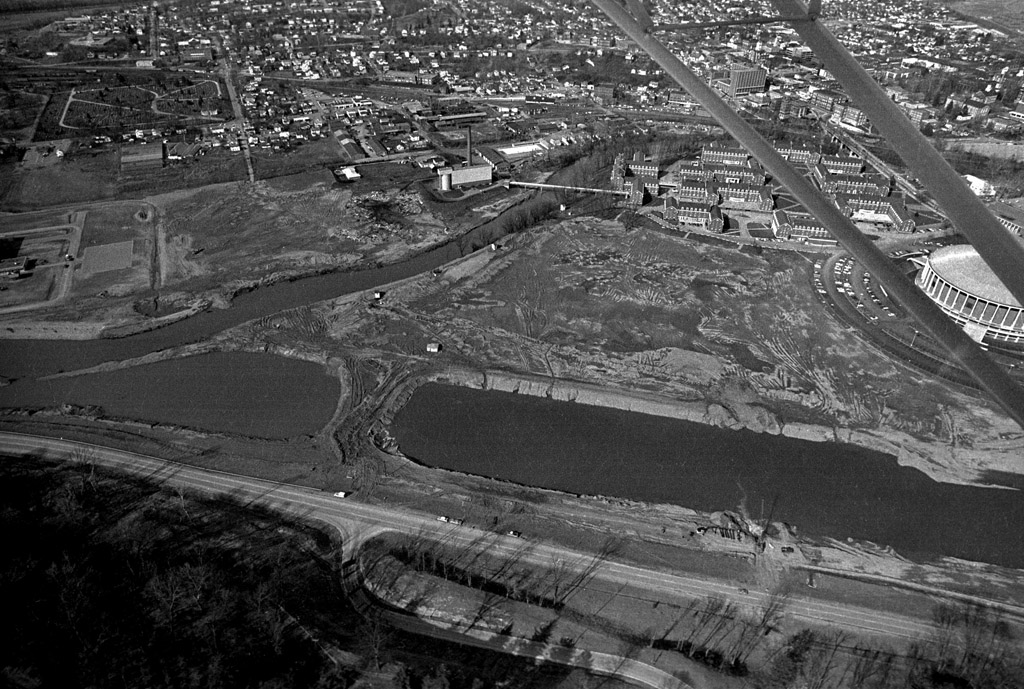
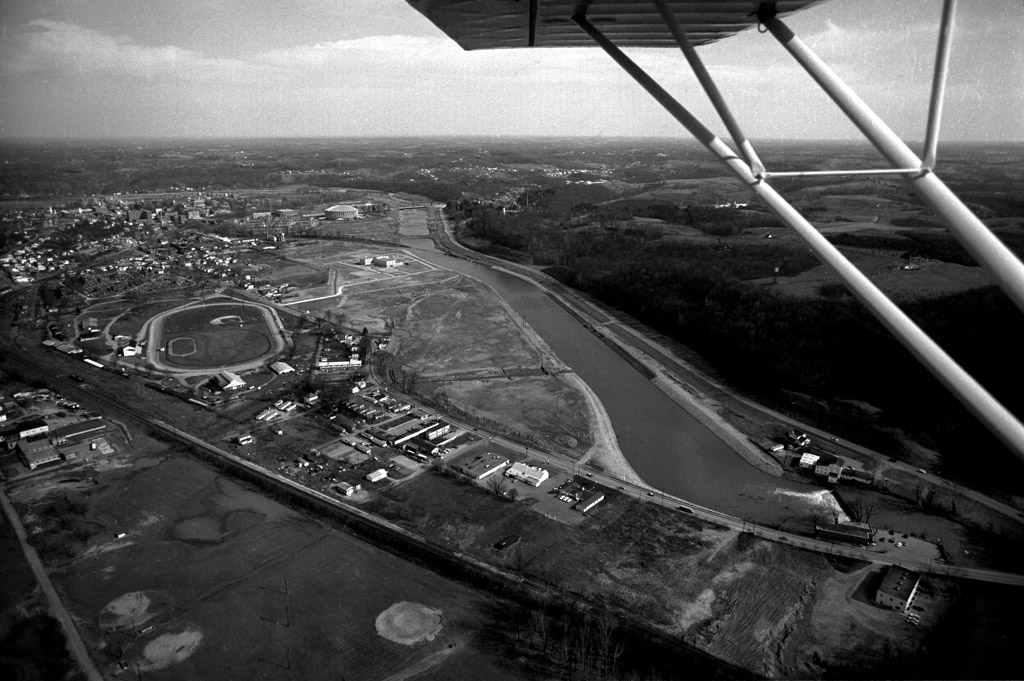
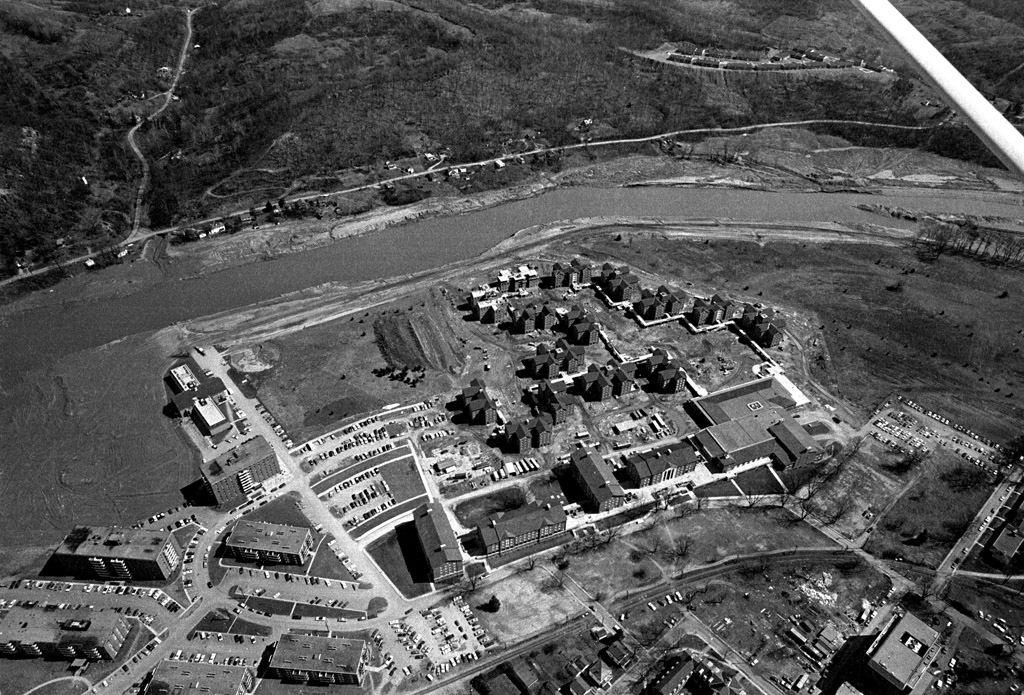
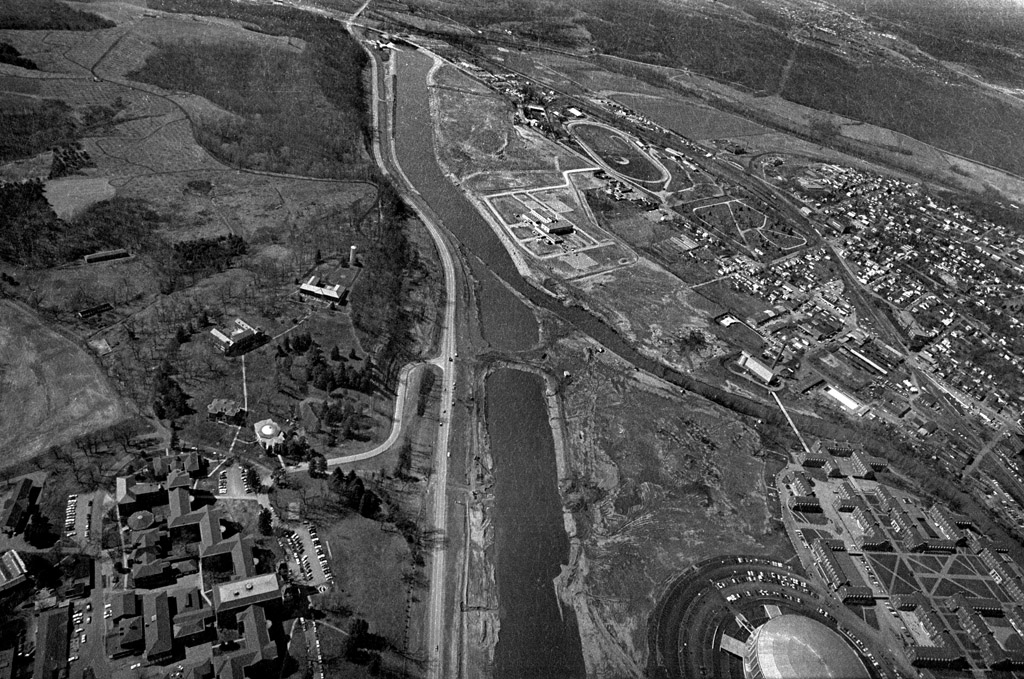
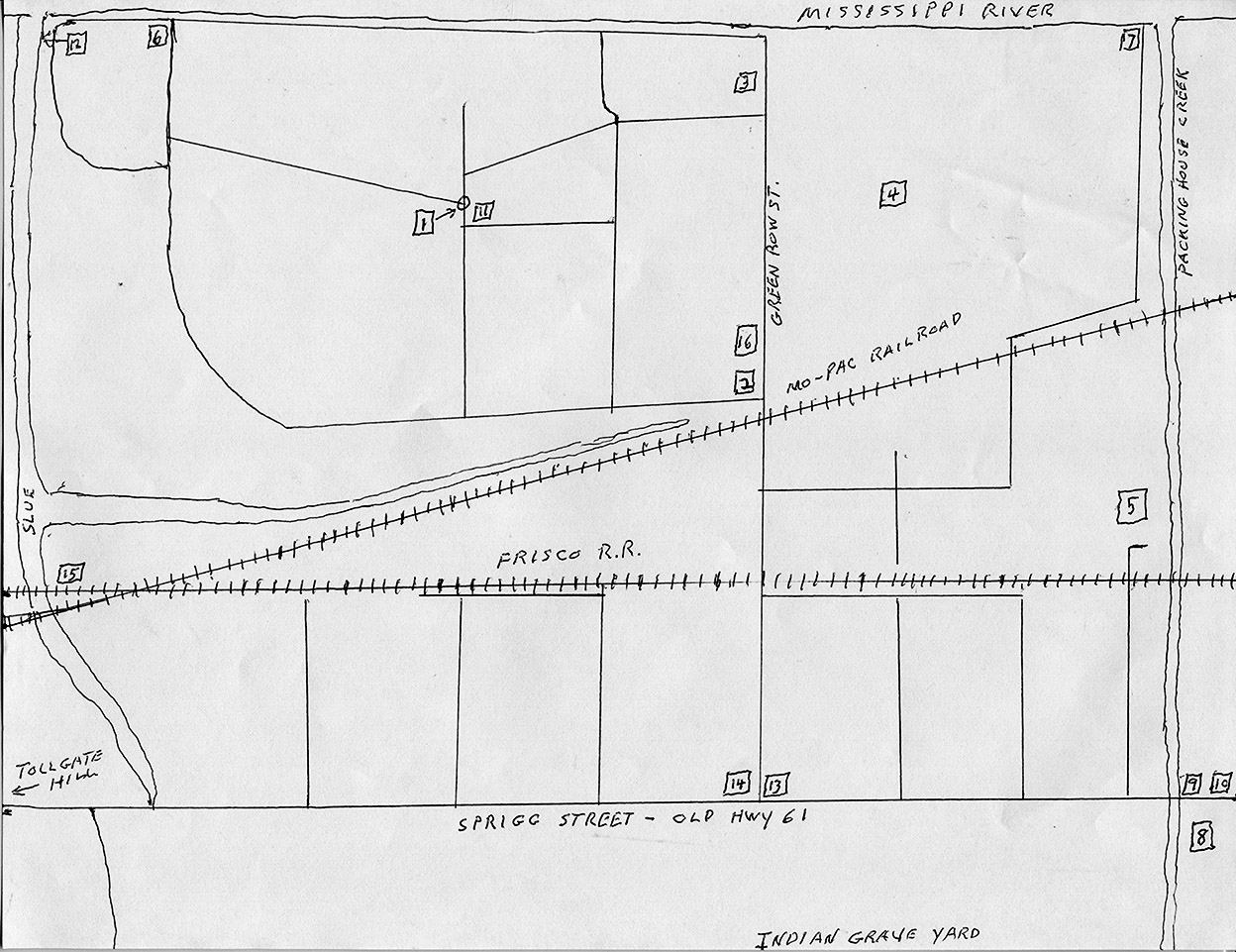
Eugene Austin Beckett MapI hinted yesterday that I many have to cut back on blog posts while I rush to finish an update to my Smelterville stuff before the Vine Street Reunion July 25-27 and put together a workshop in Athens, Ohio, in August.

I’ve spent most of the past week editing video interviews. Today I waded through emails and comments from people who talked about Smelterville. That’s where I stumbled across a treasure trove of information. Just about this time last year, I got an email from Eugene Beckett. He said he had some photos of the area in the ’30s, ’40s and ’50s, plus a map that he had put together showing many of the landmarks. I asked if he could send me the info.

Consigned to the Future Basket

When it arrived, I looked at it hurriedly and put it in my Future Basket. Well, today, I took a closer look and was floored by what he had sent.

It dovetailed directly with my workshop topic. He did everything I’m going to encourage the participants to do

  • 1. Make or collect the photographs
  • 2. Document when they were taken
  • 3. Write a description of what they show.

(Basically all the stuff I wish I had done for the past half century)

He went the extra step of producing the map of an area that doesn’t exist today.

Legend for map

1   –  City Pump. The only water between the railroad and the river.
2   –  Funny Ferrell’ Store
3   –  Ben Cannon’s Church
4   –  Old foundation of the Lead Smelter plant
5   –  Central Packing Co.
6   –  Fish Market
7   –  River Navigating Light
8   –  Blue Hole Garden Barbecue (the old Blue Hole Garden was at the bottom of toll-gate hill where they build the new hwy.)
9   –  Standard Oil Service Station
10 –  Federal Material Co. Office
11  – Kelley’s Store
12  – Sandy Beach.
13  – John Deiteker’s Store
14  – Lane’s Market
15  – Railroad switch house
16  – Booker T’s scrap yard

I told Curator Jessica that she needs to find a Eugene who has done that kind of documentation in the scores of old coal towns in SE Ohio that are ghost towns or merely memories. The goal of our workshop is to encourage people to go out today to start the documentation that will be invaluable in 30 or 50 years. I’m just beginning to realize what a resource my files are, and I’d like to encourage others to produce similar collections.

Living in Houck Woods during flood
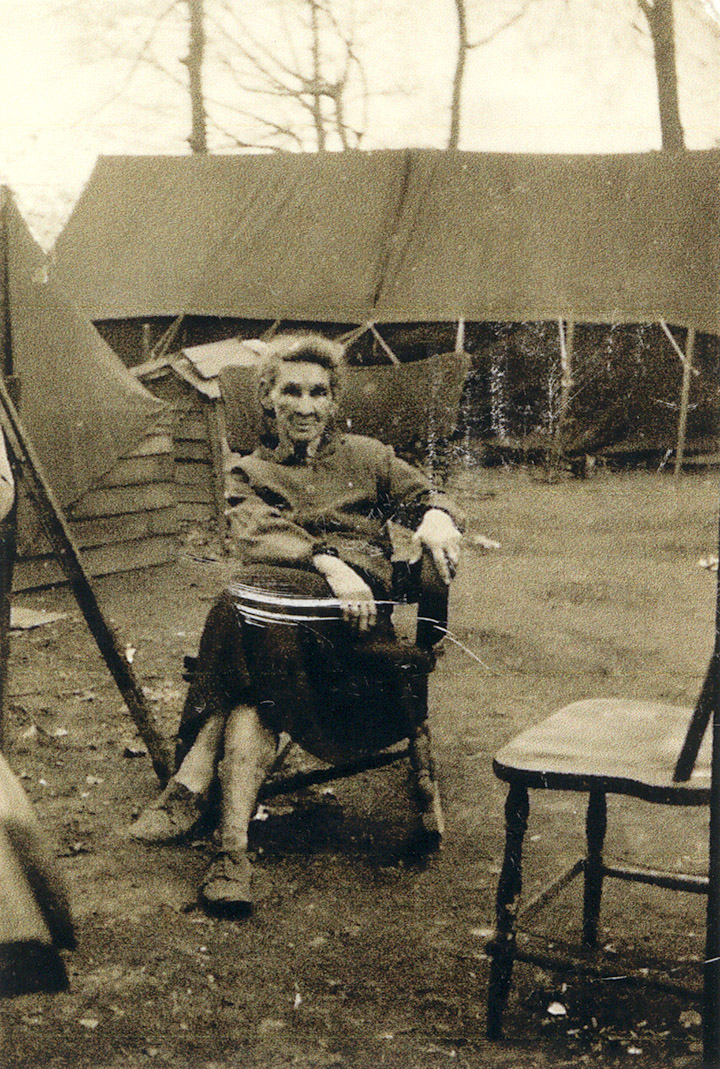
Sarah Addie Bequette Houck Wood escaping flood in 1940s courtesy Eugene Beckett_11aOne of Eugene’s photos is of his grandmother, Sarah Addie Bequette in a tent village in the Houck Woods up Tollgate Hill where Smelterville residents fled Mississippi River floodwaters. I’m going to guess this was the Flood of 1943. I had read accounts of that, but here is an actual photograph of one of those refugees. Eugene also wrote an extensive biography of Mrs. Bequette.

Here’s why his detective work and captions are so important: if you look at the photo without the background, you might think she’s on a camping trip or that there’s a tent revival set up in the background. Filling in that detail about the flood places it in historical context.

Thanks to Eugene for sharing his family documentation.

How to stay up to date

I used to be able to post links to new stories on Facebook, but FB has changed the way it delivers status info to your timeline. If you “liked” a page in the past, you would get updates delivered to you. Now, FB is playing games to force folks like me to pay to “boost” our posts. If we don’t pay, only about 10% of my readers receive status reports.

Here’s an easy and free way to stay up to date on my new posts: sign up for the blog’s email notification service. It’s free, you get only one notice a day and I promise not to spam you. It’s as easy as clicking on THIS LINK or the “Manage Subscriptions” link at the top left of the page.

I don’t need Facebook when I have loyal readers.
Arthur Mattingly Brought History to Life

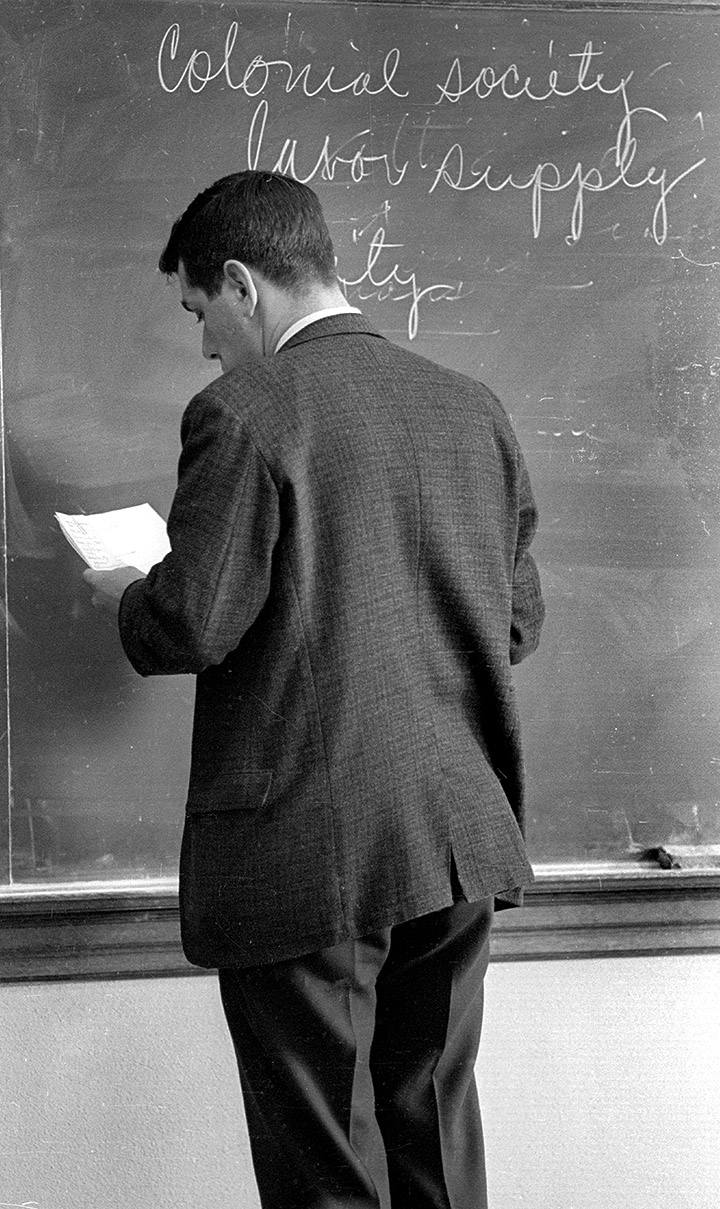
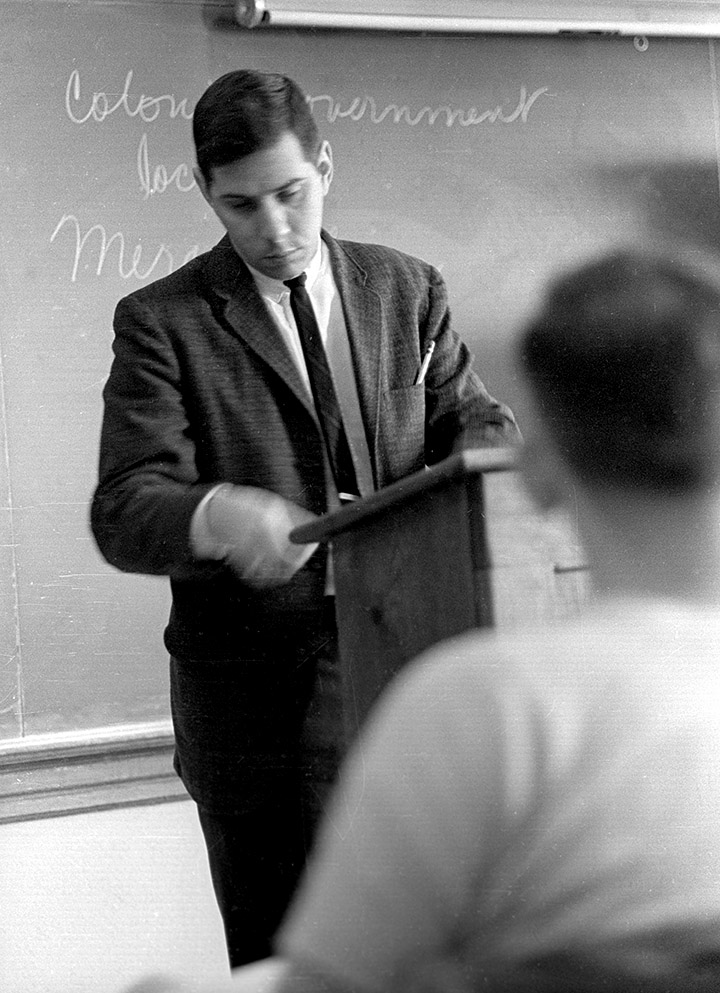
Arthur Mattingly, history prof, SEMO c 1966When Jim Stone headed off to Ohio University, he and I would trade audio tapes instead of letters. It’s almost painful to listen to the two of us half a century later, but I was playing part of one the other day and heard myself describing my history prof: “He’s talking when he walks into the room, and he’s still talking when the bell rings and people are walking out.”
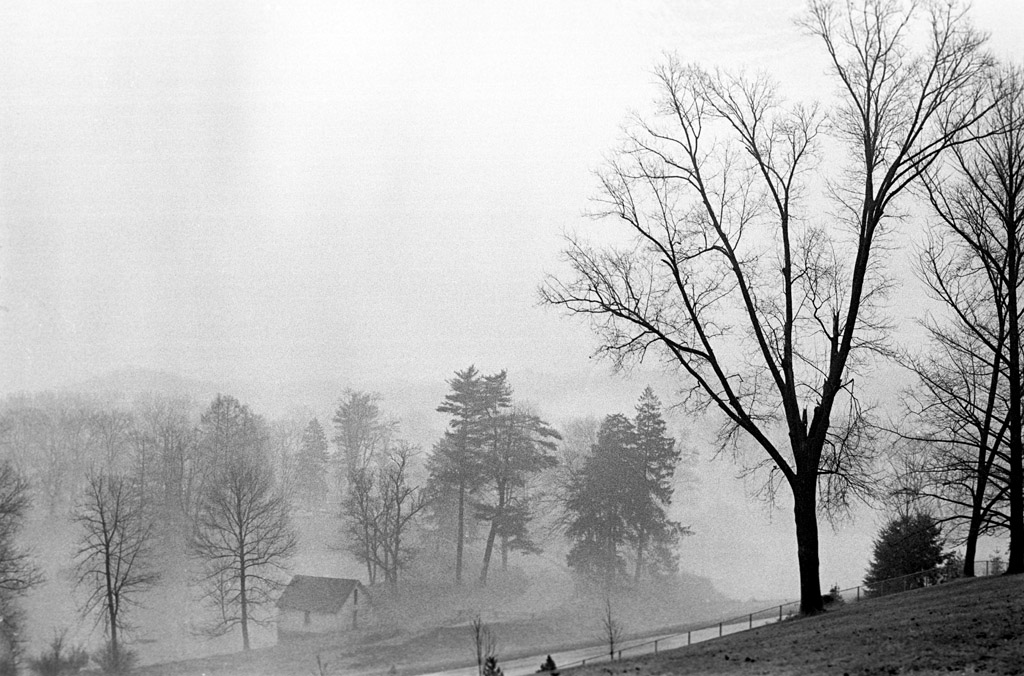
That was Arthur Mattingly, one of the best profs I had at SEMO or Ohio University.

Founded historic preservation program with Dr. Nickell

The Missourian had a story in 2006 saying that Dr. Mattingly and Dr. Frank Nickell were being recognized for founding SEMO’s historic preservation program 25 years earlier. A 1973 article he wrote does the best job I’ve ever read in explaining the value of historic preservation and how “old” doesn’t always translate into valuable.

Taught history in present tense

Arthur Mattingly, history prof, SEMO c 1966 One of the things I liked about him was that he delighted in debunking all those myths about history that we had been taught from grade school on. His accounts of battles were told in the present tense. He didn’t dwell on dates and troop movements, he made you feel like the enemy was going to come up over that rise any minute.

He, John C. Bierk, and Fred Goodwin are three SEMO profs I remember well.

Things are going to slow down here

I got a call from a perky and squealing Curator Jessica this morning. A grant we had applied for to put on a week-long workshop in Athens, Ohio, in August was approved. Since I really hadn’t expected it to get funded, I drug my feet on preparing for it.

I have to pull together an update for my Smelterville project by July, figure out what I’m going to do convince a bunch of amateur photographers that shooting pictures today with history in mind is fun, and knock off my Last Generation project for an Immigration Conference in Altenburg in October.

To get everything done, I’m going to have to throw some babies out of the lifeboat. I can’t give up food, sleep and afternoon naps, so it’ll be blog posts that go splash. I may plug in re-runs so you don’t forget about me.

Sign up for email notifications

Facebook has become an unreliable way to promote the blog. Unless I pay them, less than 10% of the people who like the Central High School blog fan page ever see the status posts. To make sure you don’t miss out on new material, click on the tiny MANAGE SUBSCRIPTIONS link at the top left of the page (next to Archive). Put in your email address and you’re in business. Or, you can sign up by clicking on THIS LINK.
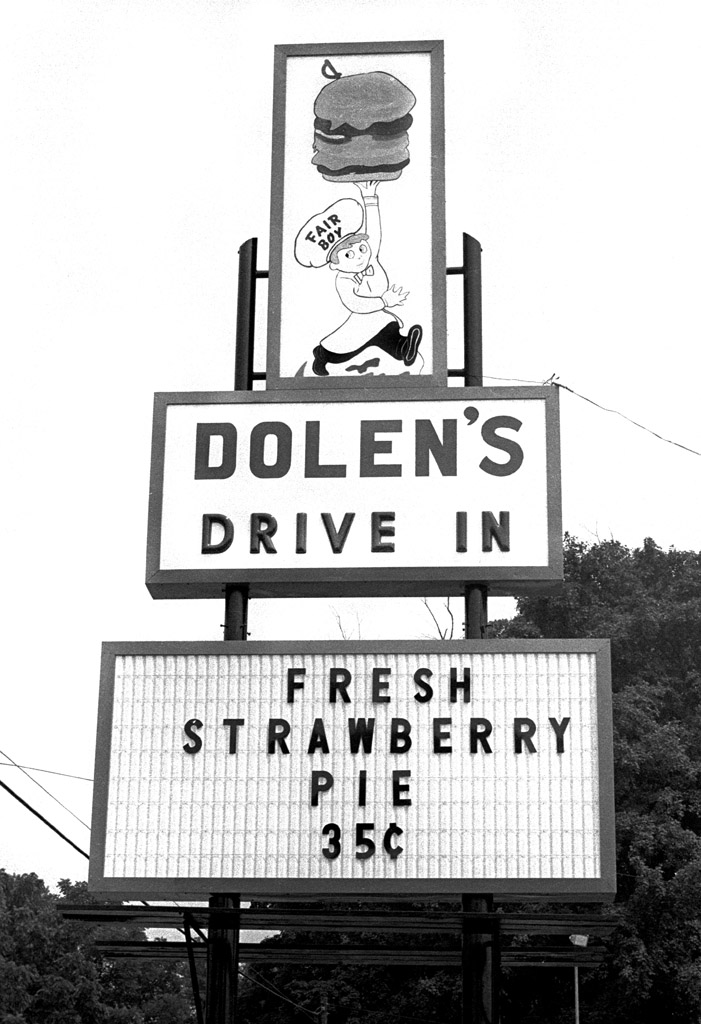
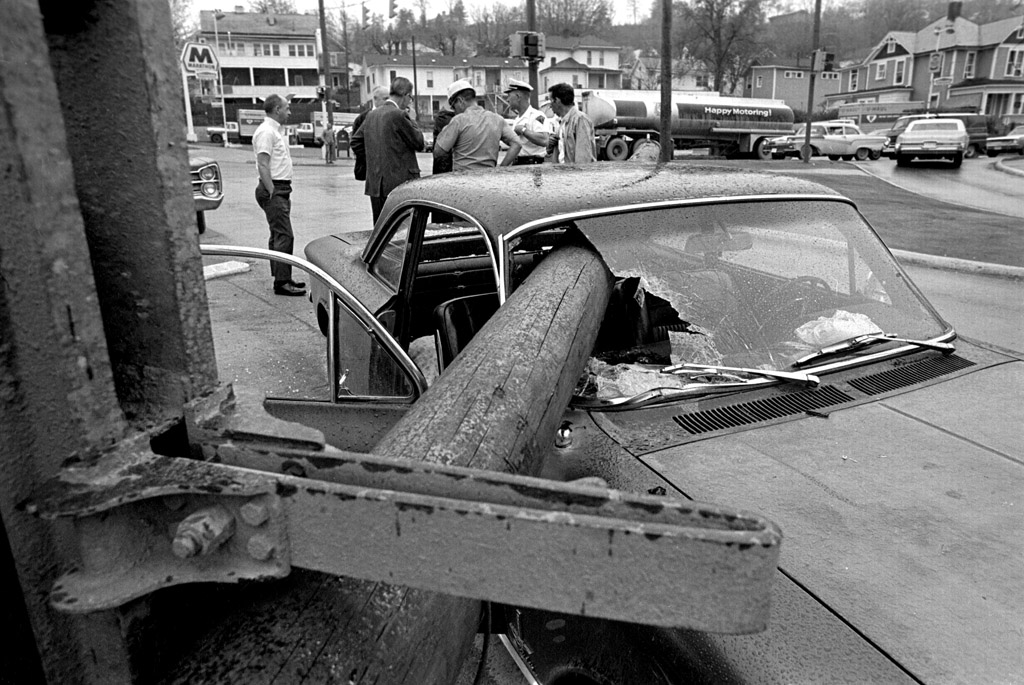
Beware Curators with Cookies

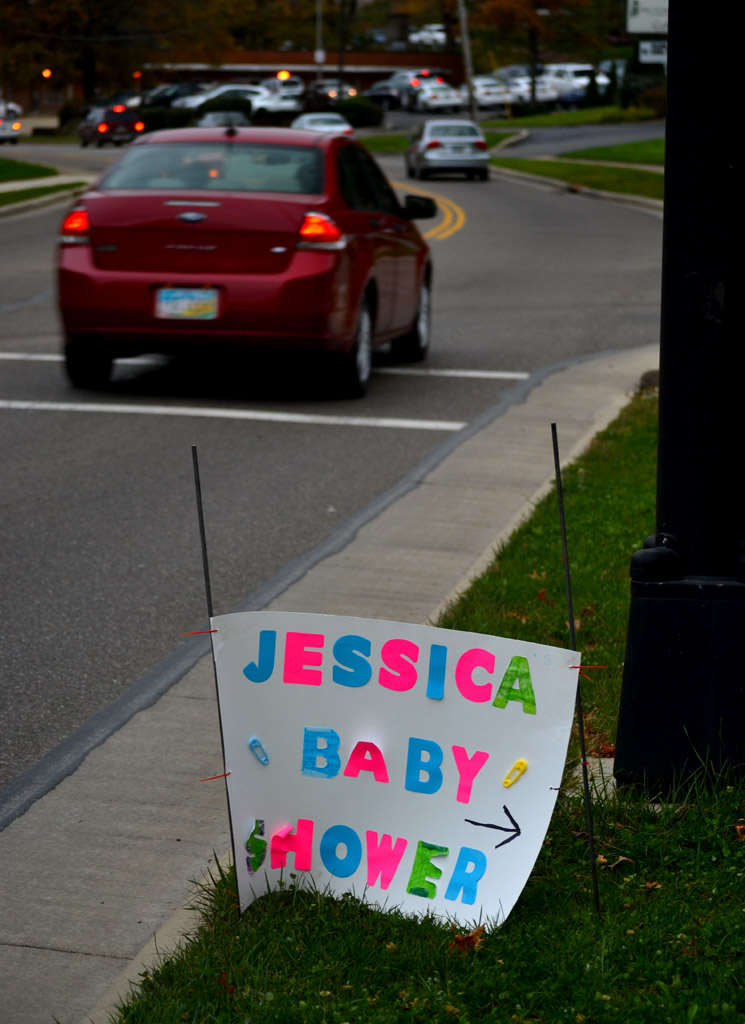
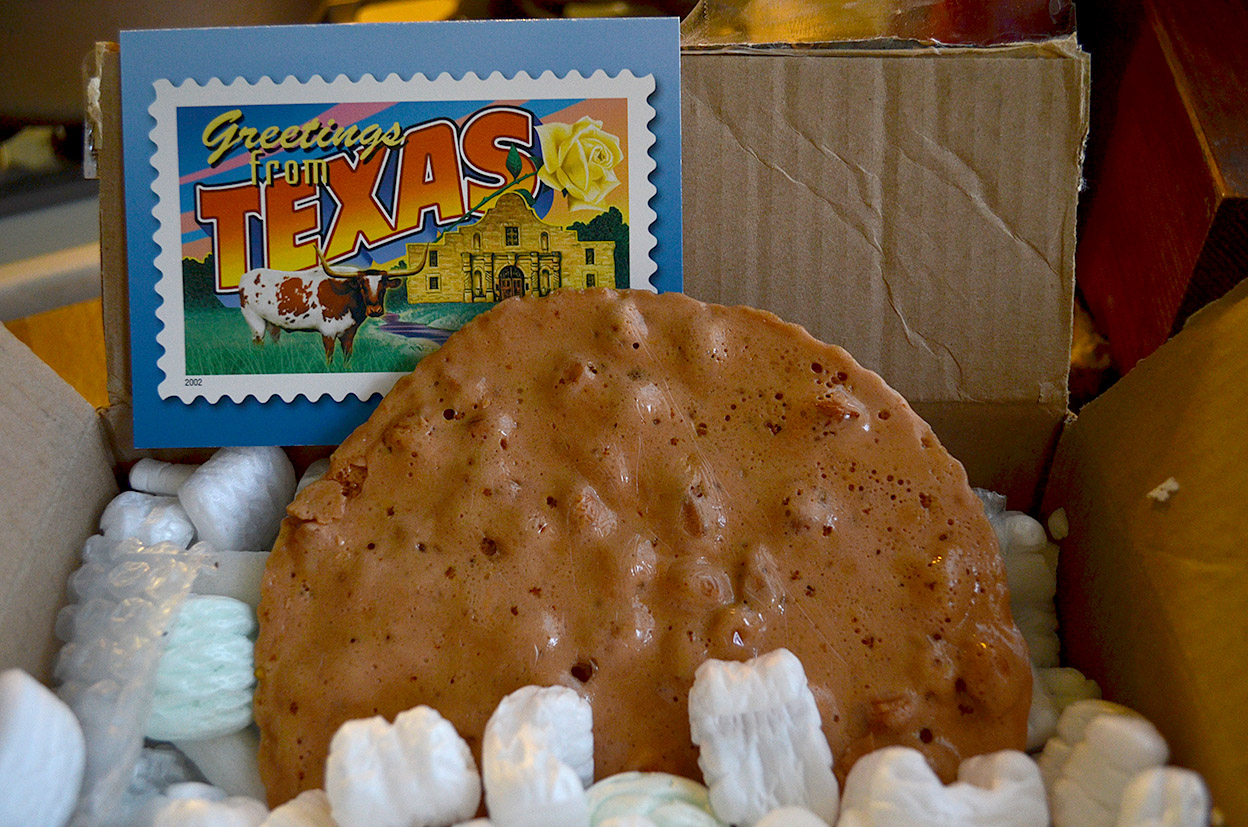
Sign on Richland Ave 10-26-2013My Road Warriorettes have been coming through in a big way. A big box of cookies from Curator Jessica from the Athens County Historical Society and Museum arrived last week. This week it was a package of the best peanut brittle in the world that Anne Rodgers picked up on her way through Marianna, FL., on her move to Texas.

I got a text from Jessica this afternoon: “Awake?” She knows that I am a frequent napper, so she always checks before calling. When I gave her the OK, she made some small talk, then said, “OK, now for the bad news.”

I wondered if she was going to tell me that this sign was for her. I wasn’t looking forward to breaking in a new Curator Jessica. No, it wasn’t that.

 No chance to take it easy

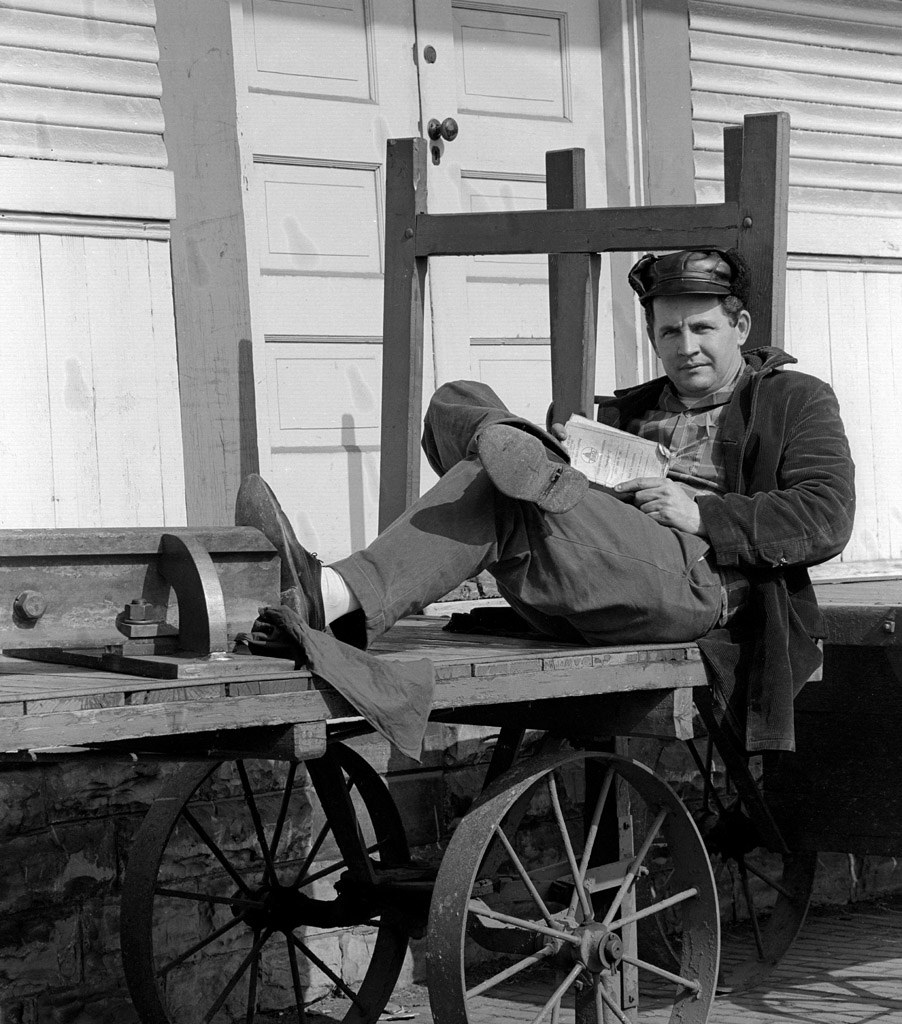
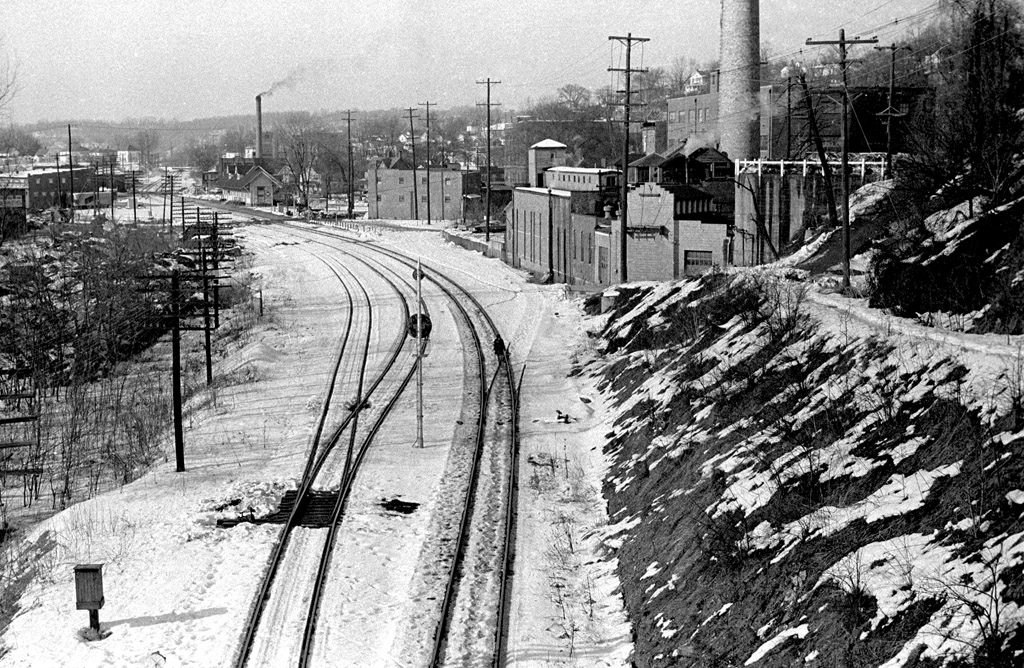
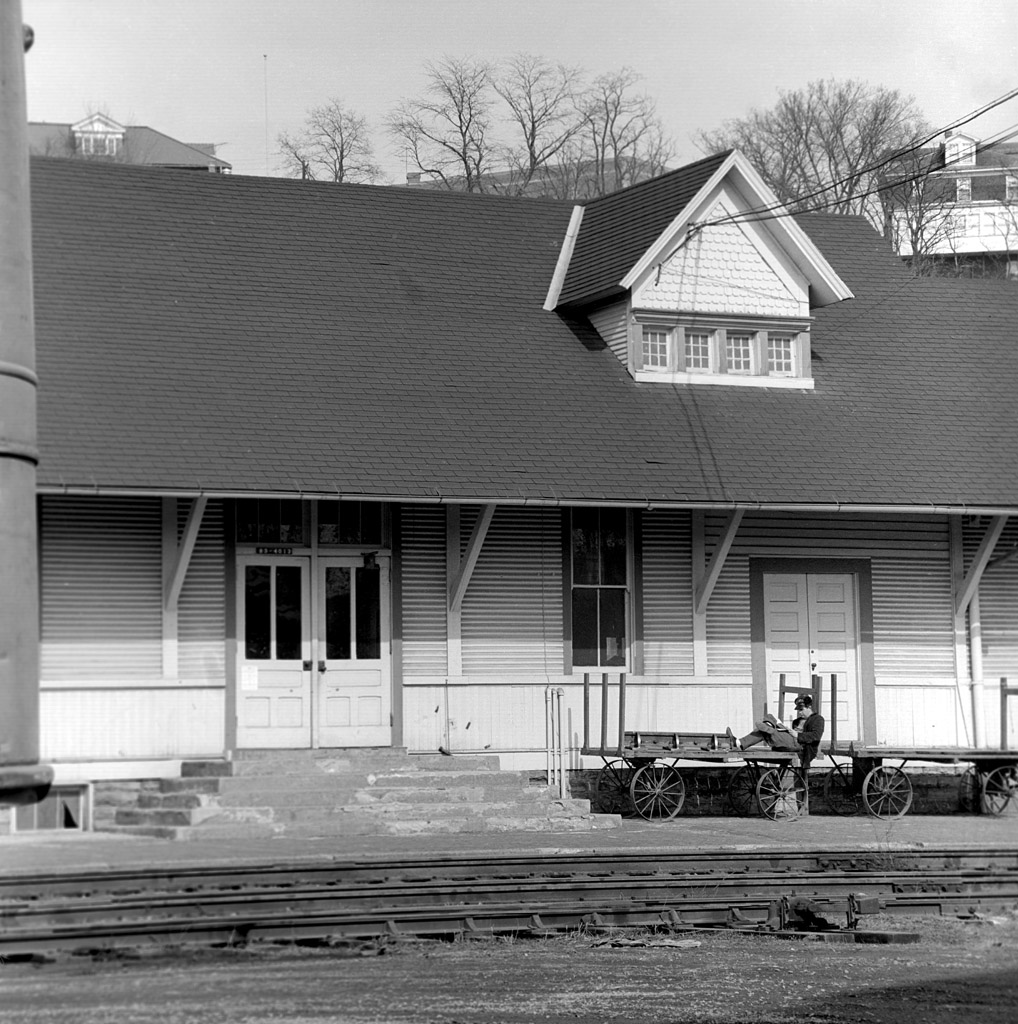
Athens Train Depot c 1968Then, I figured we had been turned down for a grant we had applied for. Nope, No news on that front.

“We’re taking down your Friends on Robinson Road exhibit on Monday, and we hoped you had something that we could replace it with.”

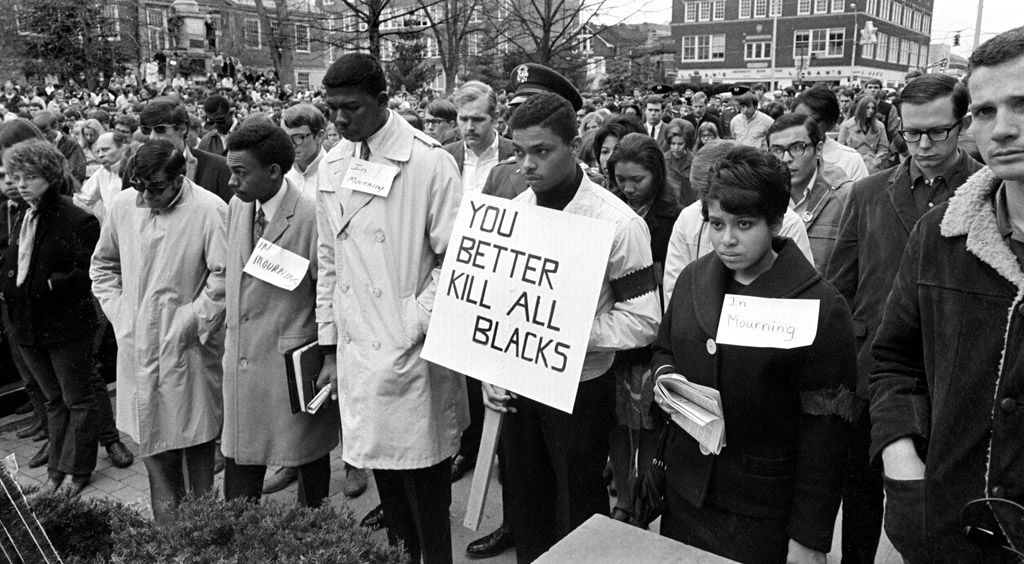
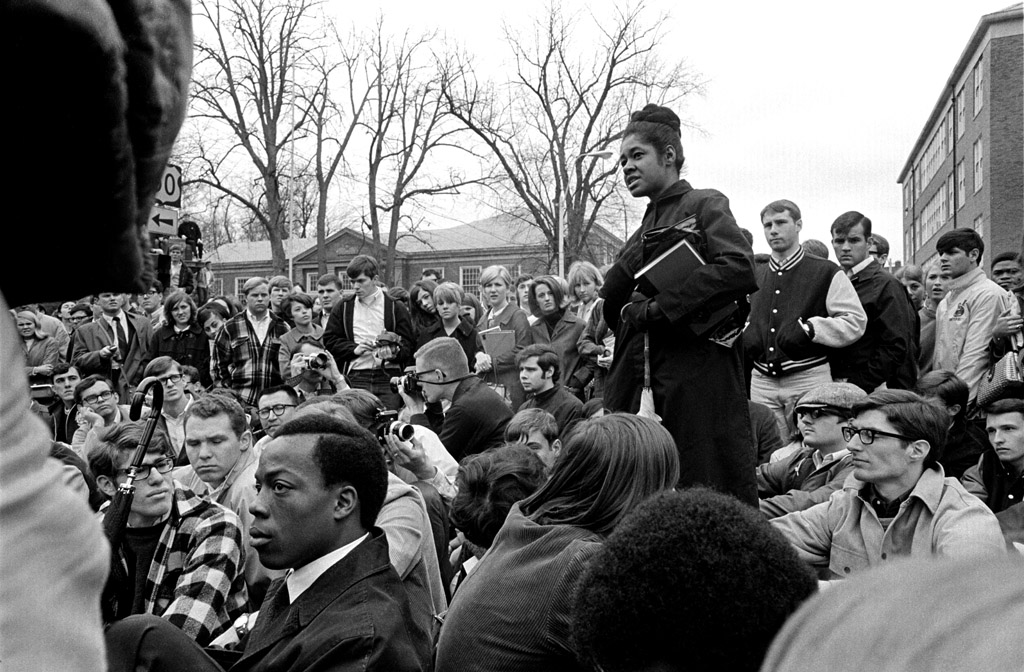
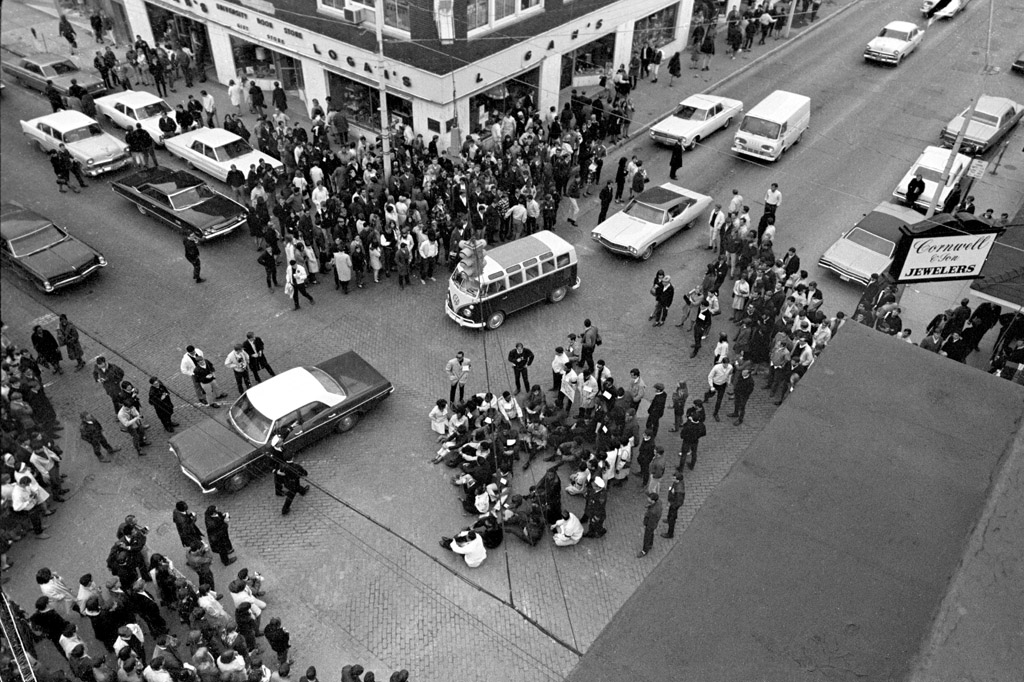
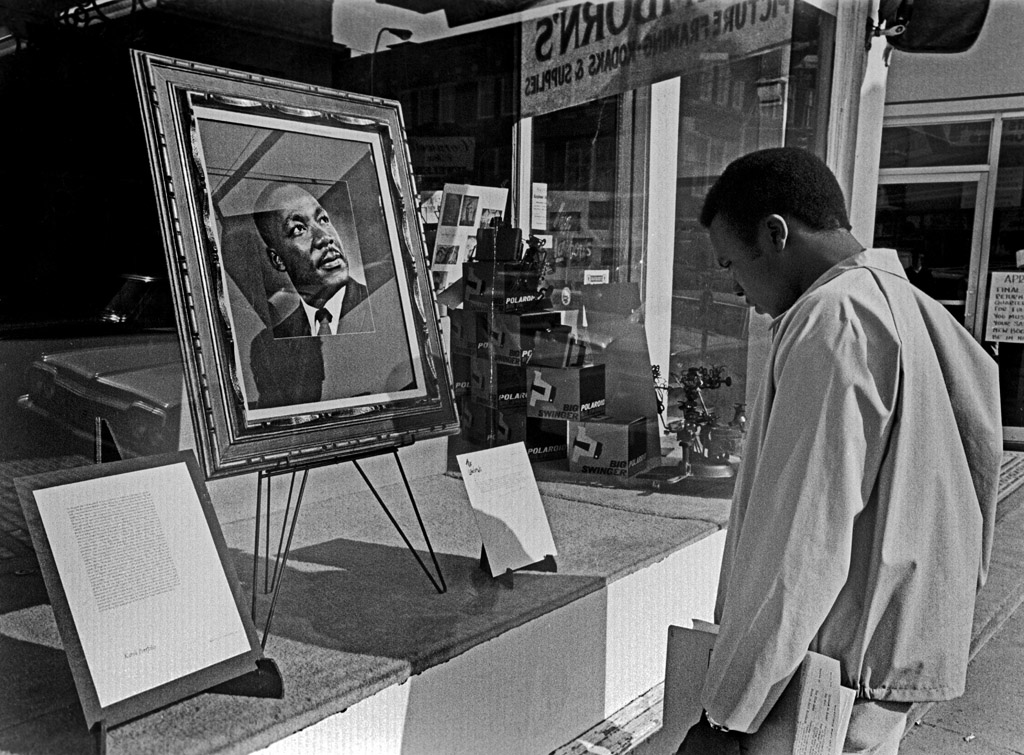
The first time I met Curator Jessica, I was about three hours out of Athens when she called to ask if I could pull off a major exhibit on Martin Luther King’s National Day of Mourning in three weeks. I liked her spirit, and we did it.

Three weeks is doable, but three days is stretching it, cookies or no cookies.

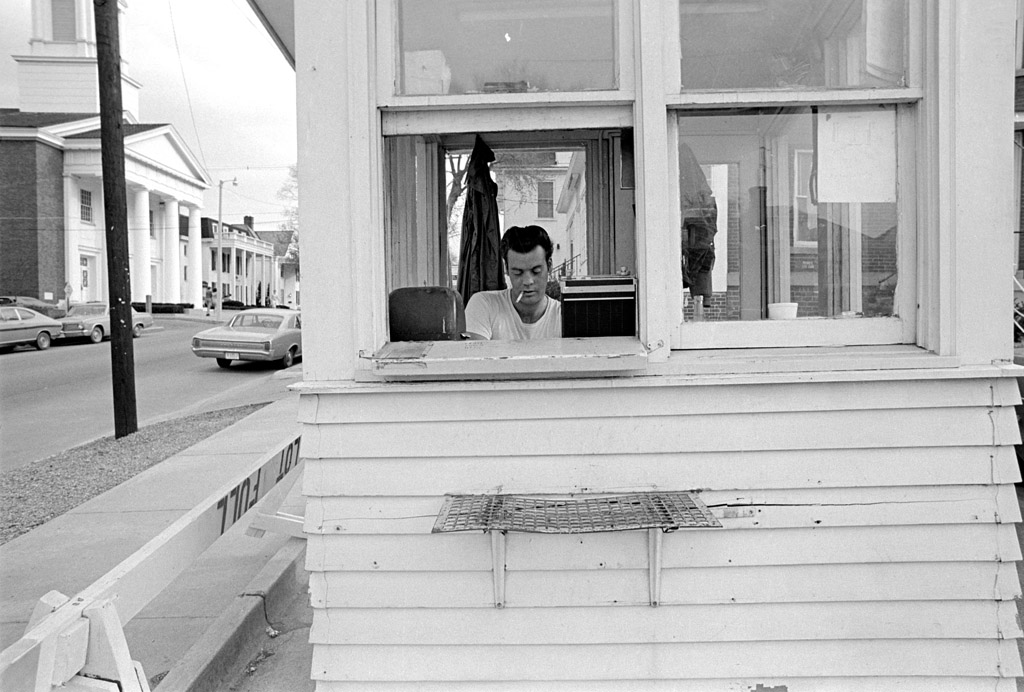
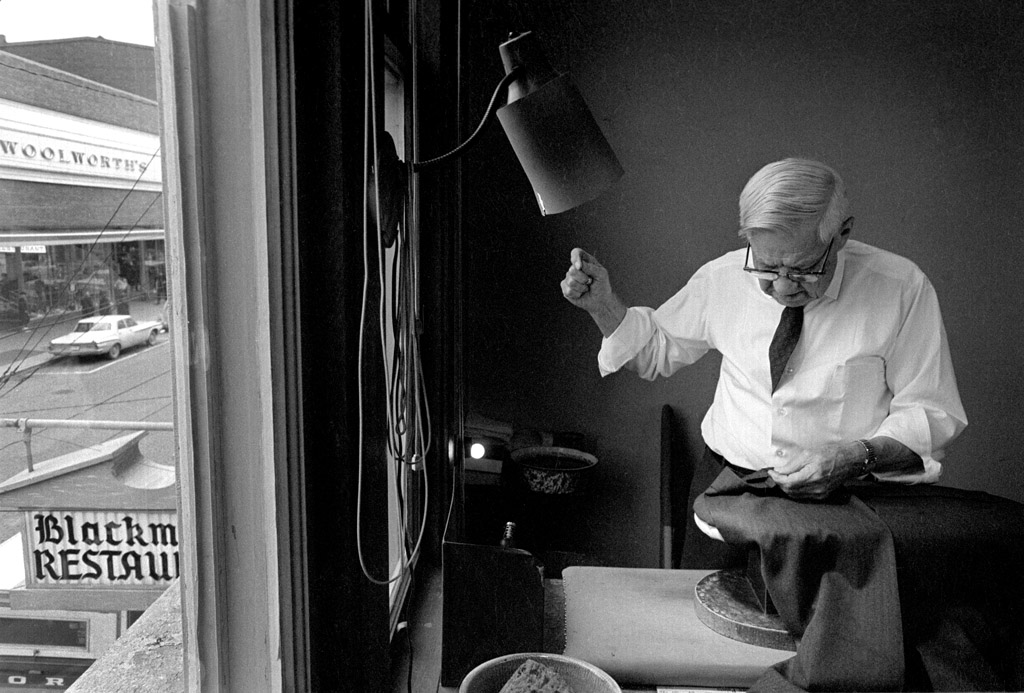
A tailor in 1968

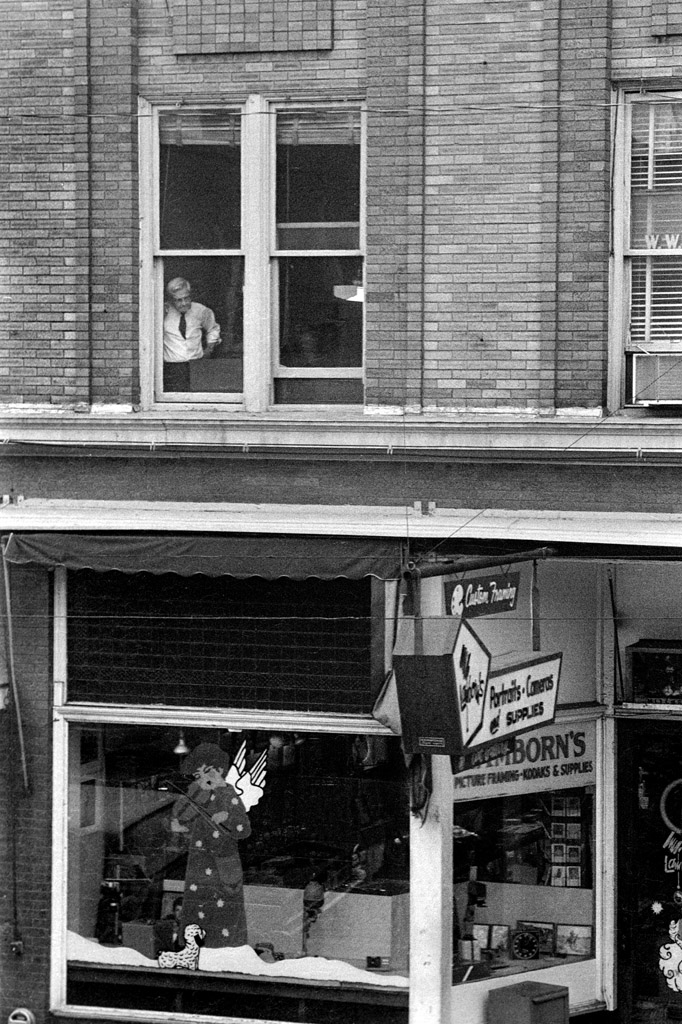
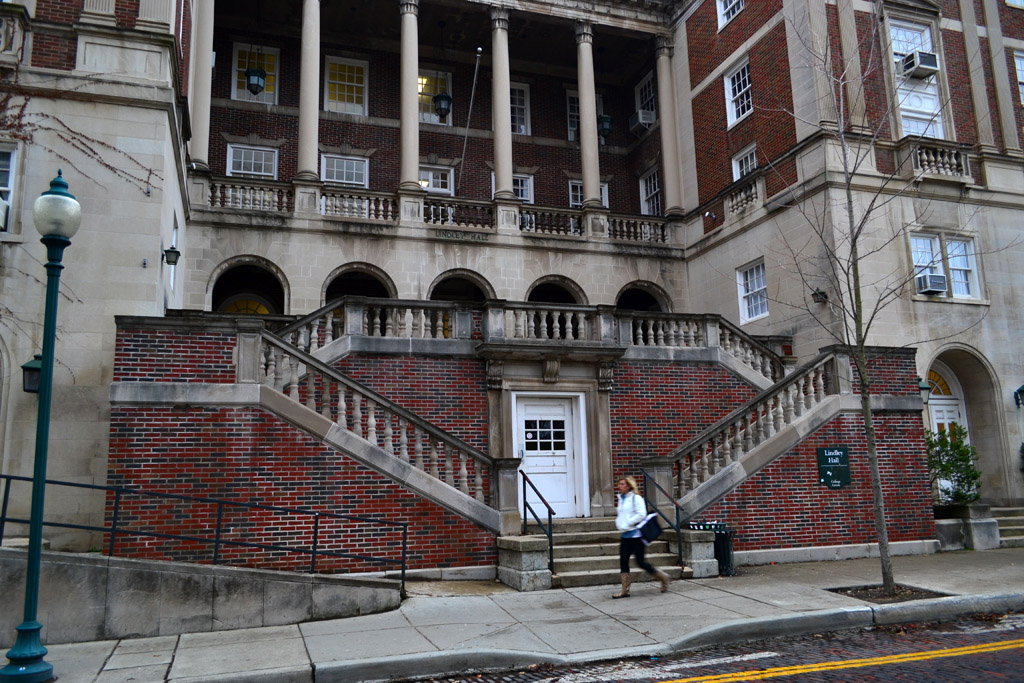
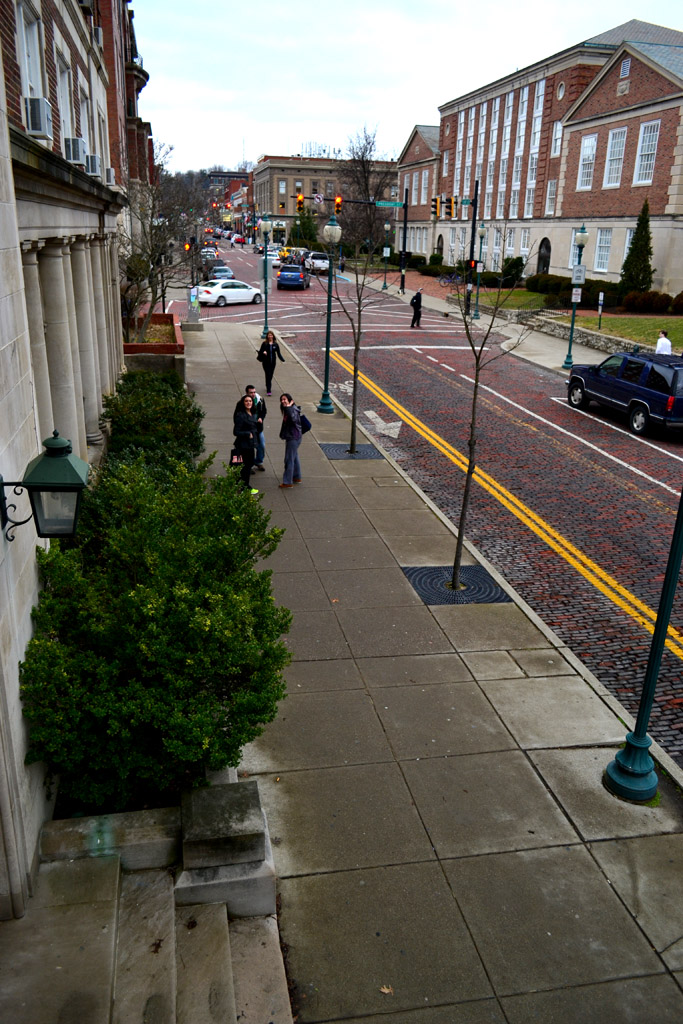
F.R. Richey - Tailor - 12-21-1968We agreed that one that focused on Athens downtown landmarks, particularly where I could contrast photos from the late ’60s and early ’70s with contemporary pictures would be something quick to pull off. That’s why you get to see tailor Frank Richey looking our over Court street on December 21, 1968.

Frank’s building in 2013

Court Street 02-27-2013Frank is long gone, but the building his shop was in survives.

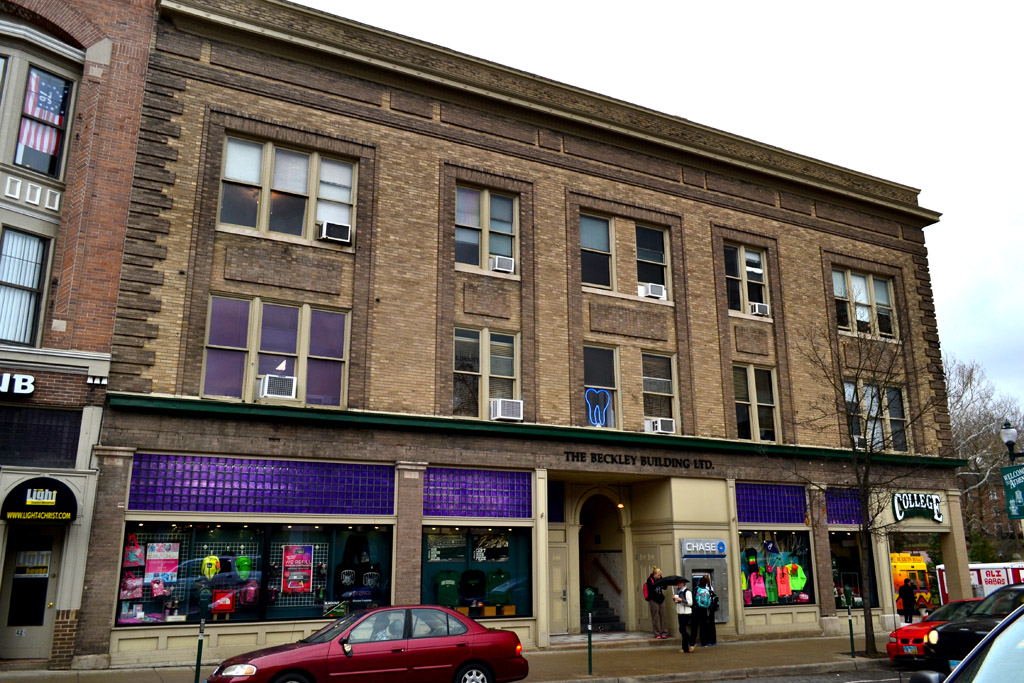
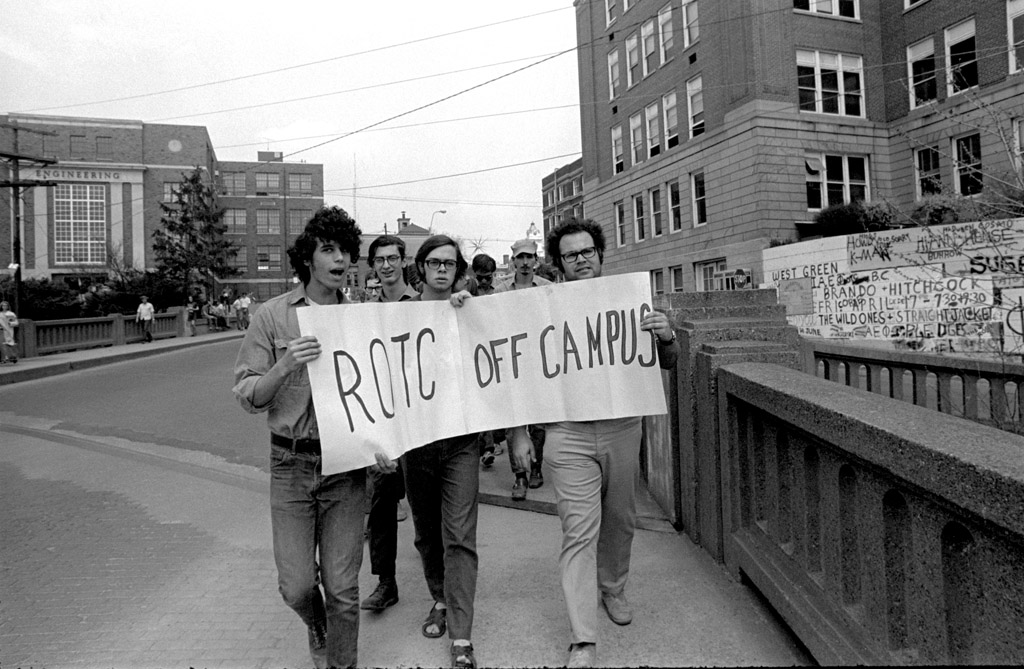
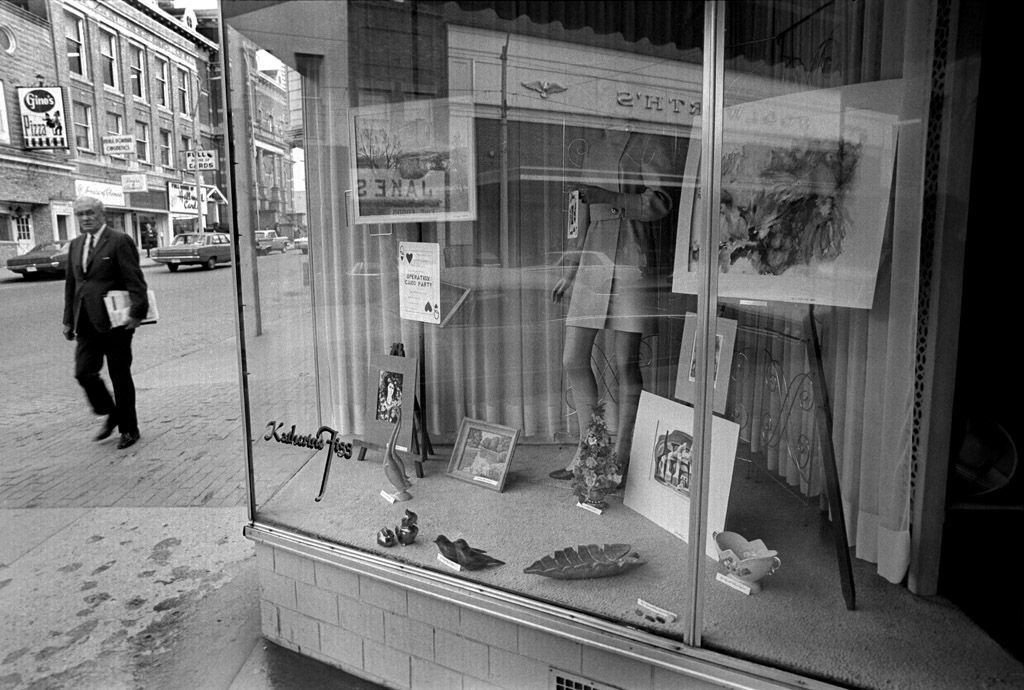
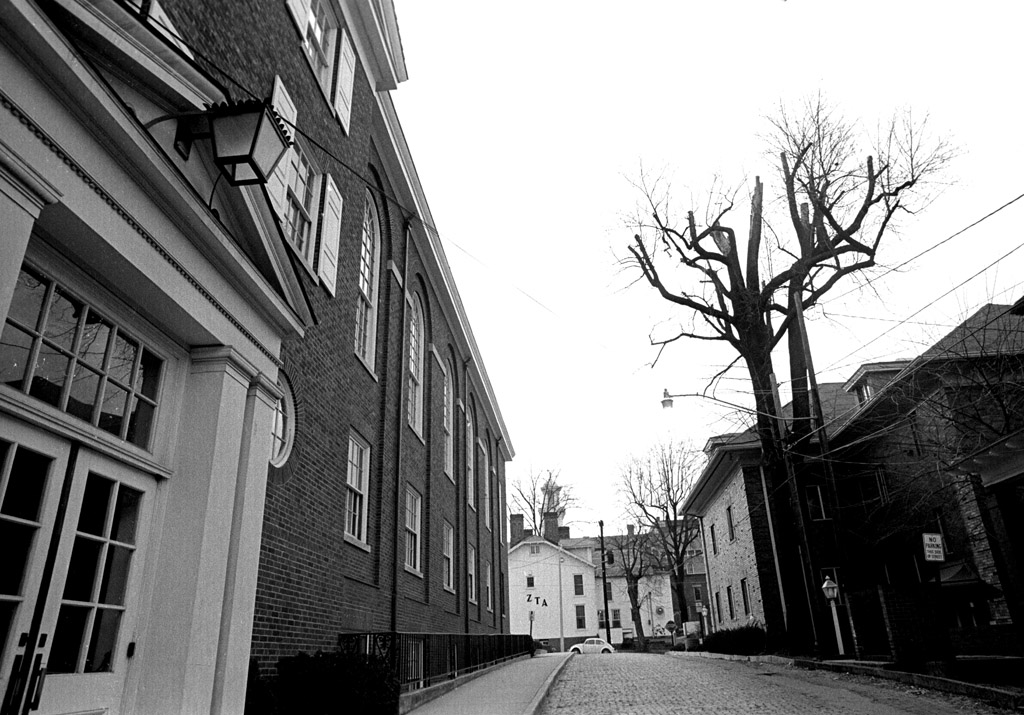
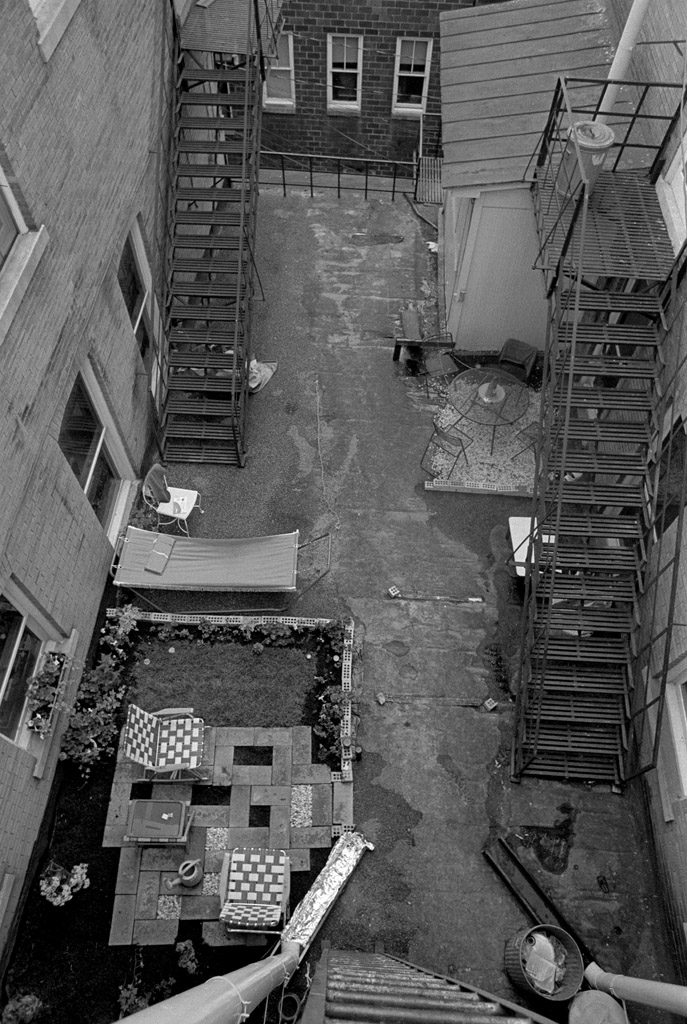
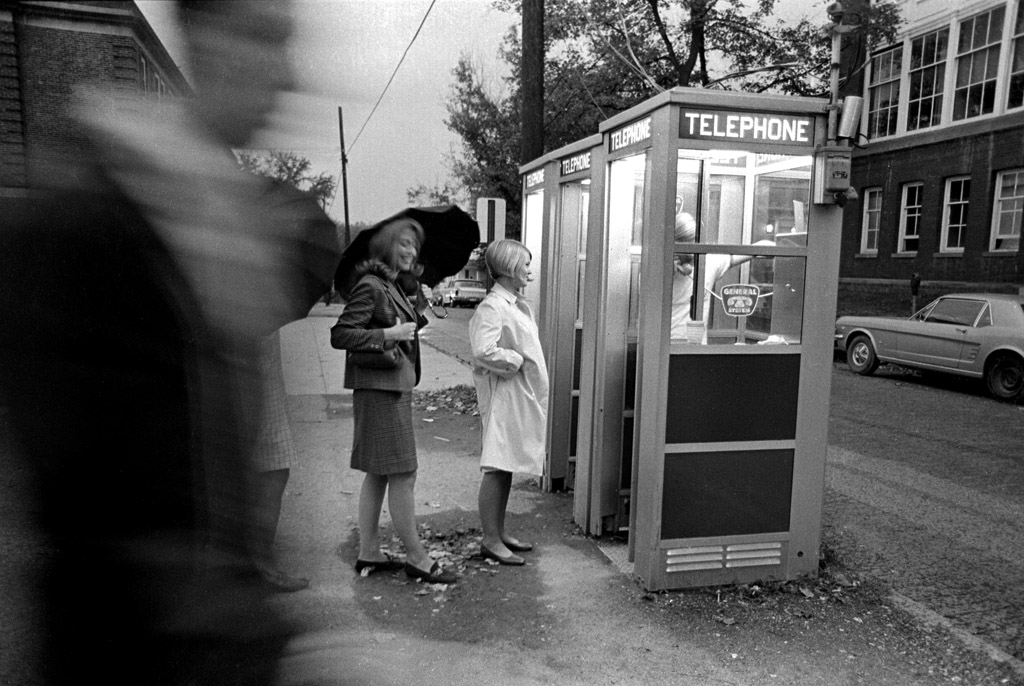
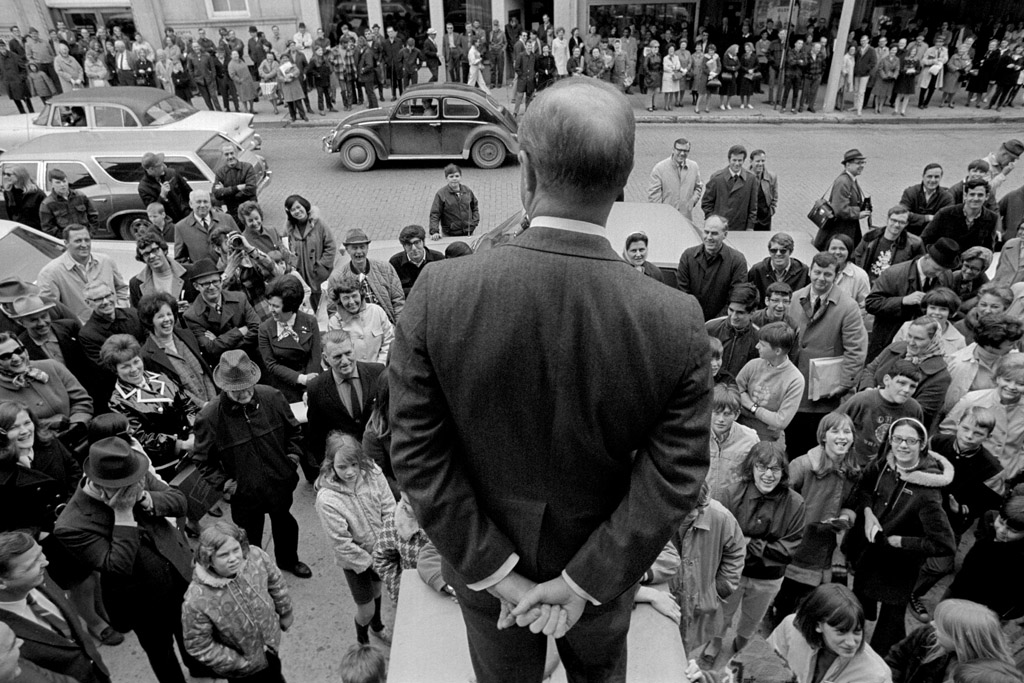
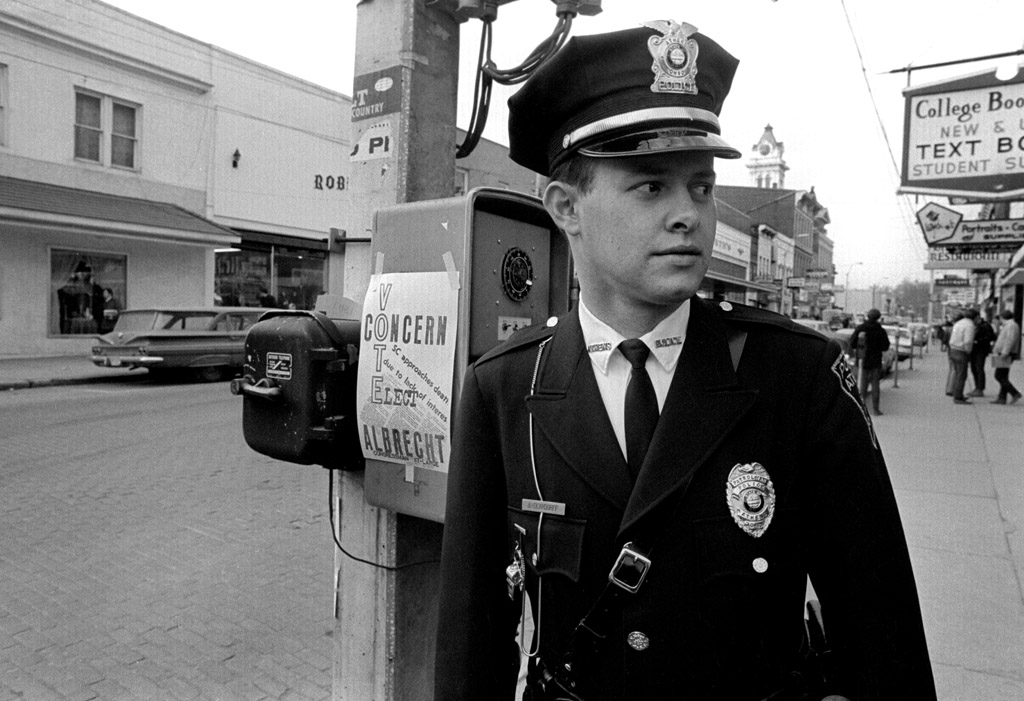
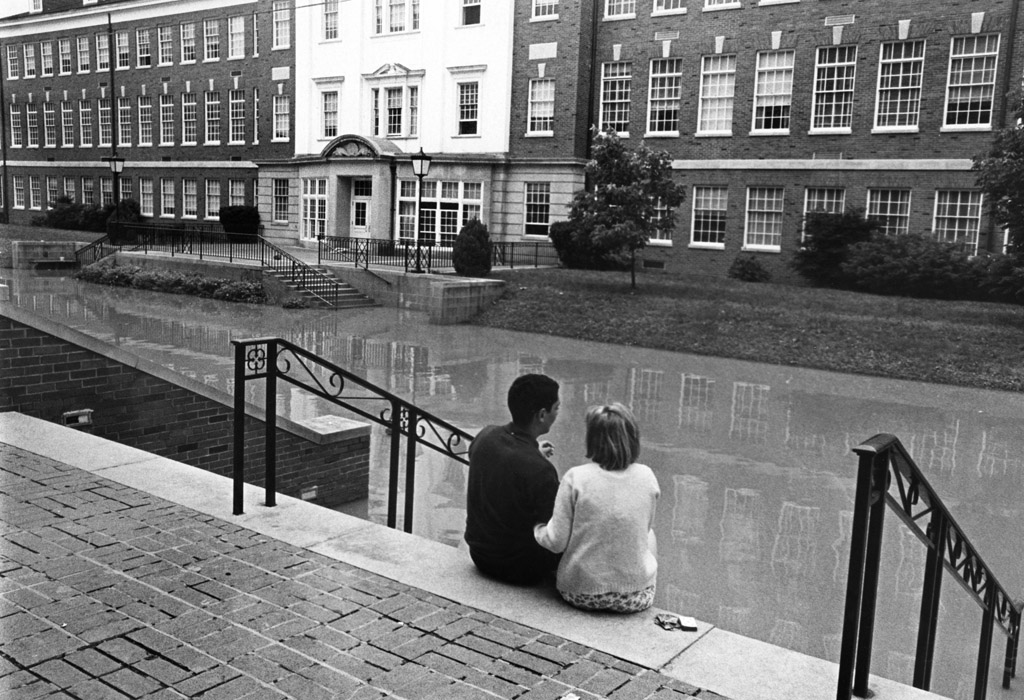
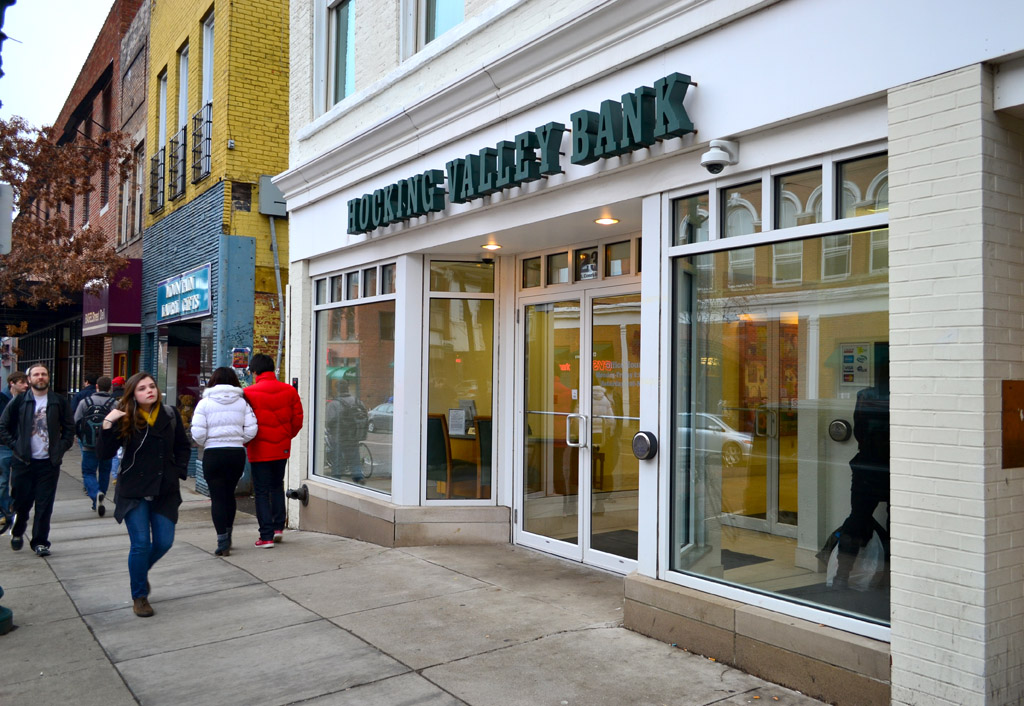
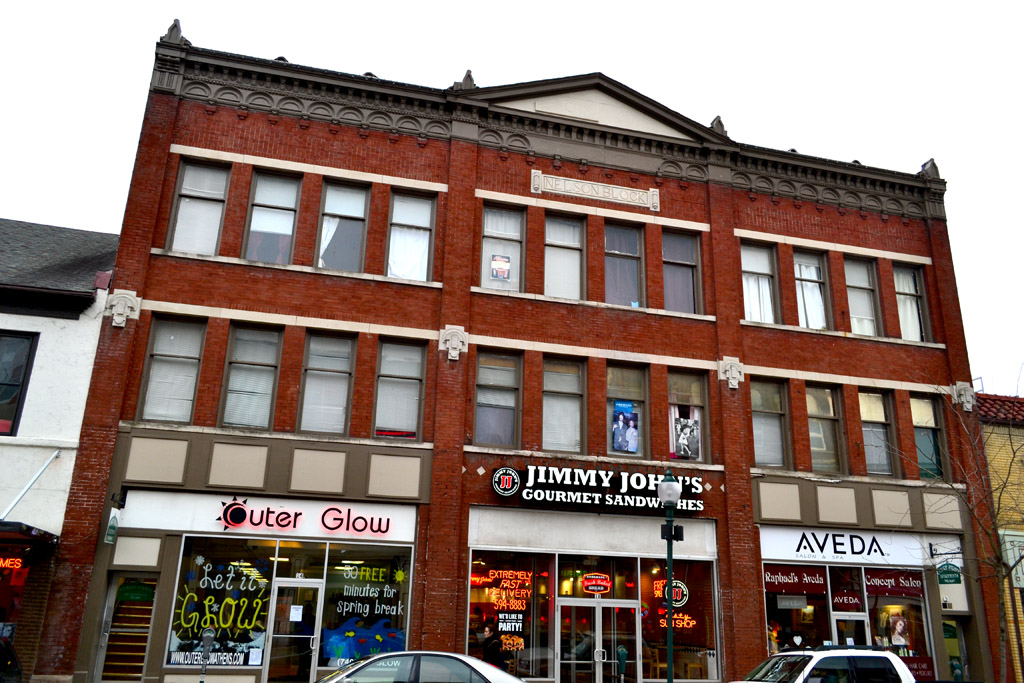
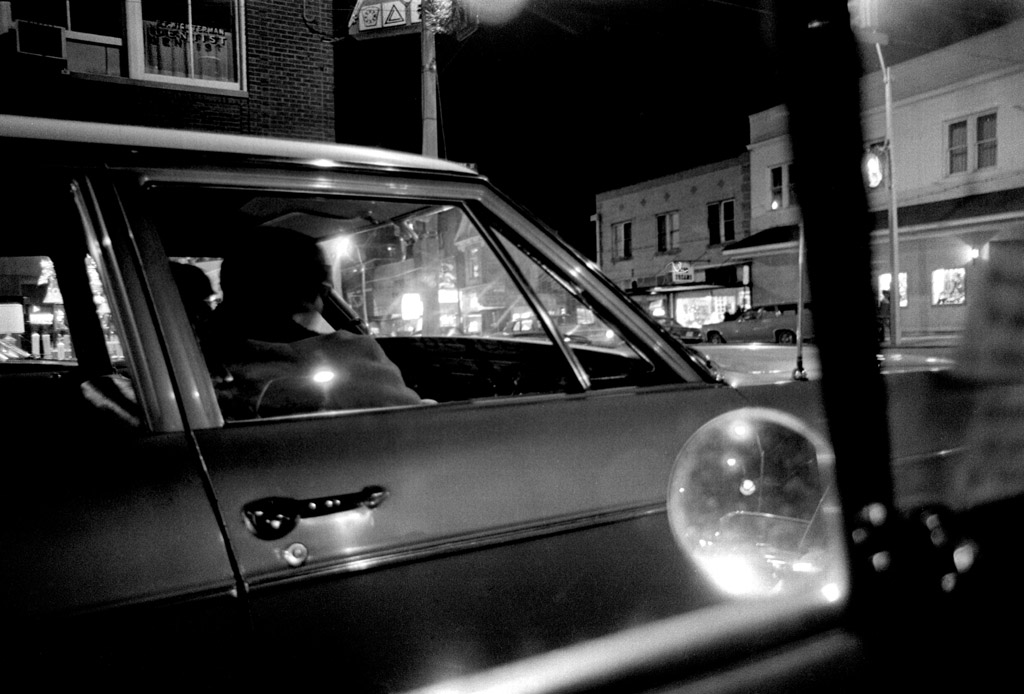
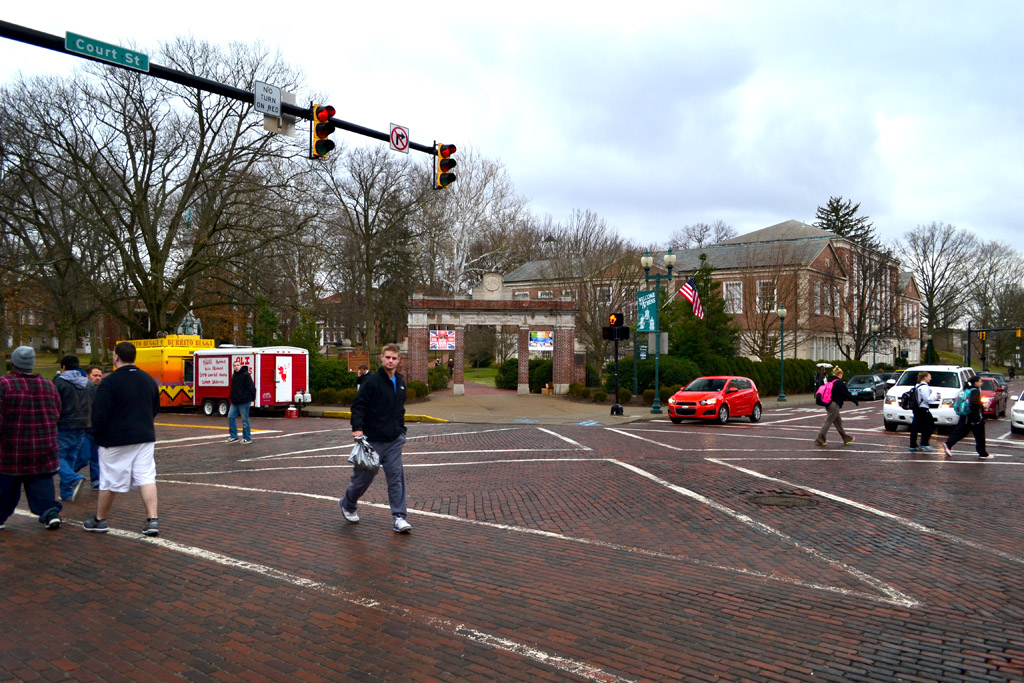
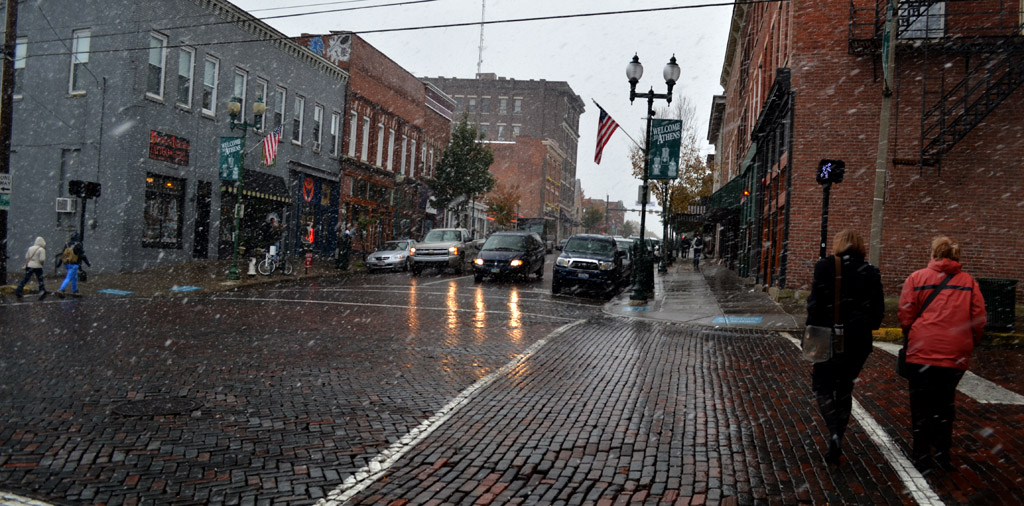
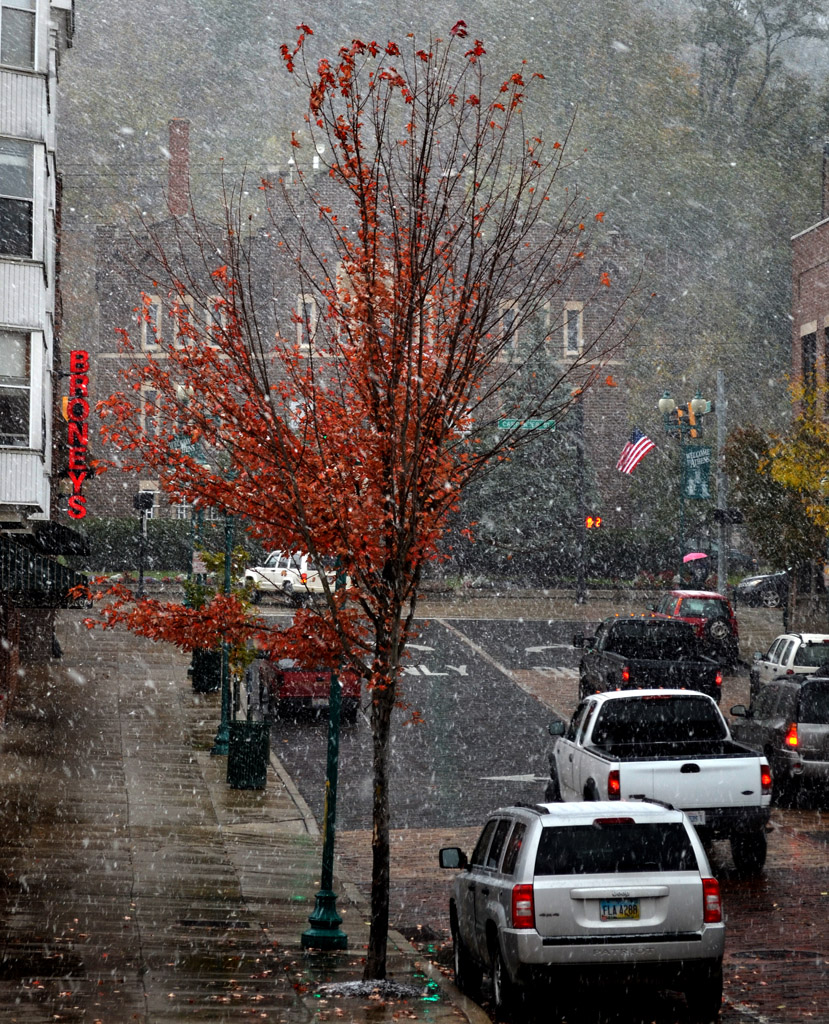
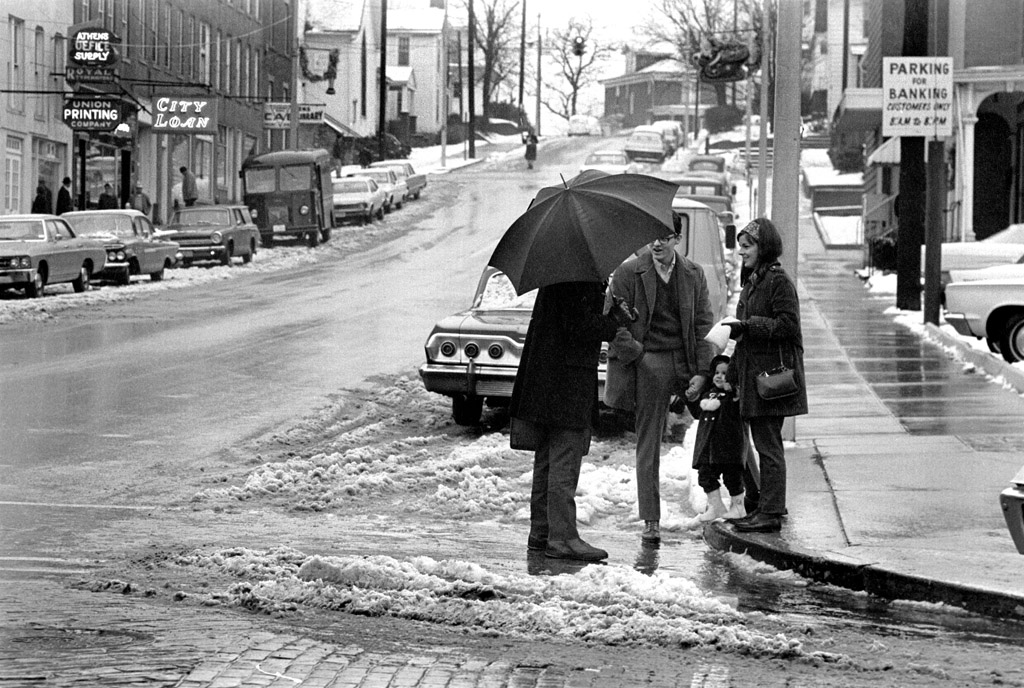
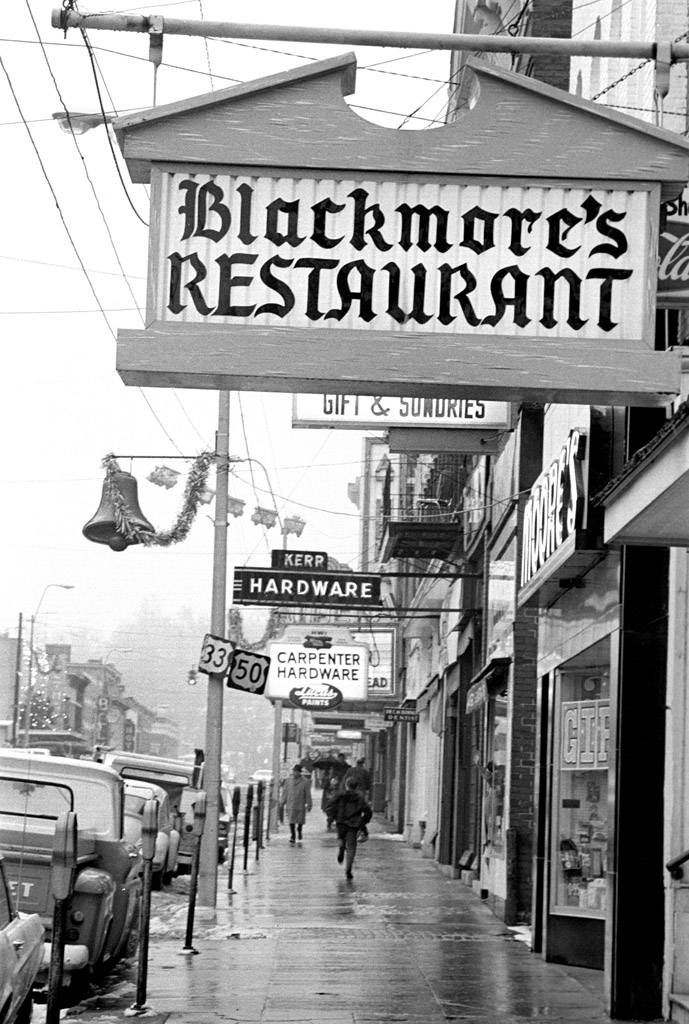
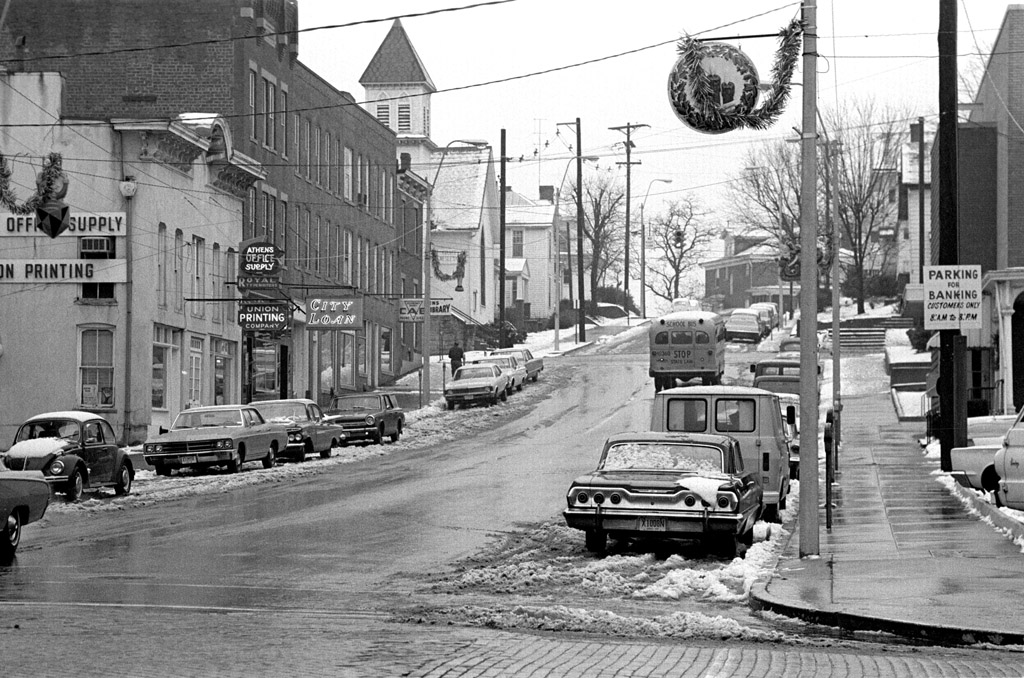
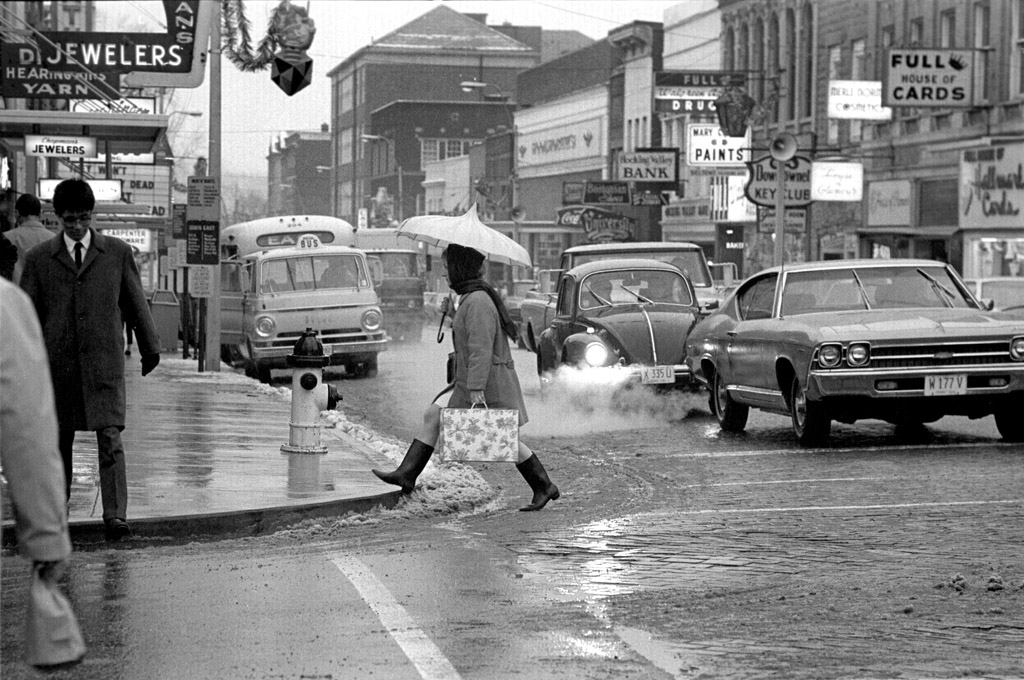
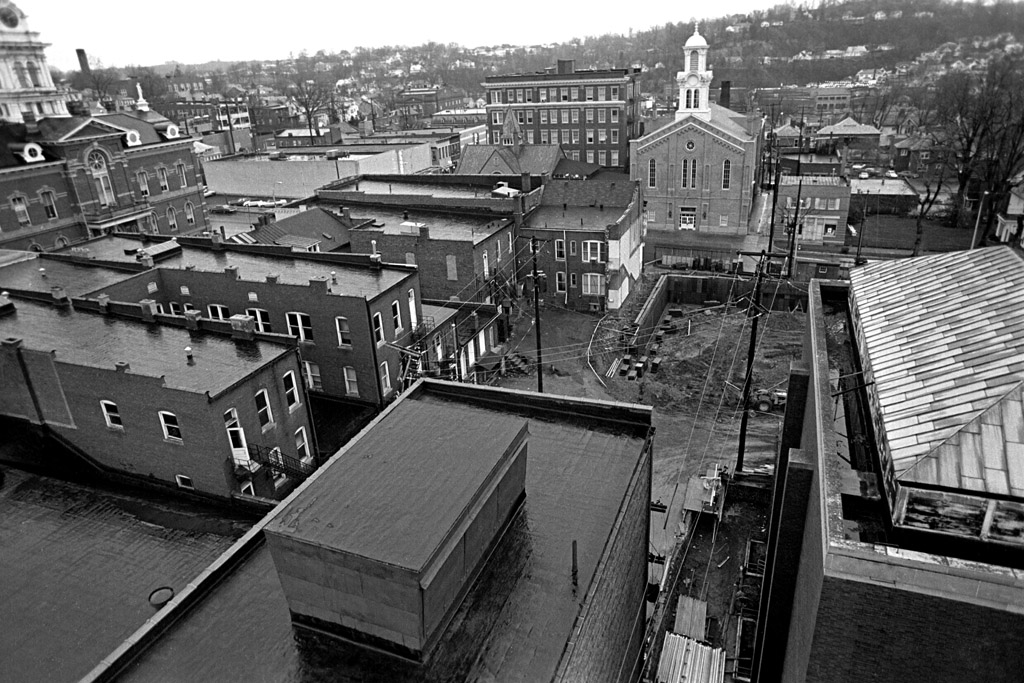
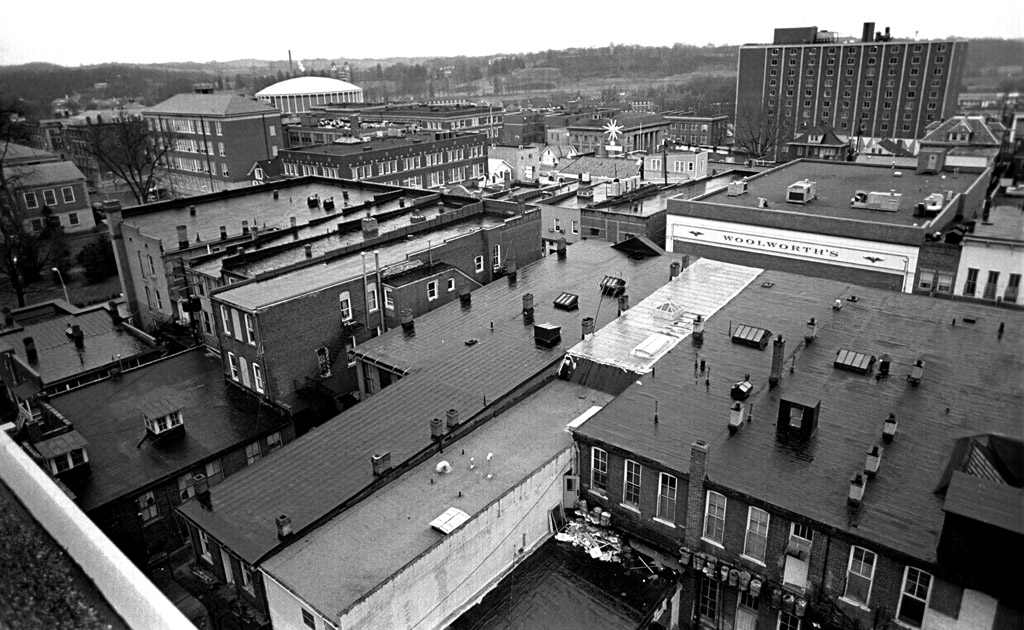
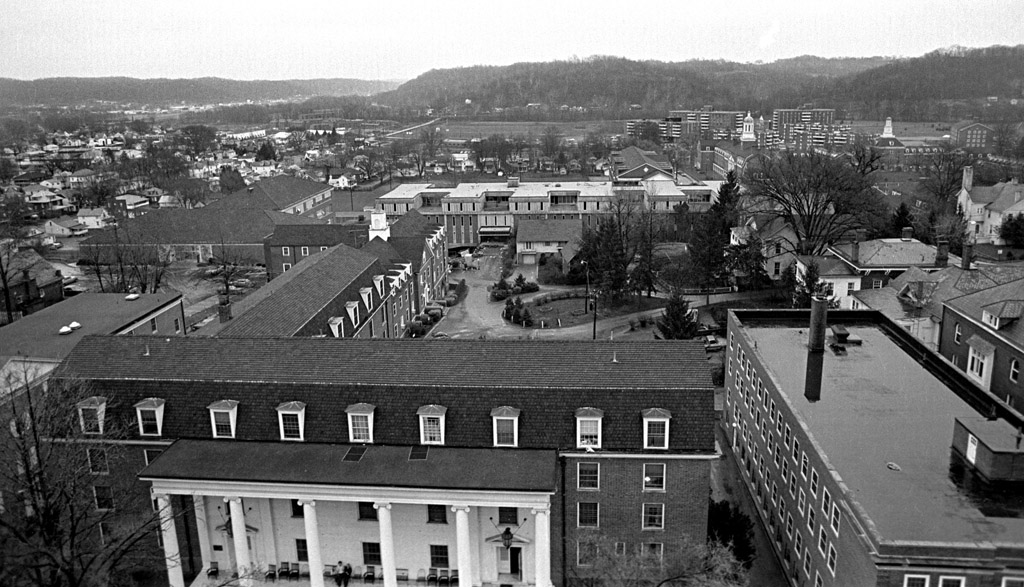
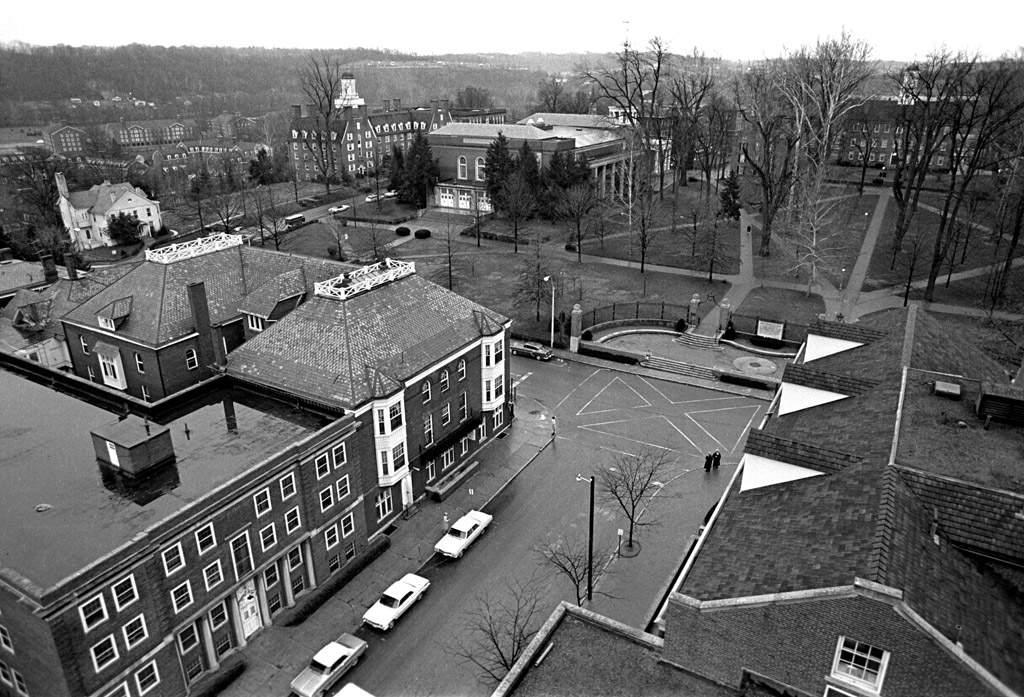
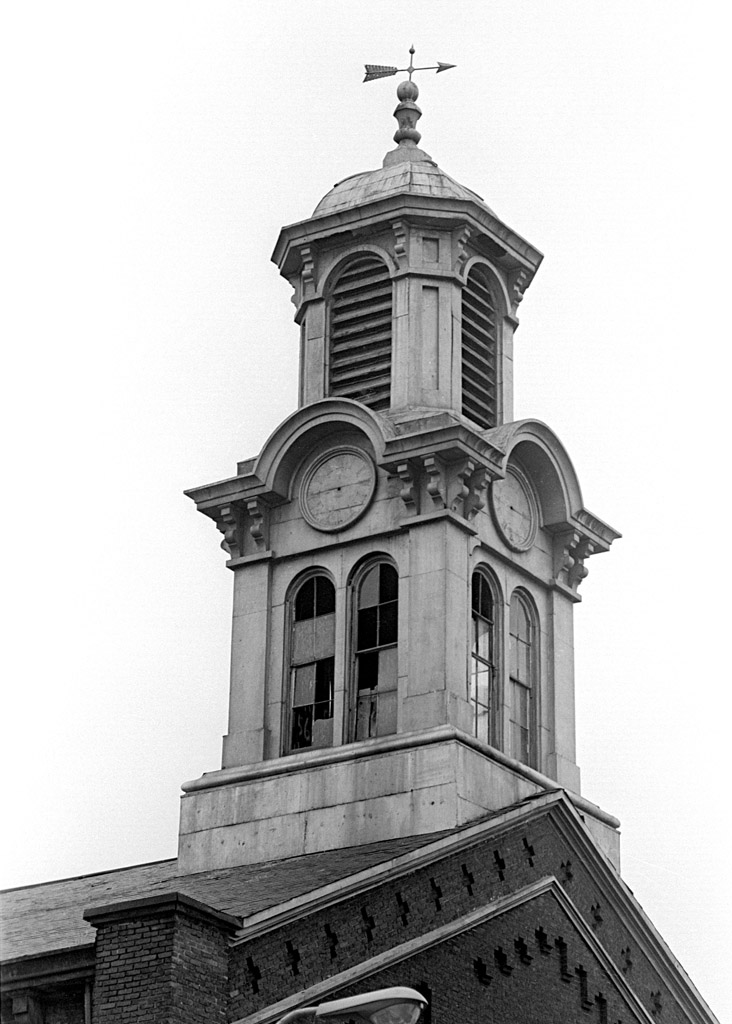
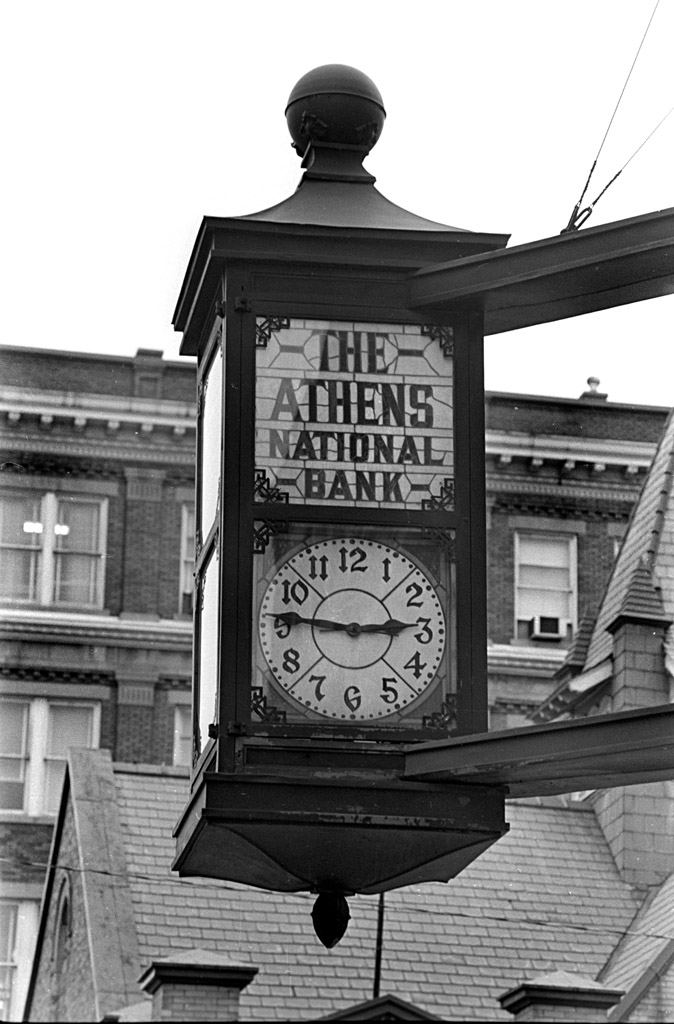
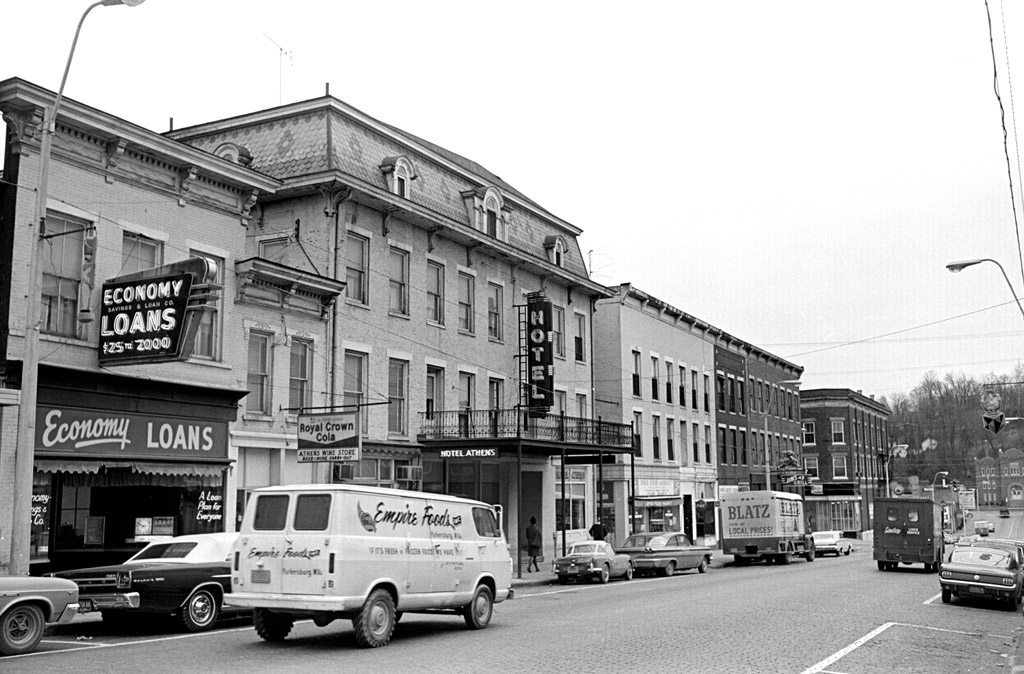
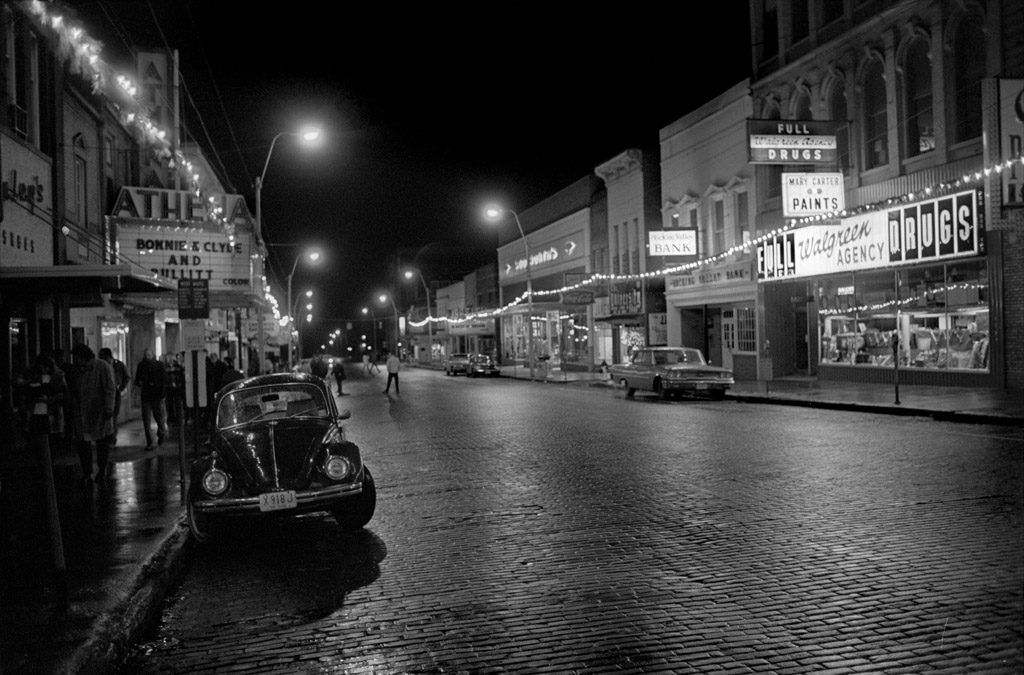
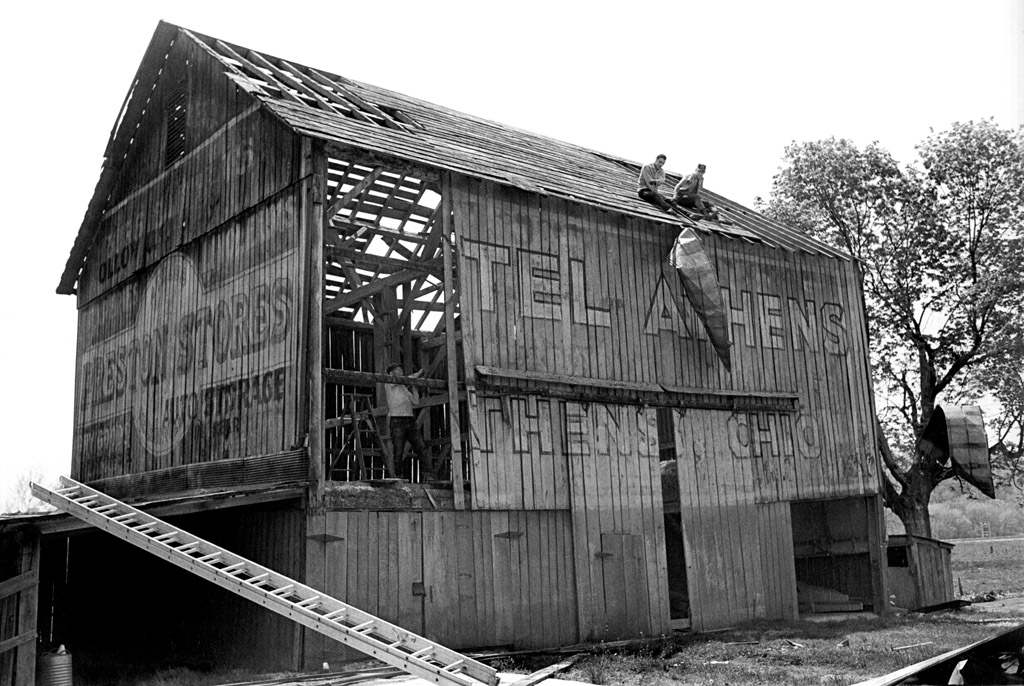
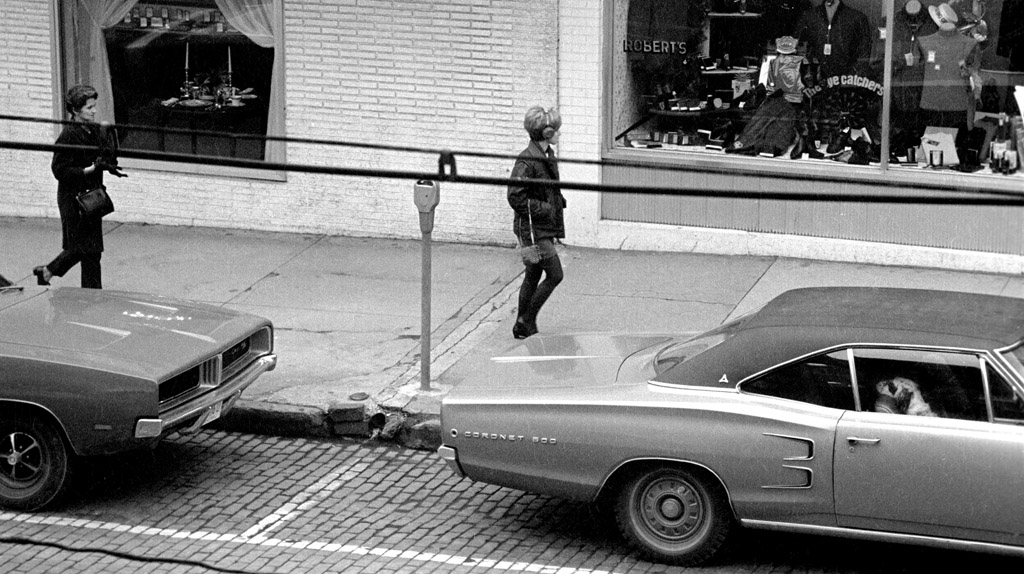
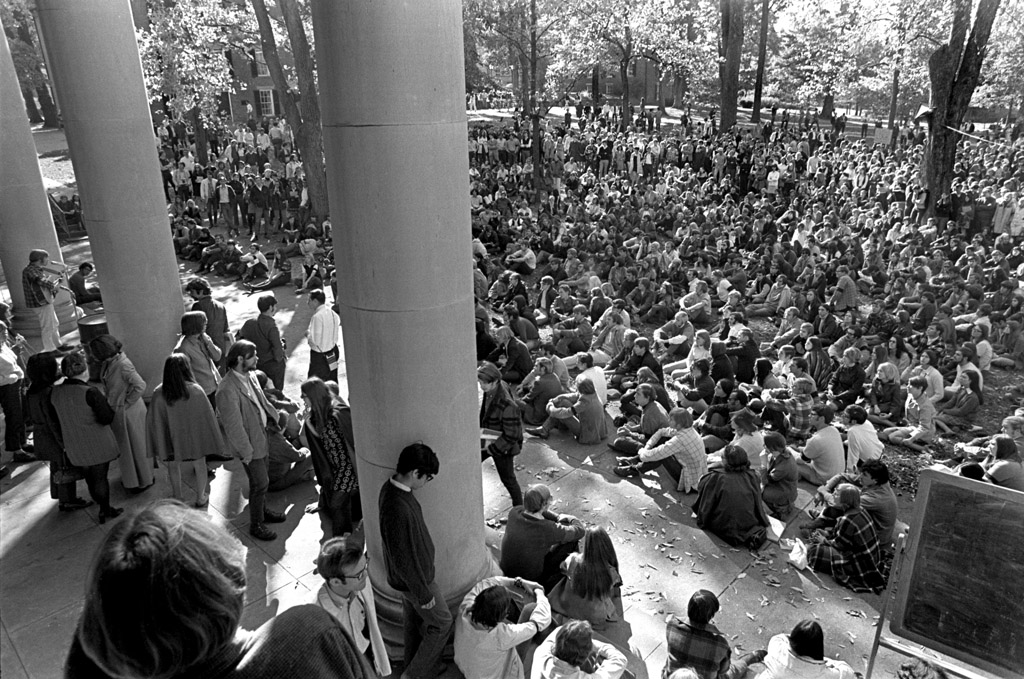
So, instead of a normal post, you’re going to see a huge data dump of the photos we’re considering. We figure the 100-plus photos here will cut down to about 30 when all is said and done. Not shown are two panoramas I shot last fall. They are going to be almost four feet wide by about 10 inches tall.

Waiting for Anne to call

Peanut brittle from Anne Rodgers 06-16-2014_6439If I see Anne’s Caller ID show up on my phone, I’m going to be slow to pick up. No telling what she’s going to want me to do for my package of peanut brittle.

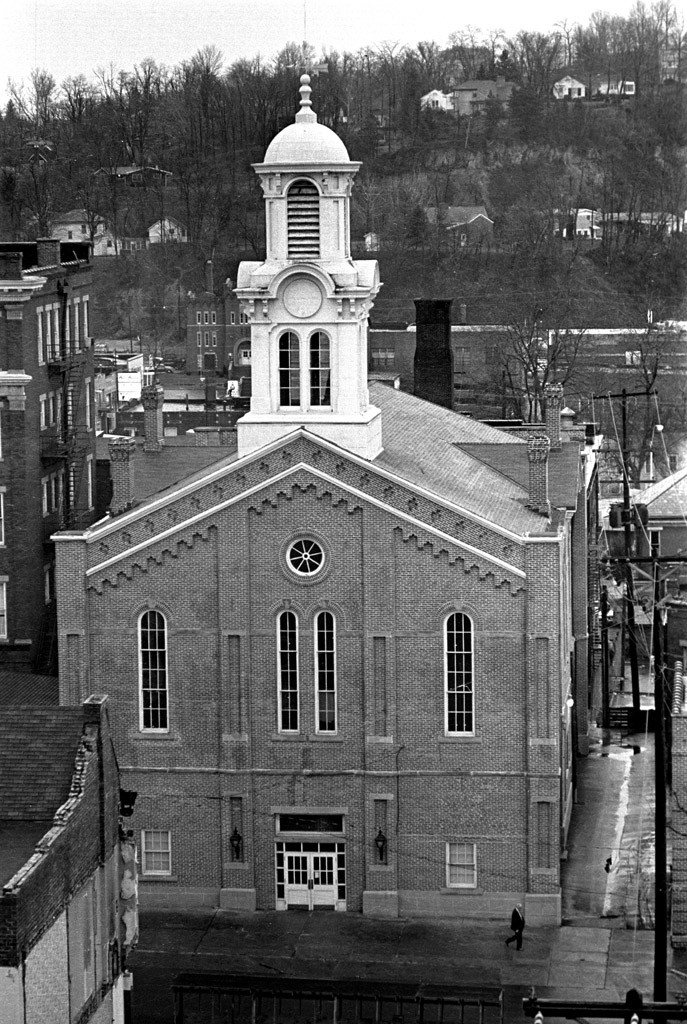
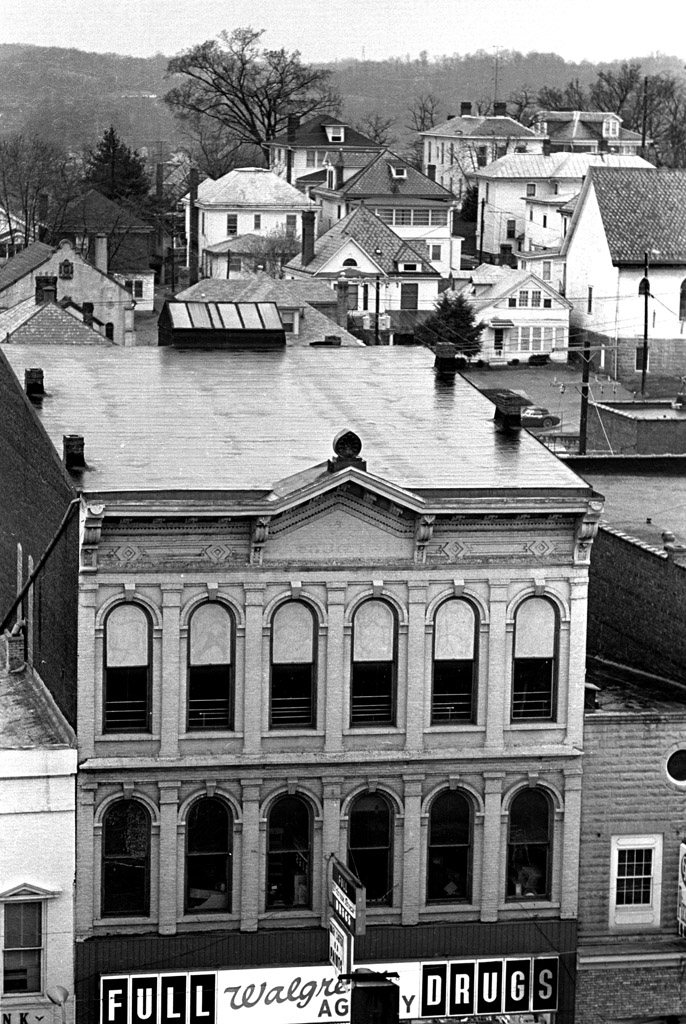
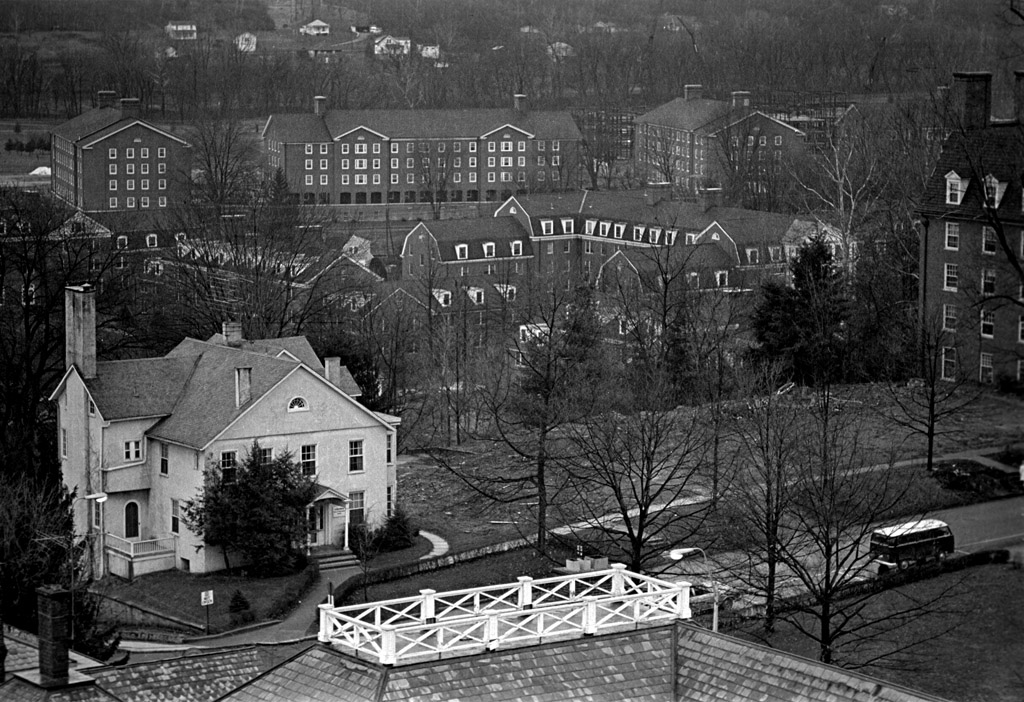
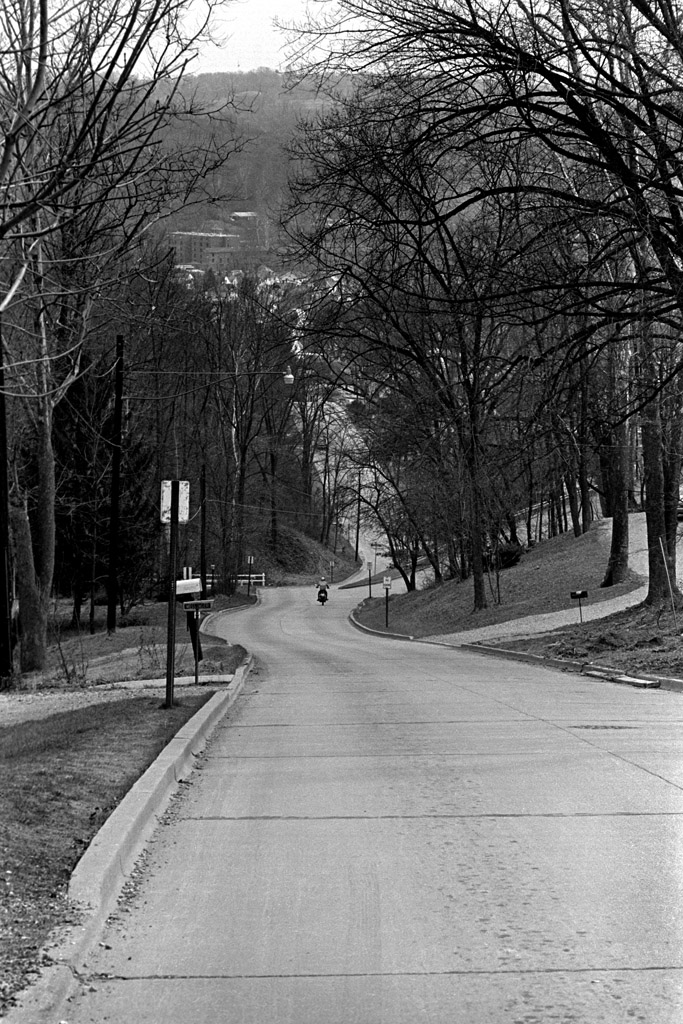
Athens, Ohio, photo gallery

Click on any photo to make it larger, then navigate through it using your arrow keys.

Albany Art Park

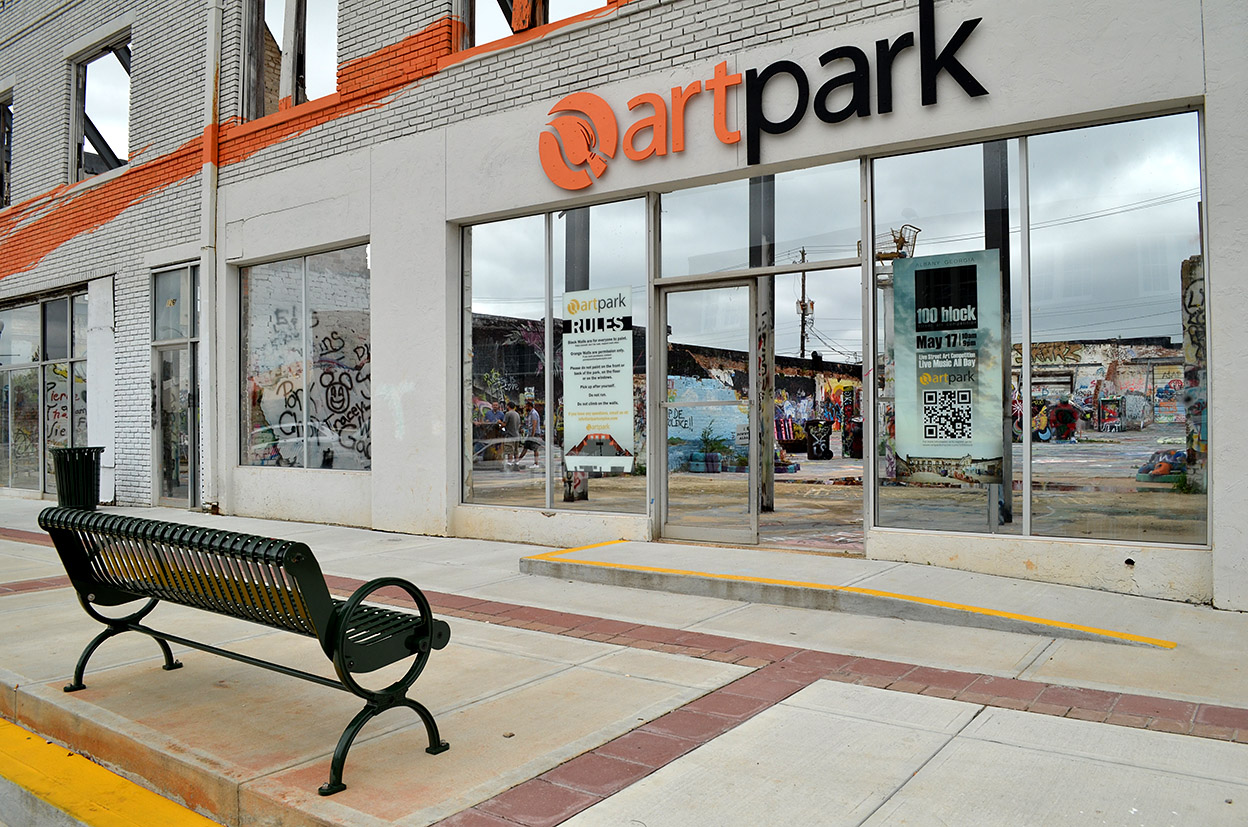
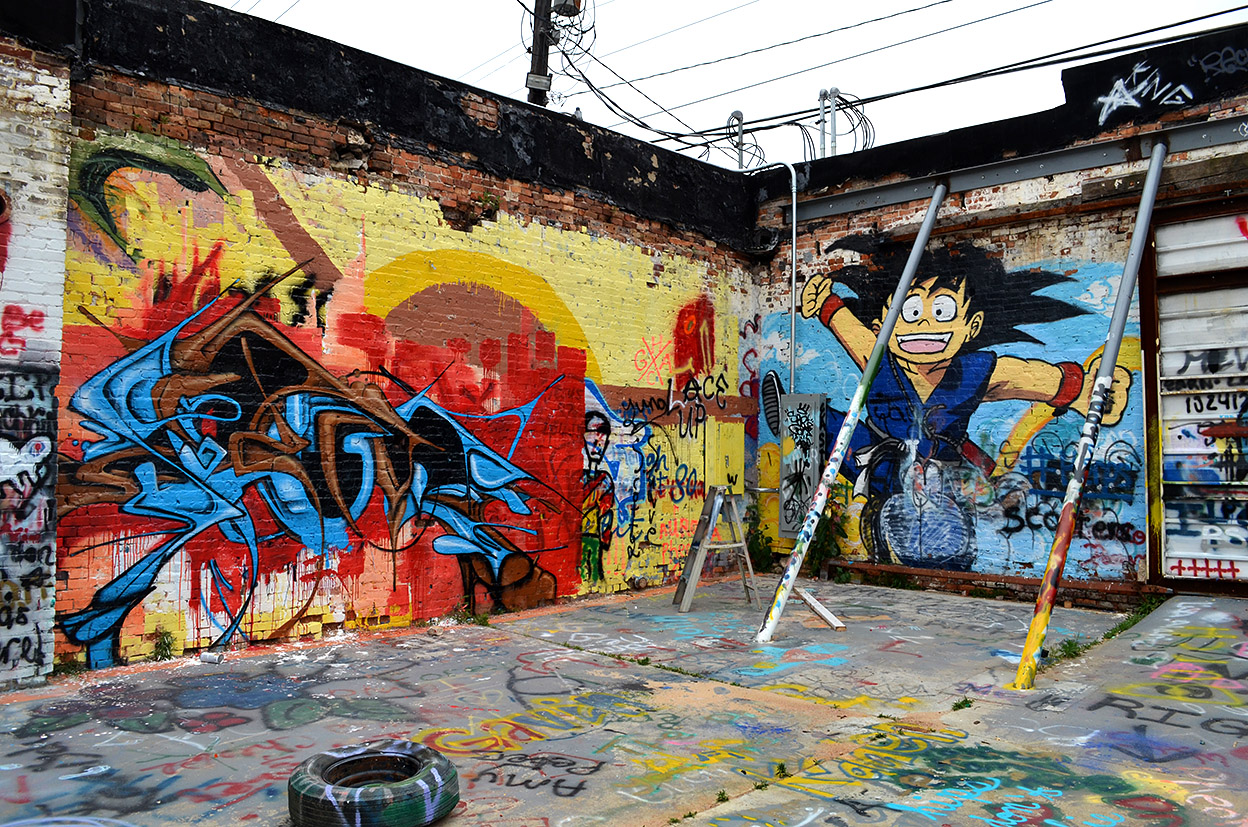
Albany GA Art Park 05-15-2014All of my Road Warriorettes – Jan, Shari, Anne and Curator Jessica – have different sleep patterns than I do. I’m up until the wee hours of the morning doing blog posts after driving all day. They’re snug in their beds snoring the night away, then they get up early and traipse down to the motel’s free breakfast. I sleep until 9:32, check my email and get rolling just before check-out time. Actually, Shari was the strangest of the batch: she doesn’t come to life until she fills her tank with Starbucks coffee. I’d set the GPS for the nearest Starbucks and leave her a set of keys, hoping she wouldn’t leave me stranded in some backwater town.

Because Anne and Jessica had the early breakfast this morning, they weren’t overly hungry. My hunger alarm was clanging loudly by the time we got to the first town of any size, Albany, Georgia. We had set a goal of avoiding chain joints and had been doing well so far. The first candidate looked a little tea roomy for my taste, so Curator Jessica was dispatched to see if it had tablecloths and/or candles.

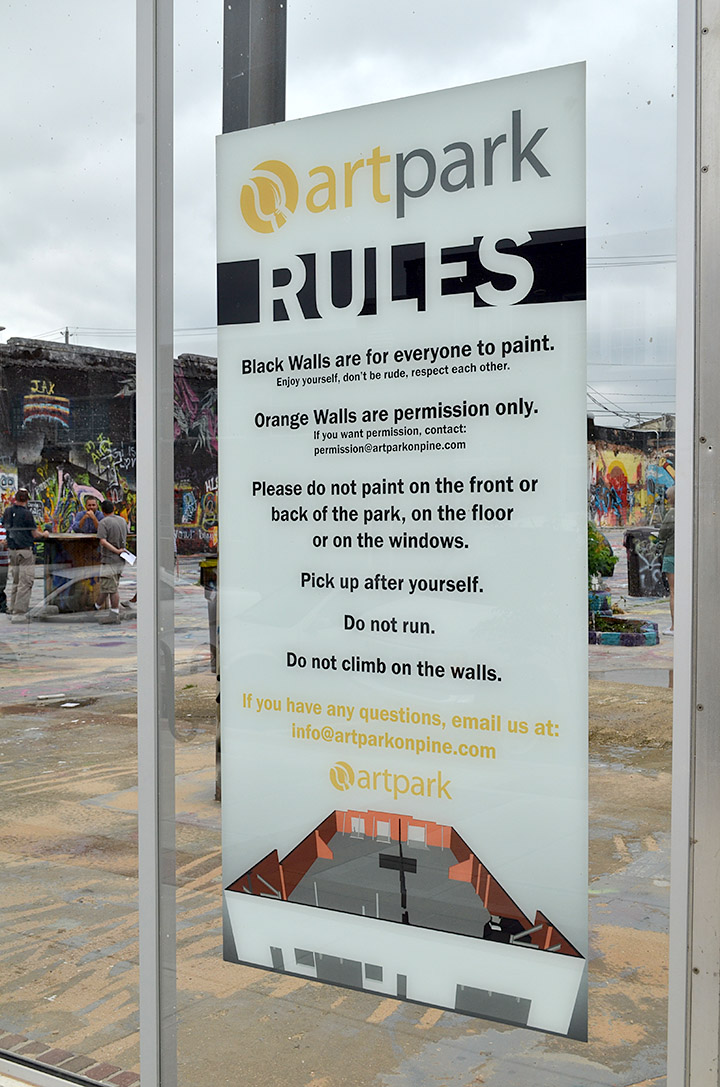
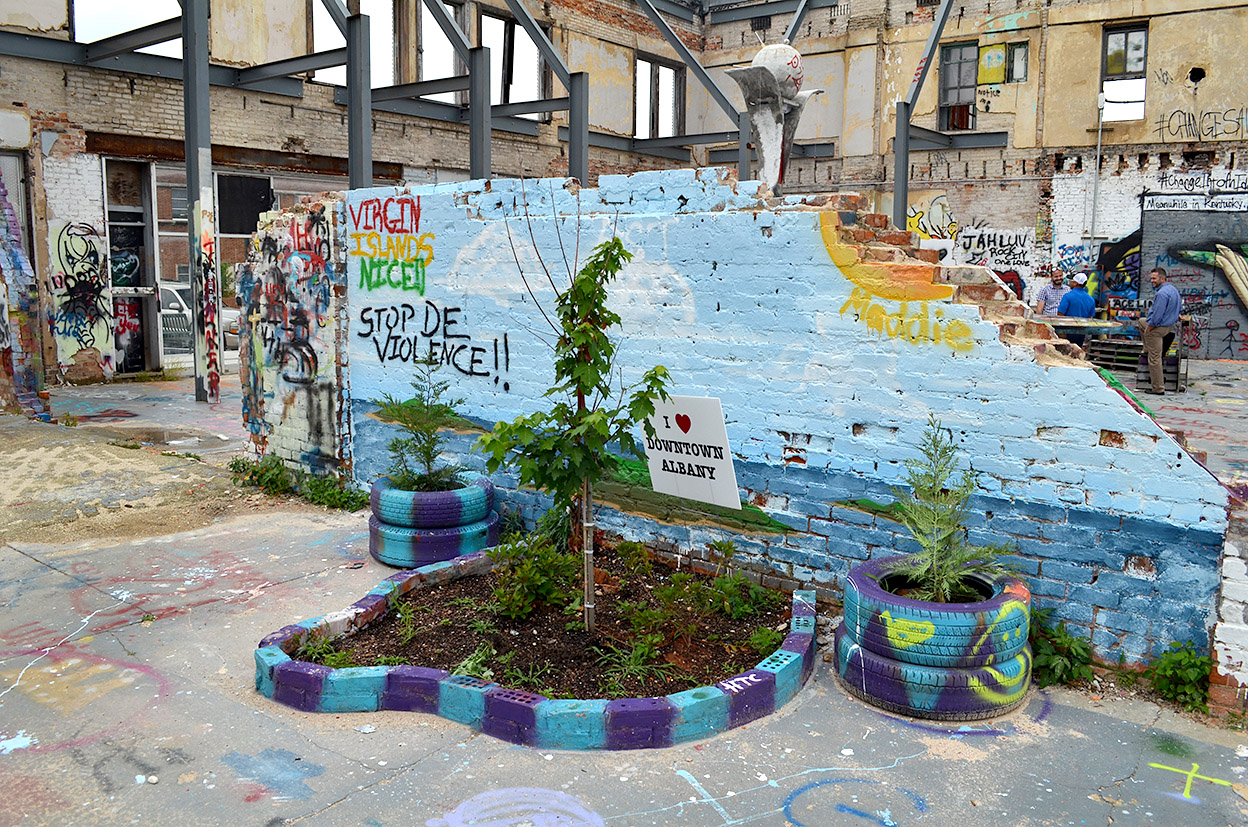
I don’t remember if she said it had hanging ferns or not, but we elected to drive around the block to see what else was downtown. When we made the turn, the Albany Artpark on Pine jumped out at us.

At first glance, it was hard to tell if the front windows were painted, if we were looking at reflections or if the colorful images were inside. I put my hunger alarm on snooze.

Fascinating urban art

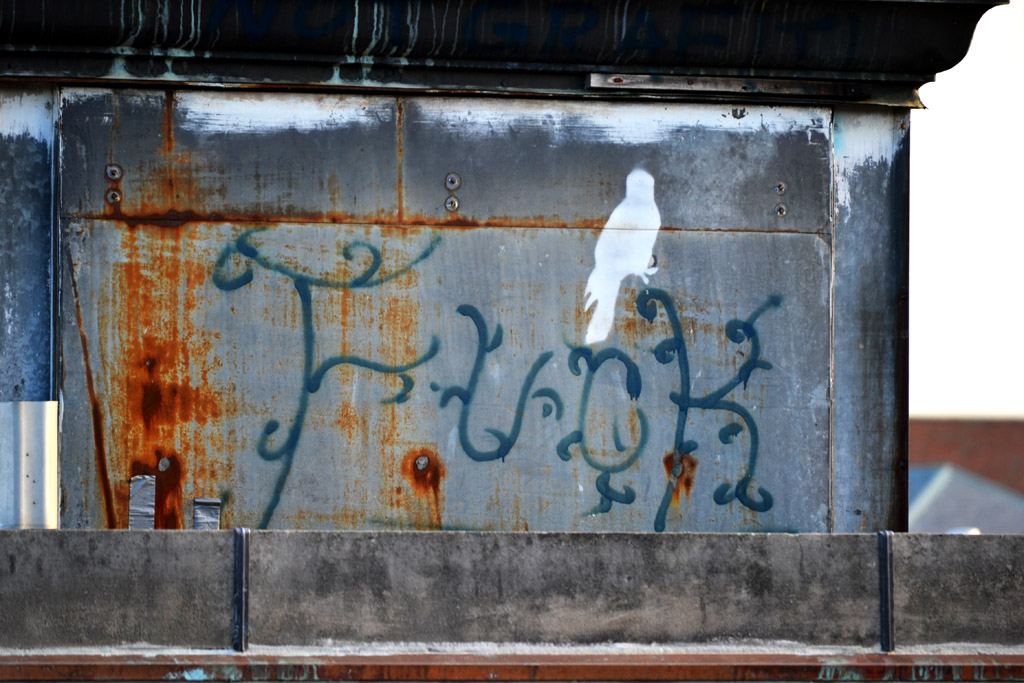
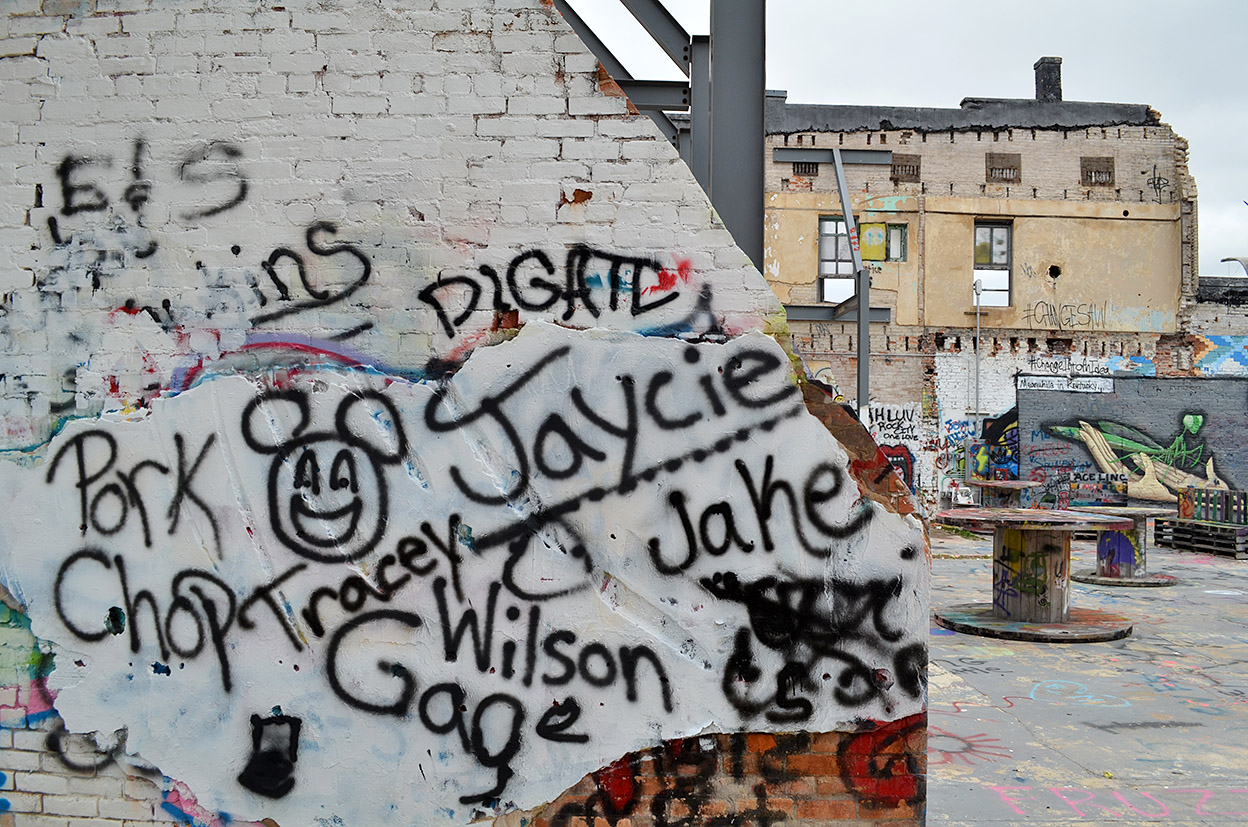
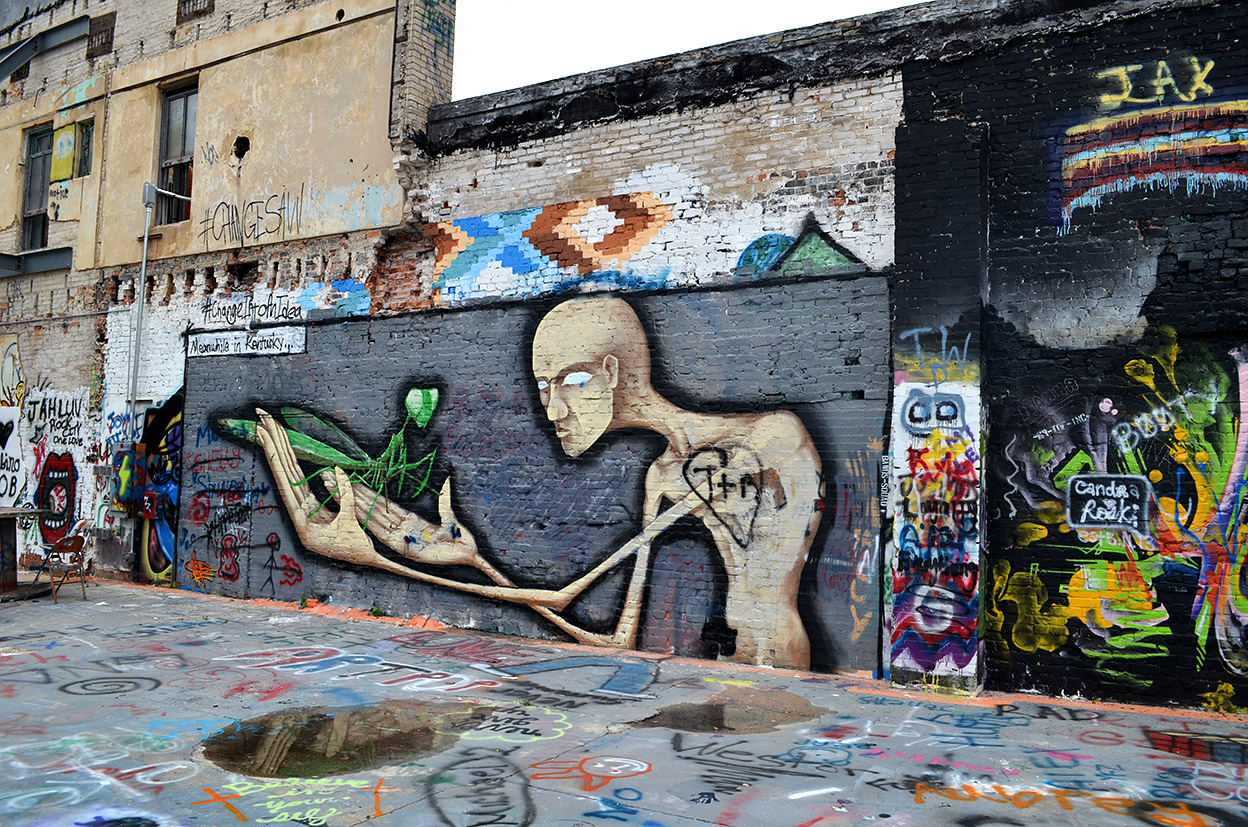
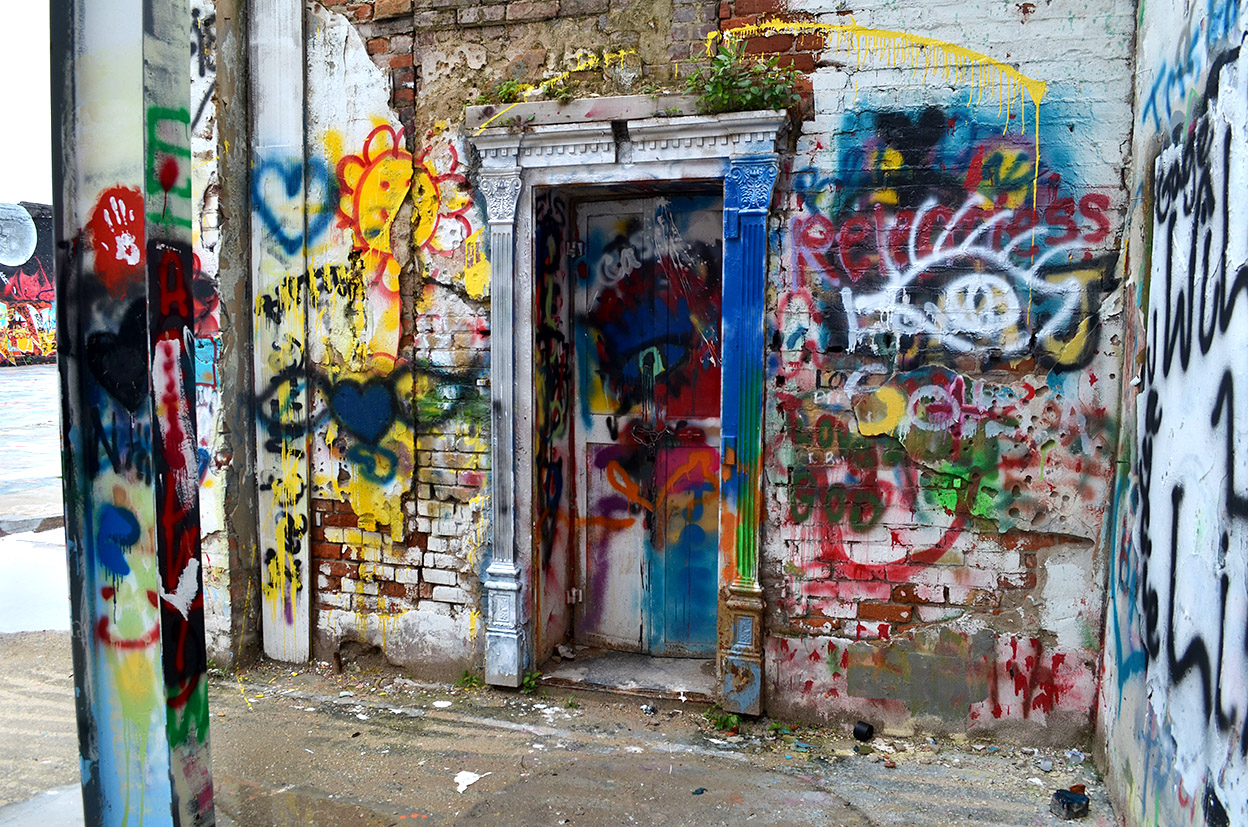
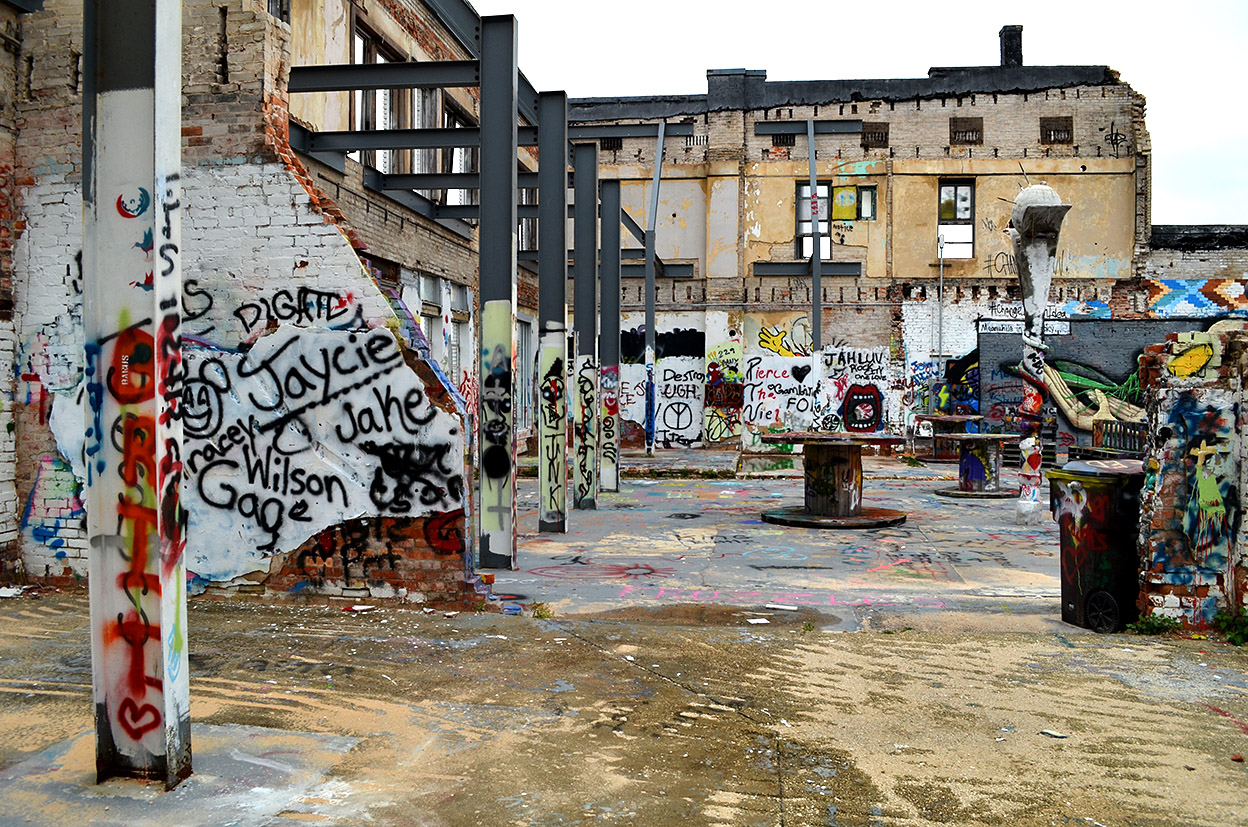
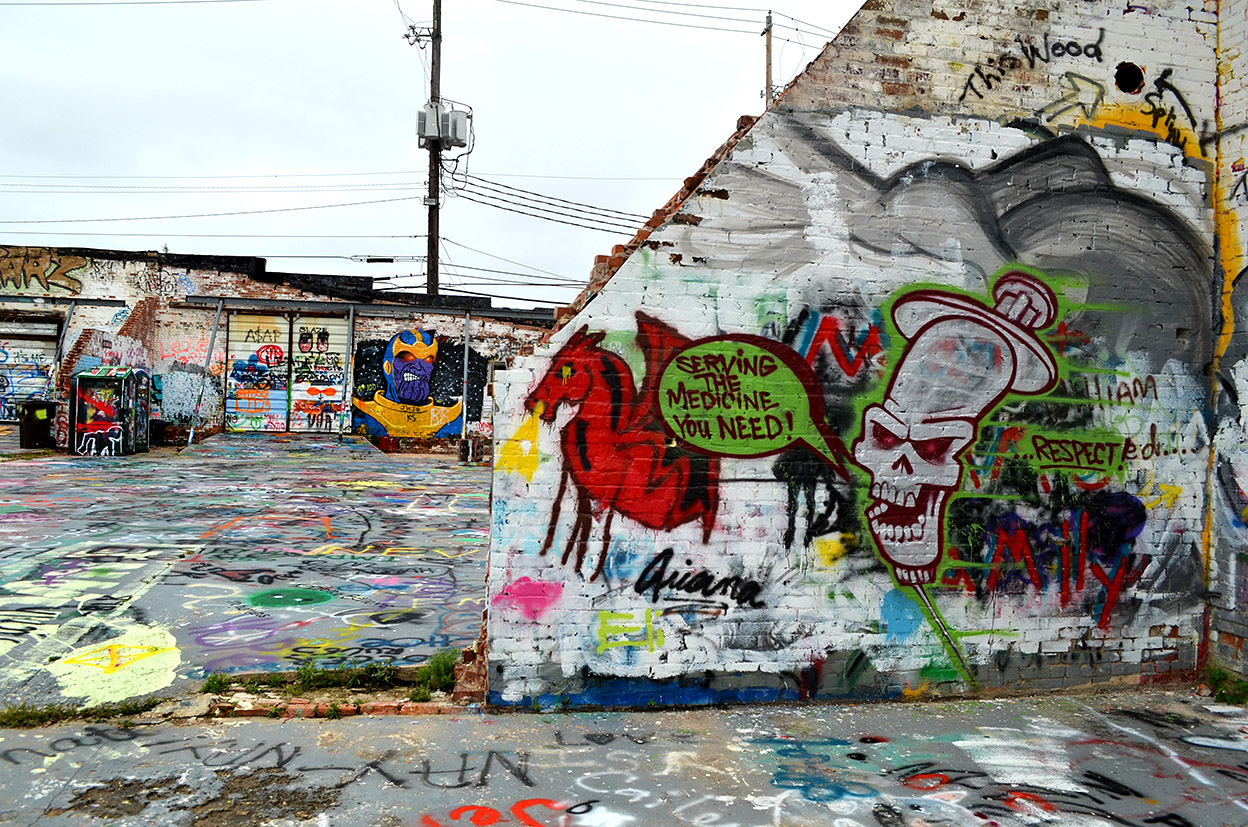
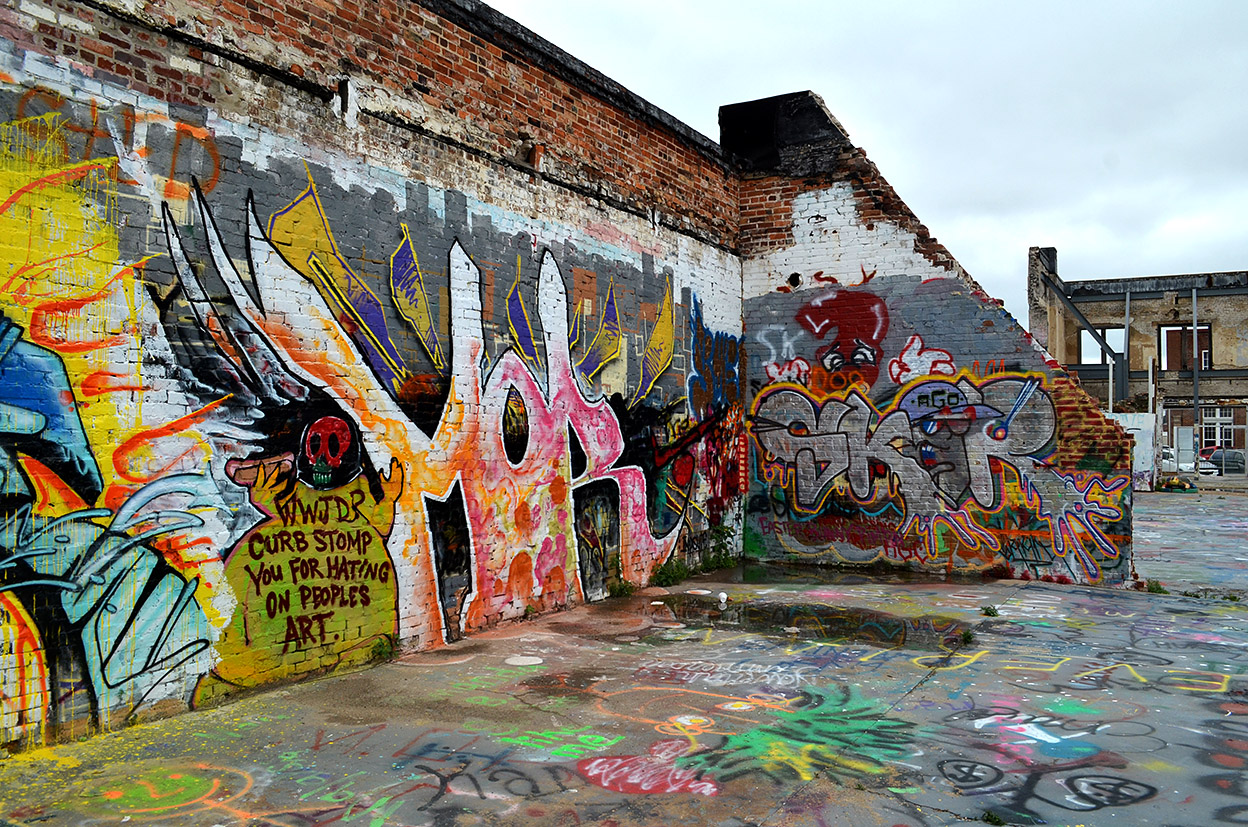
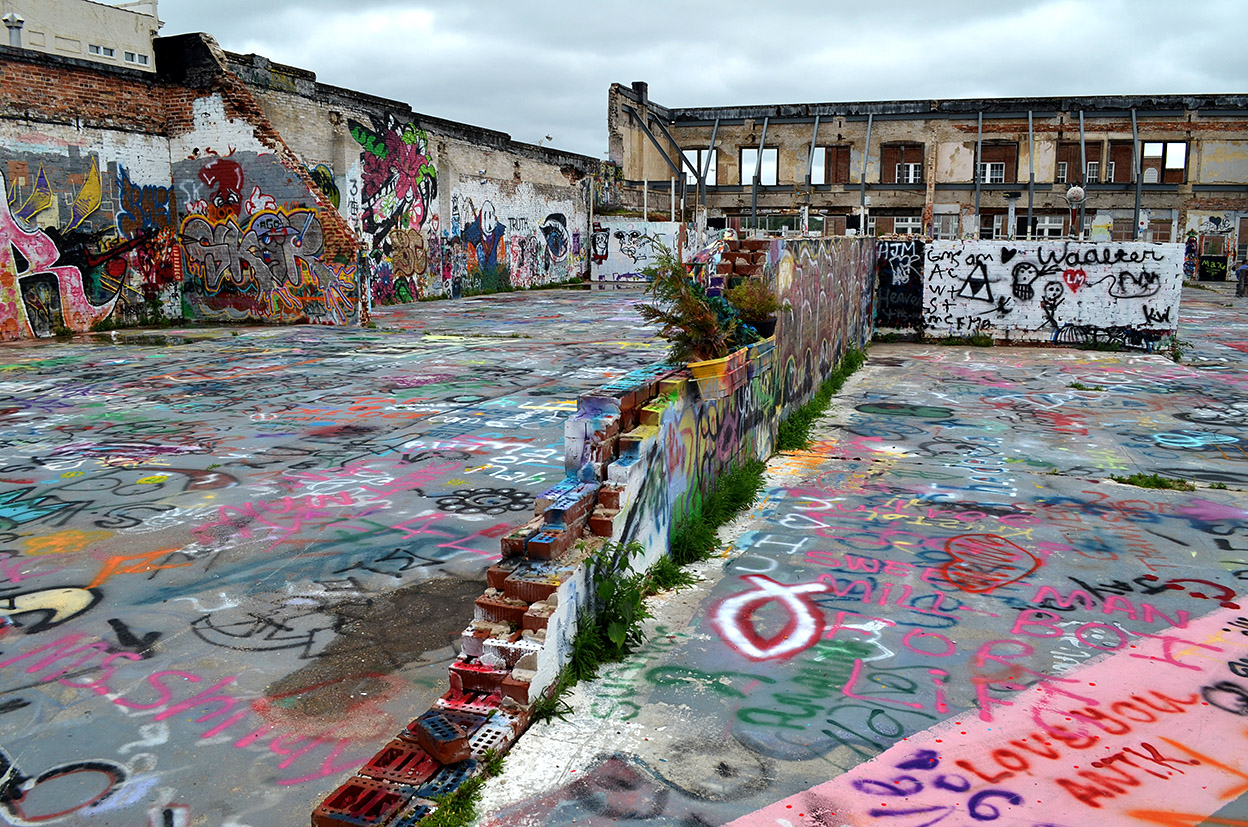
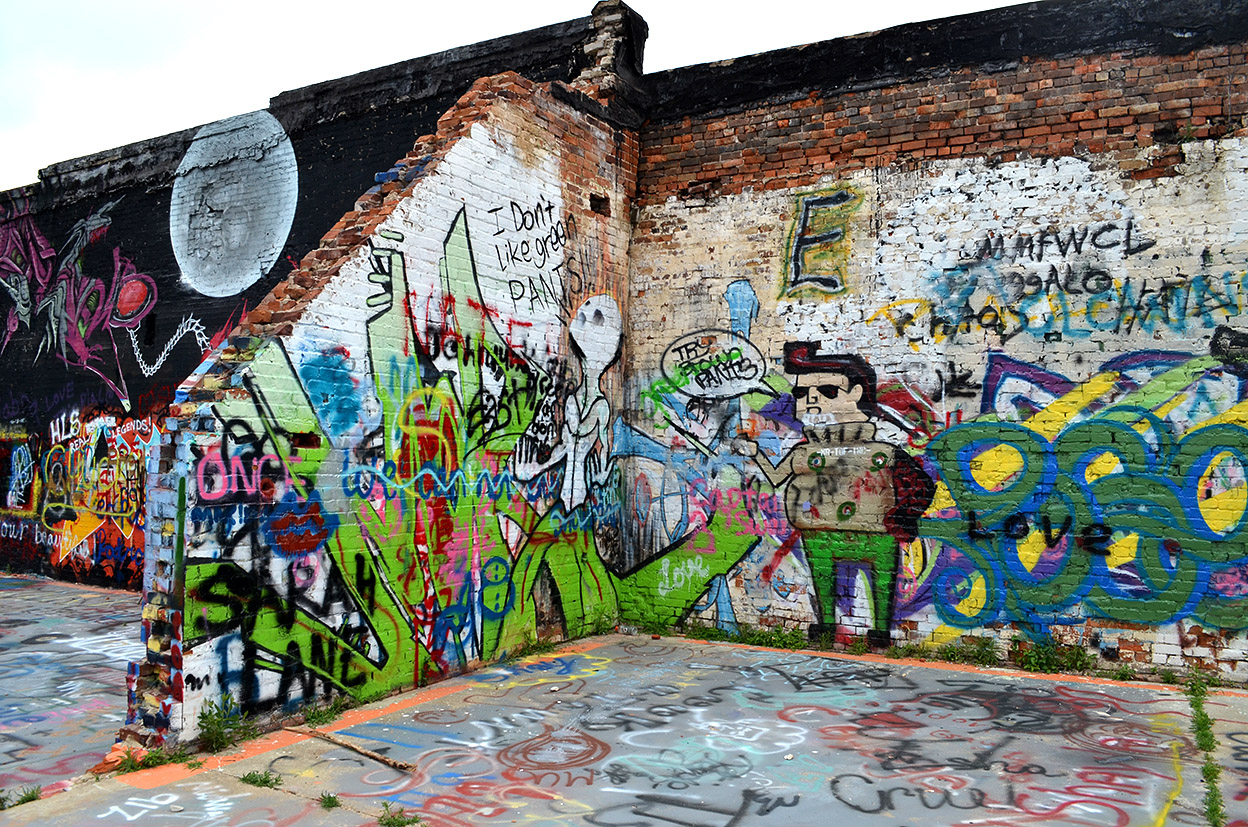
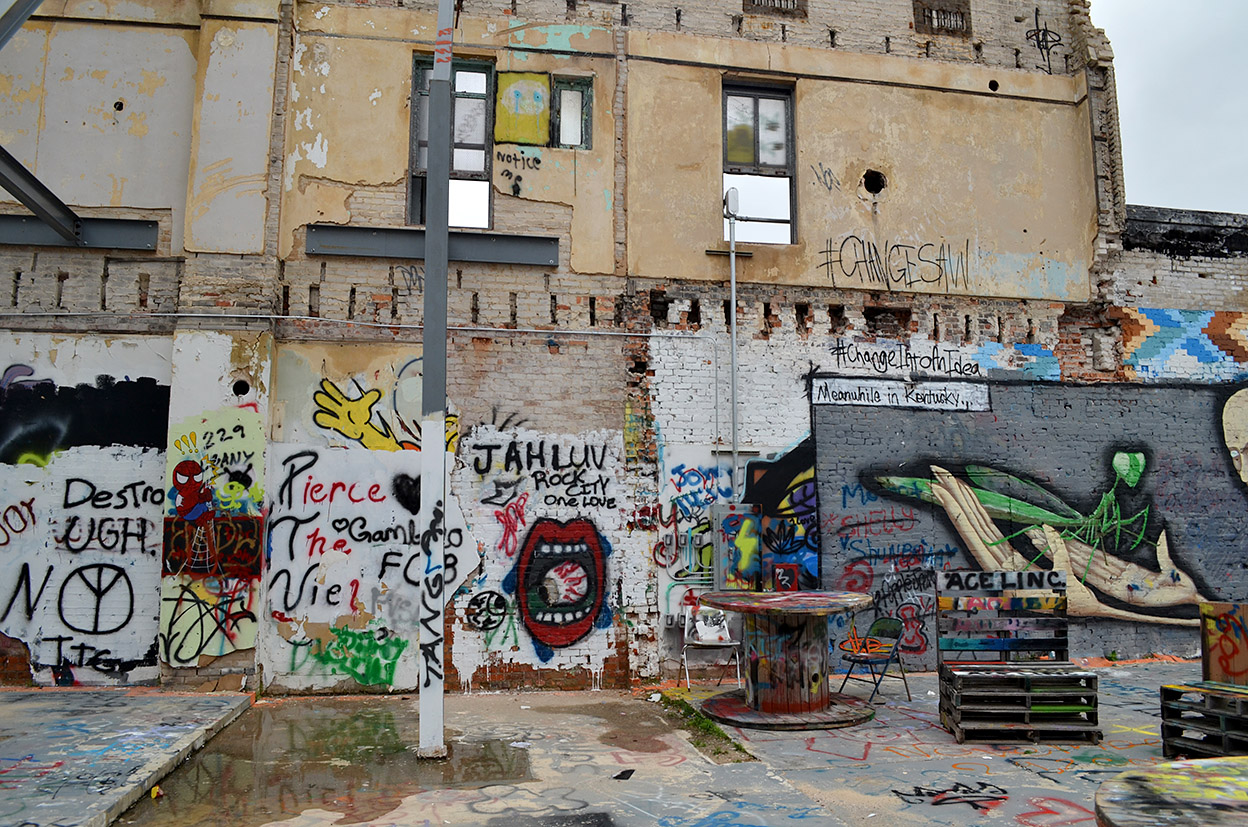
Albany GA Art Park 05-15-2014What we discovered was one of the most innovative uses of an old building I had ever seen. A local organization bought a neglected building, razed the upper floor to make it open to the sky, and beefed up the exterior walls. It became a huge open-air art gallery.

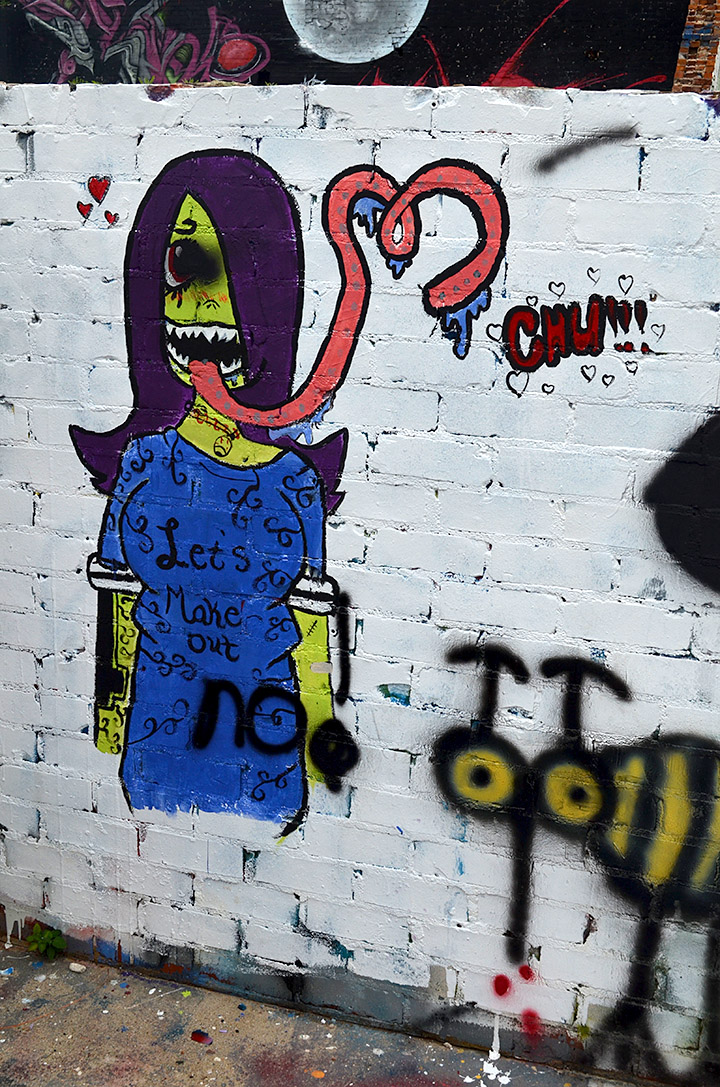
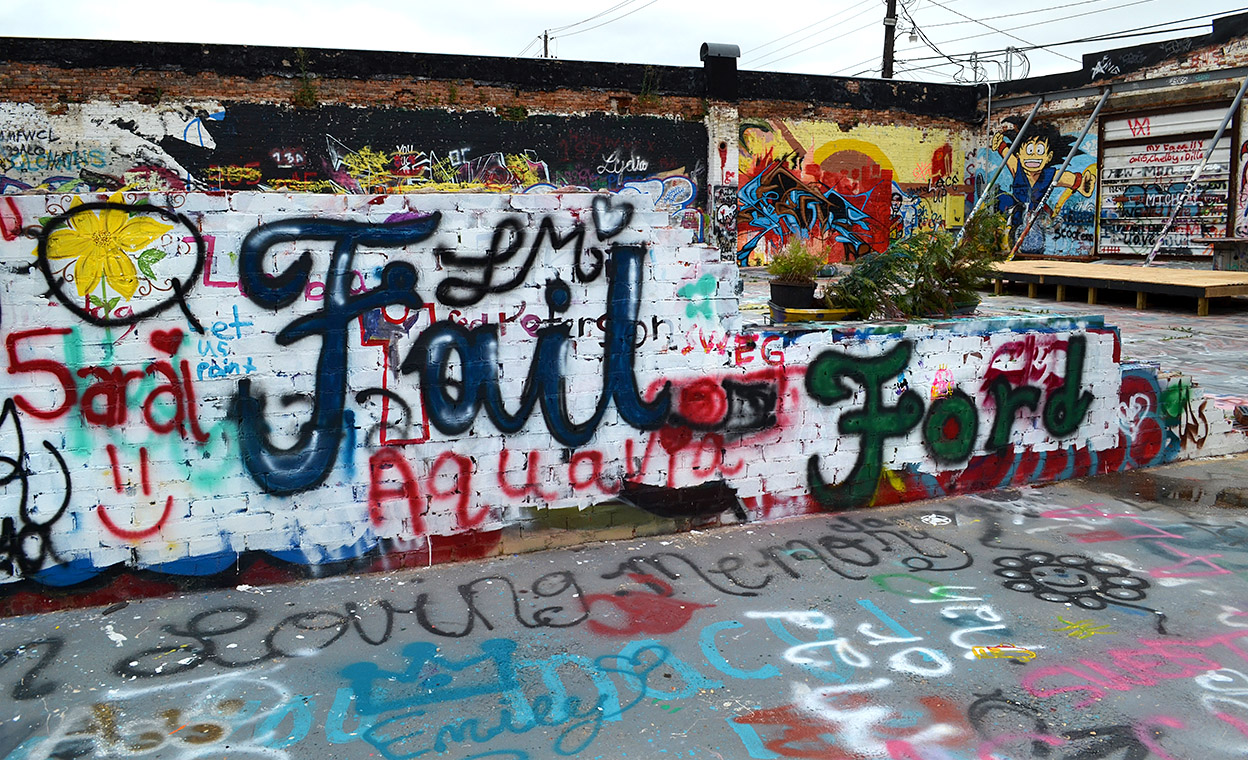
There was such a 3-dimensional feeling to the graffiti art and the surrounding walls that it was hard to tell what was art and what was reality.

We were a day early

Albany GA Art Park 05-15-2014The stuff we saw was, for the most part, the equivalent of finger exercises. A formal paint-off was held the day after we were there. News accounts I saw online showed some remarkable work. It’s sort of like the annual chalk street paintings held in Lake Worth, Florida.

Opportunities for other towns

Albany GA Art Park 05-15-2014Every place I’ve lived has more than its share of decaying buildings in its downtown areas. I’d love to see art parks like this pop up all over. It’s a great outlet for artists, and the images are fun to look at.

While we were walking around, we visited Ray Charles Plaza, the subject of yesterday’s blog post. We found a great local restaurant on the way of town. It had great food at a reasonable price, served without table cloths, candles or hanging ferns.

Art Park photo gallery

Click on any photo to make it larger, then use your arrow keys to move through the gallery.