Ohio University Post

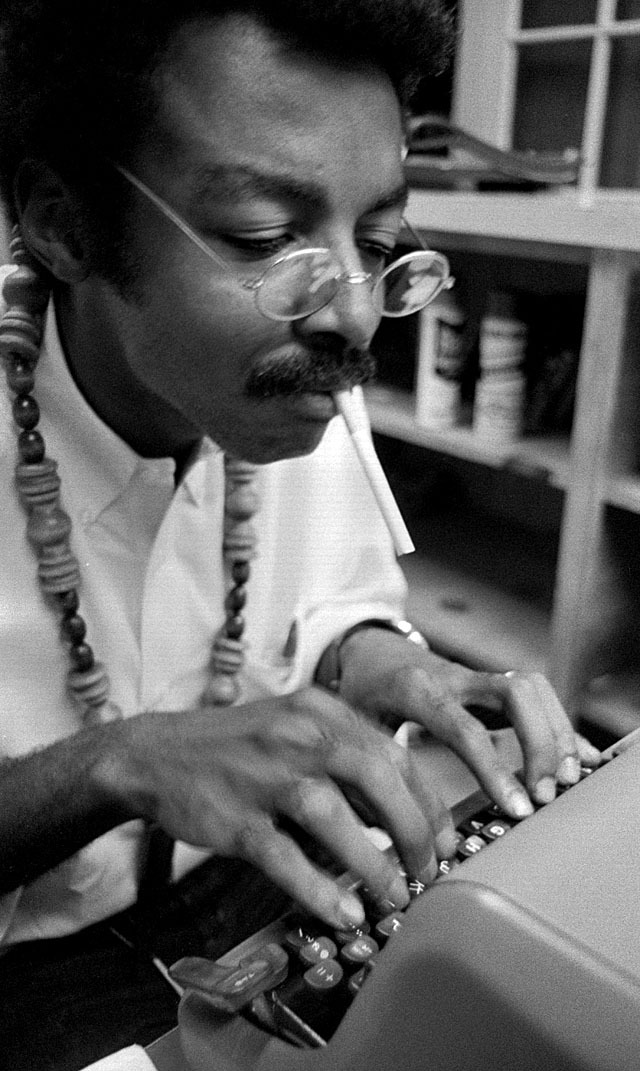
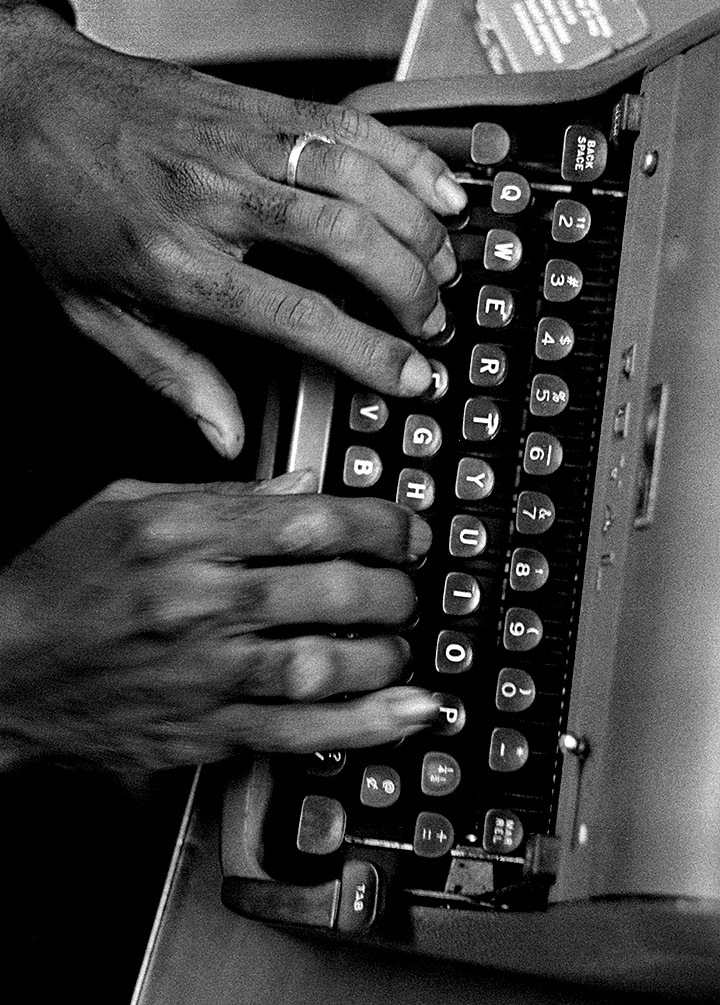
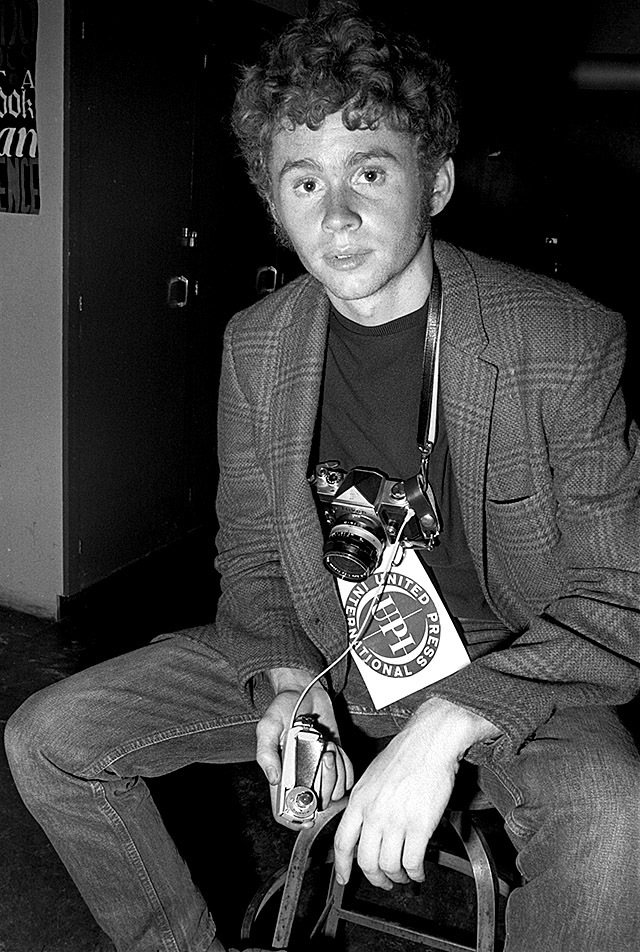
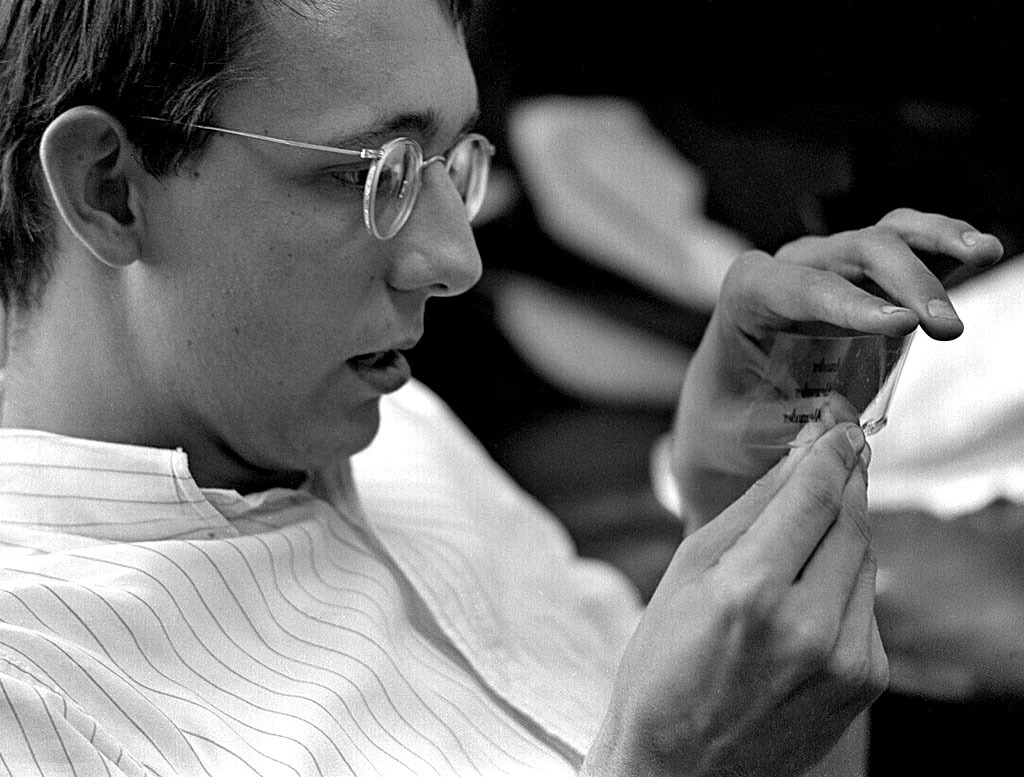
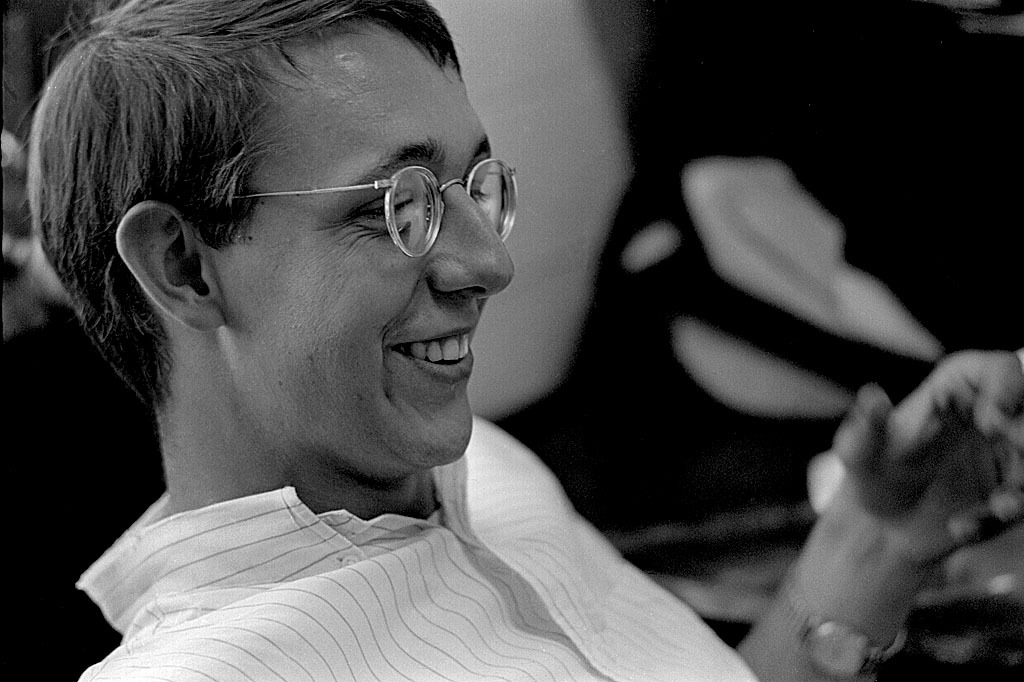
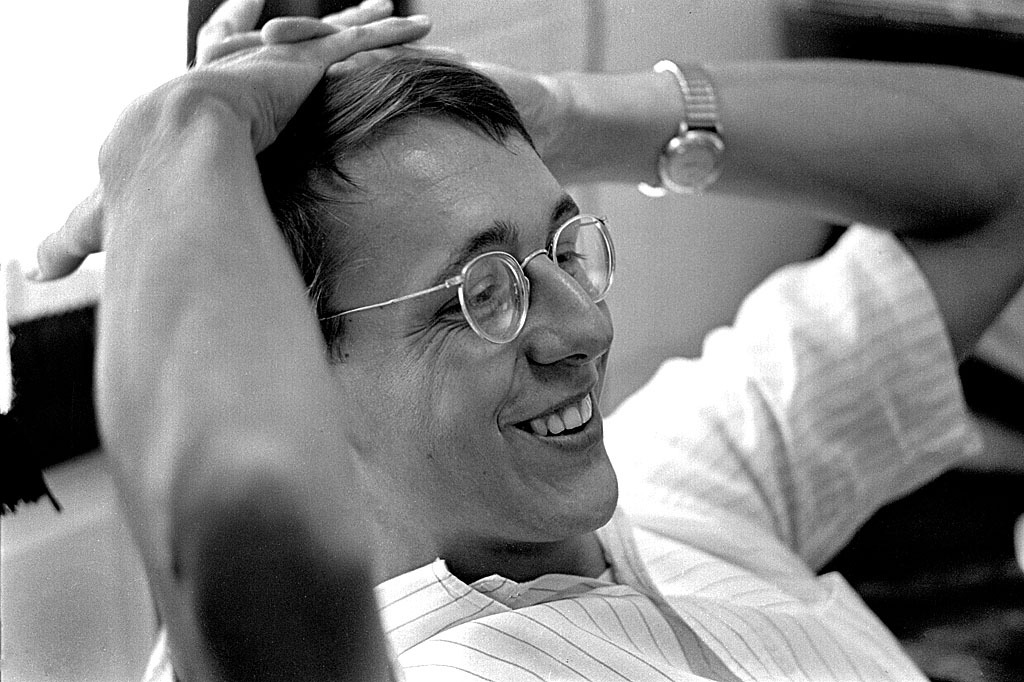
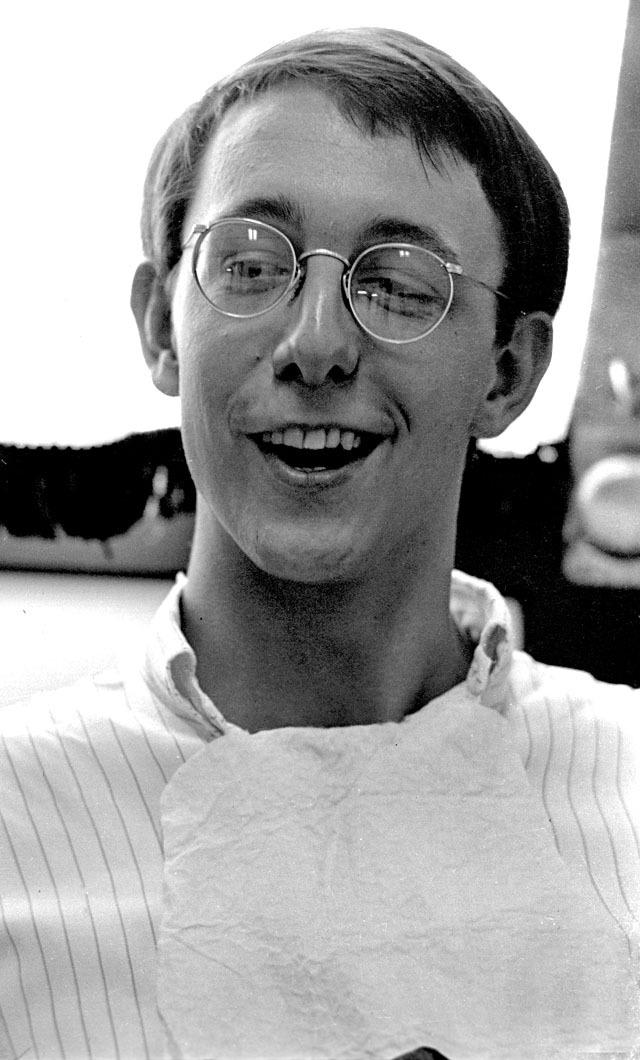
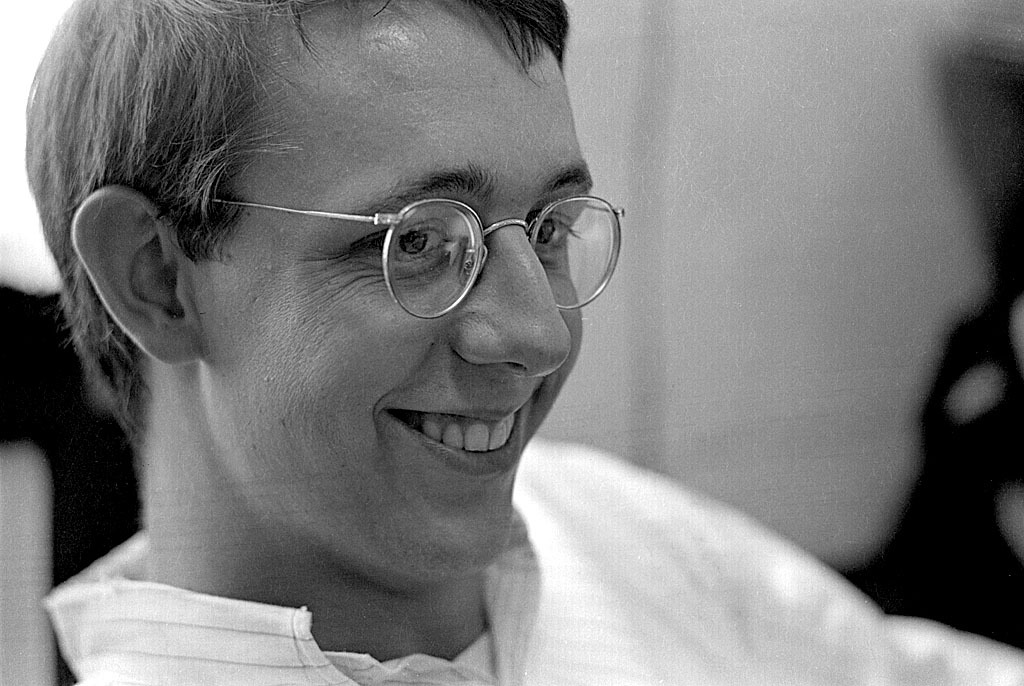
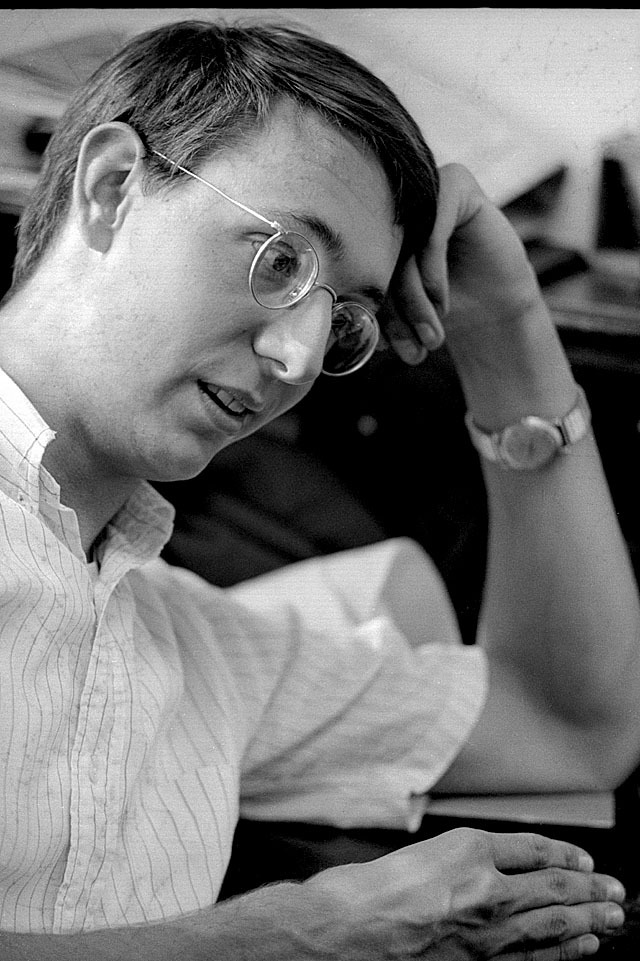
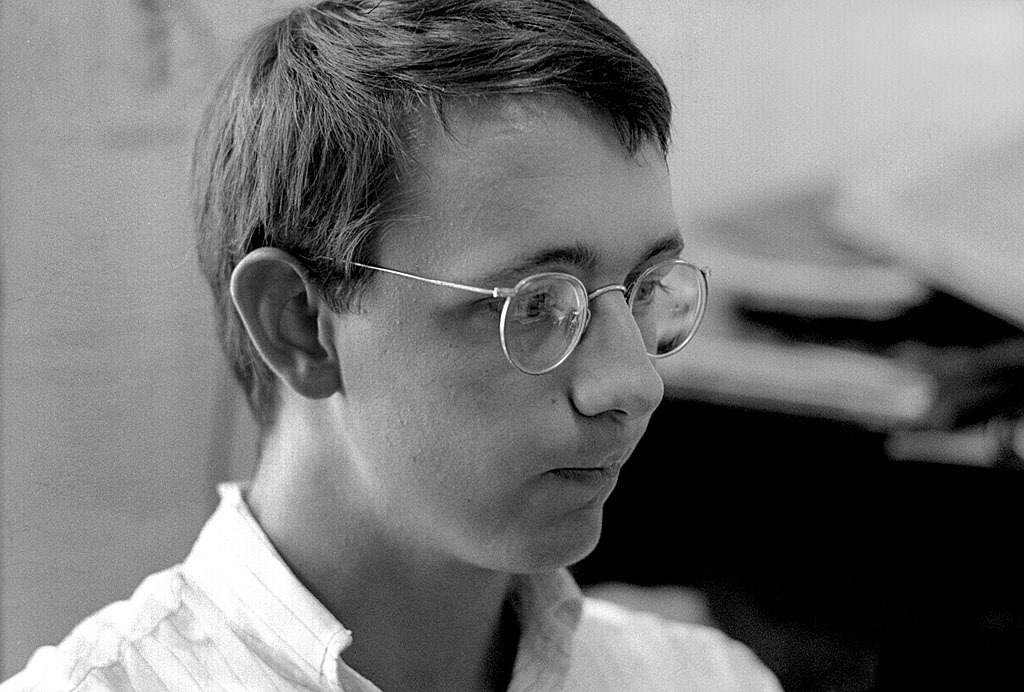
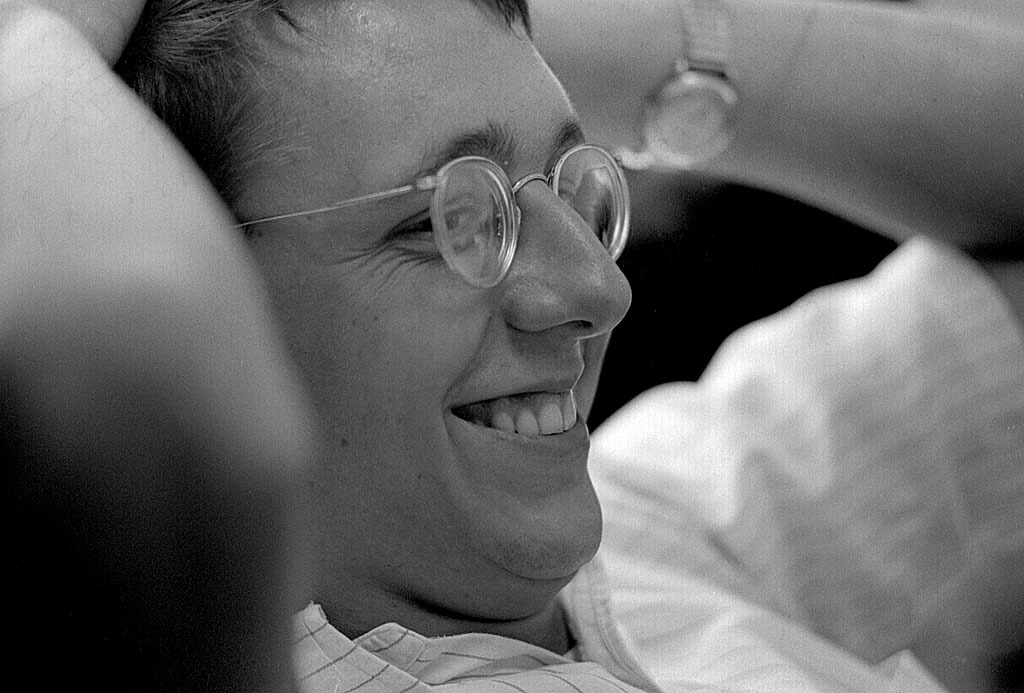
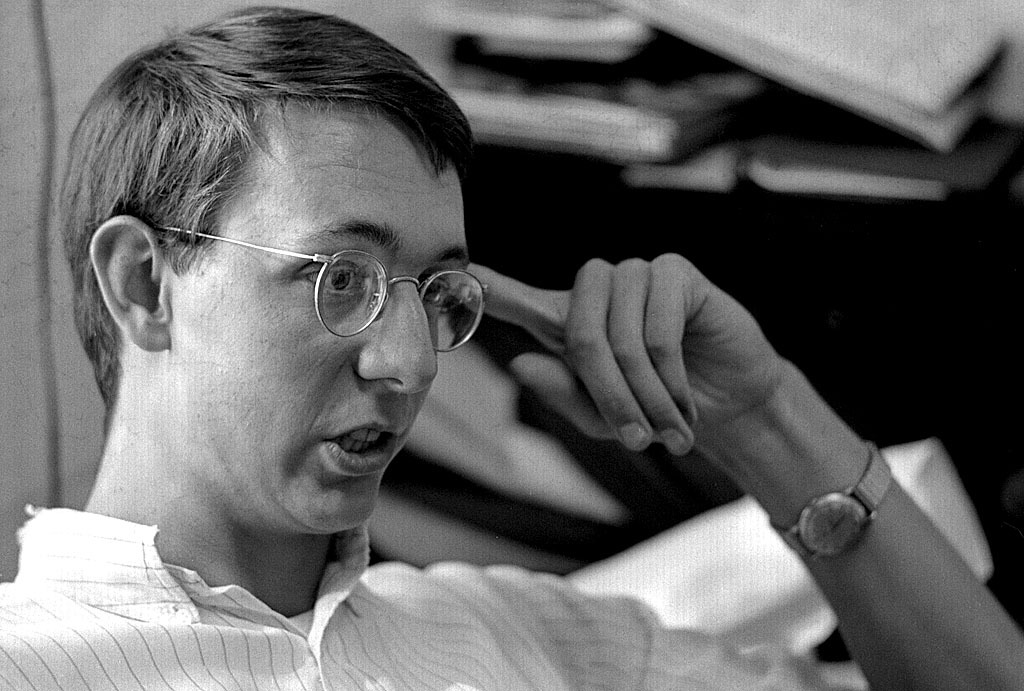
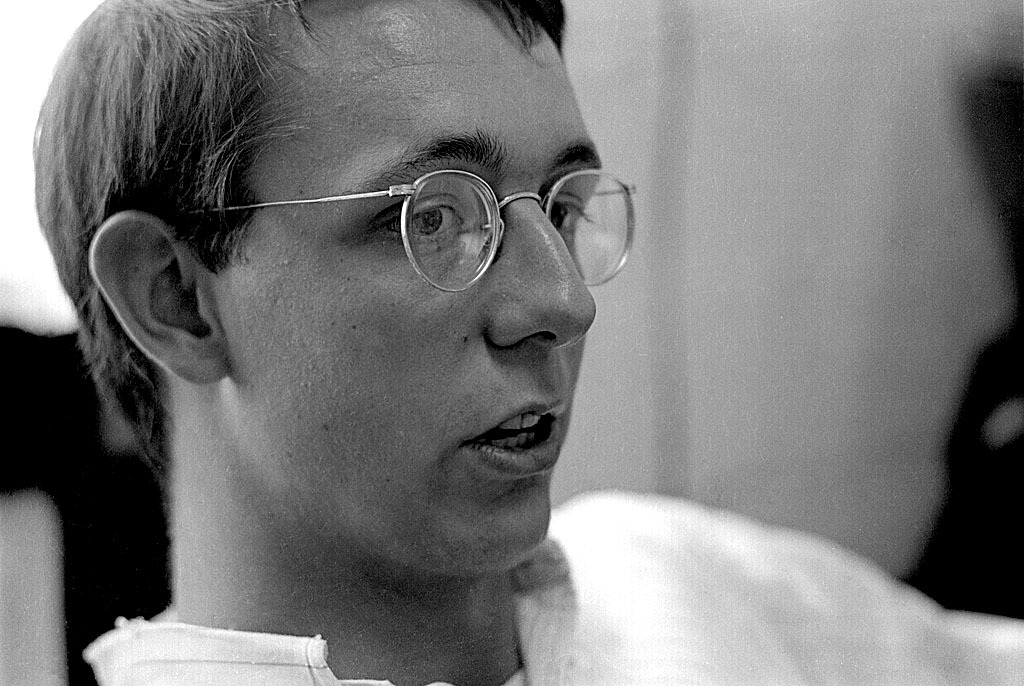
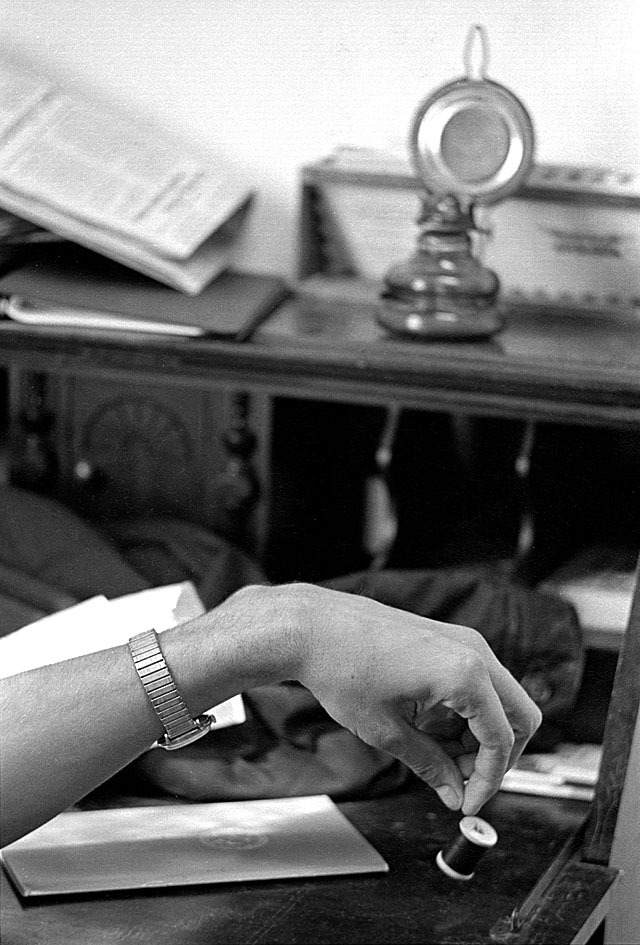
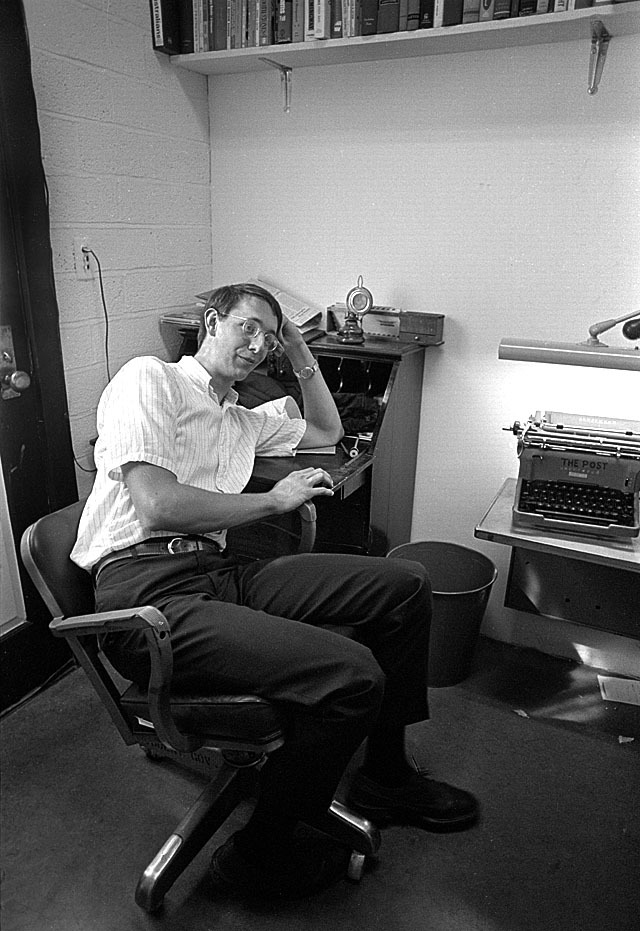
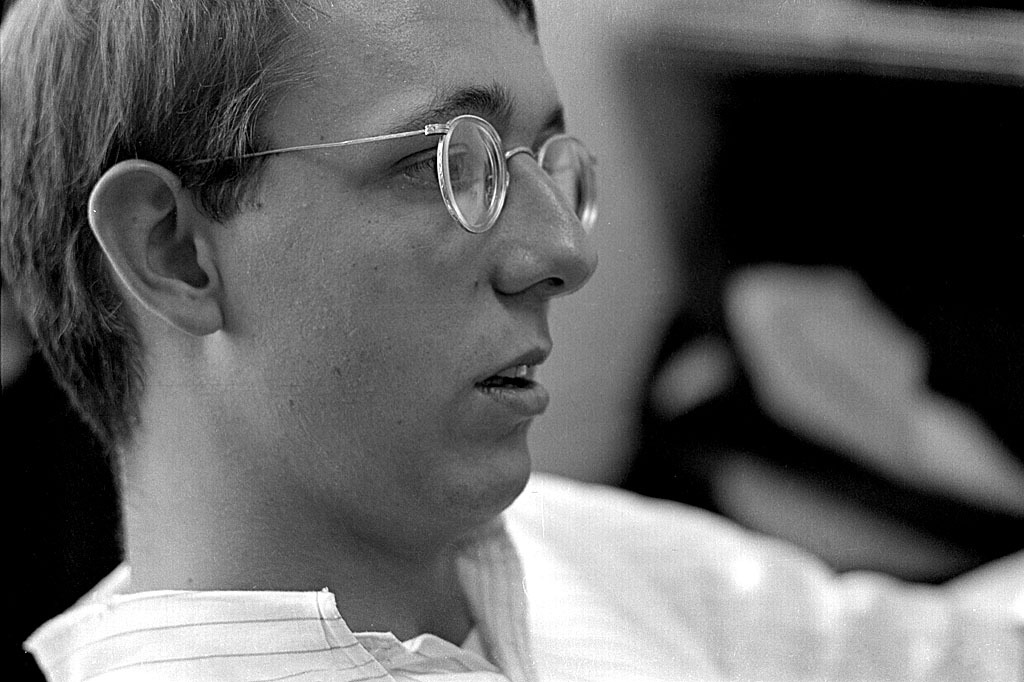
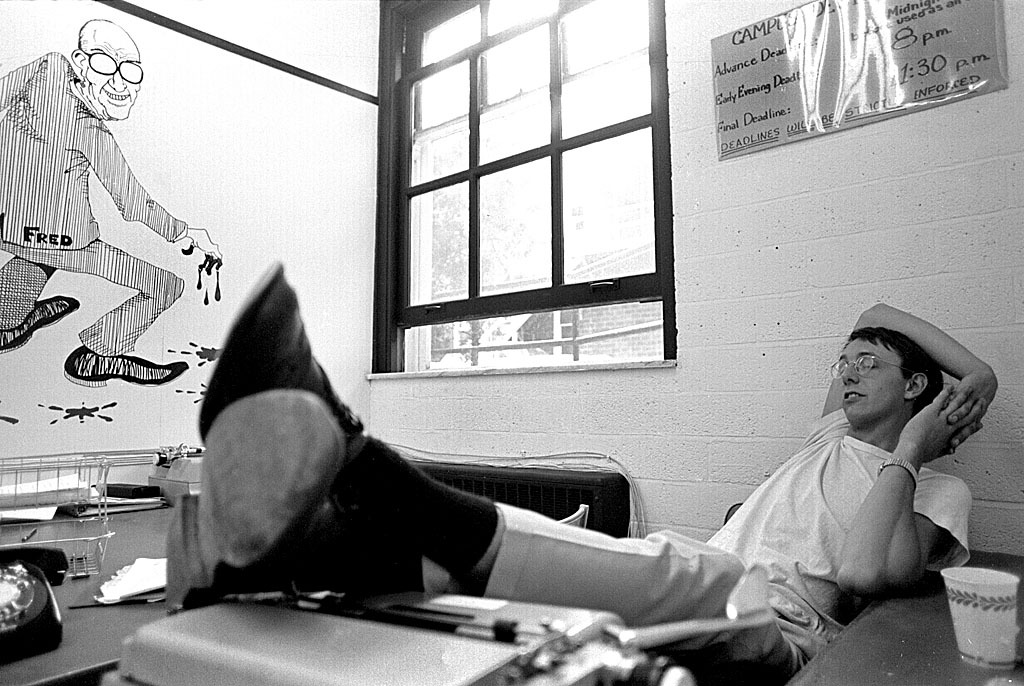
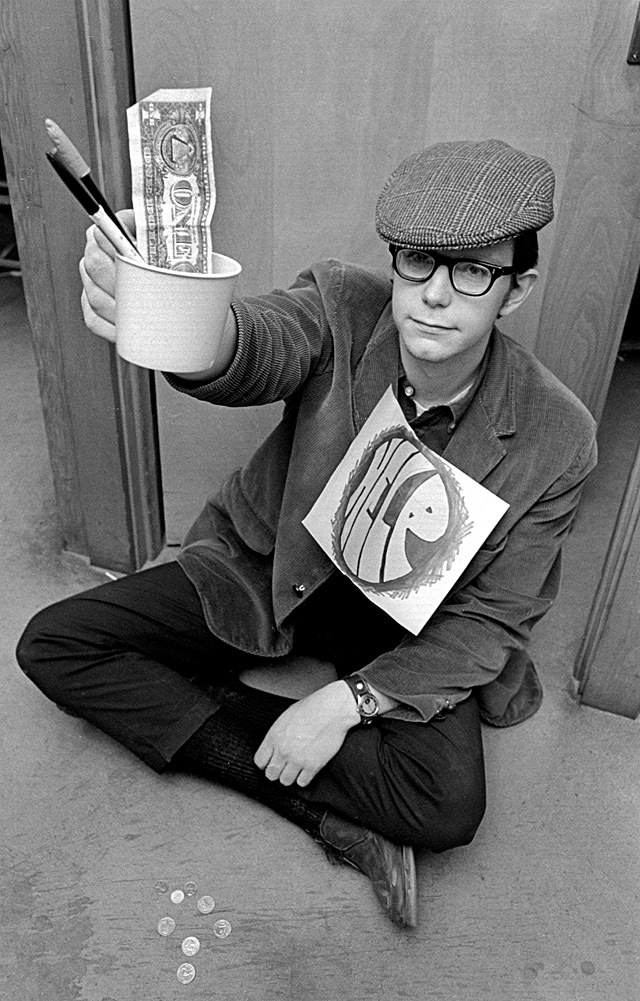
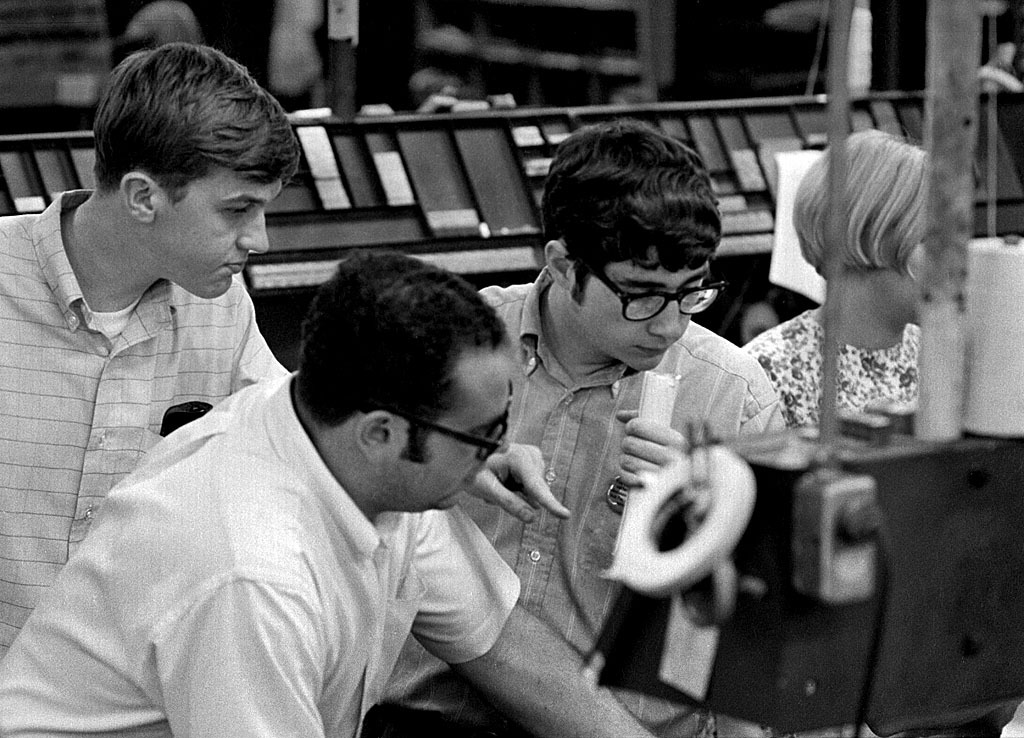
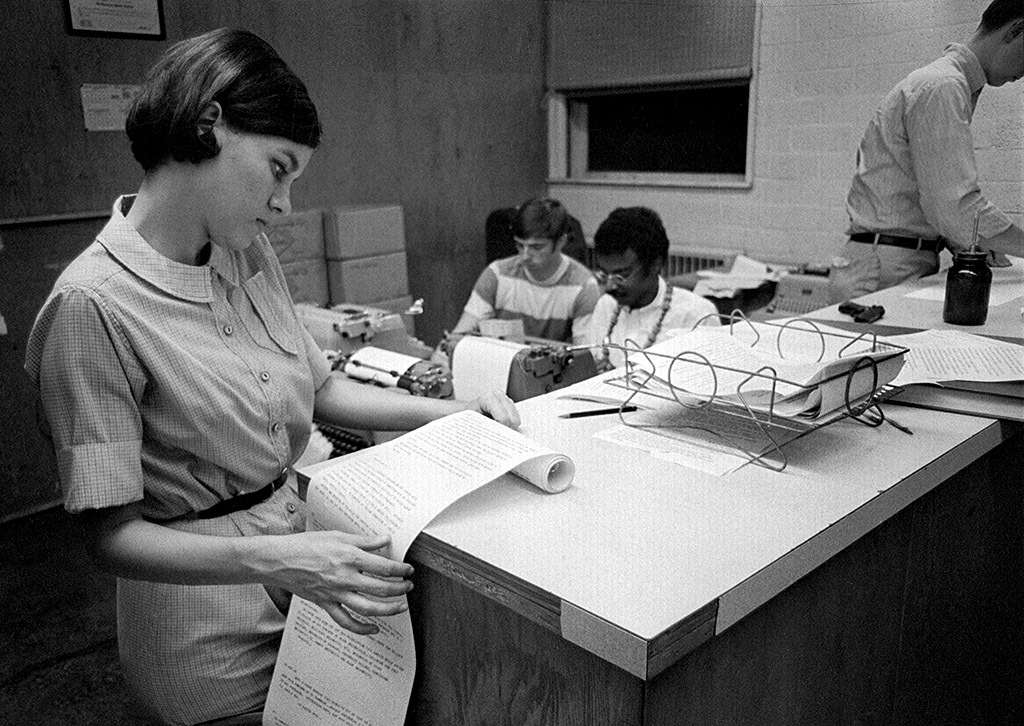
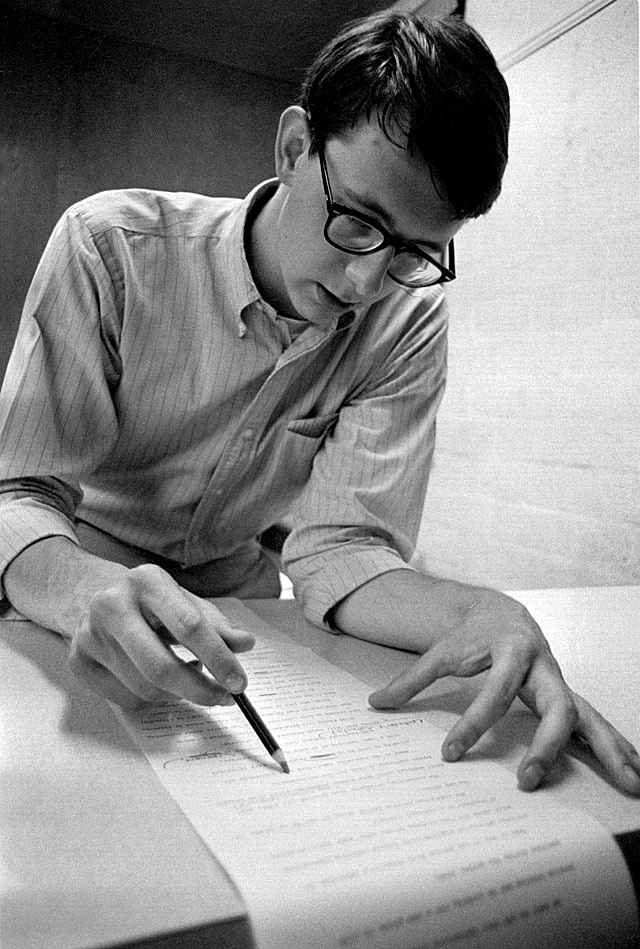
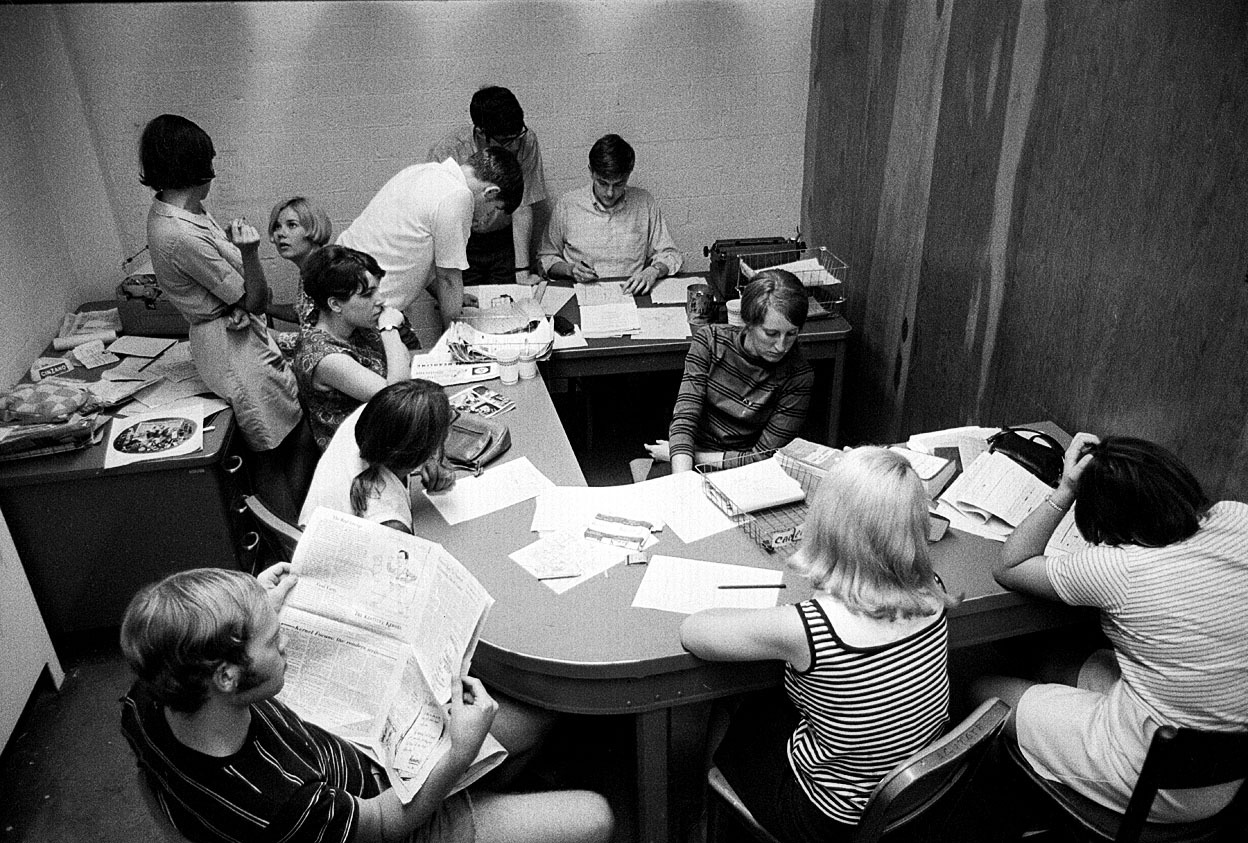
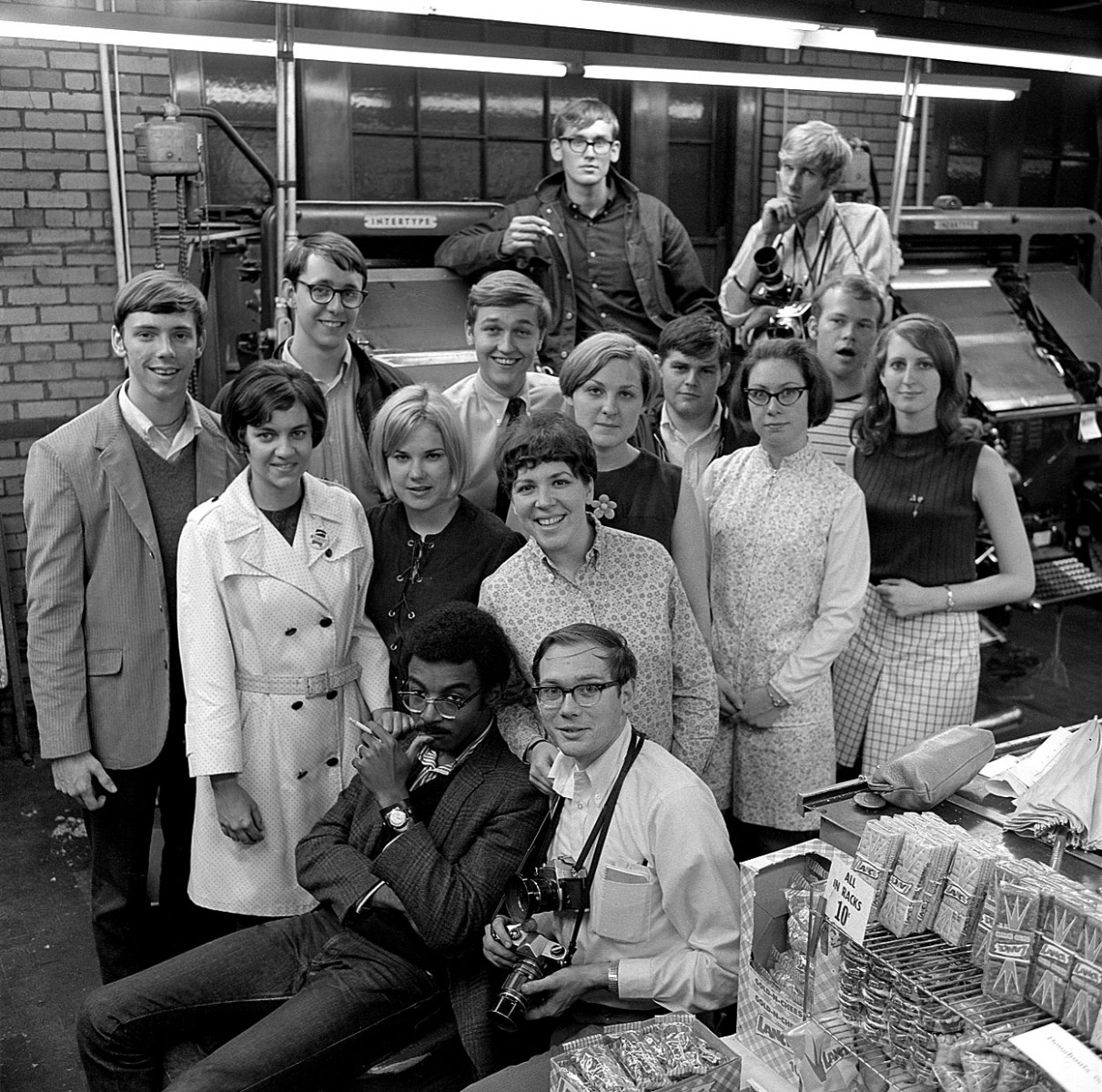
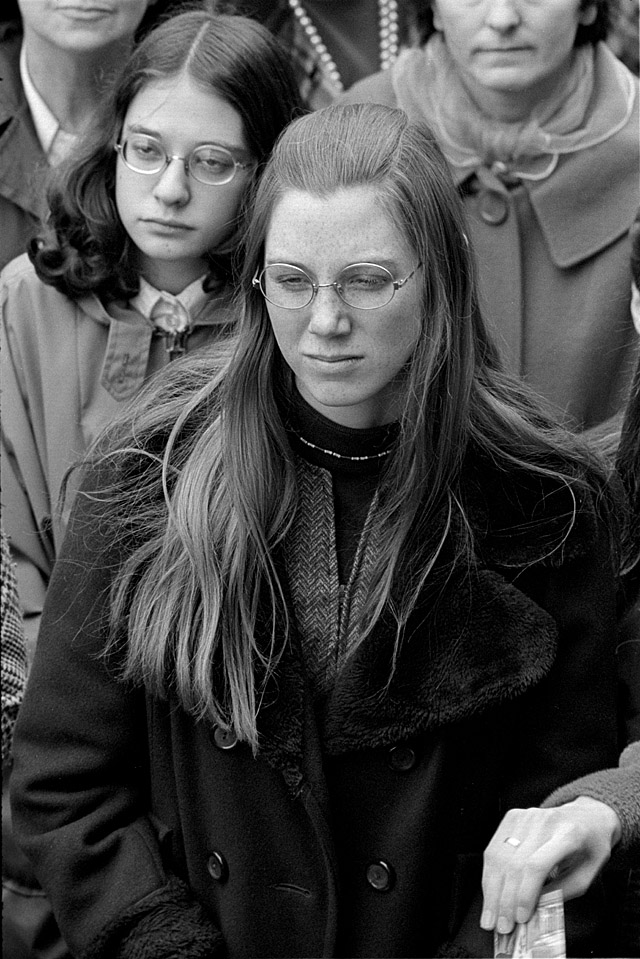
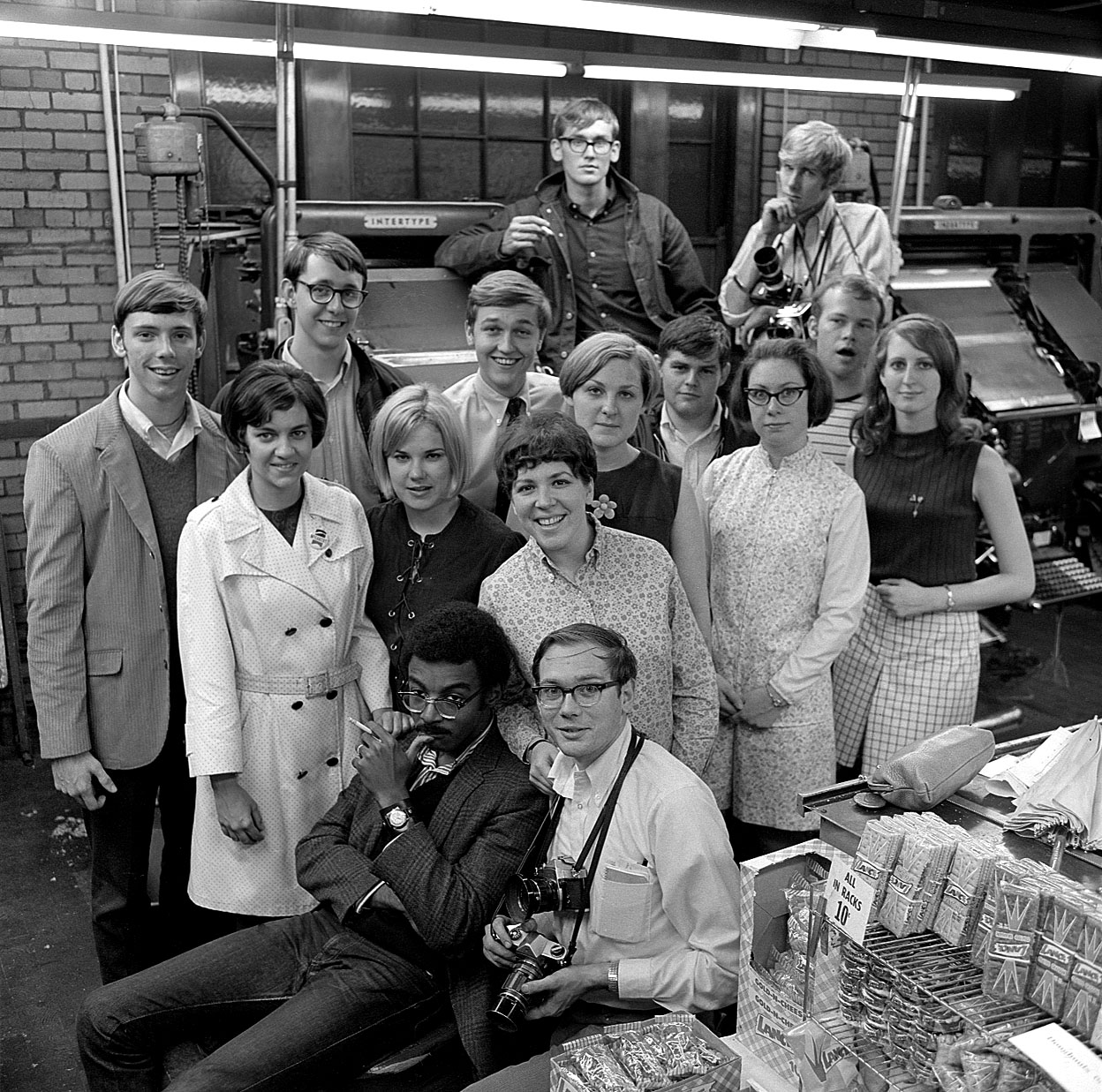
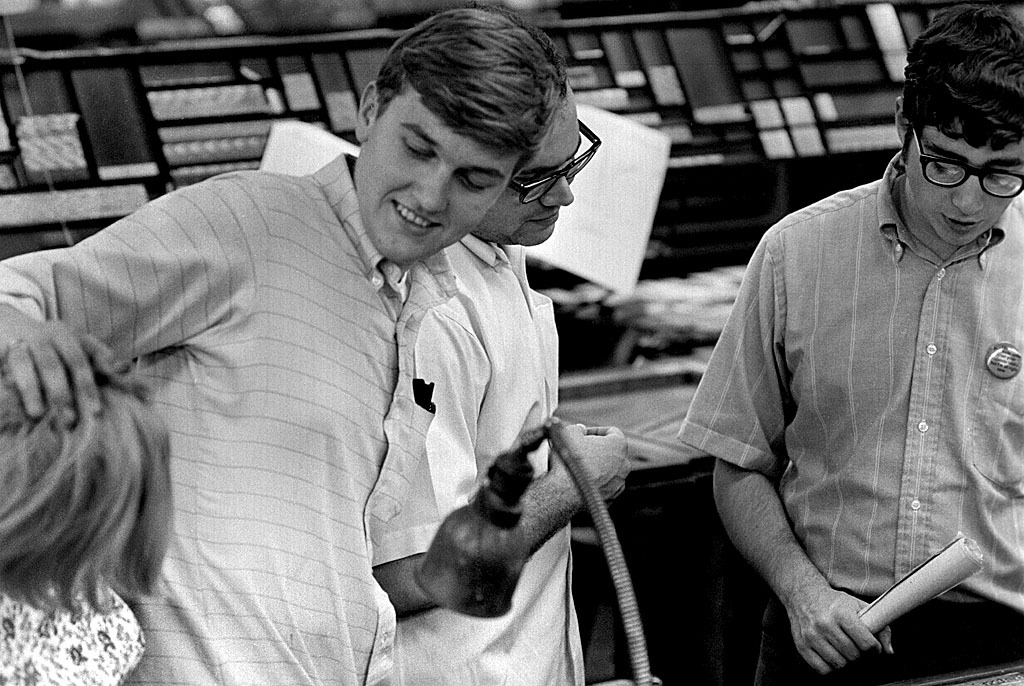
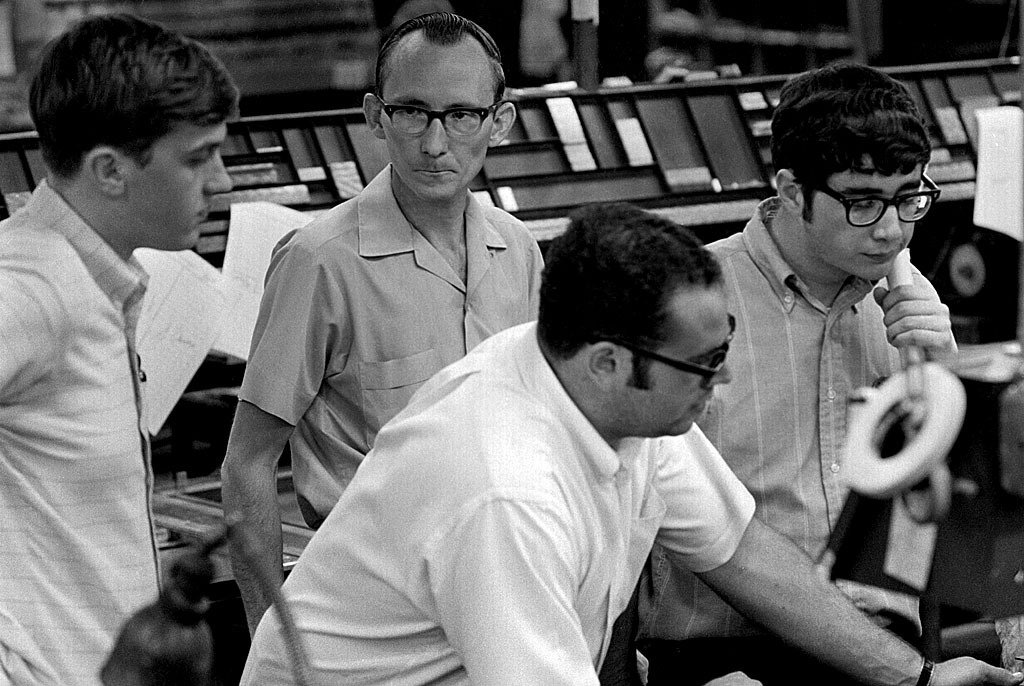
I’m going to stray off the Cape Girardeau reservation to run some photos of folks I worked with at The Ohio University Post in Athens, Ohio, in 1967 and 1968. April Fool’s Day is as good a time as ever to publish them. The student newspaper is celebrating its 100th year with a special alumni reunion April 13-15. Despite what some folks might think, I was NOT around in 1912 when the paper launched as The Green and White.

The event organizers are looking for photos of old staffers (old as in age AND as in former). You regular readers can tune out for a day while I wallow in Ohio nostalgia for a day or so. Click on any photo to make it larger.

The OU Post saved my college career
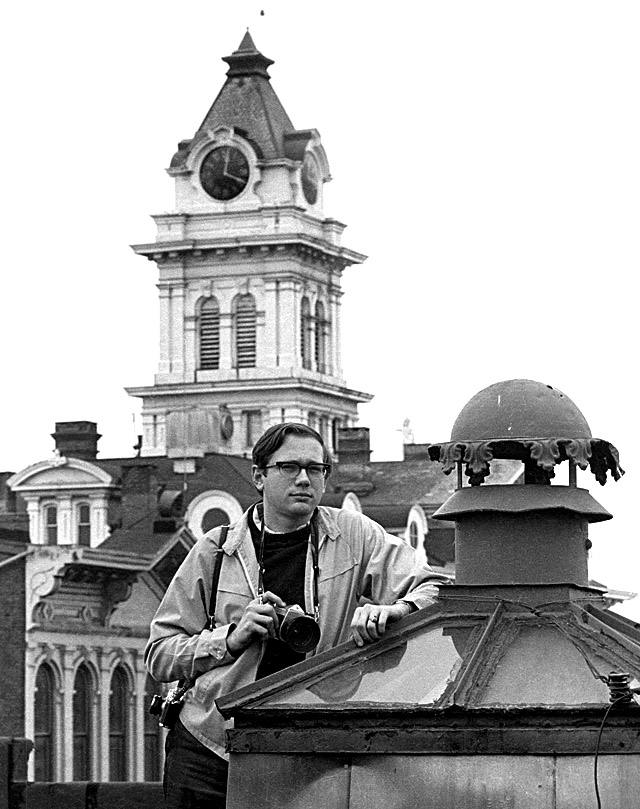
I was woefully unprepared for life in a big, impersonal university when I transferred in as a junior. It was a good thing my first stop after unpacking my bags in the dorm room I shared with two freshmen was The Post.

See, regular students in the Fine Arts program worked in gang darkrooms using chemicals mixed by other students who may or may not care if they got it right. The darkroom equipment was old and abused. I was used to working in my own darkroom where everything was well-maintained and everything had a place.

Post photo editor Walt Harrison saw my portfolio and hired me on the spot. He saw I was an experienced newspaper photographer, but didn’t know that I was a lousy technician with no formal training. When you print for newspaper publication, for example, you print differently than you do for prints that hang on the wall. Newspaper photos are made up of tiny dots that transfer ink to the equivalent of splintery toilet paper. The process causes the image to pick up contrast, so you have to print “flat” when you send it back to the engravers or it won’t reproduce properly.

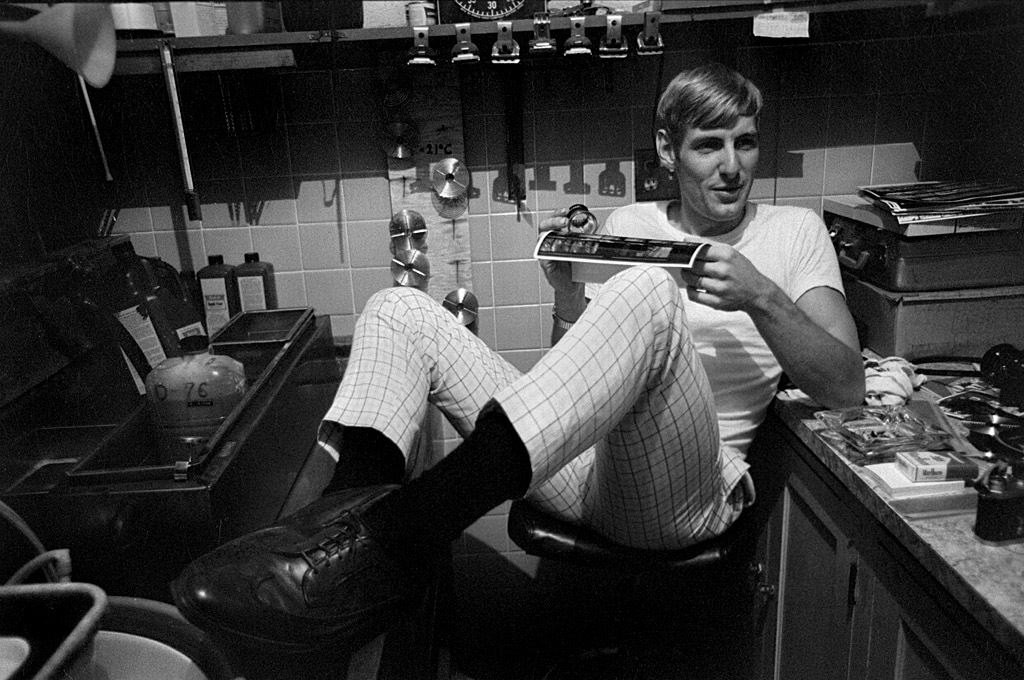
Tiny, but efficient darkroom
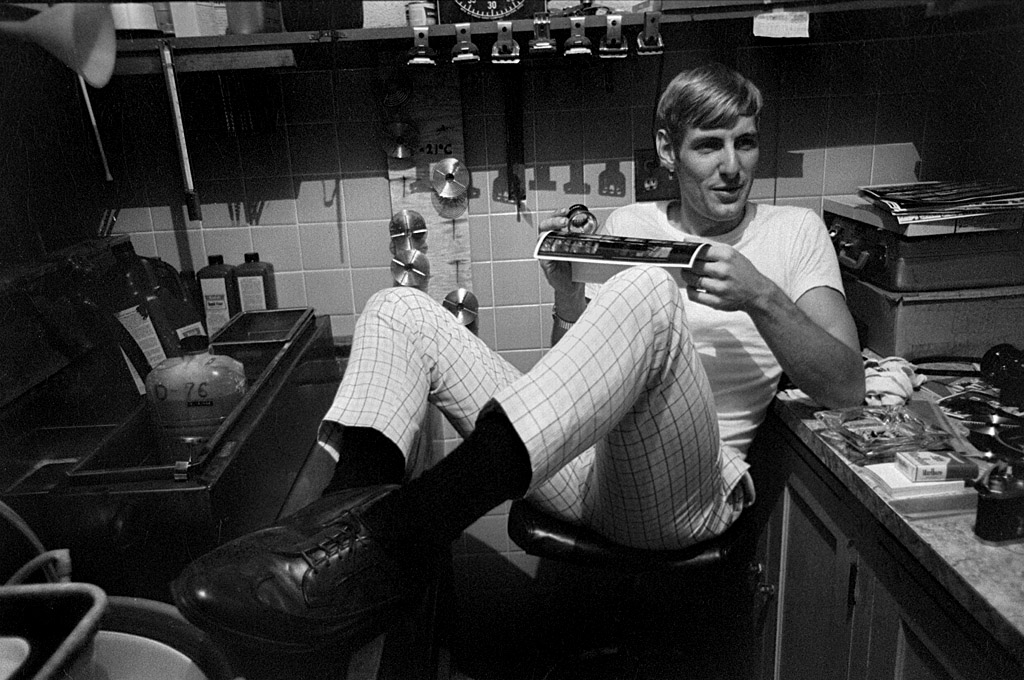
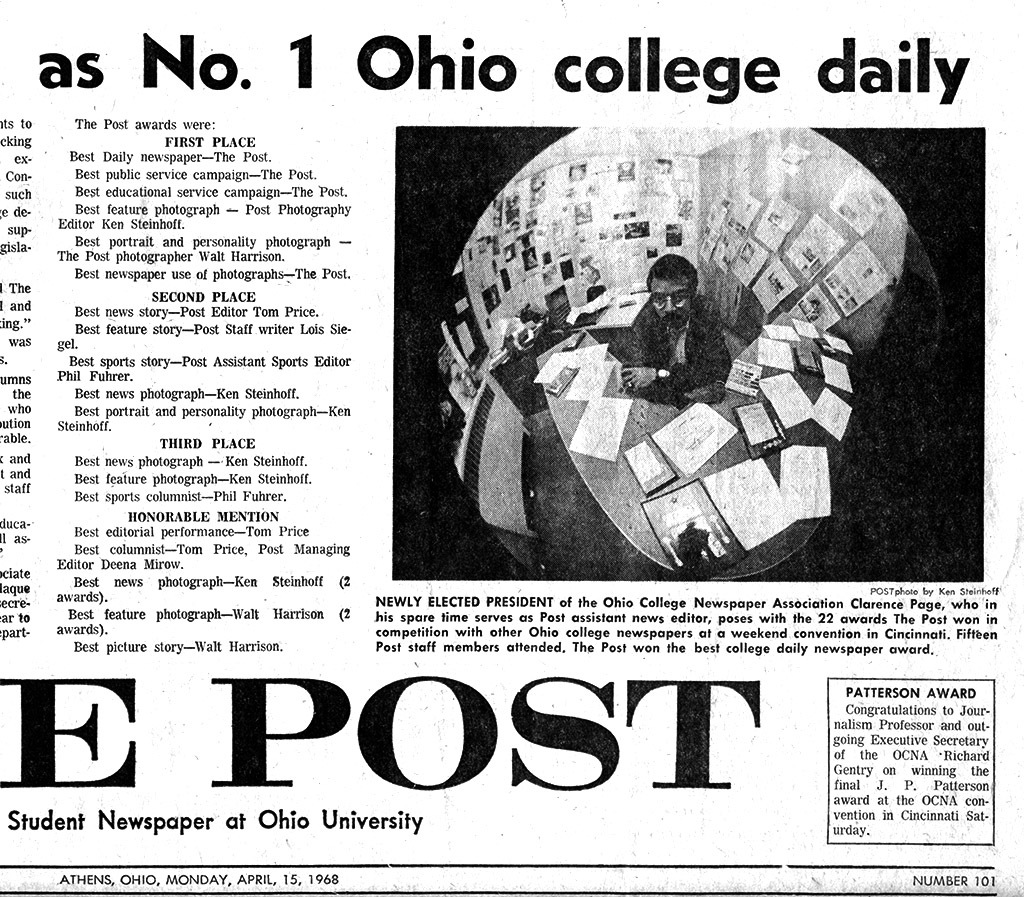
I couldn’t understand why my instructors kept kicking my prints back for being flat. Fortunately, the folks on The Post and the Athena yearbook gave me the help and criticism I needed to understand what I needed to do. One night I went to cover a routine assignment, then made the first “good” print of my career to that point. A light went off in my head and I suddenly got it. My work steadily improved from that point as I grew in confidence. I cleaned up in the Ohio College Newspaper Association contest that year because most student photographers don’t have as much hard news in their portfolios.

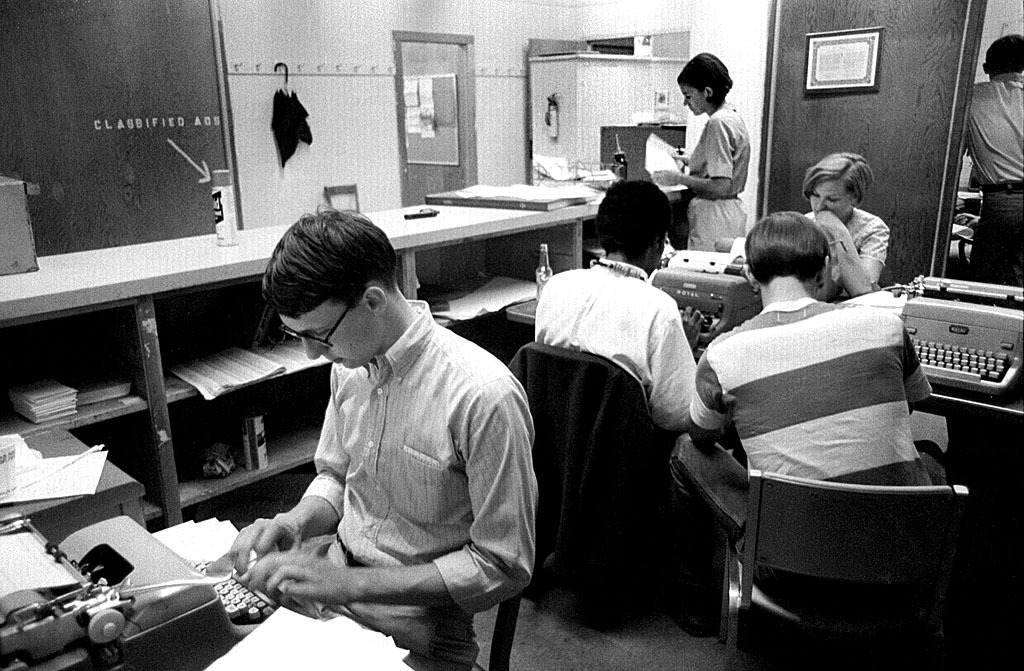
When Walt stepped down as photo editor, I took over his job. I didn’t even know it was a paid position until I got a check at the end of the school year. It didn’t make any difference to me: all I knew was that I had a darkroom shared with only two or three other shooters, a boundless supply of film and paper, and a bunch of accomplished photographers who weren’t shy about critiquing my work. I learned more from them than from any of my classes.

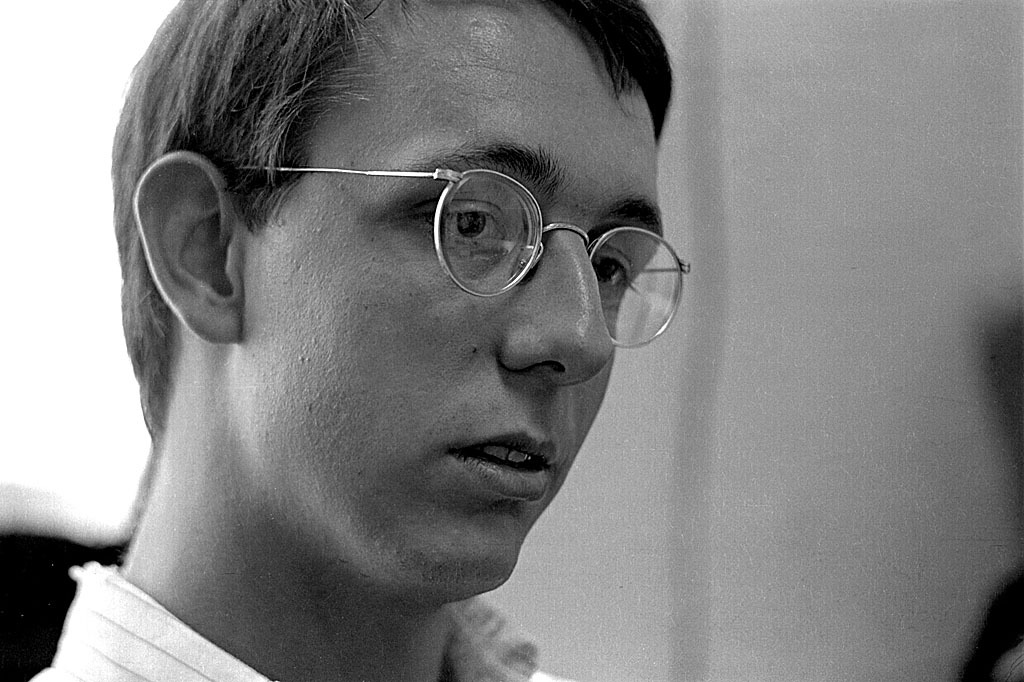
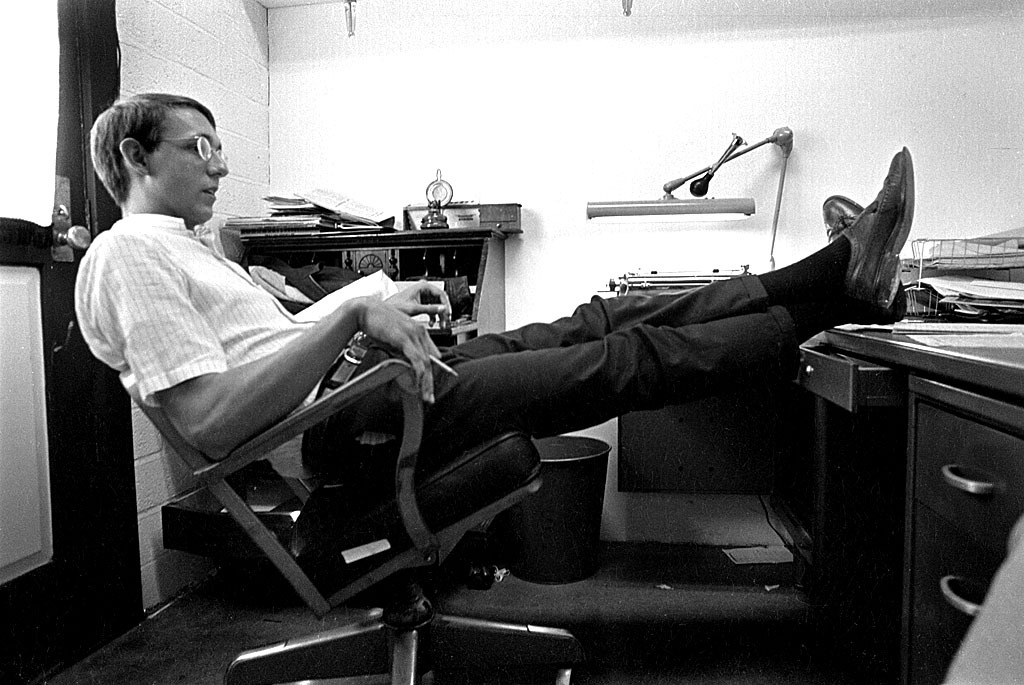
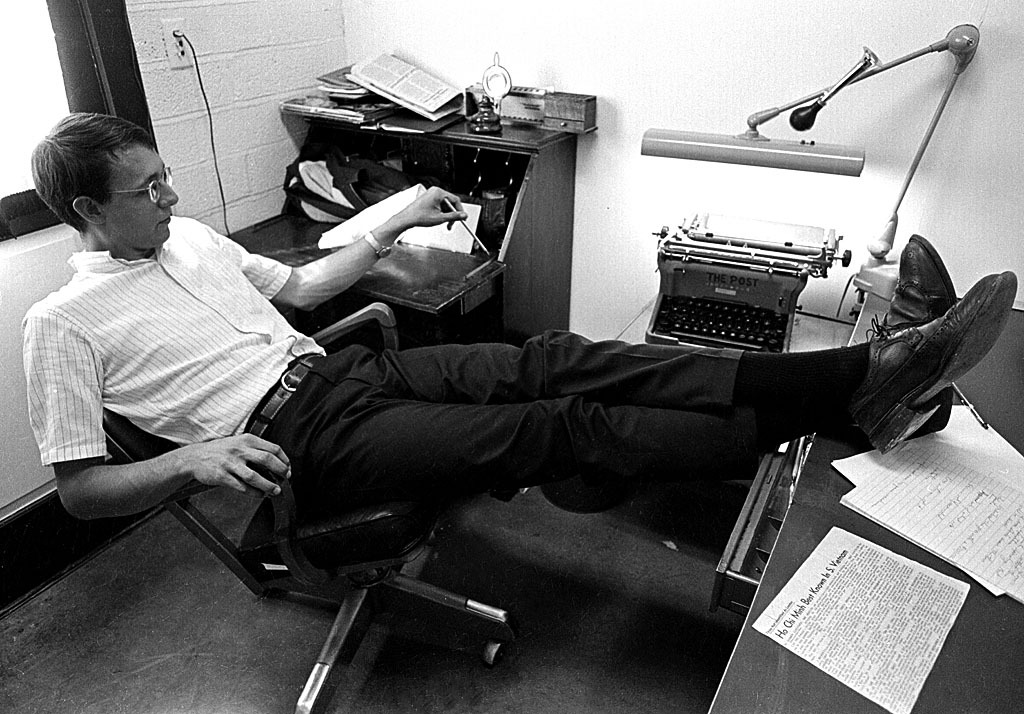
“Radical” Editor Andy Alexander
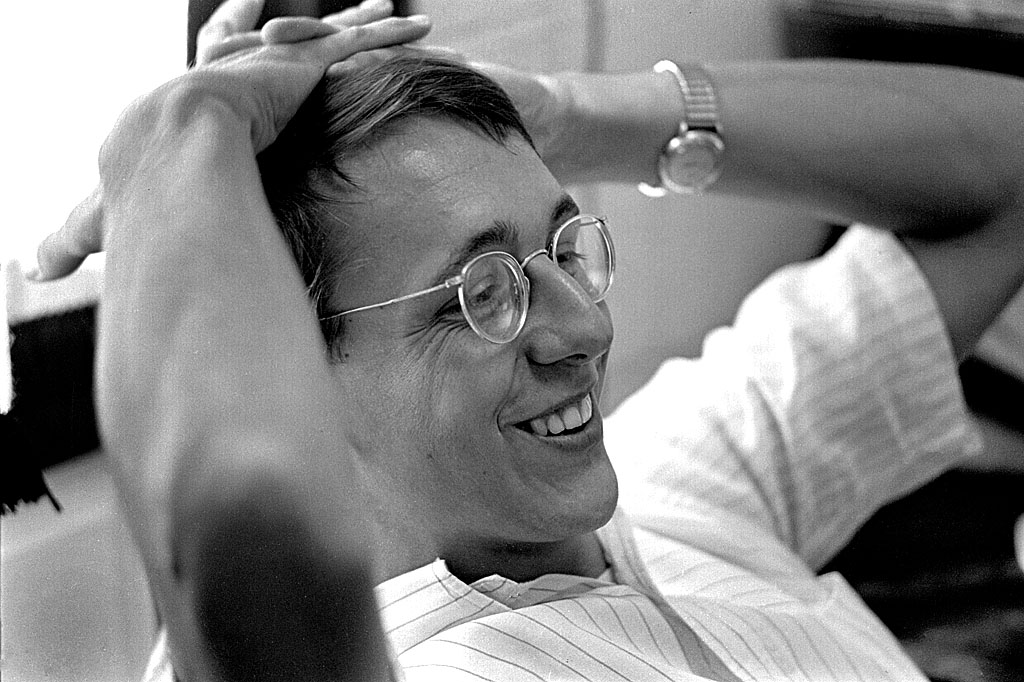
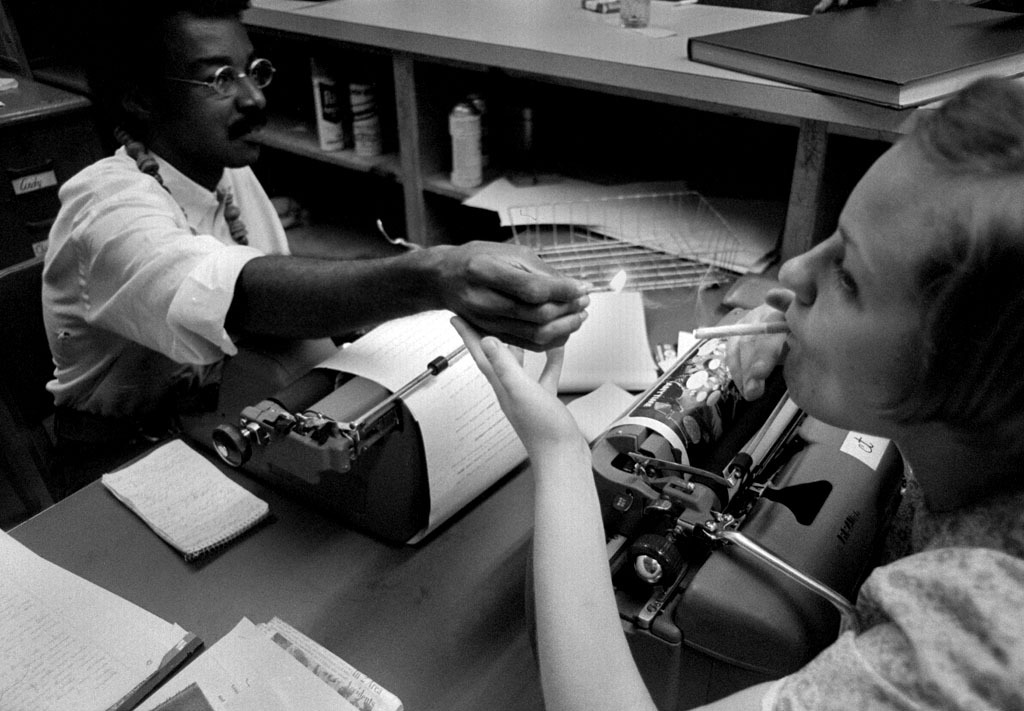
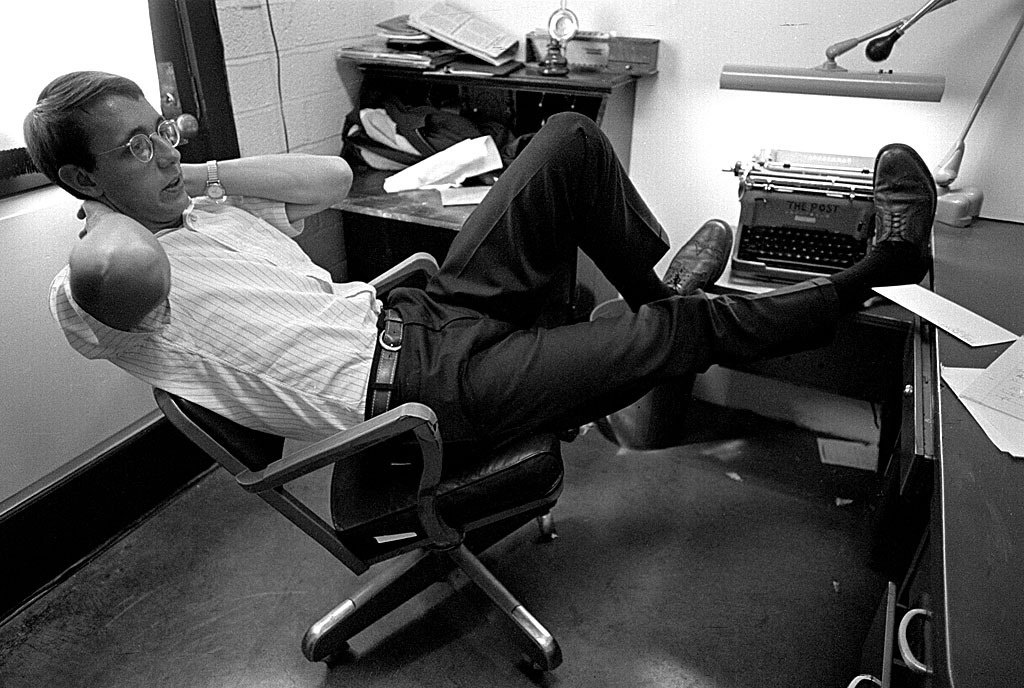
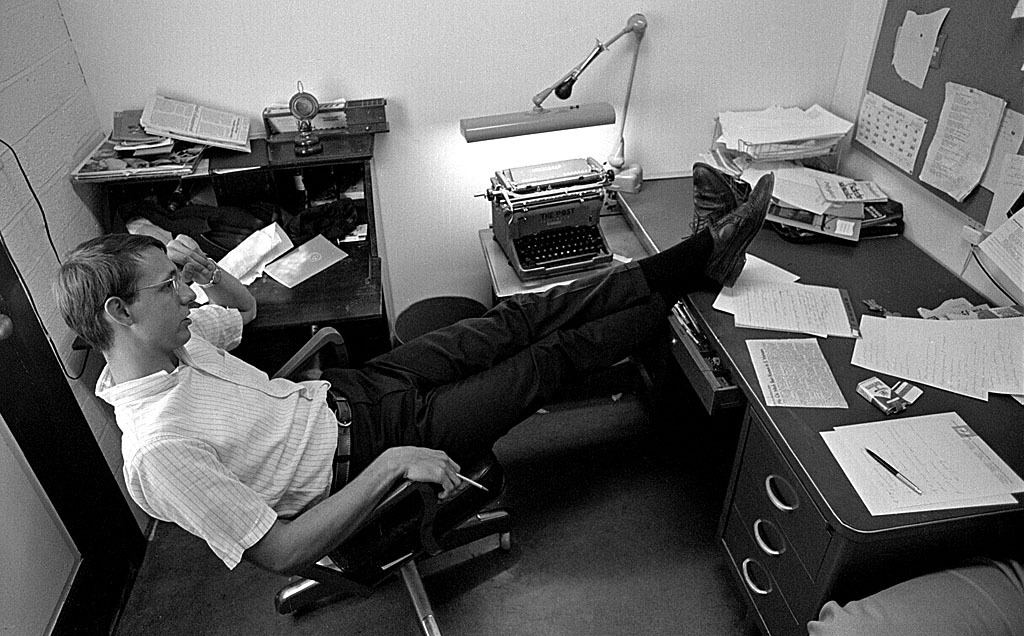
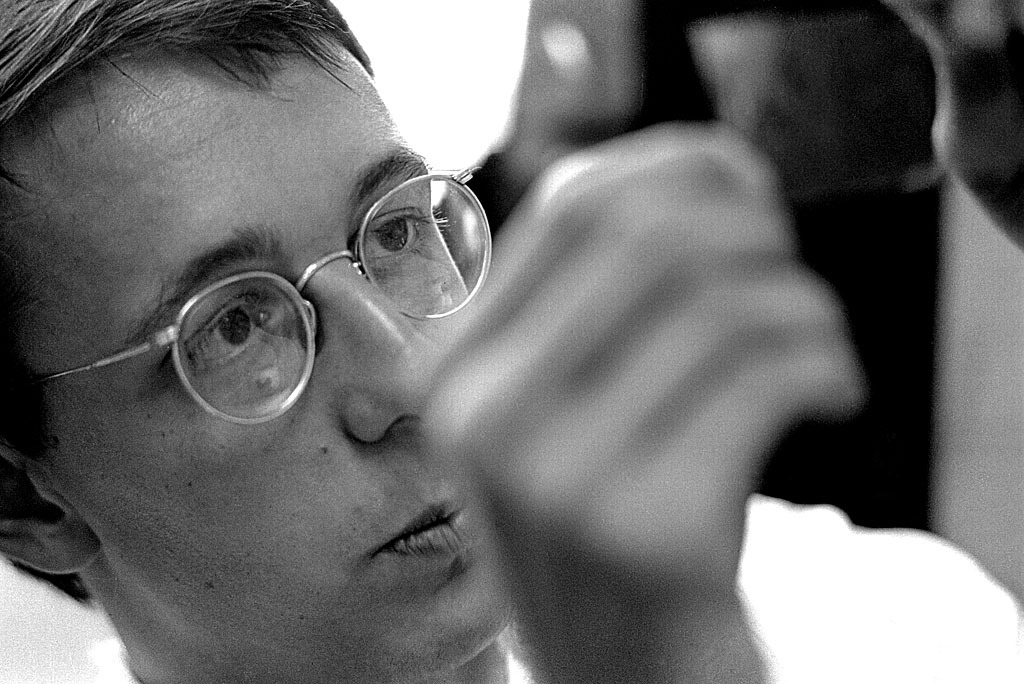
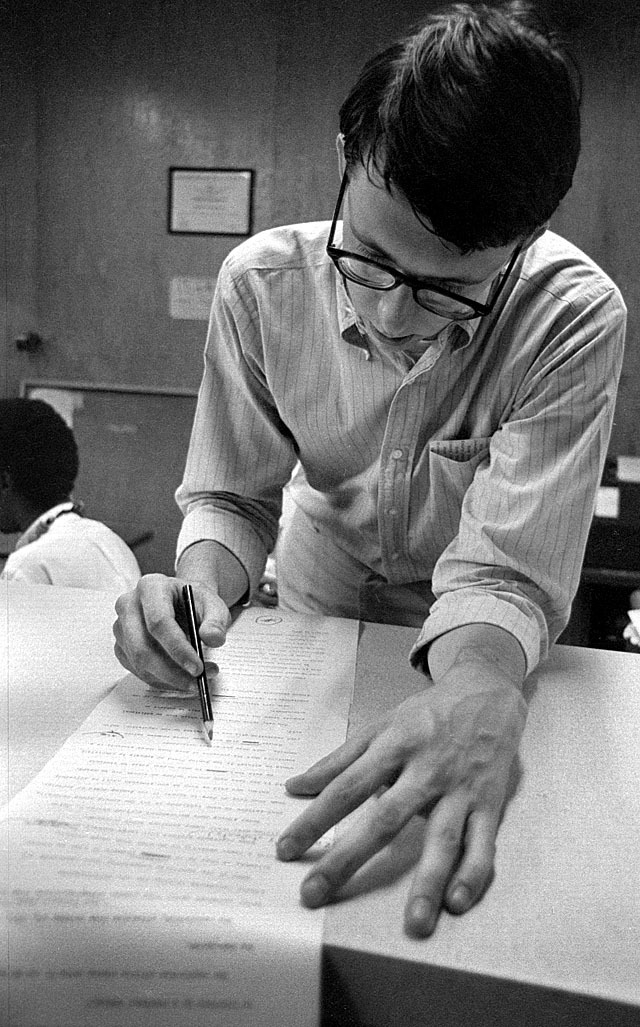
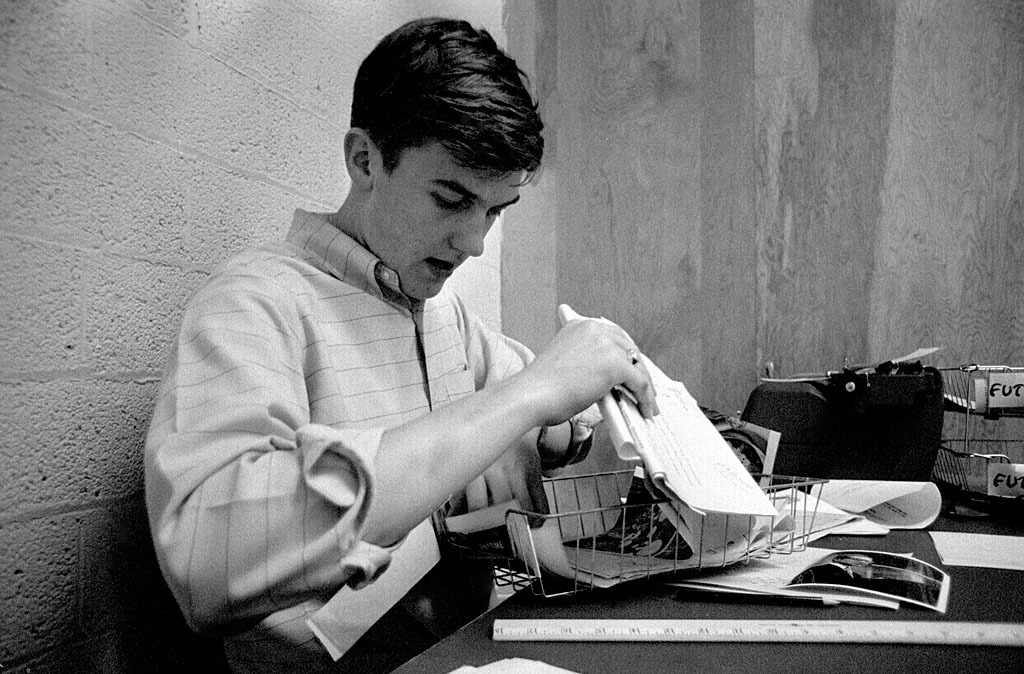
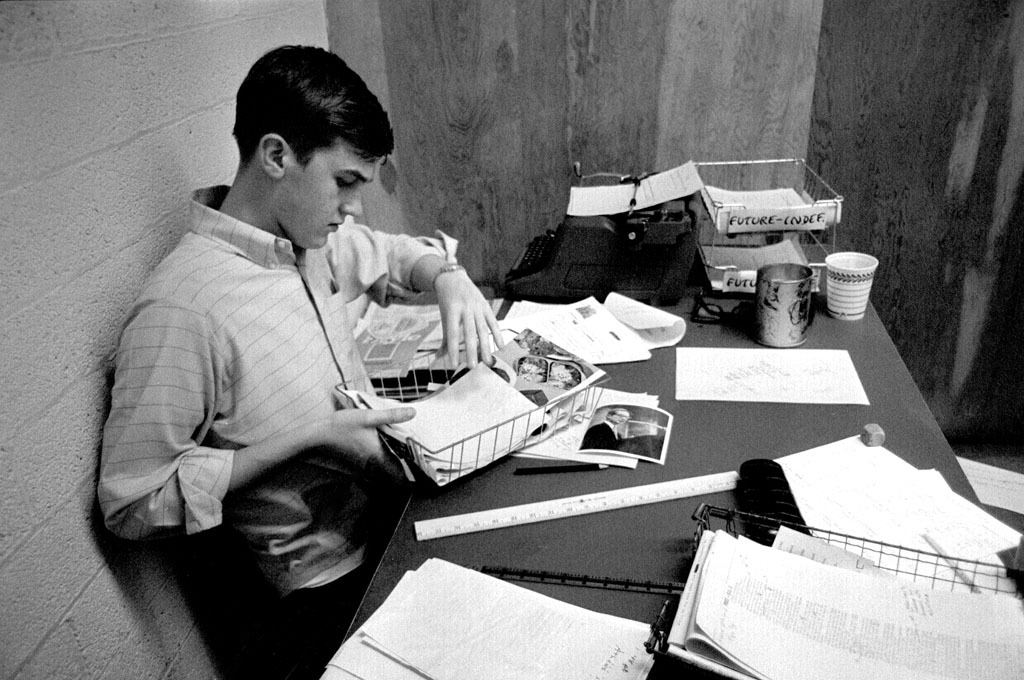
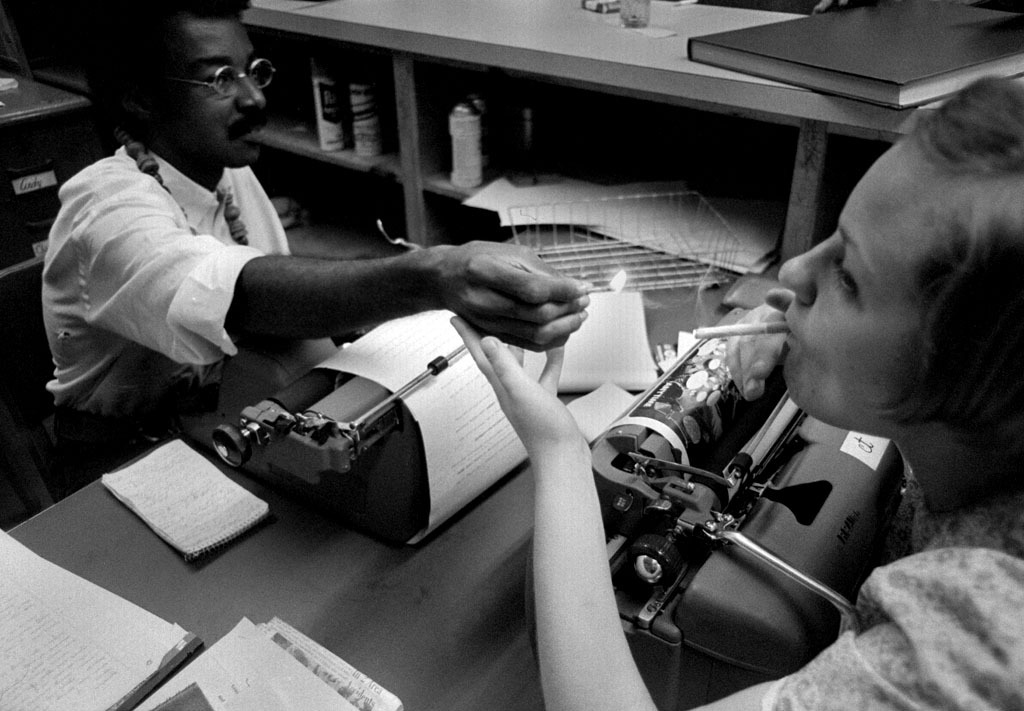
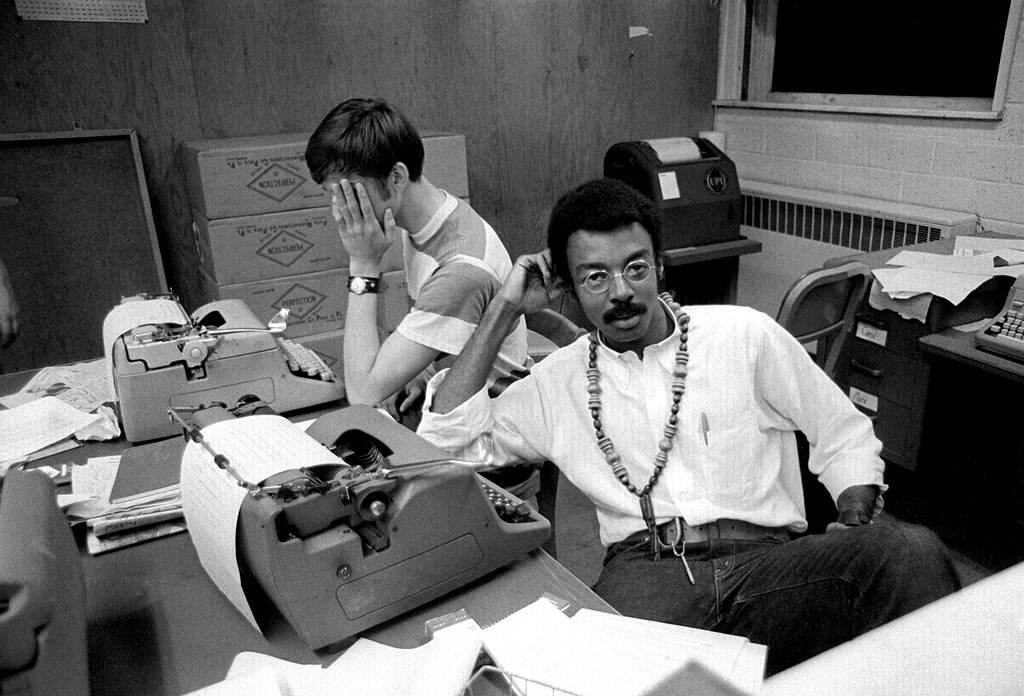
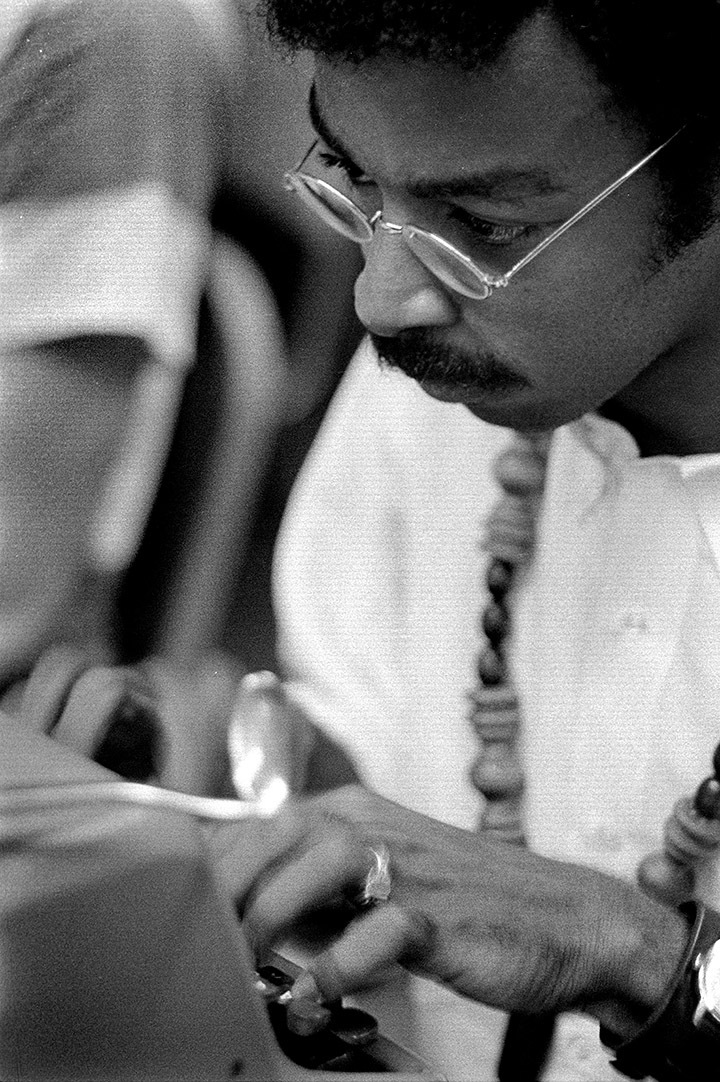
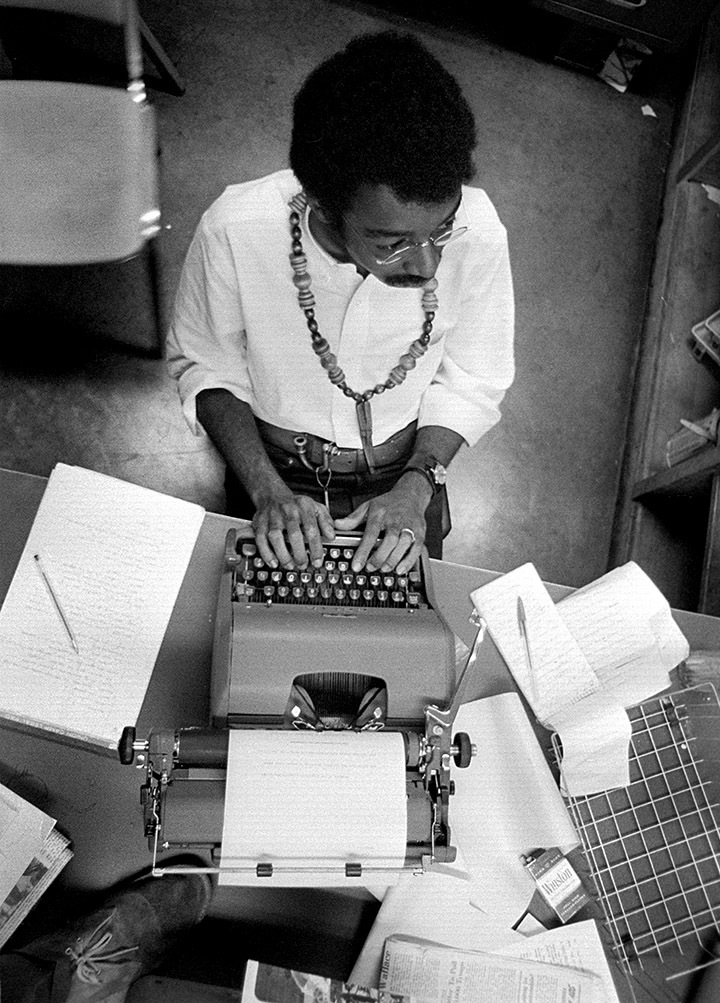
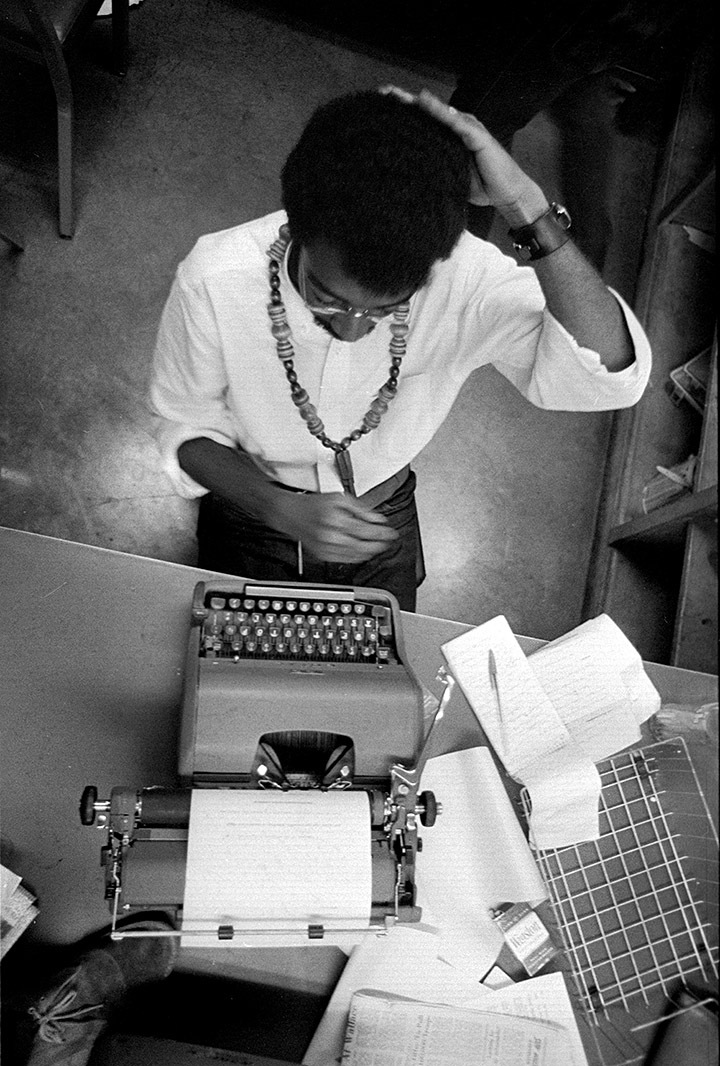
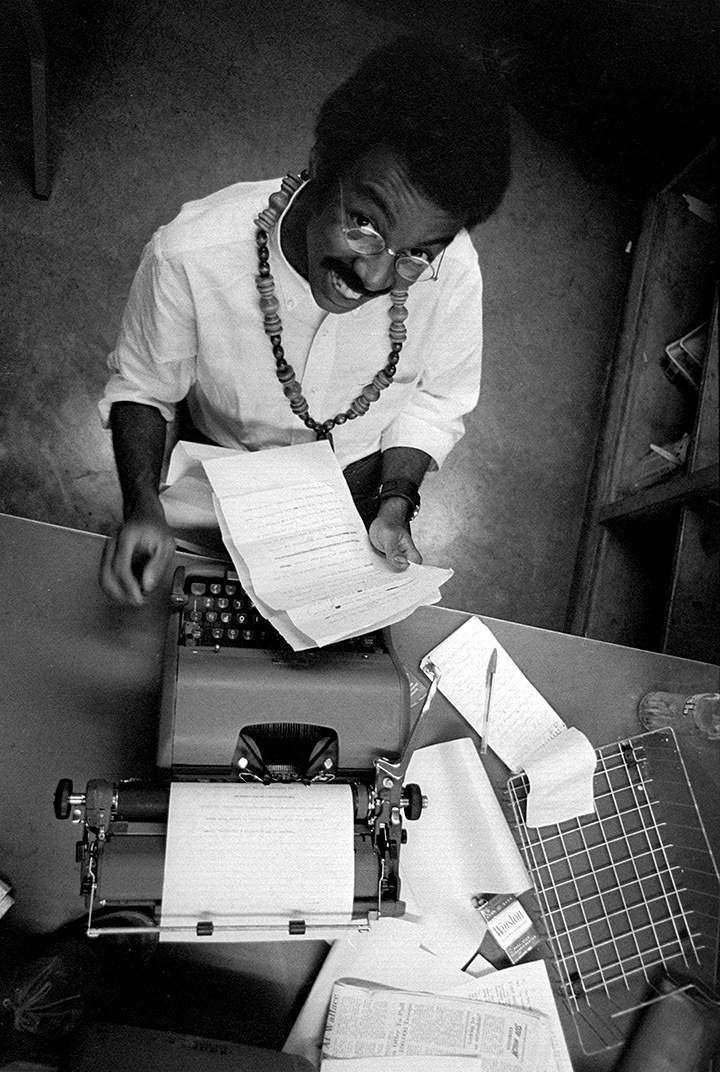
There are lots of photos of Andy Alexander because I had a freelance job from The Dayton Daily News to illustrate a story former Postie reporter Carol Towarnicky wrote about him. (I always called Carol “CT” because I couldn’t spell, let alone pronounce Towarnicky.) CT’s story said “Andy Alexander never marched in an anti-war demonstration. But he has marched through a few rice paddies, which would explain why the ex-Eagle Scout something talks about the United States in four-letter obscenities. And why the short-haired radical sometimes disparages the New Left.

Because Andy Alexander has a jump on most college students. He’s been there. He’s seen Vietnam. And it appalled him.”  Here’s CT’s story on Andy Alexander.

Andy financed a trip to Vietnam the past summer out of his own pocket. “I went to make a name for myself,” he explained matter-of-factly. “I doubt I found any newsman who was there out of dedication… Everyone wanted to make it big, fast. Some of them died trying.” He spent two summers reporting for the Melbourne (Australia) Herald. A year before he found himself in Prague, reporting the Russian invasion of Czechoslovakia.

I liked Andy. The Dayton Daily News might think he was a radical, but I found him a solid, steady pro who ran the student newspaper as well as any paper I’ve worked for.

Clarence Page like you don’t see on TV
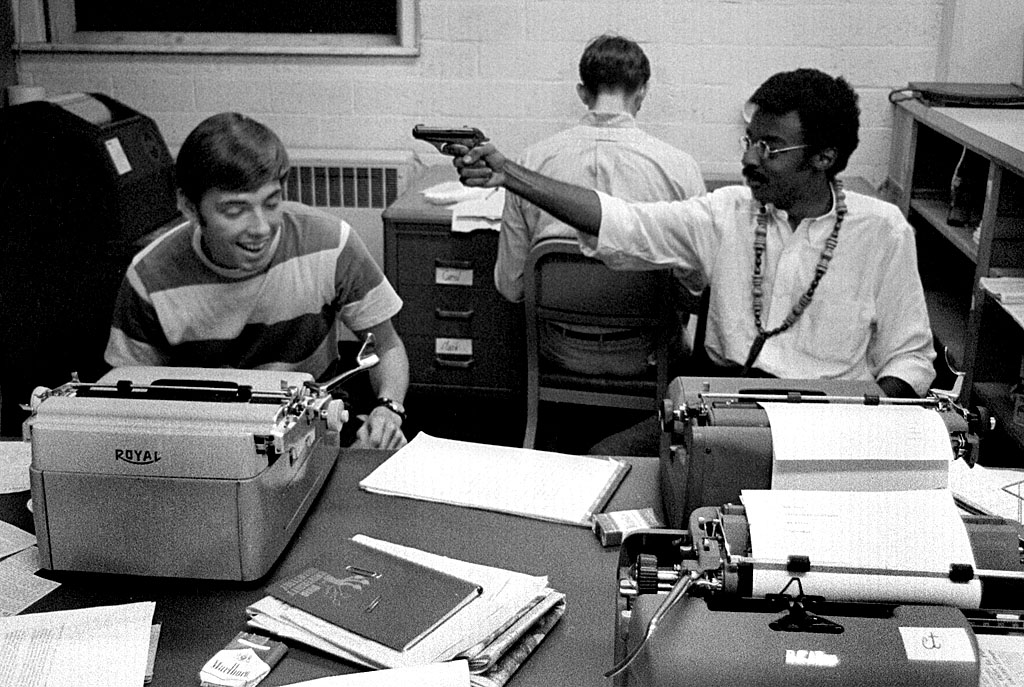
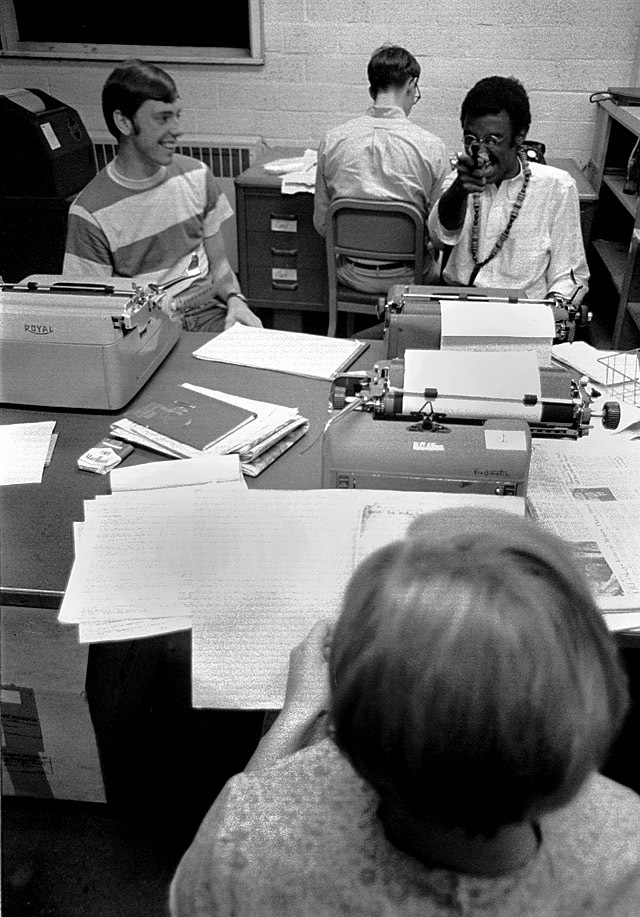
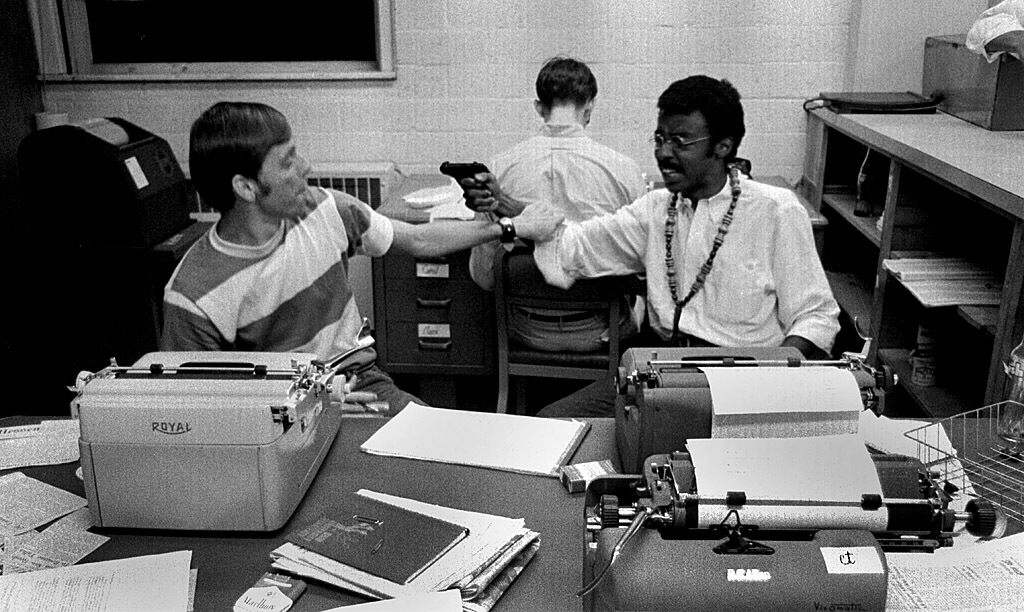
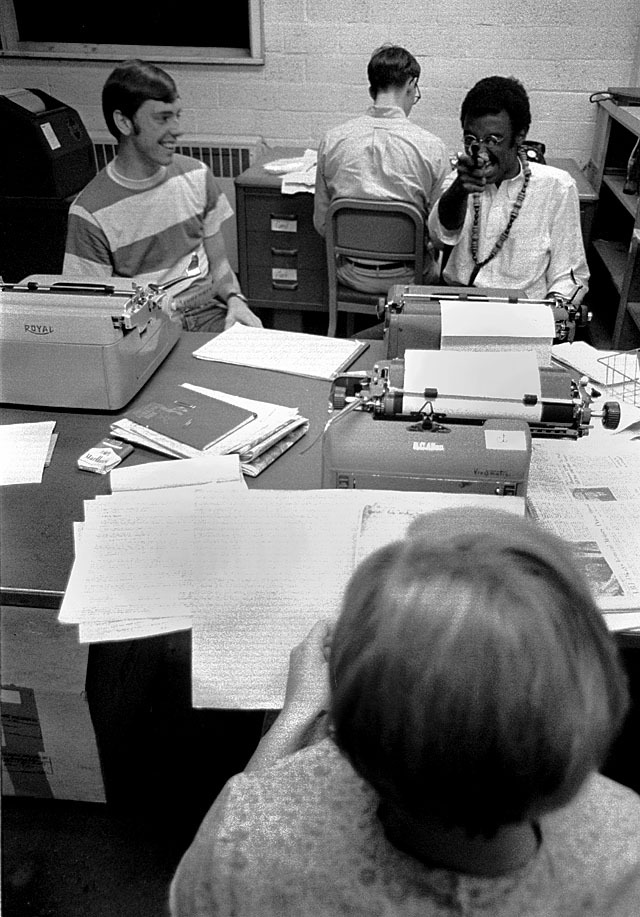
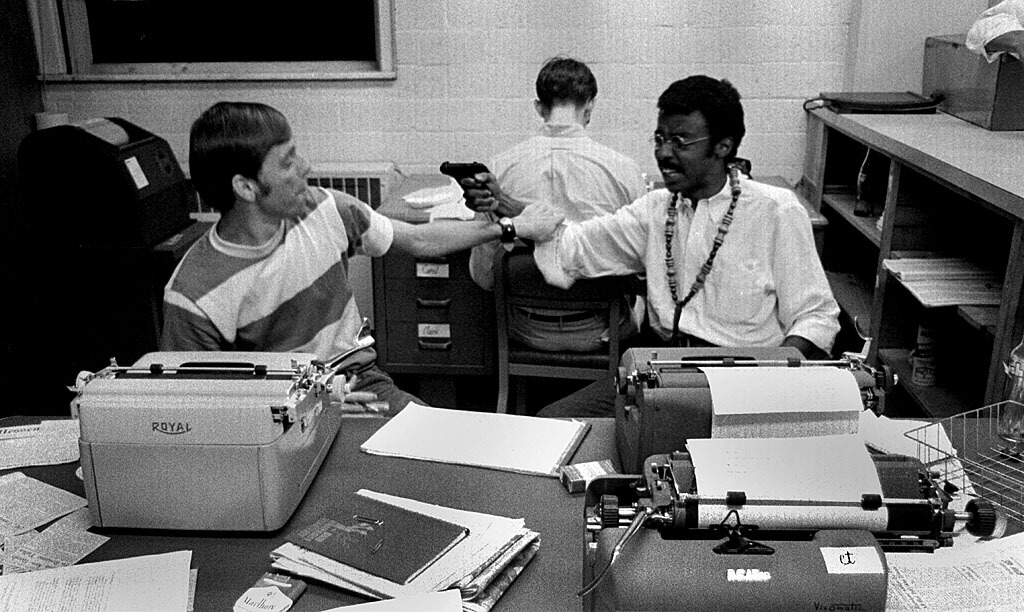
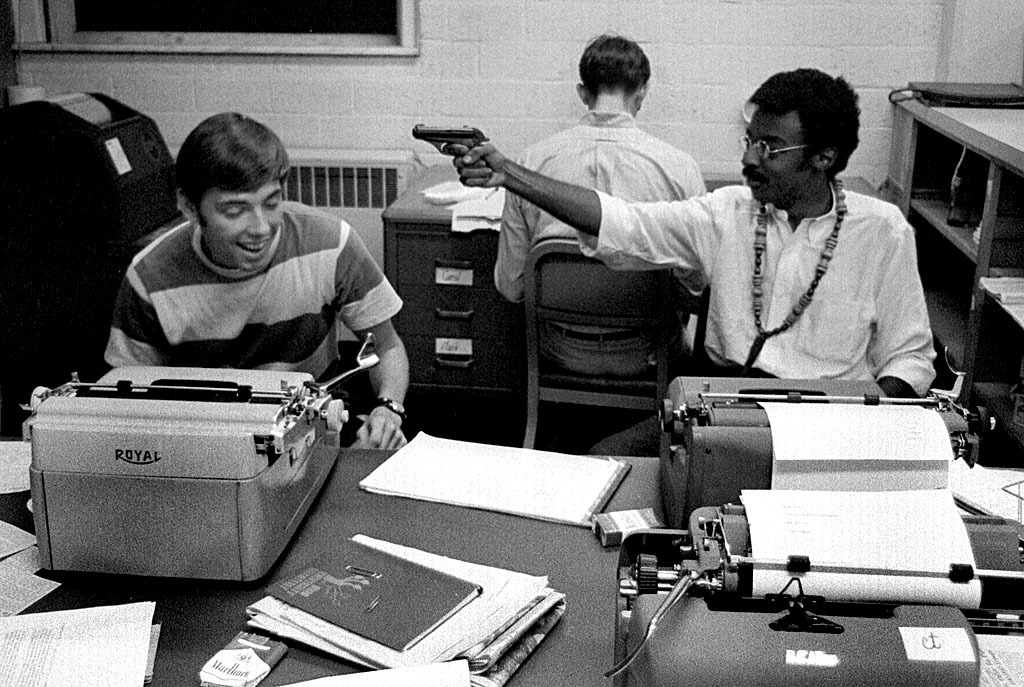
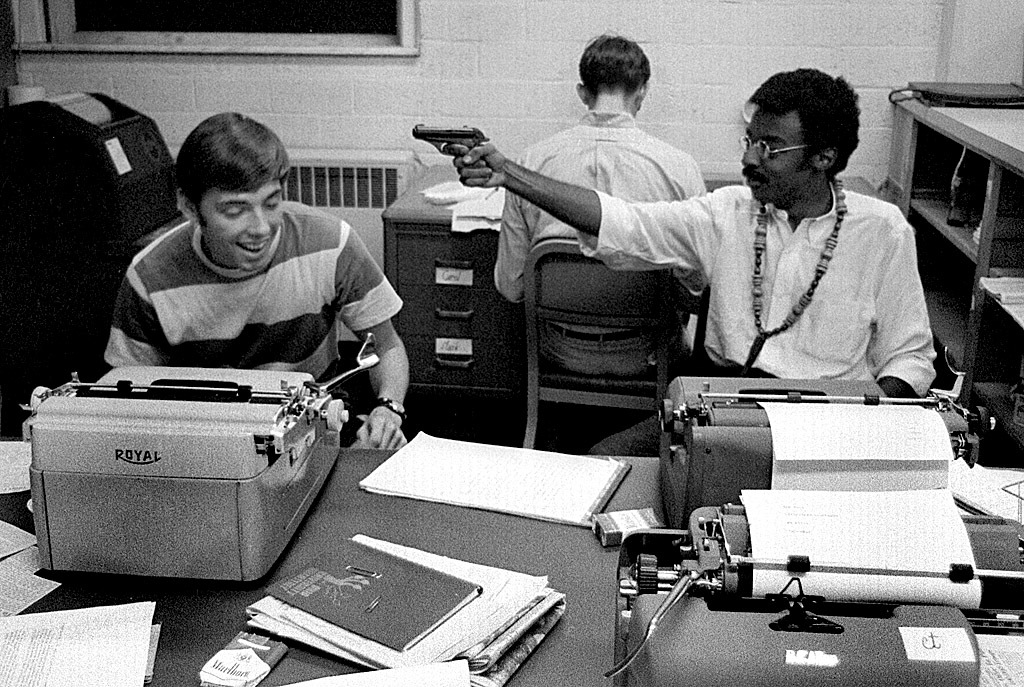
When you see Chicago Tribune Pulitzer Prize winner Clarence Page as a frequent talking head on the news shows, he doesn’t look like the Clarence I knew. Here, Clarance points what I hope is a toy gun at Mark Roth. Unflappable editor Andy, with his back to the camera, ignores the tomfoolery going on behind him.

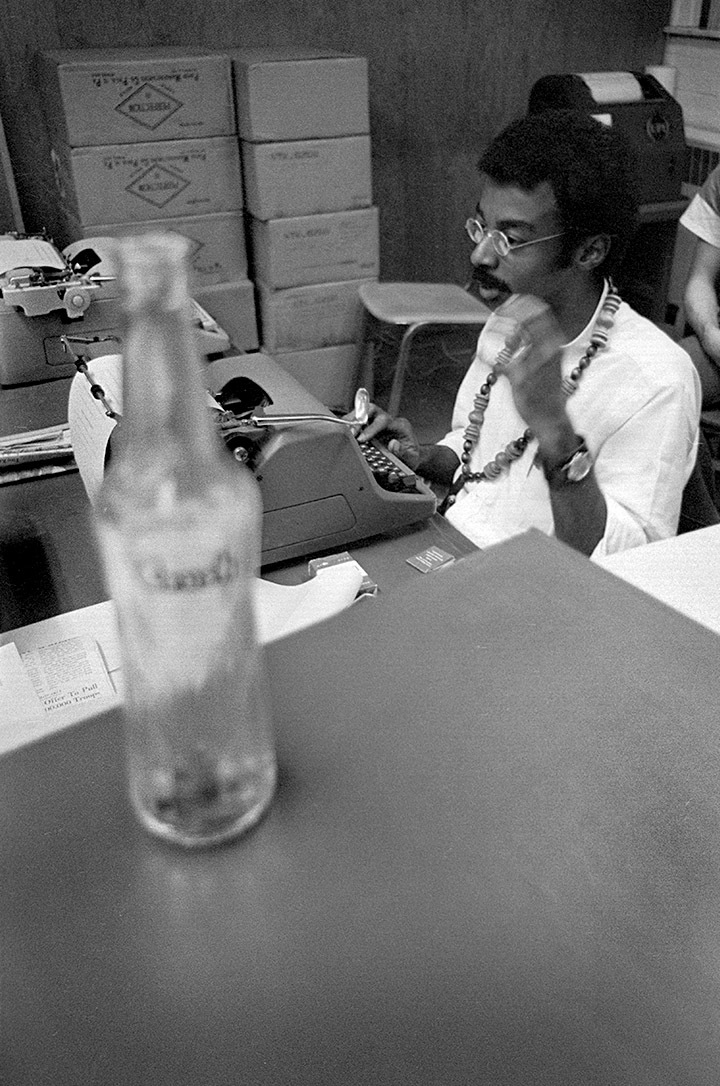
Clarence was a solid reporter who was always ready to push the boundaries. One night he used the F-word in a story and The Athens Messenger’s production crew almost didn’t publish the paper that night. The fact that The OU Post has been in existence was in spite of Clarence, not because of him.

I heard Clarence pontificating about something on NPR the other afternoon and had the same sense of unease as when I heard that classmate Jim Stone was trying to explain science to politicians and that Bill Clinton had been elected president. I mean, aren’t they supposed to have adults doing those jobs?

Expectant fathers
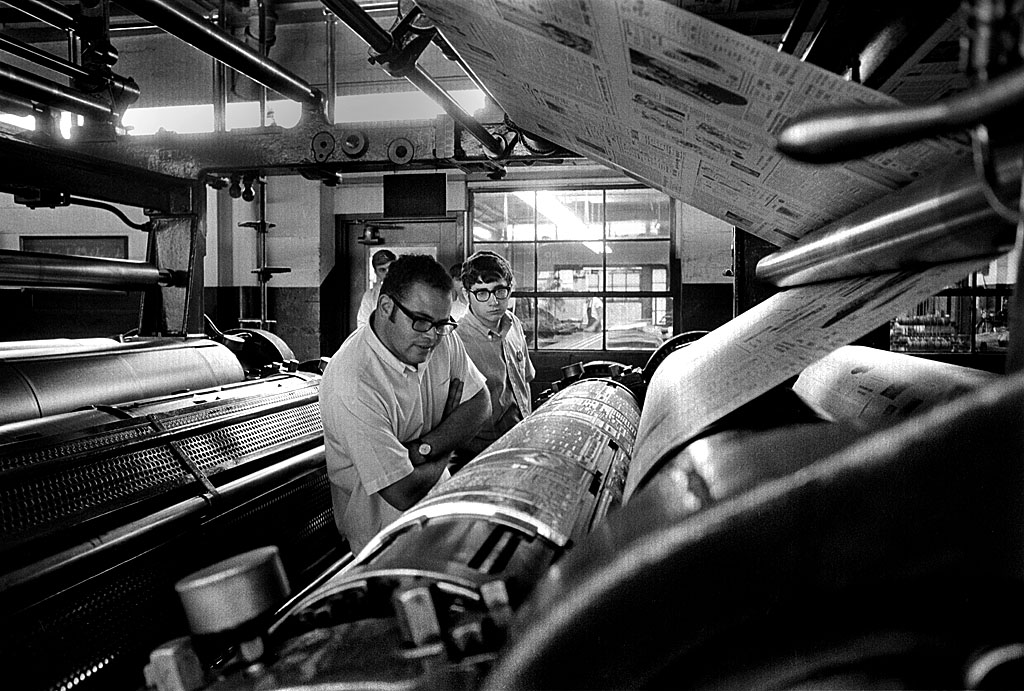
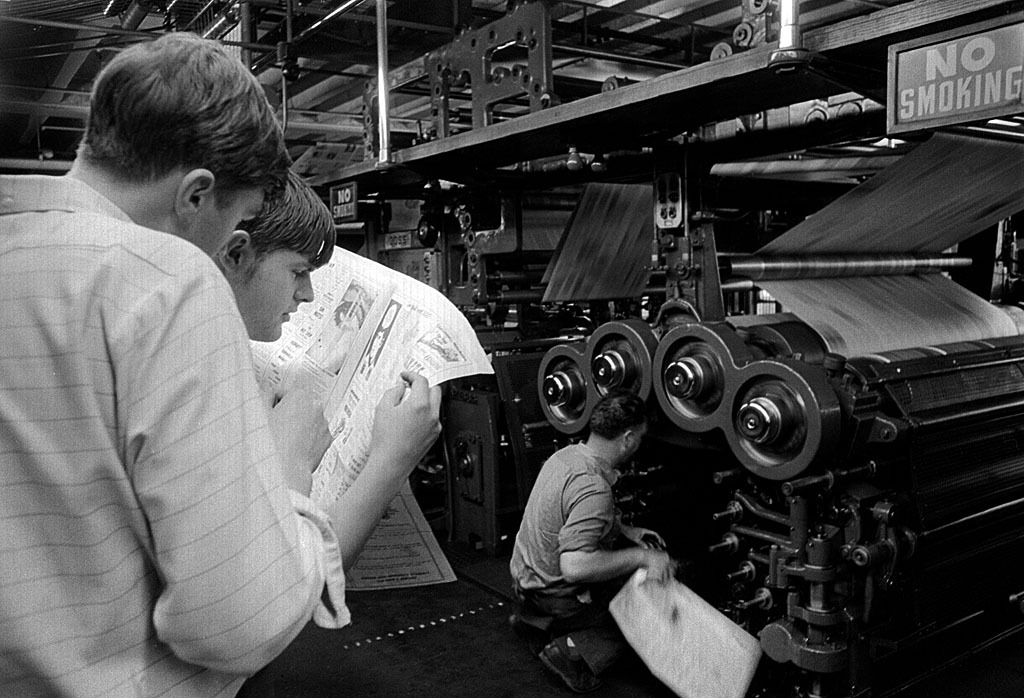
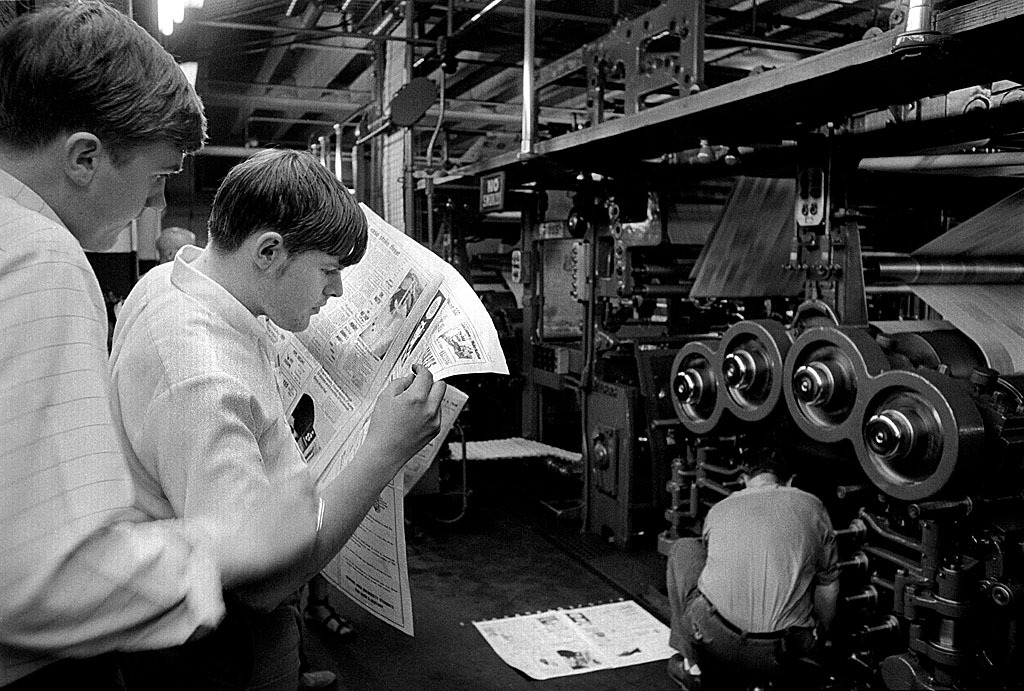
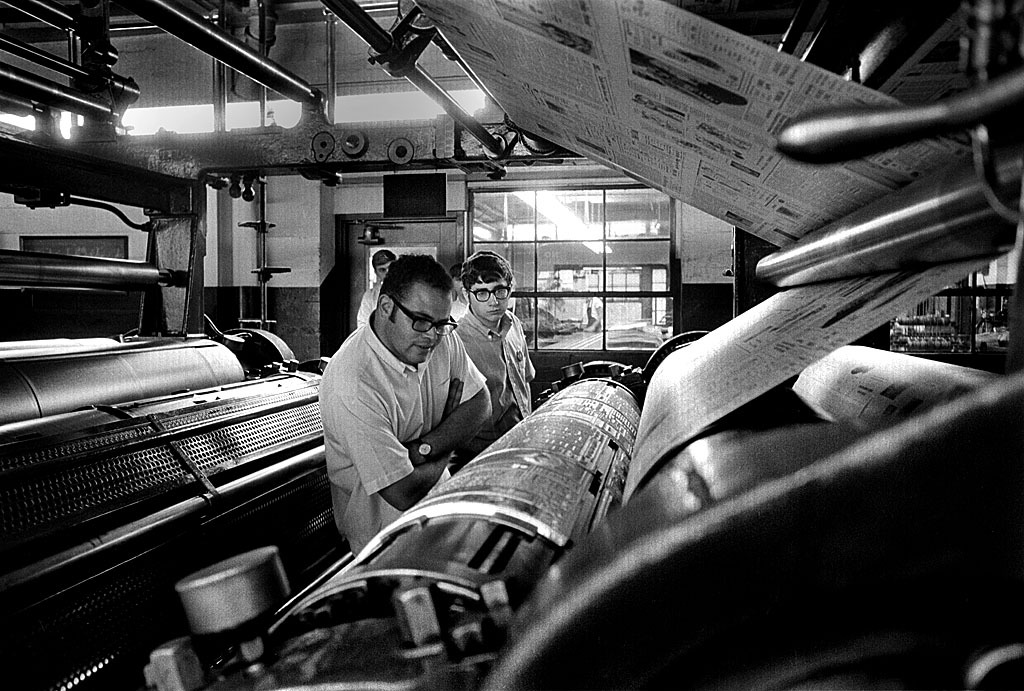
This was the first edition of the new school year to come rolling off The Messenger’s presses in 1968. Jesse Rotman, Bill Sievert and Tom Hodson were pacing the floor like fathers-to-be in a delivery room.

Other Ohio-era stories

Ohio University Post photo gallery

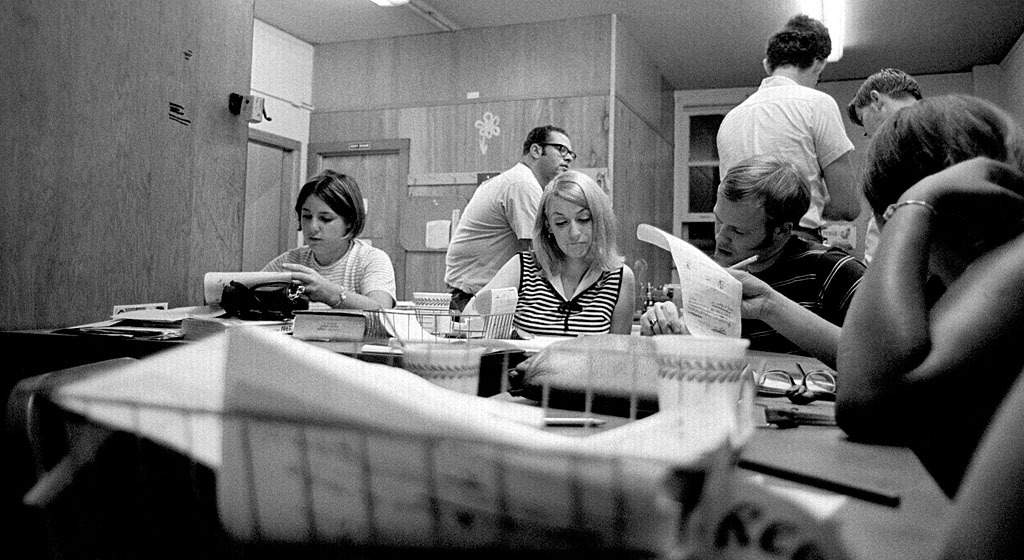
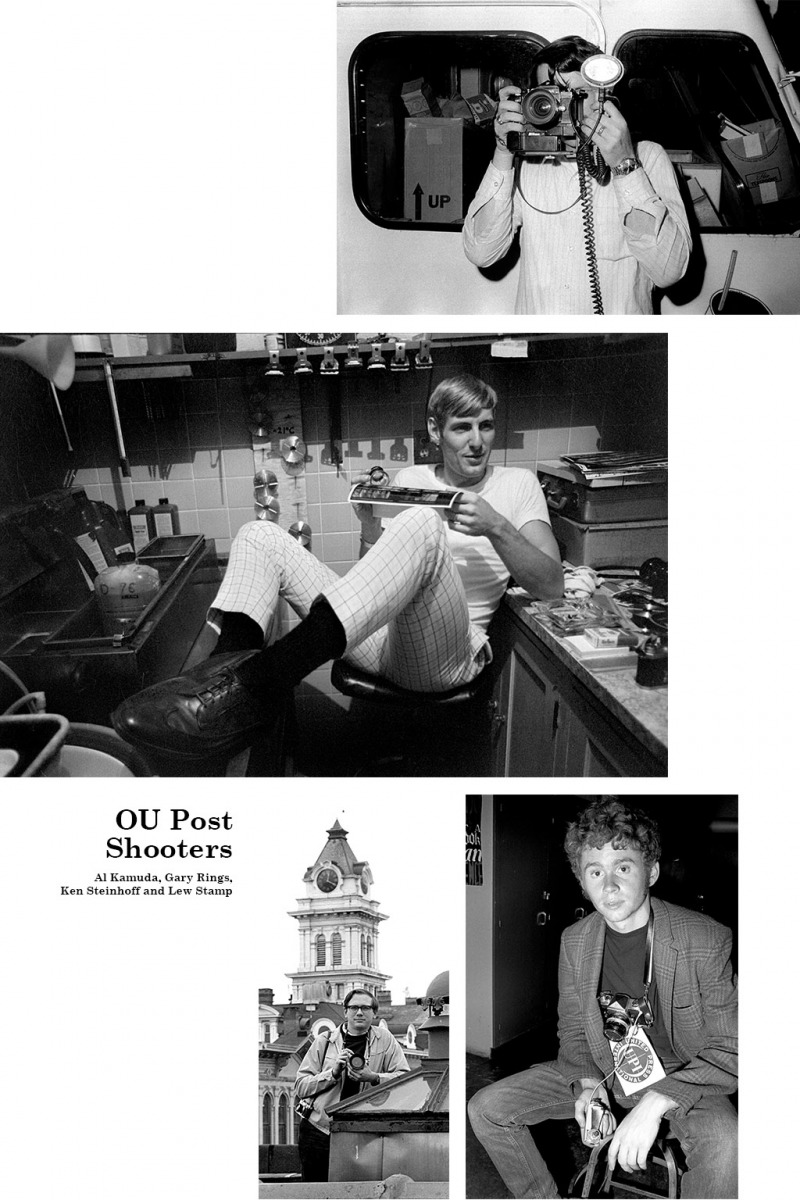
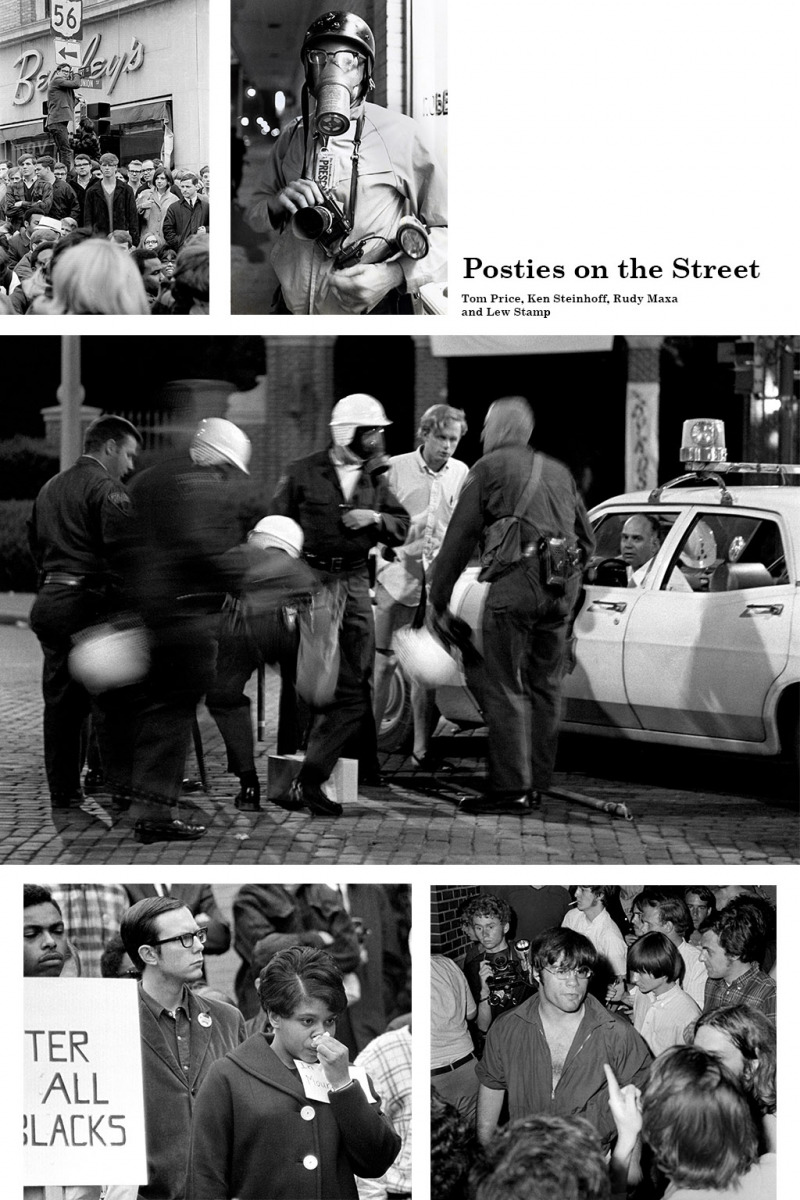
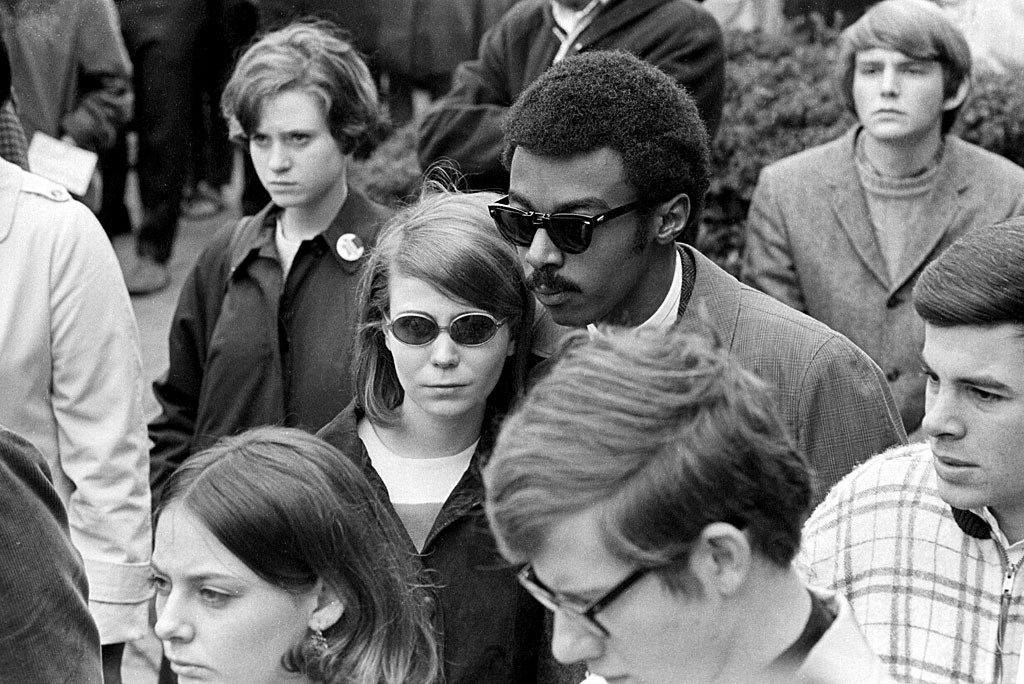
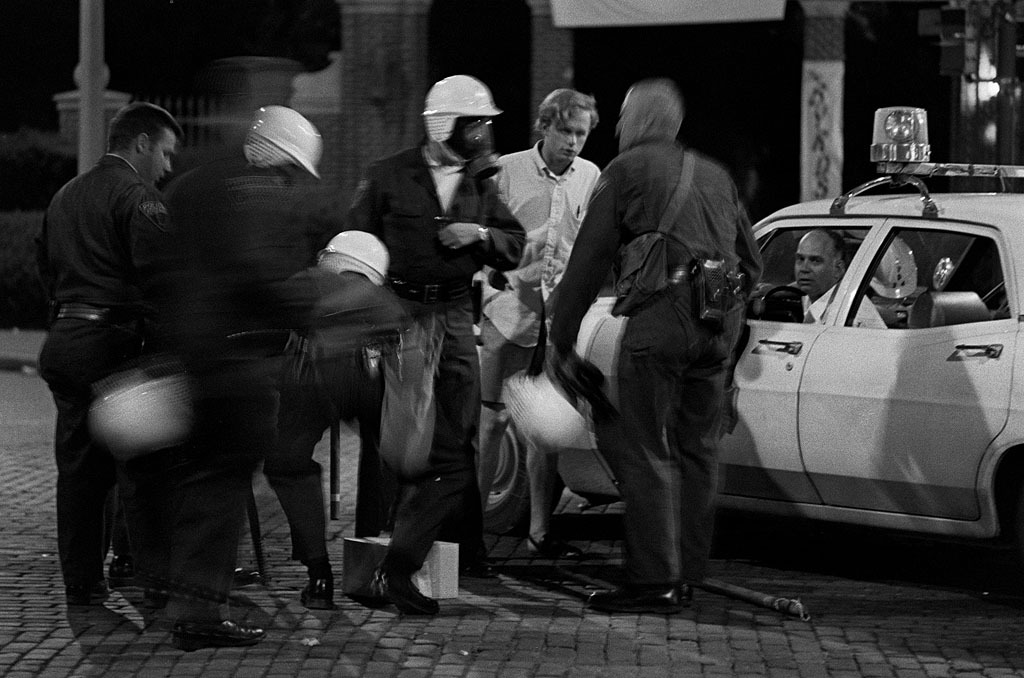
Here’s a collection of photos of Ohio University Post staffers at work (mostly). Click on any photo to make it larger, then click on the left or right side of the image to move through the gallery.
Dick Gregory for President


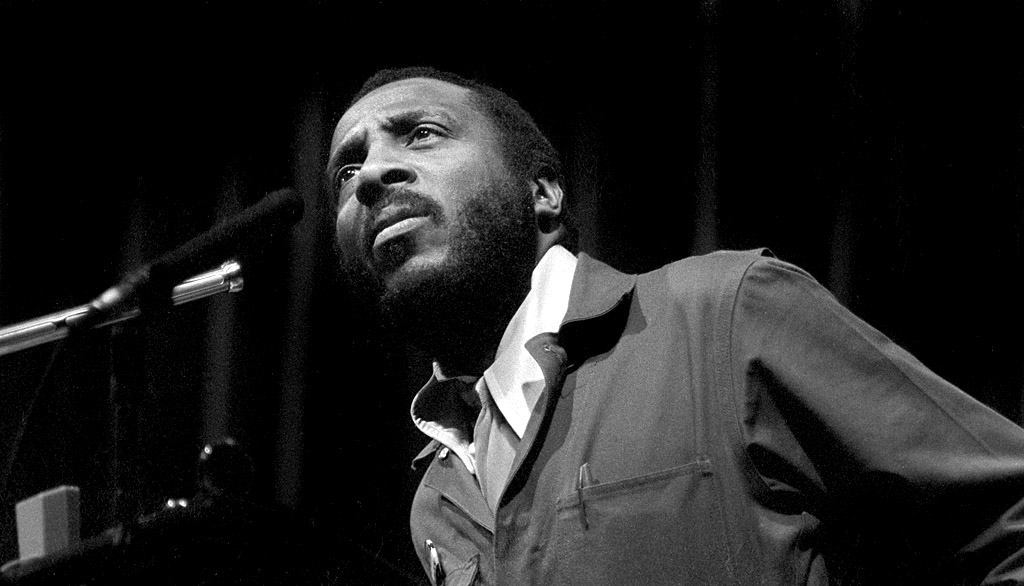
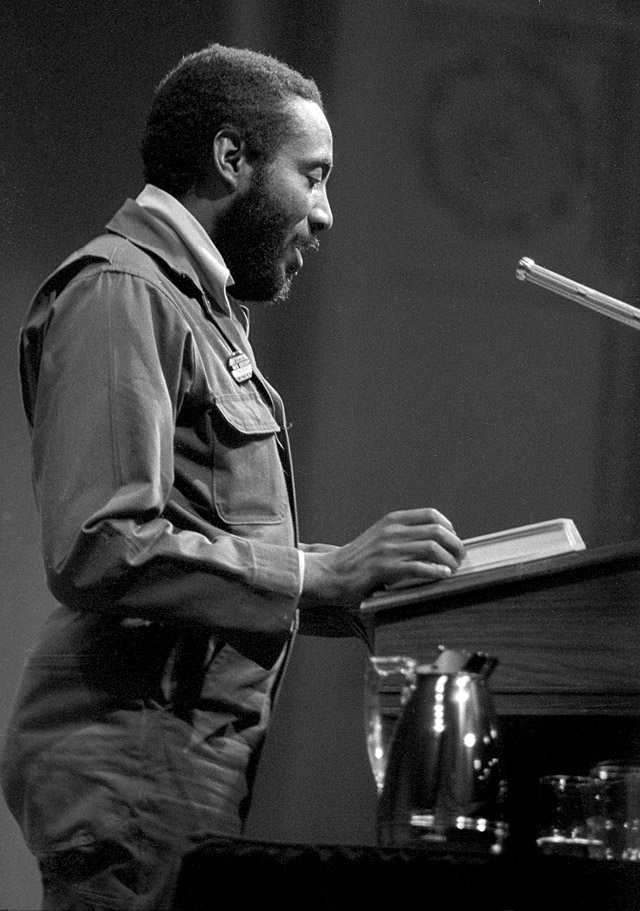
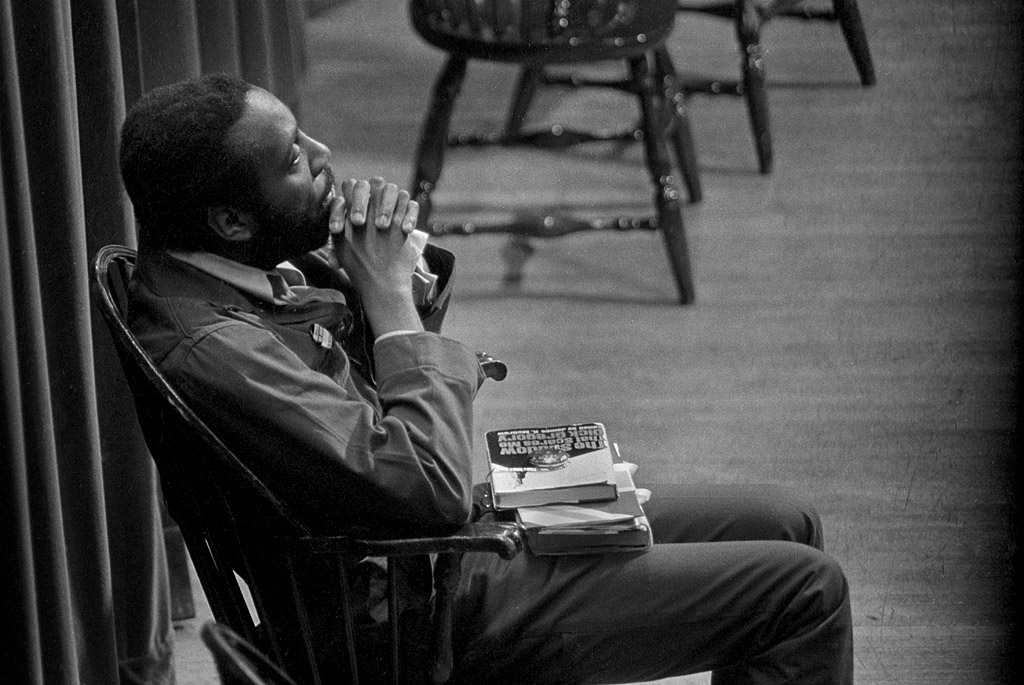
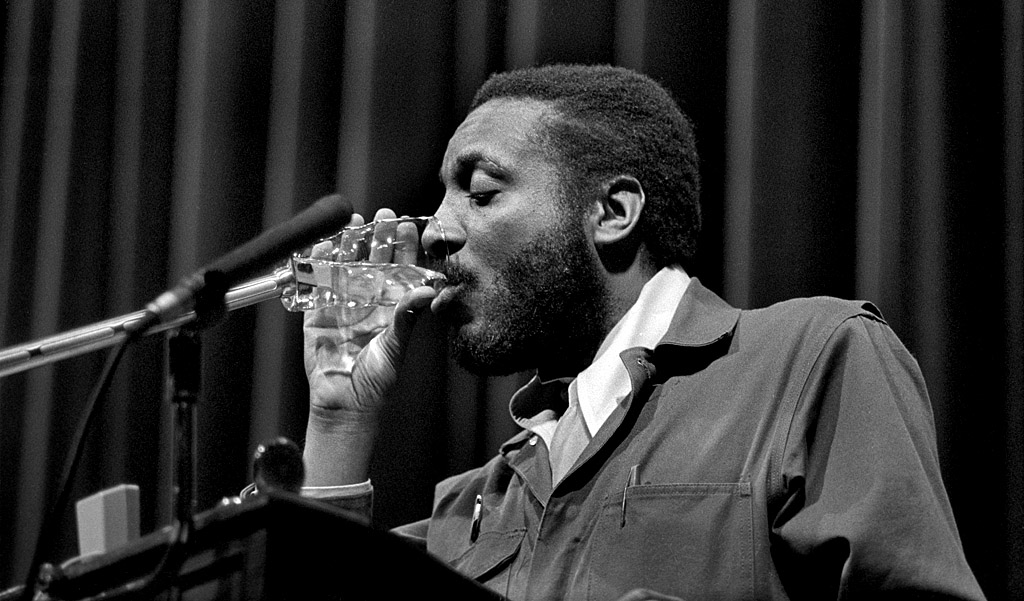
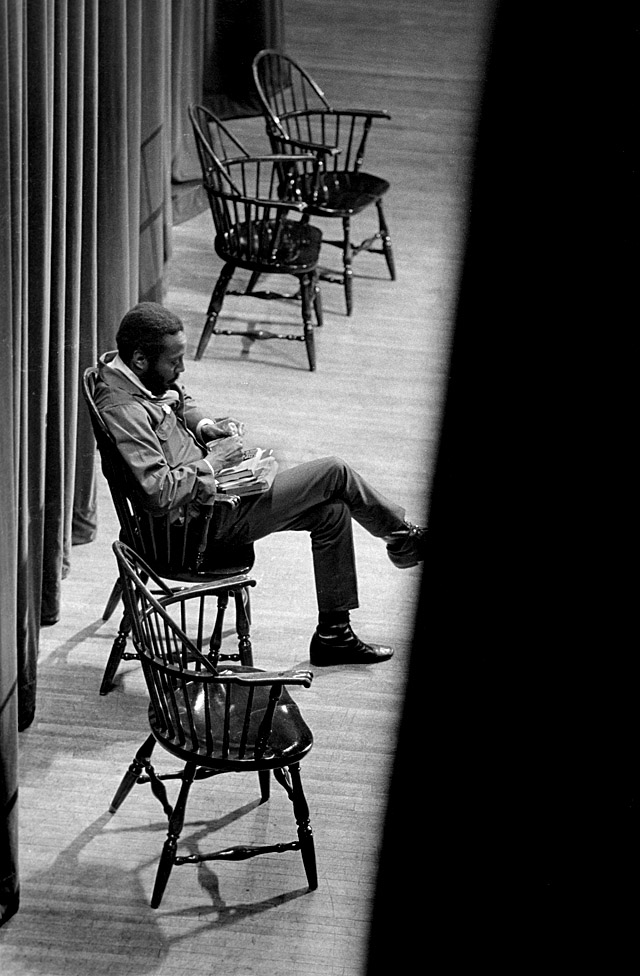
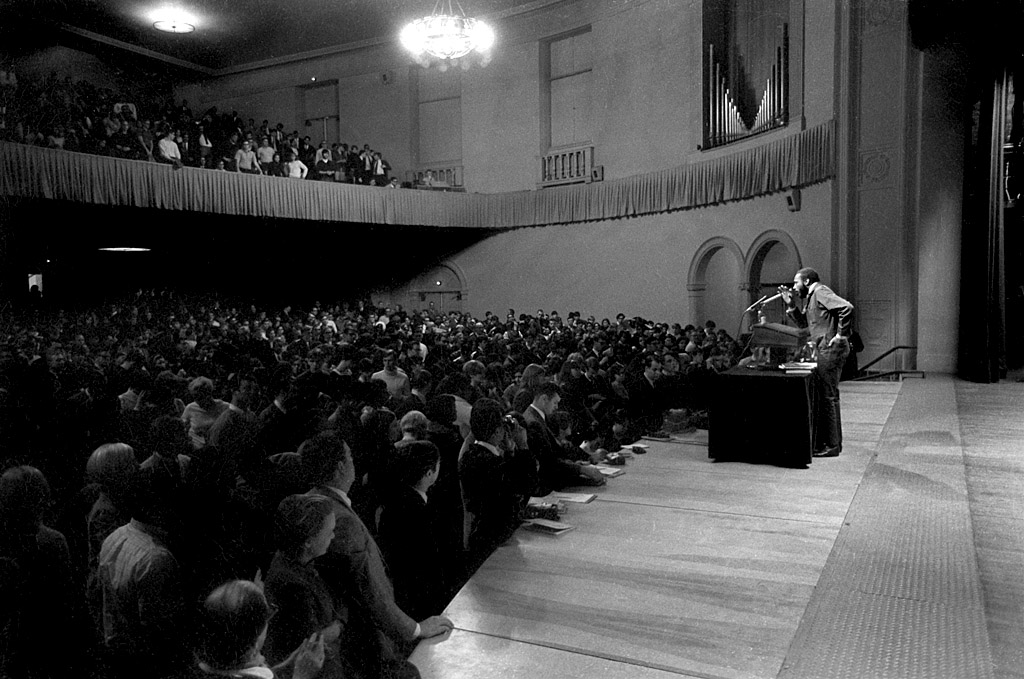
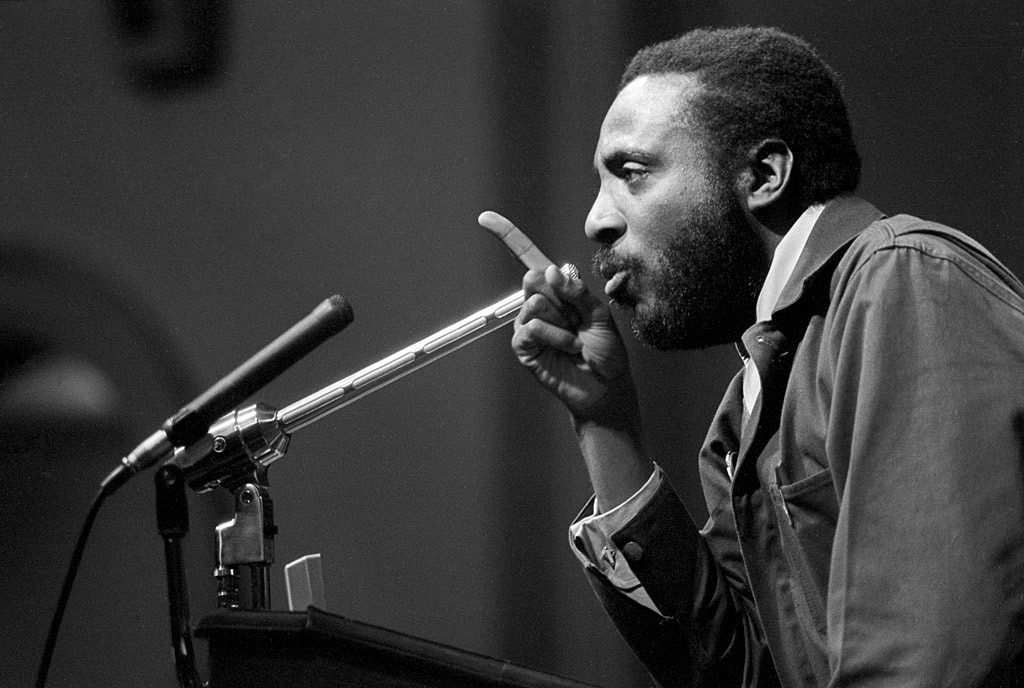
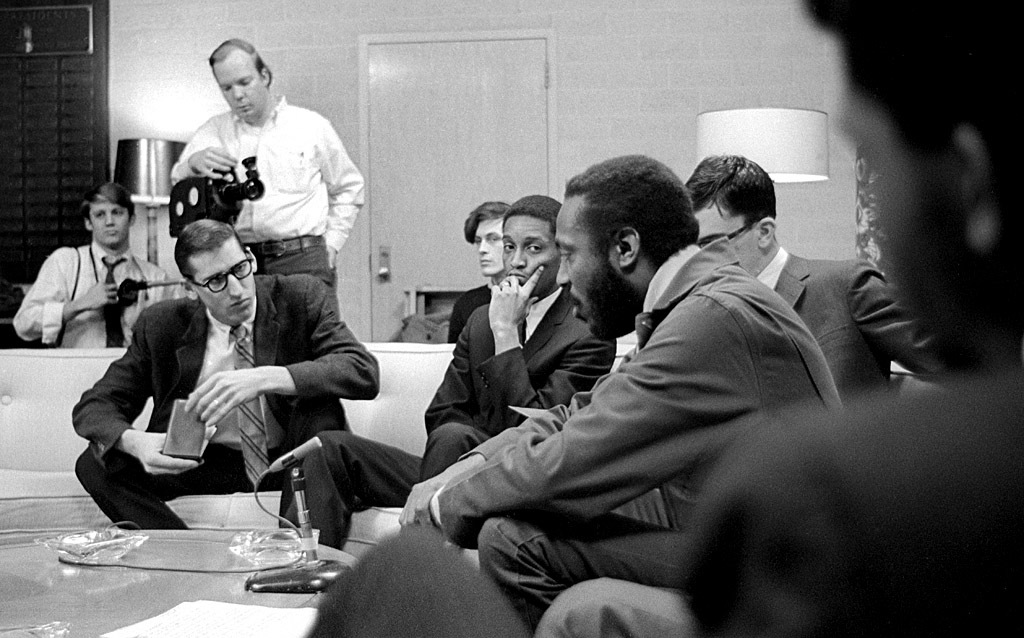
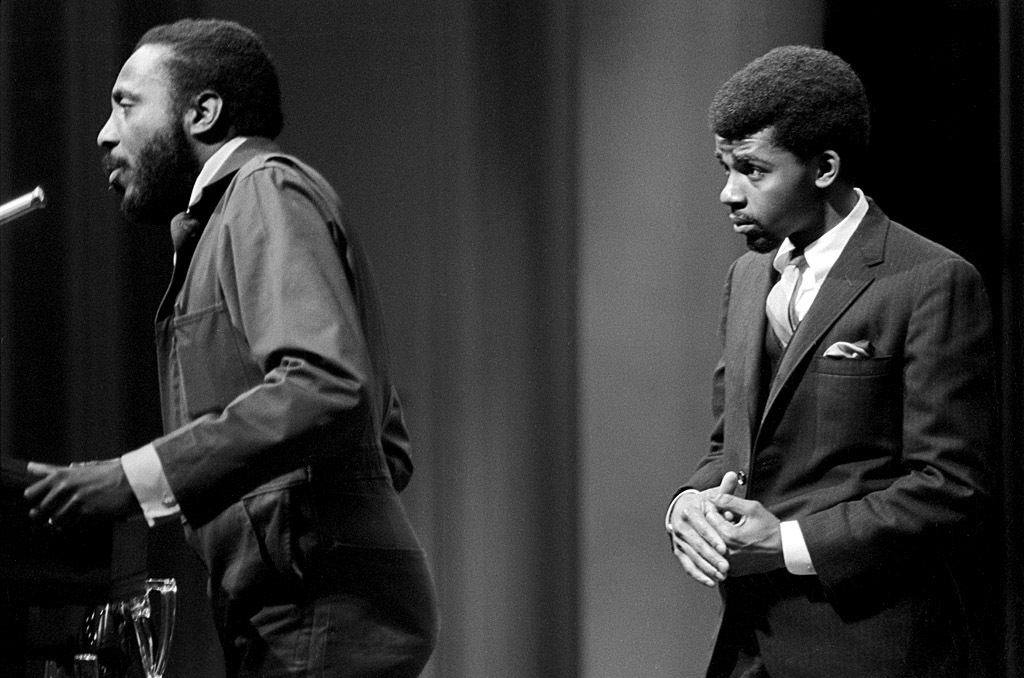
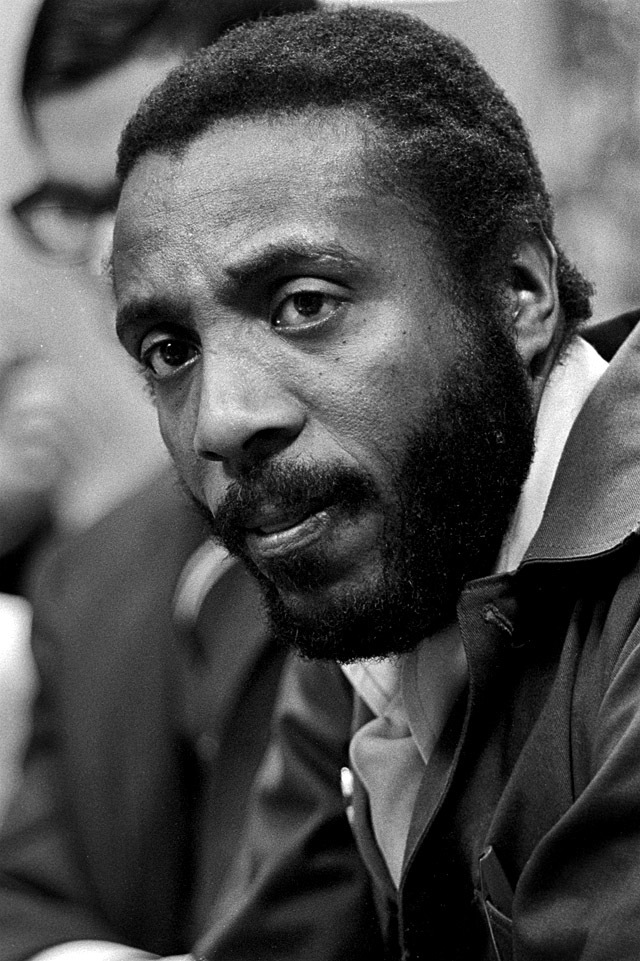
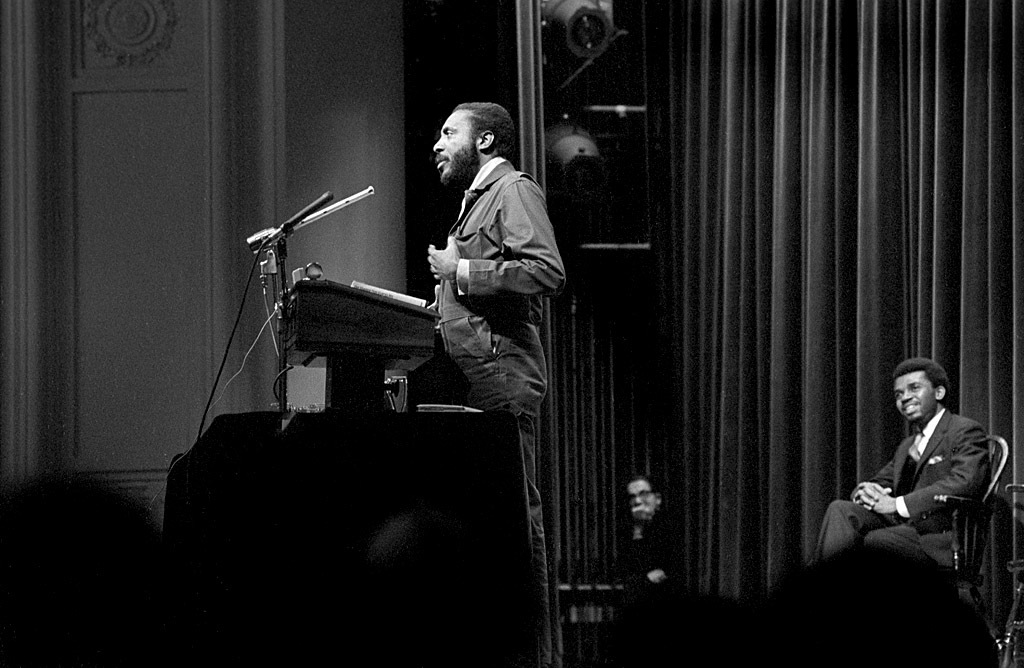
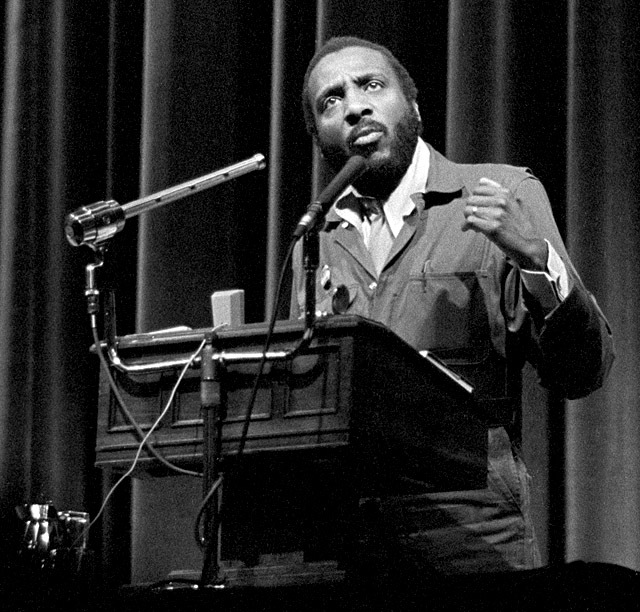
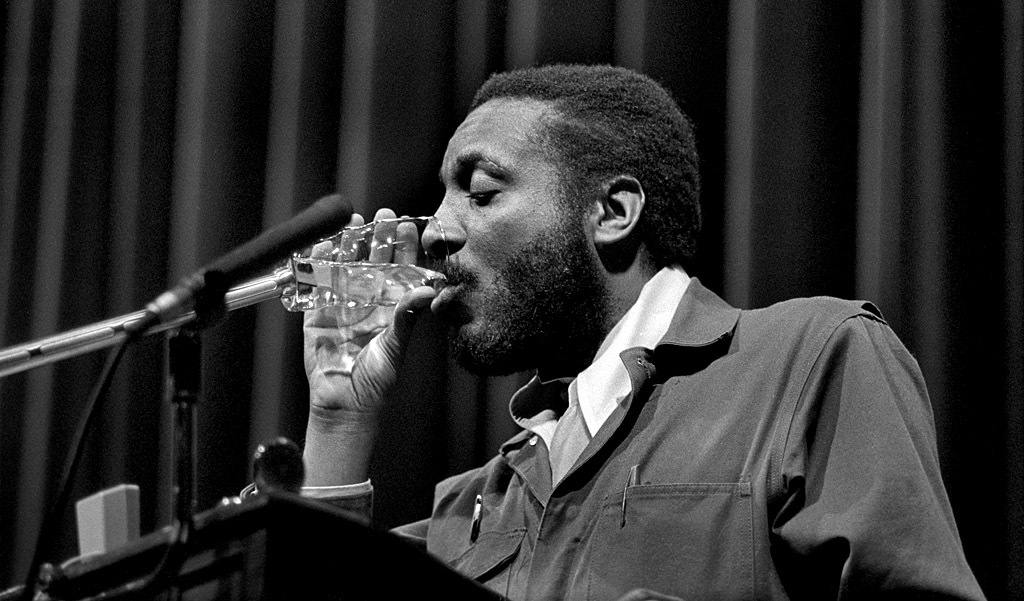
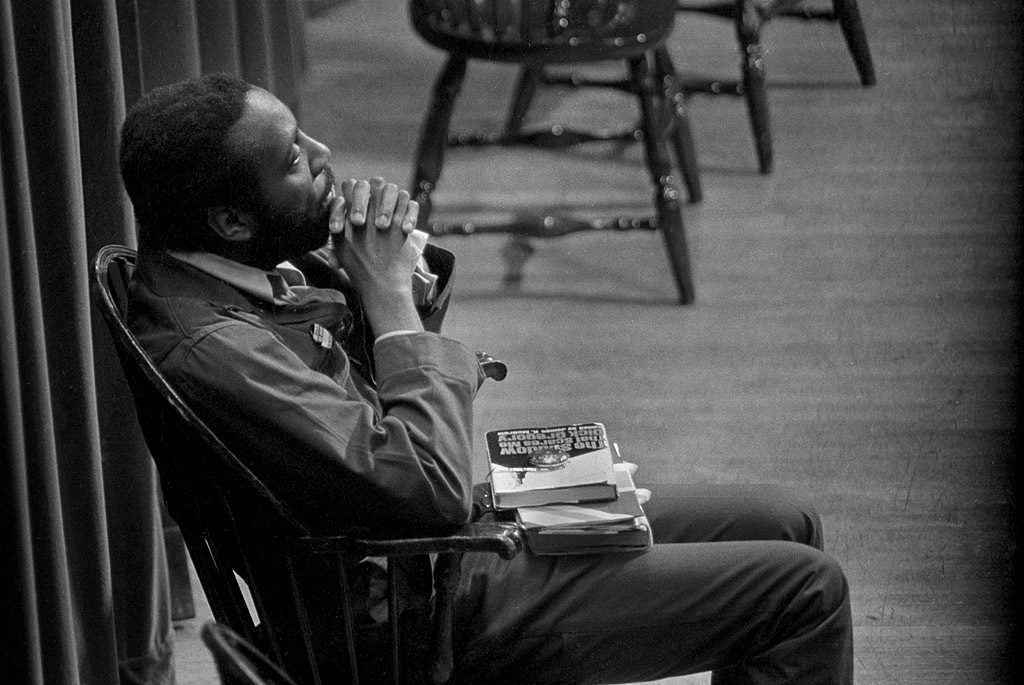
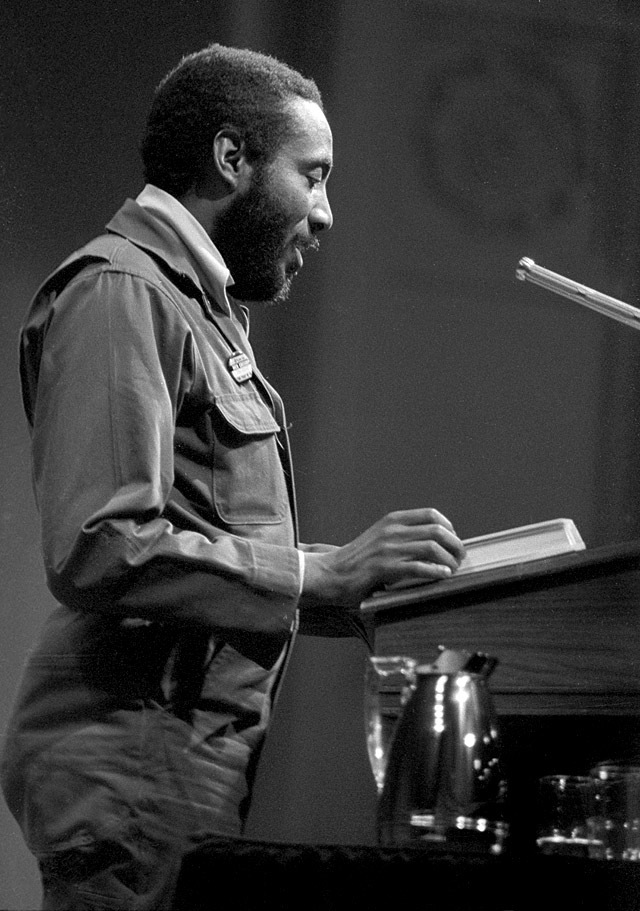
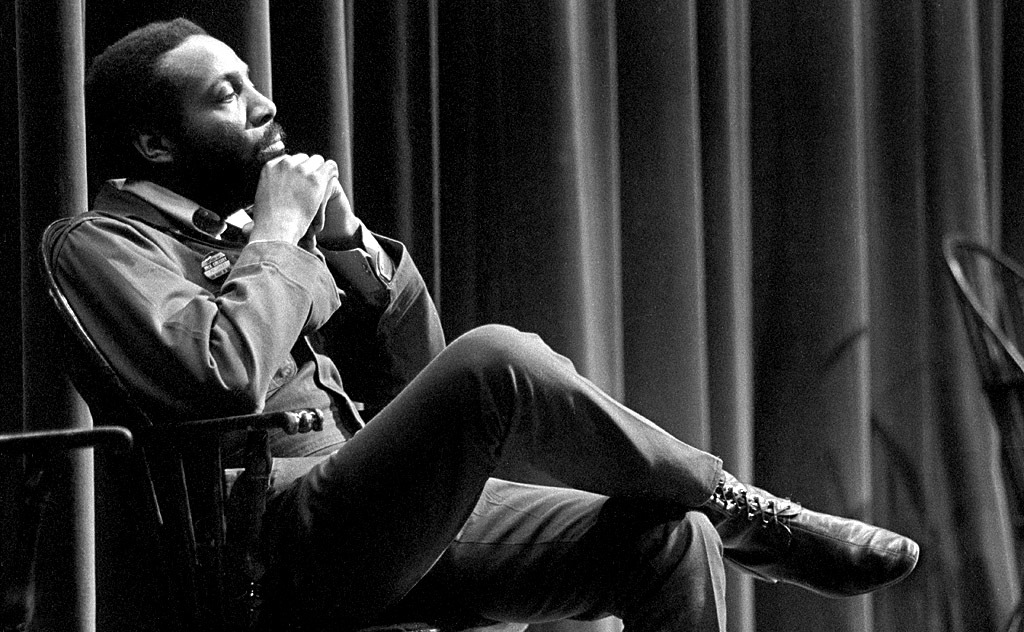
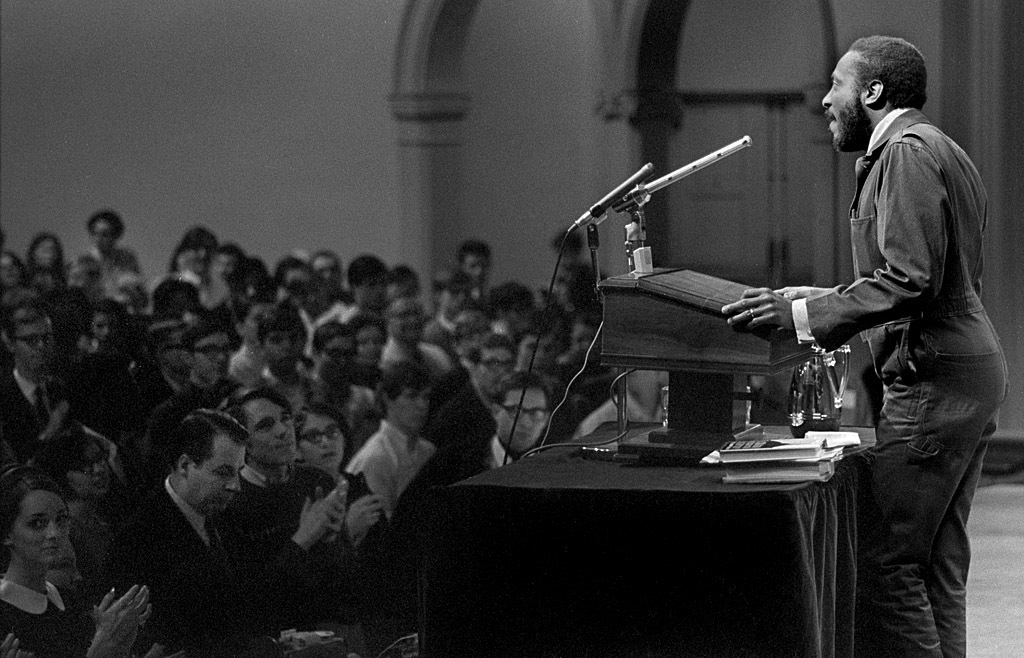
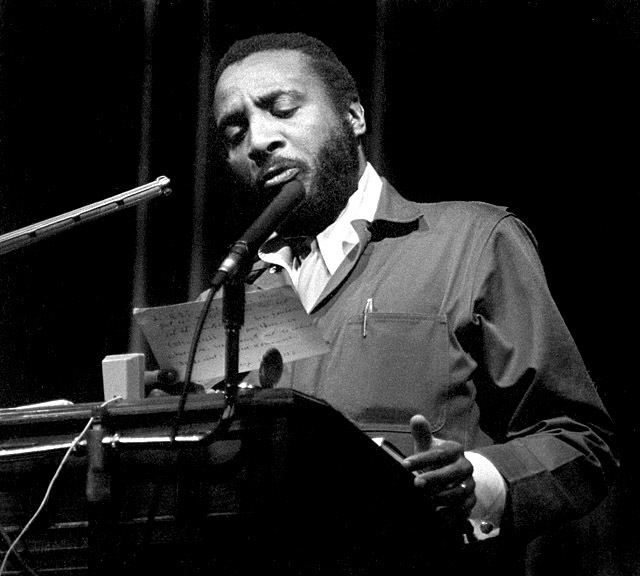
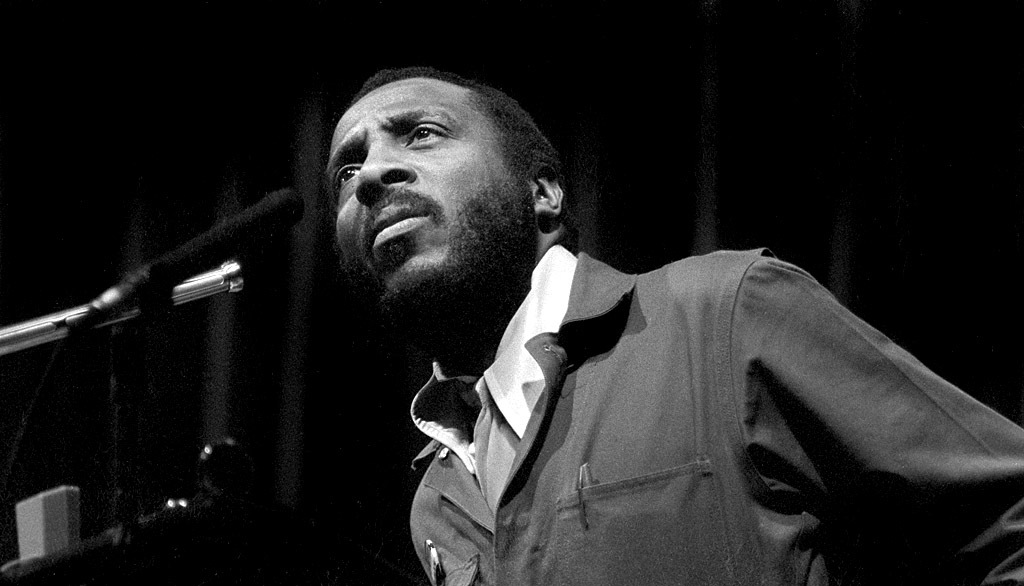
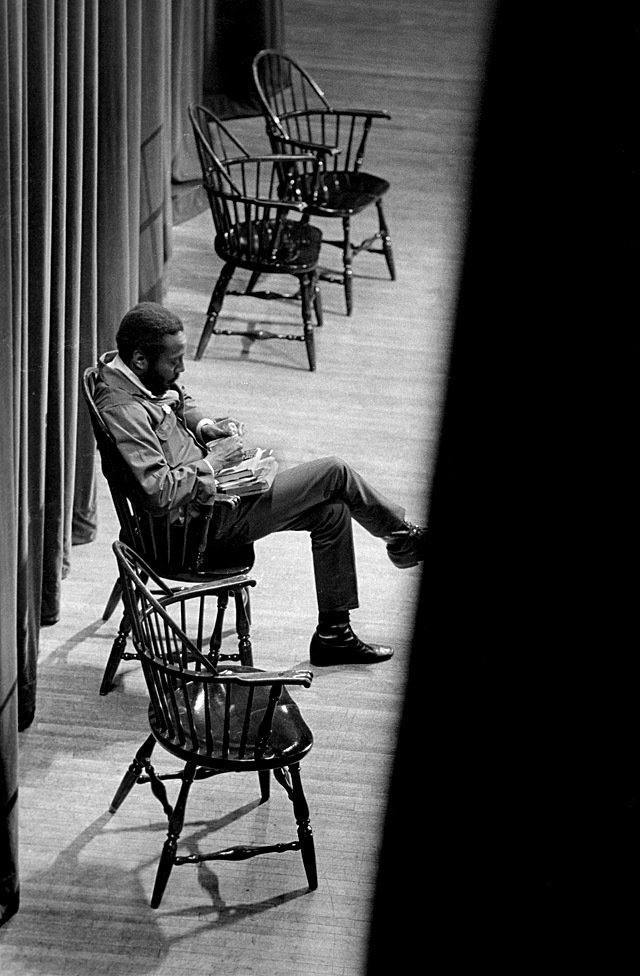
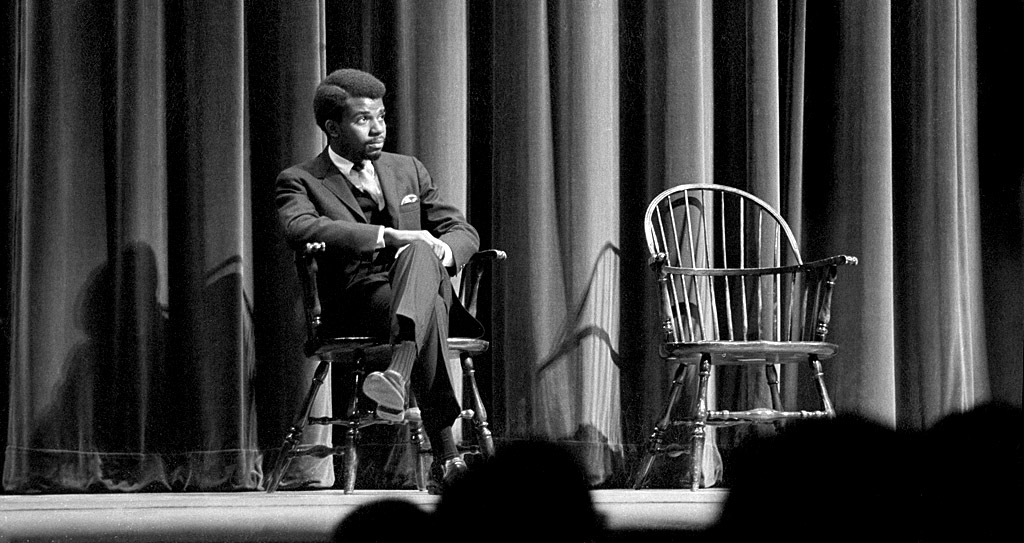
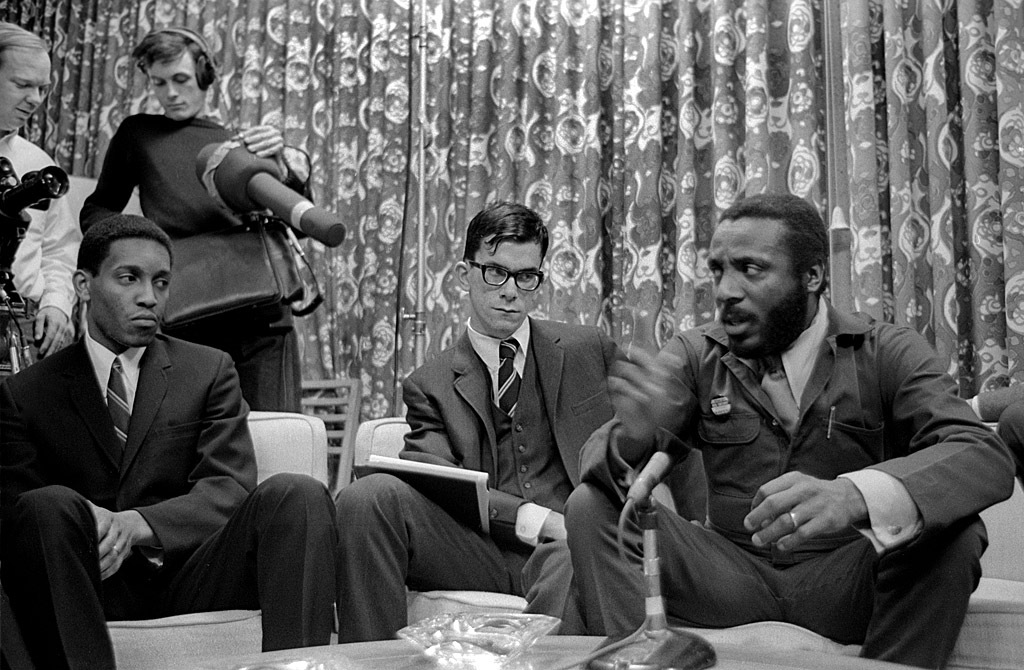
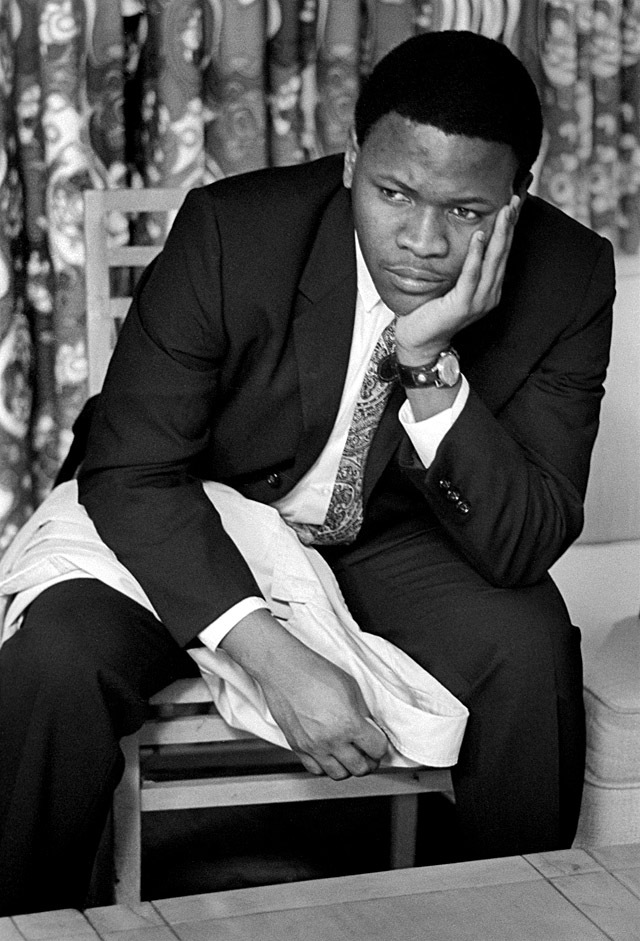
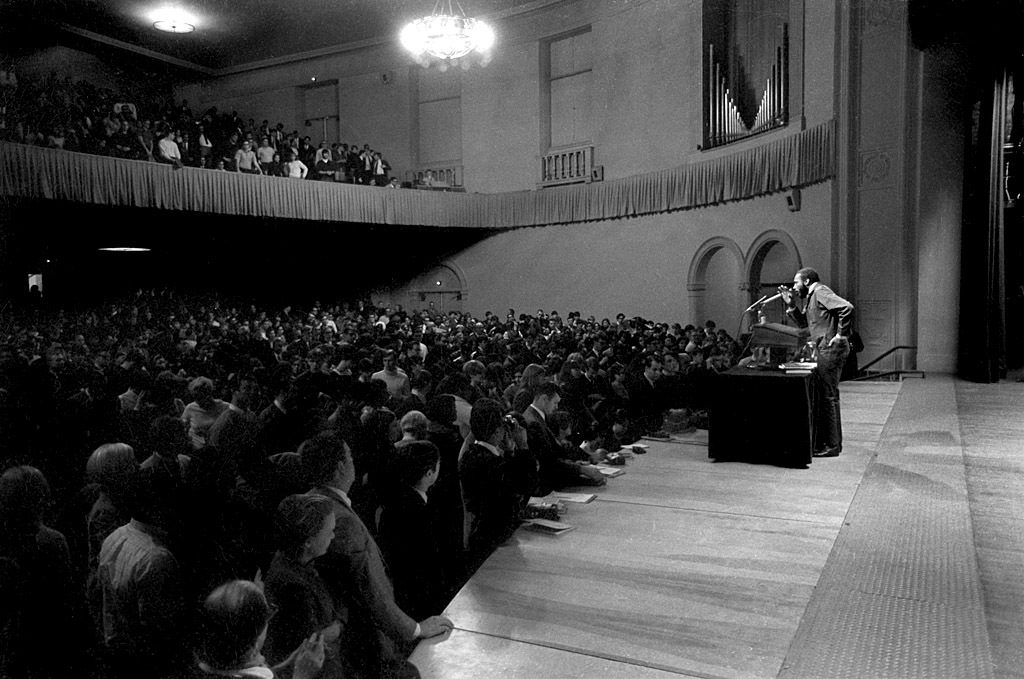
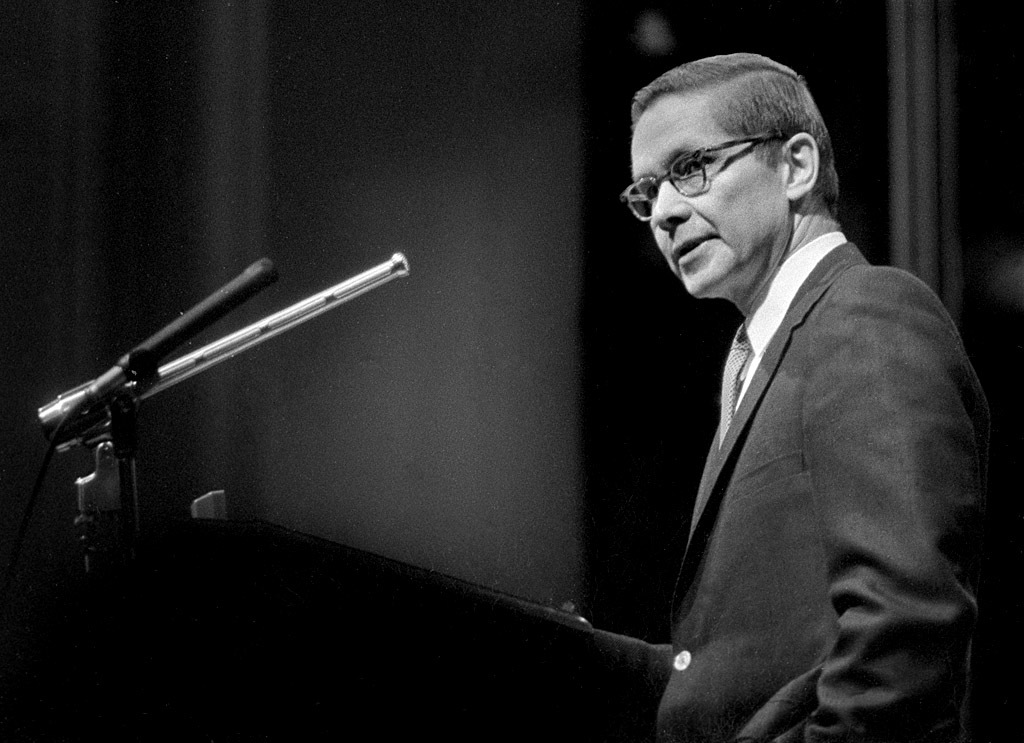
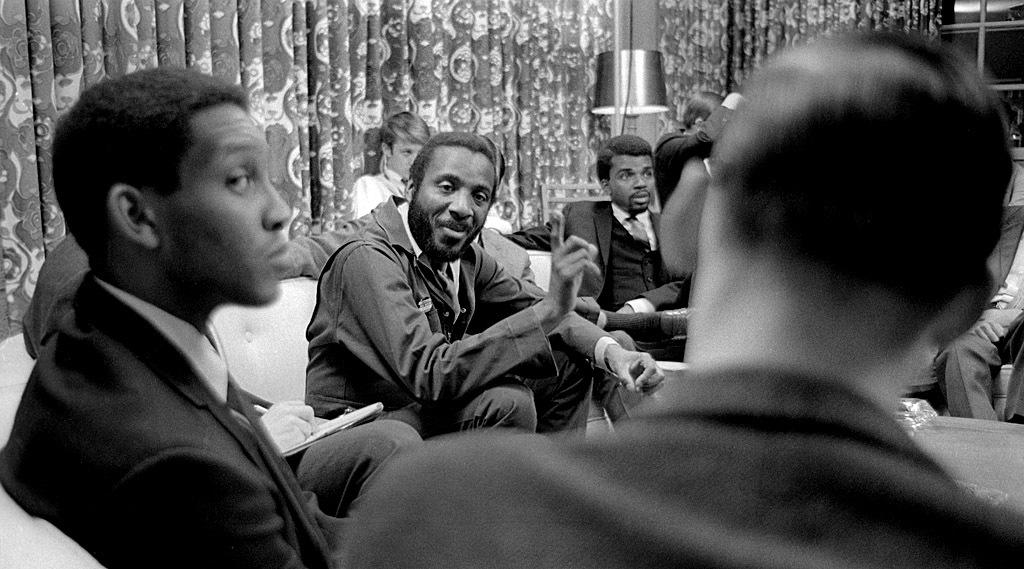
With all of the controversy about whether or not Cape Girardeau’s Rush Limbaugh should be in the Hall of Famous Missourians, I stumbled across a Show Me state resident who deserves a nomination – Dick Gregory. I was looking for something else the other day and stumbled across these photos of Gregory speaking at Ohio University in 1968.

I was surprised to find that (a) he was from St. Louis and went to school at Southern Illinois University and (b) he was still alive.

The Black Mort Sahl

The biography on his website says that he was African American comedian and civil rights activist whose social satire changed the way white Americans perceived African American comedians.

He was part of a new generation of black comedians that includes Nipsey Russell, Bill Cosby and Godfrey Cambridge. They broke with the minstrel tradition, which portrayed blacks as stereotypes.

Gregory, who had a dry, satirical wit, came to be known as the “Black Mort Sahl.” (Friends of Gregory would refer to Sahl as “the White Dick Gregory.” I was fortunate to cover Bill Cosby when he played Ohio University at about the same time.

Nigger” was best-seller

I bought his autobiography, Nigger, when it was published in 1963 (when it was on its way to becoming the number one best-seller in the country), but I never felt comfortable walking around with the cover showing, even though he explained in his forward that he had written a note to his mother saying, “Whenever you hear the word ‘Nigger,’ you’ll know they’re advertising my book.”

Routine impressed Hugh Hefner

He got one his earliest breaks when Hugh Hefner heard him perform this routine in front of a mostly white audience when he had been brought in as a last-minute replacement:

Good evening ladies and gentlemen. I understand there are a good many Southerners in the room tonight. I know the South very well. I spent twenty years there one night.

Last time I was down South I walked into this restaurant and this white waitress came up to me and said, “We don’t serve colored people here.” I said, “That’s all right. I don’t eat colored people. Bring me a whole fried chicken.”

Then these three white boys came up to me and said, “Boy, we’re giving you fair warning. Anything you do to that chicken, we’re gonna do to you”. So I put down my knife and fork, I picked up that chicken and I kissed it. Then I said, “Line up, boys!”

His temporary gig at the Chicago Playboy Club lasted three years.

Gregory changed my career

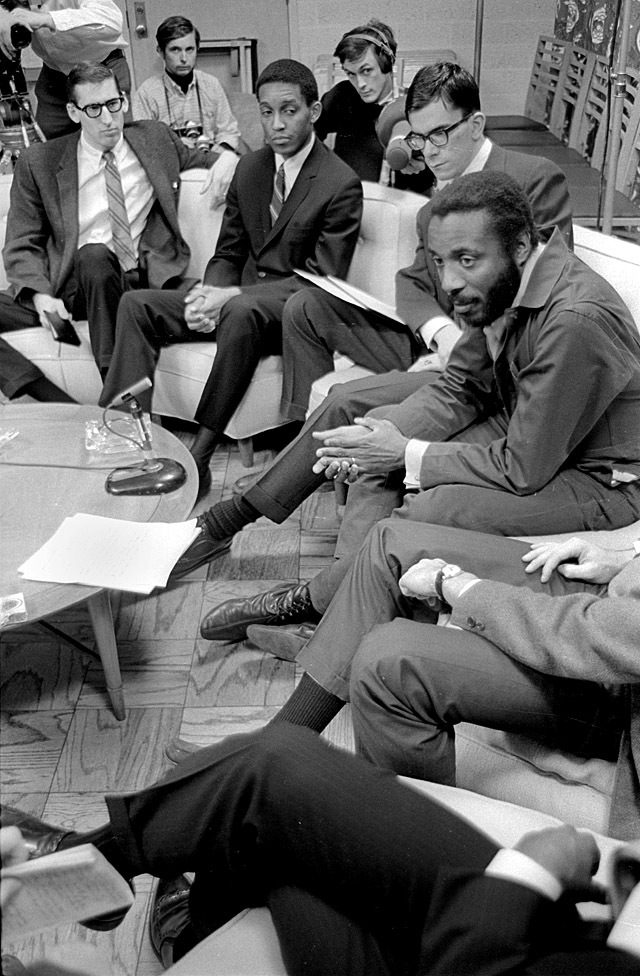
I was covering the event for The Ohio University Post. Much to my surprise, I got a call from The Athens Messenger, the local paper, asking if they could run my photo taken of Gregory while he waiting to go on. It was a surprise because I had seen photographer Bob Rogers at the press conference earlier that day, and I assumed that he must have covered the speech as well.

See, newspapers HATE to pick up something from a competitor. Now, The Post was the university student newspaper and The Messenger was the “real” paper, so we weren’t exactly competitors, but I always looked to see how I had stacked up against Bob or Jon Webb when we had been at the same event.

I was flattered that they wanted the art, so I offered it up quickly. I think that’s probably what led to them offering me an internship that summer. When they couldn’t find anyone who would work as long, hard (and cheap) as I would, it turned into a full-time job. When Bob moved on, I became chief photographer.

 Write-in Candidate for President

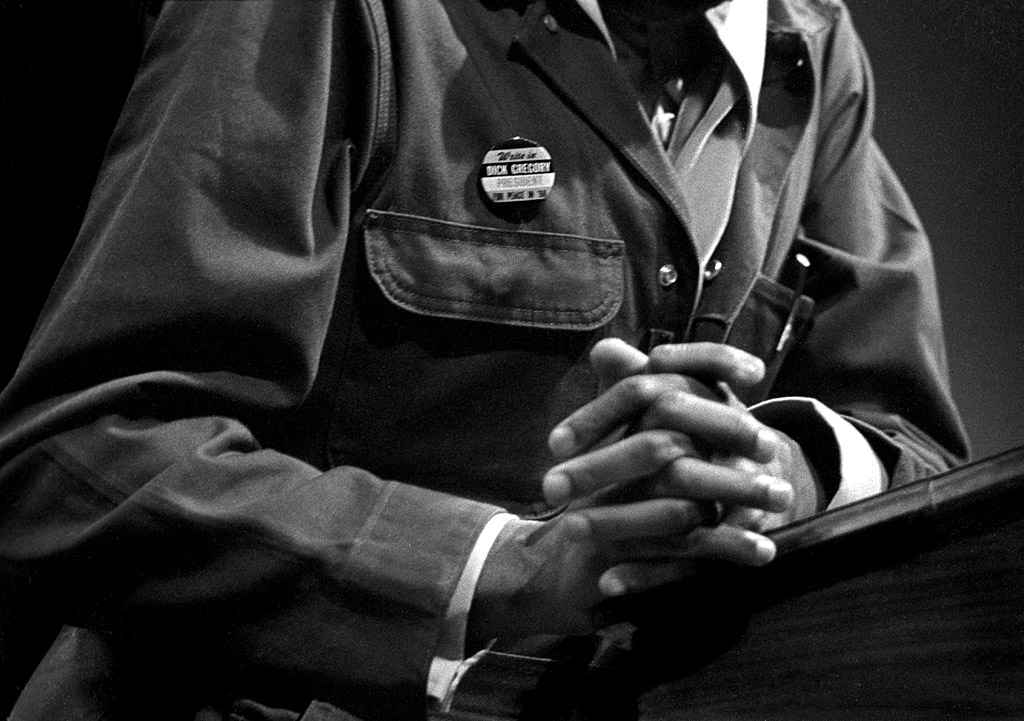
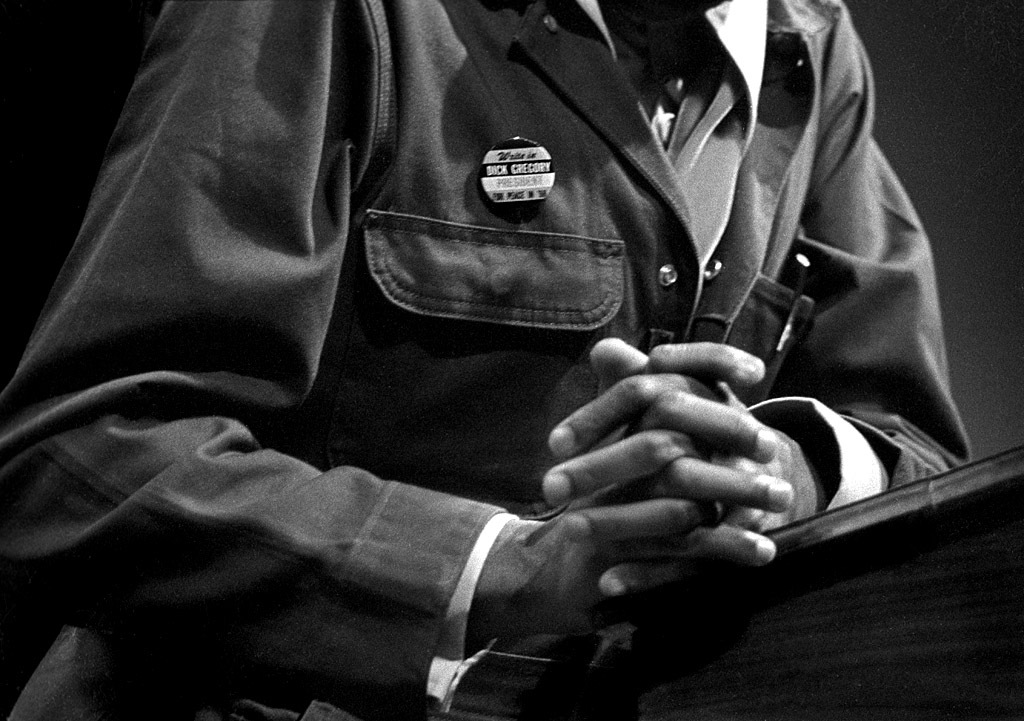
Gregory ran for president in 1968  as a candidate of the Freedom and Peace Party, a splinter group of the Peace and Freedom Party. His button reads, “Write in Dick Gregory President for Peace in ’68.”

I guess I can add him to the list of presidents and presidential candidates I’ve covered.

Standing ovation

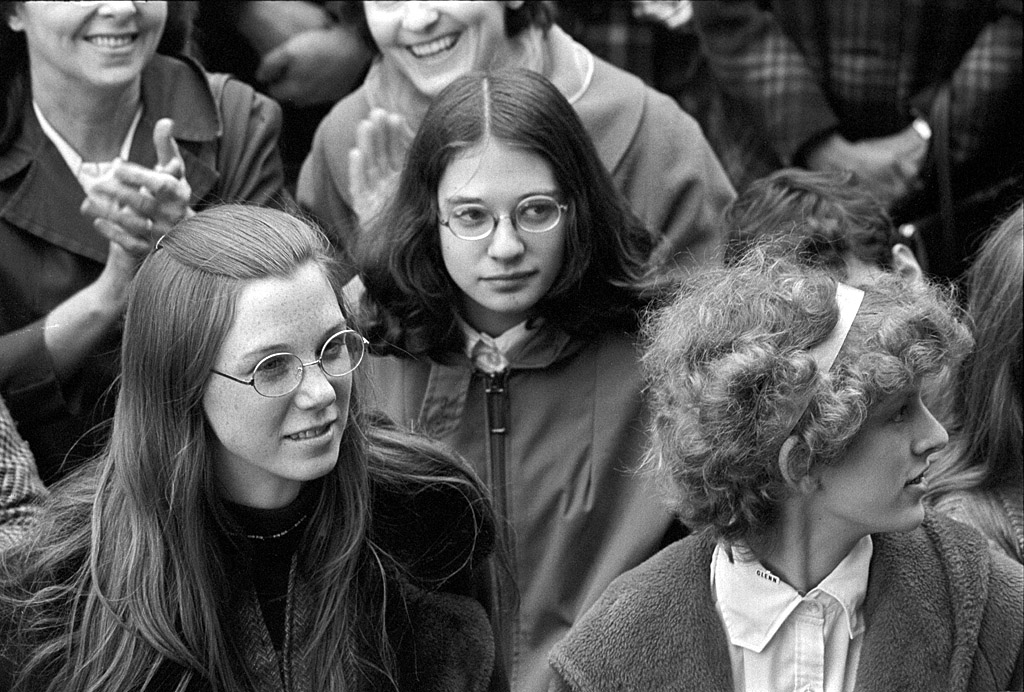
Gregory’s speech was well-received by the mostly white audience. Even though I was busy shooting the event from a multitude of positions, I heard enough to be impressed by the way he managed to get his point across without stabbing anyone with it.

I think he opened some eyes that evening. Most of us hadn’t heard that perspective before.

This site has an interesting collection of Dick Gregory quotes. In some he’s funny; in others he’s ironically angry; in others, he’s thought-provoking.

Interesting body language

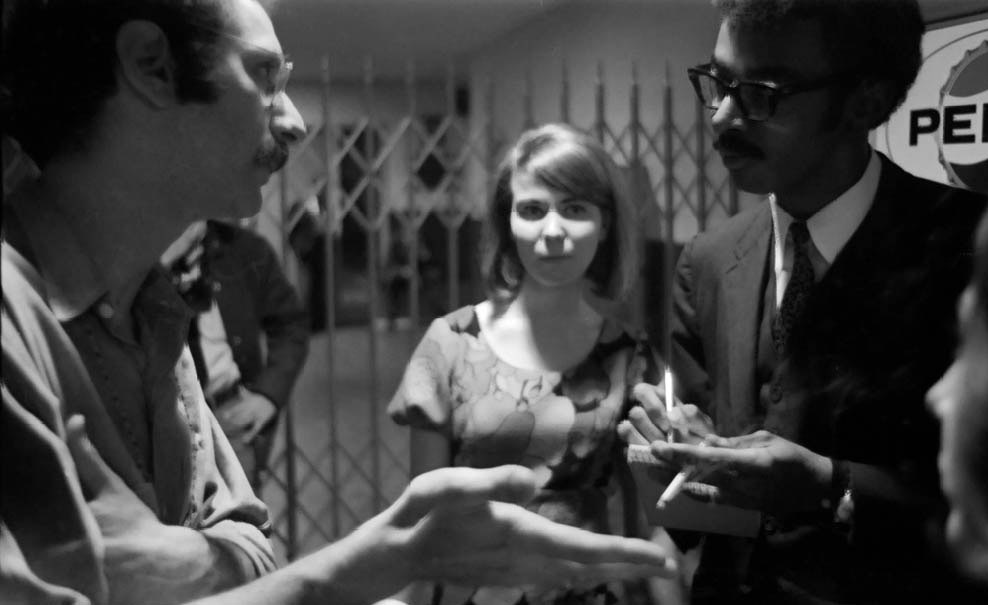
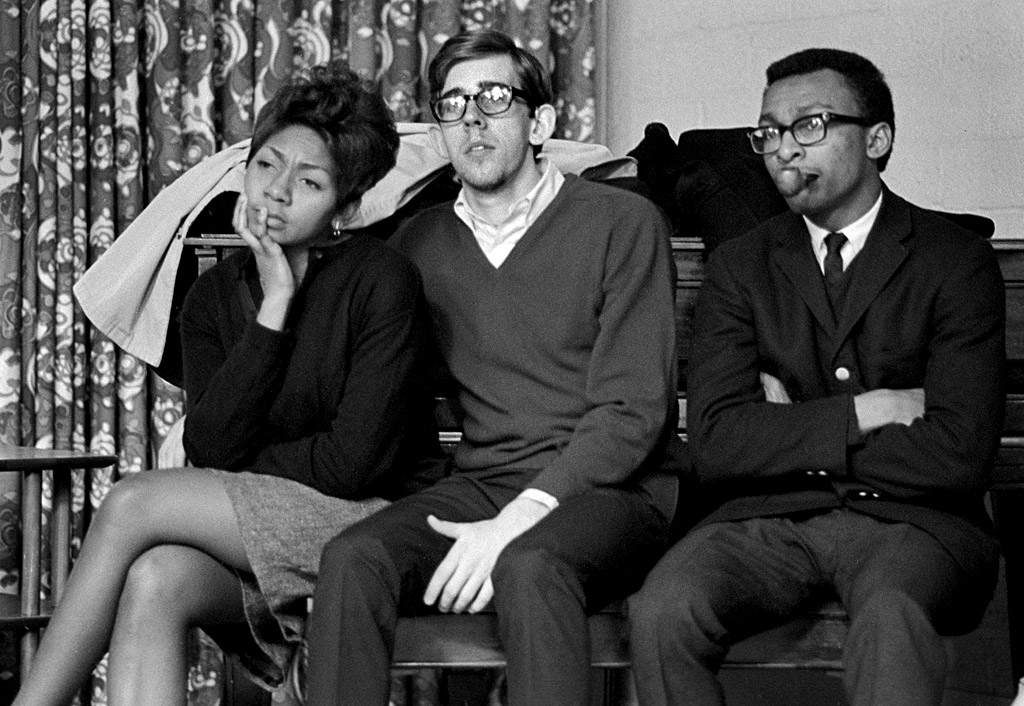
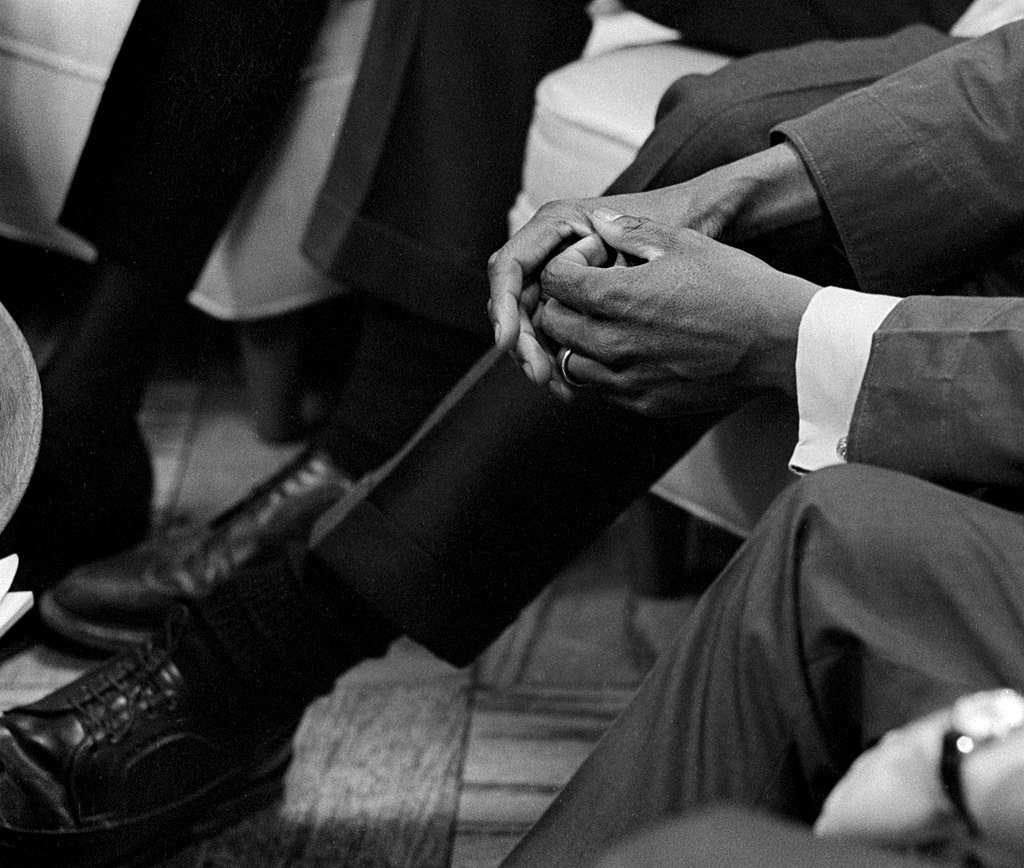
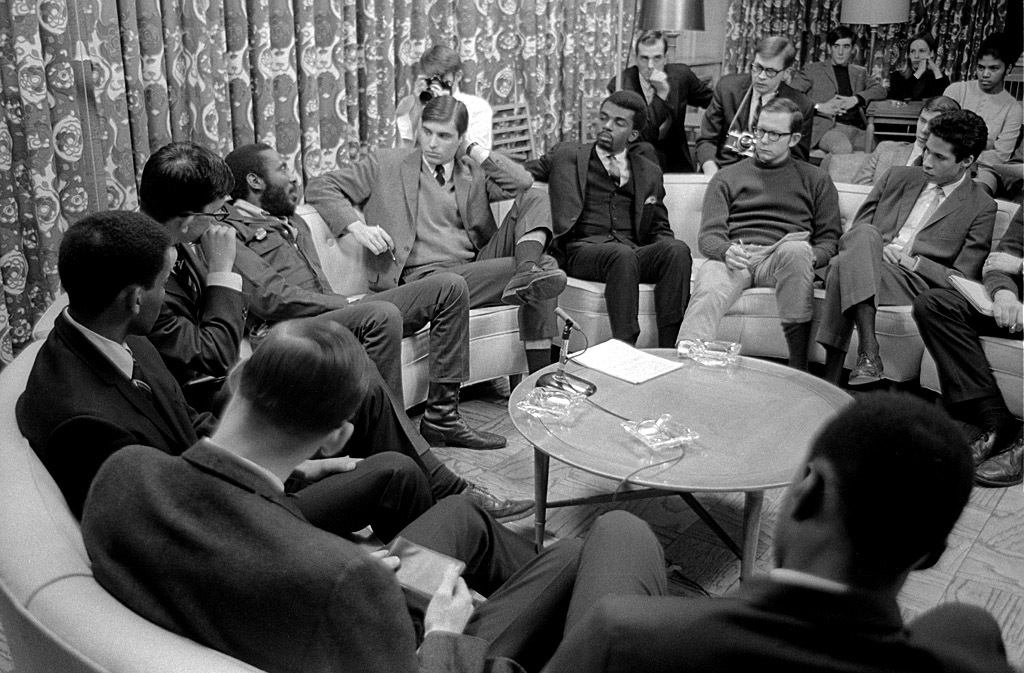
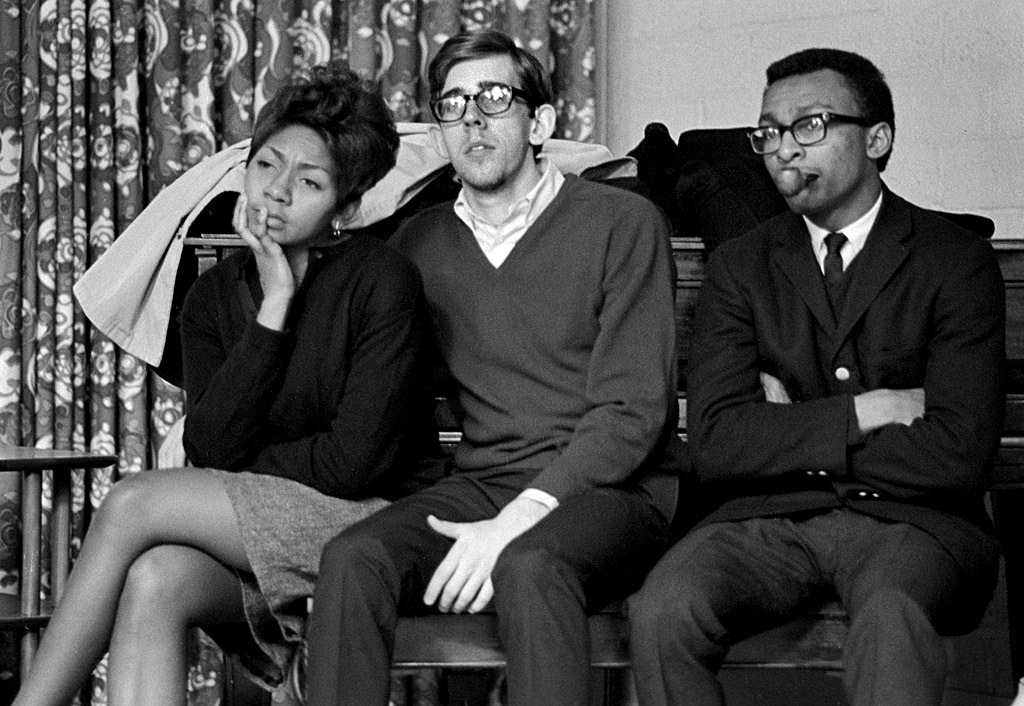
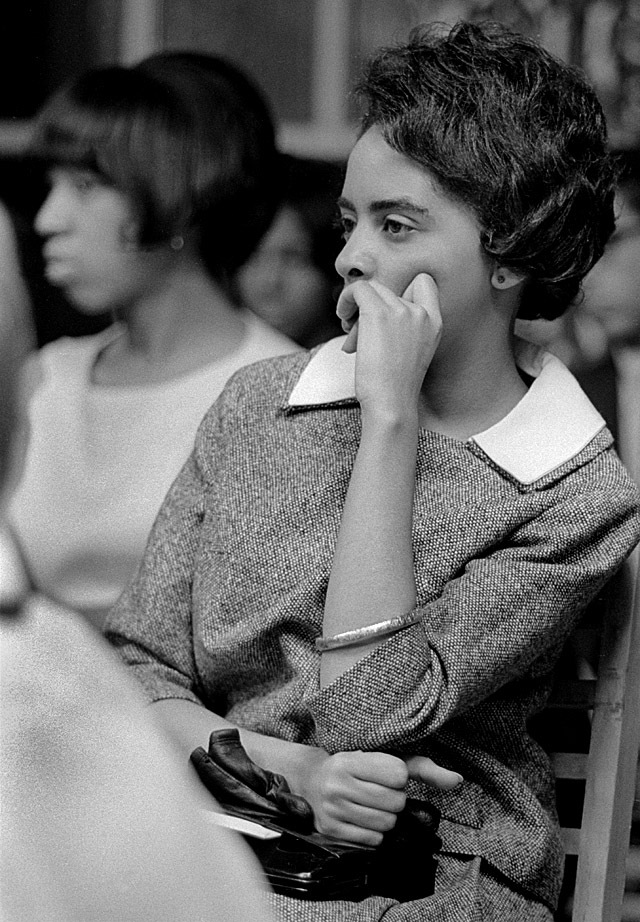
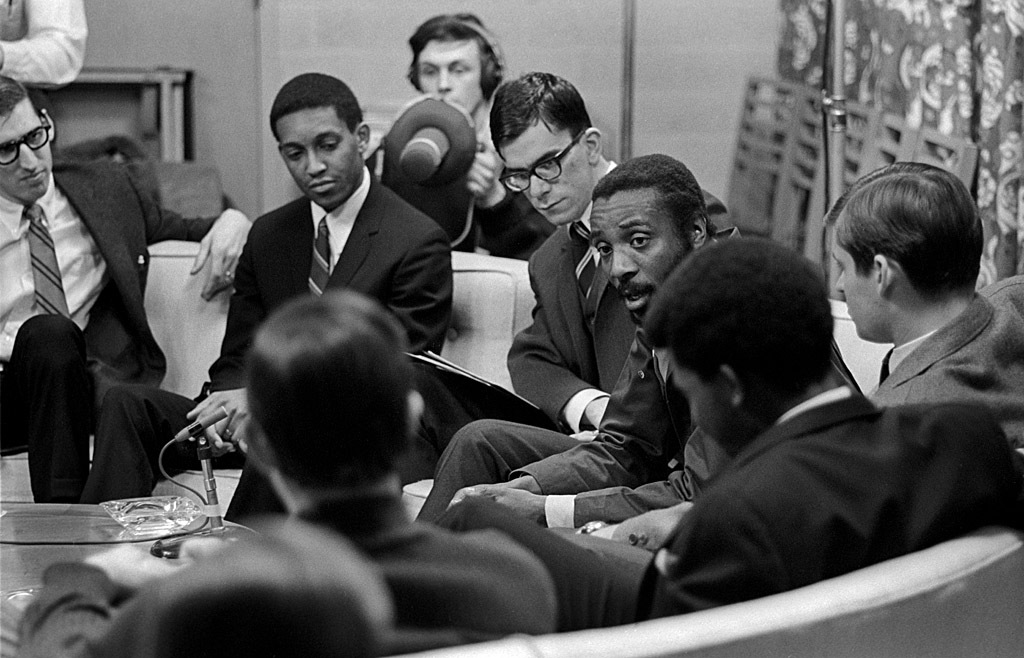
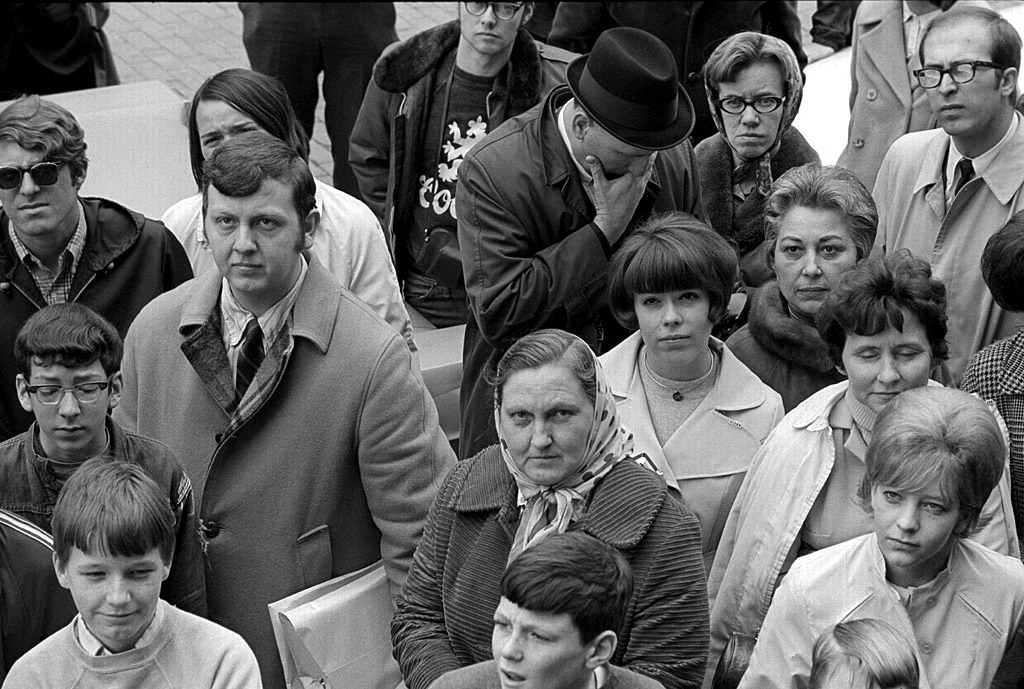
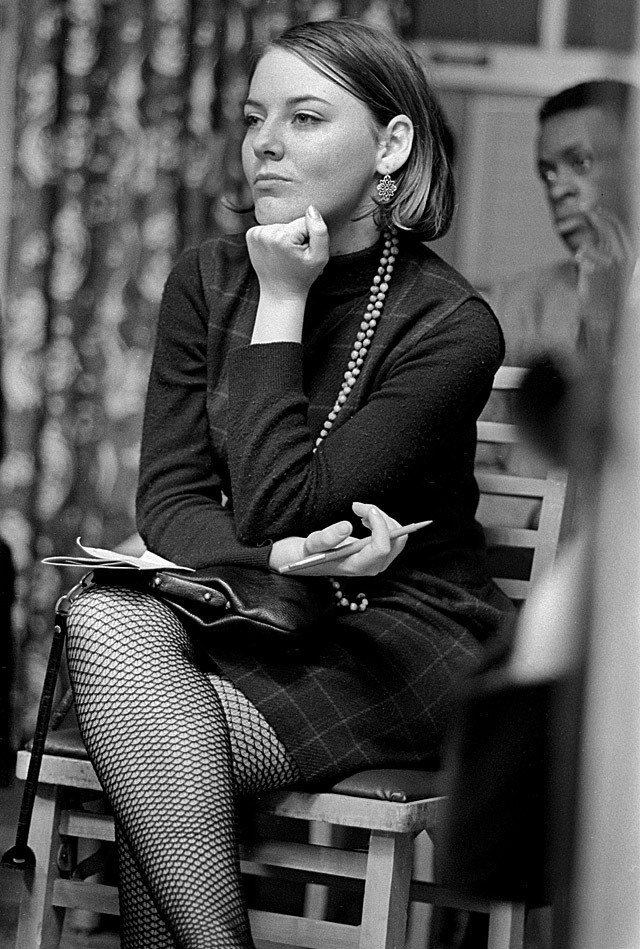
I didn’t notice it when I edited the film in 1968, but take a look at the photo gallery. There’s an interesting contrast in body language between the white students and the black students at the afternoon press conference.

I see a lot of crossed arms and furrowed brows. I’m not sure the black students were as receptive to Gregory’s message as the white students.

Dick Gregory Photo gallery

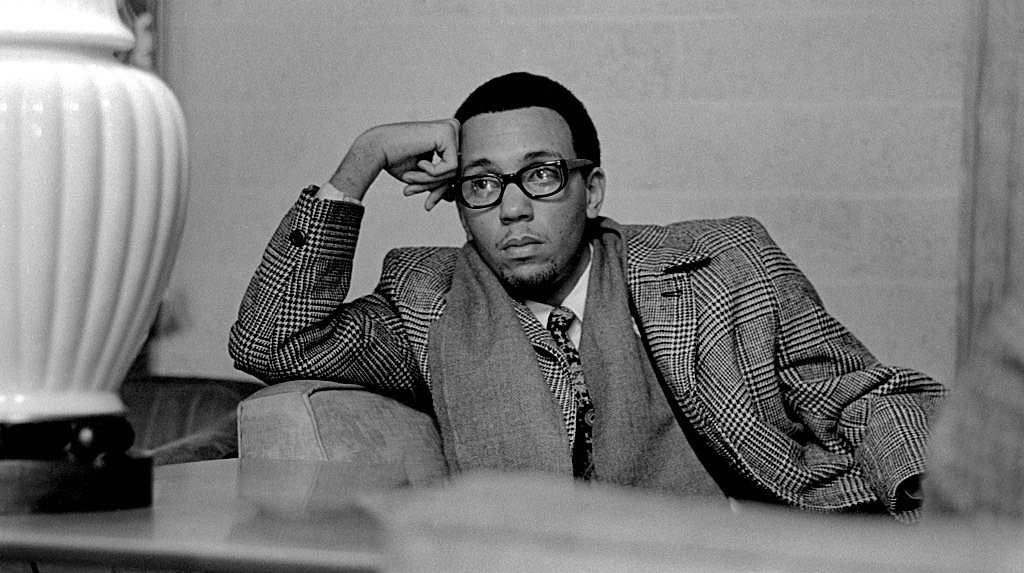
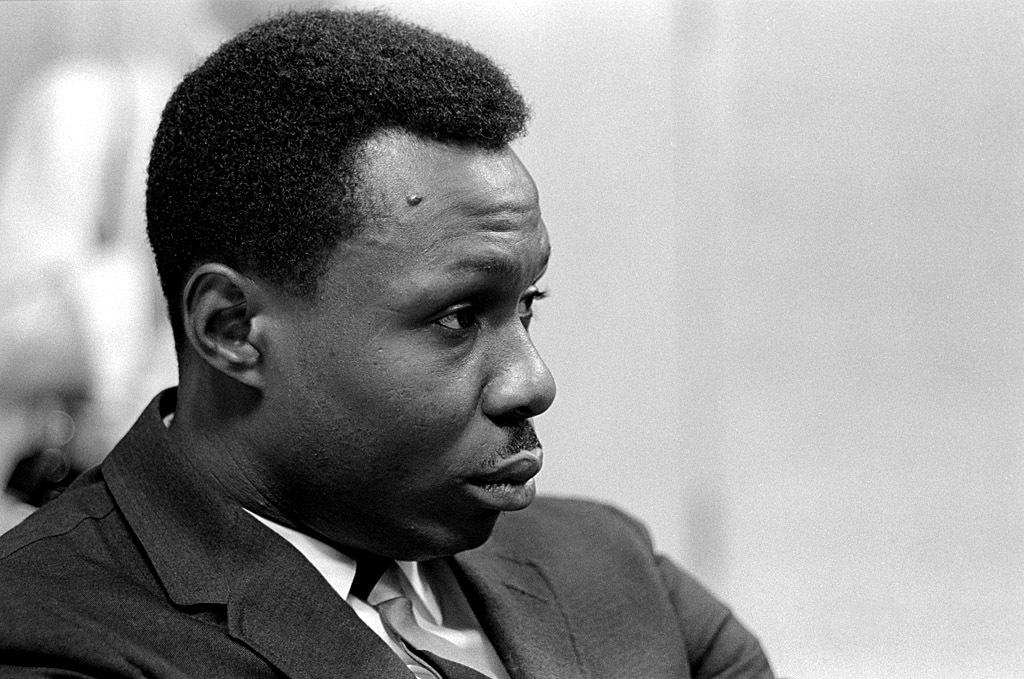
I included a bunch of press conference photos in the gallery to show some of the folks I worked with in those days: Bob Rogers, Tom Price, Ed Pieratt and some radio and TV guys who look familiar (but we print guys didn’t bother pay much attention to them). Click on any photo to make it larger, then click on the left or right side to move through the gallery.

.


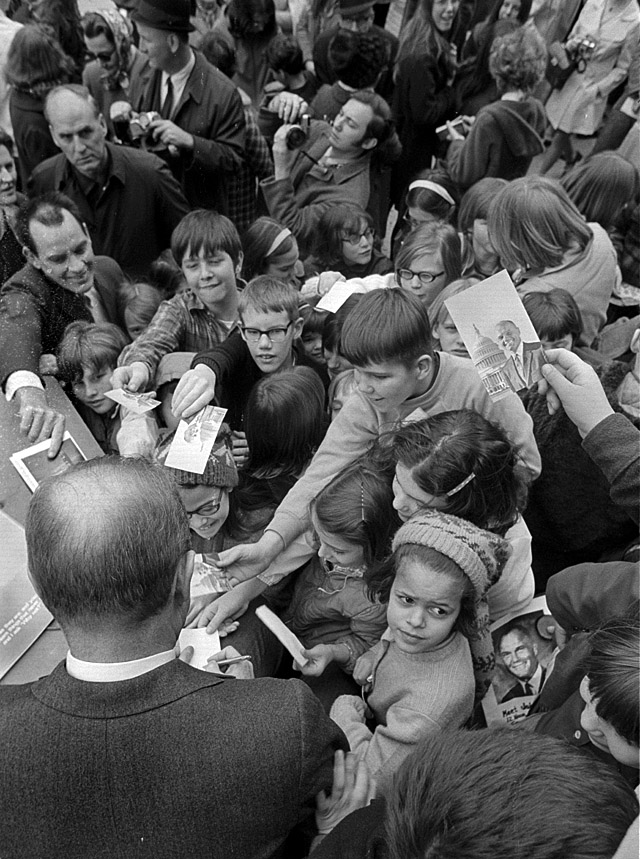
John Glenn Runs for Senate

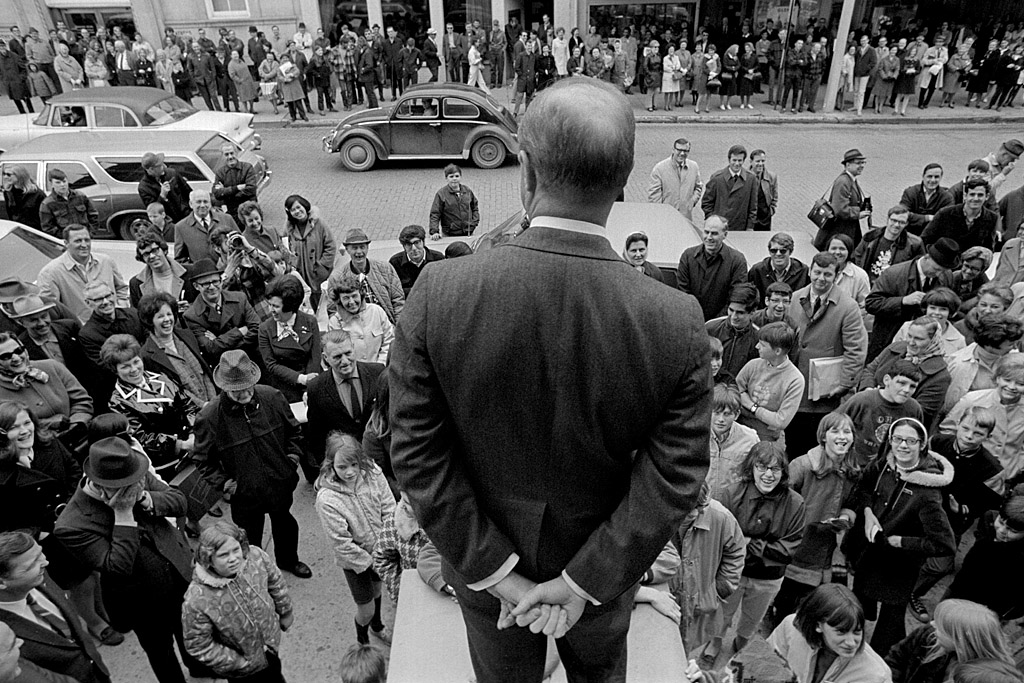
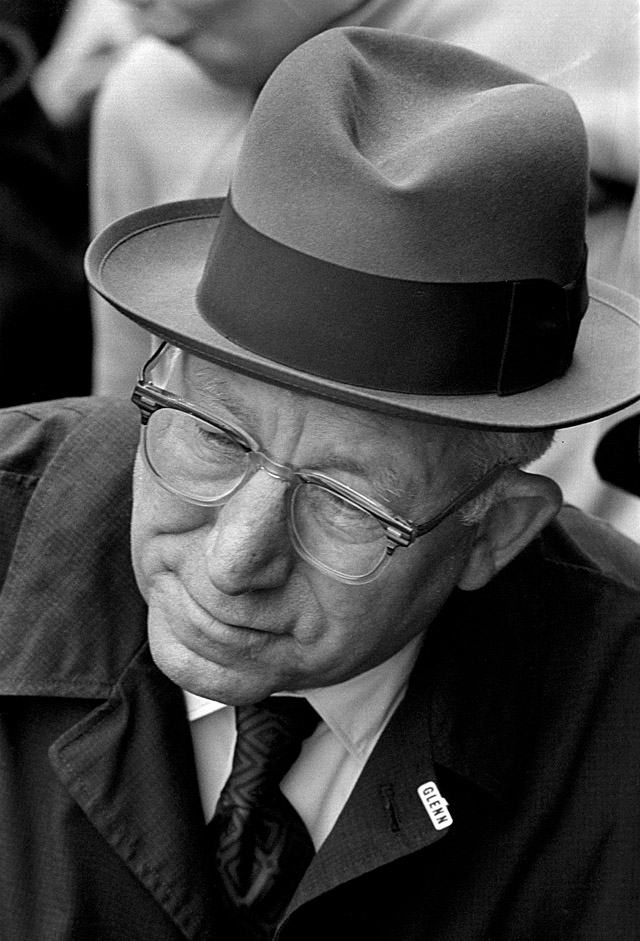
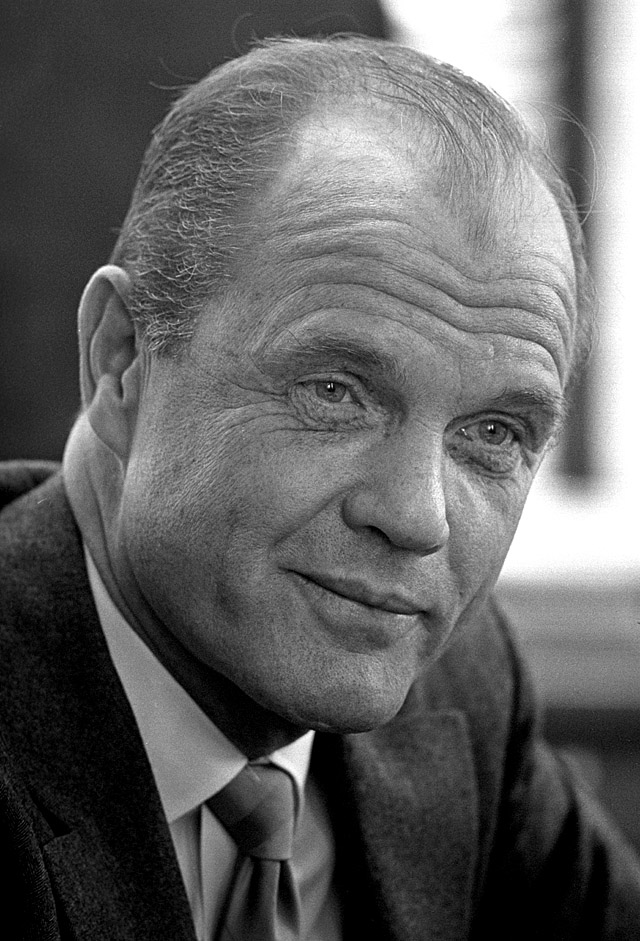
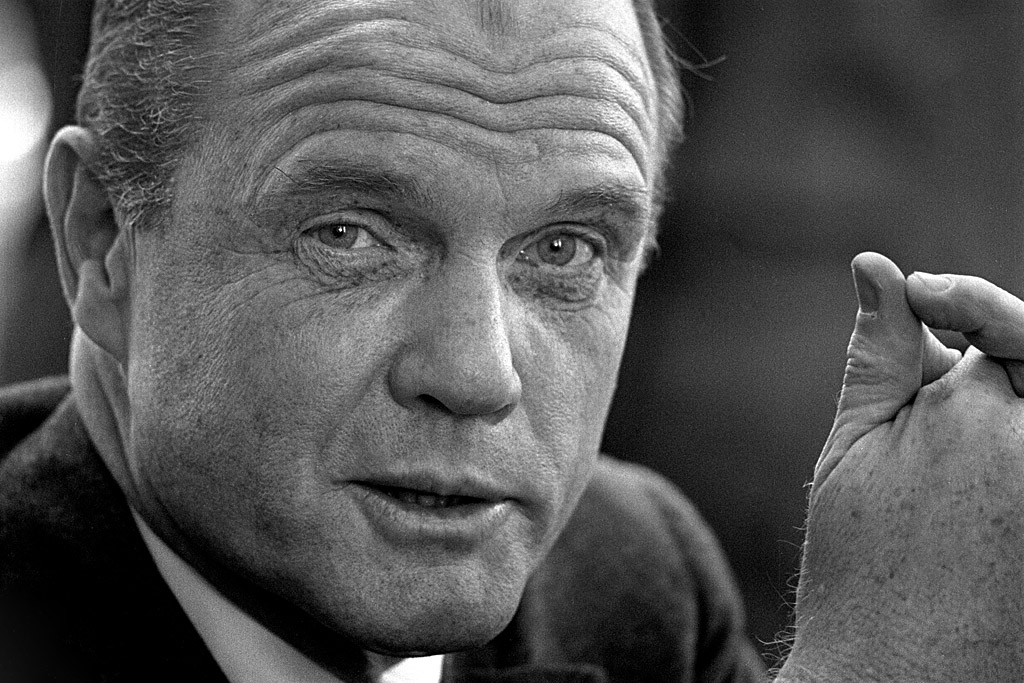
It’s been 50 years since John Glenn made his trip around earth in the Friendship 7 Mercury spacecraft. Eight years later, he was brought to earth in a different way when he failed to win the Ohio Democratic nomination for the U.S. Senate. He lost to Howard Metzenbaum, who lost to Robert Taft, Jr., in the general election.

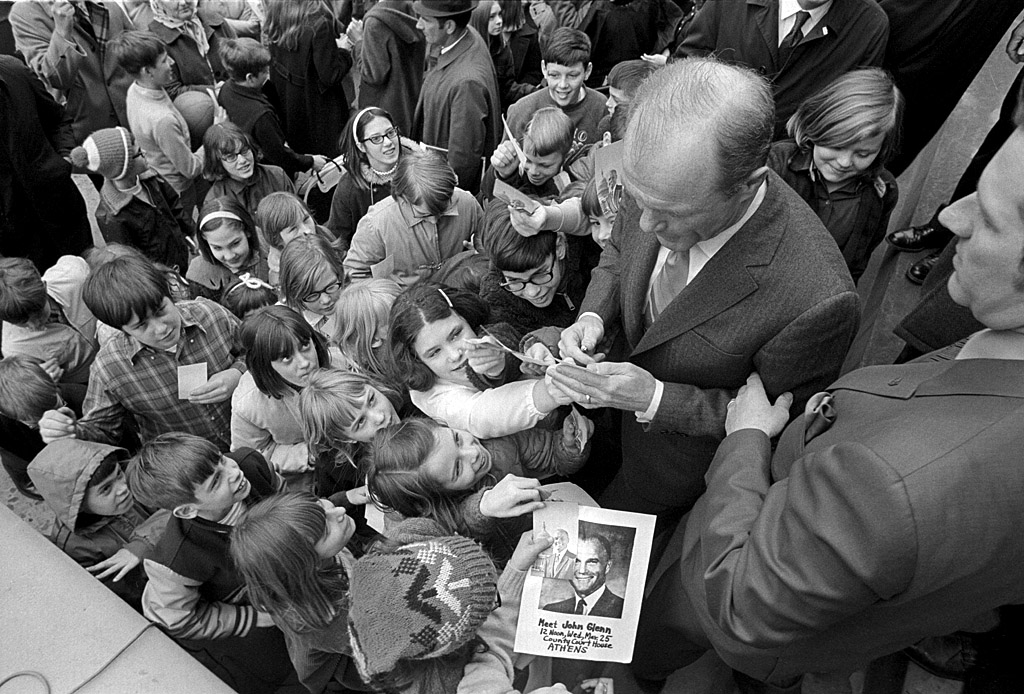
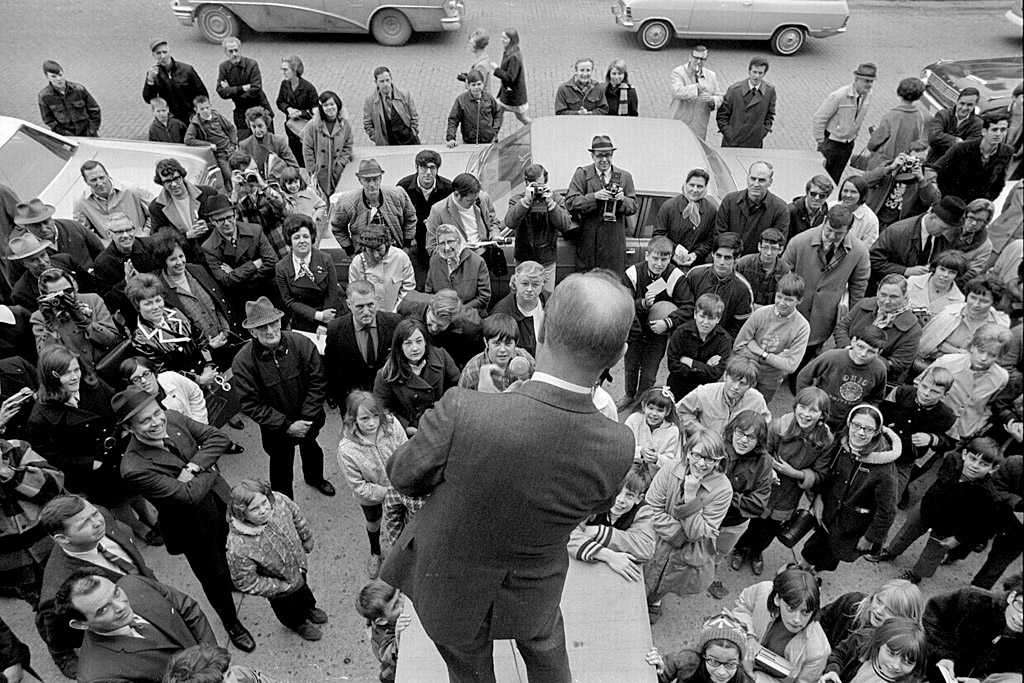
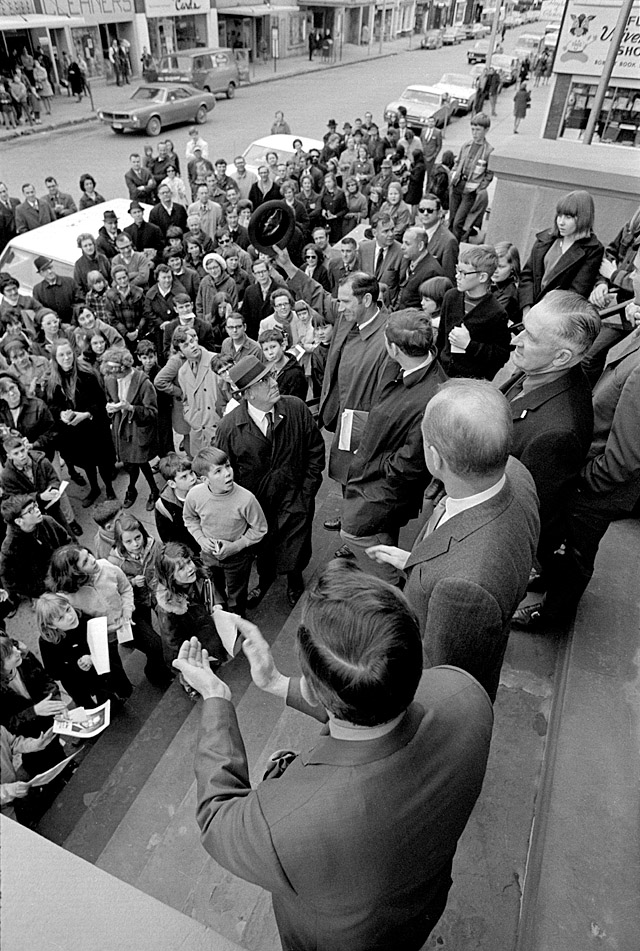
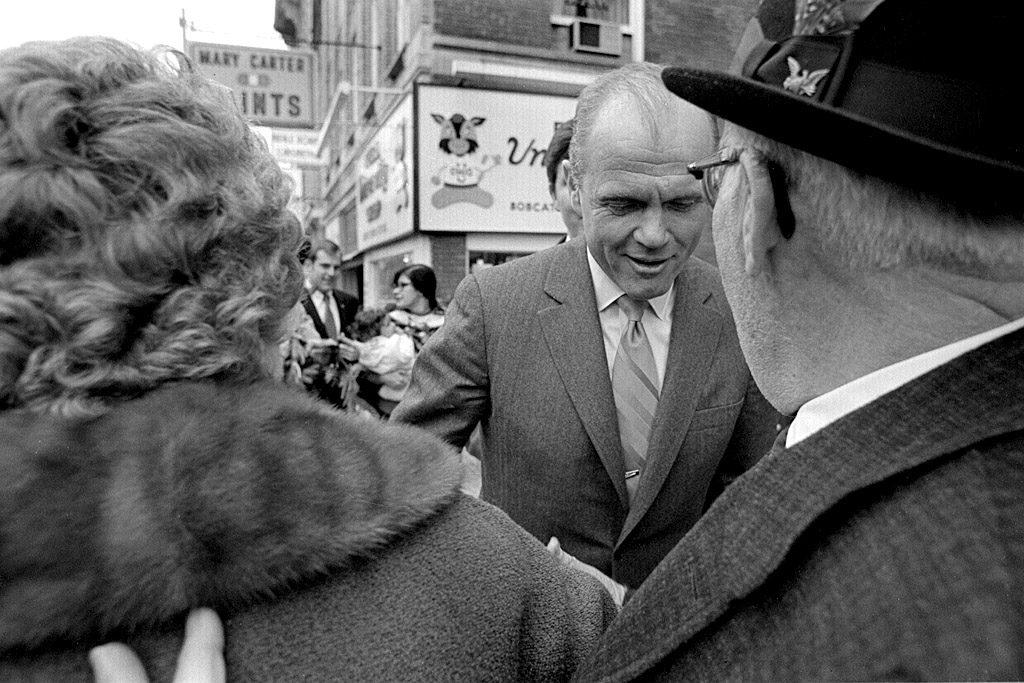
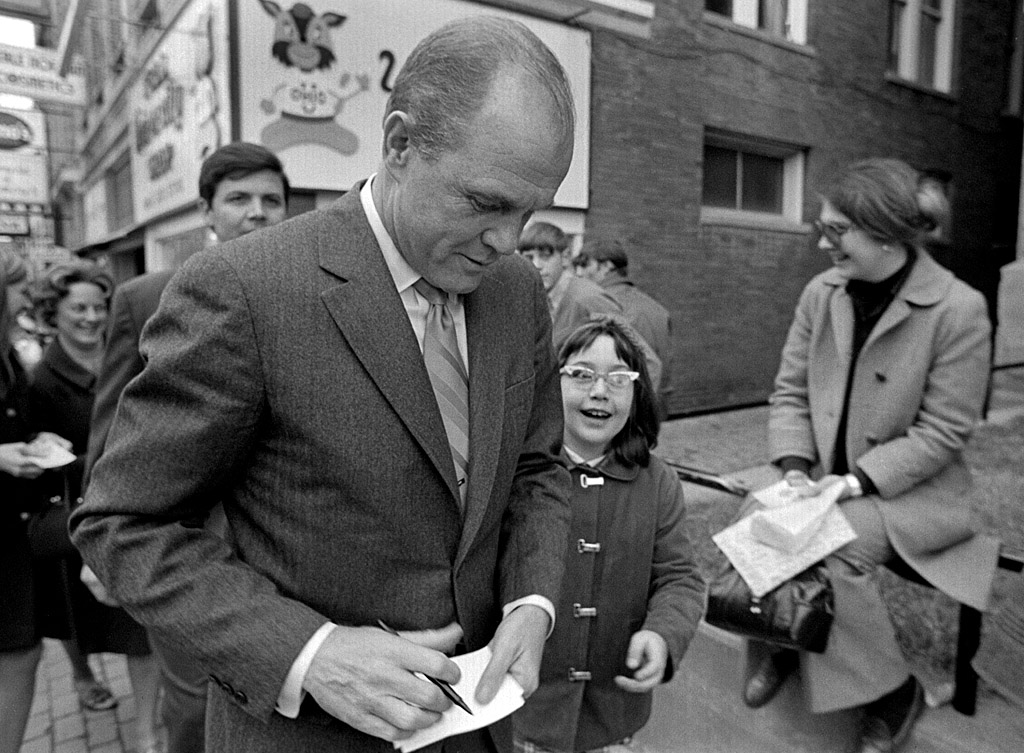
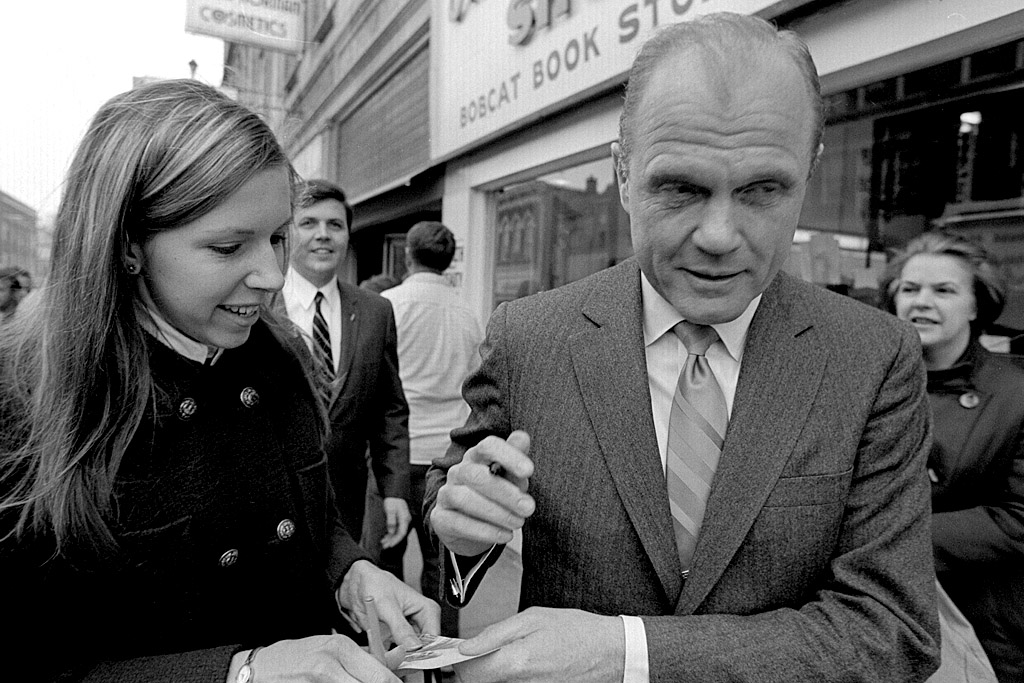
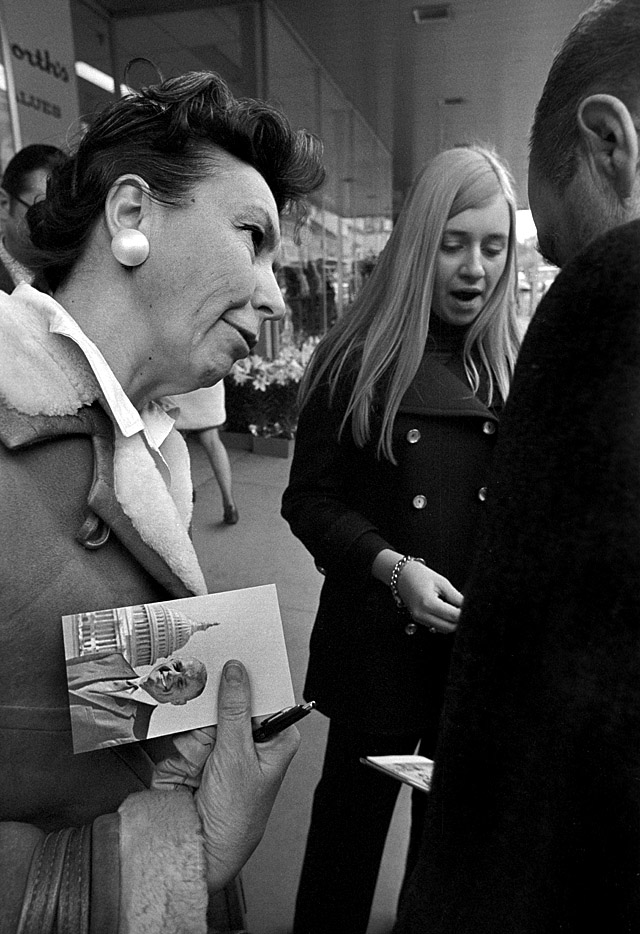
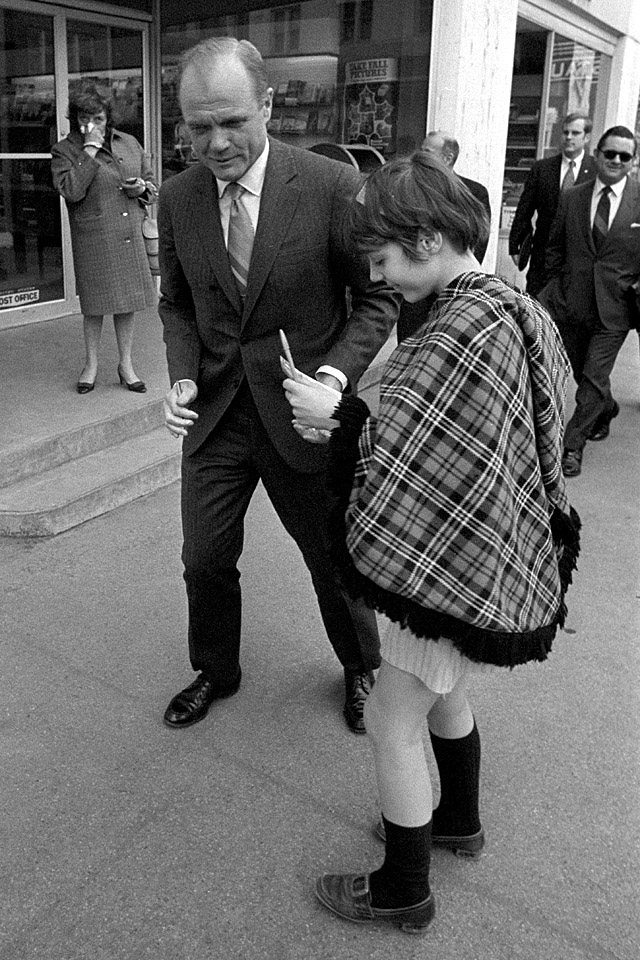
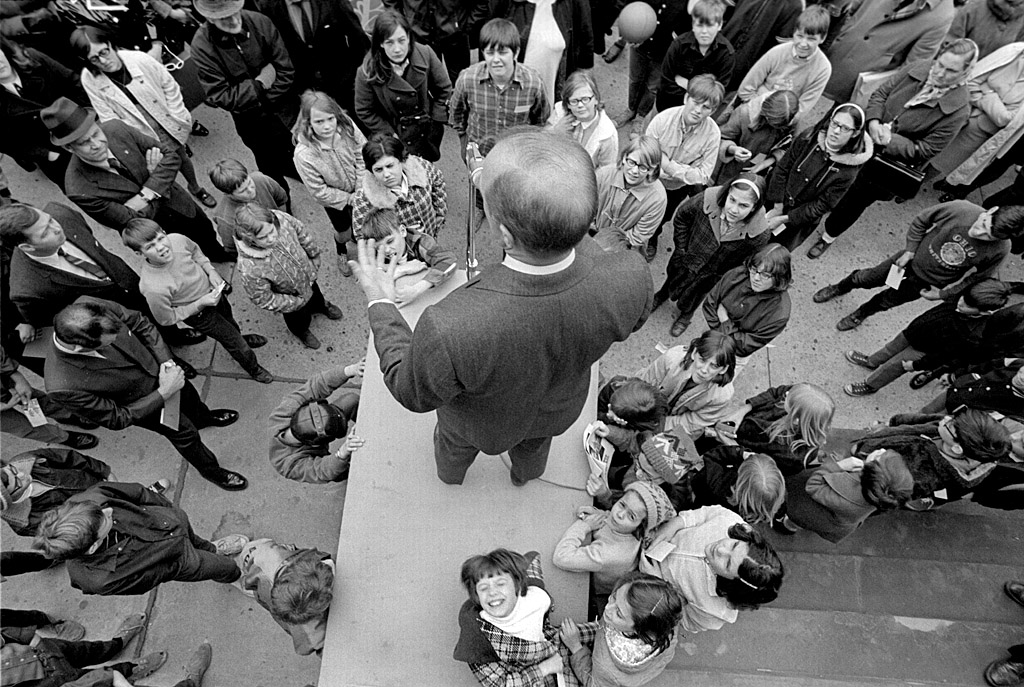
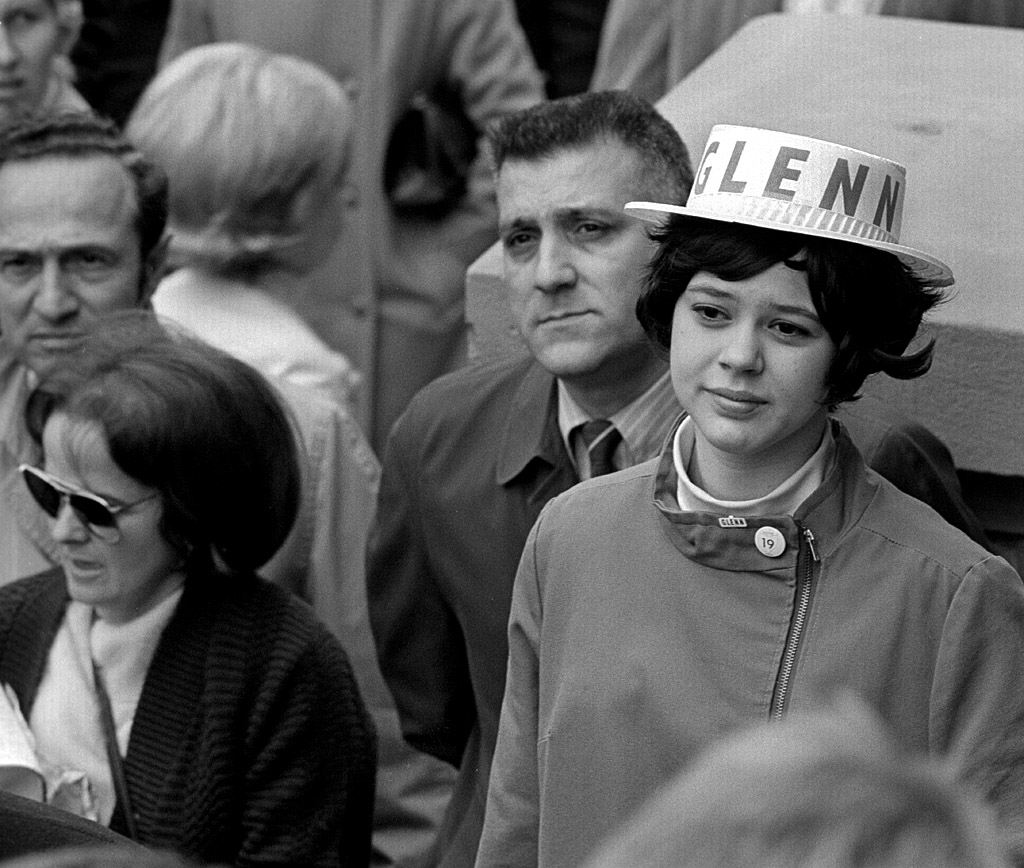
These photos were taken when he was campaigning in Athens, Ohio, in 1970.

The Gold Star Mothers speech

Glenn and Metzenbaum faced off again in 1974. Metzenbaum contrasted his strong business background with Glenn’s military and astronaut credentials, saying his opponent had “never worked for a living.”

Glenn’s reply came to be known as the “Gold Star Mothers” speech. He told Metzenbaum to go to a veterans’ hospital and “look those men with mangled bodies in the eyes and tell them they didn’t hold a job. You go with me to any Gold Star mother and you look her in the eye and tell her that her son did not hold a job.”

Began Senate career that lasted until 1999

After besting Metzenbaum in the primary, he beat his Republican opponent and held the Senate seat until 1999.

John Glenn photo gallery

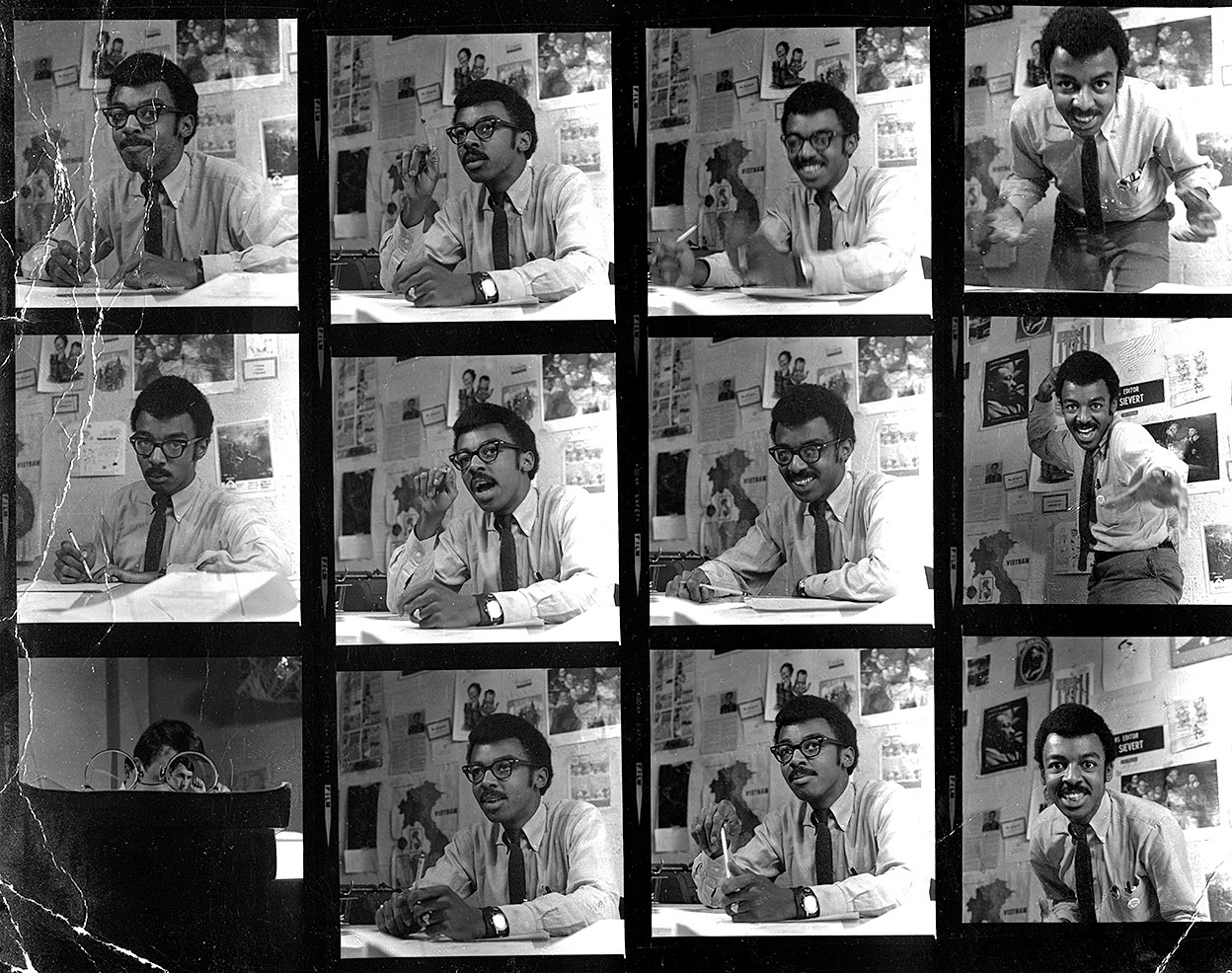
Missourian photographer Fred Lynch’s blog had a photo of John Glenn campaigning for Robert Kennedy in Cape in 1968. I didn’t shoot Glenn there, but I did snag these photos of the astronaut two years later. Click on any photo to make it larger, then click on the left or right side of the image to move through the gallery.


Turtles, Frogs, Dogs and Desperation

A question that comes up from time to time is where do you find inspiration and story ideas?

The short answer “desperation.”

There was this big monster in the pressroom that had to be fed every day. I thought I had put The Monster behind me, but I’m filing more stories doing this blog than when I working for newspapers. When you’re doing feature-type stories, you can’t rely on plane crashes, fires and floods to bail you out. You have to dig up topics out of the thin air. Here’s an example of  how ideas pinball all over the place, and rarely in a straight line.

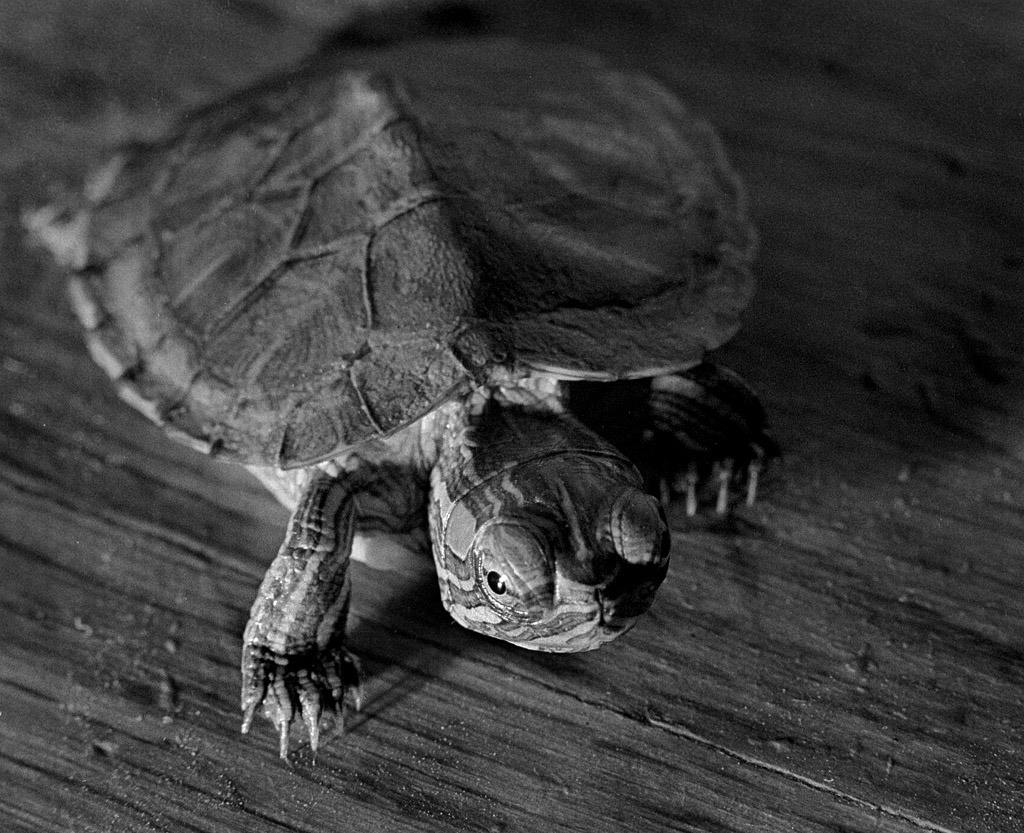
I was looking at some random negatives from Cape when this turtle caught my eye. This was a Steinhoff pet from back in the days when we were made of tougher stock. We didn’t know then that the tiny turtles, available in plastic bags at the SEMO Fair or in every pet store, were death on the half shell. Don’t believe me? Check out this FDA warning about Salmonella-bearing tiny turtles. (Click on any photo to make it larger. Don’t forget to wash your hands if you touch the turtle.)

But, like they say in the infomercials, there’s more. A turtle made me think of a frog.

Pomeroy Frog Jumping Contest

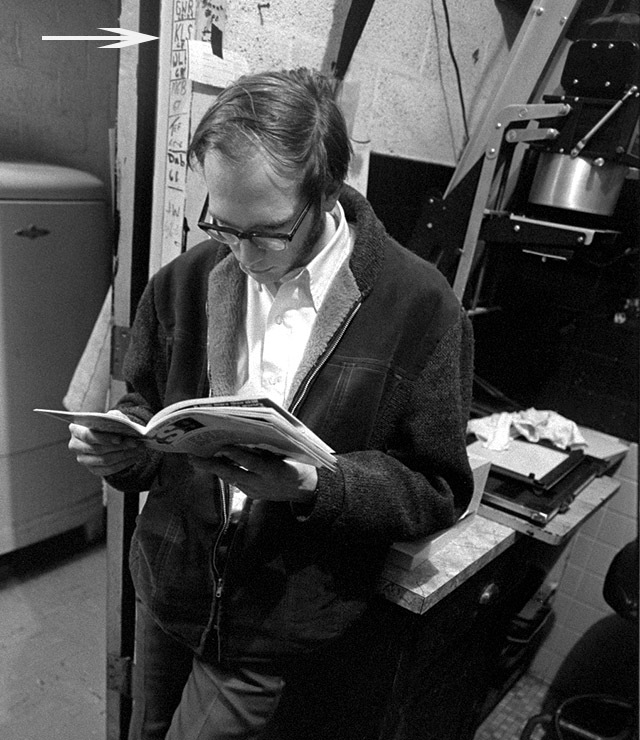
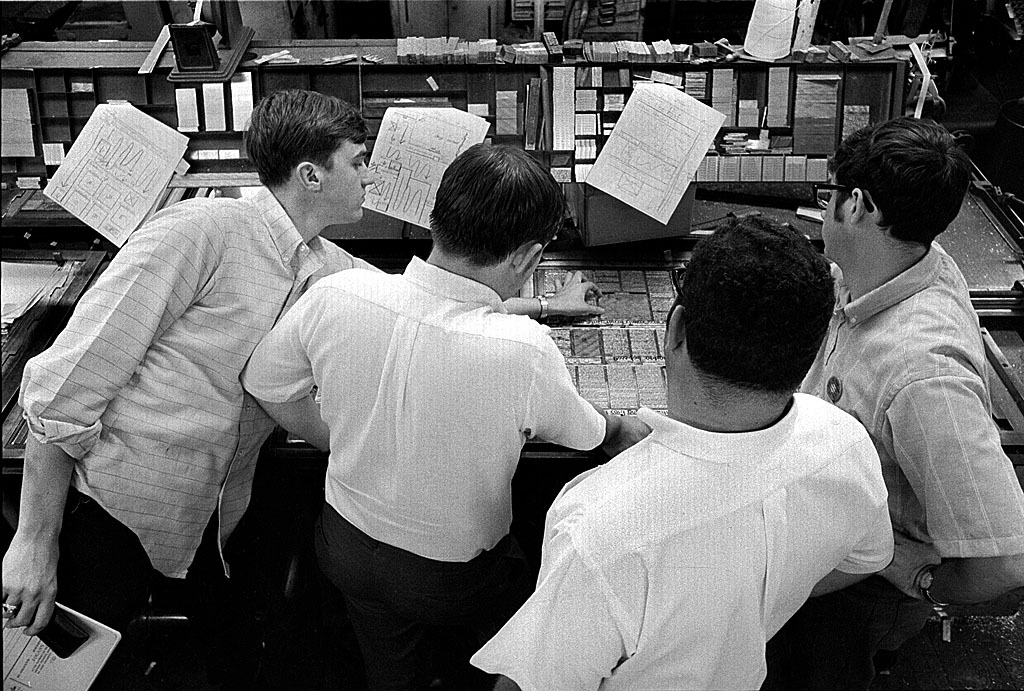
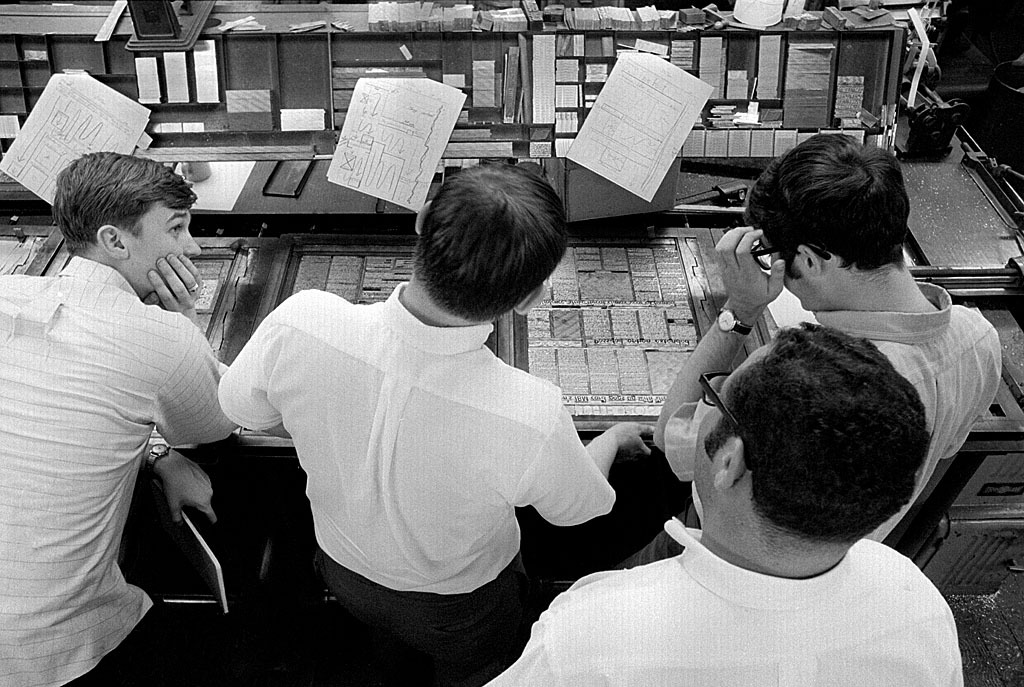
Athens (OH) Messenger photo partner Bob Rogers and I would make contact sheets of our film, cut out the frames we thought would make a photo essay, push them around on a layout sheet until they looked right, size them to fit and make the final prints. The “winners” would be taped to the layout sheet to guide the composing room in making up the page. The “losers” would either get tossed in a box or, if we thought they might fit into a future layout, they’d get tacked on the wall.

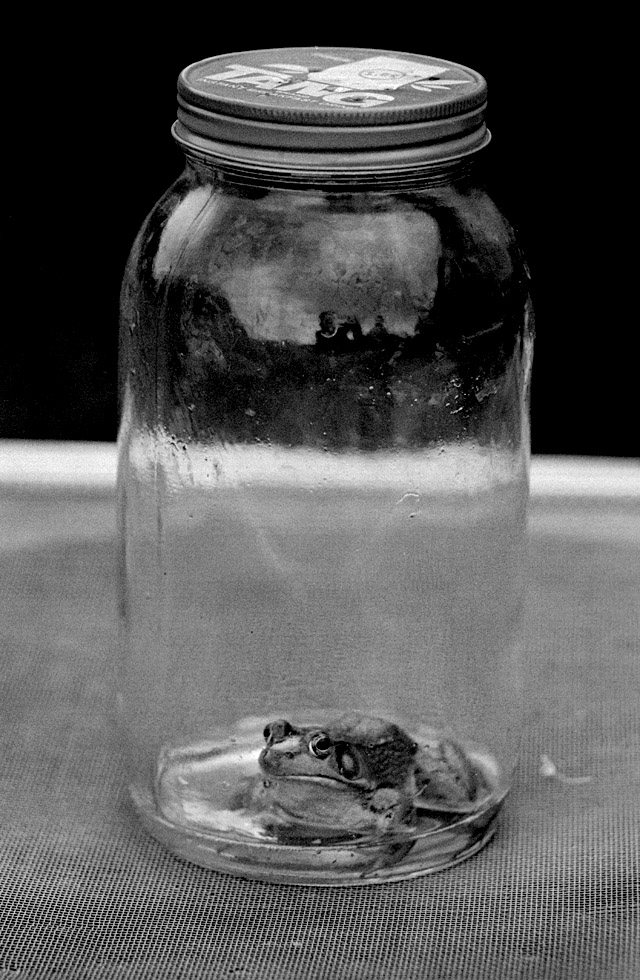
After I covered the Pomeroy Frog Jumping contest toward the end of June, 1968, I had one photo that made it on the Wall of Desperation. It languished there until October 1. The well was dry. Some days you just can’t find anything worth shooting. I reached up on the wall, ran the photo 8-1/8 inches wide and 12-3/8 inches deep with this cringe-inducing caption:
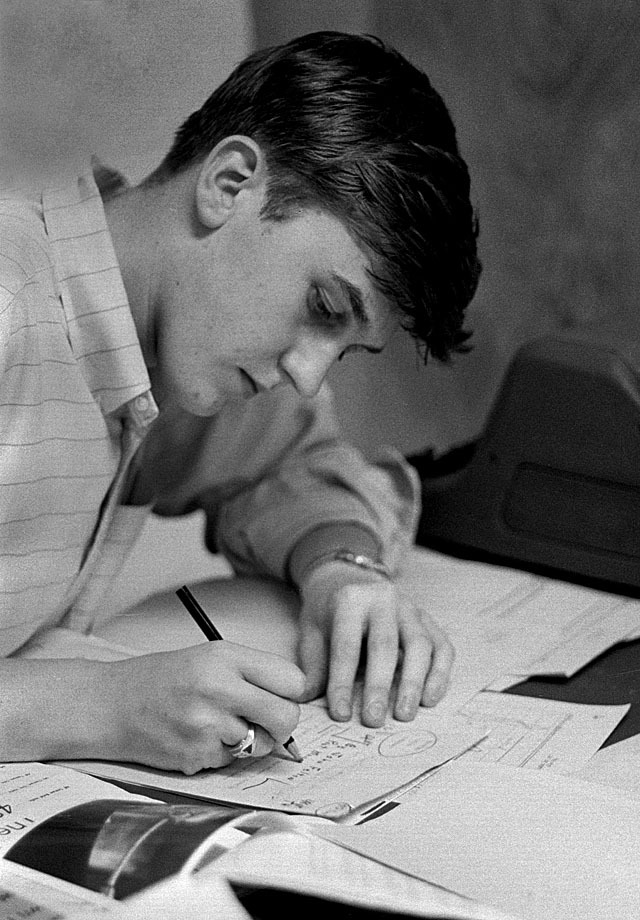
“Frost is just a frog’s hop away, so don’t let winter get the jump on you. Don’t let being bottled up until spring jar you, though; about the time it seems a long time coming, warm weather will spring out.”

Bob, my nominal boss, didn’t give me any grief. He’d been there himself.

October 2, the day it ran, seemed to be a good day to stay out of the office. The publisher gave us a lot of latitude, but I didn’t want to discover his outer limits.

Another dry day

There’s a reason why I bring up the frog, as much as I’d like to forget it.

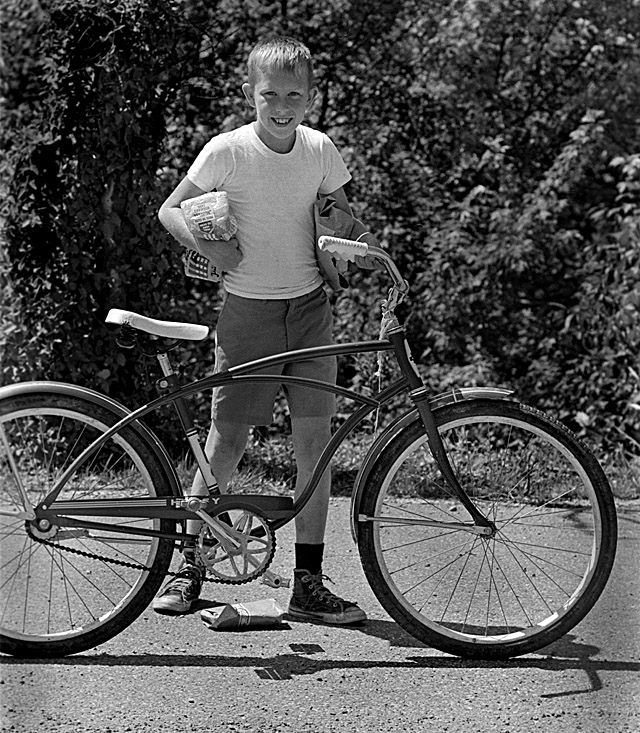
I was having another one of those dry days. Nothing was clicking. I shot a sequence of a boy trying to make it home on his bike with a loaf of bread under his arm, but the situation was so weak I didn’t even bother to get out of the car to get the kid’s name.

Mrs. Nellie Vess

The shadows were getting longer and longer and the day was getting shorter and shorter. This time I didn’t even have the frog on the wall to plug the hole. I made a turn down a dusty gravel road near Trimble. That’s east of Nelsonville and south of Glouster. If you don’t know where those towns are, don’t look for Trimble.

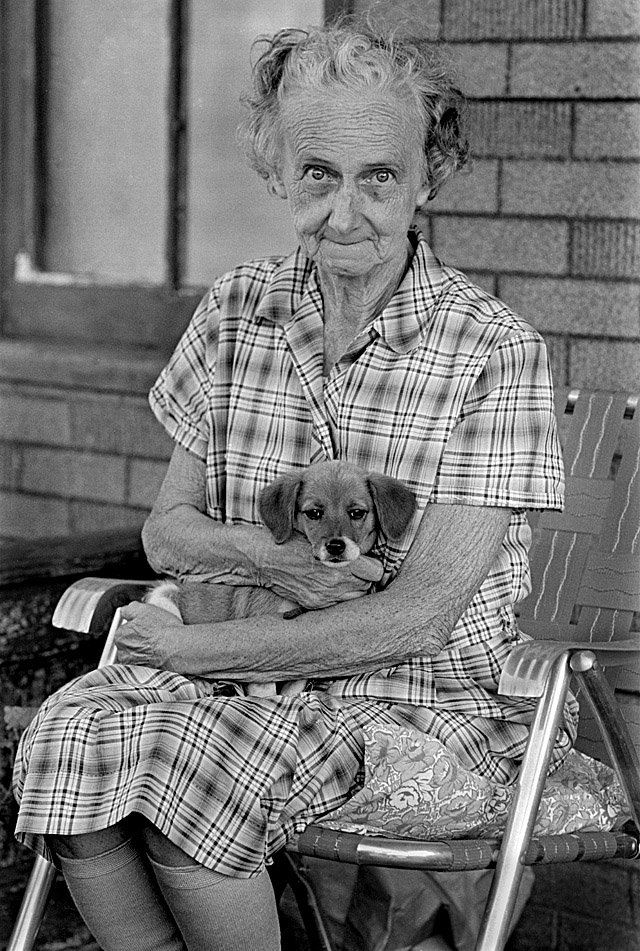
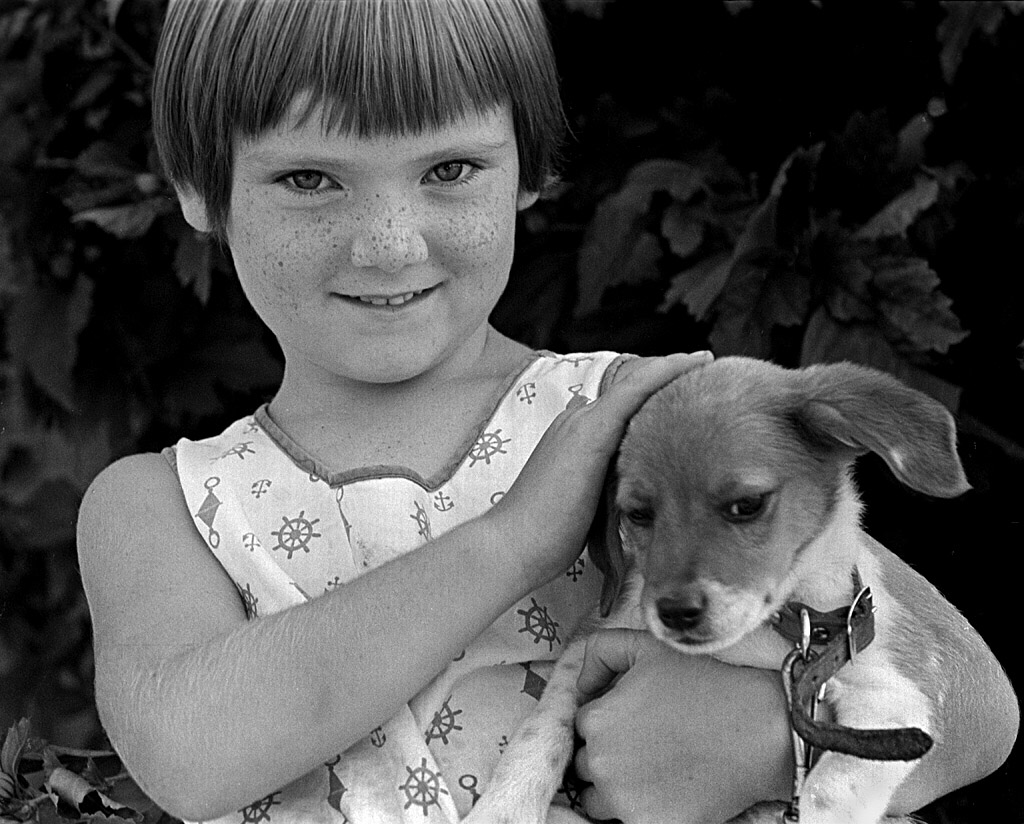
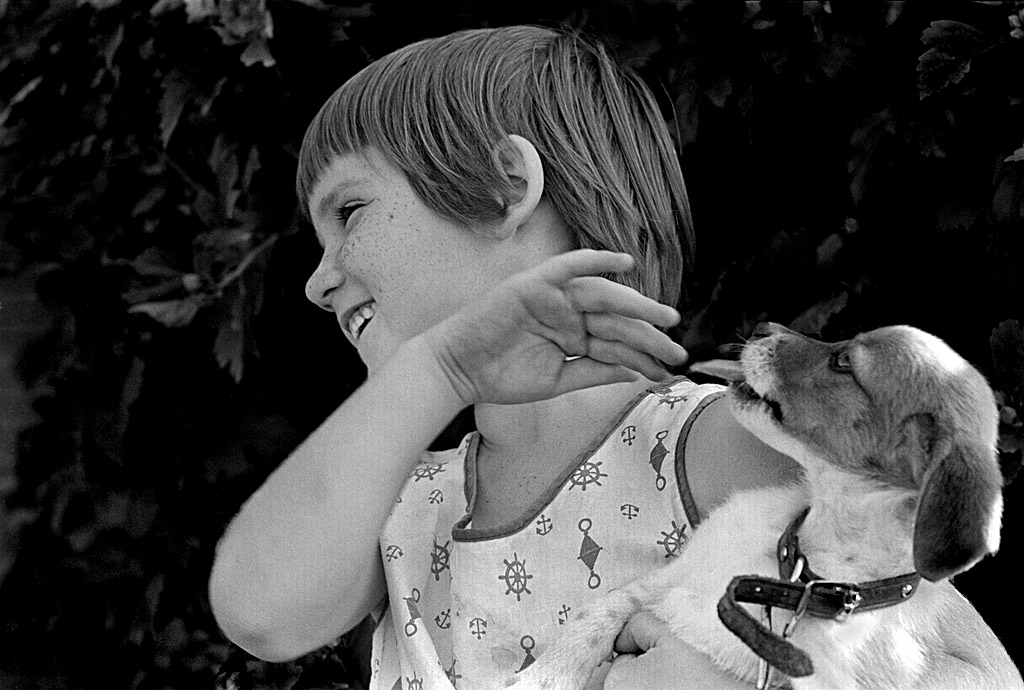
I spotted Mrs. Nellie Vess, a couple of kids and a puppy on the porch of a modest frame house with asphalt shingle siding. The home had seen better days, but it was still neat and clean.

After introducing myself and chatting for a few minutes, Mrs. Vess invited me in for a cold glass of water. I normally don’t accept things when I’m on an assignment and I really wasn’t thirsty, but turning down the water would have hurt her feelings. I followed her through her well-kept house to the kitchen.

Taped up on the refrigerator was The Frog. “I just love that picture,” she said.

“Lonely no more”

“Lonely No More” was the headline I put on the page. My caption was sparse: Mrs. Nellie Vess was lonely. Not many people passed by her home in Trimble and those who did seldom stopped in to chat. That was before last week when Patty Sue – part beagle and part question mark – moved in.  “Now I’ve got lots of company,” she says. One of her frequent visitors is Rhonda Kay Judson, 5.
Stories should have a happy ending

Don’t you just love heart-warming stories with happy endings? It’s too bad that too many don’t turn out that way.
A few months after the story ran, my travels took me down that gravel road near Trimble. Mrs. Vess was sitting by herself on the porch. There was no Patty Sue. There were no neighbor kids. Mrs. Vess told me that she had to go into the hospital for a brief stay and she had to give Patty Sue away. She was lonely again.
I’d like to tell you that I stopped by to see Mrs. Vess to keep her company from time to time, but I’d be fibbing. I never saw her again. I was just starting to learn that getting emotionally involved with everyone I photographed would soon empty my empathy pot and lead to burnout or worse. I could empathize with my subjects long enough to capture their souls, but then I had to cut them loose.

I turned down her offer of a cold glass of water on the last visit. And, I didn’t look in the rearview mirror when I drove away down that dusty gravel road.