Medicare, 2012 and Me

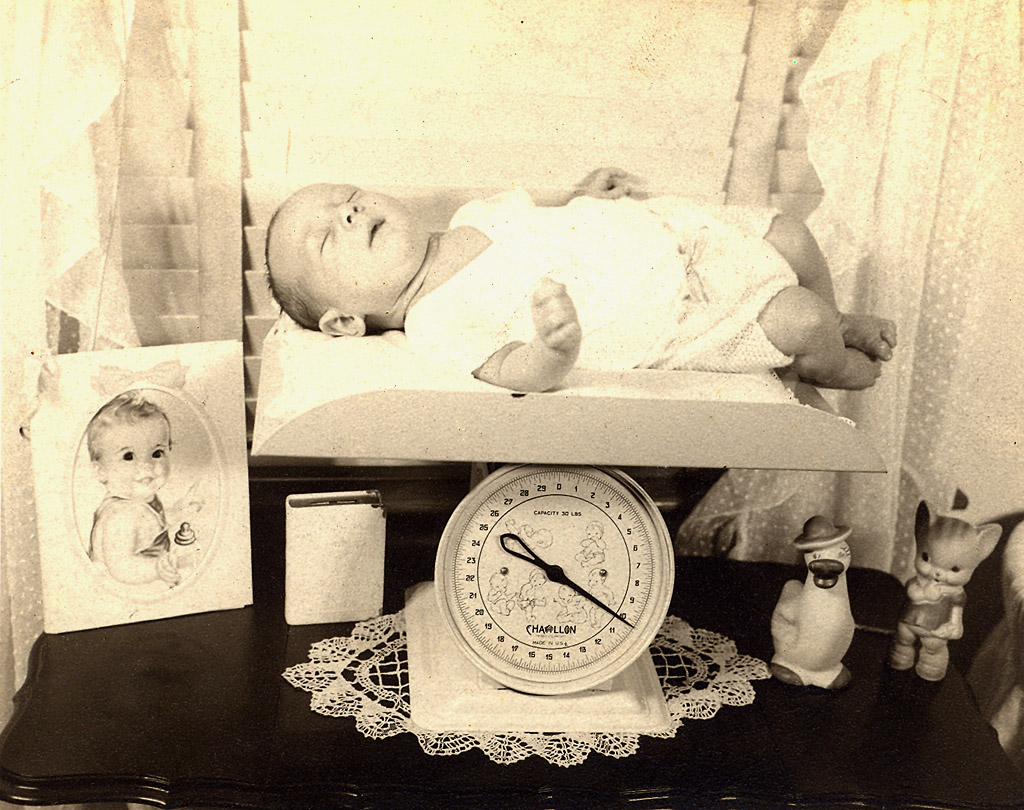
Well, it’s 2012, today’s my birthday and my official Medicare card arrived in the mail. You might remember me telling you this was going to be a Big Year. This was the year that they said I could retire when I went through orientation at The Palm Beach Post in 1973.

I figured that 2012 was a lot like the Second Coming: it might arrive, but I never thought I’d be around to see it. See, Dad and his brothers checked out by age 60, so I had established that as my official Sell-By Date. Here was my post from last year.

I discovered cycling
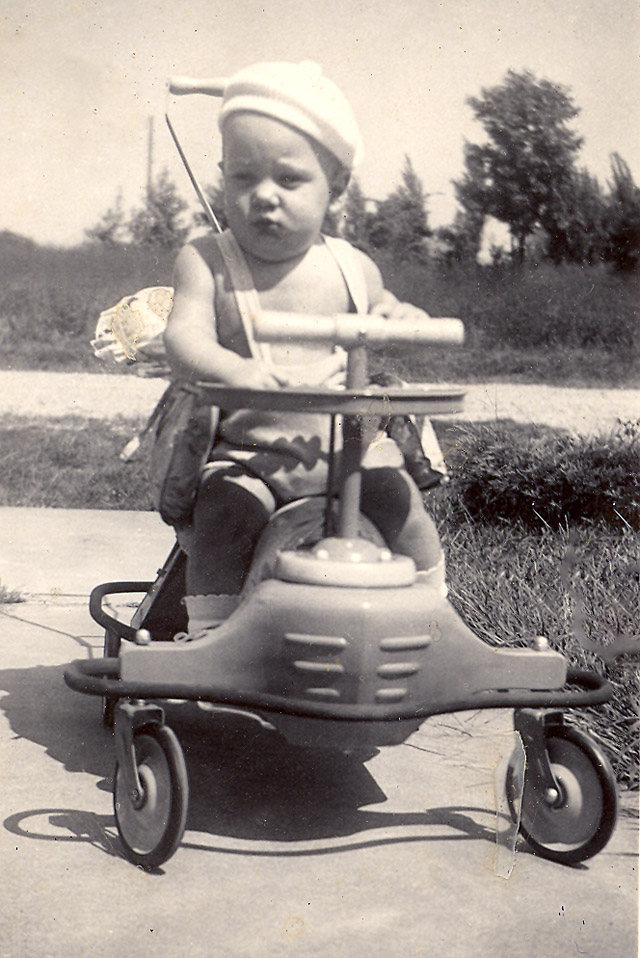
Some funny things happened along the way. I discovered cycling, which taught me that there was a life outside the office. I still worked long and hard hours, but I also looked forward hopping on the bike and feeling the stress drain away. I told folks that I could get hit by an 18-wheeler tomorrow and cycling would have added more years to my life than it could ever subtract.

The death spiral of newspapers also worked in my favor. It gave me an opportunity to take a buyout in September 2008 and early retirement. I was going to have a chance to enjoy what tomorrows I had left without the fear of being carried out of the office on a stretcher or in handcuffs.

Herding cats and blogging
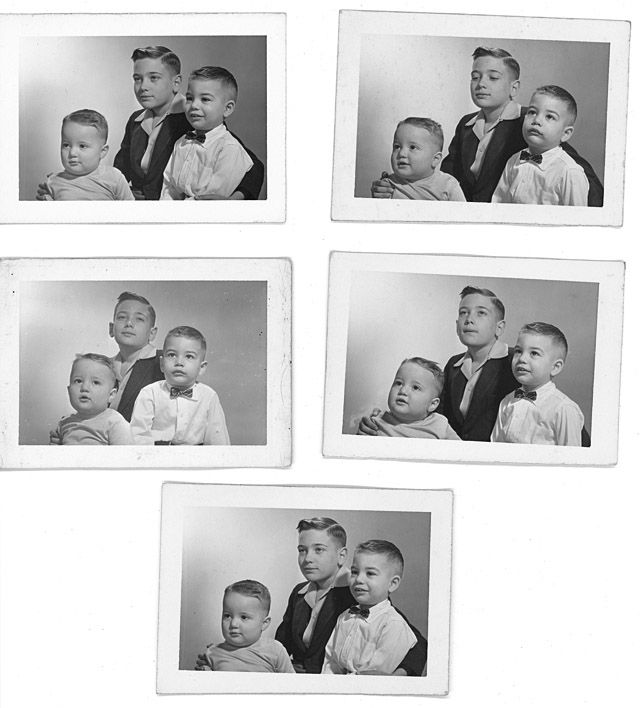
My boys thought I might like to lead bike tours in retirement, so they set me up with a bike blog. I soon found out that I wasn’t made to herd cats, so leading tours morphed into writing about cycling. The next step was to start digitizing my old photos. That resulted in this blog.

Just jingle the keys
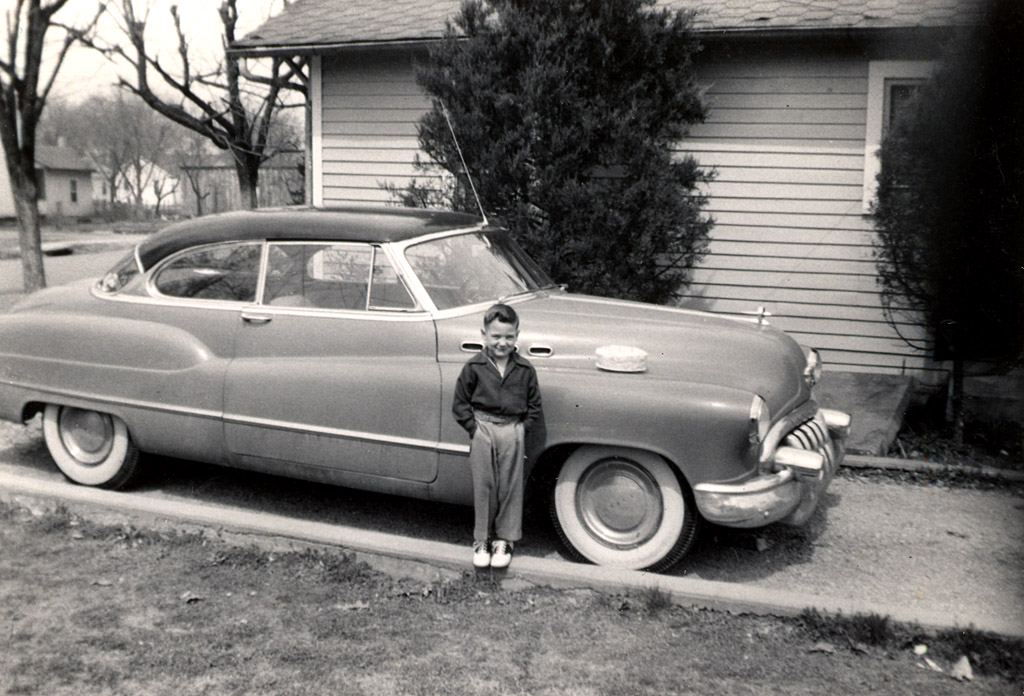
After spending the last 15 years of my newspaper career shoving electrons down phone wires (something that I actually enjoyed), I discovered the magic of journalism again. Telling stories and dredging up old memories is a blast. It’s also given me a chance to have a lot of fun with Mother, who is ready to hop in the car at the jingle of keys. She’s good company and has her own stock of stories (many of which, I’m afraid she’s going to take with her.)

I’ve been blessed with Wife Lila who has put up with my quirks and foibles for way too many years. I warn people that I’m much more personable in print than in person. Unfortunately, that’s often too true at home, too. I don’t tell her enough that I love her. More important, I like her.

Our two boys have turned out better than anybody could ever hope for. They met and married two of the best daughter-in-laws in the universe. Their marriages have produced two extraordinary grandsons for us.

It’s been a good run
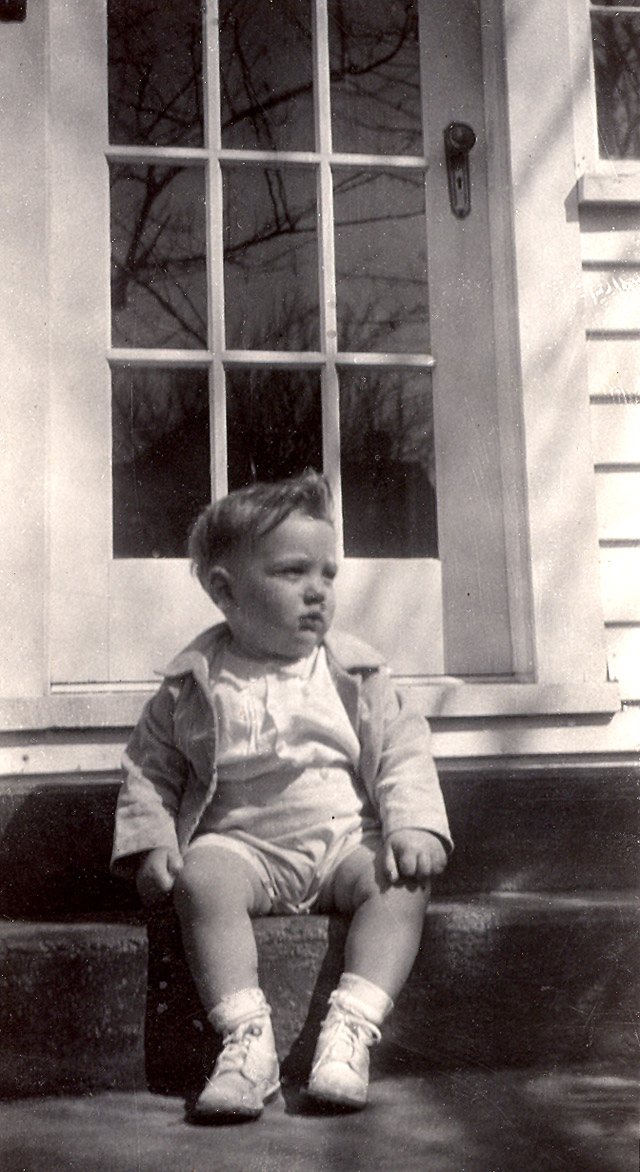
So, it’s been a good run. I’ve had five years more than I ever expected. I’m beginning to get optimistic.

I had a chunk of cheek carved off, so I got the Big C ticket punched. I survived a car vs. bike crash last month with only road rash and a cracked rib, so I got that checked off the list. The exams after the crash said I was “normal,” which I thought was a let-down from Mother saying I was “above average” all these years, but still a pretty good grade.

I’ve reconnected with some old friends and made some new ones. Riding Partner Anne stood beside me, literally, as I was bleeding on the ground after the crash. She didn’t get a picture of it, but she’s a writer, not a photographer, so you have to make allowances.

Not gonna tempt fate
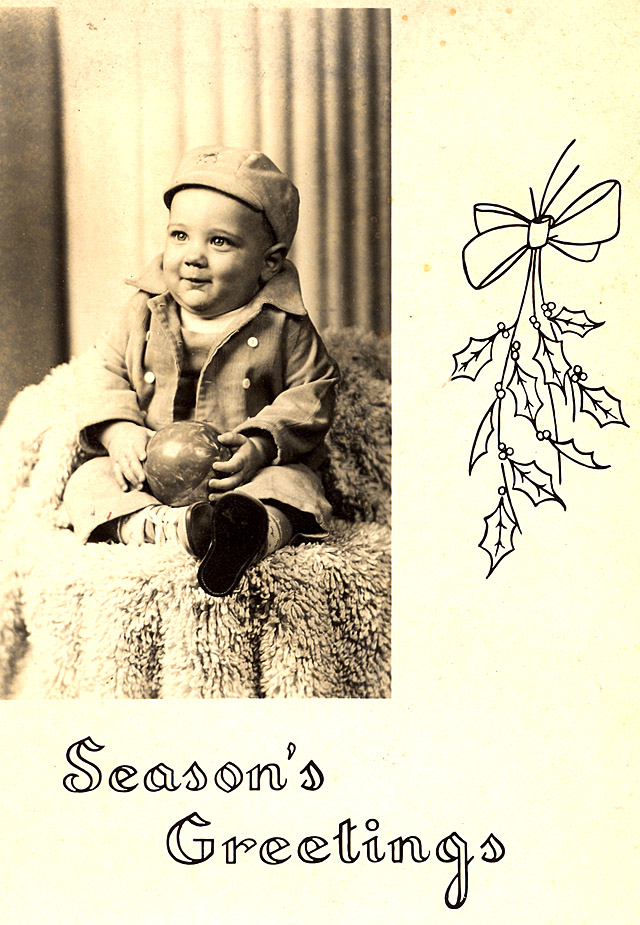
I don’t believe in tempting fate, so I’m not going to suggest you run out and buy me a birthday card for next year if you see one one sale, but I’m more optimistic now than I was when I turned 59.

There’s a new Tip Jar
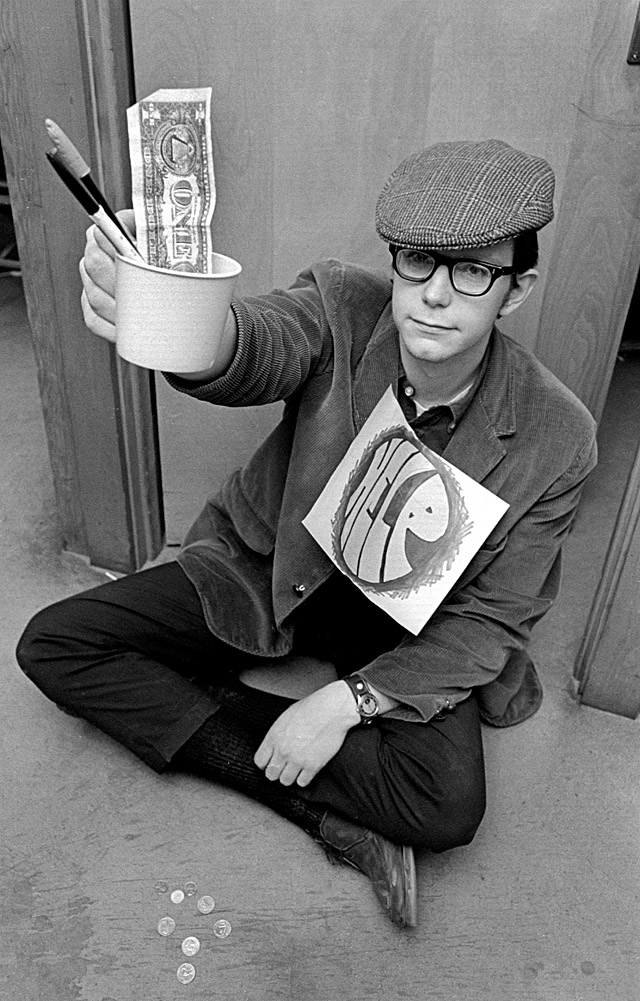
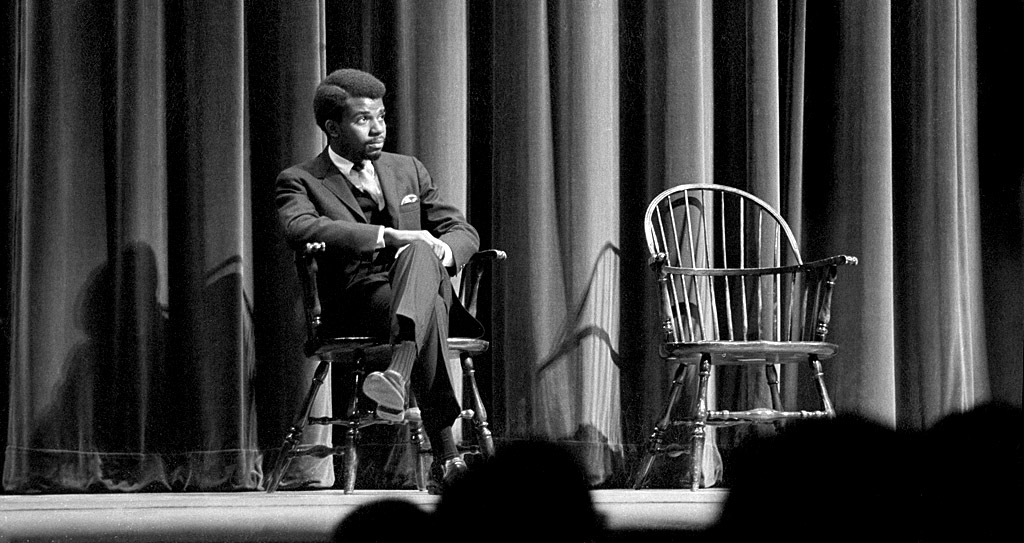
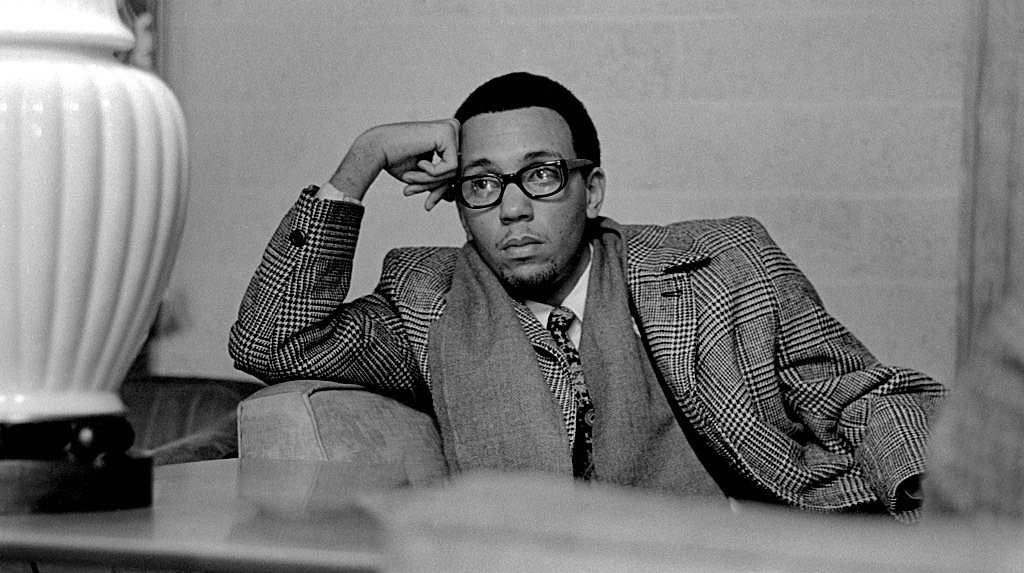
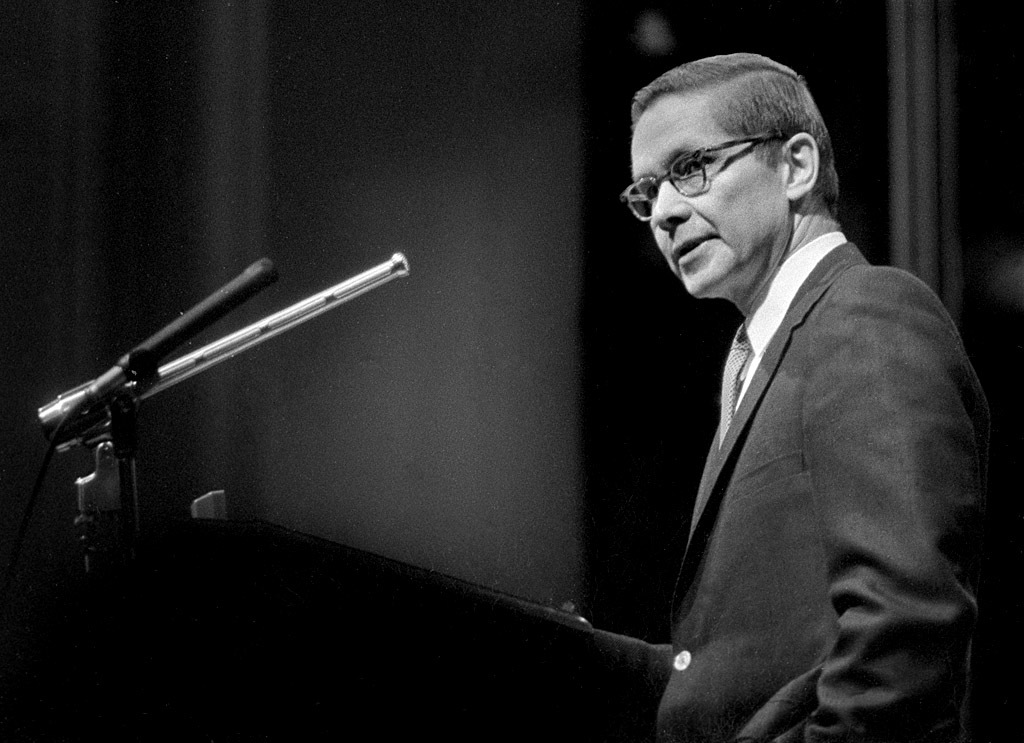
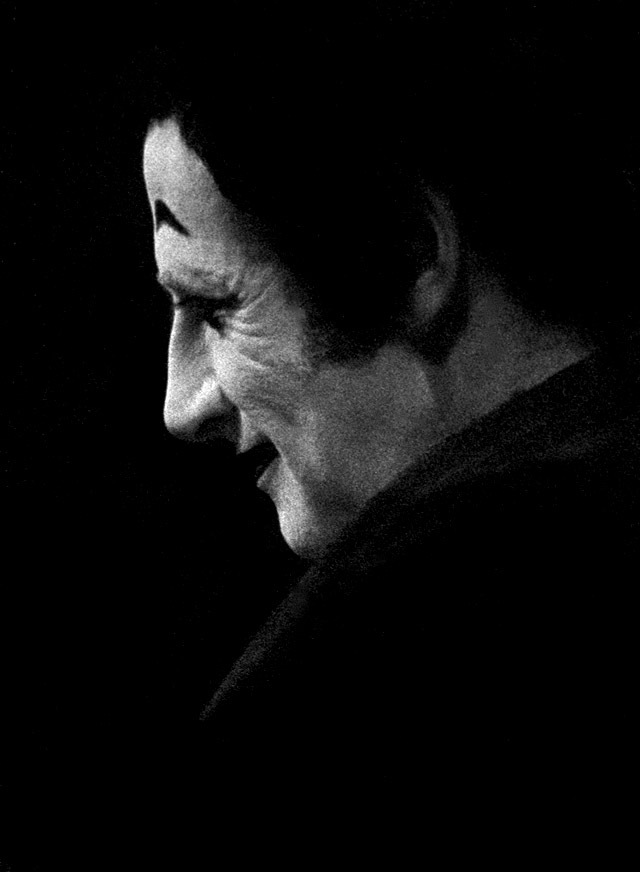
By the way, (how’s that for a segue?) there’s a new little button at the top left of the page that says “Donate.” I have a new advertiser coming on board who wanted to be able to pay by credit card, so Kid Matt set up this link to make it possible. I’m not going to make a big deal out of it, but it can also serve as a “tip jar” for anybody who wants to help the boat stay afloat. (That’s not me above. It’s Tom Price, editor of The Ohio University Post, begging for money.)

(We used to have a coffee can labeled “TIPS” back in the telephone switchroom where we invited folks back for espresso a couple of times a week. This was a newspaper, remember, so we didn’t get much money, but we got lots of scraps of paper with stuff like, “Look both ways before crossing the street.” scrawled on them.)

This guy is still there
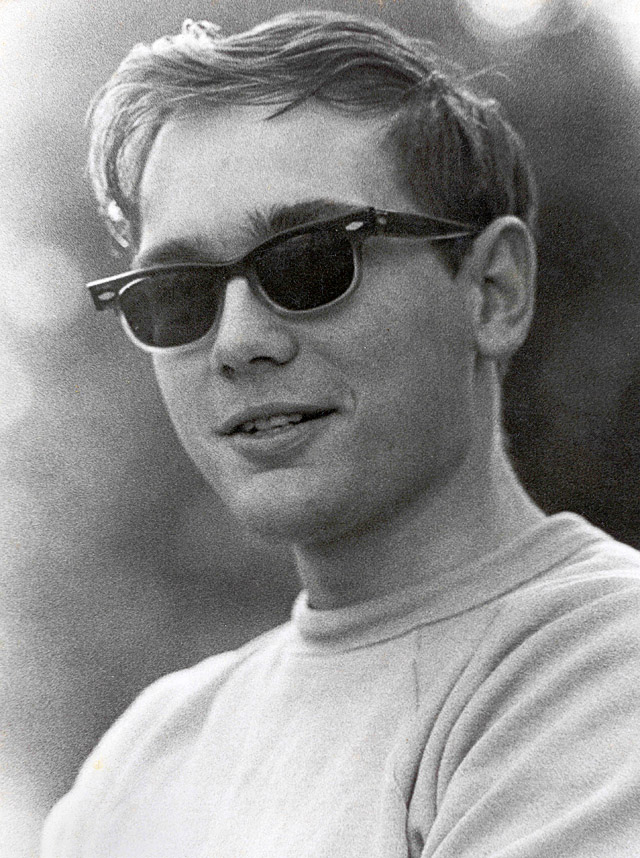
I wake up in the morning, look in the mirror and wonder who that old geezer is who stares back at me. It’s strange, because this is the guy who is still hiding behind that reflection.
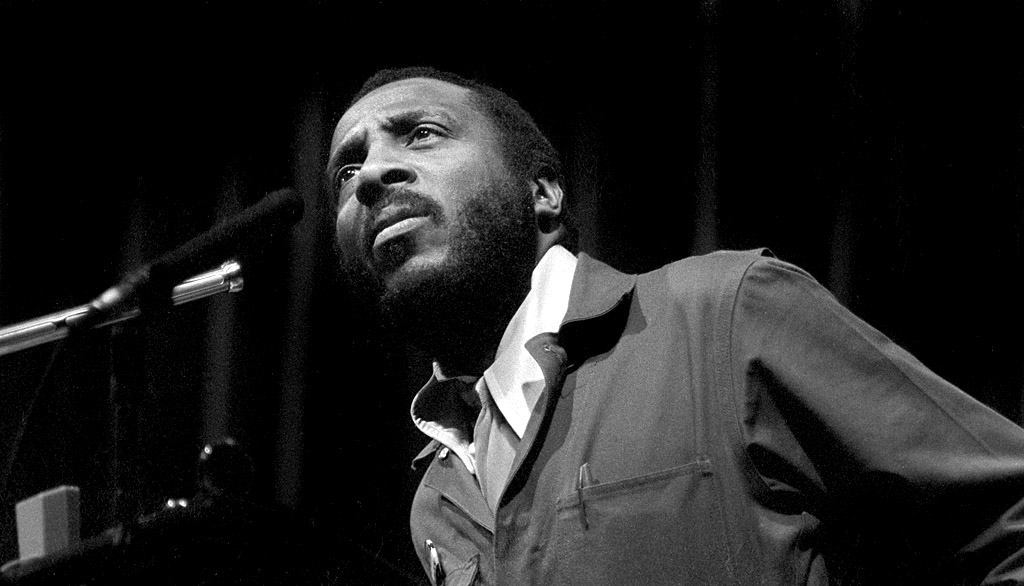
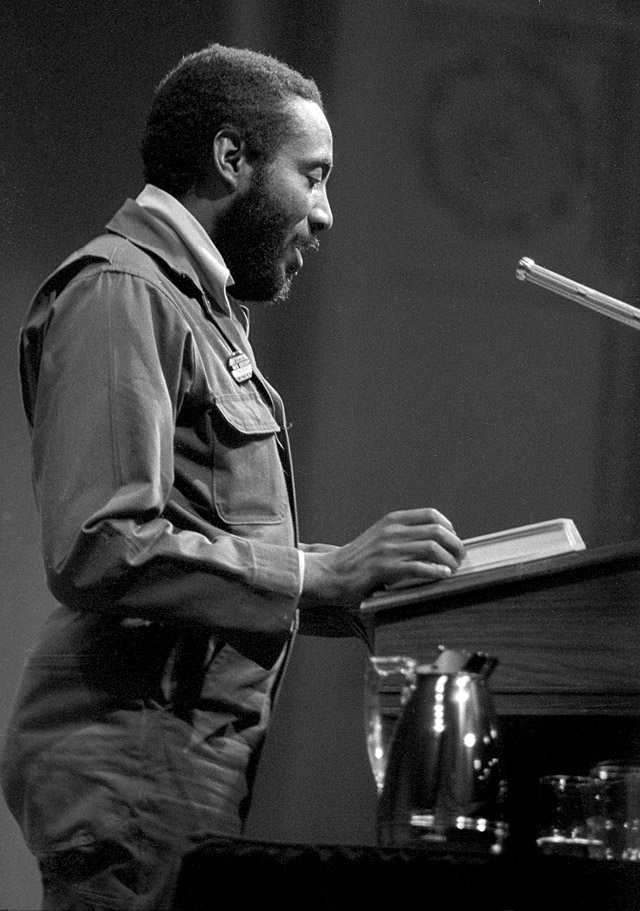
Dick Gregory for President


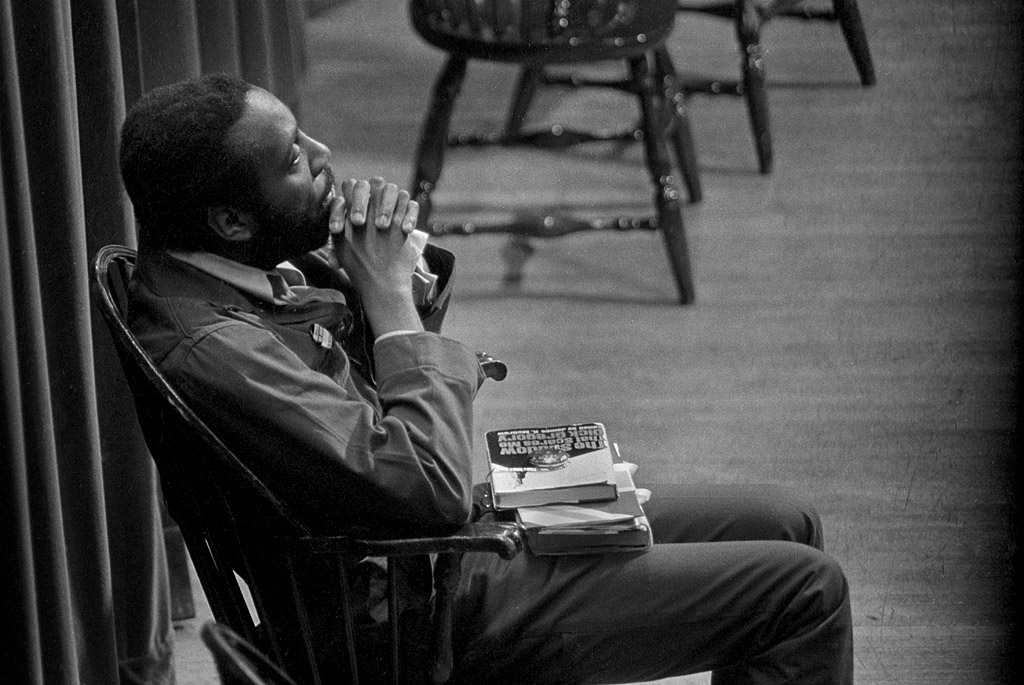
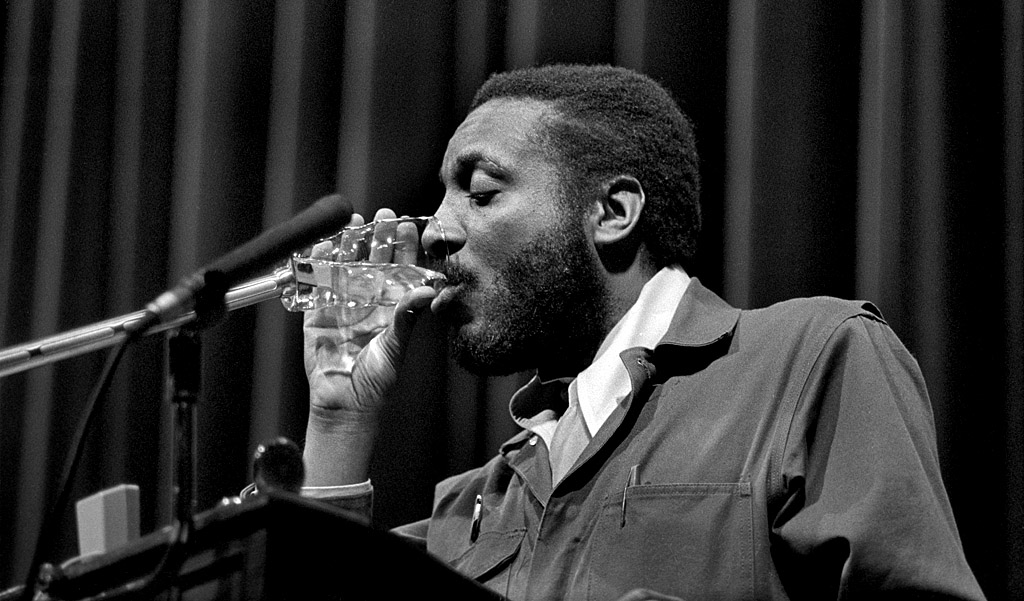
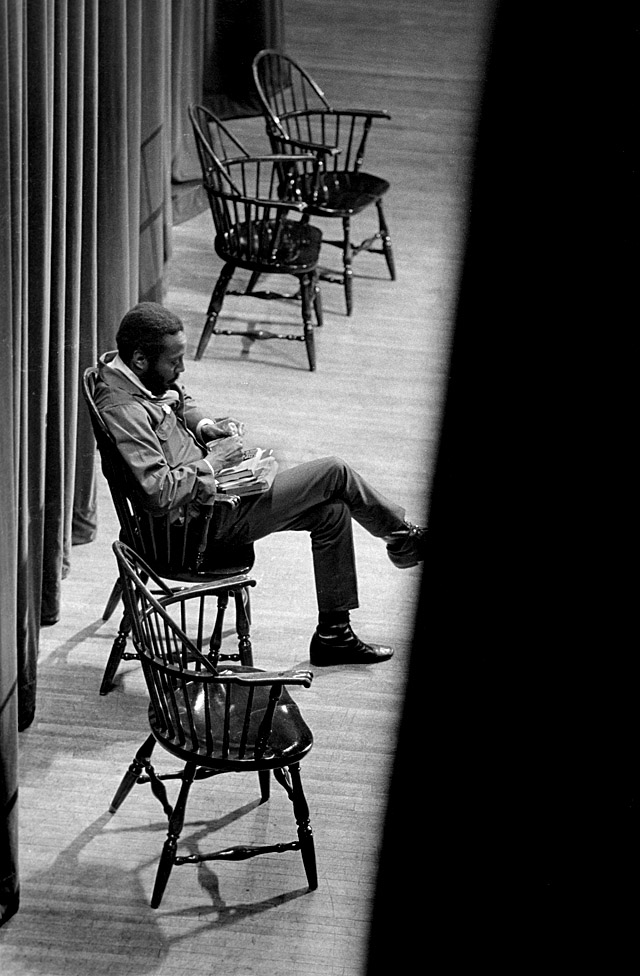
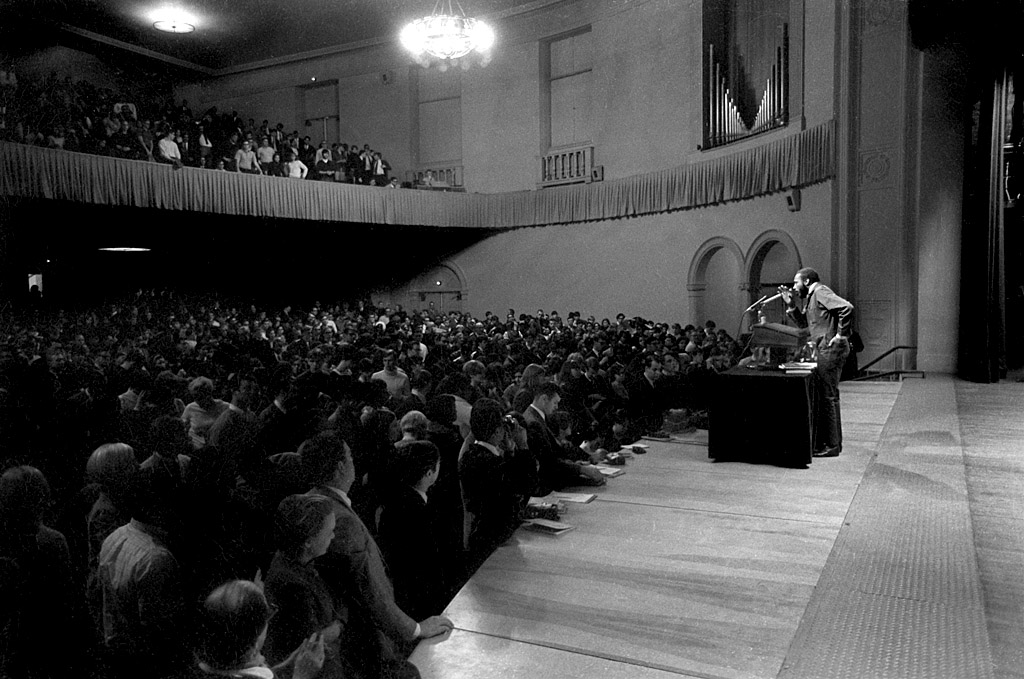
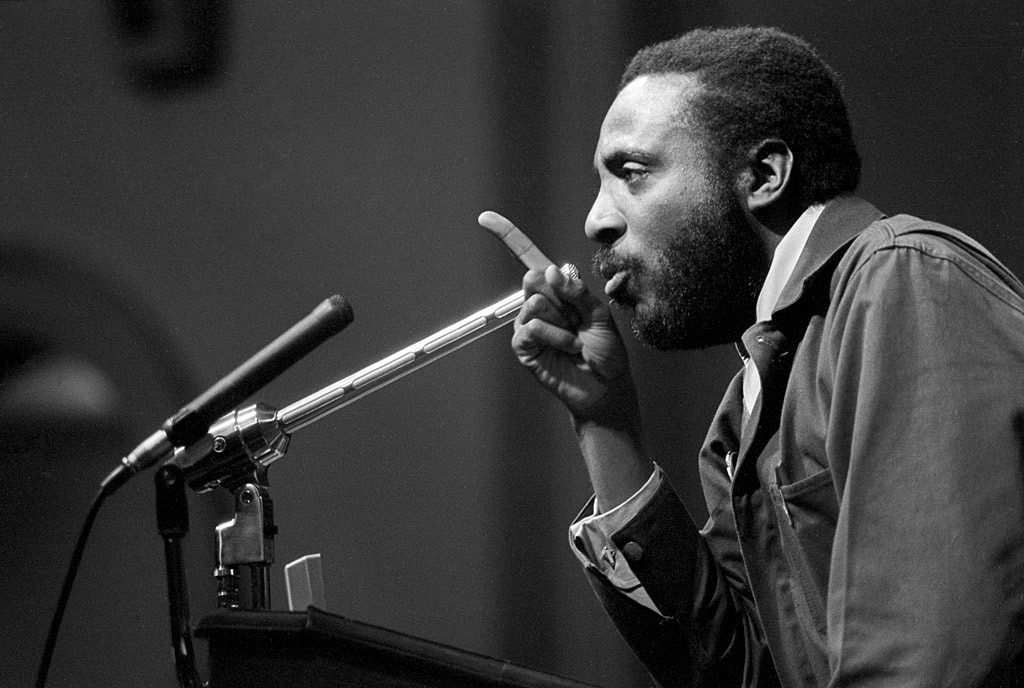
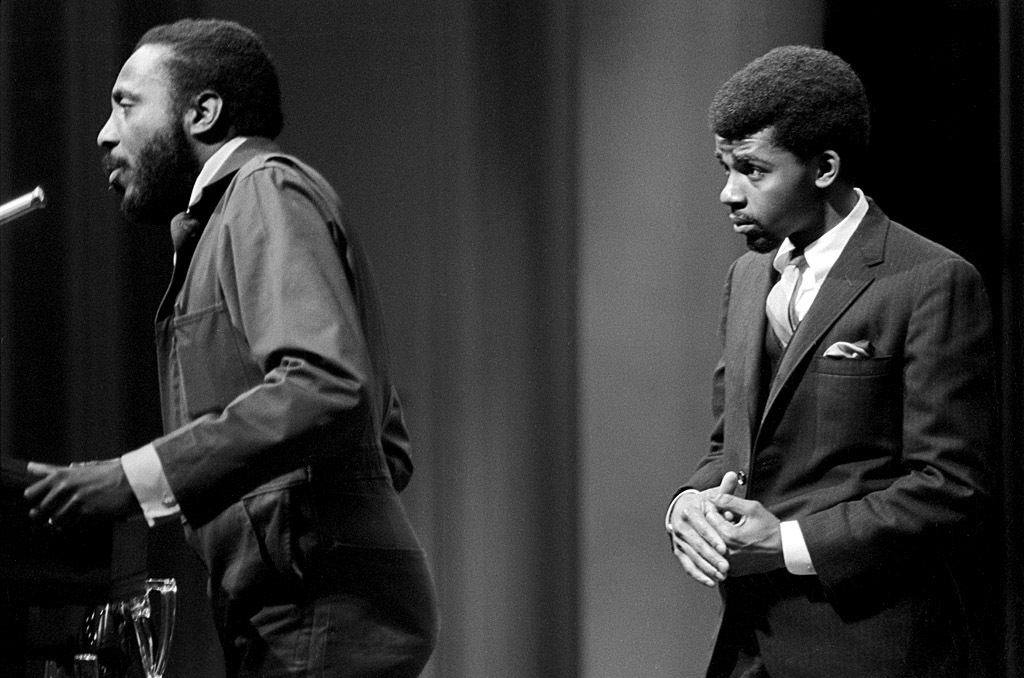
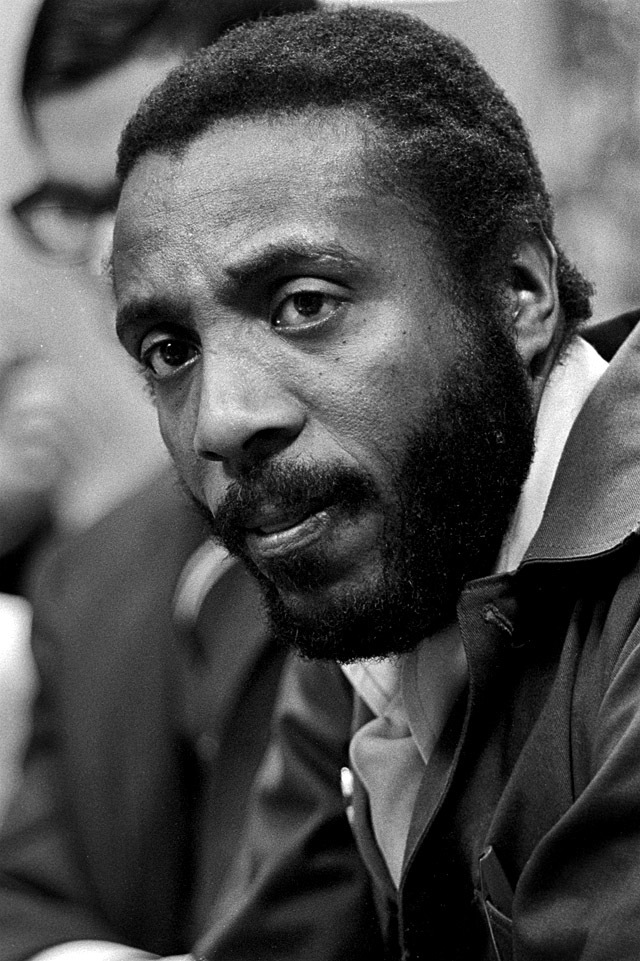
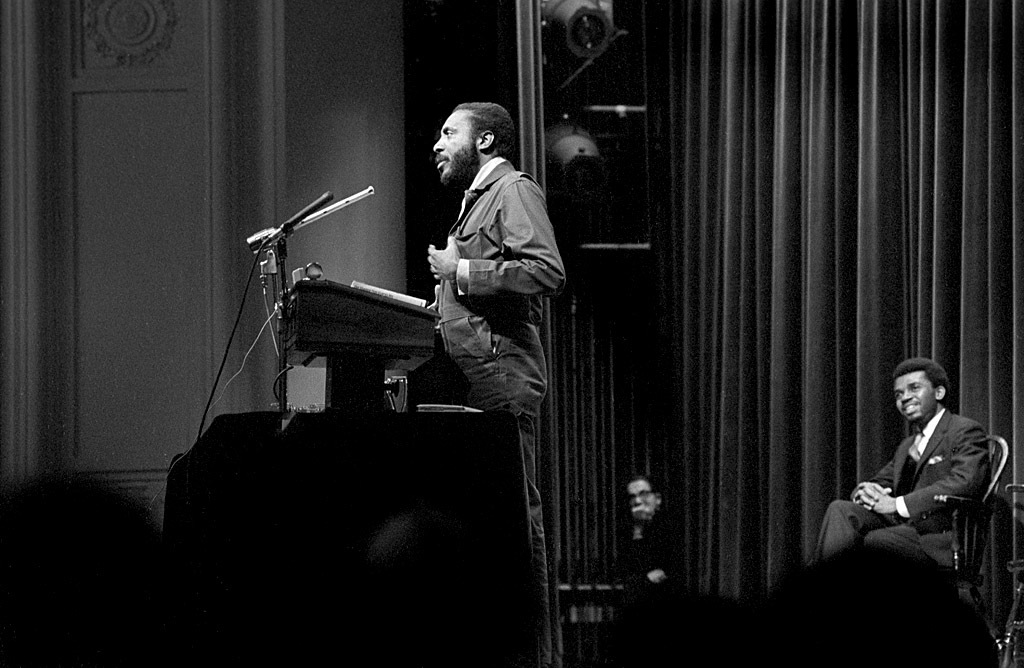
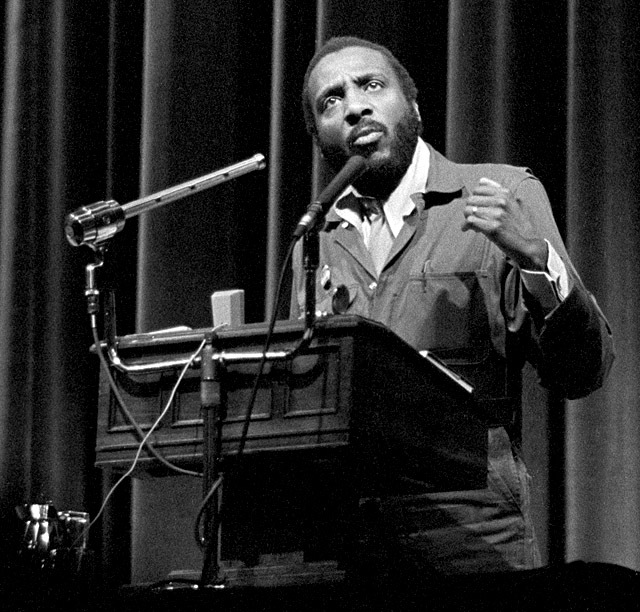
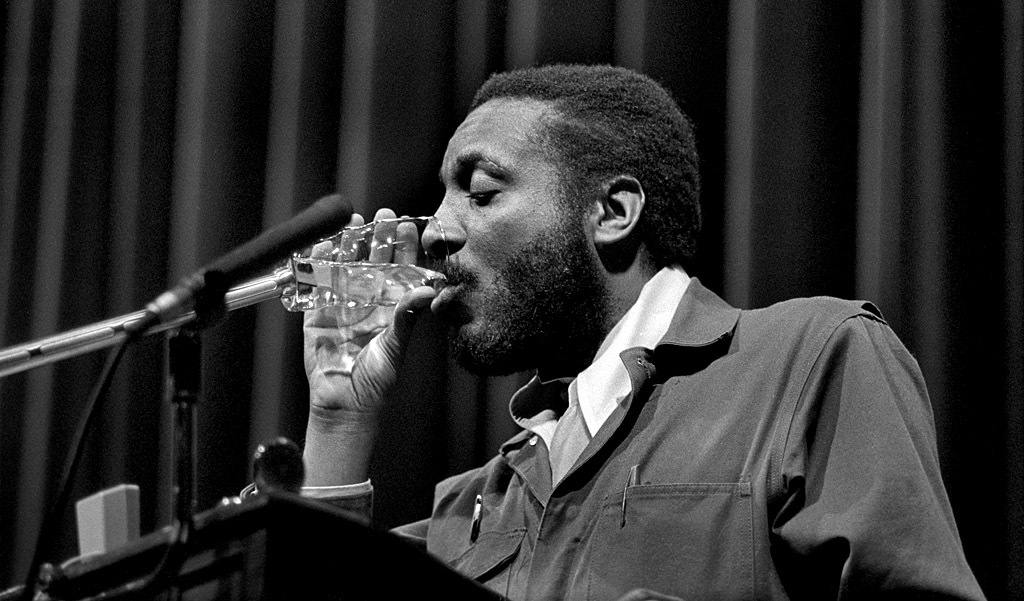
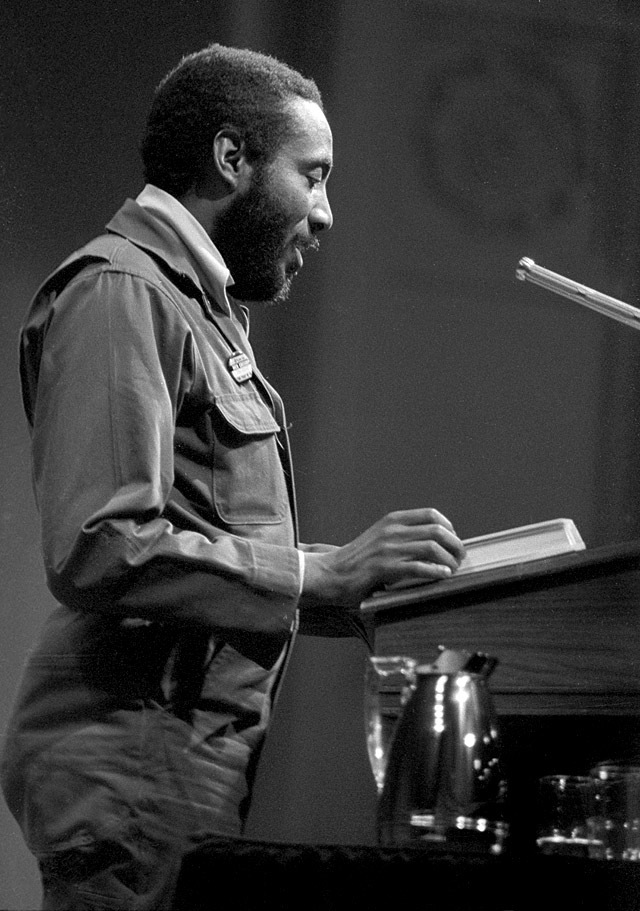
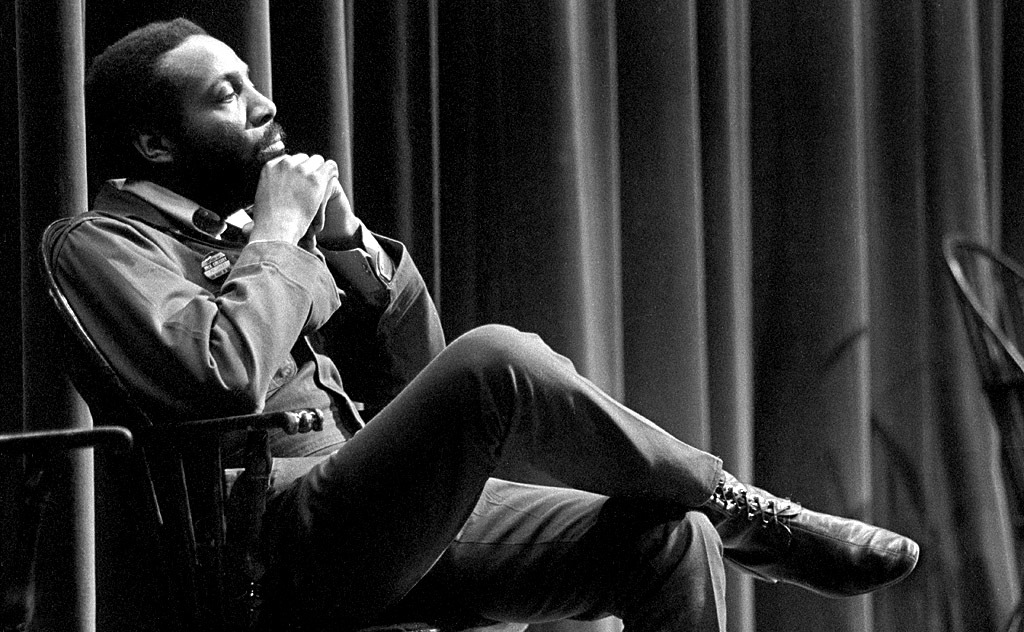
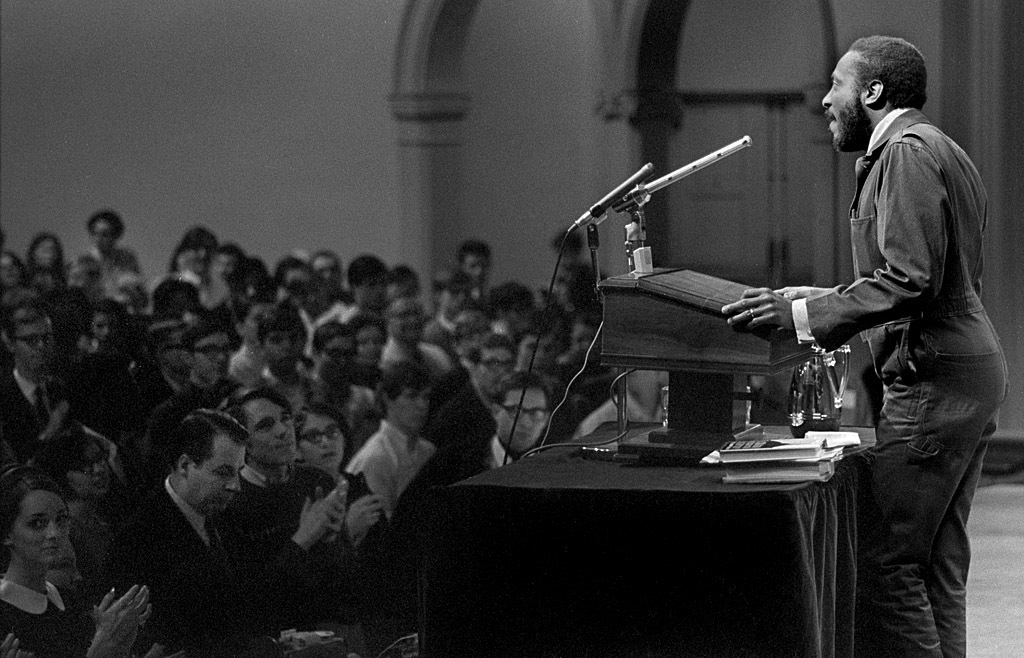
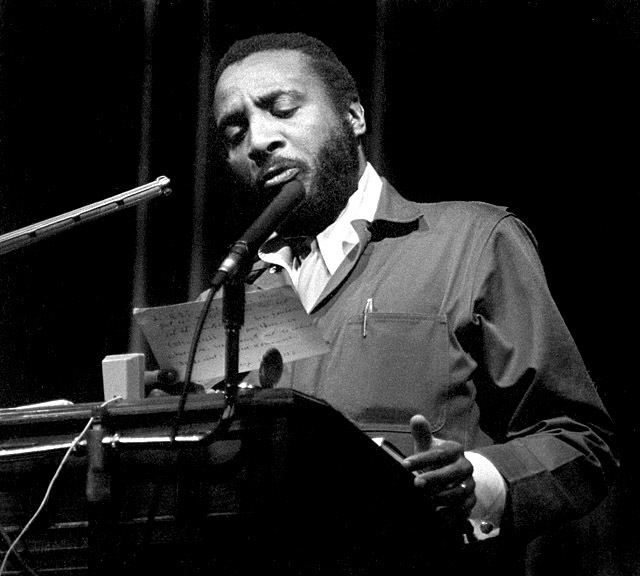
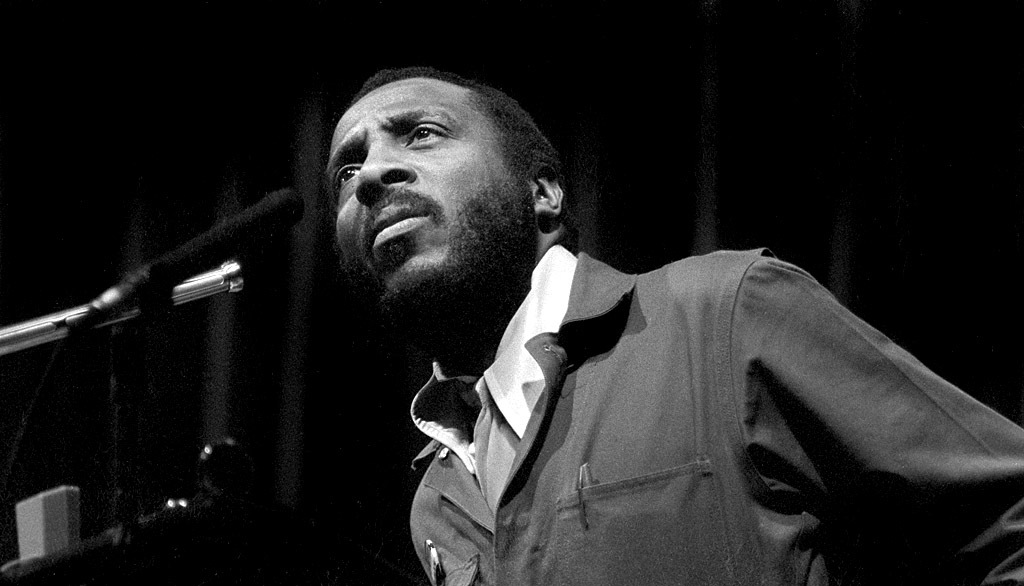
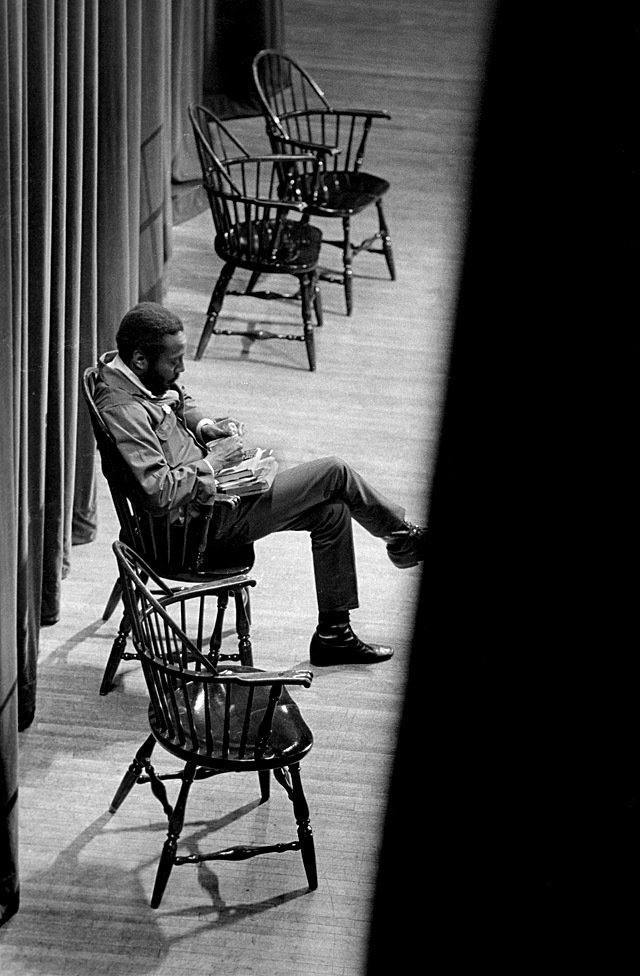
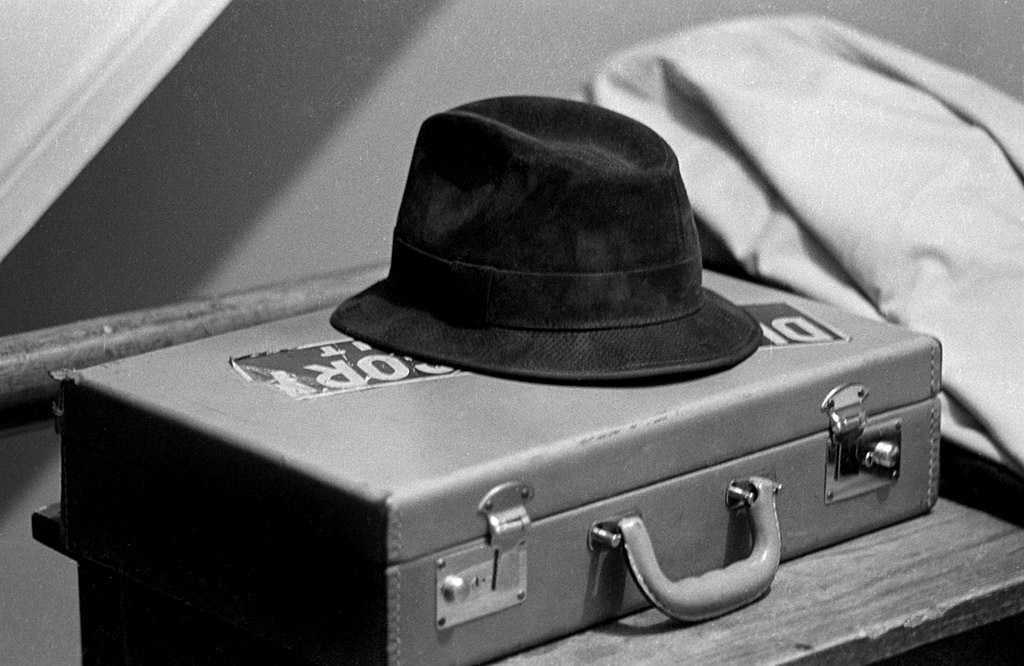
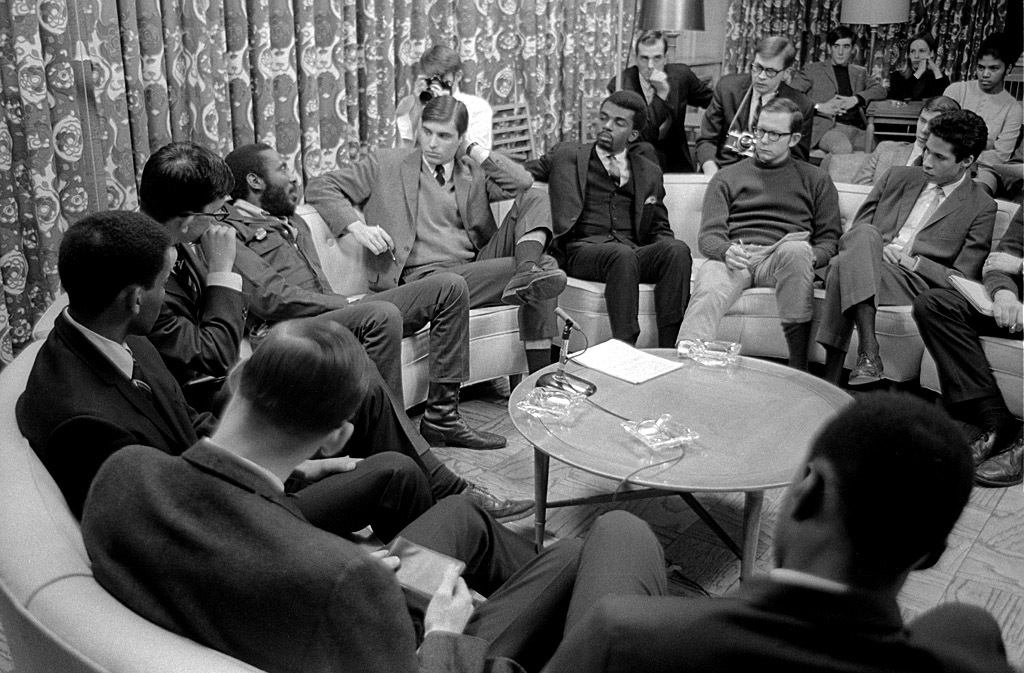
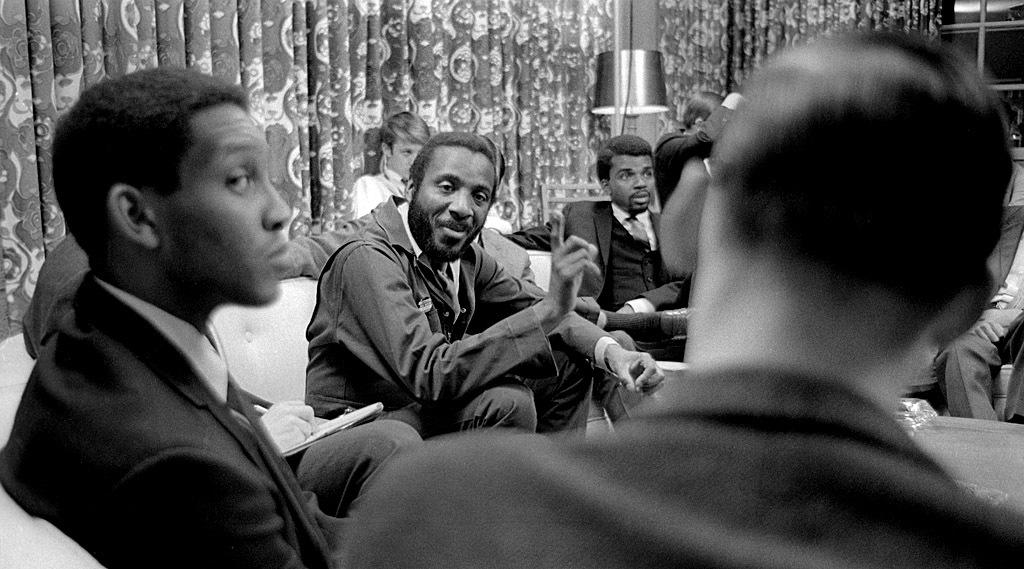
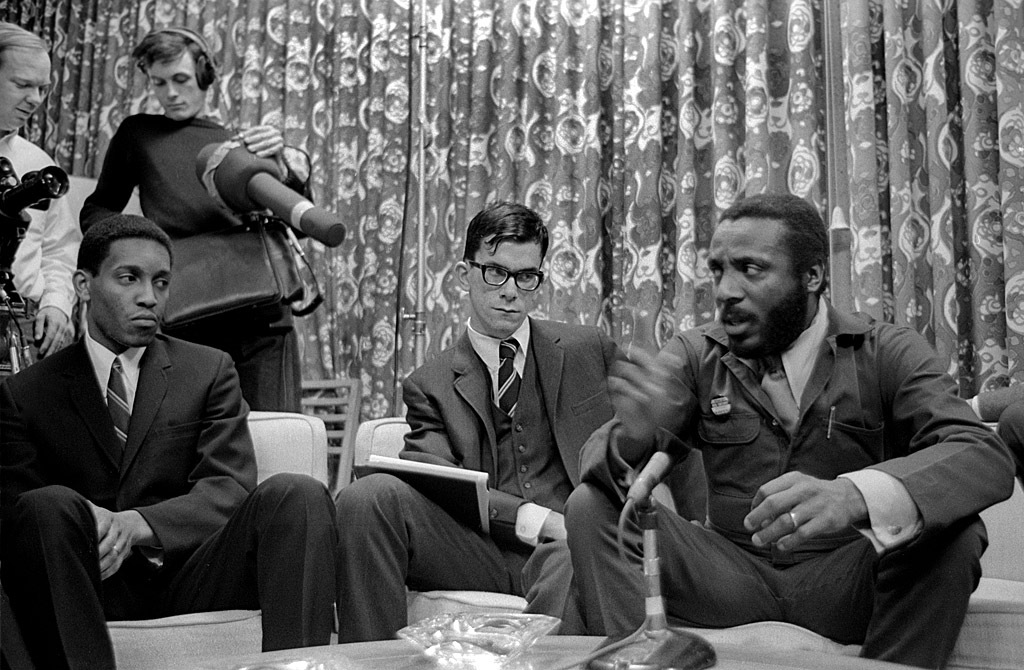
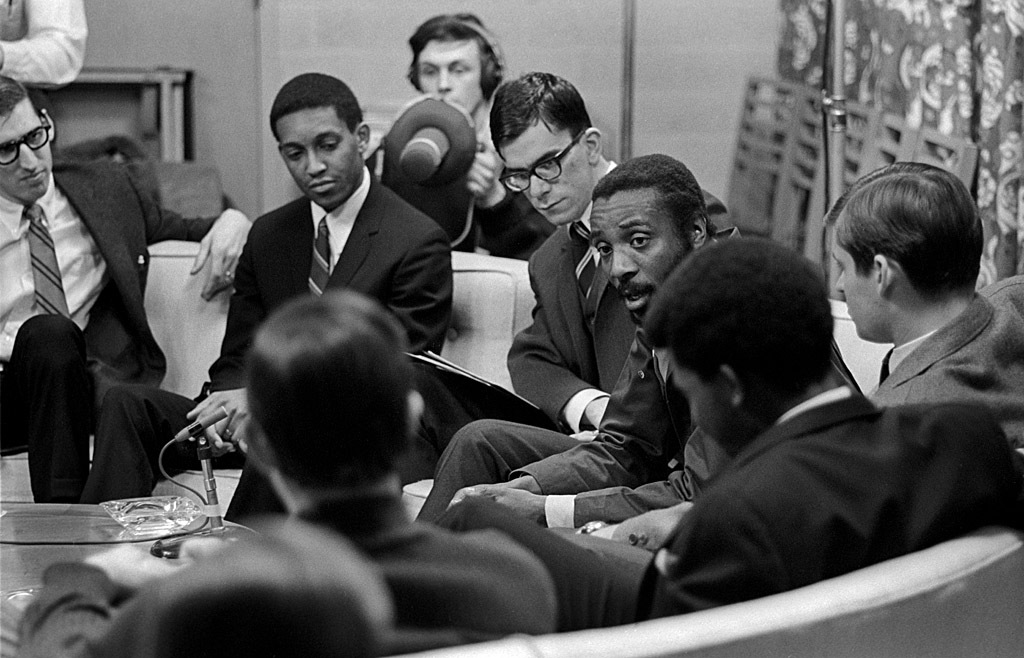
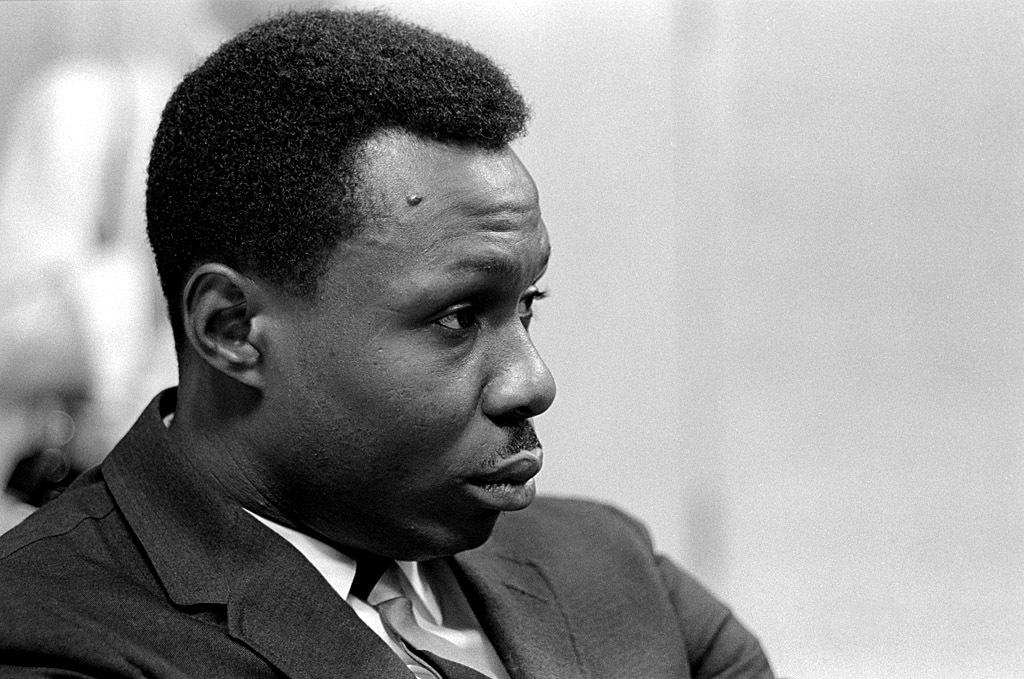
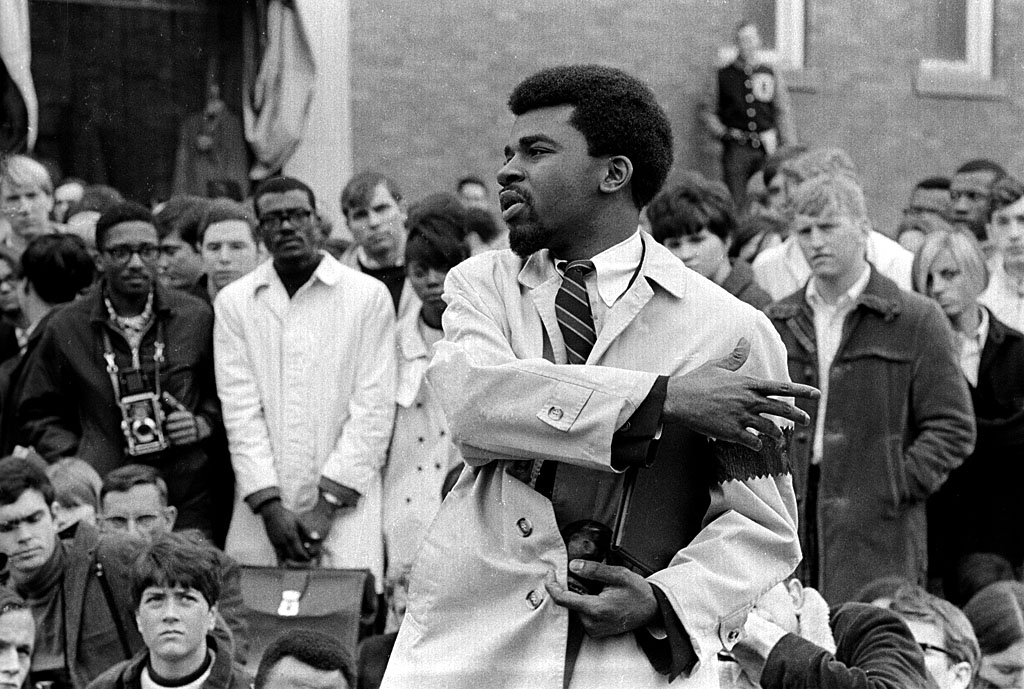
With all of the controversy about whether or not Cape Girardeau’s Rush Limbaugh should be in the Hall of Famous Missourians, I stumbled across a Show Me state resident who deserves a nomination – Dick Gregory. I was looking for something else the other day and stumbled across these photos of Gregory speaking at Ohio University in 1968.

I was surprised to find that (a) he was from St. Louis and went to school at Southern Illinois University and (b) he was still alive.

The Black Mort Sahl

The biography on his website says that he was African American comedian and civil rights activist whose social satire changed the way white Americans perceived African American comedians.

He was part of a new generation of black comedians that includes Nipsey Russell, Bill Cosby and Godfrey Cambridge. They broke with the minstrel tradition, which portrayed blacks as stereotypes.

Gregory, who had a dry, satirical wit, came to be known as the “Black Mort Sahl.” (Friends of Gregory would refer to Sahl as “the White Dick Gregory.” I was fortunate to cover Bill Cosby when he played Ohio University at about the same time.

Nigger” was best-seller

I bought his autobiography, Nigger, when it was published in 1963 (when it was on its way to becoming the number one best-seller in the country), but I never felt comfortable walking around with the cover showing, even though he explained in his forward that he had written a note to his mother saying, “Whenever you hear the word ‘Nigger,’ you’ll know they’re advertising my book.”

Routine impressed Hugh Hefner

He got one his earliest breaks when Hugh Hefner heard him perform this routine in front of a mostly white audience when he had been brought in as a last-minute replacement:

Good evening ladies and gentlemen. I understand there are a good many Southerners in the room tonight. I know the South very well. I spent twenty years there one night.

Last time I was down South I walked into this restaurant and this white waitress came up to me and said, “We don’t serve colored people here.” I said, “That’s all right. I don’t eat colored people. Bring me a whole fried chicken.”

Then these three white boys came up to me and said, “Boy, we’re giving you fair warning. Anything you do to that chicken, we’re gonna do to you”. So I put down my knife and fork, I picked up that chicken and I kissed it. Then I said, “Line up, boys!”

His temporary gig at the Chicago Playboy Club lasted three years.

Gregory changed my career

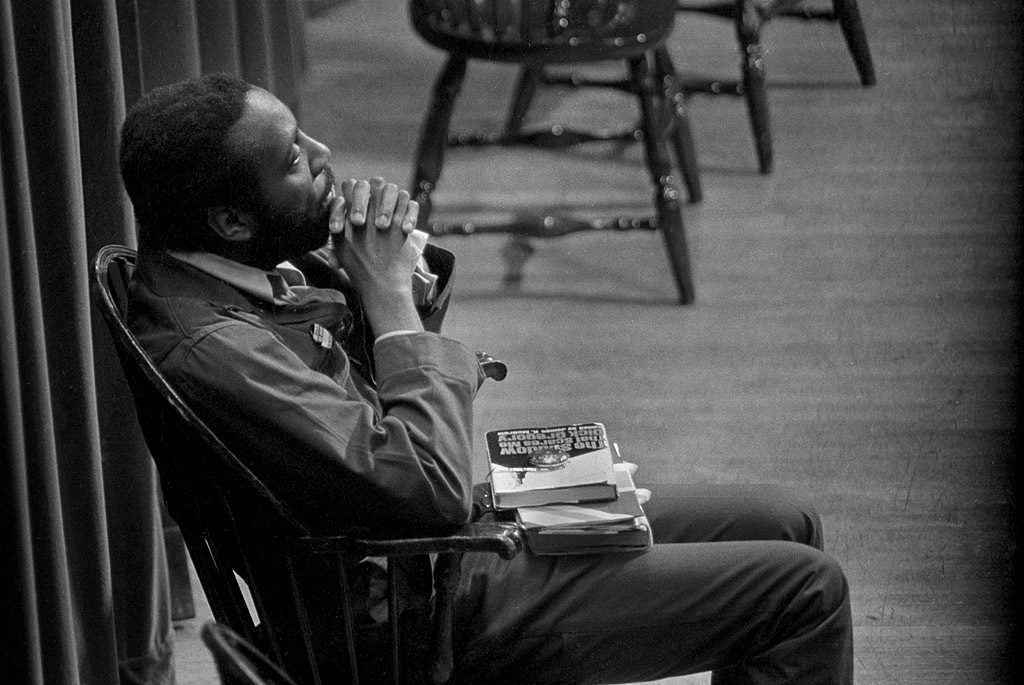
I was covering the event for The Ohio University Post. Much to my surprise, I got a call from The Athens Messenger, the local paper, asking if they could run my photo taken of Gregory while he waiting to go on. It was a surprise because I had seen photographer Bob Rogers at the press conference earlier that day, and I assumed that he must have covered the speech as well.
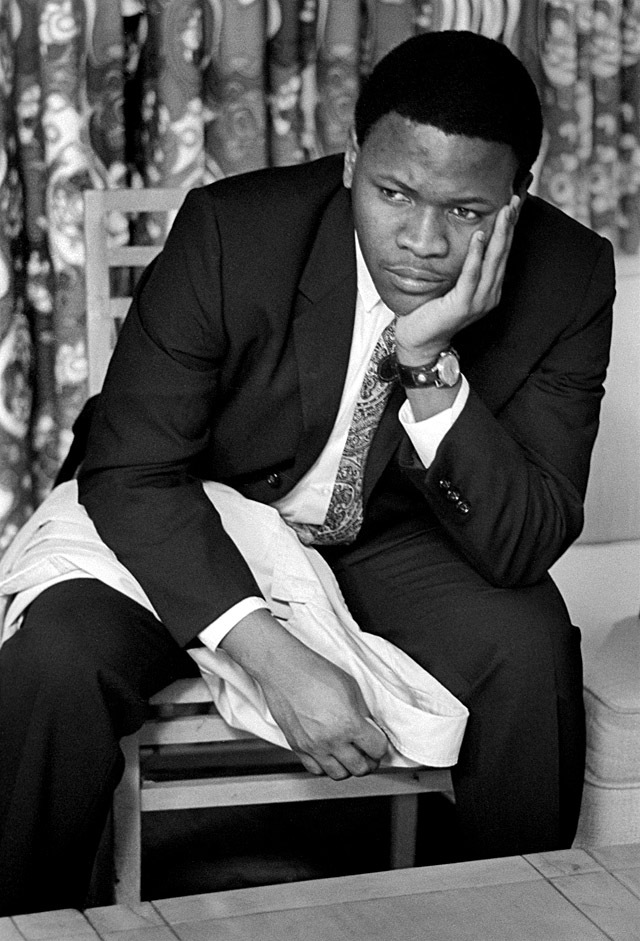
See, newspapers HATE to pick up something from a competitor. Now, The Post was the university student newspaper and The Messenger was the “real” paper, so we weren’t exactly competitors, but I always looked to see how I had stacked up against Bob or Jon Webb when we had been at the same event.

I was flattered that they wanted the art, so I offered it up quickly. I think that’s probably what led to them offering me an internship that summer. When they couldn’t find anyone who would work as long, hard (and cheap) as I would, it turned into a full-time job. When Bob moved on, I became chief photographer.

 Write-in Candidate for President

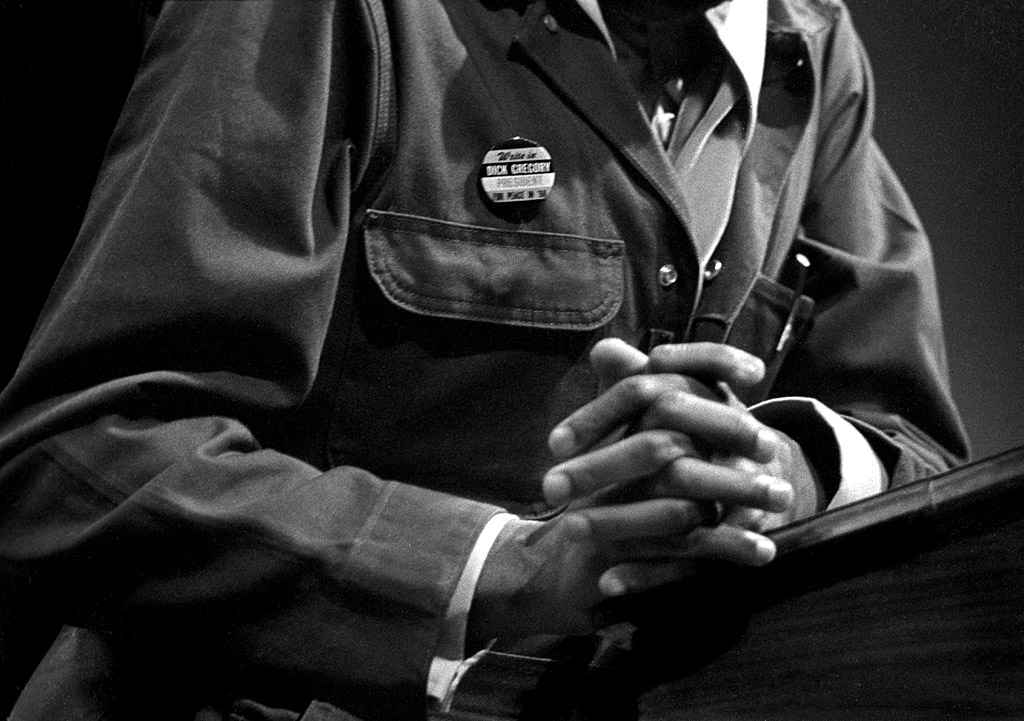
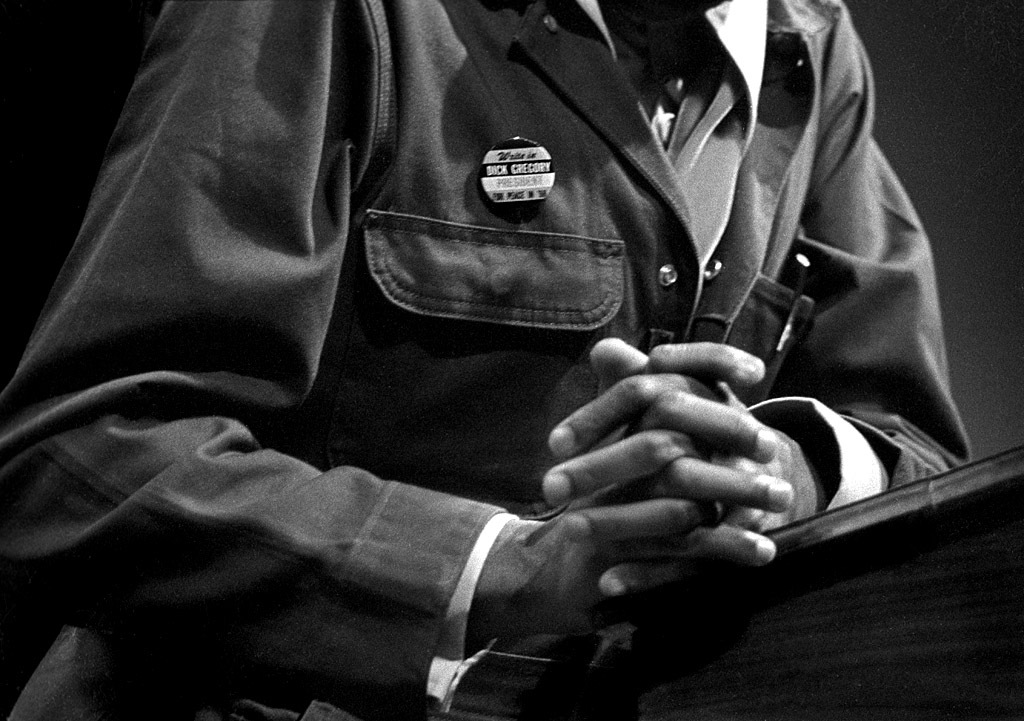
Gregory ran for president in 1968  as a candidate of the Freedom and Peace Party, a splinter group of the Peace and Freedom Party. His button reads, “Write in Dick Gregory President for Peace in ’68.”

I guess I can add him to the list of presidents and presidential candidates I’ve covered.

Standing ovation

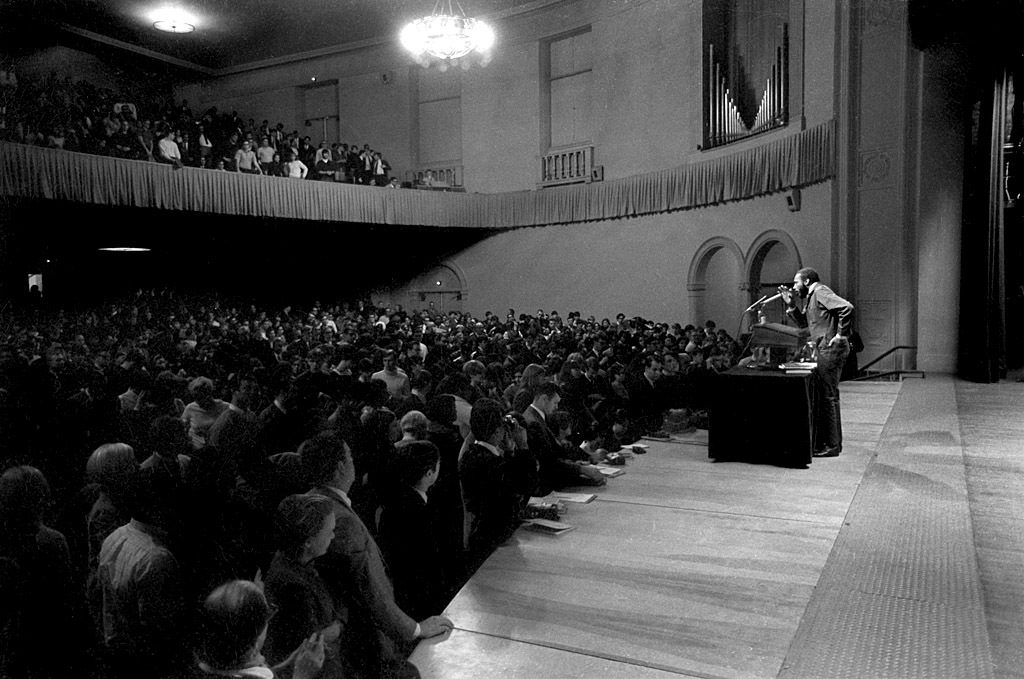
Gregory’s speech was well-received by the mostly white audience. Even though I was busy shooting the event from a multitude of positions, I heard enough to be impressed by the way he managed to get his point across without stabbing anyone with it.

I think he opened some eyes that evening. Most of us hadn’t heard that perspective before.

This site has an interesting collection of Dick Gregory quotes. In some he’s funny; in others he’s ironically angry; in others, he’s thought-provoking.

Interesting body language

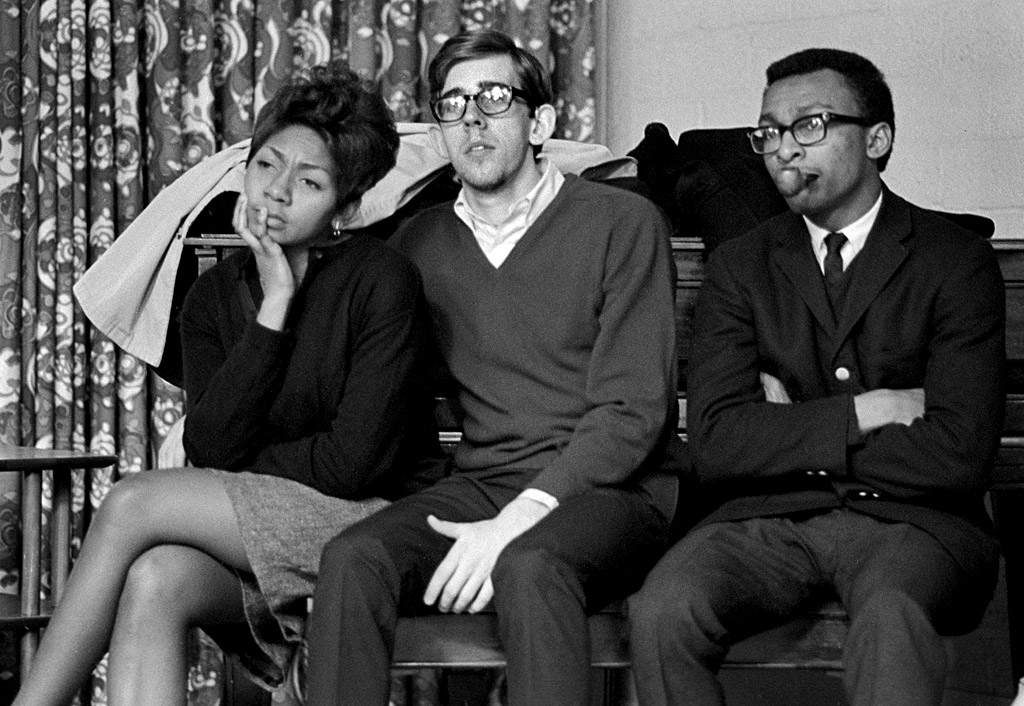
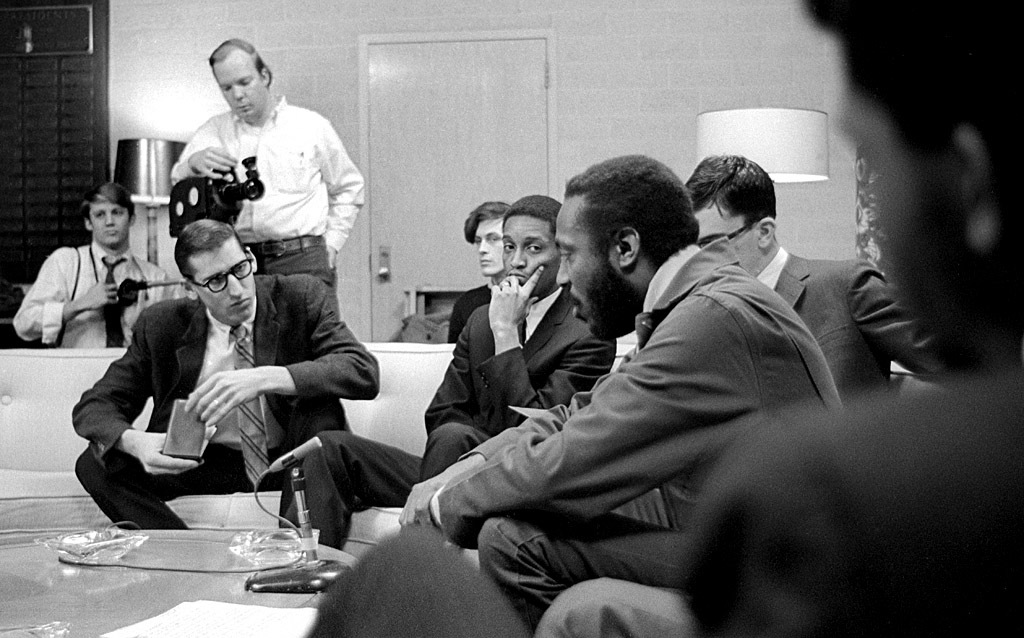
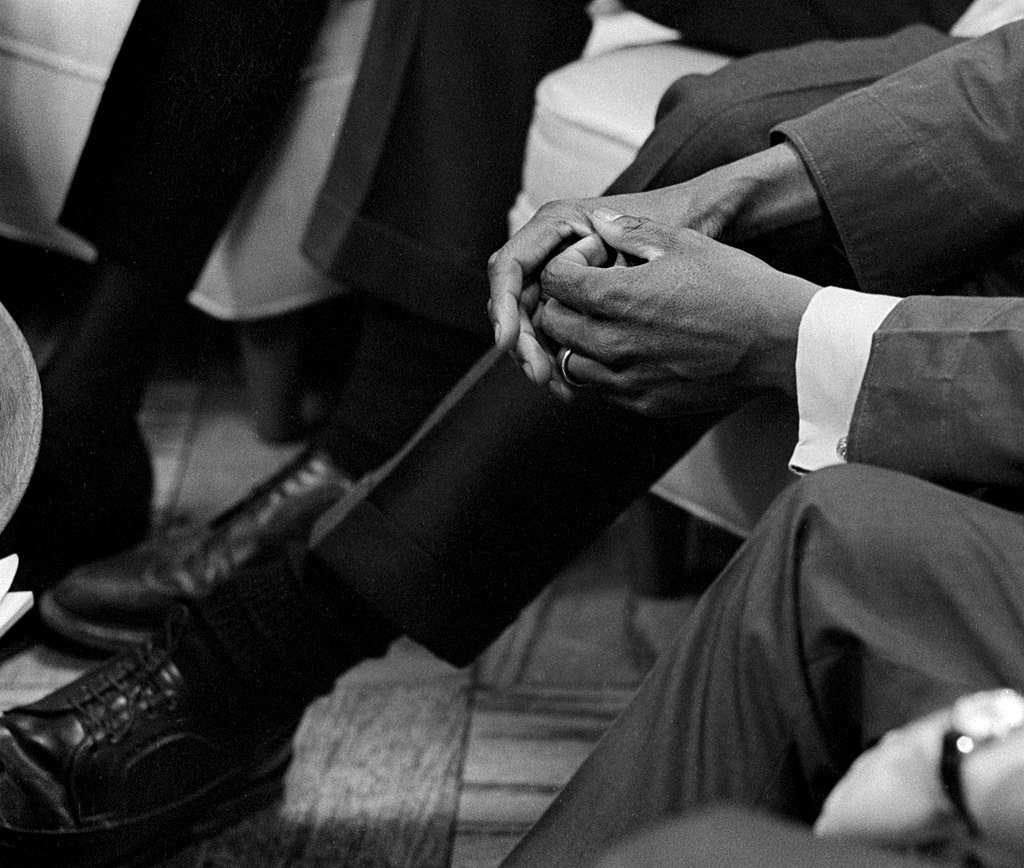
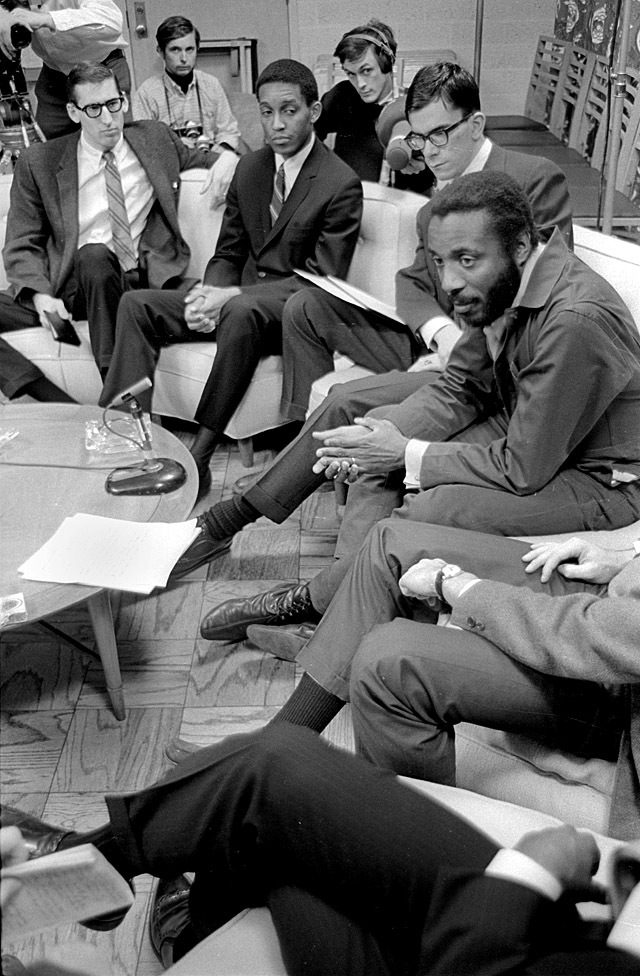
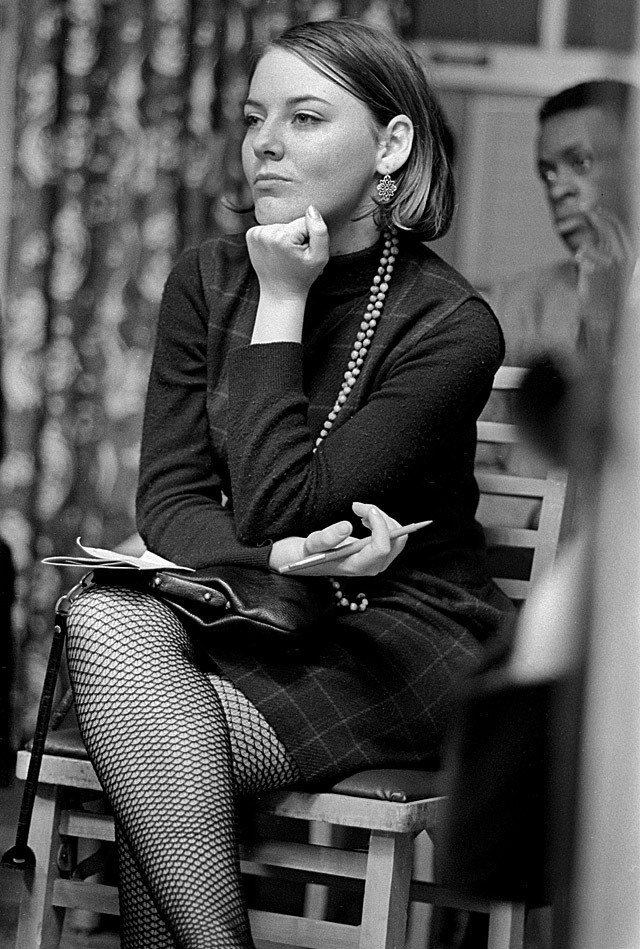
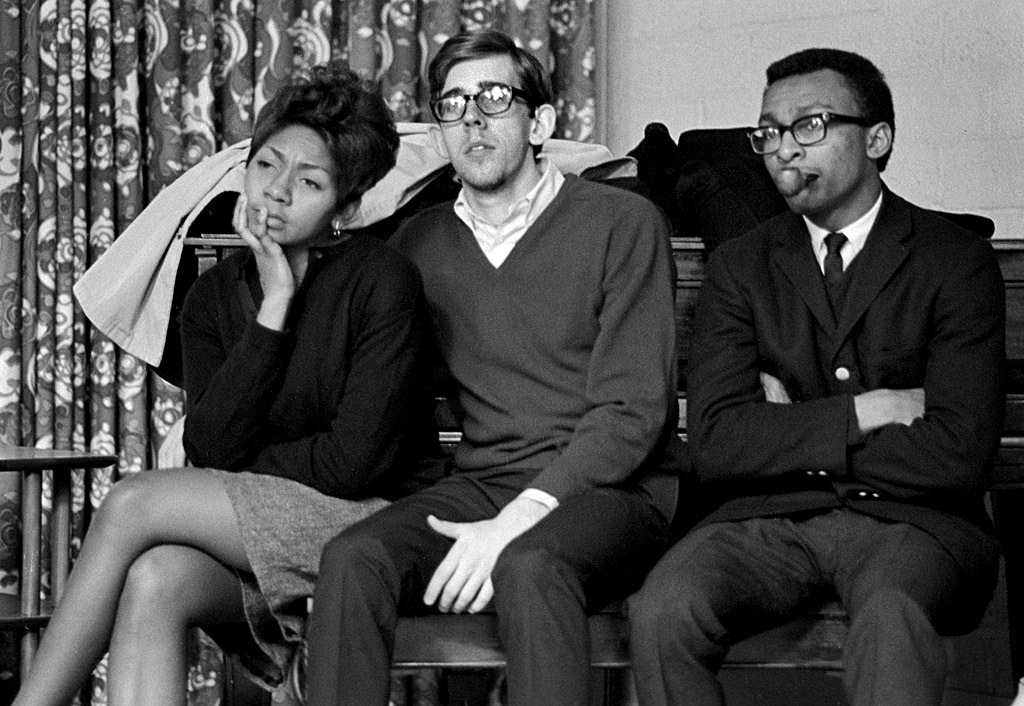
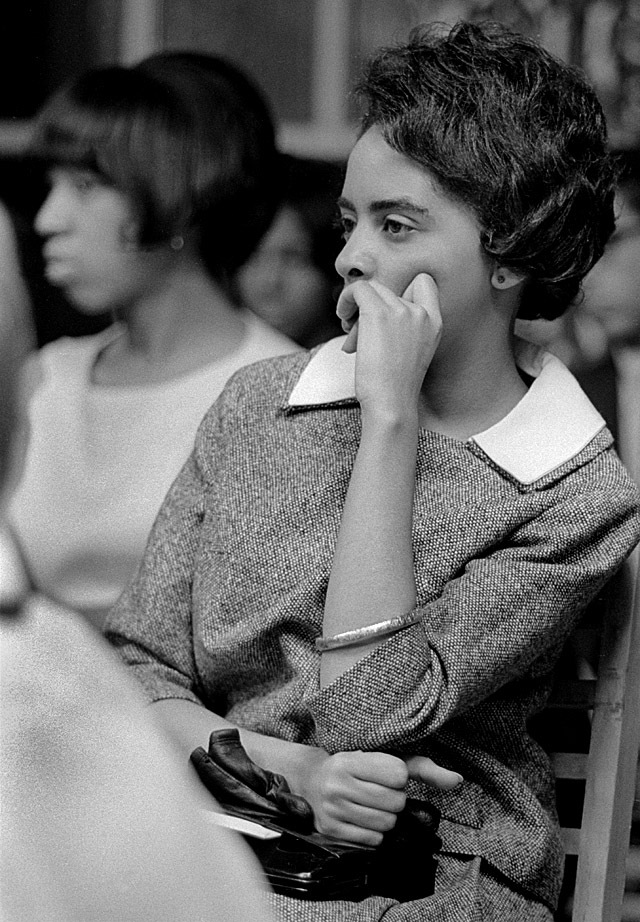
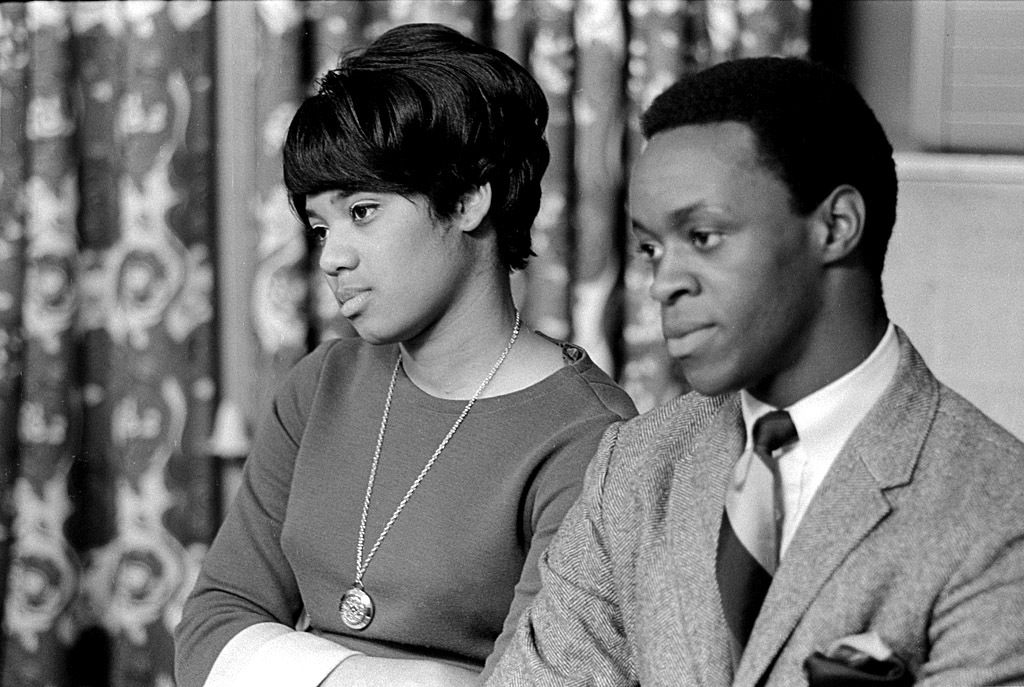
I didn’t notice it when I edited the film in 1968, but take a look at the photo gallery. There’s an interesting contrast in body language between the white students and the black students at the afternoon press conference.

I see a lot of crossed arms and furrowed brows. I’m not sure the black students were as receptive to Gregory’s message as the white students.

Dick Gregory Photo gallery

I included a bunch of press conference photos in the gallery to show some of the folks I worked with in those days: Bob Rogers, Tom Price, Ed Pieratt and some radio and TV guys who look familiar (but we print guys didn’t bother pay much attention to them). Click on any photo to make it larger, then click on the left or right side to move through the gallery.

.


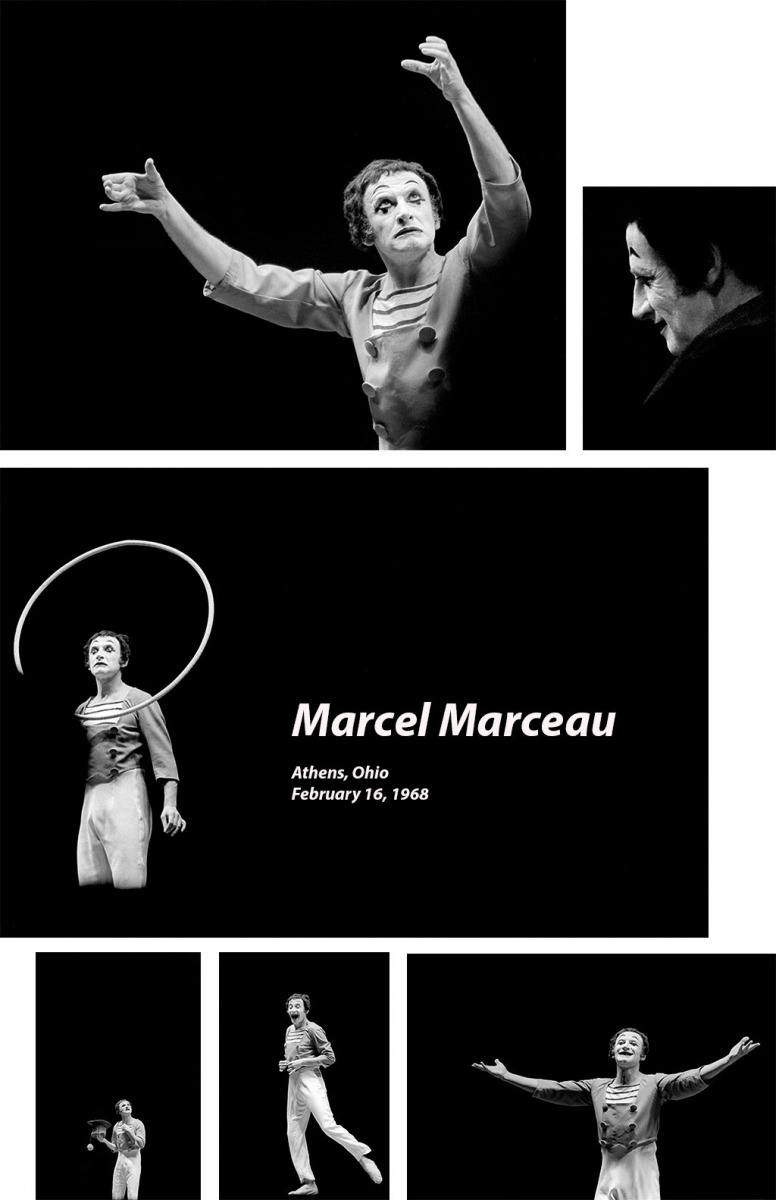
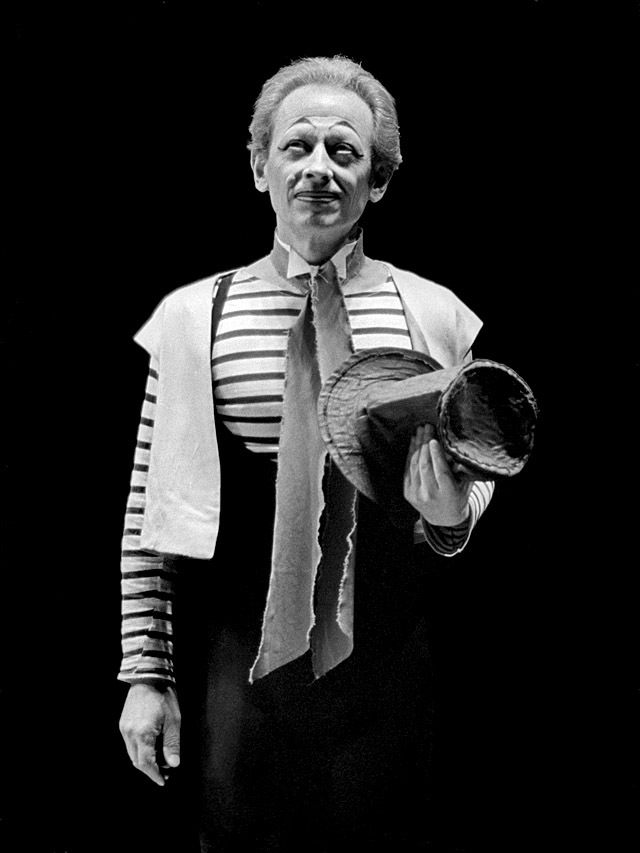
Marcel Marceau: Master of Silence

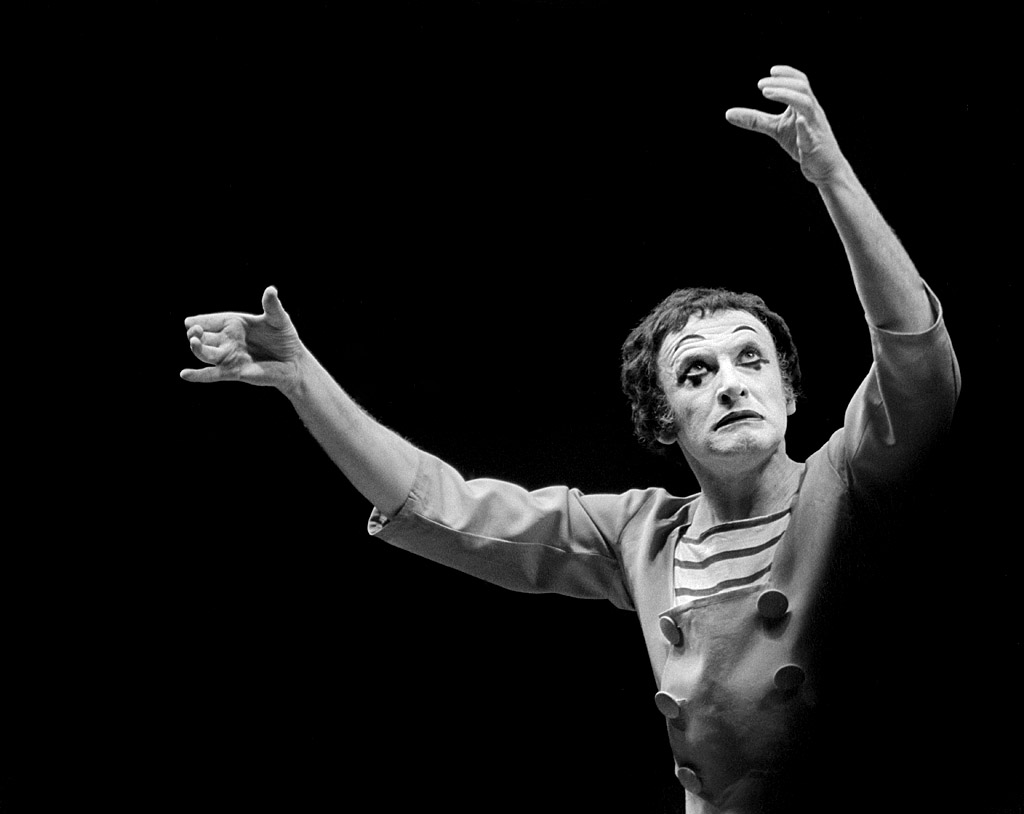
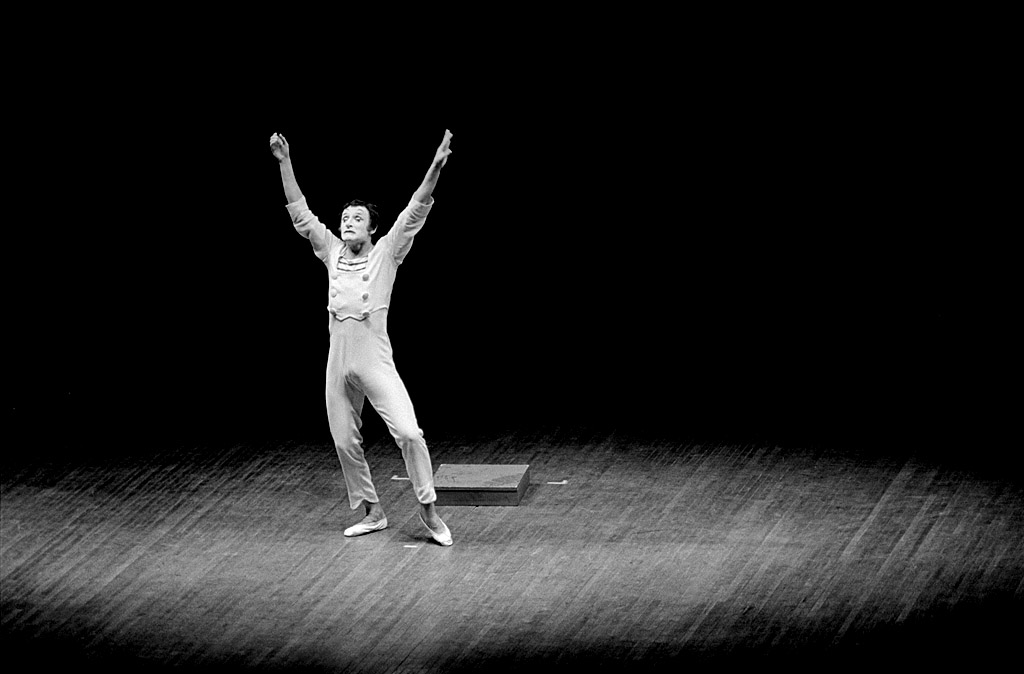
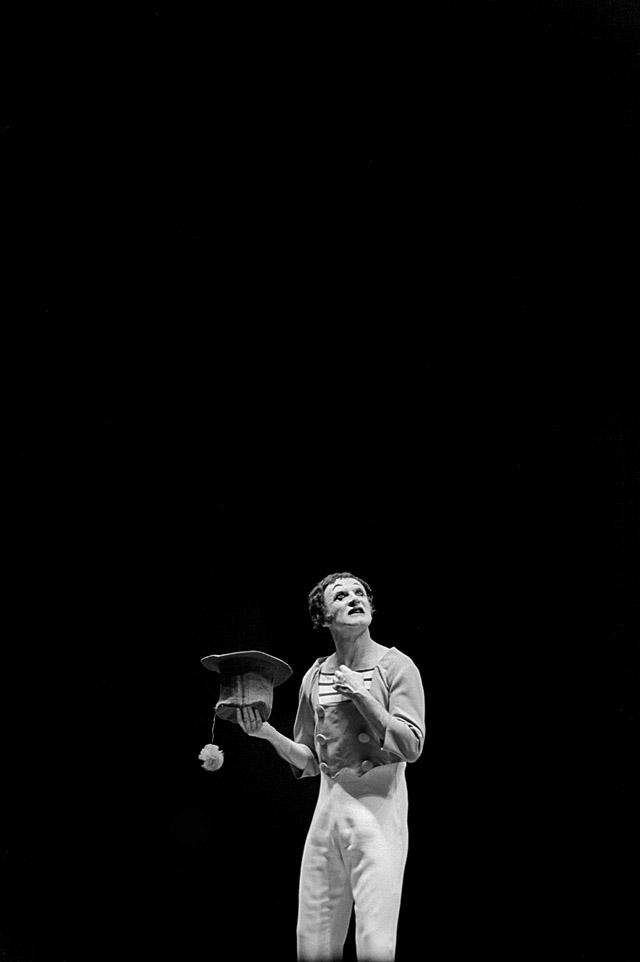
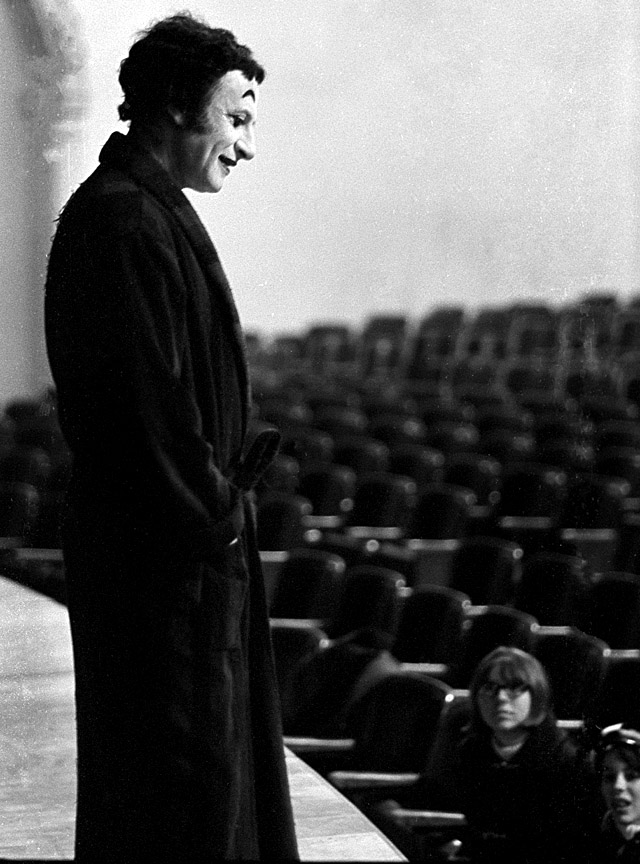
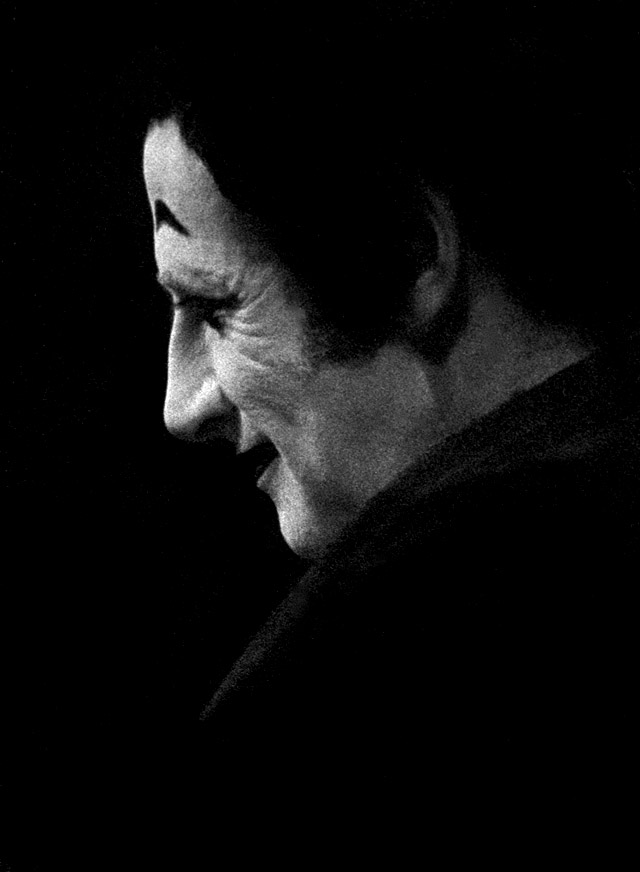
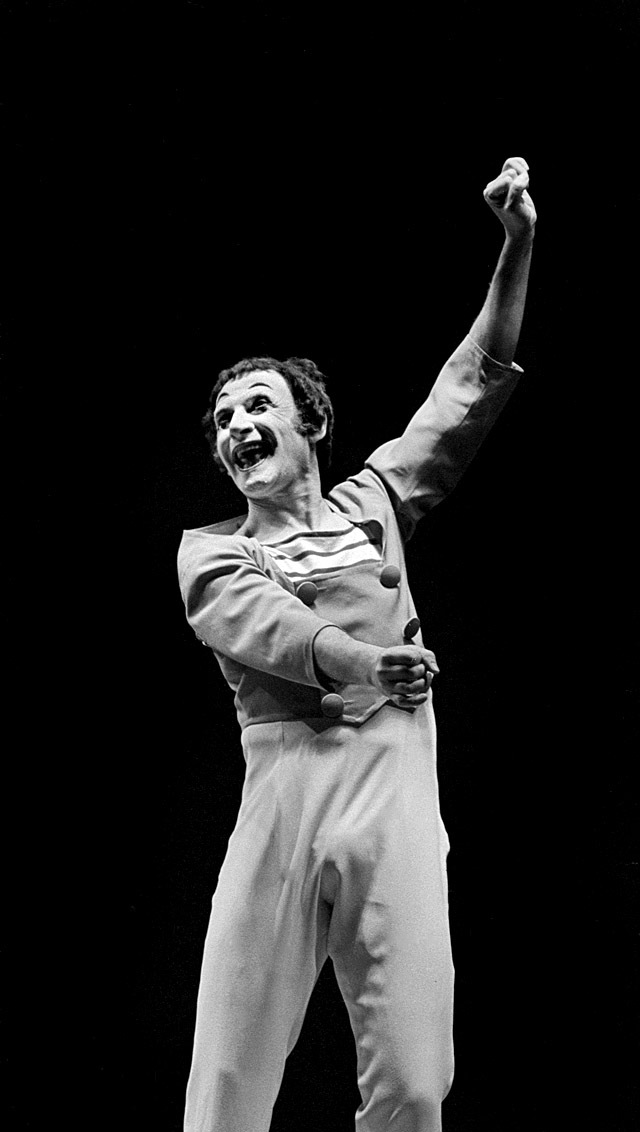
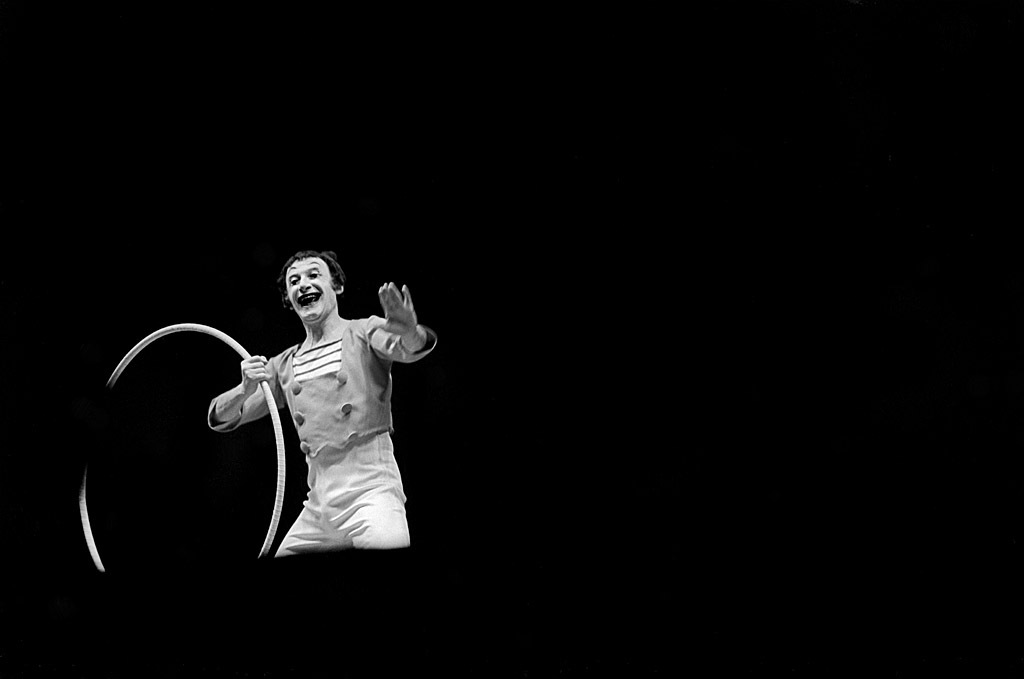
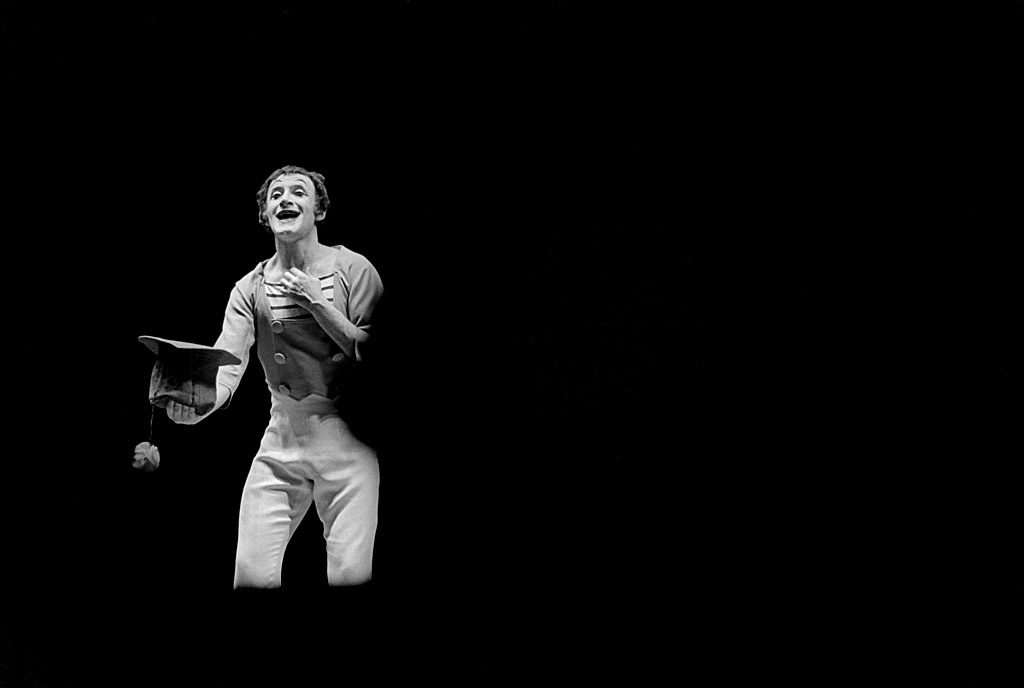
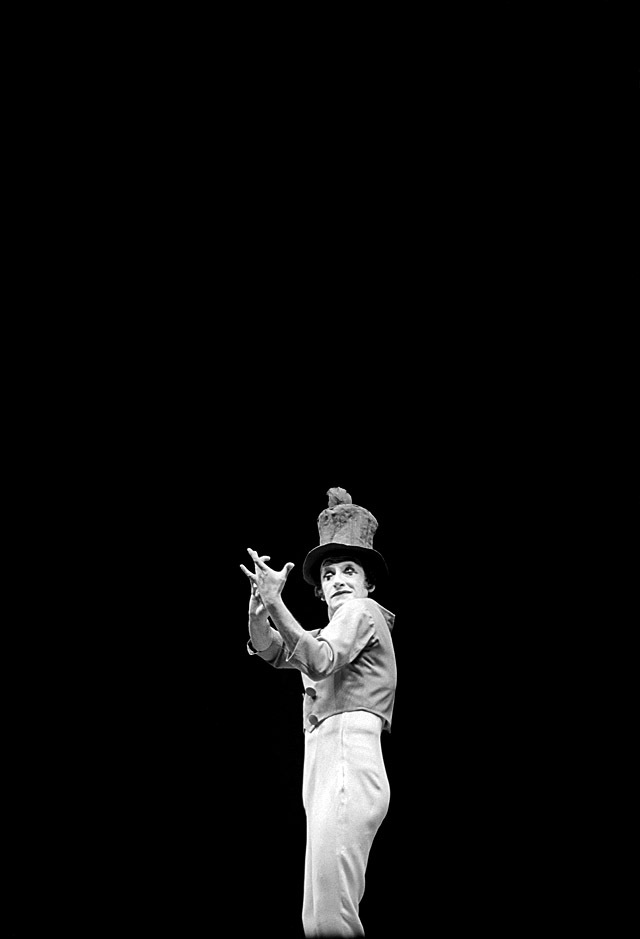
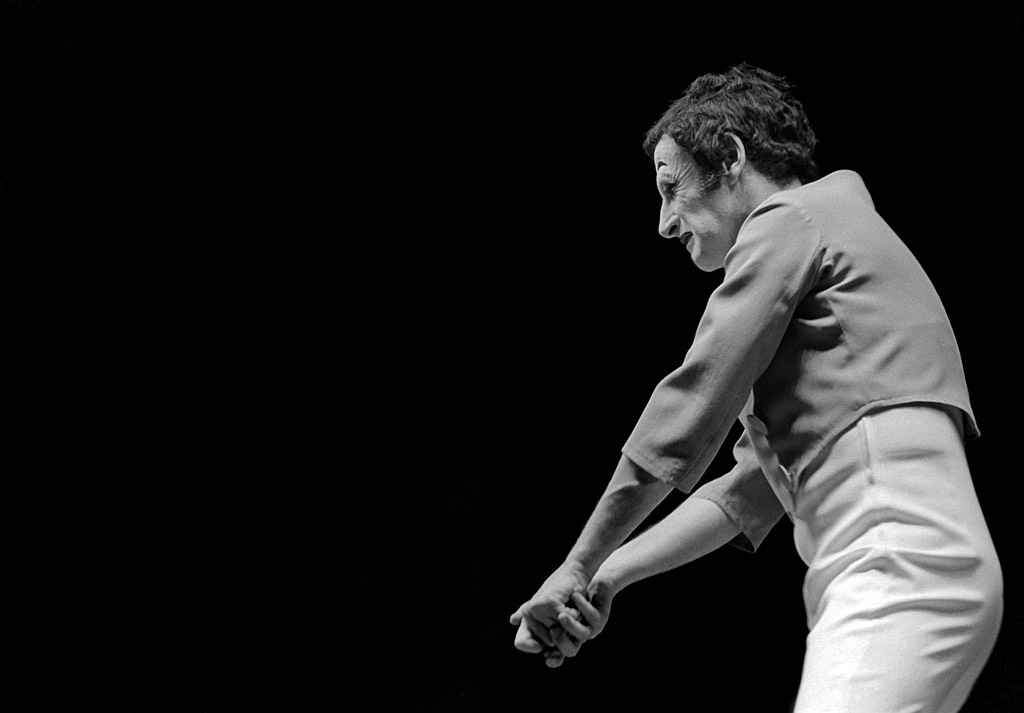
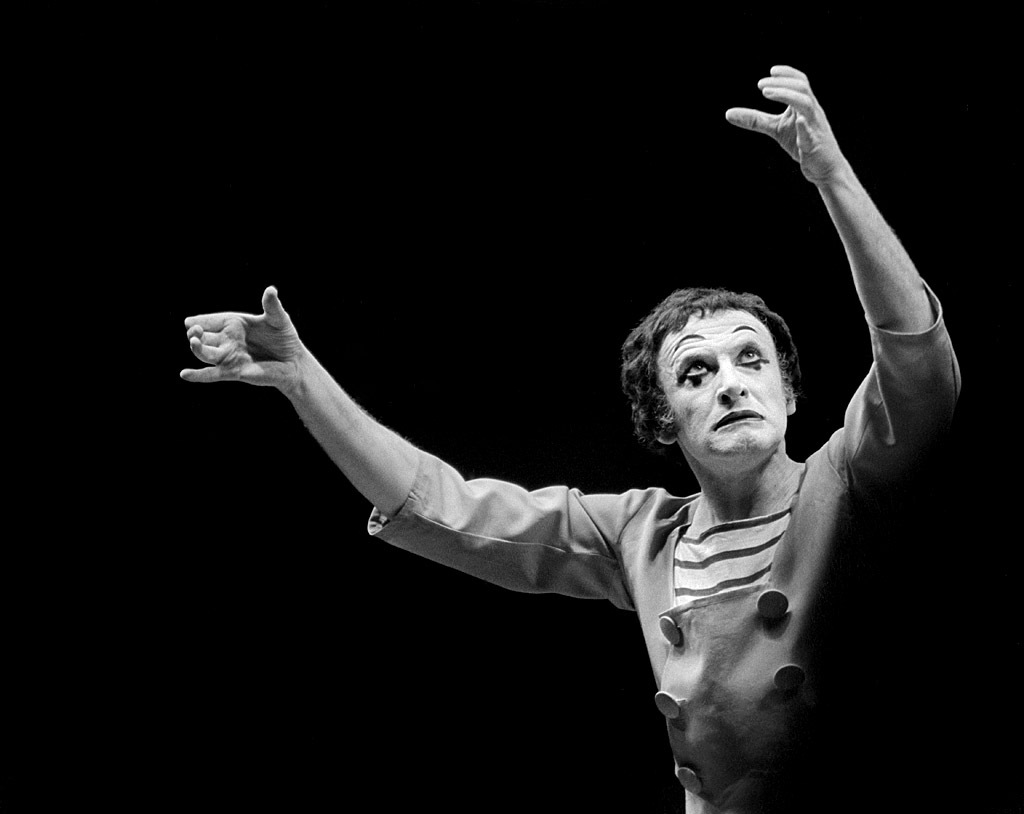
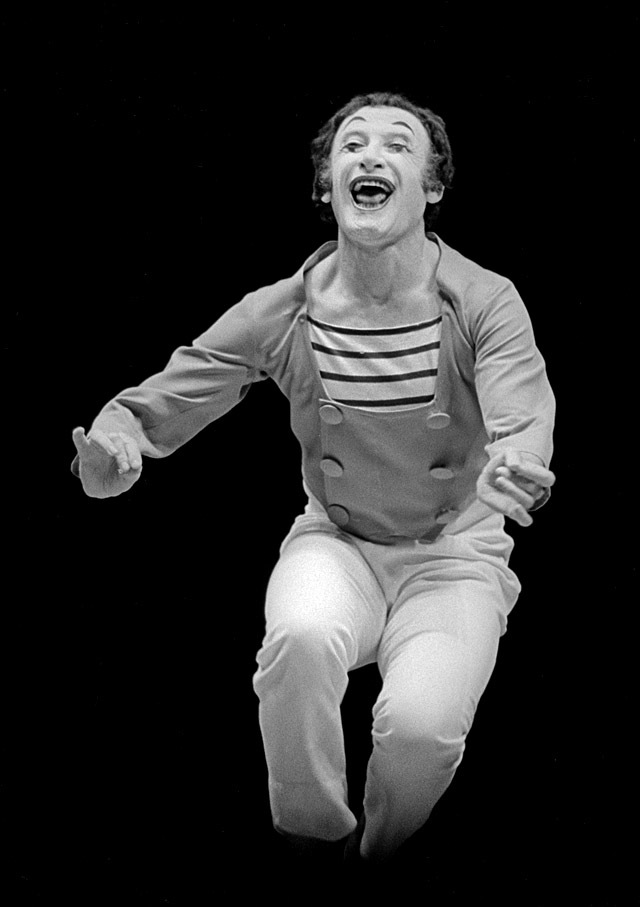
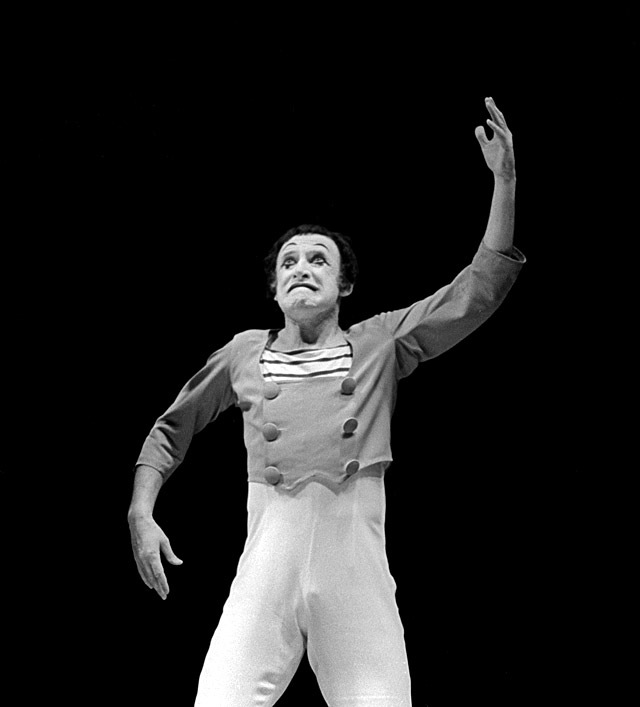
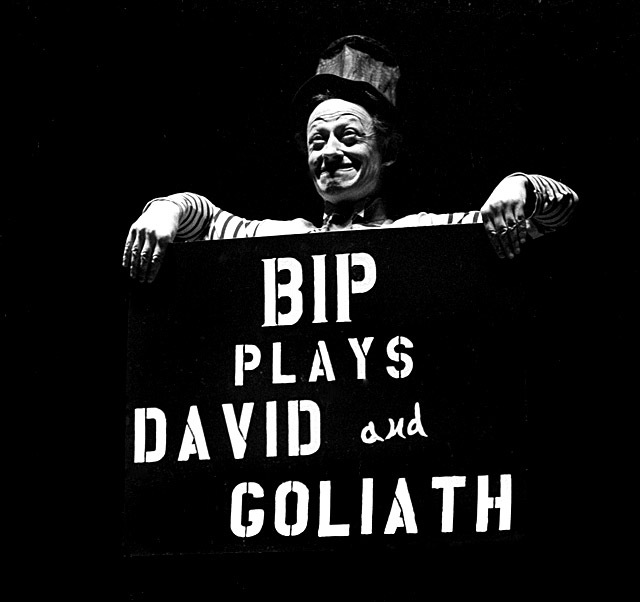
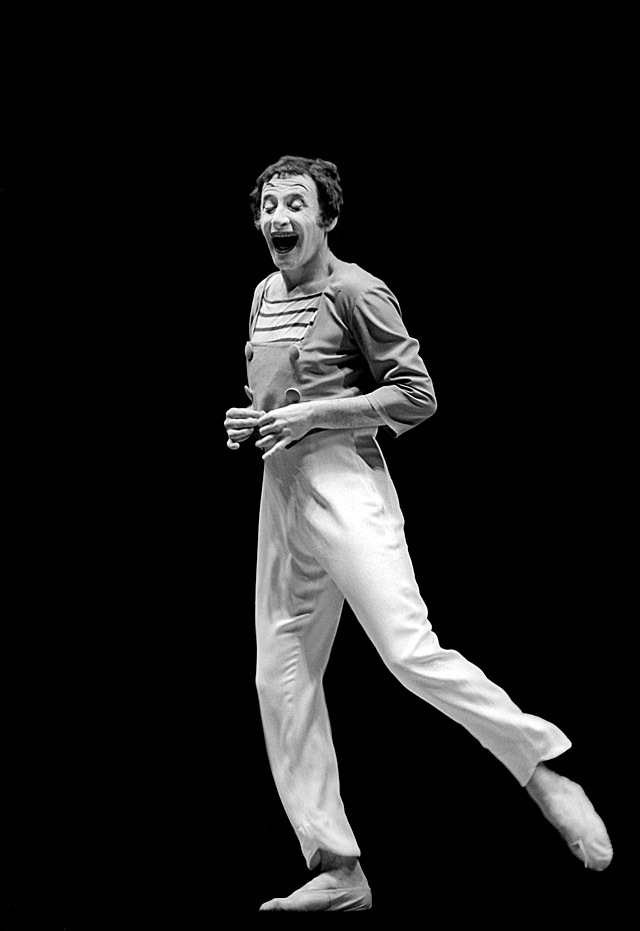
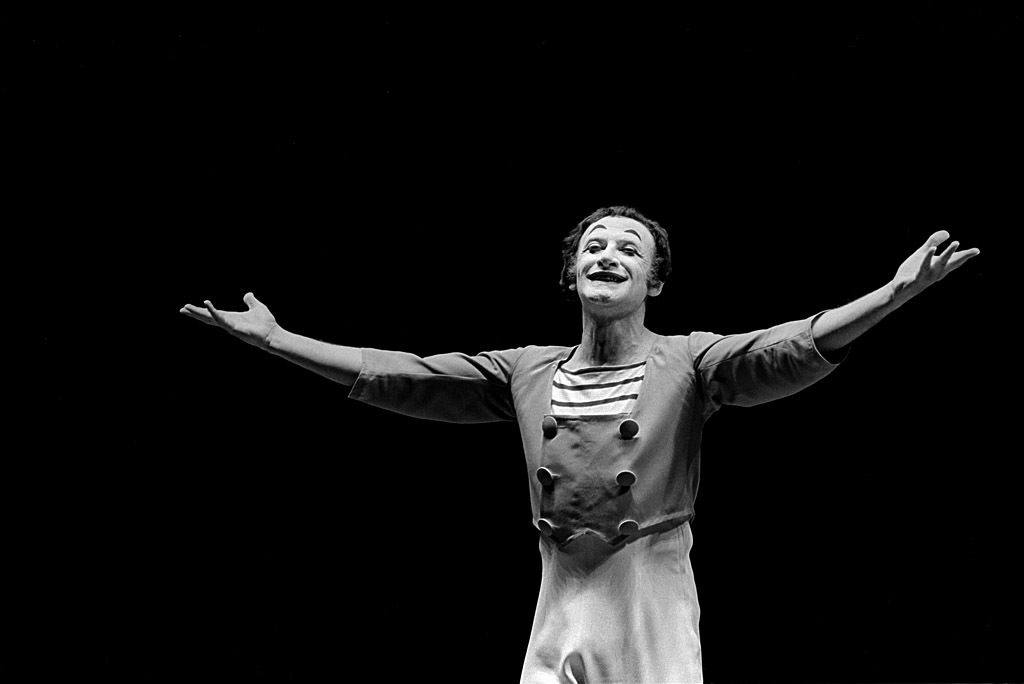
One of the advantages of working for The Ohio University Post and The Athens Messenger was access to press credentials to cover some of the best performers of the time. I was fortunate enough to photograph Marcel Marceau when he performed at Memorial Auditorium on February 16, 1968 (if the negative sleeve is right).

Never saw anyone do more with less

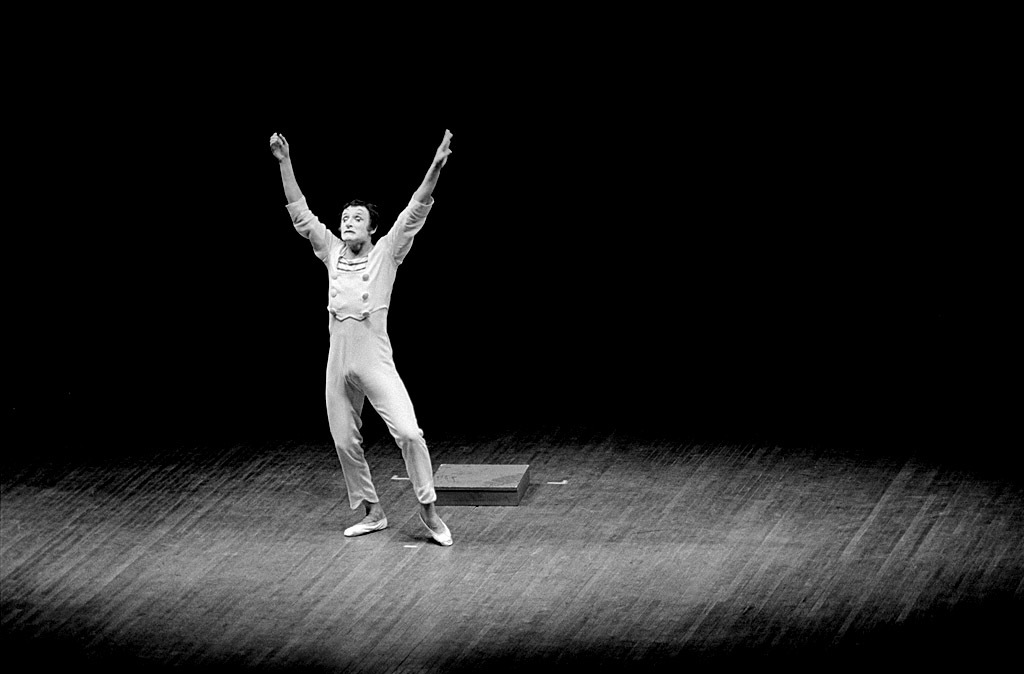
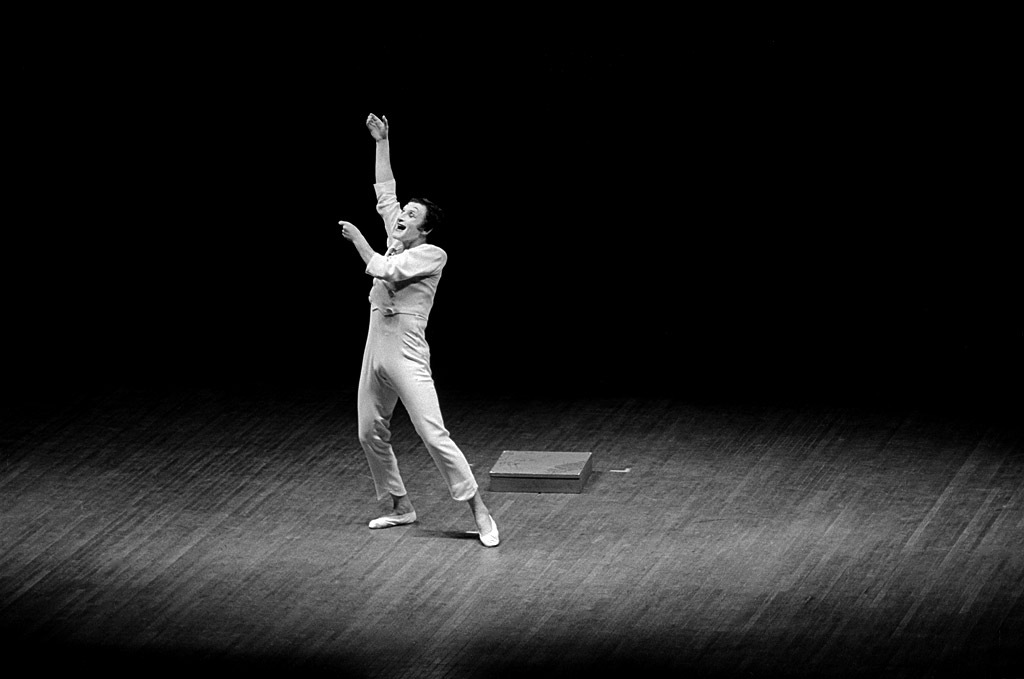
I was impressed with how little it took Simon and Garfunkel to put on their concert, but Marceau required even less equipment. All he needed was a stage and a spotlight to hold an audience spellbound.

Show was technically challenging

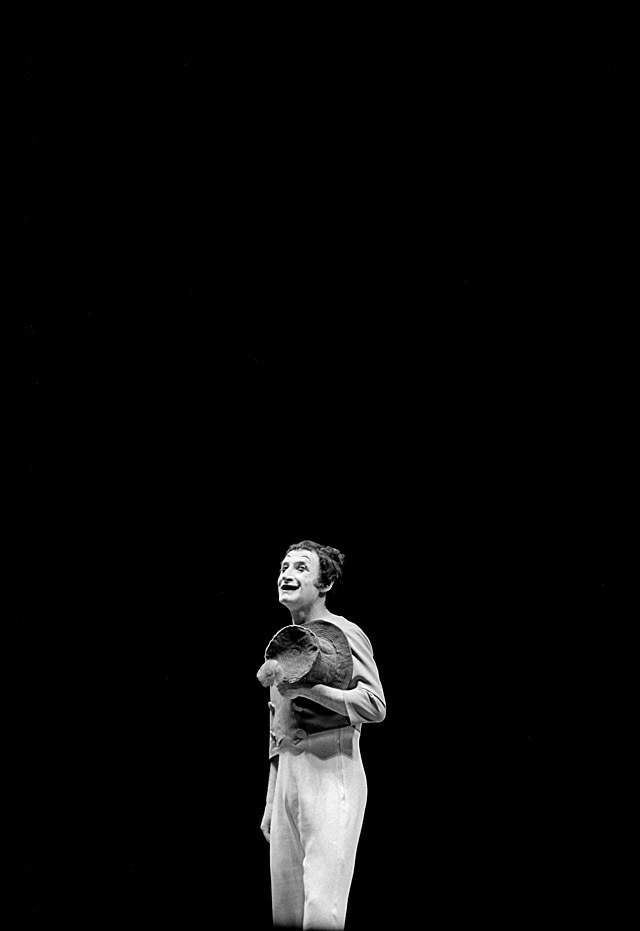
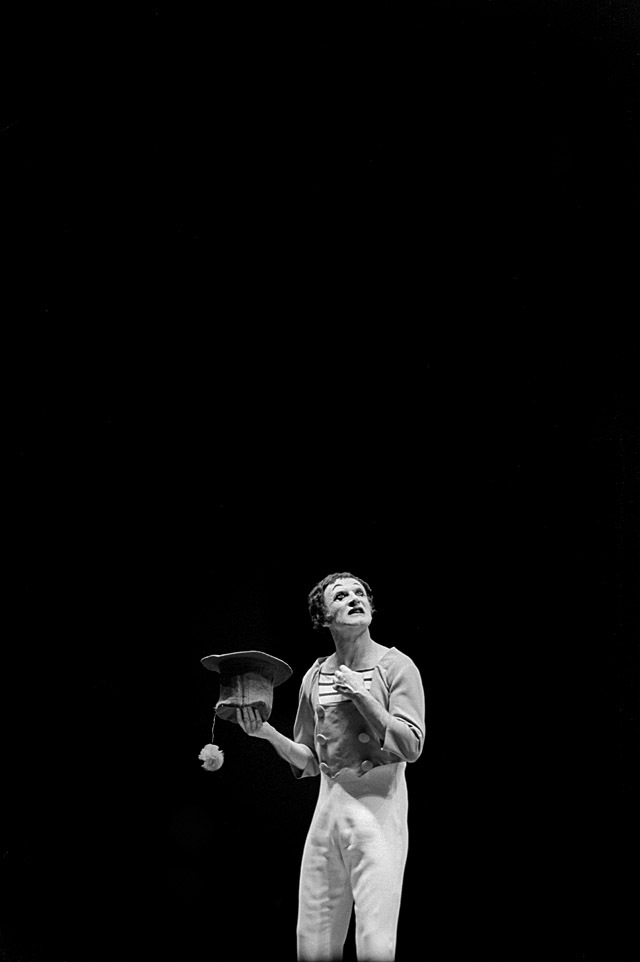
This was a performance where it really paid off to show up early enough to take an incident light reading on the stage before the show began. If I had tried to use a standard reflective light meter, it would have been fooled by the ocean of blackness surrounding Marceau. An incident light meter measures the light falling onto the subject rather than the light reflecting off the subject. That was my preferred method of metering when I could use it. Luckily, I was able to get the spot operator to fire it up long enough for me to get a reading.
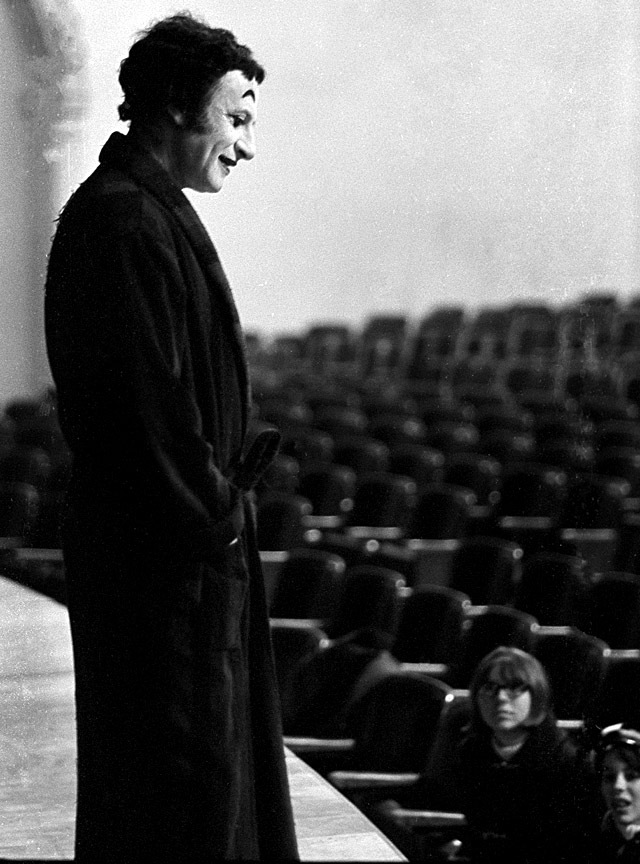
I’m not sure what’s happening

I don’t know if this was taken during a rehearsal, before the show or when. The house was packed for the actual performance, but there was only a handful of people around when I shot this.

“White ink drawings on black backgrounds”

Marceau once said, “I have designed my style pantomimes as white ink drawings on black backgrounds, so that man’s destiny appears as a thread lost in an endless labyrinth. I have tried to shed some gleams of light on the shadow of man startled by his anguish.”

When I looked at these frames, I knew exactly what he was talking about. I’ve never seen anyone who used black space more effectively.

Father killed at Auschwitz

A biography on the IMDb website said that Marceau was born Marcel Mangel on March 22, 1923, in Strasbourg, Alsace, France. At age 5, he was entranced when his mother took him to see a Charlie Chaplin movie; he decided to become a mime. At the beginning of World War II, he had to hide his Jewish origin and changed his name to Marceau. His father was deported to Auschwitz, where he was killed in 1944.

Marceau and his brother, Alain, were in the French underground and helped children escape to neutral Switzerland. He later served as interpreter for the Free France Forces under General Charles de Gaulle.

When he died in 2007, Timothy W. Ryback wrote in The New York Times about Marceau’s concern about the fragility of his art. “Unlike novels or plays or operas, which could be printed, recorded, preserved, the art of mime was a transitory and ephemeral art. It existed only in the moment. And, more unsettling still, essentially in one man, Marcel Marceau,” Ryback said.

Photo gallery of Marcel Marceau

I’m glad I had a chance to see the world’s best-known mime. Click on any photo to make it larger, then click on the left or right side to move through the gallery. By the way, while researching this, I saw a link to “Marcel Marceau quotes.” I figured clicking on it would take me to a blank page. Surprisingly enough, Marceau said, among other things, “Never get a mime talking. He won’t stop.”

Martin Luther King Day

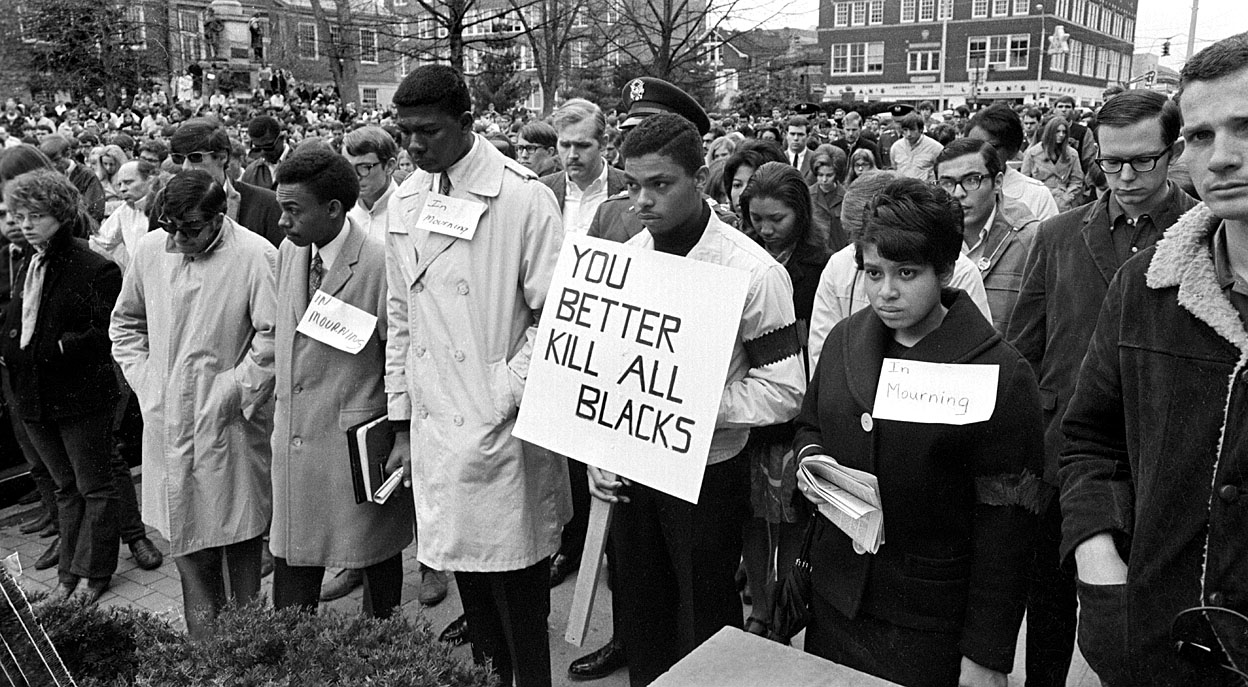
In the spring of 1968, I was photo editor of The Ohio University Post and a photography major. One of my classes – it might have been Magazine and Newspaper Photography – had us form up into teams. We had to pick a geographical area, then document what happened in that area for a week. Classmate Lyntha Scott Eiler was on The Athena, the university yearbook. The publications worked out of the student union building on the Main Green and, since we practically lived there anyway, we picked that as our geographical area. We recruited two more team members and set to work.

The first part of the project was boringly routine: college students playing around with dogs, sunning themselves on the War Memorial, just light-hearted stuff.

A gunshot changed everything

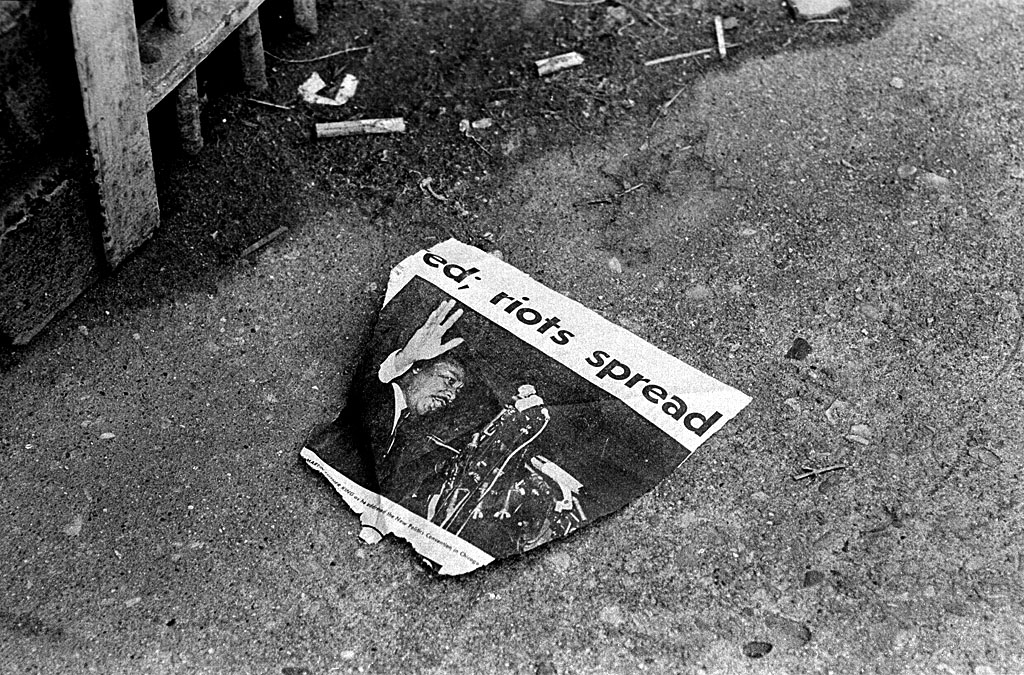
The mood of the campus changed in a heartbeat with a gunshot in Memphis, Tenn. Dr. Martin Luther King was dead.

Memorial service changed to sit-in

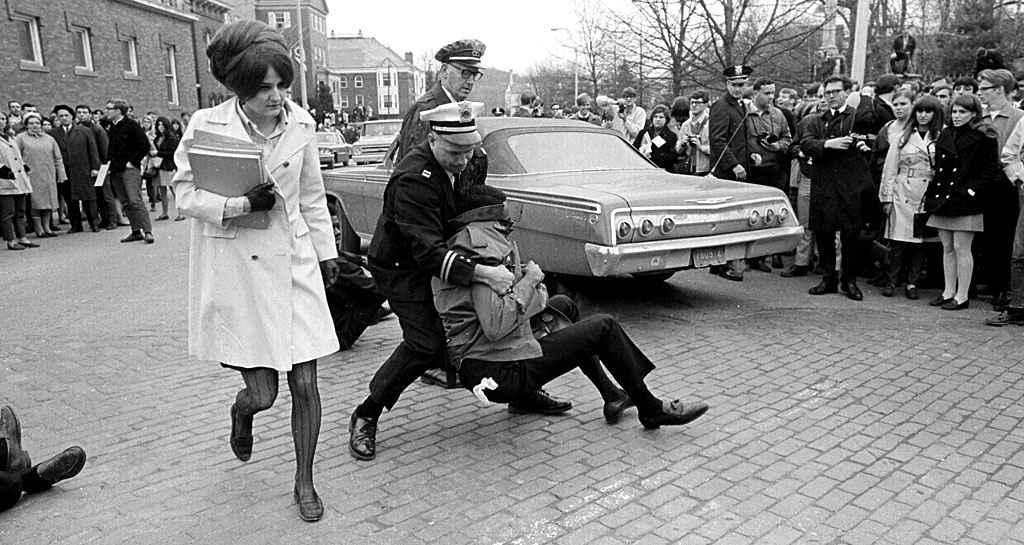
My team was lucky enough that our area was where a National Day of Mourning service was going to be held. When it broke up, the crowd moved a block north to the major intersection in town at Court and Union Streets to conduct a sit-in. This wasn’t unusual. That was the traditional spot for the annual Rites of Spring riot and anti-war protests. Cops and students would do a choreographed chicken dance, then everybody would break up and go home. Few arrests were made and teargas wasn’t used until after Kent State.

We could have had a riot

This time, though, a redneck Athens police captain decided he was going to literally throw the demonstrators off of his streets. He didn’t realize how raw emotions were. It was as close to sparking a race riot as Athens has ever come. Fortunately, cooler heads prevailed and the students were allowed to block the street for a “reasonable” amount of time.

I’ve been afraid for years that we had to turn in our film as part of the project, but I ran across it last week. I’m going to save the bulk of the photos for the anniversary of the National Day of Mourning to give me a chance to track down some of the students so they can tell me what they remember of that day.

I don’t recall what grade we got on the project, but I’m pleased with what I’ve seen so far.