
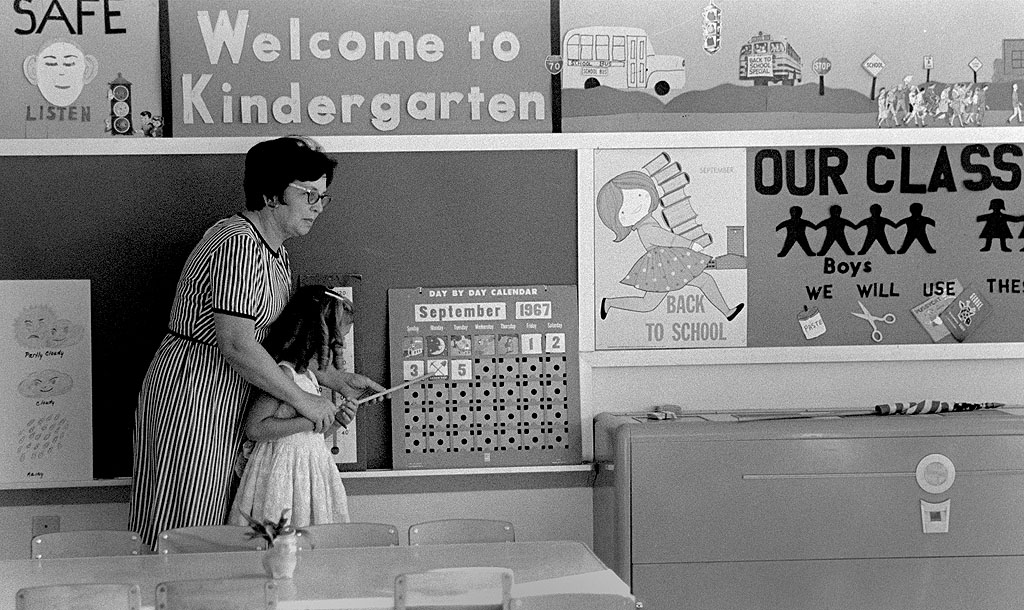
I saw a story in The Missourian that Alma Schrader School is going to hold a 50th Anniversary Celebration March 11.
The school was on my old paper route. I guess the reason I always thought of it as being a “new” school was that it WAS new – only a couple of years old – when I was slinging newspapers in the neighborhoods around it.
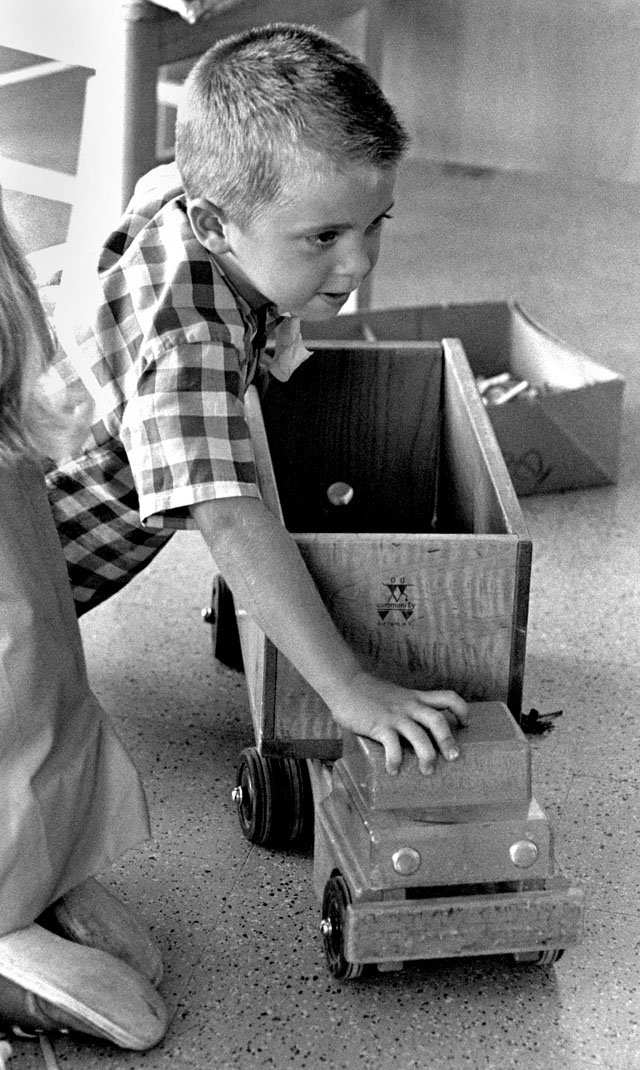
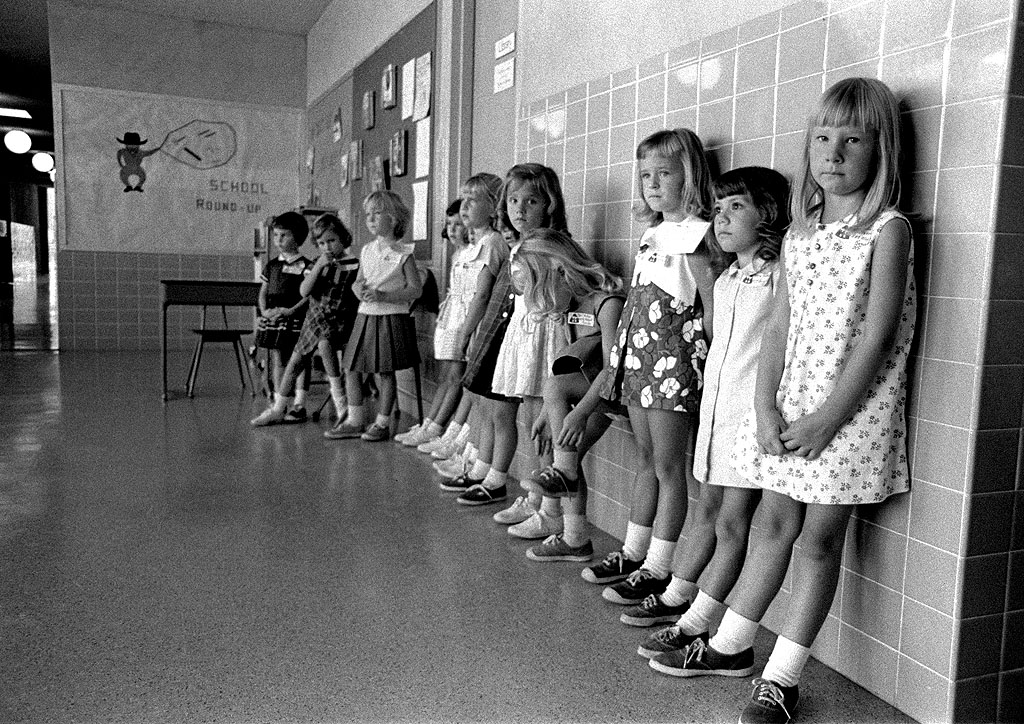
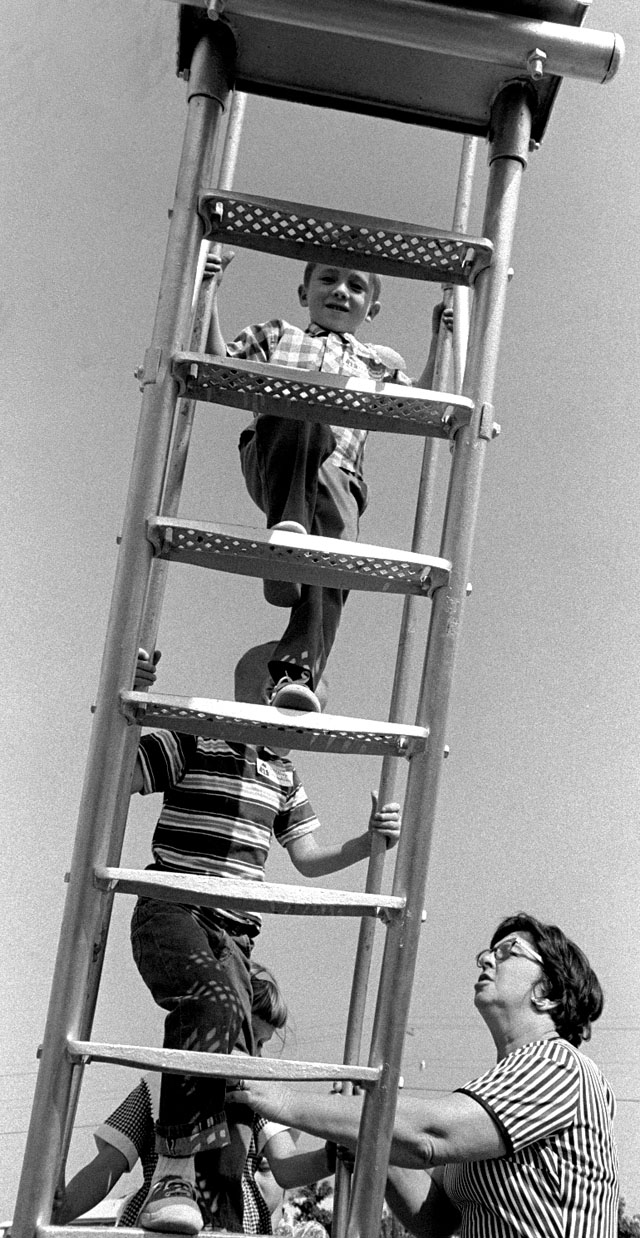
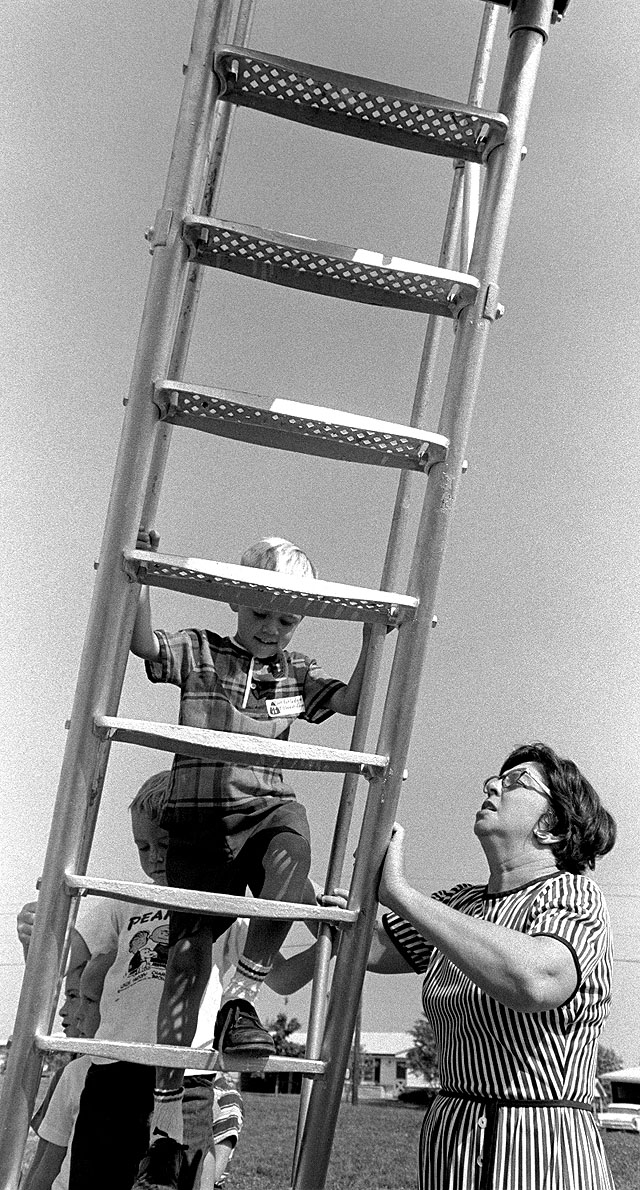
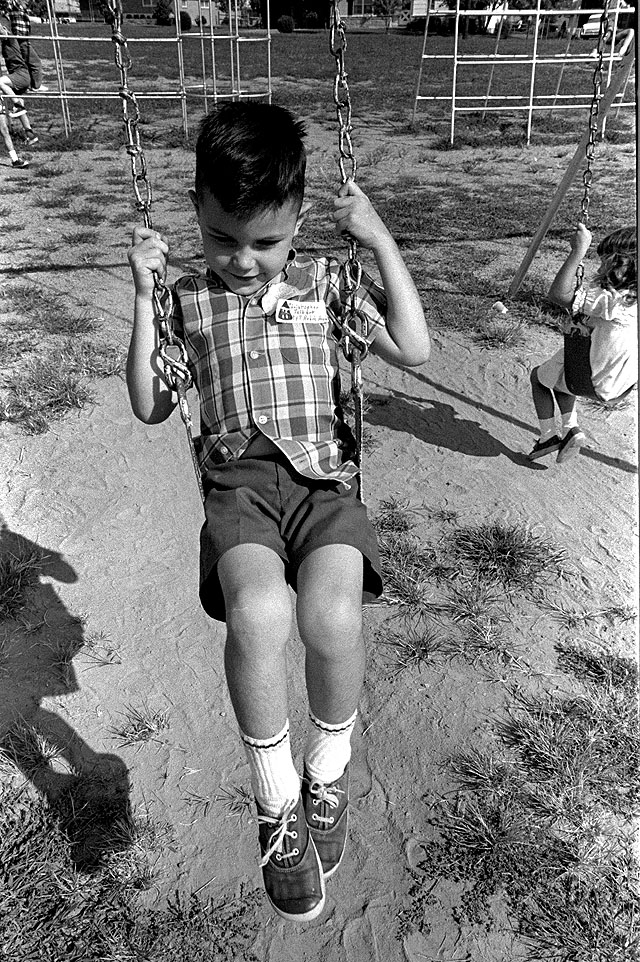
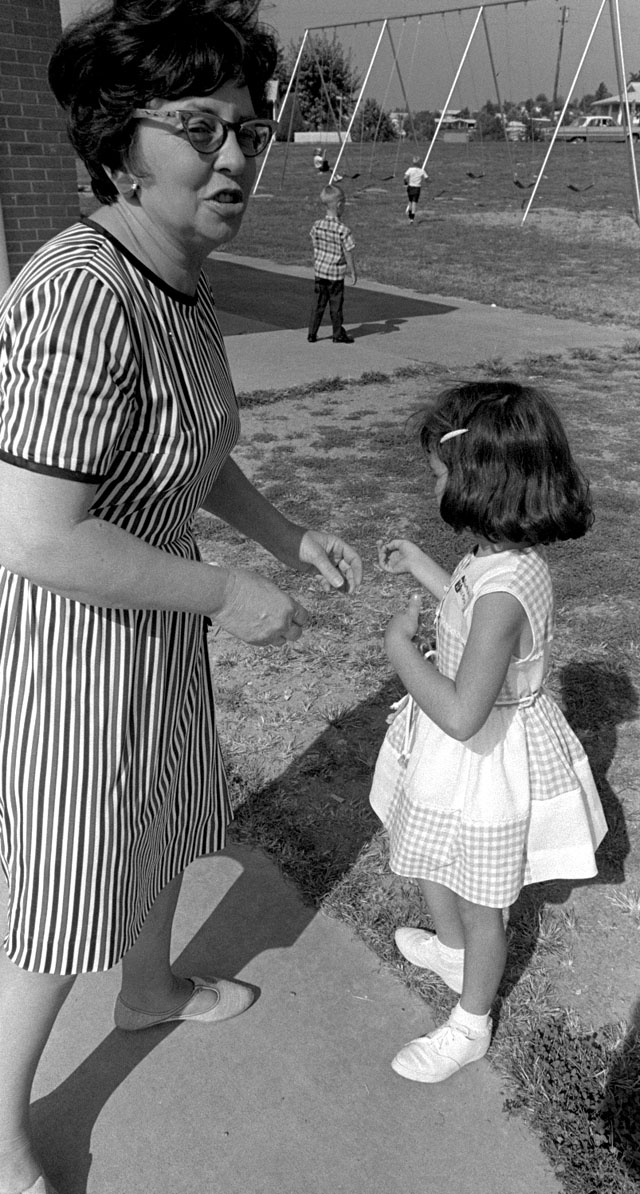
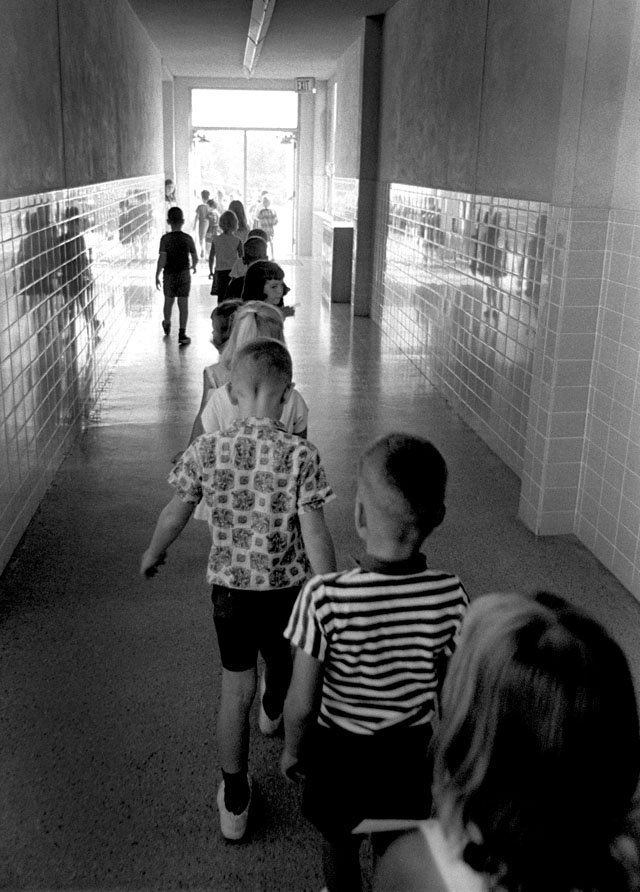
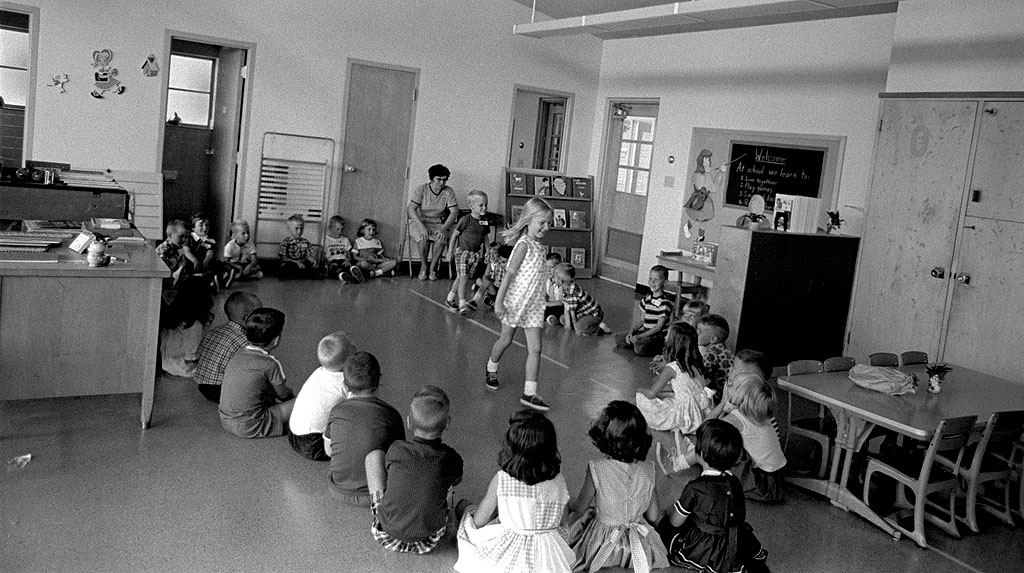
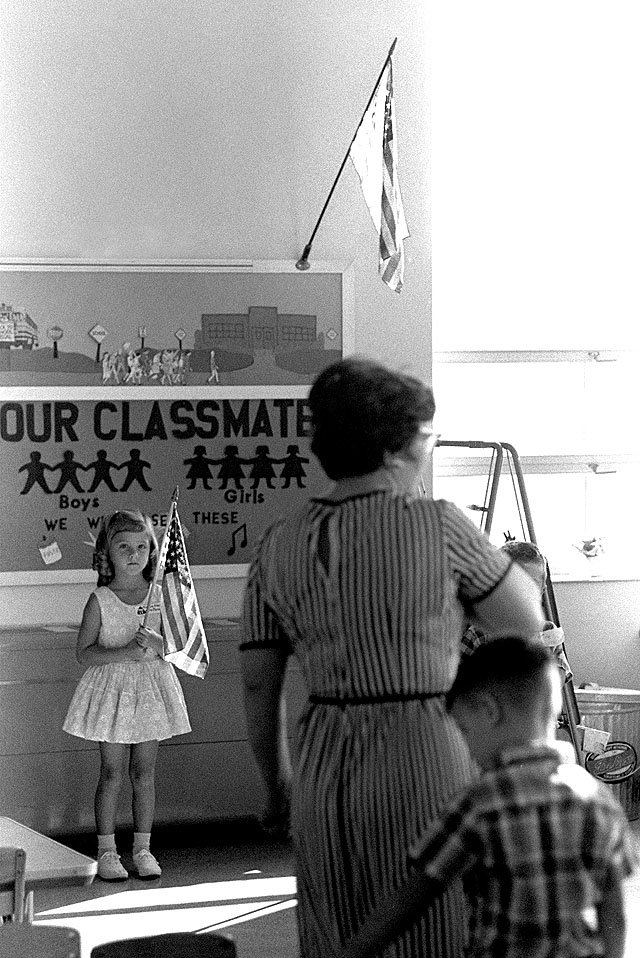
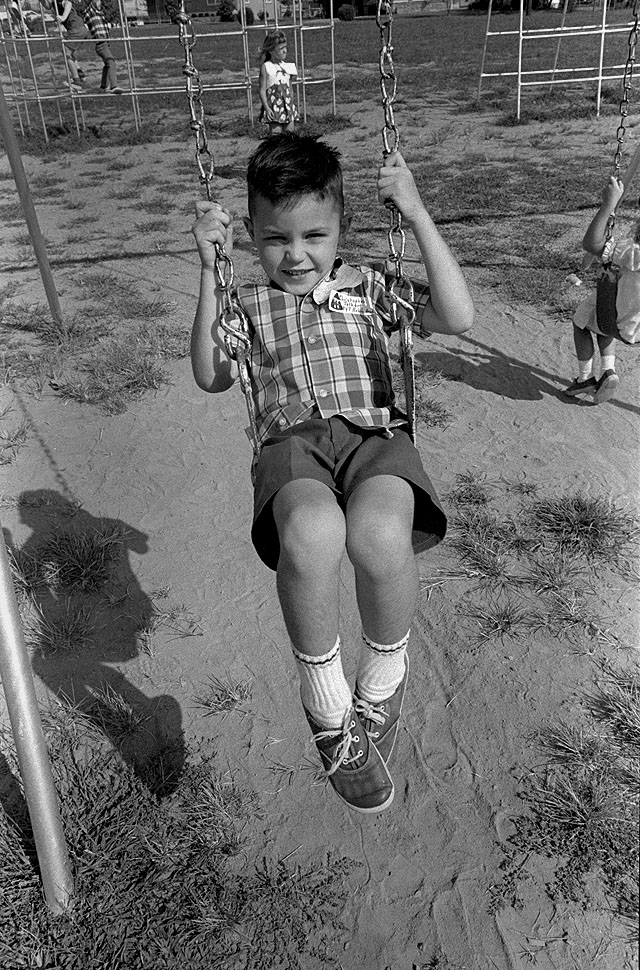
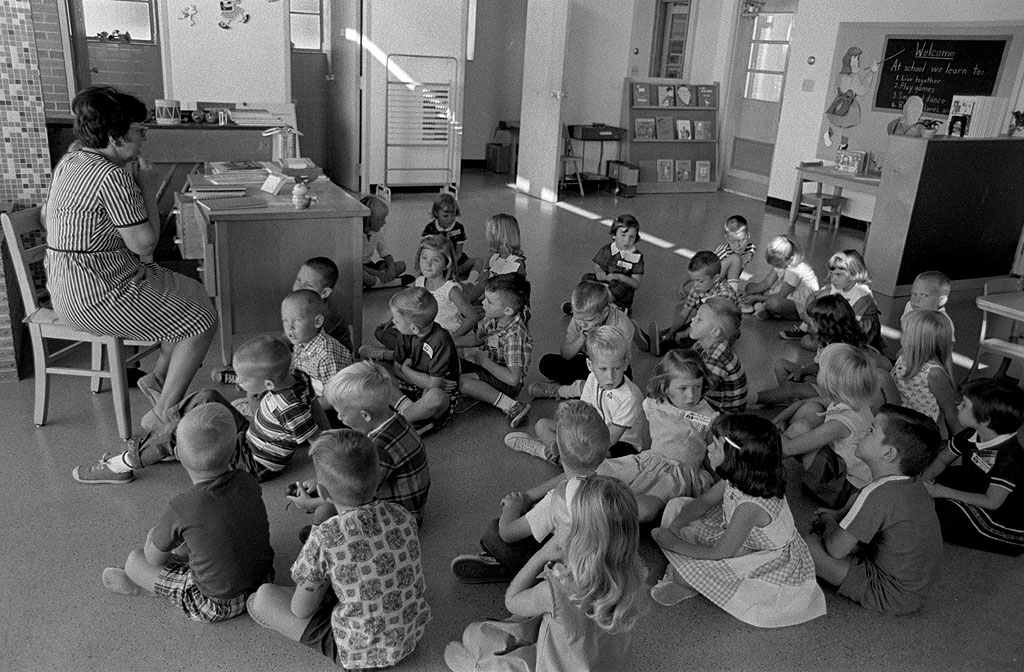
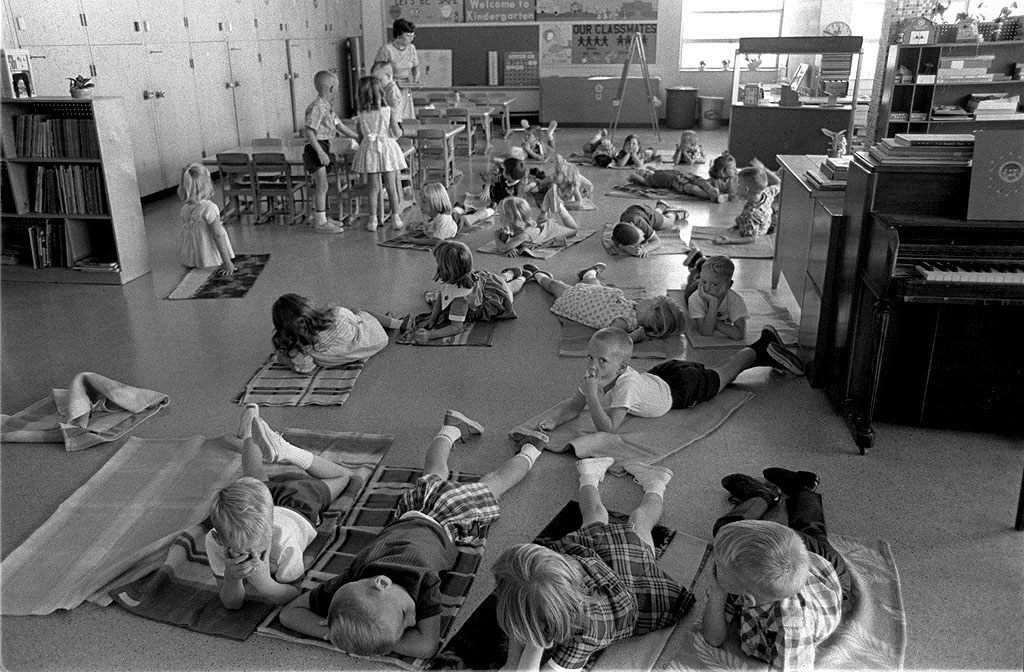
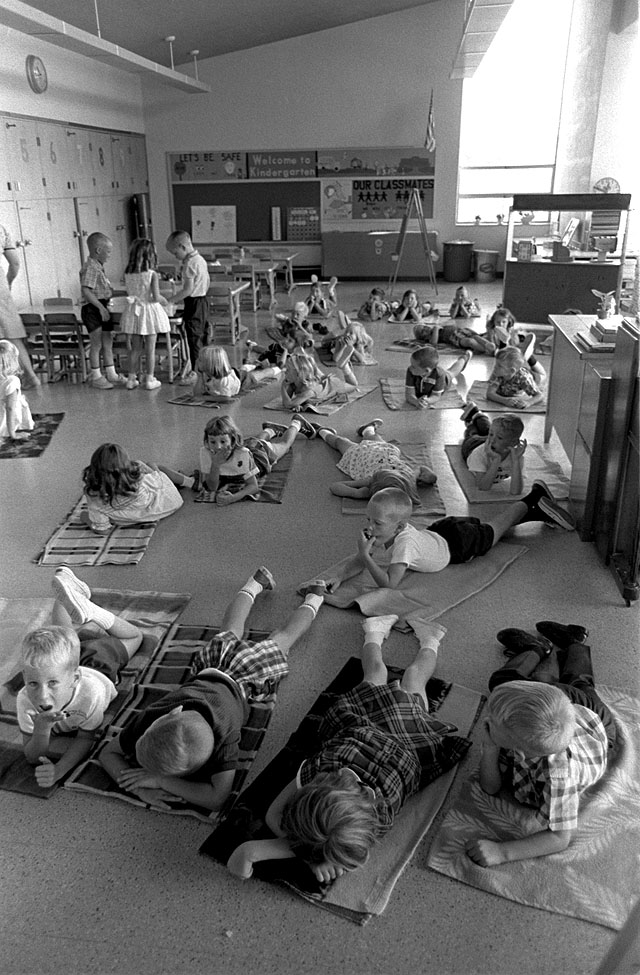
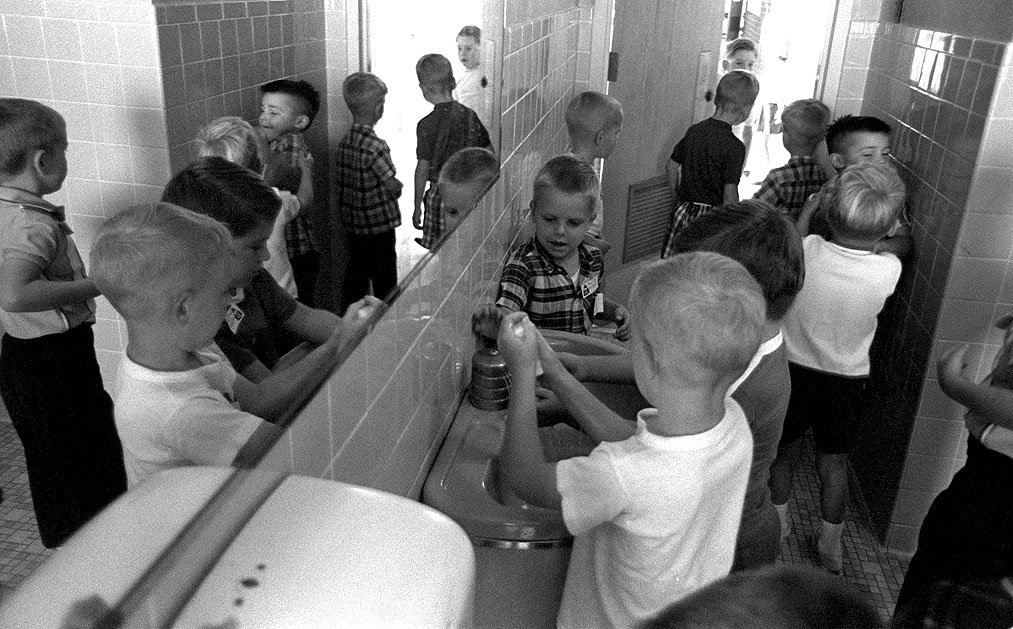
I don’t have any pictures from when the school opened, as far as I know, but I was there for what I assume was the first day of school on Sept. 6, 1967, if my film sleeve label is correct. I’m also guessing that this is a kindergarten class, based on the signs.
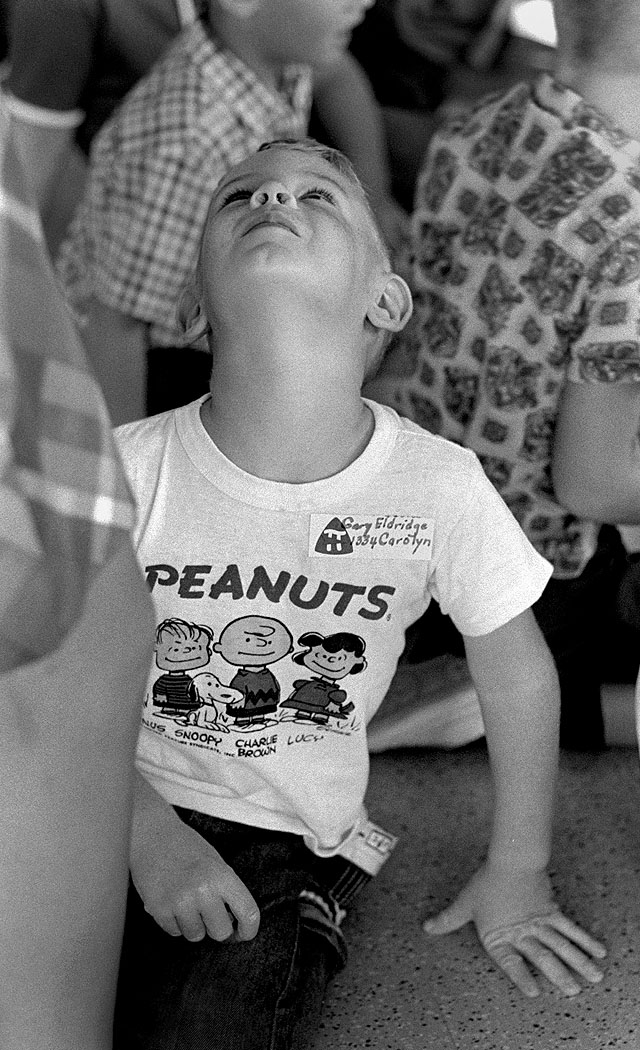
This poor boy never had a chance
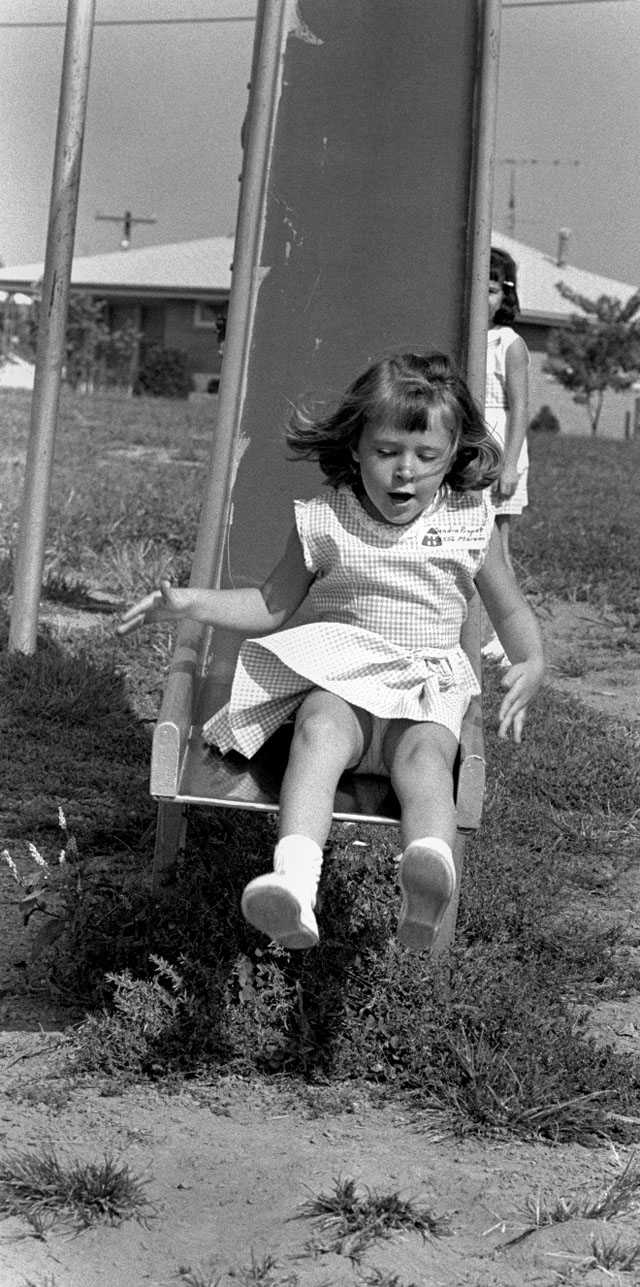
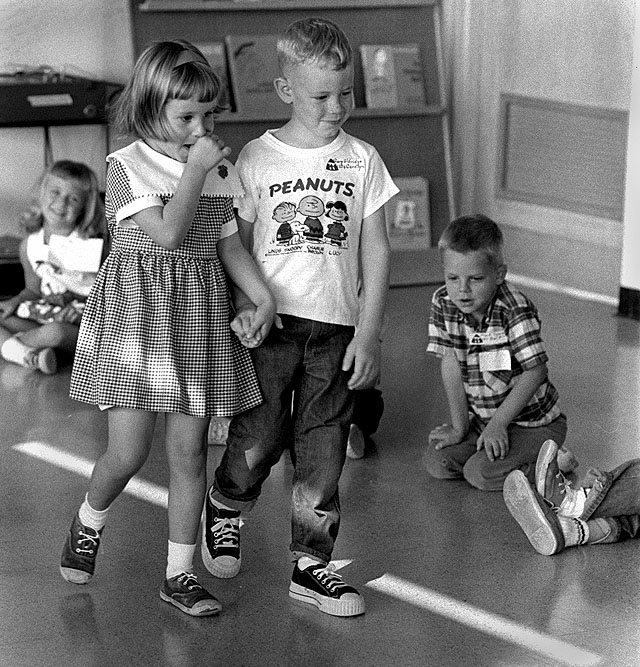 I’m going to bend the rule that “good photographers never show their bad pictures” by including some that are a little on the marginal side. You may spot yourself, a sibling or a neighbor and won’t mind if the exposure is a little off or it could be sharper.
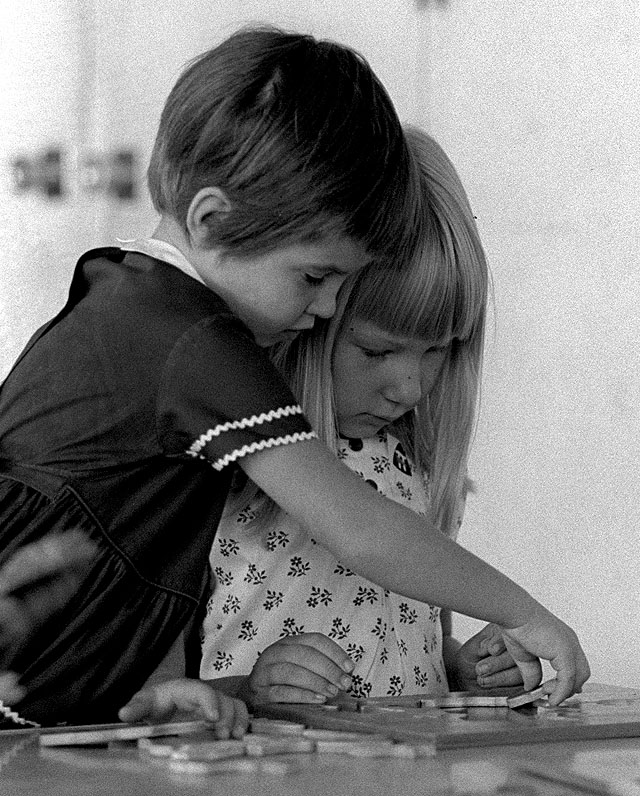
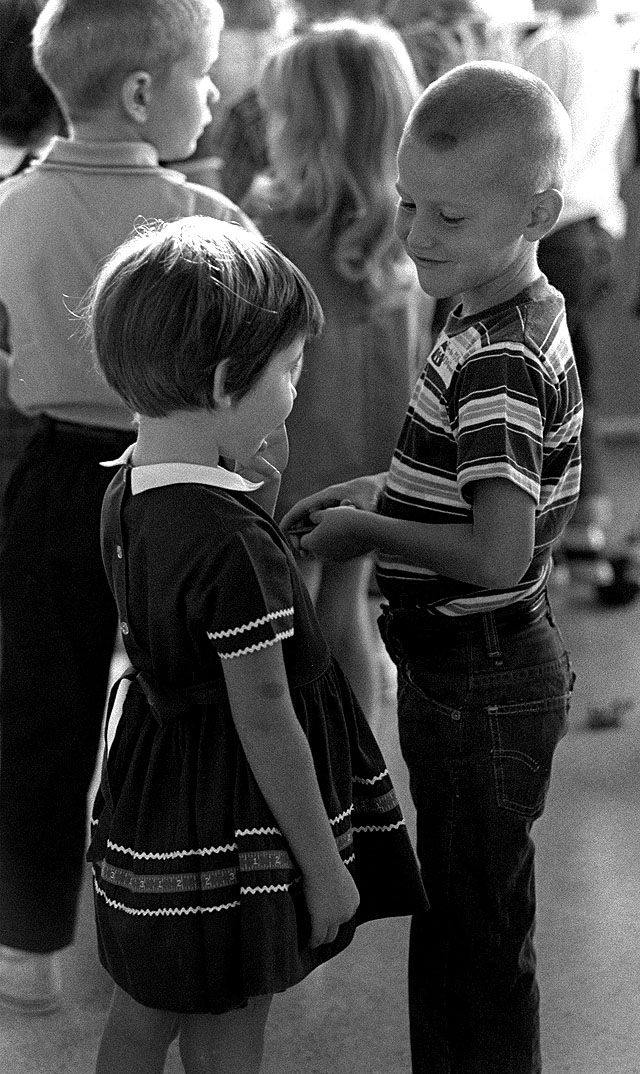
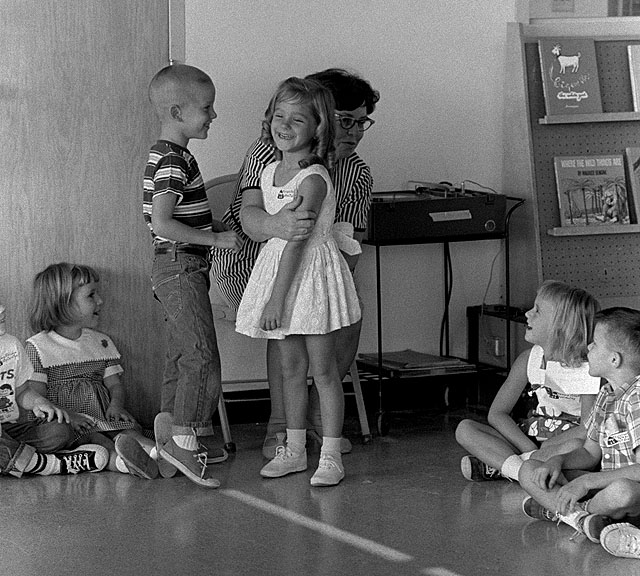
The difference between boys and girls
Gender differences show up even in kindergarten. The boy has this “Oh, my god, I’ve got a girl hanging off the end of my arm” look on his face. His buddy on the right is thinking, “Neat sneakers.”
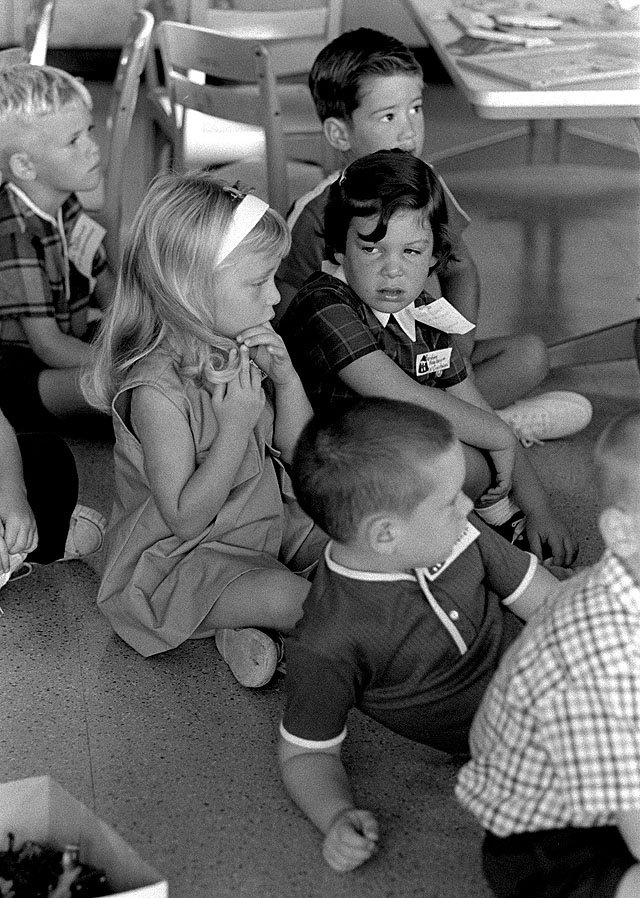
The girl in the background is placing an imaginary order for her bridesmaid dress.
Who was Alma Schrader?
It dawned on me that I’ve said or written Alma Schrader School scores of times without wondering, “Who the heck is Alma Schrader and what did she do to get a school named after her?”
It’s almost like memorizing someone by naming something after them turns them into a phrase instead of a person.
The Missourian had a long front page obituary for Miss Schrader when she died January 15, 1959. She taught in Cape Girardeau for 50 years, including serving 34 years as principal at May Greene School. (Quick pop quiz: who was May Greene?)
Miss Schrader was born in 1886, the daughter of a shoe cobbler who had a shop on North Middle. She started her teaching career in 1906 at Old Lorimier School, where she taught for three years. She spent three years as a teacher at the old Jefferson School at South Ellis and Jefferson; she was promoted to principal, a post she held until 1921. When the new May Greene School opened in 1921, she was named the school’s first principal. She continued to work with the school system after her retirement in 1956.
UPDATE to Alma Schrader Celebration
Follow this link to see pictures from the 50th Anniversary Celebration.
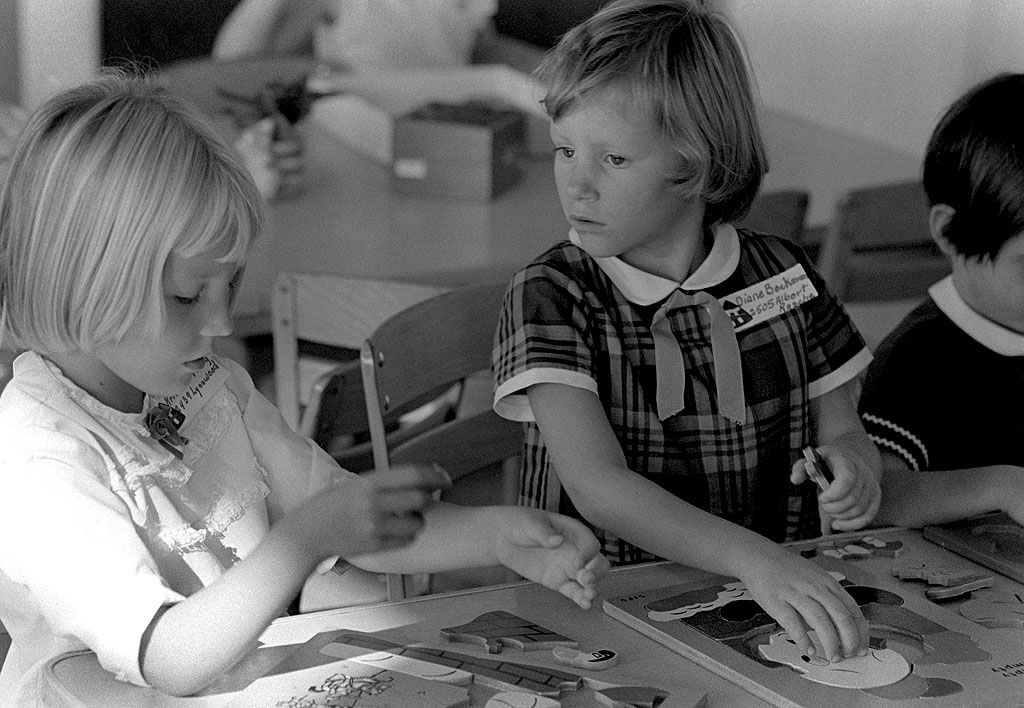
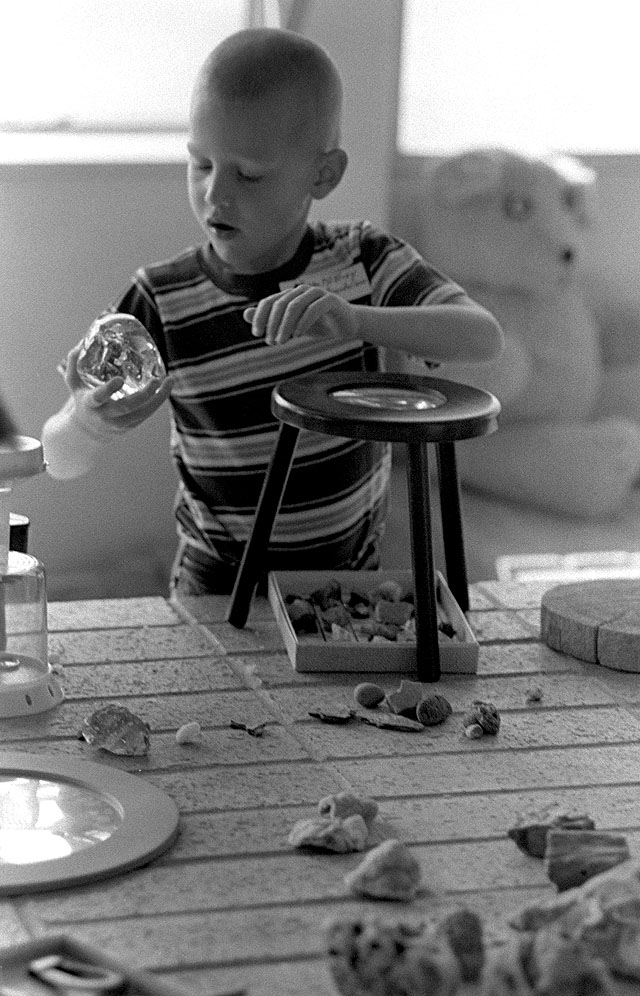
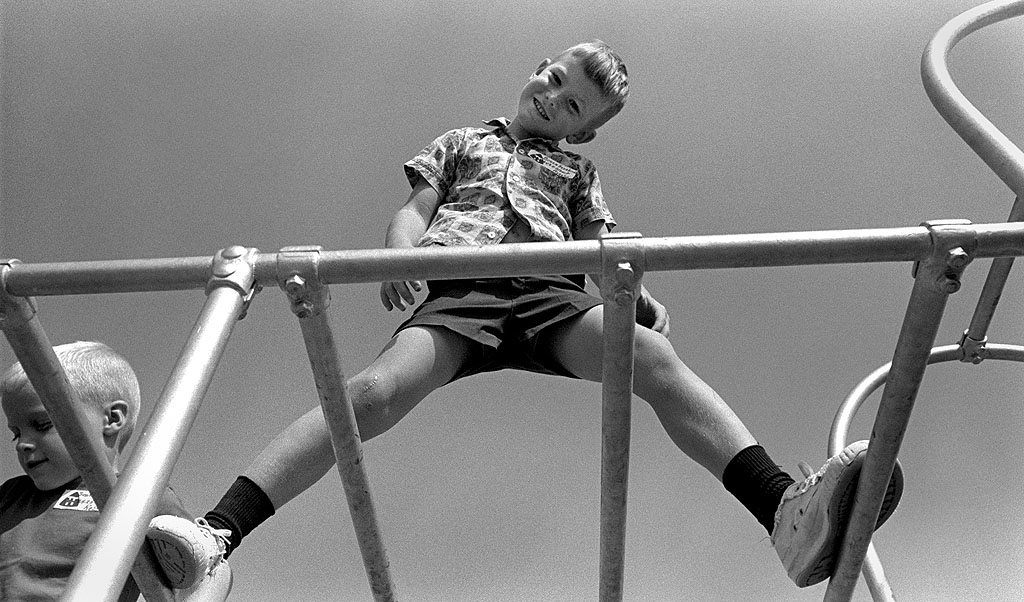
Gallery of Alma Schrader School Kindergarten Class 1967
Click on any picture to make it larger, then click on the left of right side of the photo to step through the gallery.
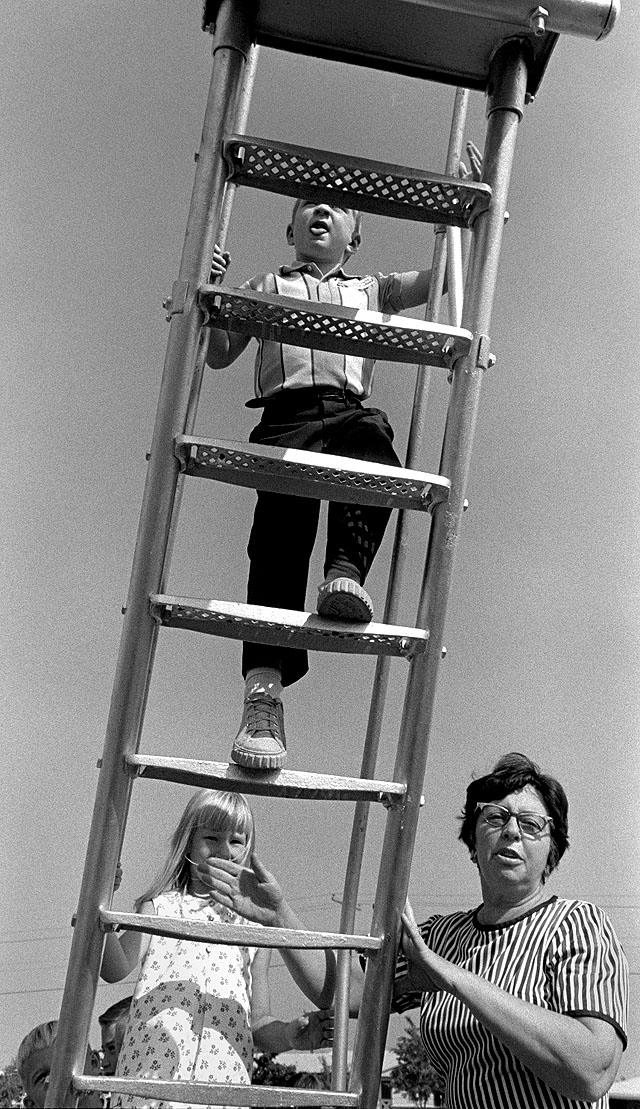
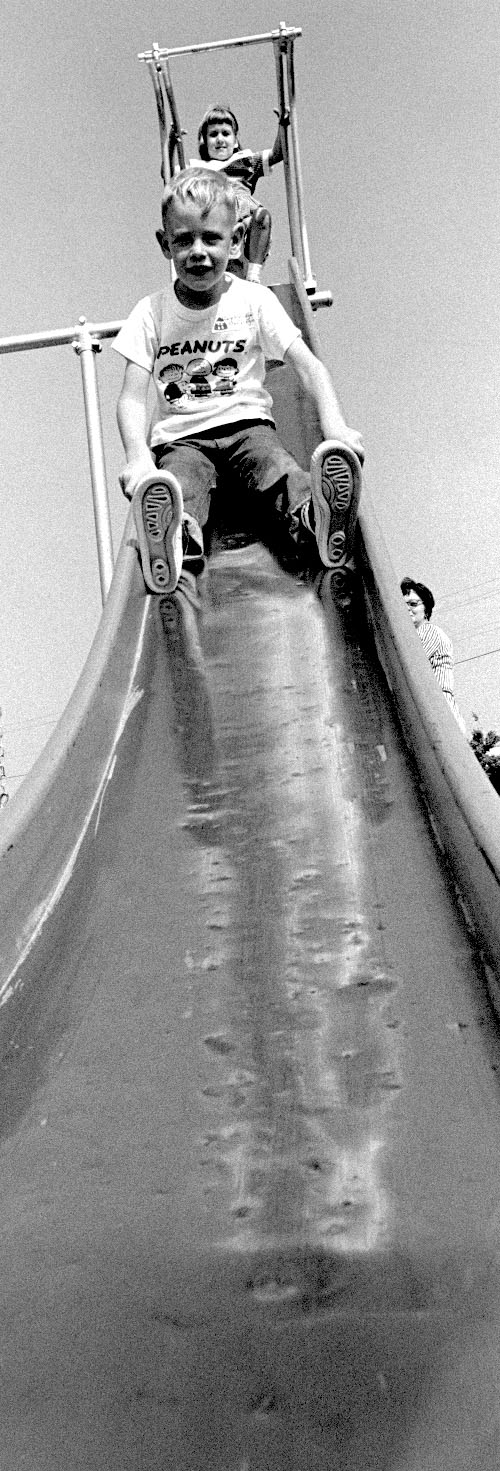
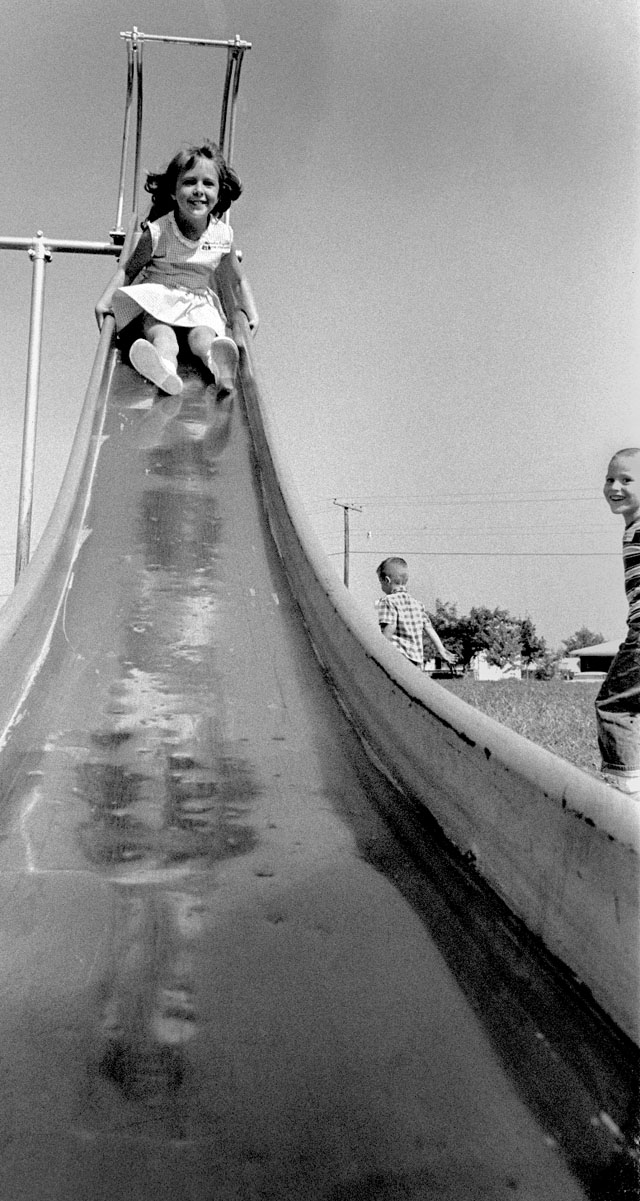
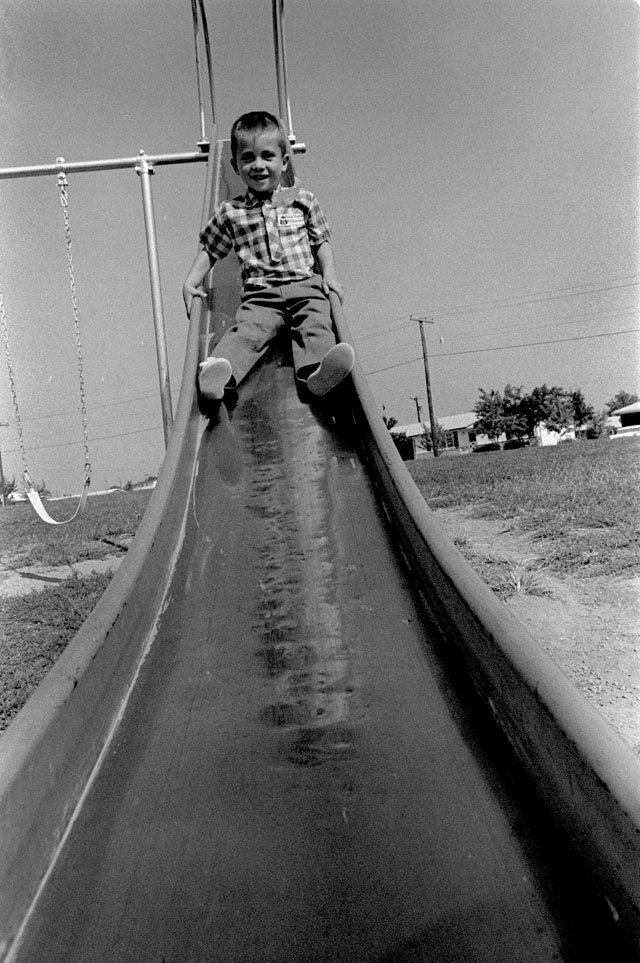
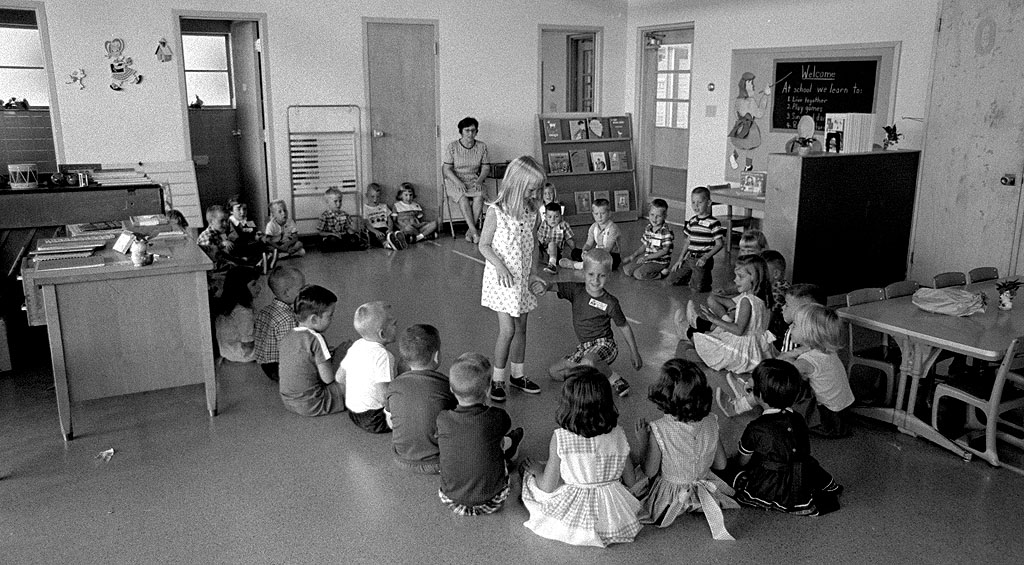
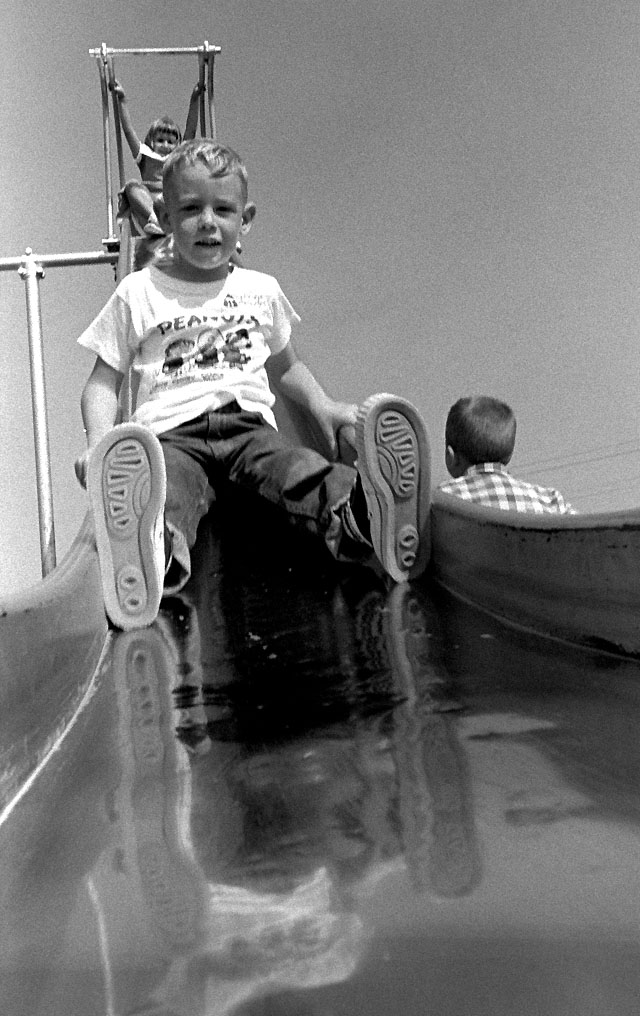
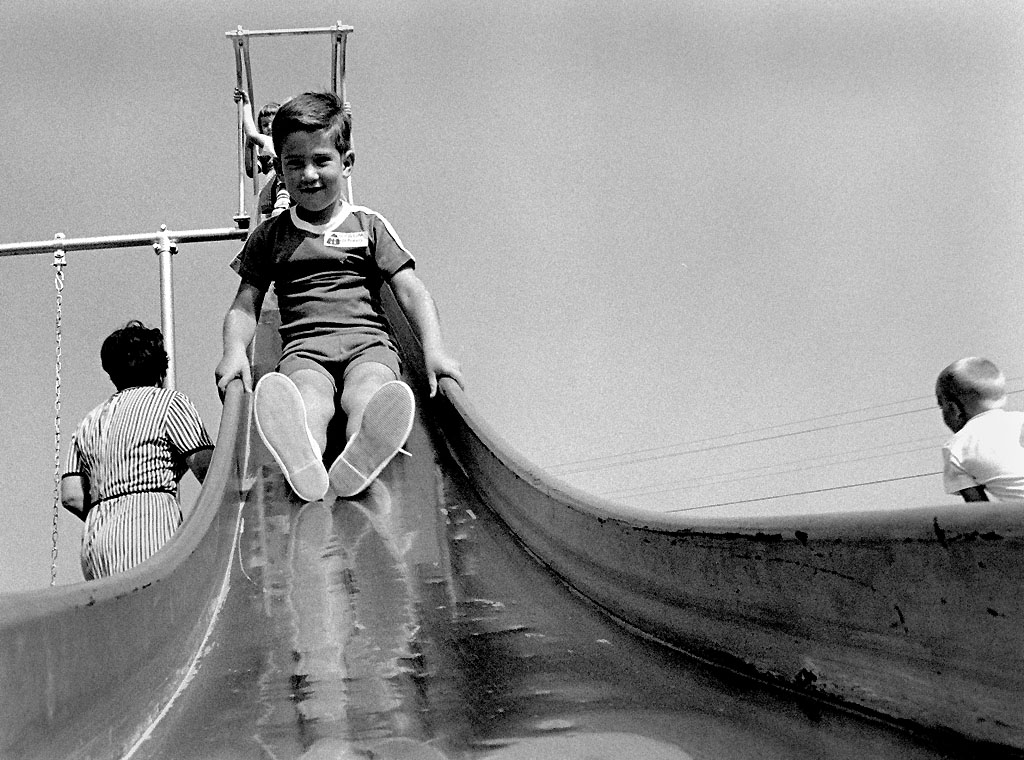
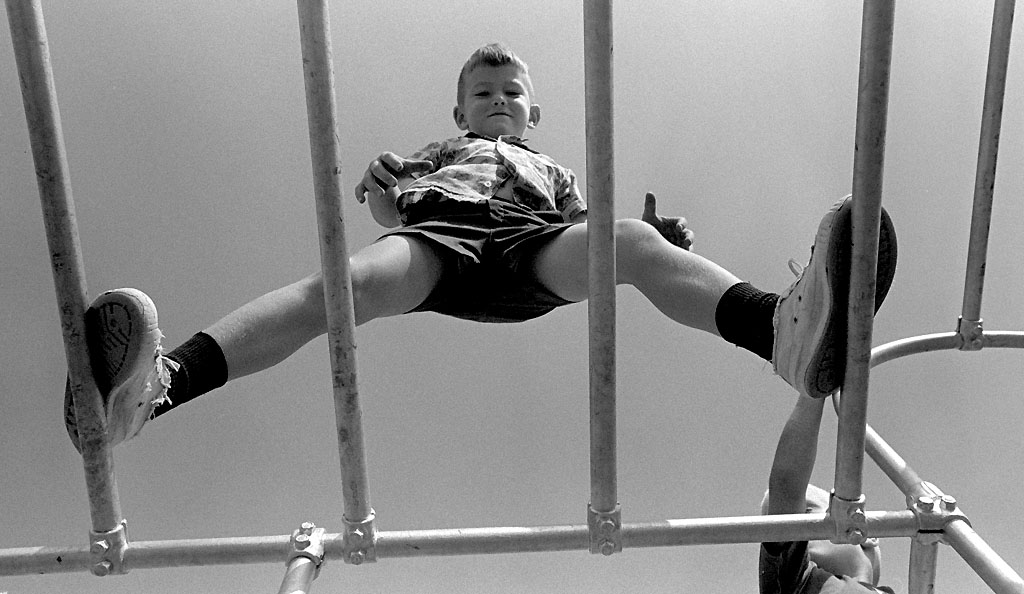
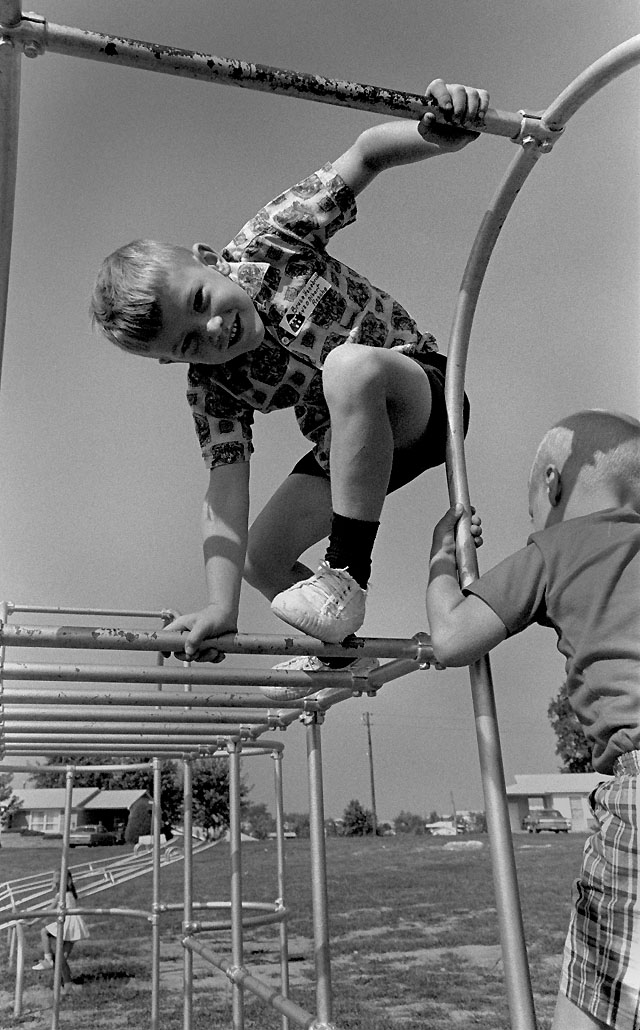
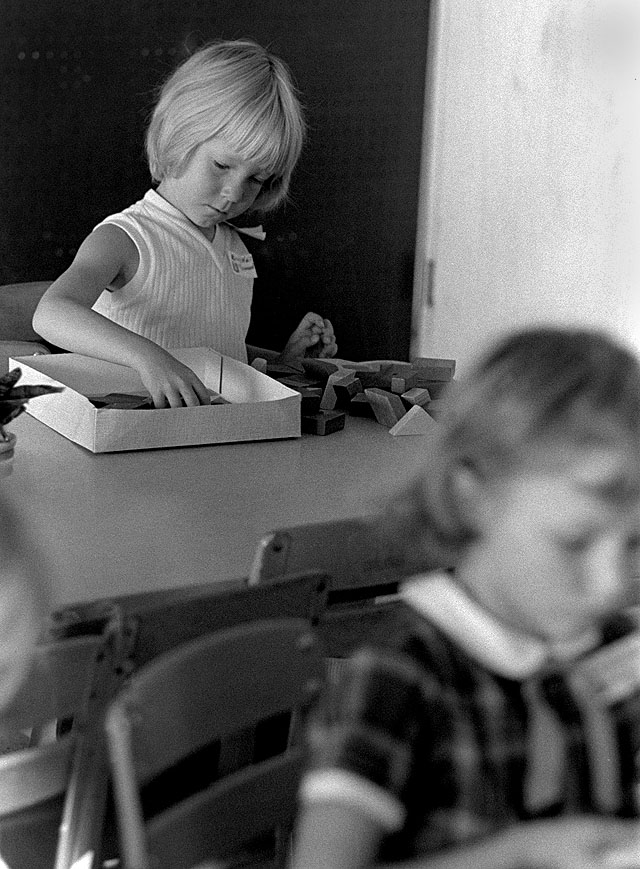
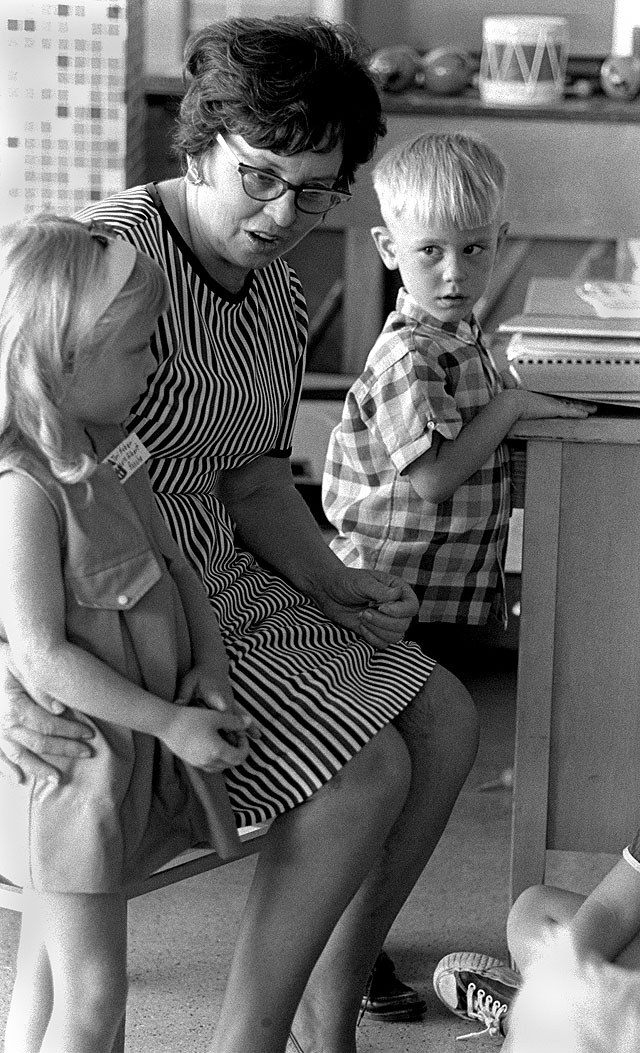
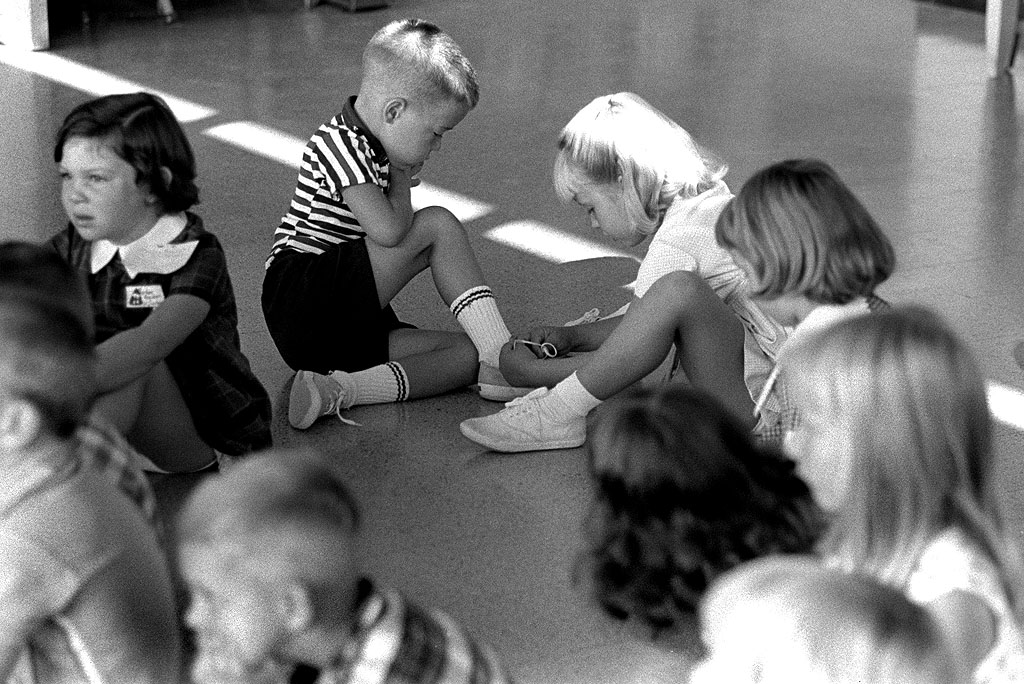
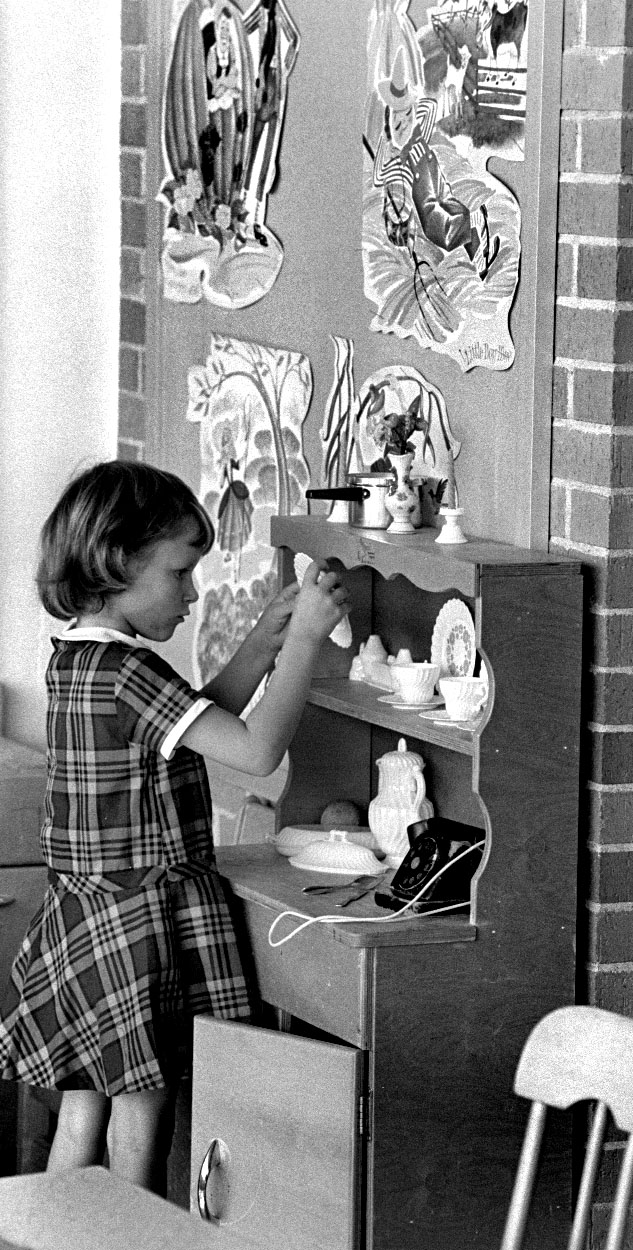
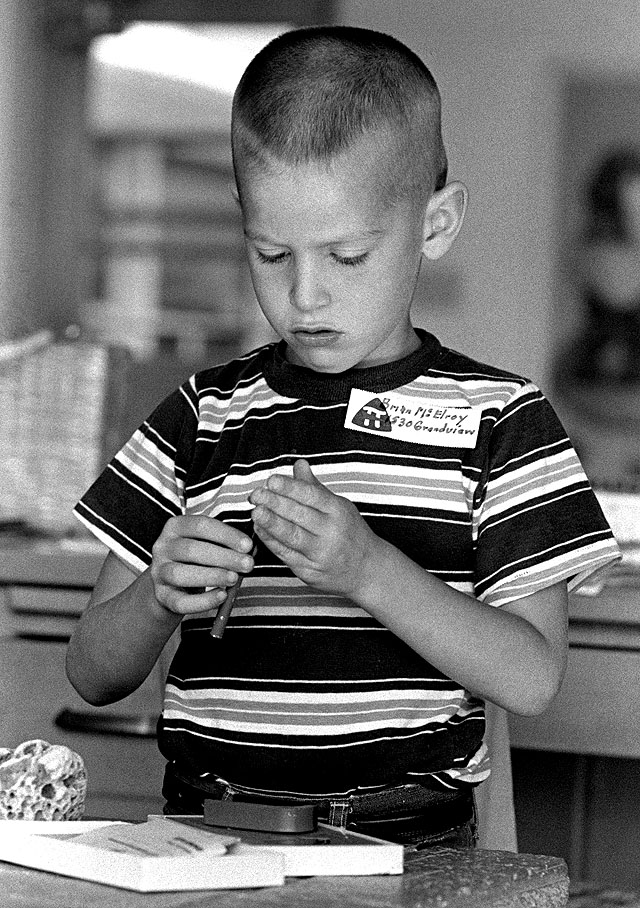
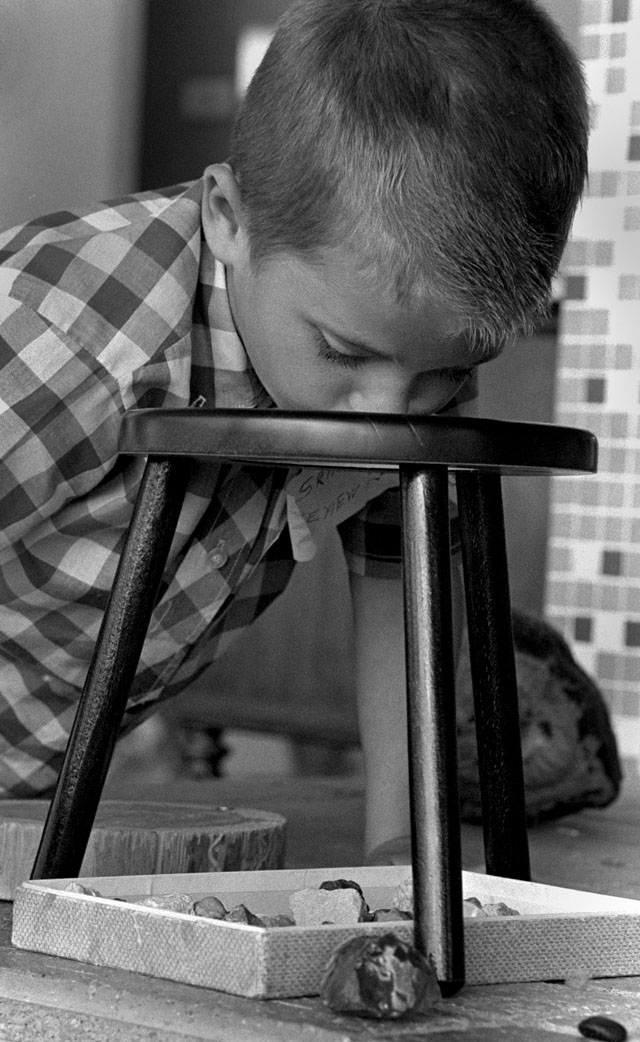
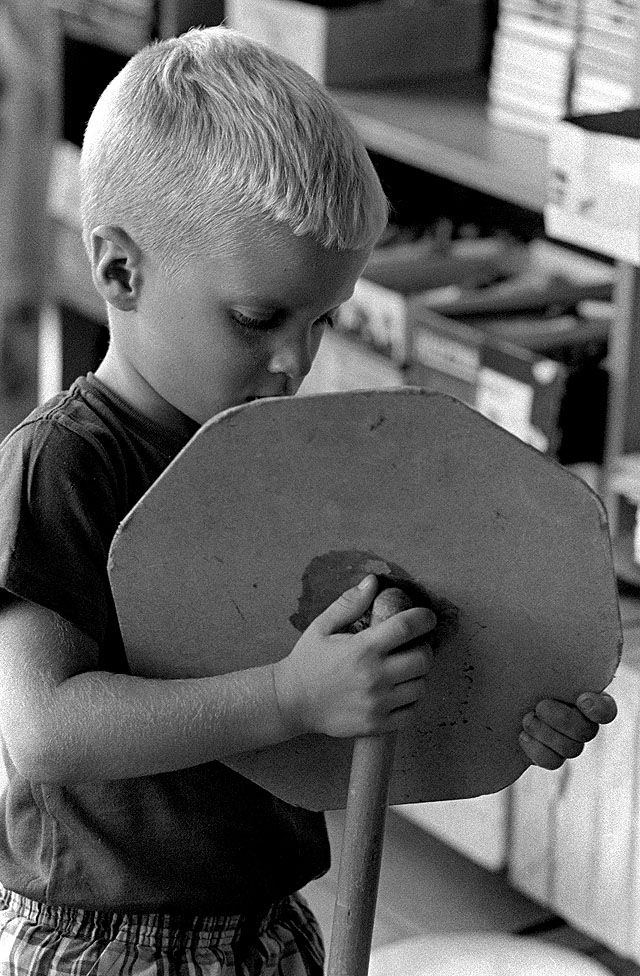
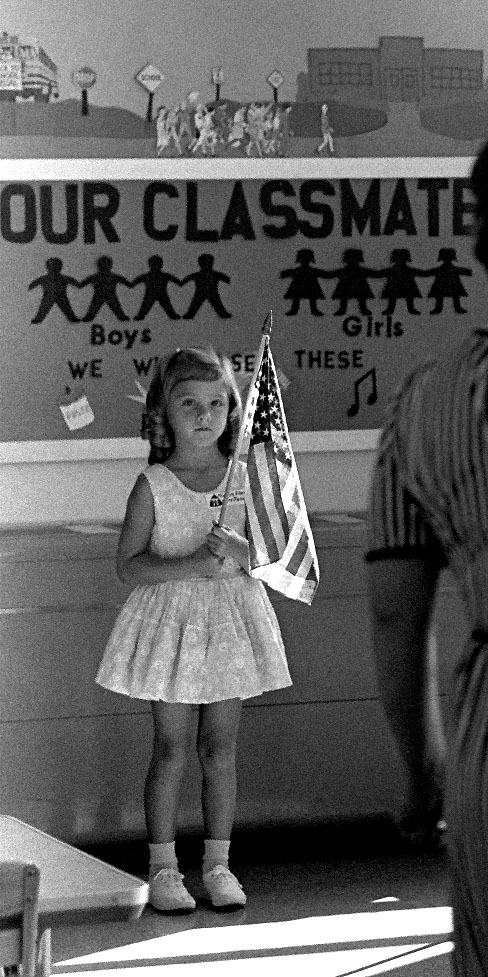
Where are all the colored kids? Did Cape even have blacks in 1967?
Cheers,
Matt
Backyardavore,
Schools in Cape were integrated long before 1967, but geography and demographics played a part in de facto segregation. Alma Schrader was located in a more newly-developed area on the northwest side of town. Few non-whites lived there in those days. In fact, I can’t think of a single minority family on my paper route, which bordered the school.
Jefferson School, considered a sister school to Alma Schrader, was located where more minority students lived.
A commenter to the Alma Schrader story in The Missourian pointed out that the current student mix at Alma Schrader is approximately 88 percent Caucasian, 10 percent African American and 2 percent other. Jefferson School is about 55 percent African American and 43 percent Caucasian.
I have no idea if those numbers are correct. I got them off the Internet. No telling where the original poster got them. Still, they would seem to be within the range that I would expect.
Very nice pictures, Ken, with that long-ago feeling that arises whenever you see images of more innocent times. (I can personally attest to Ken Steinhoff’s chops as a photographer, having worked with him at The Palm Beach Post, and clearly evident in these early days at school.)
Thanks, Nick.
BTW, I’m not diagnosed with any terminal illnesses (except old age), so you don’t have to be so uncharacteristically kind.
Wow, I found my picture in that group as that was my first day of school. It is amazing what can crop up on the internet.
I knew there would be photos of high school friends in that kindergarten class! Now I’m going to have to go back and see if I can pick you out…
The Internet is forever, just like my mother’s attic.
Which one were you?
Hi Ken. I graduated from CHS in 1968. In the afternoons of my senior year I would help at Alma Schrader, hoping to prepare for an Elem. Ed. degree at SEMO. I was assigned to help Mrs. Beard’s (Pam Beards’ (1967) Mother) kindergarten class. She was very dedicated and loved the children. I learned a lot from her. My husband, Brad, graduated with Pam.
Ken, I am the kid climbing the ladder in the far right picture on the second row. I recognize several other people as well.
Mark,
Glad you survived Kindergarten, with going around with your shoelace untied like that.
Ken –
Have no idea where the poster on the Missourian got his demographic data. According to http://dese.mo.gov/planning/profile/building/arsd0160964020.html 2009 demographic data for Schrader reflects 83% White, 11% Black (DESE’s categorizations, not my own), 5% Asian, 1% Hispanic. Jefferson’s 2009 demographics break down to 42% White, 57% Black, 2% Hispanic, and 0% Asian. (And,yes, I did round to whole percents…but the demographics are there on the DESE website.)
Why the high Asian population at Schrader? One reason has to do with the location of Biokyawa to Cape. The families who relocate to Cape from the Japanese Biokyawa plant move to houses in the Schrader attendance center area. I am assuming Biokyawa owns “plant houses” within the attendance center. However, our Asian population is not limited to Japanese families as we also have families from China, Korea, Vietnam, and Malaysia among others. We have several students who are Muslim and have moved to the U.S. from Turkey, Pakistan, and Iran. Our student population is much more diverse than a cursory review of demographic information would indicate. We have one of the larger populations of limited English speakers in the district as we have several first and second generation immigrant families at the building. It has certainly broadened my worldview.
That’s one of the problems with the way newspapers have been dumbed down. When The Missourian first came up with the Speak Out concept that allowed callers to leave their opinions on a voice mail system, I argued that it was catering to those who were incapable or unwilling to sit down and write their opinion.
The Internet – or the way the media has used it – made it worse.
It’s ironic that newspapers (and the one I used to work for is one of them) that do everything possible to insure that a written letter to the editor was actually produced by the person who submitted it, will publish anonymous comments by the lowest form of vegetable life (no offense to lima beans).
I’ve pretty much quit reading most of the Speak Out columns because there’s usually more heat than light.
I’m glad you came along to set the record straight.
I’m sure my wife will chime in. She worked in a middle school in FL where minorities were in the majority.
I can identify with the diversity in schools today, because I was a librarian in a middle school in Florida for more than 16 years, from 1986 until 2003.
These pictures were taken in 1967 at the beginning of the civil rights movement. At that time, students went to neighborhood schools which created de facto segragation.
The middle school where I worked and where my sons went, was fed from elementary schools in older neighborhoods with lower income families… black and white… and ones with high concentrations of immigrants.
Minorities made up the largest percentage of our student body. 40% of the student body were black… a large number of whom were Haitian. Whites were about 40%. The remaining students were made up of 19 different nationalities… most from Cuba. Others were from Guatemala, Honduras, the Mideast, Russia, Egypt, South American, several Asian countries, and other places that I can’t remember.
Minorities were the norm rather than the exception. I truly believe being in that environment helped my sons, and other students, grow up blind to people’s differences and accepting of just about everyone.
Just curious, am I the only person that has the school song that Mr. Abernathy (6th grade teacher) wrote still stuck in their head?
There’s a school on a hill,
makes my heart to stand still.
Alma Schrader’s the one that I mean.
Like a star in the sky
it’s a beacon on high.
Alma Schrader is my favorite school.
The old football field
and the swings and the slide.
I see them at night in my dreams.
If I ‘er go away
for a year and a day
I’ll be thinking of my favorite school.
Becky, two of my sisters and I can still sing that song from memory (in fact, we just did, joking around at a recent family reunion). Though we remember the first sentence of the second verse as “The fun that we had on the old monkey bars.”
Whew, Mark, that’s a relief. I’m not the only one. I don’t make it to Cape much anymore, but if we’re all ever there at the same time maybe we could put on a performance in the garage, just like some of the ones we did when we were kids!
Experiencing diversity, personally and at work, has enriched my life.
Does anybody remember a Mrs. Huff, who taught first grade in 1960? Sadly I moved to Dexter after the first grade, never to return.
This article remained me my school days,good infomation shared with us. I enjoyed reading about Alma school
Greetings from atop the monkey bars. I am in the photo marked 09-06-62 52 and another in the slide show. I remember that day clearly but had forgotten the school anthem. Thanks for the memories.
Any chance of getting a copy of some these photos?
Thanks!
Hanebrink
Does Pam Beard( ?) get your email? I know she would love seeing these photos.
I was in first grade the year Alma Schrader opened. I remember that it was not completely finished, they were still working on the playground. Mrs. Huff was my first grade teacher, she was amazing. Other teachers were Miss Stein, Mrs. Heilig and Miss Harris. Thirty of us were bussed to Franklin my sixth grade year because there was not enough room at Alma Schrader.
That’s right, Margaret. I was in Mrs. Huff’s class with you and was bussed to Franklin in 6th grade.
My Mom Violet Wareing was cafeteria manager there for many years. She went to work there when the school opened and retired from there probably 20 years later. She worked with Mrs Schlimme, a neighbor of ours and another lady whom I cannot remember.
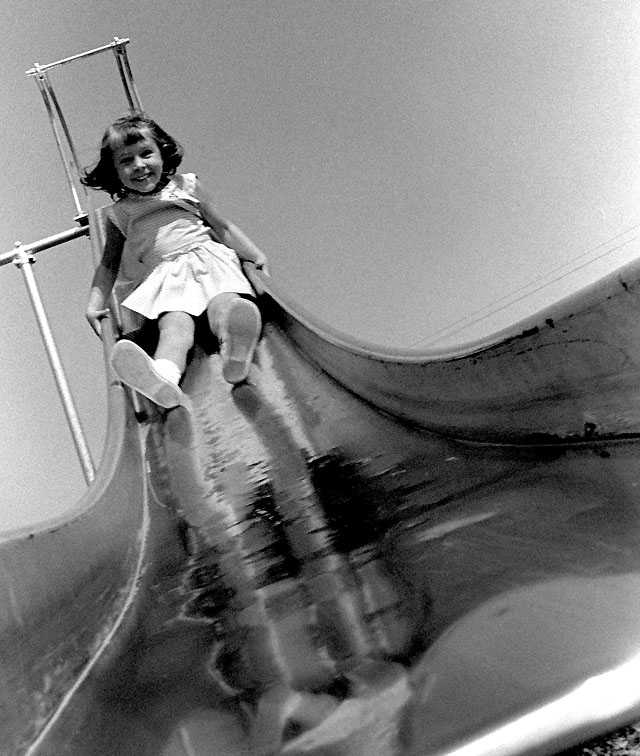
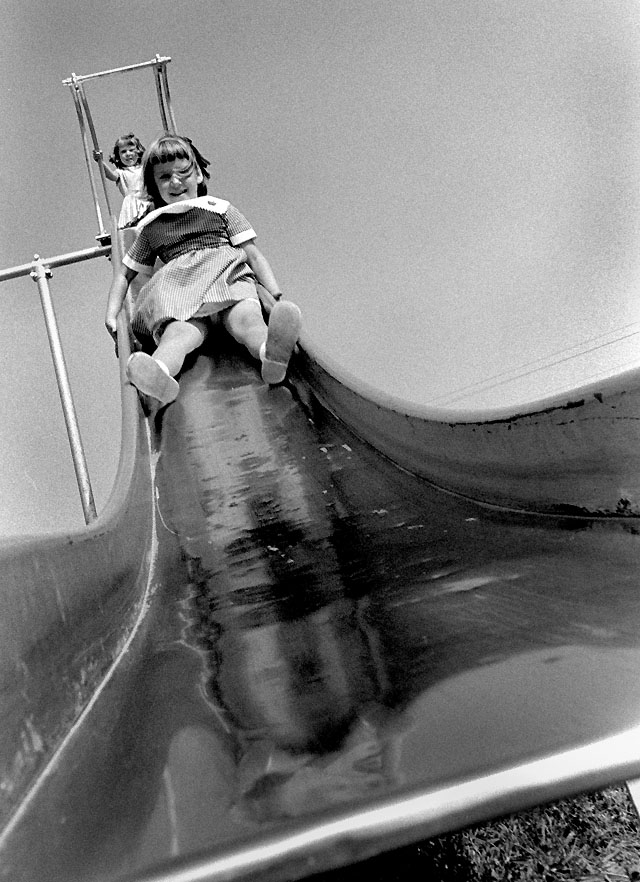
I was looking at these pictures of kids having fun at recess when I realized what I was seeing-THE SLIDE! I still have nightmares about it! My first REALLY EMBARASSING moment (of many others during my life) occurred on that slide when I reached the bottom of it wearing only the waistband of my skirt – the rest of it had snagged on something at the top and stayed up whilst I slid down. Only several hundred children and teachers saw me “flashing”-I hope no one else still alive remembers it!
I refrained from publishing that photo because I didn’t want to inflict greater trauma on you.
Just kidding.
Mrs. Huff? Well, of course I remember her. She’s my mom amd she taught 1st grade at May Green, then Alma Schrader, and finally became 1st Grade supervisor at the College campus school until retirement. Her heart was always in teaching so she continued to tutor for ten more years until she was 75. She passed away naturally at age 93 in 2003 in Cape. I always thought she was a stellar example of a caring and nuturing teacher.
Sherry, She was one of my favorite teachers. I saw her again in early 2000s. I was visiting someone at Chateau and I had an opportunity to remember those school days with her. Wonderful person.
What great photos as usual, Ken! I only went there in Kindergarten in 1962-63 but can still remember so much about it and these pictures triggered more great memories. Thank you for posting!